

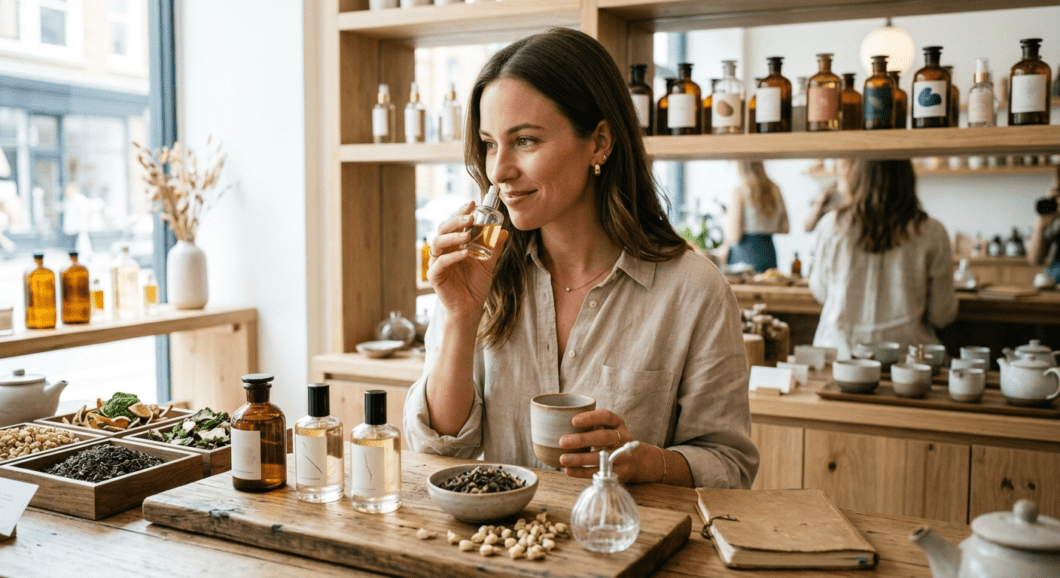
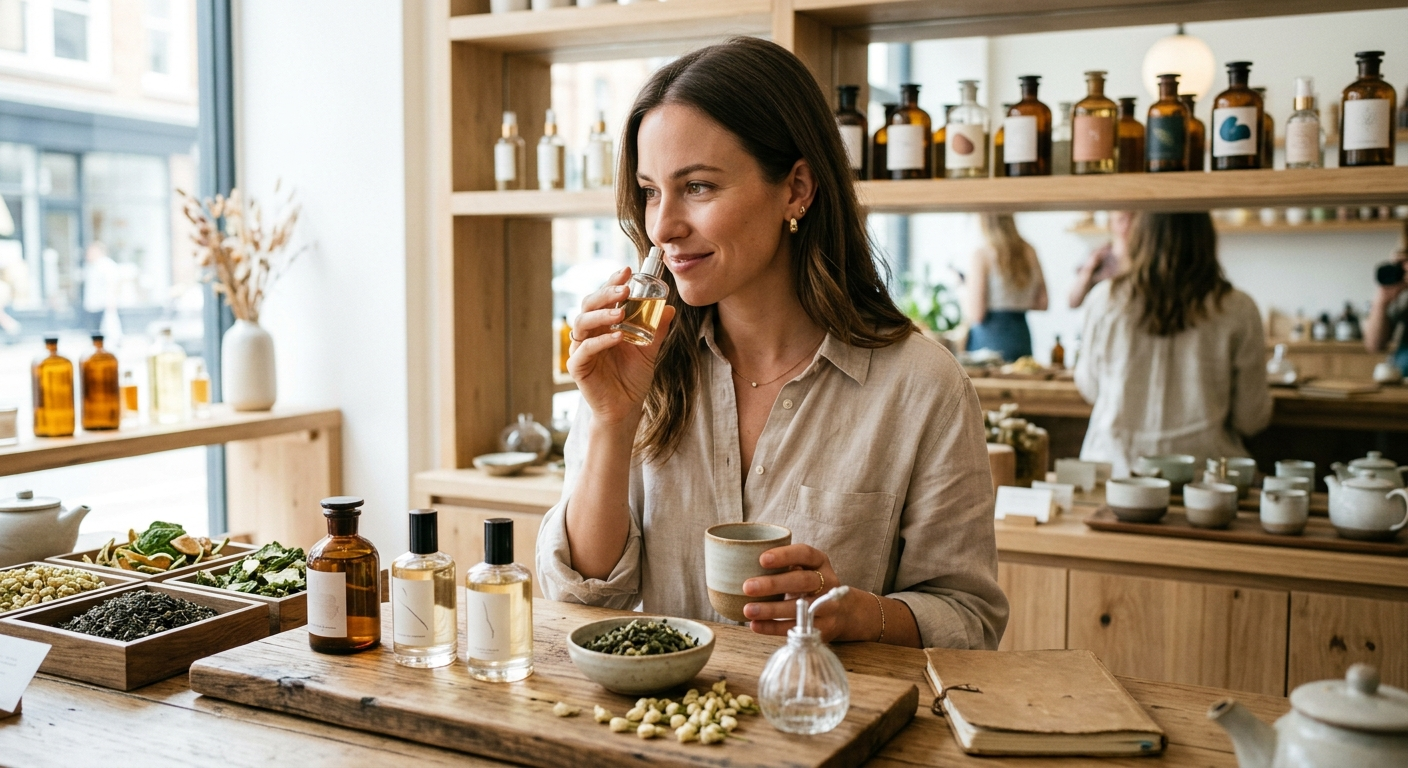
The last time most people thought about fragrance and tea together, they were probably holding a gift shop candle. That’s shifted. In 2026, tea-inspired perfumes have moved from a niche corner of the market into the mainstream — appearing in luxury houses, indie perfumers, and bestseller lists simultaneously. According to Refinery29, the best tea perfumes draw on the aromatic profiles of specific tea varieties to build genuinely complex compositions, and buyers are catching on.
Why Tea Fragrances Are Having a Moment in 2026
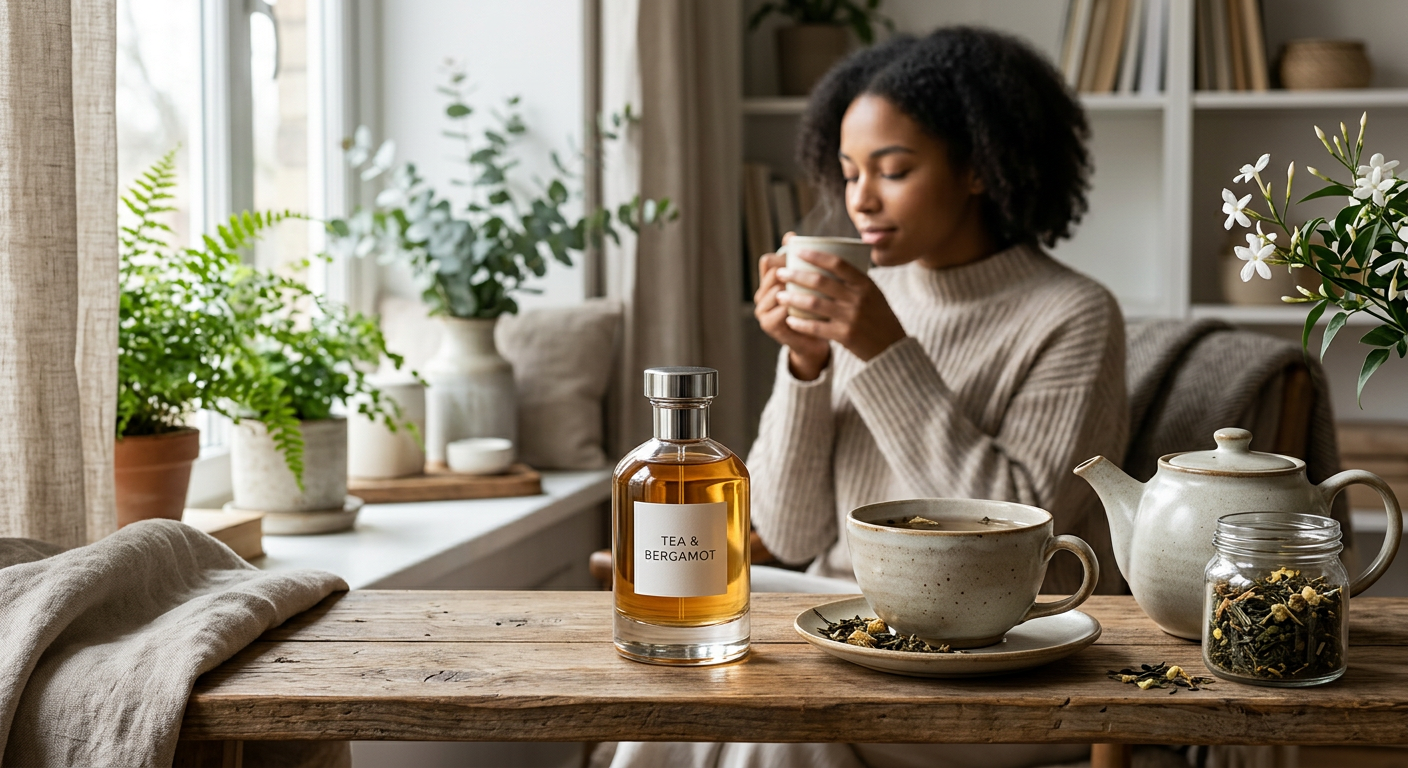
The timing isn’t accidental. Tea perfumes fit a specific mood that’s been building in fragrance culture for a few years: comfort over spectacle, refinement over projection, something that feels personal rather than designed to fill a room.
Edulge’s 2026 fragrance trend report puts it directly: “These scents don’t shout, they invite you closer.” Tea earns that description. It’s warm without being heavy, layered without being aggressive, and accessible without being generic.
There’s also a cultural dimension that other fragrance families don’t have. As What’s Hot in Mumbai noted in covering 2026 fragrance trends, consumers are gravitating toward scents that feel personal rather than performative. Tea carries that weight across cultures — Japanese genmaicha ceremonies, British afternoon tea, South Asian chai — which gives it a layered meaning that a generic aquatic or woody fragrance simply doesn’t have.
The Different Types of Tea Perfumes You Should Know
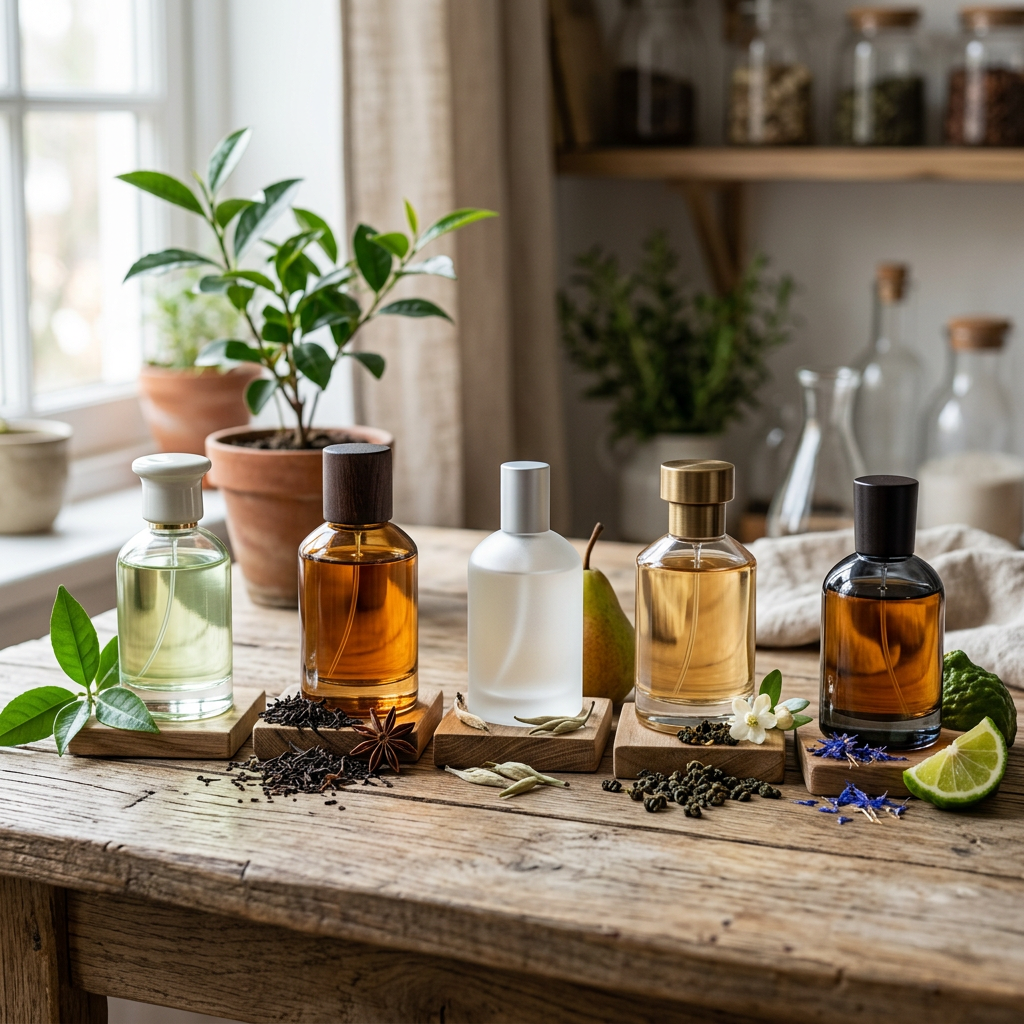
Tea fragrances span a wider olfactory range than most people expect. Knowing the distinctions saves you from buying the wrong bottle.
Green Tea and Matcha
Green tea fragrances run fresh and slightly grassy. Perfumers typically pair them with citrus, white musk, or light florals to build clean, airy compositions. These are the entry point for most buyers new to the category — familiar enough to feel approachable, interesting enough to keep wearing.
Genmaicha and Toasted Tea
This is where the category gets interesting. Genmaicha — the Japanese blend of green tea and toasted brown rice — has emerged as one of 2026’s standout notes. Parfum Exquis highlights 27 87 Perfumes’ Je Ne Sais Quoi as a fragrance built around exactly this effect: “the toasted rice and green tea effect that feels instantly soothing and quietly distinctive.” The result is warmer and nuttier than standard green tea, with a soothing quality that lighter tea notes rarely achieve.
Oolong and Black Tea
Oolong and black tea notes carry more tannin and depth. Nishane’s Wulong Cha, which fragrance reviewer Eglé recommends in her 2026 tea perfume guide, shows how oolong can anchor a complex composition without tipping into heaviness. Black tea tends to appear in chypre or woody fragrances, where it adds a slightly smoky, leathery edge.
Chai and Spiced Tea
Chai-inspired fragrances bring spice into the mix — cardamom, cinnamon, ginger — layered over creamy woods or milk notes. Prada’s chai-inspired 2026 launch, flagged by What’s Hot in Mumbai, “blends spiced tea notes with creamy woods for a refined yet comforting scent.” These are the warmest and most seasonally flexible tea fragrances in the current market.
Top Tea Perfumes Worth Trying in 2026
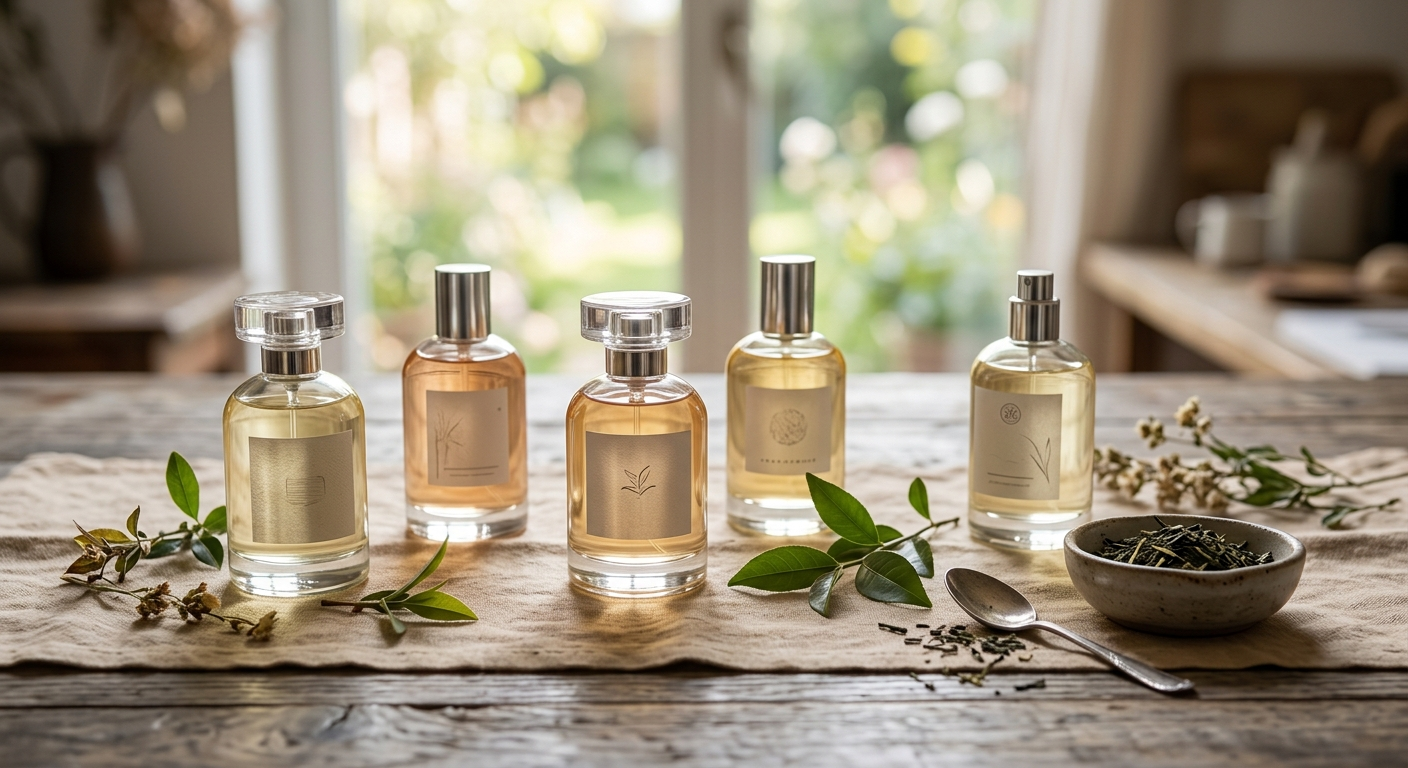
Fragrance reviewer Eglé’s 2026 tea perfume recommendations have pulled over 4,000 views since April 2026. Her picks, alongside other widely cited bottles this year:
Eglé’s strongest endorsement goes to Chasing Scents Tea Service: “I haven’t found anything better yet.” For buyers new to the category, Bon Parfumeur 003 and Diptyque Do Son are the most accessible starting points — widely available, reasonably priced relative to the niche market, and easy to wear without prior experience with complex fragrances.
How Tea Fragrances Fit the Broader 2026 Perfume Landscape
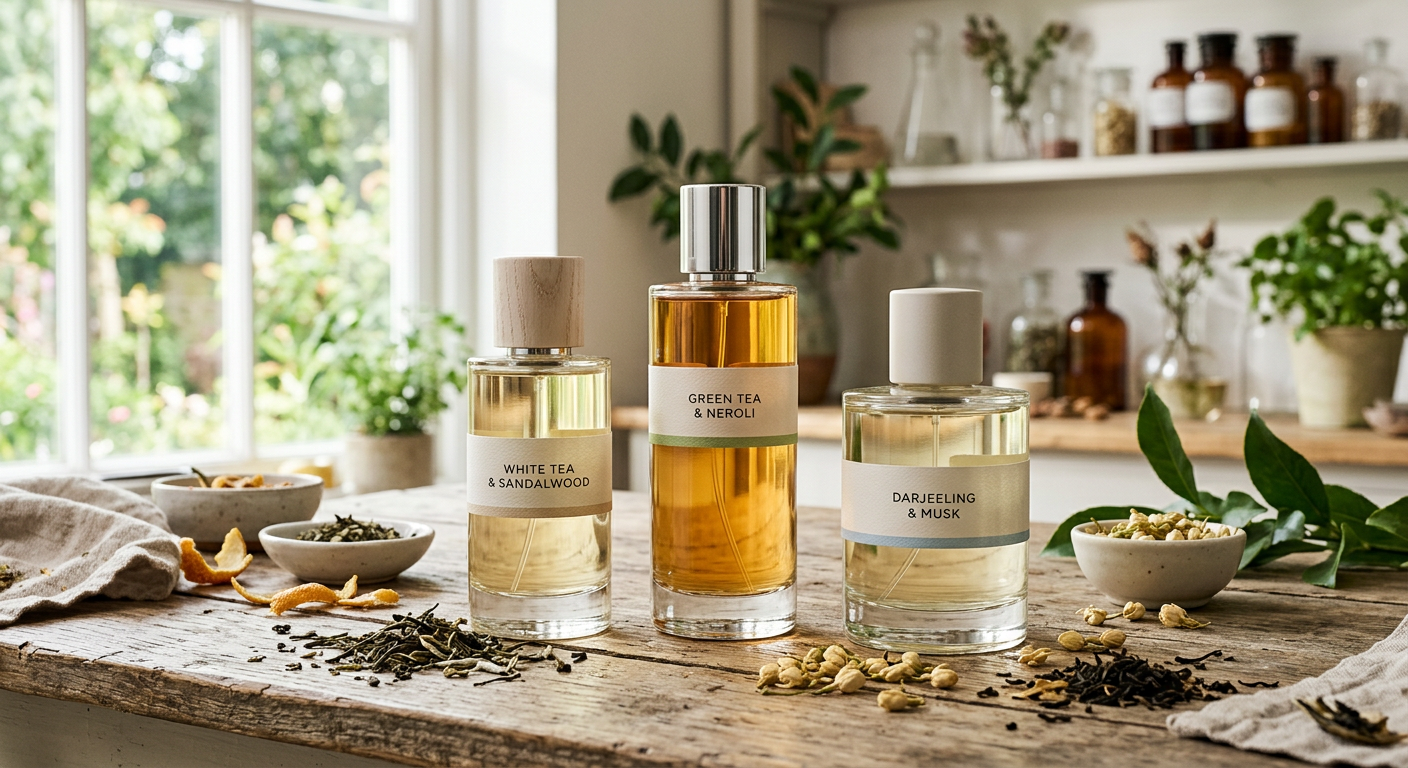
Tea scents occupy a specific position within the 2026 fragrance market. Parfum Exquis describes the dominant philosophy this year as “comfort with character” — wearable fragrances that function as a personal aura rather than a statement.
The three trends running through 2026 are milky gourmand profiles, tea minimalism, and nutty amber gourmands. Tea sits between the other two: more structured than pure milky softness, less sweet than pistachio-cardamom gourmands. Buyers who want depth without heaviness tend to land here.
Fragrance Outlet’s 2026 trend report also notes that gender-fluid fragrances are leading the market this year. Tea has a natural advantage in that space — it carries no gendered cultural associations, and the 2026 shift toward choosing fragrance by mood rather than demographic has accelerated the category’s growth.
Tea Fragrances Beyond Personal Perfume
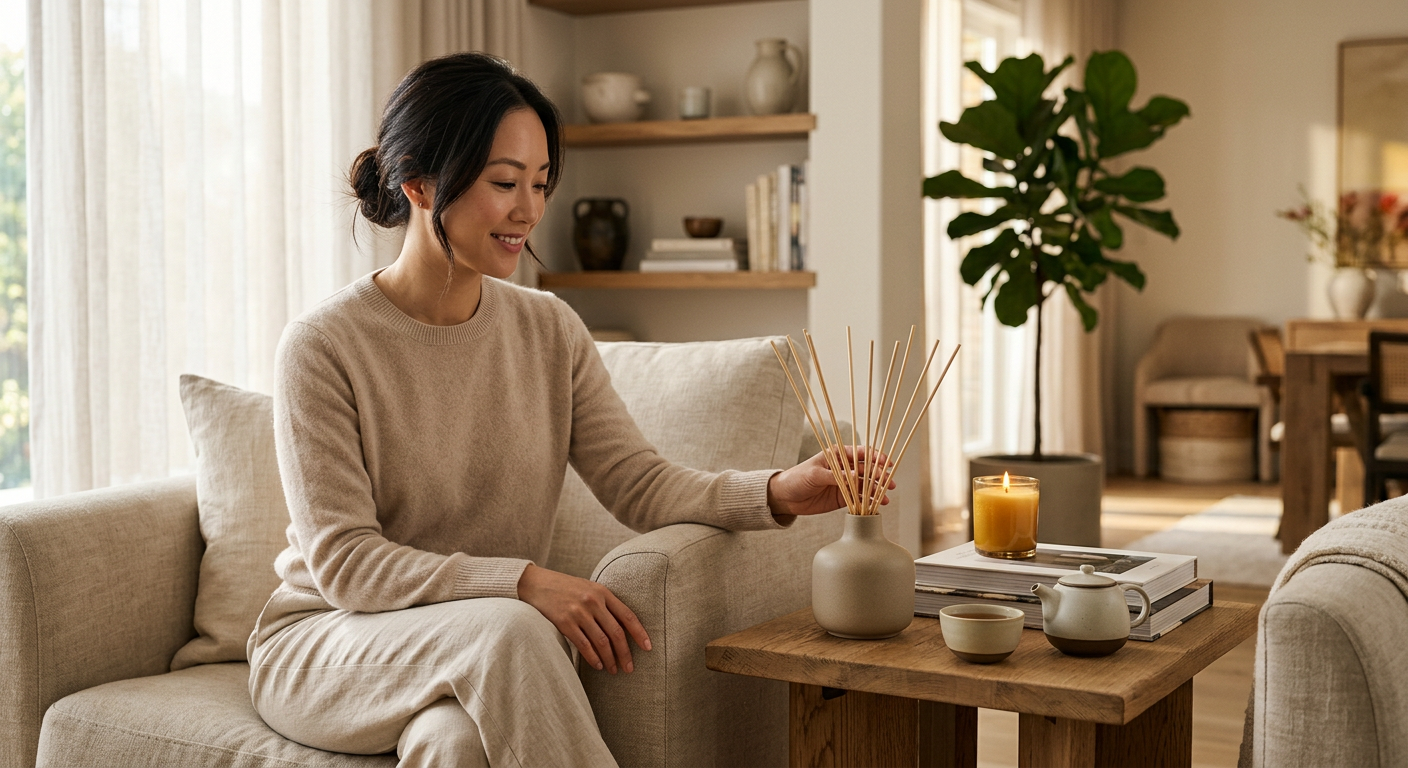
The trend has extended into home scenting, one of 2026’s fastest-growing luxury categories. Mila Marie Scents identifies white tea as a flagship note in luxury home fragrance this year, particularly in cold-air diffusers and whole-home scenting systems.
White tea in a home context reads as clean, calm, and quietly expensive — the “hotel atmosphere” effect that homeowners have been chasing for years. If you’ve already been drawn to tea scents in personal perfume, the home fragrance extension is a short step.
How to Choose the Right Tea Perfume for You
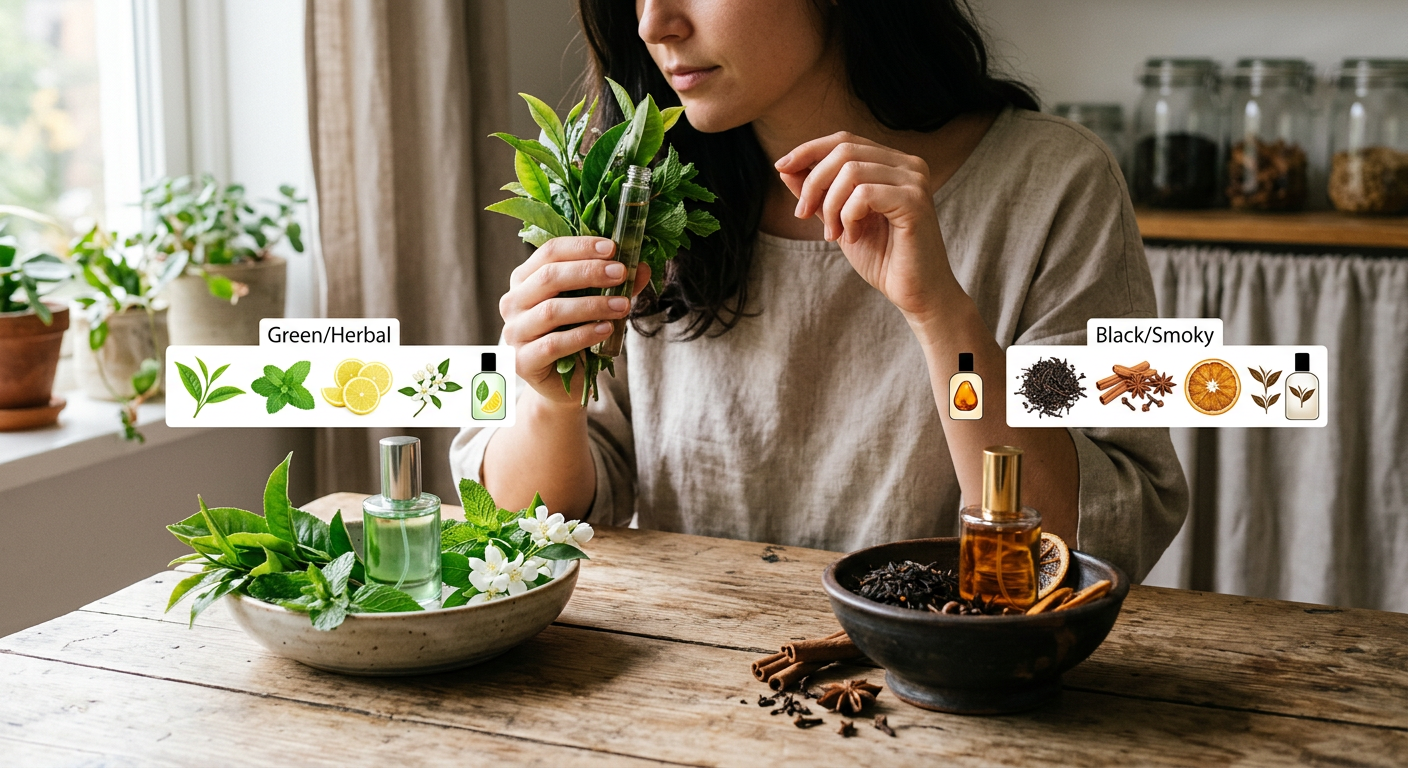
The selection process comes down to a few practical questions.
Start with your base preference. If you gravitate toward fresh, clean scents, green tea and white tea fragrances are the natural fit. If you prefer warmth and depth, genmaicha, oolong, or chai-inspired blends will serve you better.
Think about layering. Tea notes are unusually versatile — they work with musks, woods, florals, and even gourmand bases. Bon Parfumeur 003, for instance, wears cleanly on its own but also pairs well with a skin musk underneath.
Sample before buying. Most of the standout 2026 tea fragrances come from niche houses that offer discovery sets. The 27 87 Perfumes Discovery Set lets you try multiple compositions, including their genmaicha-forward Je Ne Sais Quoi, before committing to a full bottle.
Conclusion
Tea-inspired fragrances have earned their place in 2026 through olfactory merit, not marketing cycles. They deliver comfort, complexity, and cultural resonance across genders, occasions, and personal styles.
The short version: genmaicha and oolong are the most interesting notes to explore this year; Chasing Scents Tea Service, Nishane Wulong Cha, and Bon Parfumeur 003 are the standout bottles; and white tea has become a genuine force in home fragrance through cold-air diffuser blends.
If you’ve been curious about the category but haven’t committed to a bottle, the options have never been more varied or more accessible. Start with a discovery set.
Frequently Asked Questions
Q: What makes tea fragrances different from other perfume categories?
Tea fragrances occupy a space between fresh and warm that most other families don’t. They’re more structured than aquatic or citrus scents, but less sweet and heavy than traditional gourmands — which makes them practical across seasons and settings in a way that more extreme fragrance profiles aren’t.
Q: Are tea perfumes suitable for all genders?
Tea is one of the most naturally unisex fragrance families available. The 2026 shift toward gender-fluid fragrance has accelerated the category’s growth precisely because tea notes carry no gendered associations — they appeal based on mood, not demographic.
Q: Which tea perfume is best for beginners?
Bon Parfumeur 003 and Diptyque Do Son EDT are the most reliable starting points. Both are widely available, reasonably priced relative to the niche market, and offer clean, easy-to-wear profiles that don’t require prior experience with complex fragrances.
Q: Can tea fragrances work as home scents too?
White tea in particular has become a flagship note in luxury home fragrance for 2026, used in cold-air diffusers and whole-home scenting systems. The effect is clean and calm — closer to a well-run hotel lobby than a scented candle.
Q: What is genmaicha and why is it trending in perfumery?
Genmaicha is a Japanese green tea blended with toasted brown rice. The toasting produces a warm, nutty, slightly smoky aroma that translates unusually well to fragrance — more complex and soothing than standard green tea, without the heaviness of a full oriental or gourmand composition. That combination of warmth and lightness is why perfumers have been reaching for it this year.
Q: How do I layer tea fragrances effectively?
Tea notes work well over skin musks, light woods, and soft florals. Apply a skin musk or unscented body lotion first, then layer the tea fragrance on top. Avoid pairing with heavy orientals or strong gourmands — they tend to overwhelm the tea character rather than complement it.