

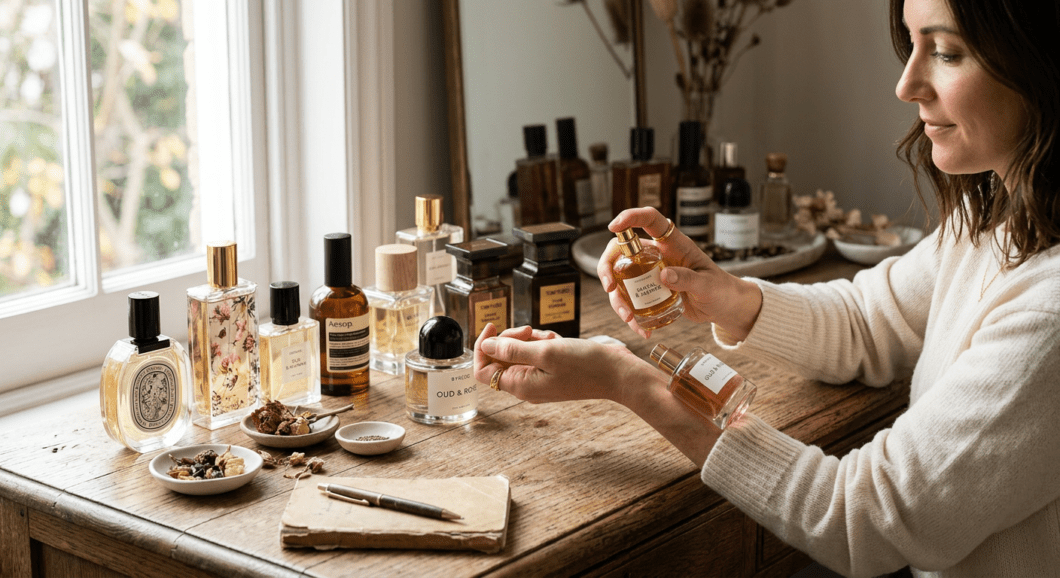
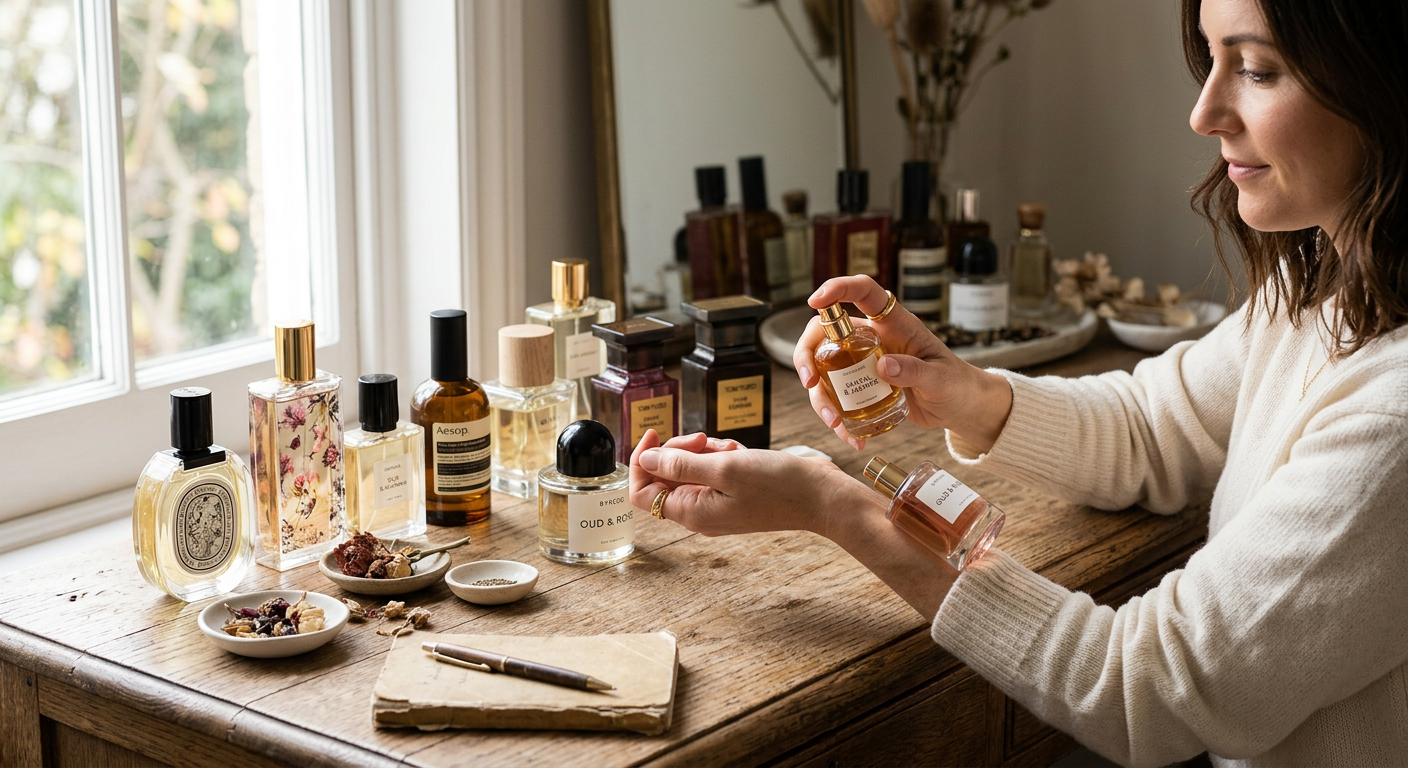
One scent. One bottle. One identity. That mythology built the Western fragrance industry for decades—and it’s coming apart. Gen Z consumers are spending an average of €204 per year on fragrance layering alone, according to Vogue Arabia, and luxury brands from Kayali to Maison Louis Marie are scrambling to keep up. The signature scent isn’t just fading—it’s being replaced by something more flexible, more personal, and considerably more interesting.
The Signature Scent Was Always a Marketing Myth
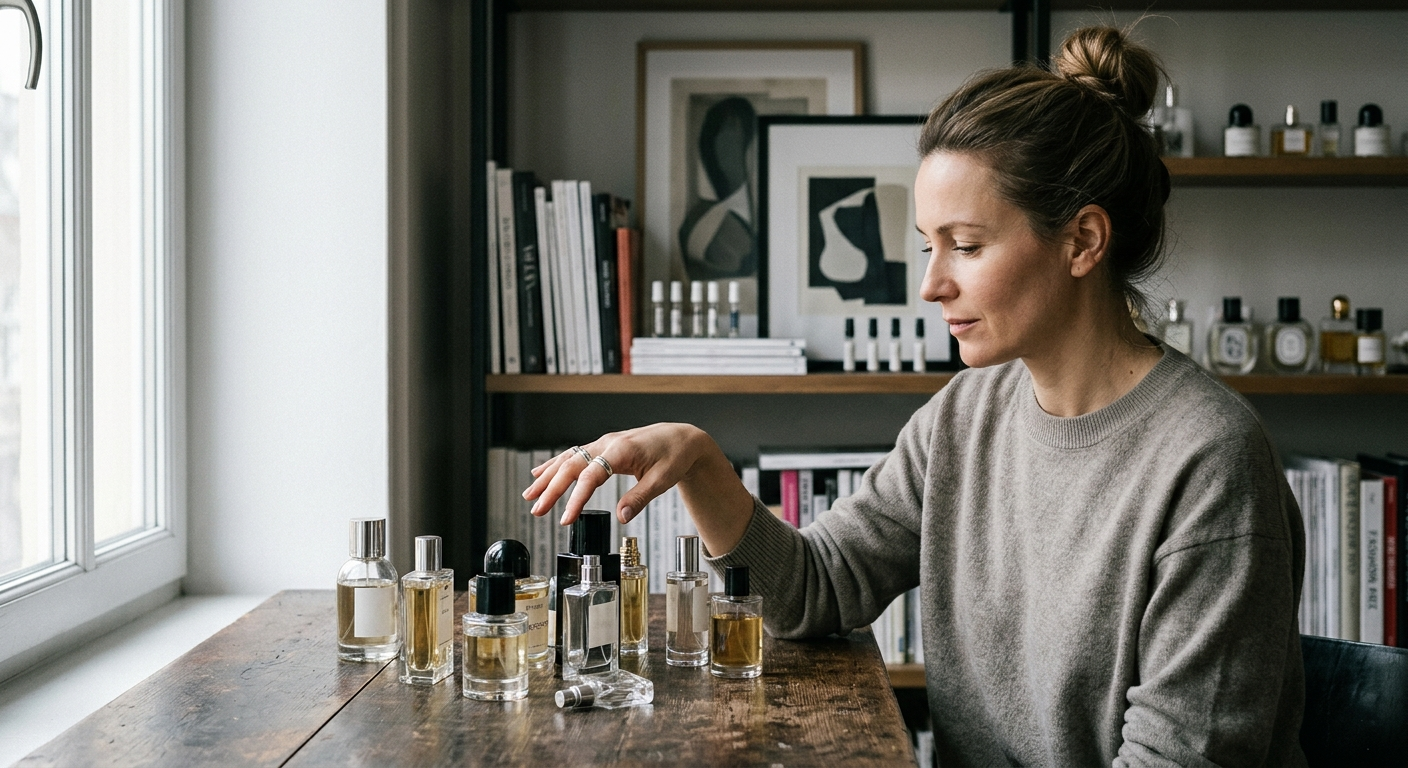
The idea of a single defining fragrance—your Chanel No. 5 moment, your Dior identity—was never really about self-expression. It was about brand loyalty dressed up as personality. Perfume houses built entire campaigns around the promise that one bottle could capture who you are, forever.
People aren’t static. Your mood at 9am bears no resemblance to how you feel at 9pm, and a single fragrance can’t credibly cover a sun-drenched Saturday and a high-stakes Monday meeting.
Nordstrom beauty director Autumne West told Vogue: “There’s a real spirit of play right now. People are more open than ever to exploring, layering, and treating fragrance like an accessory they can shift with mood, moment, or season.” That shift in mindset is what’s driving everything else.
Fragrance Layering Is Rooted in Centuries of Cultural Practice
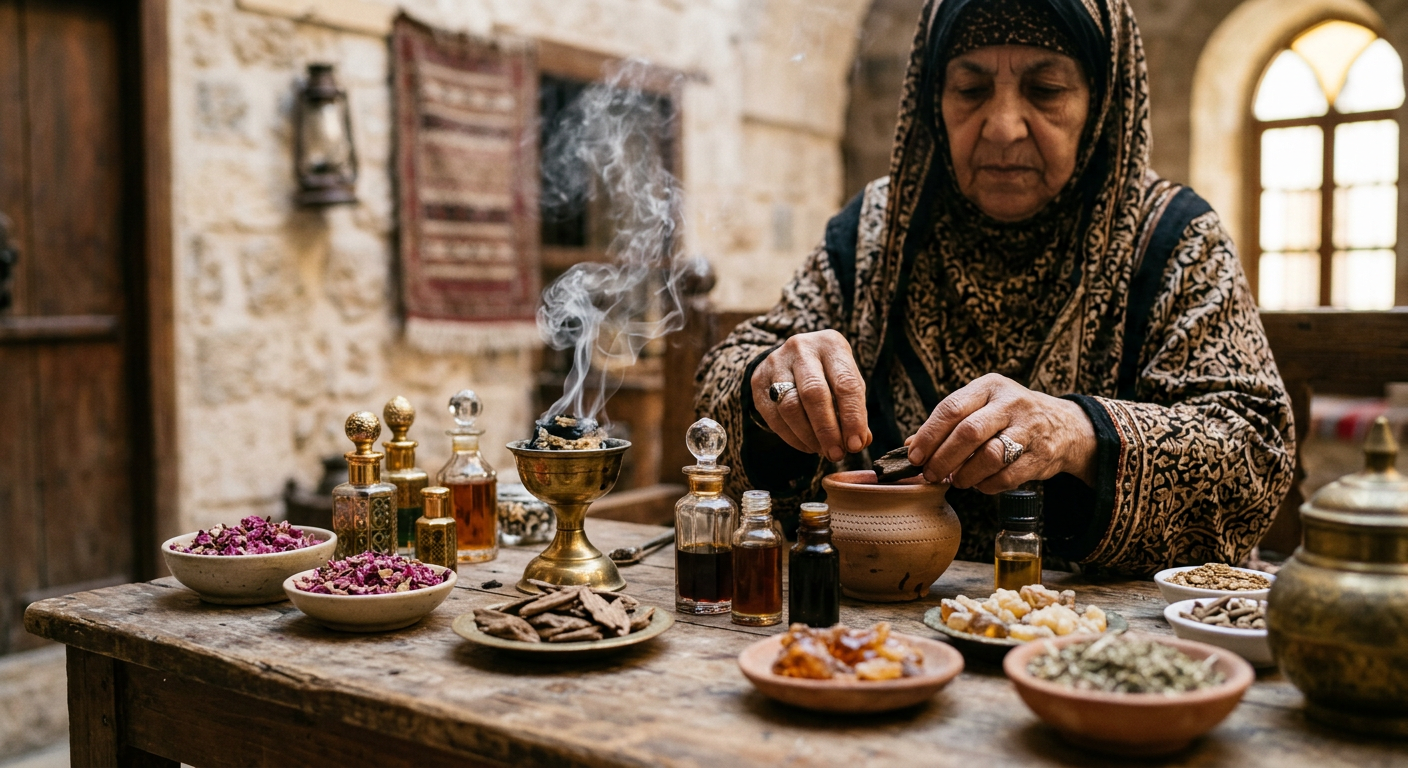
Before TikTok made “scent stacking” a trending audio, Middle Eastern cultures had been practicing fragrance layering for centuries. It wasn’t a beauty hack—it was ritual, hospitality, and self-care woven into daily life.
Mona Kattan, founder of Kayali, describes it directly: “For me, fragrance layering has never been a trend; it is a deeply rooted cultural ritual that I grew up with in the Middle East.” The traditional layering sequence begins with a musk base applied to heat points on the body, followed by oud oil, a spritz of eau de parfum, and finally bakhoor incense. Each layer adds depth, longevity, and dimension.
AD Middle East notes that these ancient Arab scent-layering traditions are now reshaping global perfumery, with luxury brands adopting customizable discovery sets and layering collections directly inspired by this heritage. What the West is calling a trend, the Middle East has practiced as culture for generations.
What a Fragrance Wardrobe Actually Means
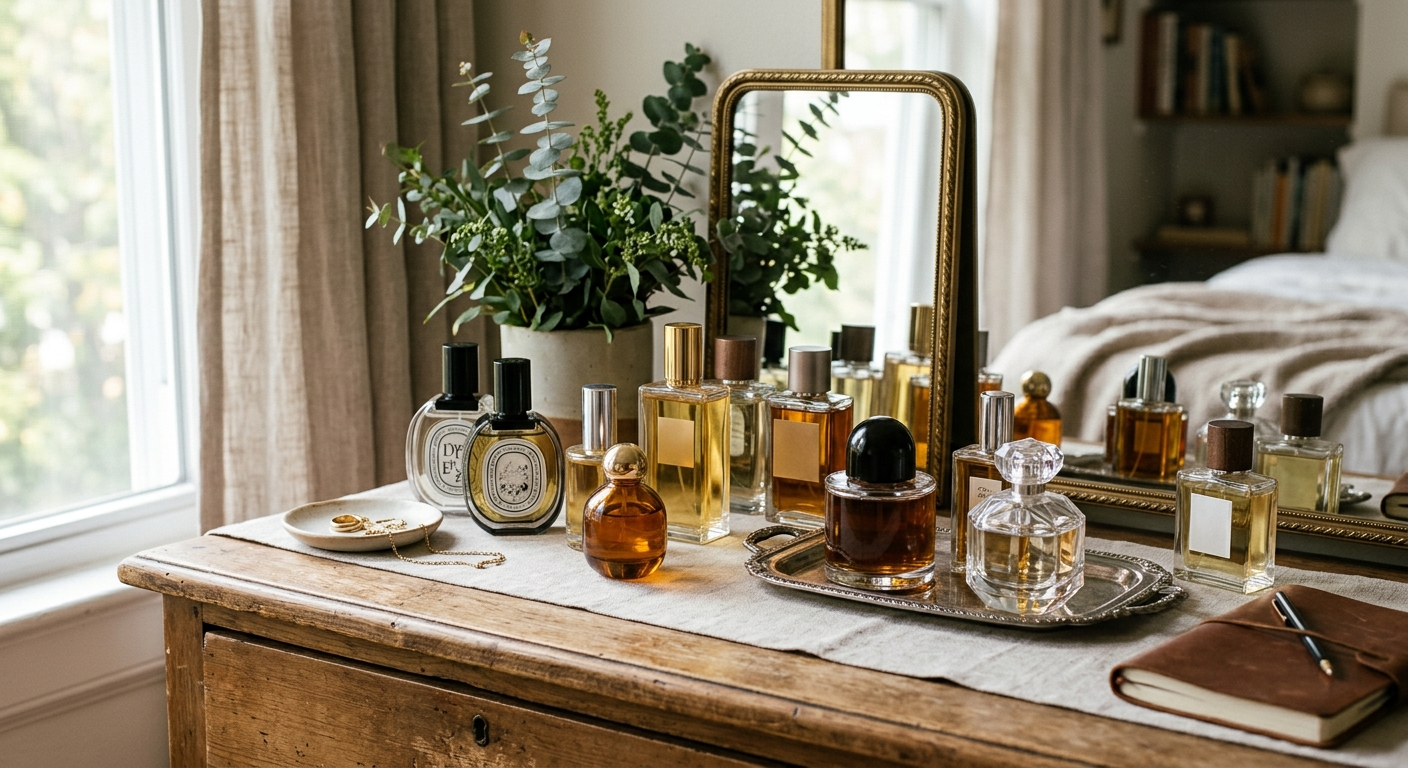
A fragrance wardrobe is a curated collection of scents designed to serve different facets of your life—not a random accumulation of bottles. Think of it the way you think about clothing: you don’t wear the same outfit to a job interview, a beach holiday, and a dinner party. Your scent shouldn’t either.
Scento defines the distinction clearly:
Building a wardrobe doesn’t mean owning 30 bottles. Three to five scents is a reasonable starting point: a light daytime option, something grounding for evenings, a seasonal rotation, and one or two layering bases—a musk or vanilla—that amplify whatever you put on top.
How to Start Building Your Fragrance Wardrobe
- Anchor scent: A versatile, wearable EDP that works across most contexts
- Daytime layer: A light body mist or eau de toilette for fresh, easy wear
- Evening depth: A richer parfum or oud-based scent for after dark
- Seasonal pivot: One scent that shifts with the temperature—citrus in summer, amber in winter
- Layering base: An unscented or lightly scented body oil or lotion that extends and anchors everything above it
Scent Stacking: The Technique Behind the Trend
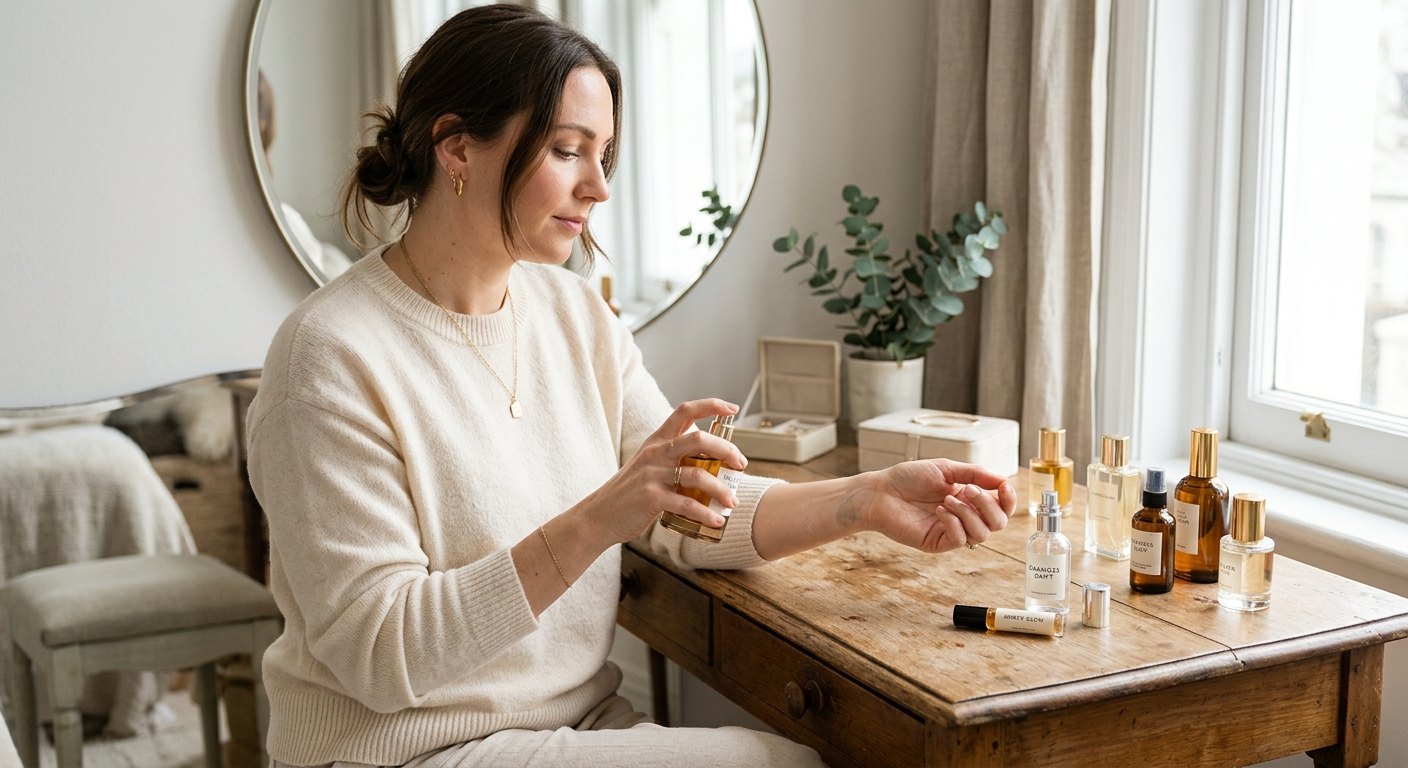
Scent stacking—applying two or more fragrances on the body simultaneously—is the active method within the broader fragrance wardrobe approach. Rather than choosing between two scents you love, you wear both, letting them interact with your skin chemistry and create something neither bottle could achieve alone.
Salus explains the mechanics: fragrance notes behave like a living composition on skin. Base notes anchor and deepen; middle notes provide character; top notes create the first impression. When you stack two fragrances, their respective notes interact, producing combinations that are unique to you.
Practical Scent Stacking Rules
- Apply heavier, oilier fragrances first—they act as a base and extend wear
- Layer lighter, fresher scents on top so they remain detectable
- Avoid stacking more than two or three fragrances at once to prevent olfactory confusion
- Test combinations on skin, not paper strips—body chemistry changes how notes develop
- Give each layer 60 seconds to settle before applying the next
Done well, scent stacking produces something that feels unmistakably personal—more so than any single designer fragrance could.
Why the Fragrance Industry Is Responding Now

The market data makes the industry’s urgency obvious. In the first nine months of 2025, prestige fragrance sales rose 6% while mass-market fragrances jumped 17%, according to Circana data cited by Beauty Independent. The category is oversaturated with new launches, and consumers are becoming more discerning about what they actually buy.
Brands that are winning aren’t just releasing new scents—they’re releasing systems. Kayali built its entire brand identity around layering. Phlur offers body mists designed to work alongside its EDPs. Maison Louis Marie’s hair and body mists are explicitly positioned as layering tools, not standalone products.
Beauty Independent reports a “massive shift toward fragrance wardrobing, where consumers treat scent like fashion, rotating options based on their mood or outfit.” Brands still selling the one-bottle mythology are selling to a shrinking audience.
The Men’s Fragrance Shift
The layering movement isn’t limited to women’s fragrance. Vogue Business has documented a clear shift in men’s fragrance toward customization and layering, identifying it as one of the most significant commercial opportunities in the category. Men who previously owned one cologne are now building small, intentional collections—a development that expands the total addressable market considerably.
Fragrance as Ritual, Not Just Accessory
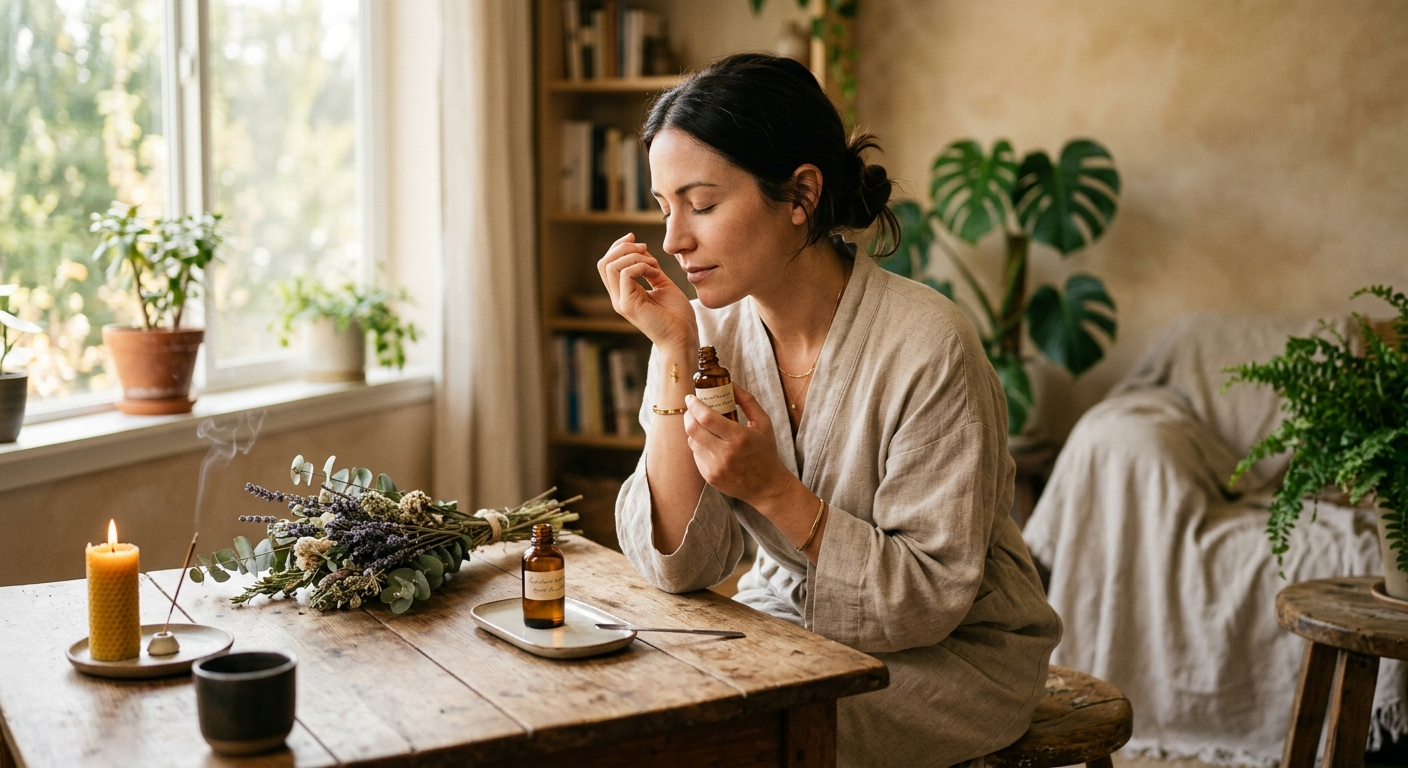
Something deeper is driving this shift. Beauty Independent notes that consumers are using scent to ground themselves, reset their energy, and support sleep—treating fragrance as part of a broader wellness practice rather than a finishing touch before leaving the house.
When fragrance becomes ritual, the logic of owning multiple scents for different moments follows naturally. You wouldn’t use the same practice to wind down at night that you use to energize yourself in the morning. Scent works the same way.
South China Morning Post captures this well: a particular scent can transport you back to specific places, people, and moments. A fragrance wardrobe doesn’t dilute that power—it multiplies it, assigning different memories and associations to different parts of your daily life.
Conclusion: Build the Wardrobe, Skip the Mythology
The signature scent made sense in an era when personal identity was expected to be singular and consistent. People contain multiples—multiple moods, multiple contexts, multiple versions of themselves across a single day—and their fragrance choices are finally catching up.
The layered fragrance wardrobe isn’t a trend that will peak and fade. It’s a more honest way to engage with scent, rooted in centuries of cultural practice and now validated by market data, consumer behavior, and the brands building for it.
Start with two or three scents that serve genuinely different purposes. Try layering a body mist under your EDP. Pay attention to how your skin chemistry changes the result. The goal isn’t to own more—it’s to wear better.
Frequently Asked Questions
Q: What is a fragrance wardrobe?
A fragrance wardrobe is a curated collection of scents chosen to serve different moods, occasions, and seasons rather than relying on a single defining perfume. It functions like a clothing wardrobe—intentional, adaptable, and personal.
Q: What is scent stacking, and how is it different from fragrance layering?
Scent stacking refers specifically to applying two or more fragrances simultaneously to create a unique combined scent. Fragrance layering is a broader practice that includes stacking as well as layering different fragrance formats—such as body oils, EDPs, and hair mists—to build depth and longevity.
Q: How many fragrances do I need for a basic fragrance wardrobe?
Three to five scents is a practical starting point. Aim for a versatile daytime option, a richer evening scent, a seasonal rotation, and one layering base like a musk or body oil. Quality and intentionality matter more than quantity.
Q: Is fragrance layering a new trend?
No. Fragrance layering has been a cornerstone of Middle Eastern beauty and hospitality culture for centuries, involving oud oils, musks, and bakhoor incense. Western consumers are currently rediscovering a practice with deep historical and cultural roots.
Q: Can men build a fragrance wardrobe too?
Yes. Vogue Business has identified men’s fragrance layering as one of the most significant growth opportunities in the category for 2026. Men who previously owned one cologne are increasingly building intentional, multi-scent collections.
Q: Does layering fragrances damage the individual scents?
No. Layering doesn’t alter the original formulations—it simply allows the notes from multiple fragrances to interact on your skin. The result is unique to your body chemistry and washes off normally. The main risk is over-applying, which produces an overwhelming rather than nuanced result.