

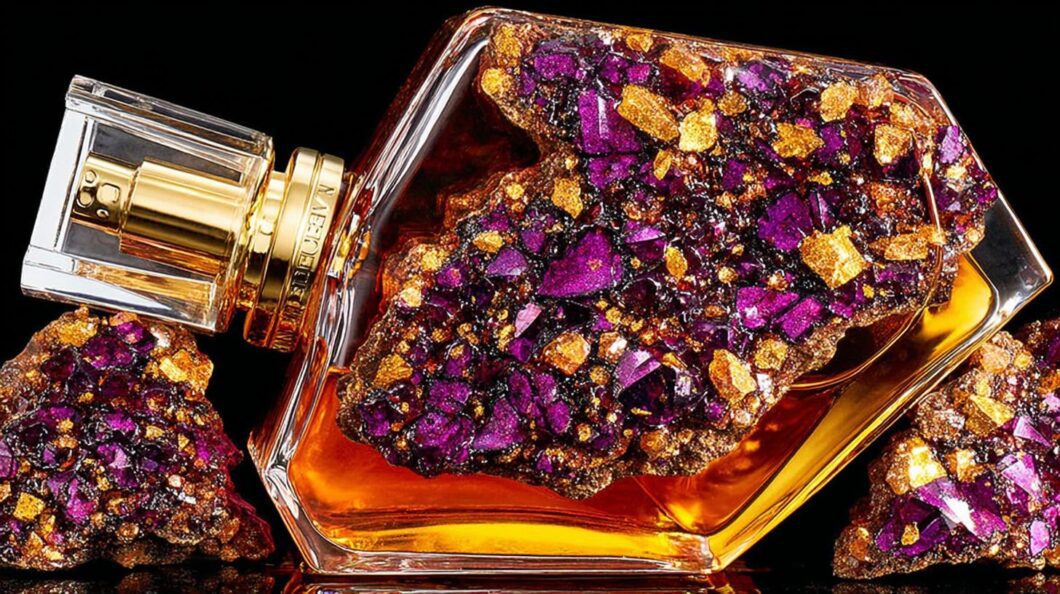
Ever wonder why fragrance trends are shifting toward something more grounded and elemental? In 2026, mineral-based scents are gaining traction, blending woody depth with earth‘s raw minerals for a fresh take on perfume.
Here’s a look at what’s driving this rise, from science to market shifts like those highlighted in NewBeauty and Who What Wear.
Key Takeaways:
Definition and Core Ingredients: oud, Oud, Vetiver, Cedarwood, Pistachio
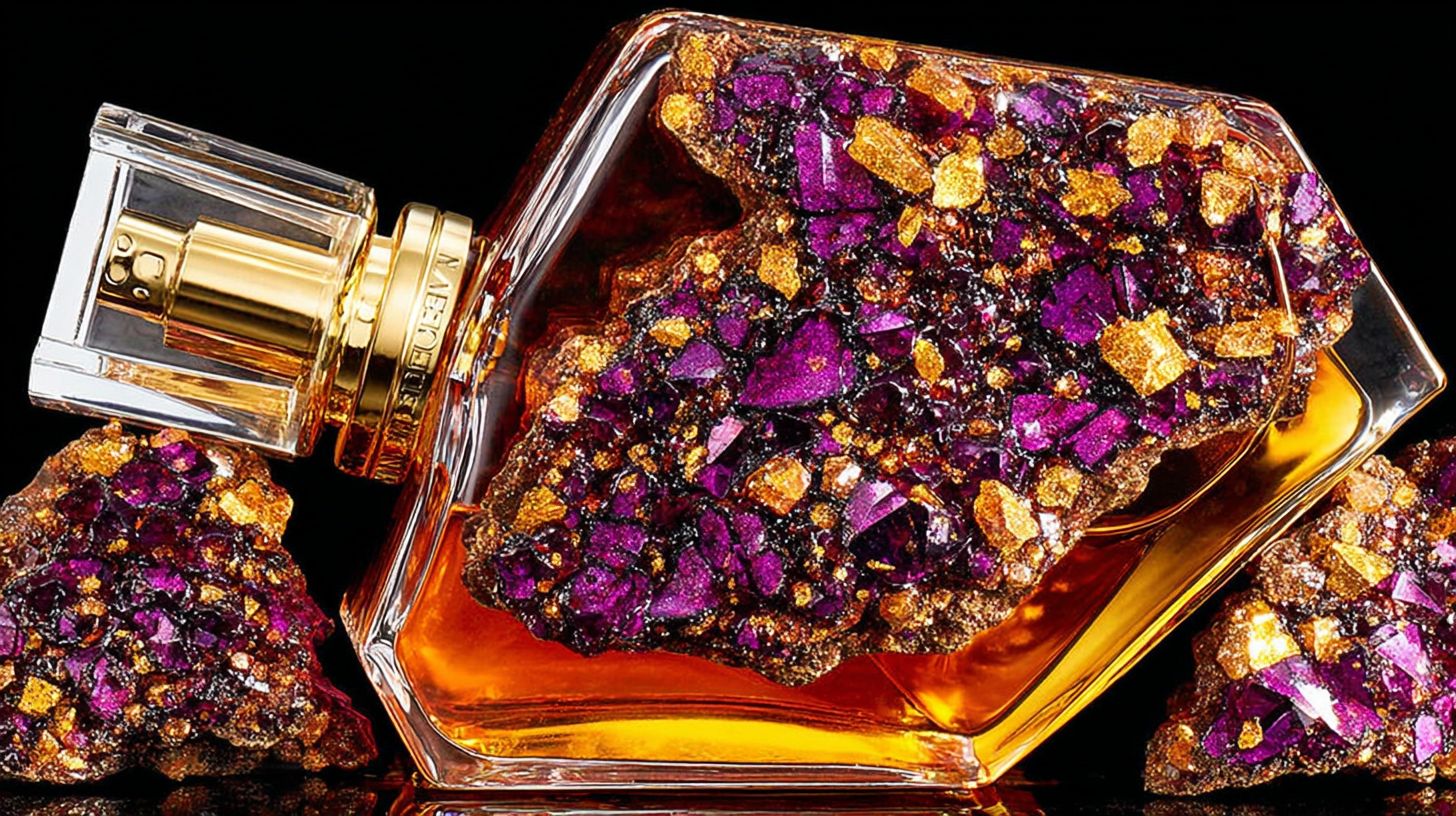
At their core, mineral-based fragrances capture the crisp, ozonic quality of wet stone through ingredients like ambrette and clean musks that mimic petrichor. These scents evoke the rain effect on earth, blending clean and grounded elements. They mark a shift in 2026 perfumery toward natural, atmospheric profiles.
Clean musks provide a subtle skin scent, while molecular scents create atmospheric effects like cool mist or damp rock. Supporting notes such as vetiver and cedar add earthy depth, paired with eucalyptus and rosemary for freshness. This combination yields a unisex fragrance that feels both modern and timeless.
The structure follows classic perfumery layers: top notes for initial burst, heart notes for core character, and base notes for lasting dry down. Experts recommend layering these for personal aura, much like a quiet skin scent that evolves. Practical tip: test on pulse points to feel the petrichor unfold with vetiver roots.
| Fragrance Layer | Key Notes | Description |
|---|---|---|
| Top Notes | rain effect, juniper, sage, eucalyptus, rosemary | Crisp, ozonic opening like wet stone after rain. |
| Heart Notes | earthy minerals, tomato leaf, thistle | Grounded, mineral core with green, rocky nuance. |
| Base Notes | Woody ambergris-like accords, cedar, driftwood, sandalwood | Warm, lingering woods evoking polished shores. |
These notes integrate functional botanicals like vetiver for balance. In 2026, such builds support neuroperfumery trends, calming the senses with earthy resonance.
Scientific Foundations
The science behind mineral-based fragrances draws from advanced extraction techniques and olfactory neuroscience to replicate the sensory experience of natural minerals. Perfumery principles from the Grasse Institute of Perfumery emphasize balancing petrichor and earth notes with woody elements like vetiver and cedar. This approach creates quiet fragrance profiles that evolve subtly over time.
Neuroperfumery explores how these mineral accords influence mood through low-intensity scents. Earthy undertones mimic rain-soaked soil, promoting calm without overwhelming the senses. Experts note that such formulations enhance focus in unisex fragrances blending eucalyptus and sage.
At the core, mineral scents rely on molecular scents that anchor top notes, heart notes, and base notes. Institutions like the Grasse Institute highlight steam distillation for capturing geosmin-like volatiles. This foundation supports the rise of 2026 woody and earthy trends.
Practical blending pairs clean musks with ambrette for a skin scent effect. Neuroperfumery principles suggest these quiet profiles reduce sensory fatigue during dry down. Perfumers use this science to craft atmospheric fruits and polished woods.
Mineral Extraction and Formulation
Formulating mineral scents involves isolating geosmin-like compounds responsible for petrichor and blending them with functional botanicals such as eucalyptus and sage. The process starts with steam distillation, which extracts mineral volatiles over several hours. This method preserves the raw, rain effect central to modern fragrances.
Next, perfumers blend these extracts with heart notes like rosemary for depth. Common pairings include vetiver and Australian sandalwood to build an earthy backbone. Avoid over-dilution, a frequent pitfall that weakens the scent’s staying power.
- Extract via steam distillation for 2-4 hours to capture pure volatiles.
- Blend with heart notes such as rosemary, juniper, or thistle.
- Stabilize the base using molecular scents like clean musks or ambrette.
Tools like GC-MS analysis ensure precision in formulation. This step detects impurities and refines ratios for woody notes like teakwood or driftwood. The result is a stable unisex fragrance with a gothic garden vibe.
Market Drivers in 2026
By 2026, the fragrance market sees mineral-based scents propelled by demands for sustainable, skin scent unisex fragrance profiles infused with global spices and clean musks.
Consumers seek woody and earthy notes like Australian sandalwood, vetiver, and cedar that mimic petrichor and rain effect s.
These profiles offer quiet fragrances with subtle dry downs, blending oud alternatives and ambrette for a natural aura. Brands respond with molecular scents that feel personal and enduring.
Evolving tastes favor unisex fragrances over bold statements, prioritizing skin scents with pistachio notes and functional botanicals. Health trends push for non-irritating wear, while sustainability drives ethical sourcing. This shift creates demand for polished woods and atmospheric fruits in everyday perfumery.
Practical steps include exploring neuroperfumery for calming effects and layering with natural oils like eucalyptus or rosemary. Experts recommend focusing on base notes that evolve into resinous smoky trails. These drivers position mineral-based options as leaders in 2026.
Sustainability Demands
Sustainability shapes mineral fragrances through ethical sourcing of rare woods like Australian Sandalwood and cultivated agarwood from the Aquilaria tree.
Regenerative farming supports oud alternatives and vetiver roots, reducing environmental impact. Biotech advances create functional botanicals such as tomato leaf and thistle extracts without depleting wild sources. Brands benefit from transparent practices that build consumer trust.
Actionable tips for brands include auditing supply chains for traceability and adopting refillable packaging. Switch to driftwood-inspired scents from managed forests like white oak or teakwood. These steps align with demands for gothic garden and jammy fruit profiles minus waste.
| Aspect | Sustainable Sourcing | Conventional Sourcing |
|---|---|---|
| Resource Use | Regenerative practices preserve soil | High depletion of natural habitats |
| Transparency | Full chain audits available | Often opaque supplier networks |
| Packaging | Refillable, minimal materials | Single-use plastics common |
| Long-term Impact | Supports biodiversity | Risks overharvesting rare woods |
Consumer Health Trends

Health-conscious consumers gravitate toward quiet fragrances and skin scents that prioritize clean musks and neuroperfumery for subtle, non-irritating wear.
Mineral-based options reduce synthetic allergens, offering calming effects from notes like sage, juniper, and mahogany. Research suggests these neuroperfumery elements promote relaxation during daily routines. Sensitive skin benefits from gentle top notes that fade into earthy base notes.
Practical advice includes patch-test protocols: apply a small amount on the inner arm and wait 24 hours. Layer with natural oils like rosemary for enhanced staying power without overload. This approach suits scenarios like office wear or post-gym refresh.
For those with sensitivities, choose gourmand twists like pistachio notes or darker florals over heavy synthetics, including pistachio and global spices.
These trends matter for everyday users avoiding headaches from strong scents. Unisex profiles with petrichor and eucalyptus provide comfort and confidence.
Key Industry Players
Leading perfumers and brands are pioneering mineral-based innovations through collaborations and signature collections like Wood Sage + Sea Salt and Tom Pendrey.
These efforts blend earthy notes like vetiver and cedar with modern molecular scents. In 2026, this approach defines the rise of mineral fragrances.
Brands such as Maison Francis Kurkdjian and Creed lead with unisex fragrance s featuring petrichor and driftwood accords.
Their collections emphasize skin scents that evolve into quiet dry downs. Perfumers draw from functional botanicals for lasting appeal.
Creed explores clean musks and Australian sandalwood in new lines. Partnerships with innovators push boundaries in woody and resinous smoky profiles. These players set trends for atmospheric fruits and polished woods.
Other names like AURA Candle Bar integrate gourmand elements such as pistachio notes with gothic garden vibes, alongside scents like Vanille Nocturne and Oak Barrel.
This mix creates versatile scents for bar cart appeal. Expect more neuroperfumery influences in upcoming releases.
Innovators and Partnerships: Brazilian Crush, Hieroglyphs, Friend of the Fig Tree, Blanca
Tom Pendrey‘s work at the Grasse Institute of Perfumery alongside brands like Maison Francis Kurkdjian and AURA Candle Bar exemplifies cutting-edge mineral perfumery. His experimental accords highlight petrichor and rain effect top notes. These pair with heart notes of eucalyptus and rosemary.
Pendrey crafts base notes using Oud and tomato leaf for depth. Collaborations yield scents like Vanille Nocturne, blending vanilla with earthy undertones. This style suits those seeking quiet fragrance experiences.
Creed‘s molecular explorations focus on ambrette and clean musks against Baccarat Rouge 540’s sweeter accords. Their profiles lean into polished woods like mahogany and teakwood. Partnerships emphasize unisex wearability with juniper and thistle accents.
| Brand/Perfumer | Key Mineral Scents | Signature Notes |
|---|---|---|
| Maison Francis Kurkdjian (Baccarat Rouge 540 accords) | Saffron amber floral | Jammy fruits, darker florals, woody dry down |
| Creed | Clean musk molecular | Australian sandalwood, vetiver, white oak |
| Tom Pendrey (Grasse Institute) | Experimental mineral | Petrichor, sage, driftwood, pistachio note |
| AURA Candle Bar | Functional botanical | Global spices, oud, pistachio, earth |
This comparison shows how innovators balance gourmand and earthy elements. Try layering for custom neuroperfumery effects like Brazilian Crush. These partnerships shape 2026’s mineral fragrance landscape.
Technological Advancements
Breakthroughs in encapsulation and AI-driven blending enhance the longevity and evolution of mineral fragrance dry downs. Tools like microencapsulation enable sustained petrichor release, mimicking the earthy scent of rain on soil. This pairs well with woody notes such as Cedarwood for a natural, lingering trail.
AI perfumery software predicts note interactions, refining blends of oud, sandalwood, and pistachio. Perfumers input top notes like eucalyptus and heart notes like rosemary to forecast base notes’ performance. These advancements create complex, evolving scents like Hieroglyphs that shift from fresh petrichor to deep, resinous smoky dry downs.
To adopt this tech, follow these steps. First, select biotech suppliers within one week to source encapsulation materials. Then, test prototypes in small batches to evaluate sillage and longevity.
- Select biotech suppliers (1 week): Research firms specializing in microencapsulation for petrichor and earthy accords.
- Test prototypes: Apply to skin and fabric, tracking scent evolution over hours.
- Refine with AI software: Input data from tests to predict improvements in vetiver or agarwood persistence.
- Scale production: Integrate into full formulations with clean musks like ambrette.
Best practices include documenting measurable outcomes like improved sillage, where the scent trail extends further without overpowering. Experts recommend pairing tech with functional botanicals such as sage for balanced unisex fragrances. This approach ensures mineral scents like driftwood and white oak remain fresh through 2026 trends.
Consumer Adoption Patterns
Consumers increasingly adopt mineral-based unisex fragrances for their versatile skin scent profiles, blending quiet earthiness with subtle gourmand twists like Pistachio.
These scents appeal across genders due to woody bases such as cedar, vetiver, and Australian sandalwood. People layer them with everyday products for a custom dry down. This creates a personal aura that evolves through top notes, heart notes, and base notes.
Bar cart styling emerges as a trend, pairing fragrances with aura candle bar setups. Imagine a driftwood vessel next to a petrichor-infused candle for a rain effect vibe. This setup turns scent selection into a social ritual.
Actionable tips include testing layering with Wood Sage + Sea Salt over a clean musk base. Add functional botanicals like rosemary or eucalyptus for a functional twist. Experts recommend starting with small spritzes to build your signature blend.
Rise of Bar Cart Styling
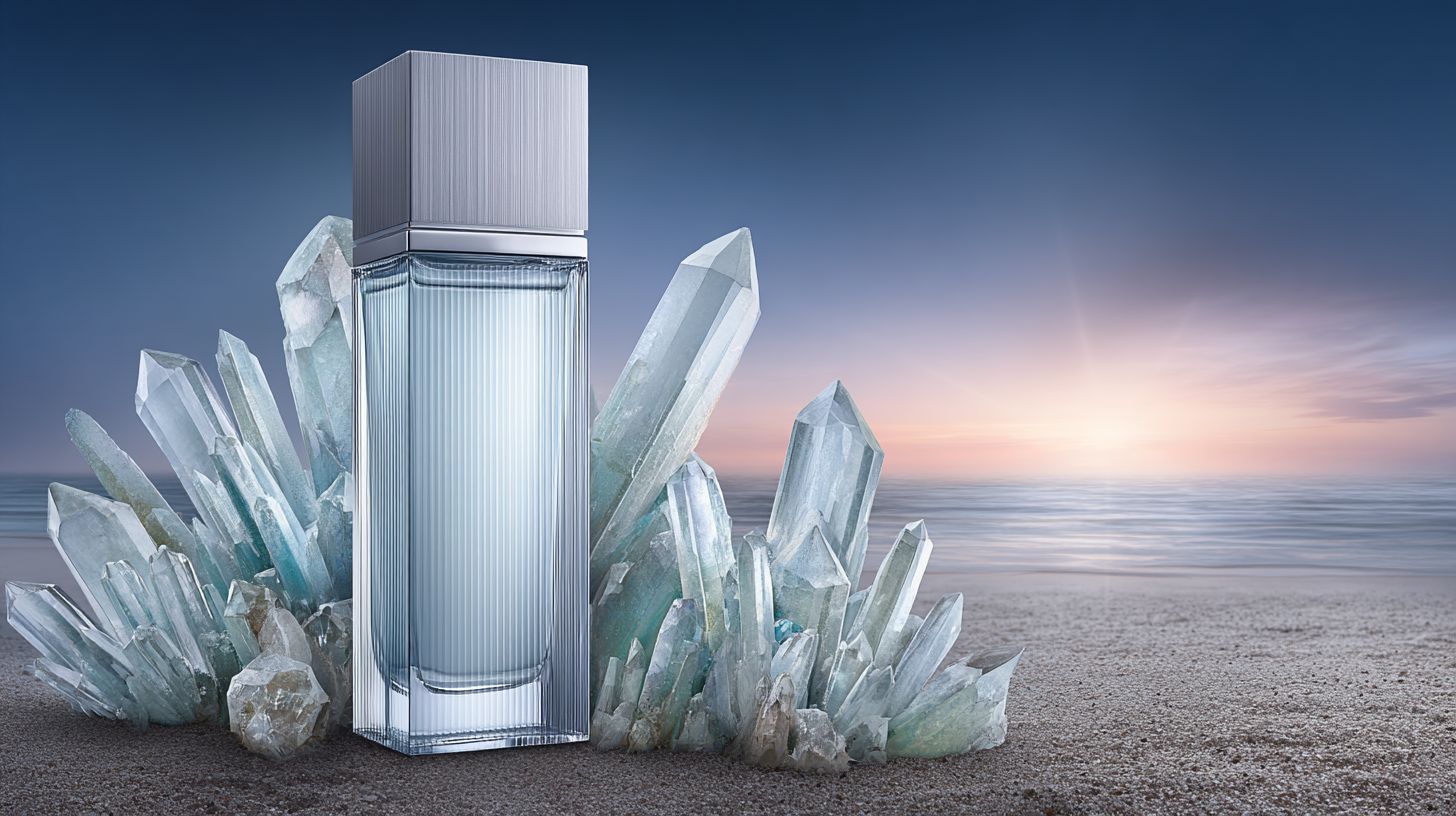
Bar cart styling with aura candle bar pairings gains traction in 2026 homes. Consumers display mineral fragrances alongside candles evoking gothic garden or jammy fruits notes. This visual curation enhances the sensory experience of perfumery.
Picture a cart with polished woods bottles next to ambrette seed candles for a molecular scents effect. It invites guests to explore unisex options like oud or agarwood. The setup blends function with decor, making fragrance accessible.
To personalize, group scents by theme such as resinous smoky with white oak or thistle. Rotate seasonal picks like atmospheric fruits in summer. This practice fosters experimentation without overwhelming the space.
Unisex Appeal Through Woody Bases
Unisex fragrance thrives on woody bases like sandalwood, mahogany, and teakwood. These provide an earthy foundation that suits all skin types. The quiet fragrance movement amplifies their subtle power.
Notes like vetiver and juniper add depth without overpowering. Layer with global spices for a modern twist, or tomato leaf for green freshness. This versatility drives adoption in neuroperfumery circles.
For daily wear, mist over pulse points after a eucalyptus shower gel. Pair darker florals in the heart for contrast. Such combinations yield a skin-like dry down everyone can claim.
Actionable Tips for Personalization
Start personalization by identifying your skin scent base, then layer mineral elements. Try pistachio note over sage for a gourmand earth effect. Test in small amounts to note evolution.
- Combine woody bases like cedar with clean musks like Blanca for longevity.
- Add petrichor accords for a rain effect post-workout.
- Blend functional botanicals such as rosemary with driftwood for calm.
- Experiment with heart notes like thistle over base oud for uniqueness.
Keep a journal of pairings, like Wood Sage + Sea Salt with mahogany or Ghost of You. Adjust for seasons, using lighter juniper in heat. This builds a wardrobe of scents tailored to mood.
Market Projections
Looking toward 2026, mineral fragrances position for expansion amid shifting industry dynamics, as noted in publications like NewBeauty and Who What Wear.
Brands increasingly blend earthy notes like vietver and sandalwood with modern twists like Oak Barrel. This shift draws from demand for petrichor effects and woody depth. Consumers seek scents that evoke rain-soaked earth and polished woods.
Innovations in unisex fragrances highlight molecular scents and clean musks such as ambrette. Perfumers experiment with functional botanicals like eucalyptus and rosemary. These elements create lasting dry downs with a skin scent aura.
Opportunities arise in niches like gourmand earth profiles with pistachio notes and global spices. Expect growth in gothic garden themes featuring thistle and tomato leaf like Friend of the Fig Tree. Vertical integration helps stabilize supply for notes like Australian sandalwood.
Growth Forecasts and Challenges
Anticipated growth in petrichor-infused scents faces hurdles like raw material scarcity, balanced by innovations in darker florals and atmospheric fruits.
Supply volatility affects notes like vetiver and oud due to environmental factors. High R&D costs challenge smaller houses developing resinous smoky accords. Brands counter this with synthetic alternatives mimicking cedar and mahogany.
Strategies include diversifying ingredients toward polished woods like teakwood and white oak. Vertical integration secures sources for juniper and driftwood. Perfumers at places like the Grasse Institute focus on sustainable sourcing for heart notes and base notes.
- Explore gothic garden niches with sage and thistle like Cherry Noir for moody depth.
- Incorporate jammy fruits alongside woody earth for balanced unisex appeal.
- Test neuroperfumery techniques with quiet fragrance dry downs.
These approaches open doors in functional perfumery, blending aura candle bar vibes like Sunshine + Linen with bar cart inspirations. Experts recommend pairing top notes of rosemary with pistachio note gourmands for versatile wear.
Frequently Asked Questions
What is ‘The Rise of Mineral-Based Fragrances in 2026’?
The Rise of Mineral-Based Fragrances in 2026 refers to the surging popularity of perfumes and colognes formulated with mineral-derived ingredients like quartz extracts, mica, and salt crystals from the Aquilaria tree, predicted to dominate the fragrance industry by 2026 due to their eco-friendly profiles and unique scent longevity.
Why are mineral-based fragrances gaining traction in ‘The Rise of Mineral-Based Fragrances in 2026’?
In ‘The Rise of Mineral-Based Fragrances in 2026’, consumers are shifting towards sustainable alternatives as mineral ingredients offer natural stability, reduced synthetic chemicals, and innovative olfactory experiences, aligning with global demands for clean beauty and environmental consciousness.
How do mineral-based fragrances differ from traditional ones during ‘The Rise of Mineral-Based Fragrances in 2026’?
During ‘The Rise of Mineral-Based Fragrances in 2026’, these fragrances stand out by using pulverized minerals for base notes that provide earthy, crystalline scents with superior sillage, unlike traditional floral or woody compositions reliant on plant oils and animal musks.
What are the key benefits of adopting mineral-based fragrances in ‘The Rise of Mineral-Based Fragrances in 2026’?
The key benefits in ‘The Rise of Mineral-Based Fragrances in 2026’ include hypoallergenic properties from pure mineral sources like Oud and Vetiver, extended wear due to crystalline structures, and lower carbon footprints from abundant earth-sourced materials like Australian Sandalwood and Cedarwood, appealing to health-conscious and eco-aware users.
Which brands like NewBeauty and Who What Wear are leading ‘The Rise of Mineral-Based Fragrances in 2026’ with scents such as Wood Sage + Sea Salt, Blanca, Ghost of You, Sunshine + Linen, Cherry Noir, and Black Opium?
Leading the ‘Rise of Mineral-Based Fragrances in 2026’ are innovative houses like Crystal Essence, AURA Candle Bar, and GeoScent Labs, launching lines with obsidian-infused eaux de parfum like Vanille Nocturne and selenite-dusted attars like Pistachio that capture the trend’s crystalline essence.
What does the future hold for ‘The Rise of Mineral-Based Fragrances in 2026’, featuring scents like Oak Barrel and Brazilian Crush, beyond that year?
Beyond 2026, ‘The Rise of Mineral-Based Fragrances in 2026’ is expected to evolve into personalized mineral blends using AI from experts like Grasse Institute of Perfumery and Tom Pendrey to match gemstone profiles to skin chemistry, incorporating notes from Aquilaria tree and inspirations like Hieroglyphs, Friend of the Fig Tree, further revolutionizing perfumery with tech-infused, sustainable luxury from brands like Creed and Maison Francis Kurkdjian.