

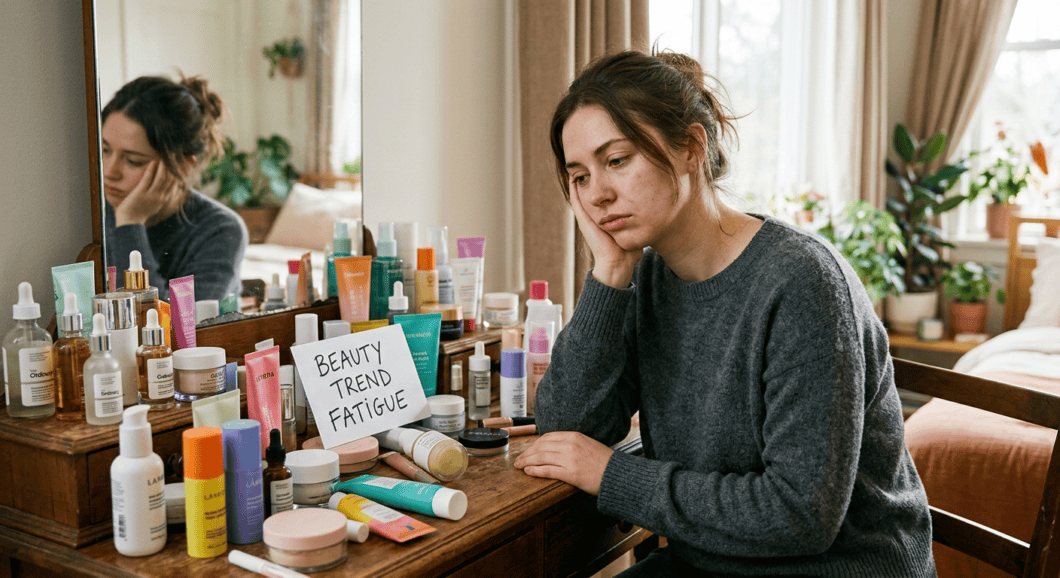
You bought the glass-skin serum, tried slugging for a week, and shoved three viral products to the back of a drawer after a single use. That pattern is playing out in millions of bathrooms right now, and it’s changing how people shop for skincare and makeup. After years of chasing TikTok-fueled fads, a lot of shoppers are worn out by the churn and moving toward products that actually deliver over time. The signals are hard to miss: slowing category growth, rising skepticism, and a demand for proof instead of hype.
This isn’t a passing mood. It reflects a real change in what people value, and it has consequences for brands that don’t adjust.
What Beauty Trend Fatigue Actually Means
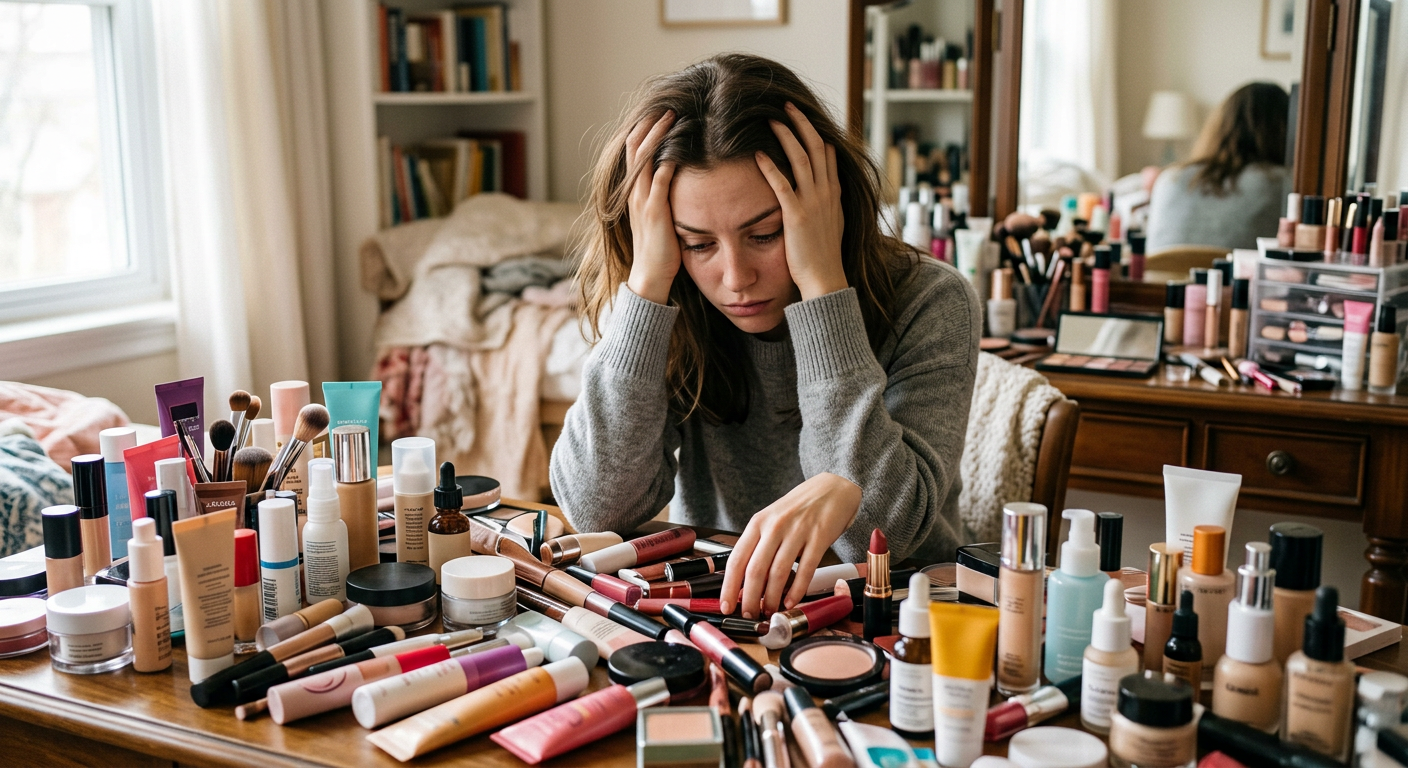
Beauty trend fatigue describes the exhaustion people feel from the relentless cycle of viral products, buzzy ingredients, and aesthetic microtrends that arrive and expire within months. The average shopper faces choice overload more than excitement.
The scale of the churn is hard to overstate. Working with SIMPLYPUT Creative, Barefaced analyzed 15 leading trend reports and compiled data on 1,500 fragrance launches, plus thousands of organic Reddit conversations (Barefaced). Their conclusion: the gap between what the industry promotes and what consumers actually talk about keeps widening.
Fatigue isn’t the same as disinterest. People still care about their skin and how they look. What they reject is the pressure to keep restarting their routines to keep up with the next 48-hour sensation.
The Data Behind the Shift
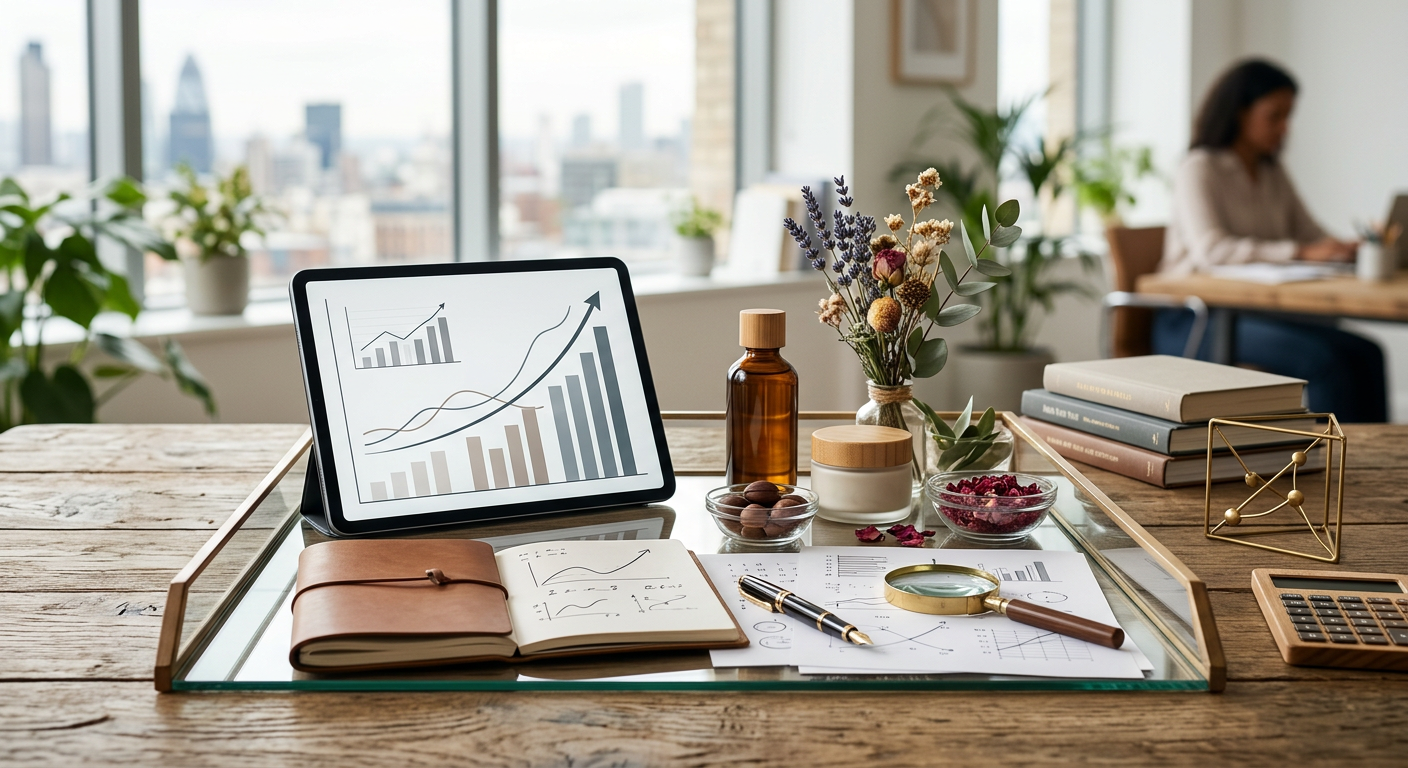
The numbers point in one direction. According to Beauty Independent, the broader skincare category stayed “sluggish” through 2025, even as select viral segments spiked.
That viral growth has its own ceiling. K-Beauty sales jumped 37.2% to reach $2 billion in the US in the 52 weeks ending August 9, 2025, driven largely by TikTok Shop content (NielsenIQ). Industry insiders point to a familiar pattern, though: once shoppers compare a natural fad against proven, science-backed ingredients, the novelty fades fast.
Trust is the dividing line now. IDHL research calls 2026 “the year of the beauty skeptic,” identifying trust as “the most valuable brand asset” and a loyalty engine that pushes back against digital fatigue and choice overload (IDHL).
Trend-Driven vs. Timeless Beauty Products
| Factor | Trend-Driven Products | Timeless Products |
|---|---|---|
| Lifespan | Weeks to months | Years |
| Purchase driver | Virality, FOMO | Proven results, trust |
| Ingredient basis | Novelty, hype | Clinical evidence |
| Repurchase rate | Low | High |
| Consumer sentiment | Excitement then fatigue | Sustained confidence |
Why Consumers Are Choosing Timeless Products

The move toward timeless products is a reaction to broken promises. People want formulas that work over time, not a one-week novelty. Avant Skincare frames it in terms of what shoppers now expect: “hydration that lasts, luminosity that deepens with time, and fine lines that soften with every” use (Avant Skincare).
Skincare literacy is driving a lot of this. Barefaced’s analysis of more than 4,000 organic Reddit comments from Millennials found that this group doesn’t talk about aging the way the industry assumes. They treat skincare as optimization and long-term maintenance, not a panic-driven fight against wrinkles.
That kind of informed skepticism rewards substance. When people understand mechanisms and ingredients, they can spot a repackaged trend and stick with what performs. Demand is shifting from “fixing and symptom-focused, fragmented products toward integrative, mechanism-driven formulations,” per Beauty Independent.
The Rise of “Prejuvenation” and Science-Backed Routines
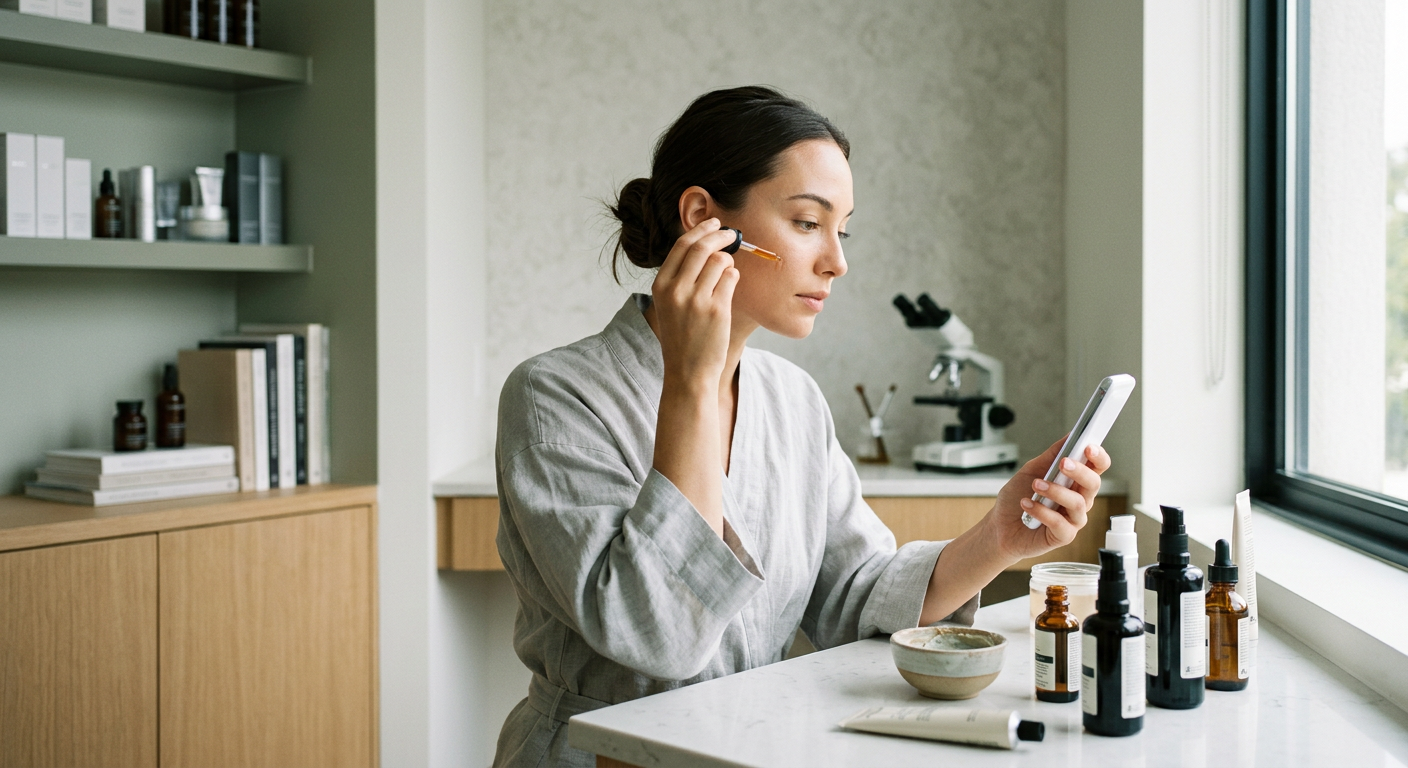
Nowhere is this thinking clearer than in how anti-aging is being reframed. The industry is moving from reactive “anti-aging” to proactive “prejuvenation,” treating aging as a biological process to optimize rather than a battle to win (Barefaced).
This mindset favors consistency over experimentation. Prejuvenation depends on daily, sustained use of proven actives, which is the opposite of the swap-it-out trend cycle. It also blurs the line between clinical and at-home beauty, with ingredients like PDRN (polydeoxyribonucleotide, a repair-focused compound) crossing from professional settings into everyday routines.
For consumers, the payoff is stability. A science-backed routine you can trust takes away the worry that the next launch will make your current products obsolete.
What Makes a Product “Timeless”
- Clinical evidence supporting its core ingredients
- Consistent performance across months, not days
- Multi-purpose function that reduces routine clutter
- Brand transparency about formulation and claims
- A repurchase rate that reflects real satisfaction
How Brands Should Respond to Trend Fatigue
Brands that keep chasing virality risk alienating the customers they need for long-term revenue. The stronger play is to build trust through proof.
Experiential value matters more than it used to. IDHL notes that consumers want “experiences they can feel, and products that genuinely enhance their lives,” not top-down broadcasting from brands and influencers. In luxury and prestige, that means shoppers “no longer want to simply buy a product—they want to feel the brand” (LinkedIn analysis by Boulware).
Kearney’s guidance on timeless beauty makes a similar case, urging brands to blend offline and online while using emerging technology to serve connected customers (Kearney). The point isn’t to abandon innovation but to anchor it in evidence and lasting relevance.
The practical moves are straightforward: lead with clinical data, simplify the product lineup, and be honest about what a formula does and doesn’t do. Curate rather than flood. As Avant puts it, trend fatigue is “a call to curate, not to compromise.”
Building a Timeless Beauty Routine
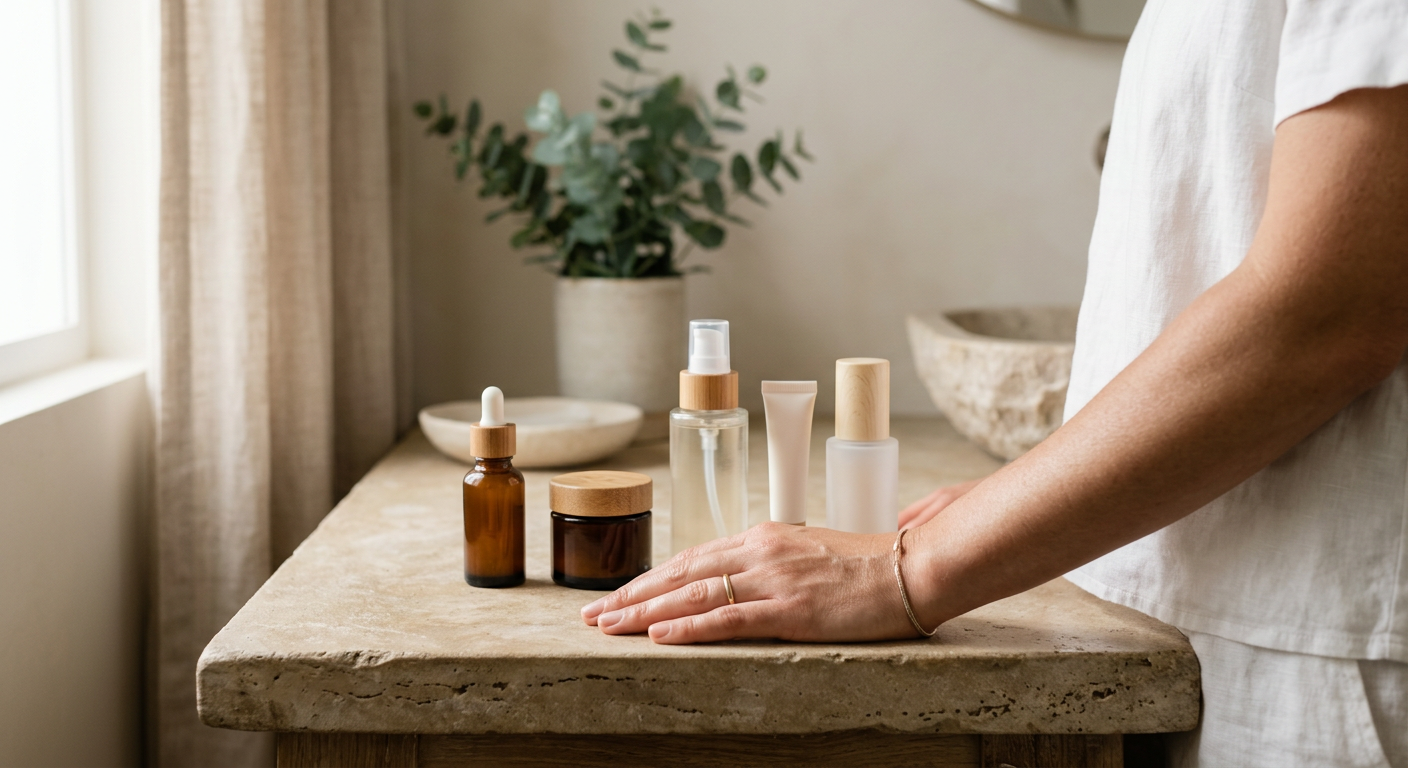
A 12-step regimen won’t get you further than a short one. The most effective routines rest on a handful of proven products used consistently.
Start with the fundamentals: a gentle cleanser, a well-formulated moisturizer with sustained hydration, a daily SPF, and one or two evidence-based actives such as retinoids, vitamin C, or peptides. Add prejuvenation-focused ingredients only when they have clinical support behind them.
Resist swapping products every time something goes viral. Give a formula 8 to 12 weeks before judging results, since most active ingredients need a full skin cycle to show meaningful change. Consistency, not novelty, is what protects your skin barrier and your budget.
Conclusion
Beauty trend fatigue marks a real turning point. People are trading FOMO for proof, novelty for performance, and disposable fads for products they can rely on. The data backs it up: sluggish category growth, the rise of the beauty skeptic, and a clear shift toward science-backed, prejuvenation-focused routines.
For shoppers, that’s good news. You can step off the trend treadmill, build a simple evidence-based routine, and let consistency do the work. For brands, trust and transparency are the growth engines that matter now.
Audit your current routine this week. Keep the products with clinical backing, cut the impulse buys collecting dust, and commit to what actually delivers over time.
Frequently Asked Questions
Q: What is beauty trend fatigue?
Beauty trend fatigue is the exhaustion consumers feel from constantly chasing viral products and microtrends that expire within weeks. It leads people to prefer proven, timeless products over the endless cycle of new launches.
Q: Why are consumers choosing timeless beauty products in 2026?
Consumers want formulas that deliver lasting results rather than short-lived novelty, and rising skincare literacy helps them spot hype. Trust has become the most valuable brand asset, driving loyalty toward science-backed products.
Q: What does “prejuvenation” mean in skincare?
Prejuvenation reframes aging as a biological process to optimize proactively rather than a problem to fight reactively. It emphasizes consistent, long-term use of proven ingredients over quick fixes.
Q: How do I build a timeless skincare routine?
Focus on fundamentals: a gentle cleanser, a lasting moisturizer, daily SPF, and one or two evidence-based actives like retinoids or vitamin C. Use products consistently for 8 to 12 weeks before judging results.
Q: Are viral beauty trends always bad?
Not necessarily, but many viral products fade once consumers compare them to proven, science-backed alternatives. Some trends contain genuinely effective ingredients, so evaluate the evidence rather than the hype.
Q: How should beauty brands respond to trend fatigue?
Brands should lead with clinical proof, simplify their product lineups, and prioritize transparency and experiential value. Curating trustworthy products beats flooding the market with trend-driven launches.