

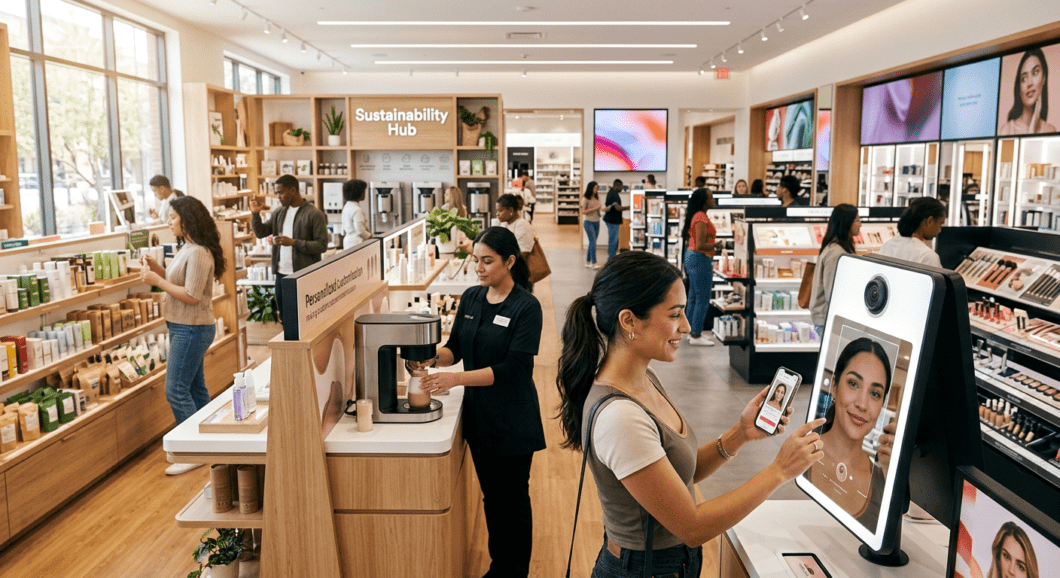
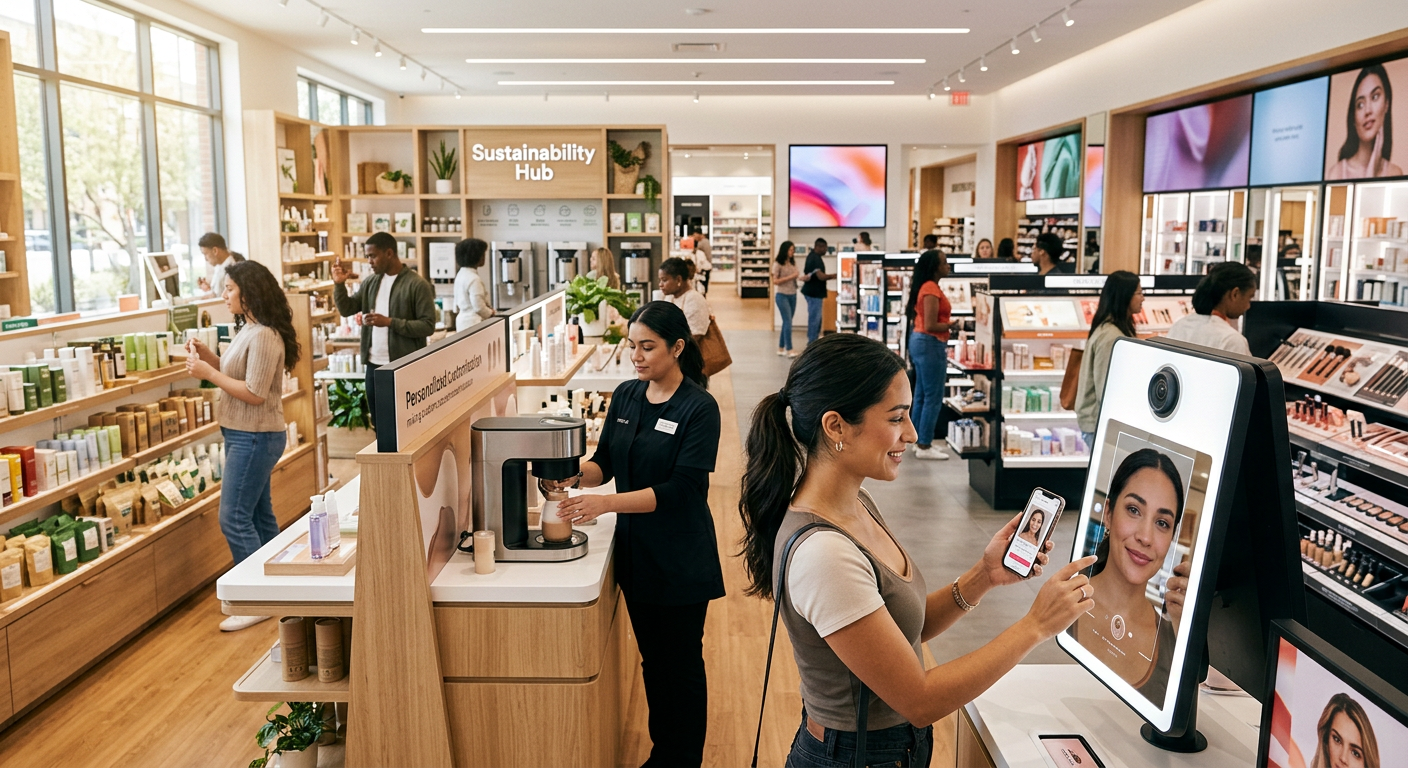
Walk into an Ulta, Target, or Walmart this year and the differences start at the door. The biggest beauty retail changes in 2026 aren’t tweaks to product assortments. They’re shifts in what these stores sell, how they sell it, and where you end up buying your makeup, skincare, and supplements. Wellness has pushed onto beauty shelves. Social platforms have become real storefronts. And the gap between buying online and buying in person has mostly closed. What follows is what’s actually changing and how it affects your shopping.
Wellness Takes Over the Beauty Aisle
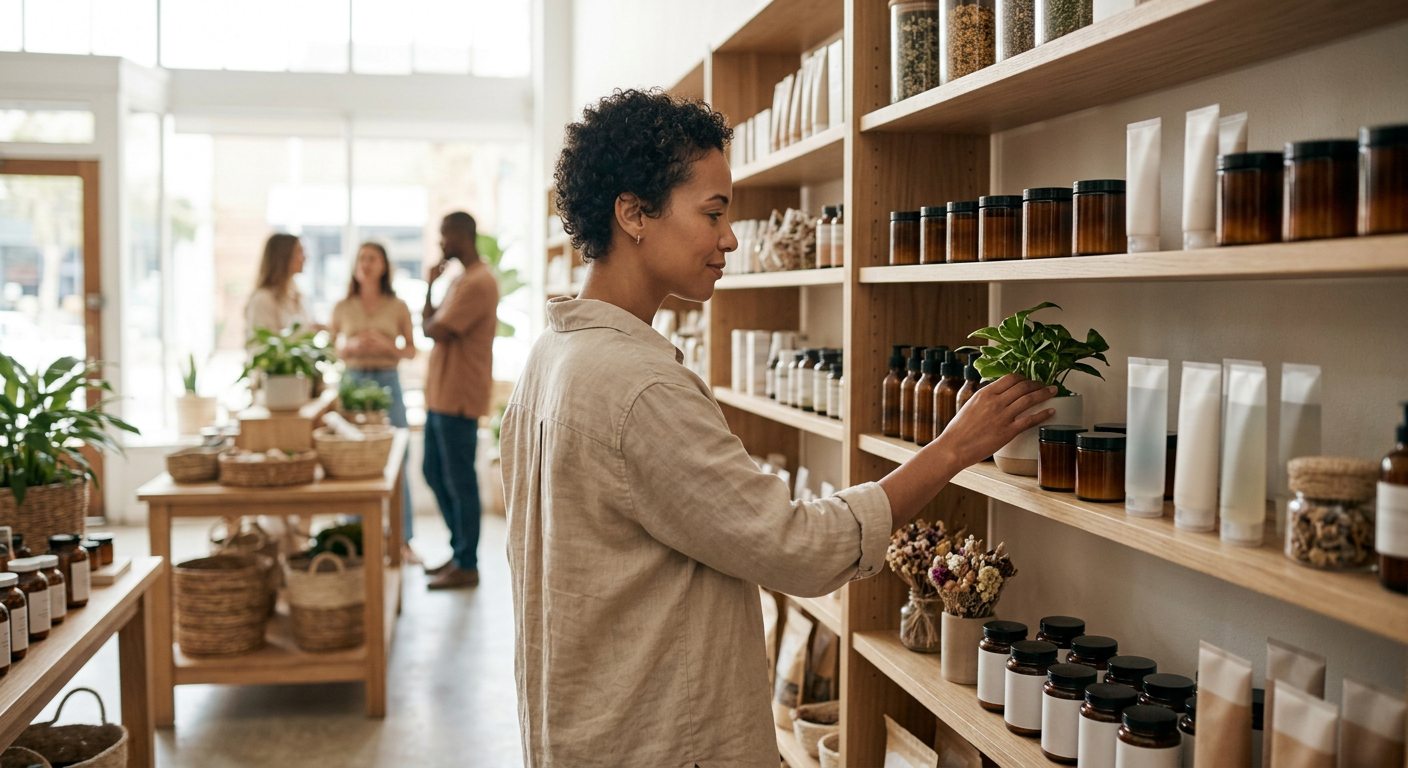
The most visible change in 2026 is wellness. The big retailers have landed on the same conclusion: beauty and wellness belong on the same shelf. Ulta Beauty, Target, and Walmart each opened the year with major additions to their wellness assortments, according to Beauty Inc.
Ulta pushed furthest with a wellness shop-in-shop redesign, giving supplements, ingestibles, and self-care products their own physical footprint. This isn’t a pilot. Zoe Mills, lead retail analyst at GlobalData, expects the global beauty market to keep growing on “rising demand for wellness and consumer willingness to invest in self-care,” as reported by Cosmoprof.
What You’ll Actually Find on Shelves
The new wellness products go well past vitamins. Korean collagen drink brand Clöud Café landed in Ulta Beauty and expanded to more than 1,000 Target doors about a month later. Ingestible beauty capsules, including a TikTok-famous line priced at $32 a month, now sit next to traditional cosmetics at Target, Walmart, and Amazon.
The idea tying it together is beauty from the inside out. If you’ve been buying supplements at one store and skincare at another, you’ll find both under one roof in 2026.
Sephora Bets Against the Trend
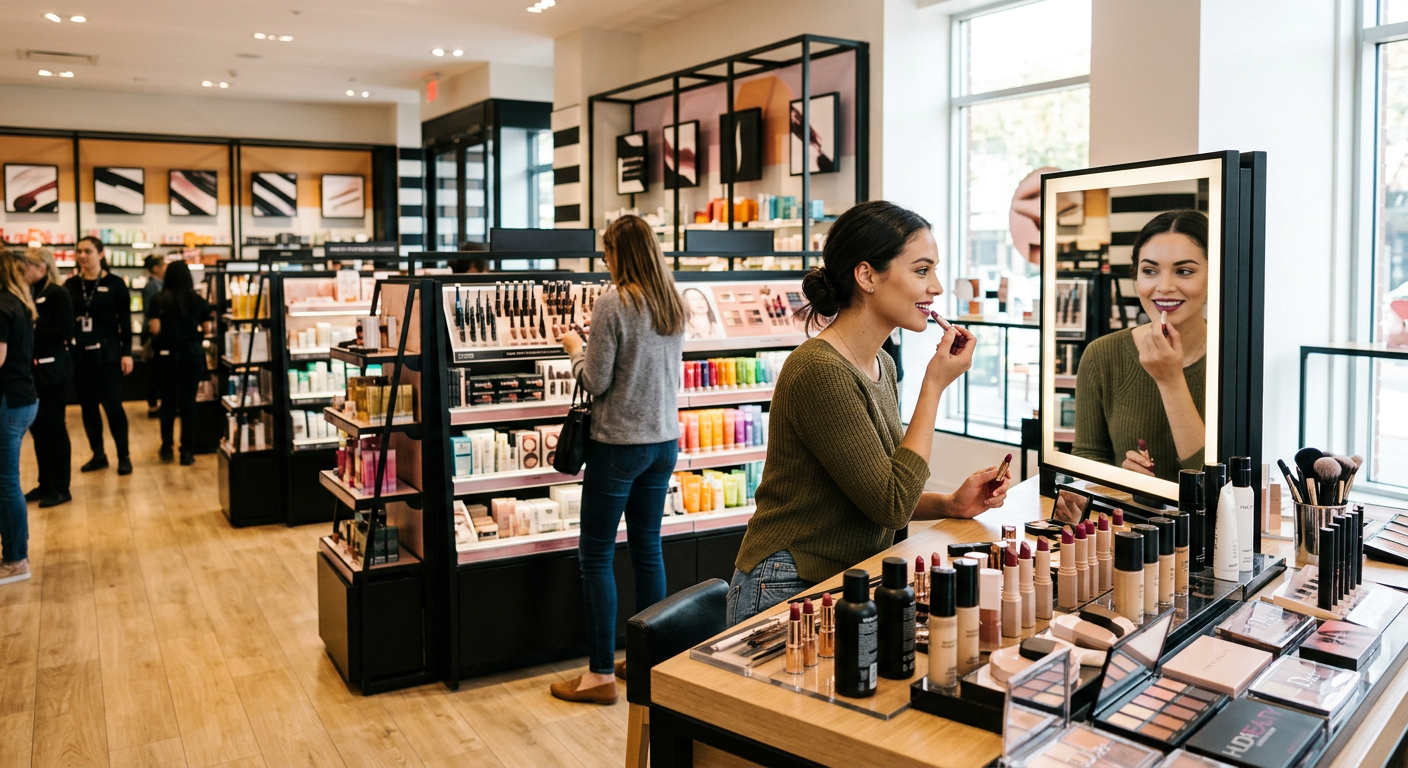
Not everyone is chasing wellness. Sephora is moving the other way, narrowing its focus to beauty itself. As competitors pile on supplements and ingestibles, Sephora is staying with cosmetics, fragrance, and skincare.
That gives shoppers a clearer choice. If you want one place for self-care and supplements, Ulta, Target, and Walmart are building it. If you want a curated, beauty-first store without the wellness aisle, Sephora is positioning for you.
The split is also a bet. Sephora is wagering that a focused identity wins over a sprawling assortment, a contrarian call worth watching while wellness sales climb everywhere else.
Social Commerce Becomes the New Storefront
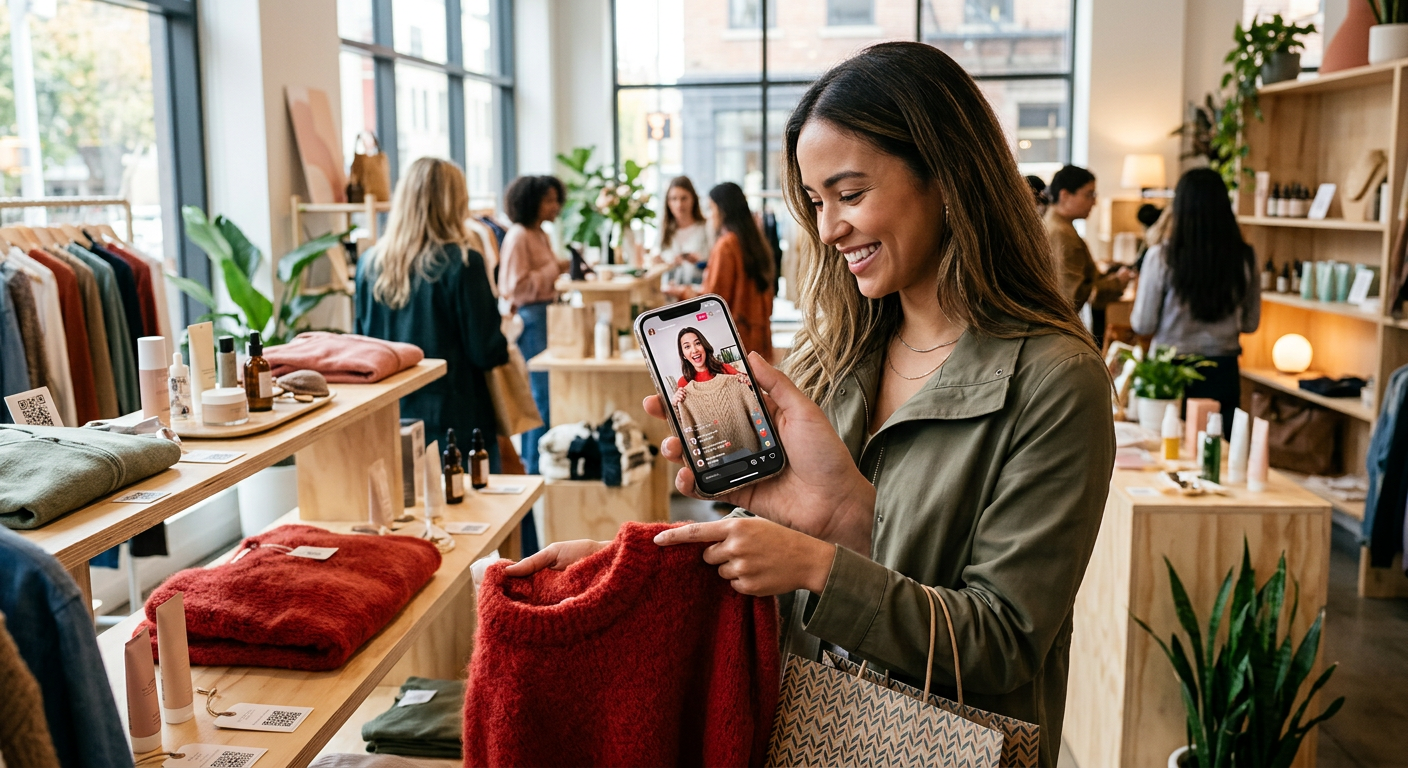
TikTok Shop and platforms like it have moved from novelty to serious retail channels. TikTok Shop passed $1 billion in beauty sales last year and now ranks as the #8 health and beauty e-commerce retailer in the U.S., according to a LinkedIn analysis by Jamie Bolton.
The numbers tell the story. About 43% of beauty and personal care sales now happen online, up from 34% in 2020. And 68% of social purchases are impulse buys, driven by discovery and entertainment rather than a planned shopping trip.
Why Livestreams Now Move Real Volume
Livestream shopping can generate enormous sales in short windows. One ingestible beauty brand sold 1.5 million pounds worth of product during a single 12-hour livestream on TikTok Shop. That pace has forced traditional retailers to rethink discovery, since shoppers increasingly find products through entertaining content long before they reach a store.
Online and In-Store Shopping Finally Merge
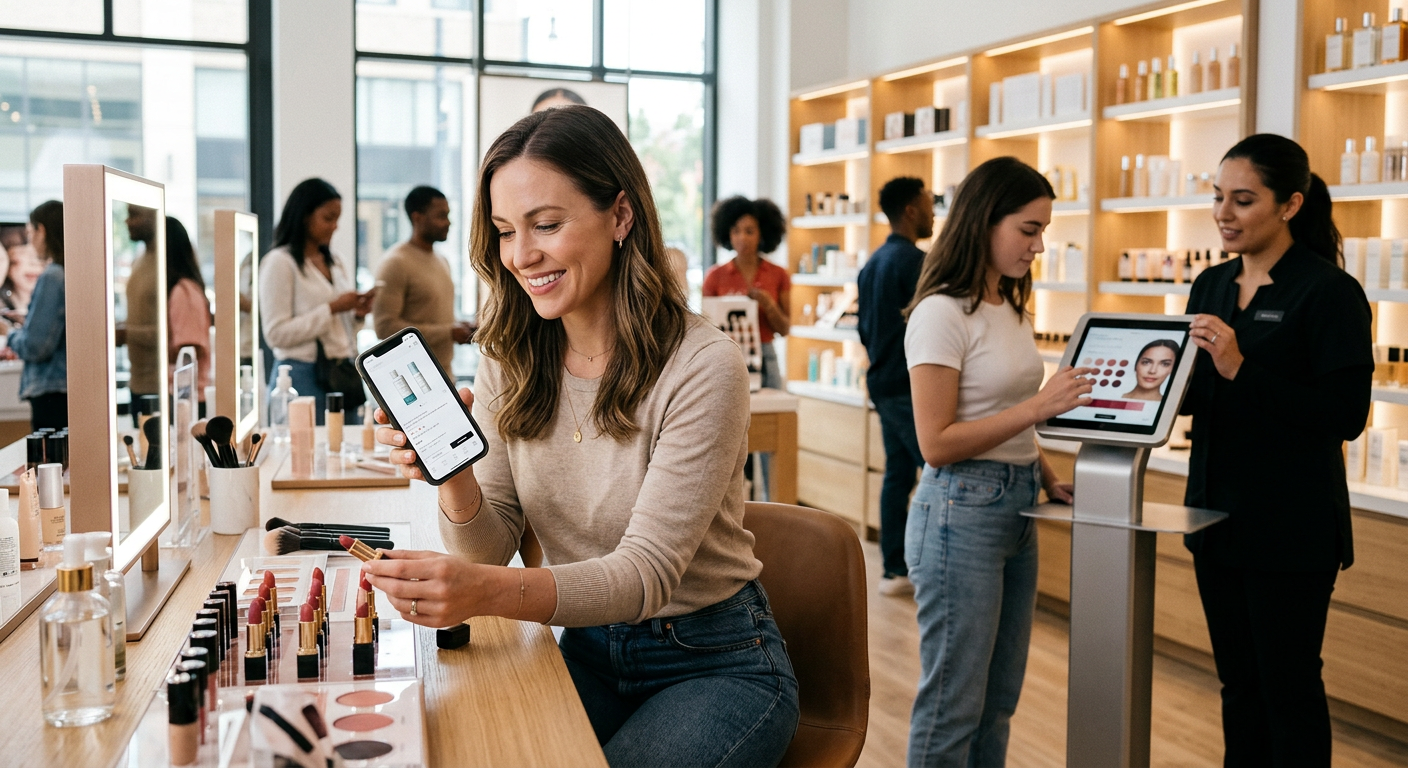
The line between online and physical retail is dissolving in beauty, as Outform’s Cryer told Cosmoprof. “We’re now in an era of unified retail, where omnichannel isn’t a strategy; it’s a shopper expectation.”
The data supports it. Outform found that 73% of beauty shoppers visited a store last year, with footfall up 2% year over year. At the same time, 54% used their phones in-store, blending digital and physical without thinking about it. People research, compare, and read reviews on a phone while standing in the aisle.
Physical retail growth, though, is essentially flat. That puts pressure on stores to offer what a screen can’t: testing, expert advice, and experience. Expect more in-store events, sampling stations, and trained staff who can answer the questions a phone won’t.
What This Means for Store Associates
As social discovery raises expectations, in-store knowledge has to keep up. Shoppers walk in having already watched reviews and tutorials, so associates need to add something beyond the screen. Retailers are investing in staff training to meet that bar, per Mobietrain.
Where Top Retailers Are Placing Their Bets in 2026
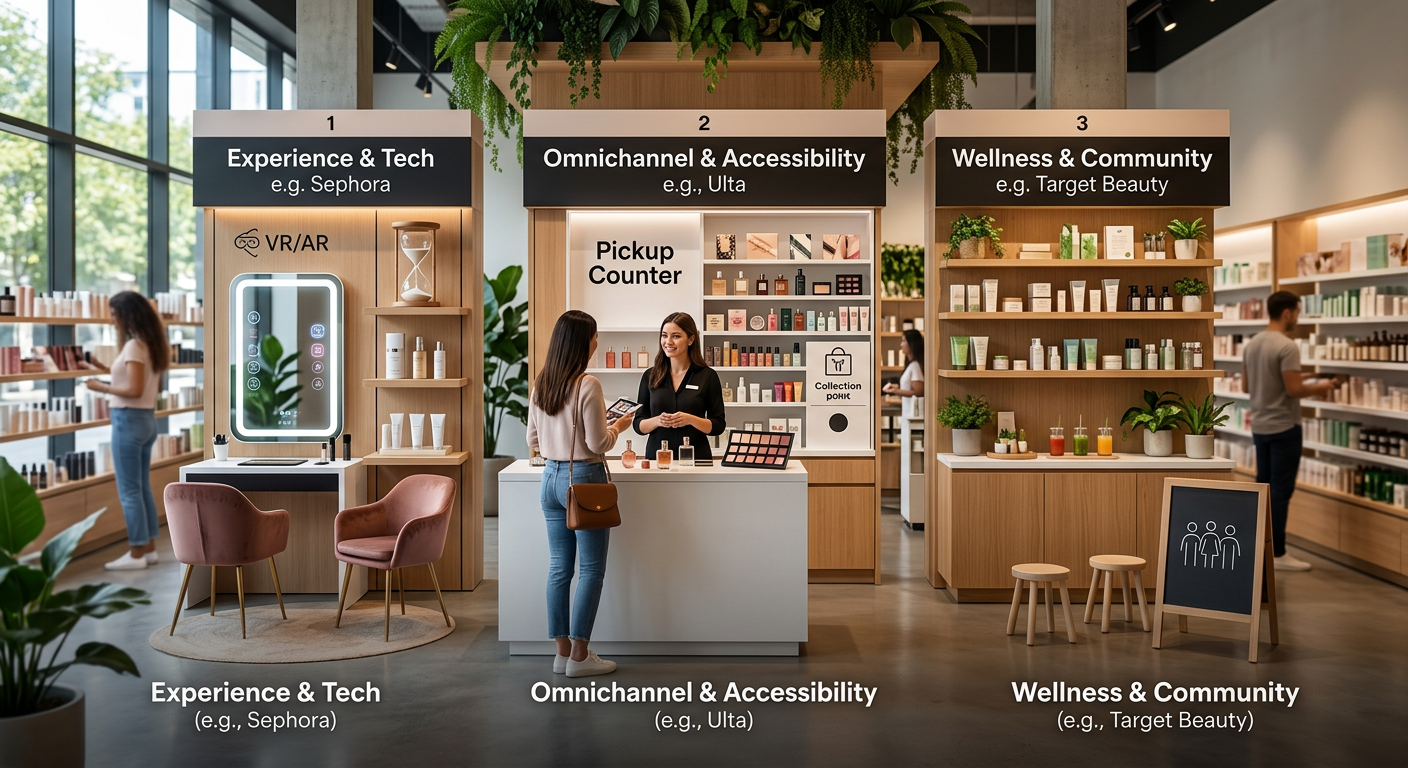
A quick comparison of how the major beauty retailers are positioning themselves this year:
| Retailer | 2026 Strategy | Key Move |
|---|---|---|
| Ulta Beauty | Lean into wellness | Wellness shop-in-shop redesign |
| Target | Expand wellness assortment | Added Clöud Café to 1,000+ doors |
| Walmart | Broaden beauty + wellness | Added Odele to 1,500+ doors |
| Sephora | Refocus on core beauty | Moving away from wellness |
| TikTok Shop | Social commerce growth | #8 U.S. health & beauty e-tailer |
| Amazon | Capture wellness demand | Surging wellness sales |
The pattern is consistent. Most mass and specialty retailers are expanding outward into wellness, while Sephora and the pure-play social platforms carve out narrower niches.
New Brands and Categories Reshaping the Shelf
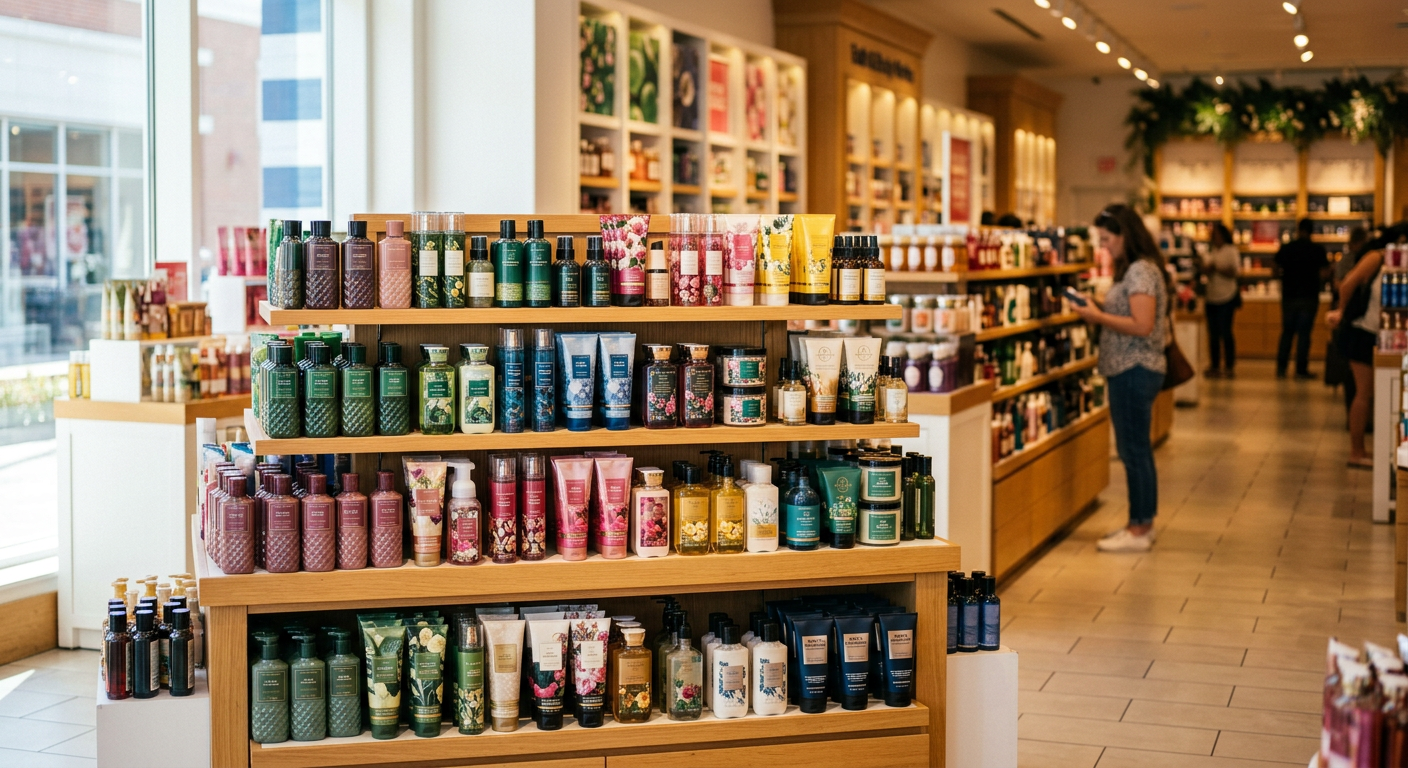
Brand expansions are picking up speed, which gives you more options at more stores. Bath & Body Works is entering Ulta Beauty, bringing fragrance and body care to a new audience. Hair care brand Odele has launched at more than 1,500 Walmart doors, and hair growth brand F.a.s.t. Haircare is entering Sally Beauty before moving on to supermarket chain H-E-B.
Growth is concentrated in a few categories. Fragrance and bath and shower products lead U.S. growth, and clean, transparent, values-led brands have moved firmly into the mainstream. Gen Z and Millennial shoppers increasingly prioritize skincare and brand purpose over color cosmetics.
K-Beauty and Scalp Care Keep Climbing
Korean beauty keeps widening its retail footprint, from collagen ingestibles to skincare. Scalp care has turned into a standout subcategory, with specialized brands selling across Ulta Beauty, Amazon, and Bloomingdale’s. If your routine still centers on face and body, expect retailers to point you toward scalp and hair health in 2026.
The Bottom Line for 2026 Shoppers
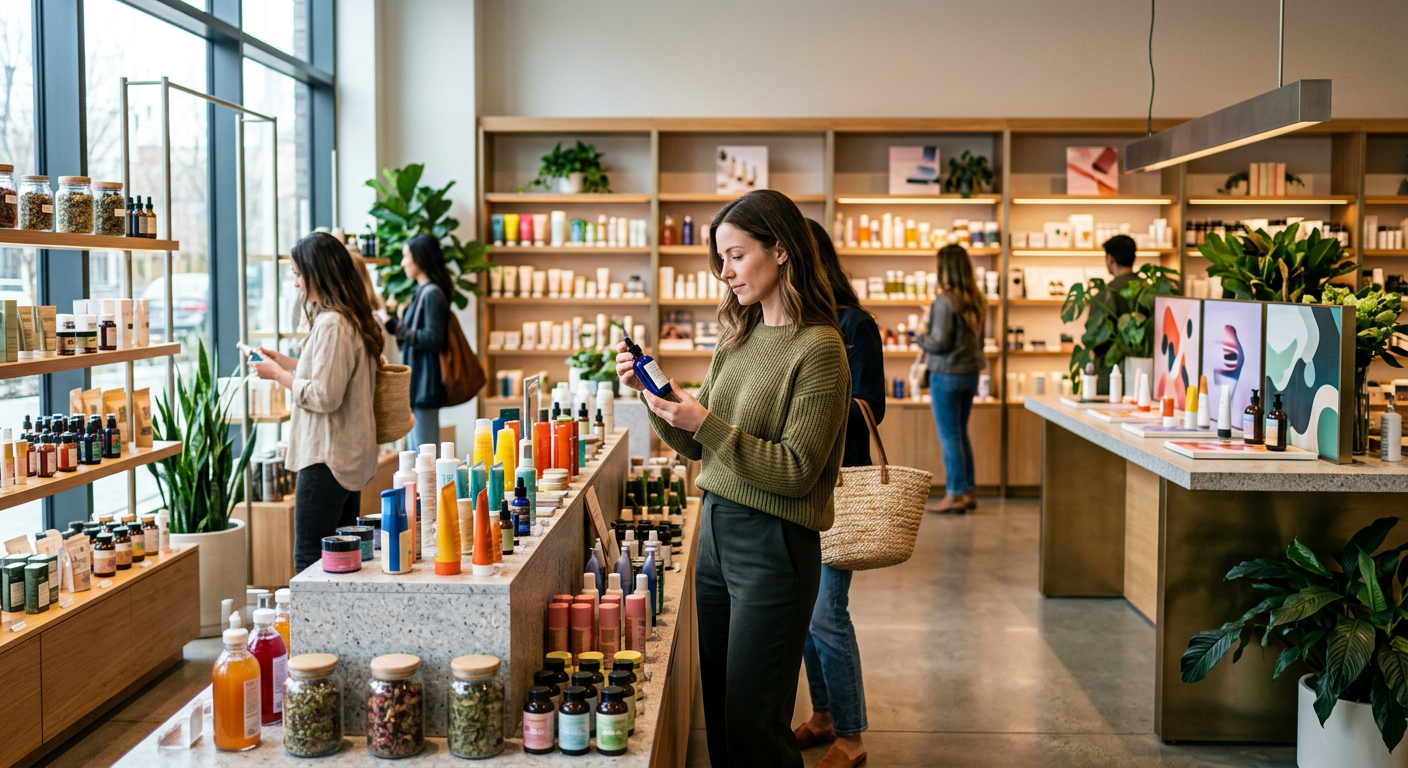
The beauty retail landscape in 2026 rewards shoppers who know where to look. Wellness now lives on beauty shelves at Ulta, Target, and Walmart, while Sephora holds its focus on pure beauty. Social platforms like TikTok Shop have become real storefronts, and the boundary between shopping online and in-store has effectively vanished.
The key takeaways:
- Wellness is everywhere except Sephora, which is betting on a beauty-first identity.
- Social commerce drives real sales, with TikTok Shop now a top-10 U.S. beauty e-tailer.
- Omnichannel is the default, with 73% of shoppers visiting stores while 54% use phones in-store.
- New brands are expanding fast, so your favorite product may now be available closer to home.
Take another look at where you shop. Compare which retailers carry the products you want, and try the in-store experiences, like sampling, expert consultations, and events, that a screen can’t replicate. The store that fit your routine in 2024 may not be the best fit in 2026.
Frequently Asked Questions
Q: What is the biggest beauty retail change in 2026?
The biggest change is the wellness takeover, with Ulta, Target, and Walmart adding supplements, ingestibles, and self-care products to their beauty assortments. Ulta even launched a dedicated wellness shop-in-shop redesign to give the category its own physical space.
Q: Why is Sephora moving away from wellness?
Sephora is refocusing on core beauty categories like cosmetics, fragrance, and skincare while competitors expand into wellness. The retailer is betting that a curated, beauty-first identity will resonate more than a sprawling assortment of supplements and ingestibles.
Q: How important is TikTok Shop for buying beauty products now?
TikTok Shop is now the #8 health and beauty e-commerce retailer in the U.S. and surpassed $1 billion in beauty sales last year. Livestream selling has proven especially powerful, with one brand selling 1.5 million pounds worth of product in a single 12-hour livestream.
Q: Is online or in-store shopping more popular for beauty in 2026?
The two have merged rather than competing. About 43% of beauty sales happen online, but 73% of shoppers still visit physical stores, and 54% use their phones in-store, blending digital and physical seamlessly.
Q: Which new brands are expanding to major retailers in 2026?
Bath & Body Works is entering Ulta Beauty, Odele launched at more than 1,500 Walmart doors, and F.a.s.t. Haircare is entering Sally Beauty and H-E-B. Korean collagen brand Clöud Café also expanded to over 1,000 Target doors.
Q: What beauty categories are growing fastest in 2026?
Fragrance and bath and shower products lead U.S. growth, while wellness ingestibles and scalp care are surging. Clean, transparent, and values-led brands have also moved into the mainstream, especially among Gen Z and Millennial shoppers.