

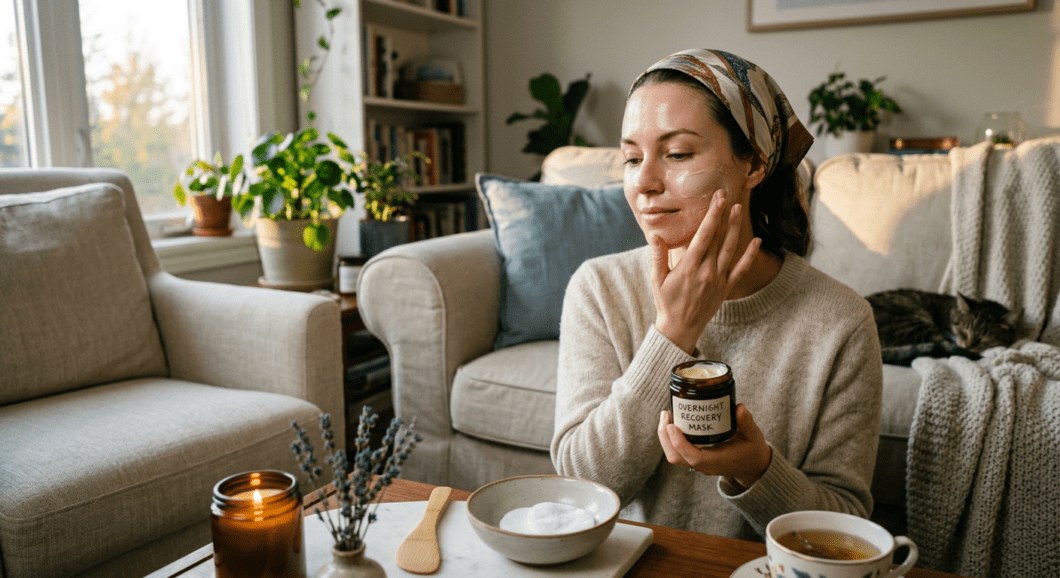

You can spend a small fortune on retinoids, acids, and serums and still get the most mileage from the night you do almost nothing. Skin recovery nights—the scheduled rest days built into structured skincare routines—are turning up in more weekly regimens. After a decade of heavy layering and over-exfoliation, dermatologists and brands are pushing a calmer approach: give skin time to repair on a set schedule, and you get a stronger barrier and clearer complexion in return.
The trend fits where skincare is heading in 2026. People want routines that work with their skin rather than against it, and a recovery night is about the simplest way to get there.
What Is a Skin Recovery Night?
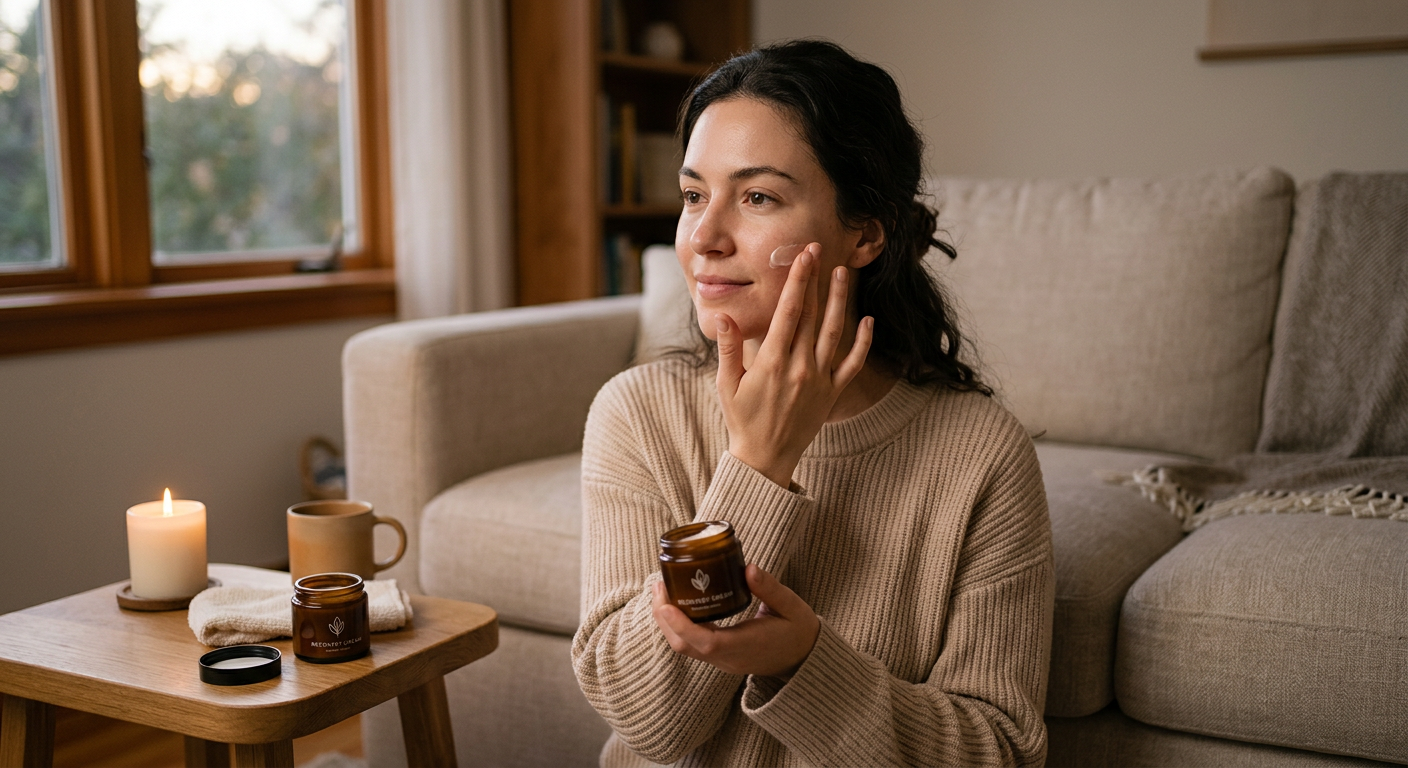
A skin recovery night is a planned evening where you skip the active ingredients—retinoids, exfoliating acids, strong treatments—and stick to gentle hydration and barrier support. Instead of pushing skin to renew faster, you give it room to rest and rebuild.
The idea grew out of “skin cycling,” a method popularized by board-certified dermatologist Dr. Whitney Bowe. A standard four-night cycle goes exfoliation night, retinoid night, then two recovery nights before it repeats. According to Everyday Health, the recovery nights are when skin processes the actives it absorbed earlier in the week.
Recovery Night vs. Active Night
| Element | Active Night | Recovery Night |
|---|---|---|
| Primary goal | Treat and renew | Repair and hydrate |
| Key ingredients | Retinoids, AHAs/BHAs, vitamin C | Ceramides, hyaluronic acid, peptides |
| Texture focus | Lightweight serums | Rich creams, sleeping masks |
| Frequency | 2-4 nights weekly | 1-3 nights weekly |
| Best for | Cell turnover, targeting concerns | Barrier strength, calming irritation |
Why Your Skin Repairs Itself at Night

Skin runs on a circadian rhythm, and nighttime is when it shifts into repair mode. While you sleep, your body ramps up collagen production, speeds cell turnover, and reinforces the barrier. CV Skinlabs notes that overnight your skin works to fix the day’s damage and regenerate new cells.
That timing is exactly when hydrating and reparative ingredients pull their weight. As Whish Body explains, your PM steps can do more than your AM routine because skin is already primed for restoration.
Constant use of strong actives interrupts the process. Over-exfoliate or apply retinoids every single night and you can break the barrier down faster than it rebuilds. A recovery night lets the natural repair cycle finish what your actives started.
The Case Against Doing Too Much

The “more is better” mindset has hit a wall. Experts surveyed by Who What Wear point to a clear move away from aggressive routines, driven by widespread over-exfoliation, compromised barriers, and sensitized skin.
When the barrier breaks down, you can see it: redness, flaking, stinging, and breakouts that refuse to settle. The products meant to improve your skin are often the ones causing the trouble when they never get a rest. A weekly recovery night works as a built-in safeguard.
Signs You Need More Recovery Nights
- Persistent redness or sensitivity that wasn’t there before
- Tightness or flaking after cleansing
- Stinging when you apply serums you used to tolerate
- Breakouts that appeared after adding new actives
- A dull, rough texture despite frequent exfoliation
Two or more of these symptoms usually mean your skin is asking for fewer actives and more recovery time.
How to Build a Skin Recovery Night

A recovery night should be simple. The plan is to cleanse, hydrate, and seal, and that’s the whole list. Cleansing comes first and matters most, since a clean face gives skin a nourished base to rest and regenerate, as Whish Body outlines.
After cleansing, reach for ingredients that rebuild rather than resurface. Ceramides and fatty acids reinforce the barrier, hyaluronic acid handles hydration, and peptides drive repair signaling. Peptides are shaping up to be one of the most important skincare ingredients of 2026, according to JLo Beauty.
A Simple Three-Step Recovery Routine
- Cleanse gently. Use a non-stripping cleanser to remove the day without disrupting your barrier.
- Hydrate. Apply a hyaluronic acid serum or a calming, peptide-rich essence to damp skin.
- Seal. Lock everything in with a barrier-supporting night cream or sleeping mask.
Skip exfoliants, retinoids, and high-strength vitamin C completely. Leaving those out is the whole point.
Where Recovery Nights Fit in Your Weekly Routine

A rigid schedule isn’t necessary. Most people can start with one or two recovery nights a week and adjust based on how their skin responds. Heavy active use calls for more recovery time; resilient skin may need only one night.
A balanced week might run exfoliation on Monday, retinoid on Tuesday, recovery on Wednesday and Thursday, then repeat. That structure heads off the barrier fatigue that comes from stacking actives night after night.
The wider industry sees this as the direction of travel. Beauty Independent reports that consumer demand is shifting toward formulations that support long-term skin resilience and barrier health rather than chasing quick fixes. A scheduled recovery night is the practical, low-cost way to act on that.
The Long-Term Payoff

The benefit of recovery nights builds over time. Protect the barrier, and the actives you do use work more effectively with fewer side effects. Stronger skin tolerates treatments better, which means quicker progress on fine lines, texture, and dark spots.
Vogue calls the nighttime routine the foundation of youthful, radiant skin—repairing and restoring while you sleep. Recovery nights make that foundation sustainable, turning skincare from a loop of irritation and repair into steady progress.
The trend has staying power for a reason. It costs nothing extra, needs no new products beyond a good moisturizer, and delivers results that aggressive routines tend to undercut.
Conclusion
Skin recovery nights have earned a place in the weekly routine because they solve a real problem: skin that’s been pushed too hard. Schedule regular rest days and you support the skin’s natural overnight repair, protect the barrier, and get more out of your active ingredients over time.
The plan is straightforward. Build at least one recovery night into your week, keep it to cleanse-hydrate-seal, and skip the actives entirely on those nights. Watch how your skin responds and adjust the frequency from there.
This week, swap one active-heavy evening for a recovery night and give your skin the rest it’s been asking for.
FAQ
Q: How often should I do a skin recovery night?
Start with one to two recovery nights per week, then adjust based on your skin’s response. If you use strong actives often or notice sensitivity, add more recovery nights until your barrier feels calm.
Q: What products should I use on a recovery night?
Stick to a gentle cleanser, a hydrating serum with hyaluronic acid, and a barrier-supporting night cream or sleeping mask. Look for ceramides and peptides, and avoid retinoids, acids, and strong vitamin C.
Q: Is a skin recovery night the same as skin cycling?
They’re closely related. Skin cycling is a structured four-night rotation that includes two recovery nights, while a recovery night can also stand alone as a weekly reset within any routine.
Q: Can recovery nights help with a damaged skin barrier?
Yes. Recovery nights remove the actives that often cause barrier damage and replace them with reparative, hydrating ingredients, giving your skin the time and support it needs to rebuild.
Q: Will skipping actives slow down my skincare results?
No—it usually improves them. A stronger barrier tolerates actives better and with fewer side effects, which lets ingredients like retinoids work more effectively over the long term.
Q: Do oily or acne-prone skin types need recovery nights too?
Yes. All skin types benefit from barrier support, and over-exfoliating oily skin can trigger more breakouts. Use lightweight, non-comedogenic moisturizers on your recovery nights to hydrate without clogging pores.