



Two skincare routines have taken over beauty feeds, and they chase the same payoff—healthier, more radiant skin—from nearly opposite directions. Skin flooding drenches the face in layered hydration. Skin cycling spaces active ingredients across a structured weekly rotation. If you’ve stood at the bathroom mirror debating whether to layer five serums or take a “rest night,” this article sorts it out. We’ll cover both methods, the reasoning behind them, and how to figure out which one your skin actually needs.
Both trends caught on because they address two problems that affect a lot of people who buy products without a plan: dehydration and over-exfoliation. Which routine wins for you depends on your skin type, your concerns, and how much complexity you’re willing to manage.
What Is Skin Flooding?

Skin flooding is a layering technique built around deep hydration. You apply a sequence of lightweight, water-based products onto damp skin to “flood” it with moisture, then seal everything in with a moisturizer. The damp-skin part matters. Applying humectants like hyaluronic acid to a slightly wet face pulls water into the skin instead of drawing it up from deeper layers.
A typical skin flooding routine runs in this order:
- Cleanse with a gentle, non-stripping cleanser.
- Mist or dampen the skin with water or a hydrating toner.
- Apply a humectant serum such as hyaluronic acid or glycerin.
- Layer a hydrating essence or second serum while skin is still damp.
- Seal with a moisturizer to lock in the hydration.
The technique sits inside the broader idea of skin layering, where products stack on top of each other. The distinction is that skin flooding sticks to lightweight, hydrating products rather than heavy creams or actives, according to Bionyx.
Who Should Try Skin Flooding?
Skin flooding works best for dry, dehydrated, or dull skin that needs a dewy, plump finish. If your barrier feels tight after cleansing or you live somewhere with low humidity, the extra moisture makes a visible difference. Very oily or acne-prone skin needs more caution, because over-layering can clog pores and leave skin feeling congested.
What Is Skin Cycling?
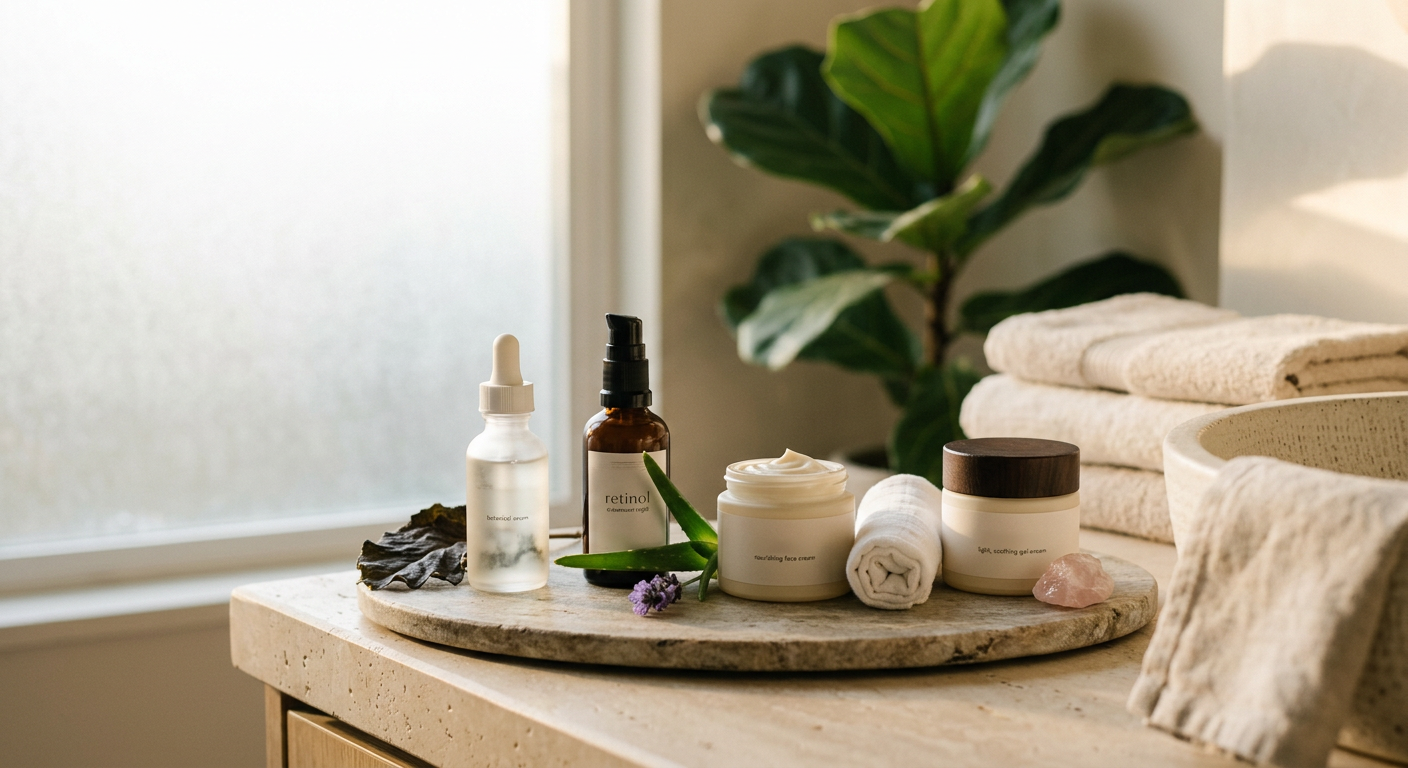
Skin cycling is a structured nighttime routine that alternates active ingredients with recovery nights. Instead of using strong products like exfoliants and retinoids every day—which stresses the skin over time—you rotate them on a fixed schedule. The most common version runs a four-night cycle, as described by Optima Dermatology.
A standard four-night skin cycling routine looks like this:
- Night 1: Exfoliation. Apply a chemical exfoliant such as an AHA or BHA.
- Night 2: Retinoid. Use a retinol or prescription retinoid.
- Night 3: Recovery. Focus on hydration and barrier support, no actives.
- Night 4: Recovery. A second rest night before the cycle repeats.
The schedule gives skin time to rest and repair between active treatments, which cuts irritation while still delivering what those strong ingredients do best. Dermatologist Dr. Whitney Bowe coined the method, and it’s been credited as a low-drama approach that puts long-term skin health ahead of chaotic quick fixes, per the Times of India.
Who Should Try Skin Cycling?
Skin cycling suits anyone who wants to use actives like retinoids and acids without triggering redness, peeling, or barrier damage. It’s particularly useful for beginners introducing retinol for the first time. If you have rosacea, eczema, or acne, talk to a dermatologist before starting, since those conditions often need a customized cadence.
Skin Flooding vs. Skin Cycling: Key Differences

The two routines solve different problems. Skin flooding is about how much hydration you give your skin in a single routine. Skin cycling is about when you use your active ingredients, according to Kao Aesthetics.
| Feature | Skin Flooding | Skin Cycling |
|---|---|---|
| Primary goal | Deep hydration and dewy skin | Maximize actives, minimize irritation |
| Core approach | Layer multiple hydrating products | Rotate actives with recovery nights |
| Key ingredients | Hyaluronic acid, glycerin, essences | Exfoliants, retinoids, moisturizers |
| Schedule | Can be done daily | Structured four-night cycle |
| Best for | Dry, dehydrated, dull skin | Anyone using retinoids or acids |
| Risk if overdone | Product buildup, congestion | Irritation if cycle is too aggressive |
The shortcut version: skin flooding answers a hydration problem, skin cycling answers an over-exfoliation problem. Whatever your skin complains about most should make the call.
Can You Combine Both Routines?

You don’t have to pick one. The two methods work together because they hit different needs at different times, and the recovery nights in a skin cycling routine are the natural slot for skin flooding.
On Night 3 and Night 4—the recovery nights—your skin is rebuilding its barrier and wants hydration, not actives. That’s exactly when a layered, hydration-focused flooding routine earns its place. Skincell Clinic recommends using skin flooding on recovery days within a skin cycling routine for that reason.
Stack the two this way and you get the resurfacing and anti-aging payoff of actives on active nights, plus barrier support and plumpness on rest nights. It’s a balanced framework you can keep up with, not a forced choice between two trends.
How to Choose the Right Routine for Your Skin

Start with your dominant concern. Skin that feels tight, looks dull, or flakes easily needs hydration first, so begin with skin flooding. If your concern is fine lines, texture, or breakouts, and you want to use retinoids or exfoliants without overdoing it, skin cycling gives you the structure to do that safely.
Match the Method to Your Skin Type
- Dry or dehydrated skin: Lead with skin flooding, add gentle actives on a cycle later.
- Oily or acne-prone skin: Lean toward skin cycling, and keep flooding light to avoid congestion.
- Sensitive or reactive skin: Skin cycling’s recovery nights help build tolerance gradually.
- Combination skin: Combine both, flooding on recovery nights and cycling actives midweek.
Use Quality Products and a Patch Test
What you put on your skin drives the results. Medical-grade and well-formulated products give more predictable outcomes than generic ones, which is why clinics like Kao Aesthetics assess these trends through a clinical lens. Patch-test new actives every time, and introduce one product at a time so you can tell what’s working. If irritation sticks around, scale back and see a dermatologist.
Conclusion
Skin flooding and skin cycling aren’t competing fads. They’re two tools for two different problems. Skin flooding delivers deep, layered hydration for a dewy, plump complexion. Skin cycling structures your actives to maximize results and minimize irritation. The right pick comes down to your skin’s biggest complaint: dehydration points to flooding, over-exfoliation or active overload points to cycling.
For a lot of people, the smartest move is to run both—cycling actives during the week and flooding on recovery nights. Start with your dominant concern, choose quality products, and make changes gradually. Pick one routine this week, watch how your skin responds over a month, and adjust from there.
FAQ
Q: Can I do skin flooding every day?
Yes. Skin flooding is gentle enough for daily use because it relies on hydrating products rather than actives. Just ease off the layers if your skin starts to feel congested or greasy.
Q: How long does it take to see results from skin cycling?
Most people notice smoother texture and less irritation within two to four weeks. Visible improvements in fine lines and tone from retinoids usually take eight to twelve weeks of consistent cycling.
Q: Is skin flooding good for oily or acne-prone skin?
It can be, as long as you stick to lightweight, non-comedogenic products and keep the layers minimal. Over-flooding oily skin can clog pores and lead to congestion.
Q: Can I combine skin flooding and skin cycling?
Yes. The recovery nights in a skin cycling routine are the ideal time for skin flooding, since your skin needs hydration and barrier support rather than active ingredients on those nights.
Q: Which routine is better for beginners?
Skin cycling is often easier for beginners because its four-night schedule prevents the overuse of strong actives like retinoids. Skin flooding is beginner-friendly too, since it uses only gentle, hydrating products.
Q: Do I still need sunscreen with these routines?
Yes. Both routines are nighttime or hydration-focused, so daily broad-spectrum SPF stays essential—especially with skin cycling, since retinoids and exfoliants increase sun sensitivity.