

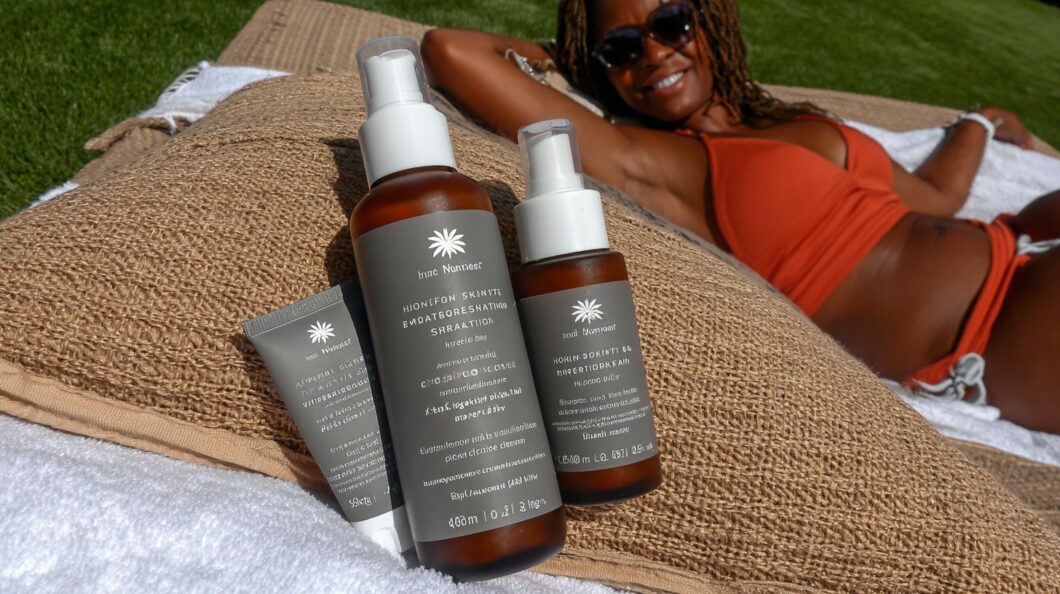
If your skin feels dry no matter how much moisturizer you slap on, you’re not alone-layering for hydration is the skincare fix everyone’s buzzing about right now.
It’s a simple way to build moisture from the inside out, and I’ll walk you through how it works for real results.
Stick around to see why it’s perfect for everyday routines.
Key Takeaways:
What is Hydration Layering?
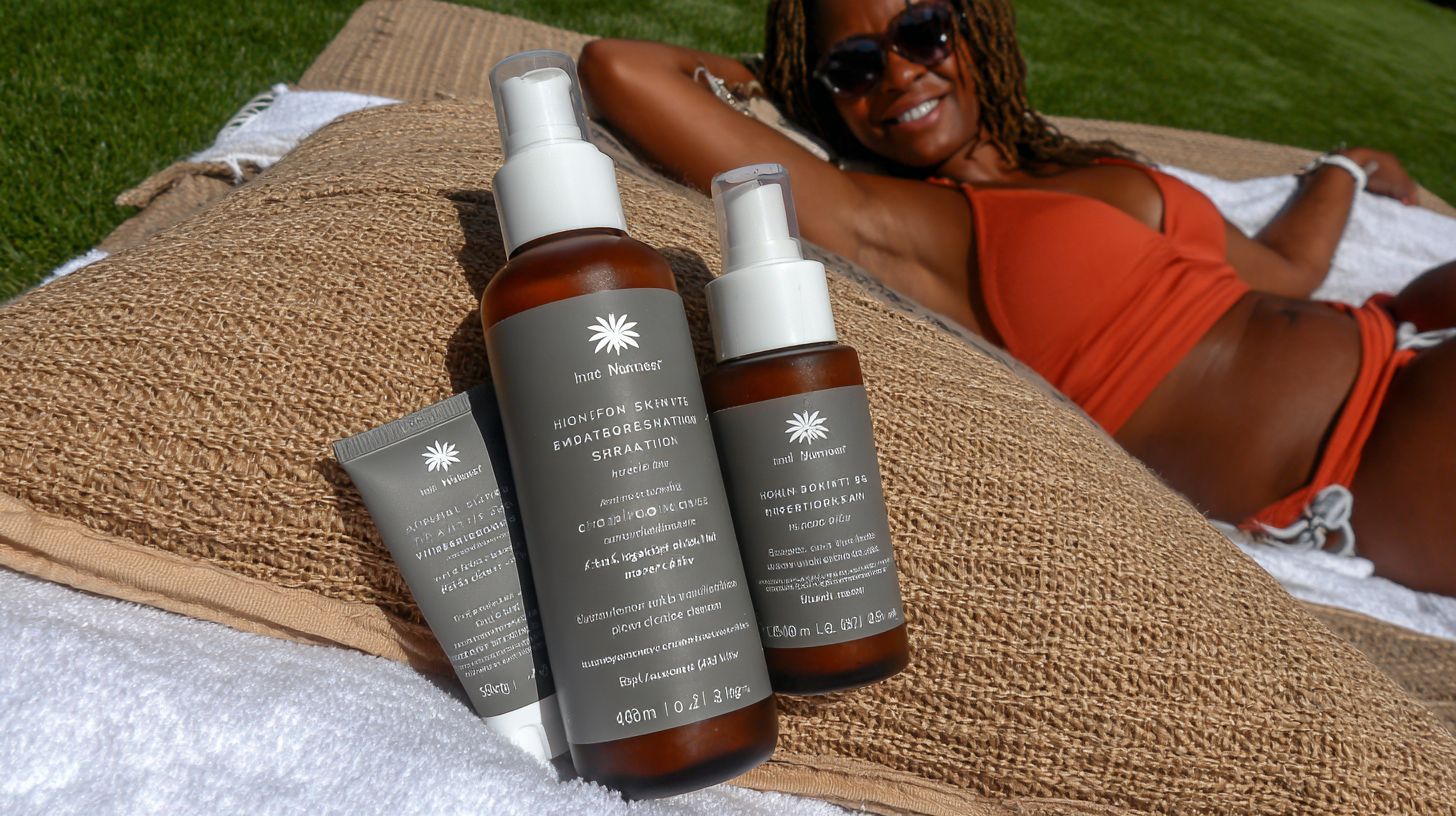
Hydration layering is a skincare technique inspired by Japanese rituals like the 7 Skin Method, where multiple watery layers of hydrating products build intense moisture into the skin. This method involves applying thin layers of toners, essences, and serums before thicker moisturizers to maximize absorption and lock in hydration. It draws from traditions such as double-moisture routines that emphasize gentle, repetitive application.
In practice, you start with a cleanser to prep the skin, then layer lightweight products from thinnest to thickest. Each layer sinks in quickly, creating a hydration base that plumps the skin and supports the barrier. This approach suits dry skin, sensitive types, or those in desert climates facing constant TEWL.
The beauty of hydration layering lies in its simplicity for any routine. Apply a toner with hyaluronic acid, follow with an essence, then a serum, and finish with an emulsion or cream. Over time, this ritual delivers a glow and reduces irritation from actives like retinol or exfoliants.
Even in busy mornings, adapt it by using just two to three layers before sunscreen. It works across skin types and concerns like aging or acne, as long as you choose gentle, water-based formulas. Experts recommend this for building resilience without overwhelming the skin.
Core Principles
The foundation of hydration layering rests on three key ingredient types working in harmony: humectants draw in moisture, emollients soften the skin, and occlusives seal it all in. Humectants like hyaluronic acid and glycerin attract water from the air or deeper skin layers. This creates a moist environment before adding richer products.
Emollients such as ceramides fill gaps in the skin’s barrier, making it smooth and flexible. They help products glide on evenly during layering. Look for them in essences or light serums to bridge watery and creamy steps.
- Check labels for humectants like hyaluronic acid or glycerin in toners and serums.
- Spot emollients like ceramides or squalane in emulsions.
- Find occlusives such as petrolatum or dimethicone in final moisturizers.
Always apply in order from thinnest to thickest for optimal absorption. Wait 30 seconds to a minute between layers so each penetrates. This prevents pilling and ensures moisture reaches deeper layers, especially for concerns like dryness or sensitivity.
Why It’s Trending Now
Hydration layering has surged in popularity thanks to beauty experts like Kyoko Getz and influencers such as Hinako Sugioka sharing their glowing results on platforms like Vogue. Their posts highlight the plump, dewy skin that comes from this method. Fans love how it transforms dry complexions into radiant ones.
Celebrity endorsements have fueled the buzz, with stars crediting layering routines for their flawless glow. Las Vegas estheticians at SOS Wax are posting viral TikToks and Instagram Reels from their desert clients. They show real before-and-afters of skin that looks hydrated and bouncy.
K-beauty trends like the Japanese 7 Skin Method and double-moisture techniques have crossed over globally. Experts Lauren Moy and Emma Jinn praise it especially for dry desert climates. They note how it locks in moisture against harsh winds and low humidity.
The emotional pull is strong: who doesn’t crave that juicy, glass-skin vibe? Social media feeds are full of users stacking toners, essences, serums, and moisturizers for instant plumpness. It’s become a daily ritual for glowing, resilient skin.
Skin Benefits
This method transforms dry, irritated skin into a hydrated, resilient canvas by strengthening the moisture barrier and addressing various concerns from aging to sensitivity. Hydration layering builds deep moisture reserves that last longer than basic routines. Skin feels like it’s drinking up each layer, leading to a plump, supple texture.
For sensitive or acne-prone skin, this approach reduces irritation by using gentle, lightweight products in thin applications. It minimizes redness and supports healing without overwhelming the barrier. Experts recommend it over heavy creams that can clog pores.
Aging skin gains a natural glow as layers plump fine lines and improve elasticity. The ritual enhances product absorption, making ingredients like antioxidants more effective. Dry climates or harsh environments benefit most from this sustained hydration.
Overall, layering creates a resilient canvas ready for serums, retinol, or exfoliants. It suits all skin types, from oily to mature. Consistent use turns the routine into a soothing daily practice.
Deep Hydration Effects
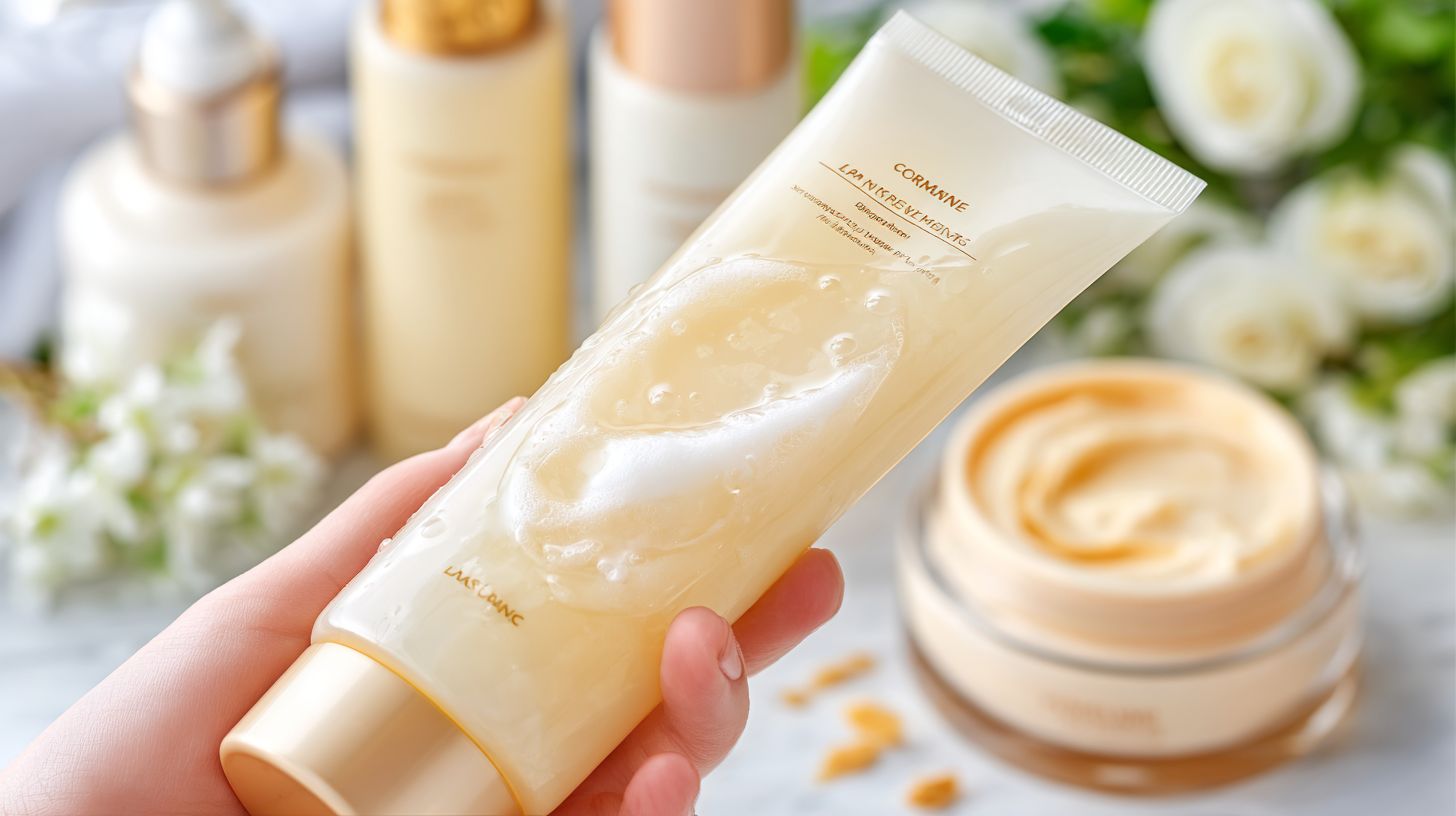
Repeated light layers allow humectants to penetrate deeply, creating a plump, glassy glow that single heavy creams often can’t achieve. This minimizes TEWL, trapping moisture inside for lasting effects. Skin drinks in toner, essence, and serums like a parched desert after rain.
Unlike basic moisturizing, layering focuses on absorption through thinnest-to-thickest order. Start with a hydrating toner, follow with serums containing hyaluronic acid or glycerin, then emulsion. Expect softer, smoother texture after 3-5 layers in your routine.
The method improves skin texture for a ritual-like experience, turning application into mindful care. Emollients like ceramides repair the barrier, while occlusives such as petrolatum or dimethicone seal it. This sustained hydration prevents the tight, flaky feel of dehydration.
For best results, apply in a cool room post-cleanser, waiting briefly between layers. It pairs well with sunscreen in the morning or thicker creams at night. Research suggests this Japanese-inspired 7 Skin or double-moisture technique excels for dry, sensitive concerns.
Essential Products Needed
Build your hydration layering routine with watery toners, essences, serums, and emulsions like Whamisa Deep Rich Essence Toner or ID.AZ Essential Toner. These lightweight skincare products draw moisture into the skin without heaviness. Start with items that suit your skin type for best absorption.
Focus on multi-taskers to keep your routine simple and avoid overload. A good starter kit includes a gentle cleanser, like Make P:rem Micro Essence Toner for the first layer, followed by a hyaluronic acid serum such as Isntree Hyaluronic Acid Watery Sun Gel that doubles as lightweight sunscreen. Add an essence like Cosrx Propolis Light Ampoule for glow.
For the next steps, use a light emulsion such as Haruharu Wonder Black Rice Hyaluronic Toner and finish with a simple moisturizer. This five-product kit works for dry or sensitive skin in desert climates. Apply in order from thinnest to thickest for optimal moisture lock.
Shop for versatile items that address concerns like aging or acne. Avoid heavy creams early on. Test products on small areas to prevent irritation, building your ritual gradually.
Key Ingredients to Look For
Prioritize hyaluronic acid and glycerin in toners for humectant power, ceramides in serums for barrier repair, and dimethicone in creams as gentle occlusives. These pull water into the skin and seal it in place. Check labels for these in the first layers of your routine.
Humectants like hyaluronic acid and glycerin go first to attract moisture. Look for them in watery toners and essences. They plump the skin without greasiness, ideal for the Japanese 7 Skin method or double-moisture routines.
- Scan for hyaluronic acid (multiple molecular weights for deep hydration).
- Seek glycerin or propanediol in lightweight formulas.
- Include panthenol for soothing dry or irritated skin.
Emollients and occlusives like ceramides and dimethicone come later. Ceramides strengthen the barrier to reduce TEWL, while dimethicone softly locks in moisture. Warn against heavy oils or petrolatum in early layers, as they block absorption of serums.
Use this actionable checklist when reading labels: first humectants, then barrier supporters, finally occlusives. Pair with antioxidants for aging concerns or gentle exfoliants for acne-prone skin. This order ensures a glowing, hydrated ritual for any climate.
Step-by-Step Application Guide
Start with a clean base and layer hydrators from thinnest to thickest, patting each in for 30 seconds before the next. This skincare layering method builds hydration without overwhelming the skin. The full routine takes about 5-10 minutes.
Begin by washing with a gentle, water-based cleanser to remove impurities. Pat your face dry, then apply toner like ID.AZ Essential Toner using your hands or a cotton pad. Follow with essence, serum, and thicker creams to lock in moisture.
Use the patting technique for better absorption. Press products gently into the skin with your fingertips, avoiding rubbing. This helps humectants like hyaluronic acid and glycerin draw water deeper into the layers.
Adjust for your skin type: sensitive skin benefits from soothing ingredients like ceramides from WestDerm, while dry or aging skin needs richer emollients. In desert climates like Las Vegas, add an occlusive oil last to prevent TEWL. Finish with sunscreen in the morning.
Layering Order
Follow this precise sequence: toner essence serum emulsion moisturizer, ensuring each layer is 80% absorbed before adding the next. This hydration layering mimics the Japanese 7 Skin method for plump, glowing skin. Wait 30-60 seconds between steps.
A common mistake is skipping wait times, which blocks absorption and causes pilling. Pat each product until it feels tacky, not wet. This order respects the skin barrier, especially for concerns like acne or irritation.
- Water-based cleanser: Removes dirt without stripping oils. Use a mild formula for sensitive skin.
- Toner (e.g., LJH Grow Hyal B5 Toner, Whamisa Deep Rich Essence Toner, Make P:rem Micro Essence Toner): Balances pH and adds initial hydration with hyaluronic acid.
- Essence (e.g., Blithe Treatment Essence): Lightweight humectants prep skin for serums.
- Serum: Targets issues like aging with antioxidants or retinol. Choose based on concerns.
- Ampoule: Concentrated treatment for extra moisture or repair.
- Emulsion: Milky texture with emollients bridges to creams.
- Cream: Seals with ceramides for the barrier.
- Oil or sunscreen: Occlusive finish prevents moisture loss; use sunscreen daily.
For double-moisture routines, repeat toner or essence. Tailor to dry skin with petrolatum or dimethicone, avoiding exfoliants at night. This ritual enhances glow and resilience.
Common Mistakes to Avoid
Overdoing actives like retinol or exfoliants in hydration layers can cause irritation and block absorption of humectants. This mistake disrupts the skincare layering balance, leading to dry or sensitive skin. Experts like Kyoko Getz and Lauren Moy recommend introducing actives gradually after building moisture.
Many skip the correct order of application, applying thick products first. This clogs pores and hinders humectants like hyaluronic acid from drawing in moisture. Start with thinnest textures for optimal absorption.
Rubbing products instead of patting causes friction and breaks the skin barrier. This increases TEWL, especially in dry climates. Gentle patting preserves the hydration ritual.
Other errors include neglecting sunscreen or overloading early layers. These undermine the double-moisture method inspired by Japanese 7 Skin. Follow these fixes to achieve plump, glowing skin.
- Wrong order: Apply from thinnest to thickest, like Yuripibu Parsley Herb Toner before emulsion, as per Vogue.
- Rubbing instead of patting: Use fingertips to press products in softly.
- Too many actives early: Limit to one per routine, after humectants.
- Skipping sunscreen: Always finish with broad-spectrum protection.
- Using thick products first: Reserve occlusives like petrolatum for last.
- Ignoring skin type: Adjust layers for acne-prone or aging concerns.
- Overlayering without cleansing: Start with a gentle cleanser to prep skin.
Avoiding these pitfalls strengthens your skin barrier with emollients and ceramides. Consistent fixes lead to better moisture retention across routines, as noted by Emma Jinn and Hinako Sugioka.
Before and After Results
Users transitioning from single-moisturizer routines to hydration layering often notice dramatically plumper skin within days, especially in dry desert climates after SOS Wax. Before adopting this method, skin typically appears tight and flaky after cleansing, with visible fine lines from TEWL. After a week of consistent layering, the same skin transforms into a dewy, resilient glow.
Visual changes include reduced redness and a smoother texture as humectants like hyaluronic acid draw in moisture, followed by emollients and occlusives to seal it. In arid environments, users report less peeling around the cheeks and forehead. The barrier function strengthens, making skin feel bouncy to the touch.
Texture shifts from rough and uneven to soft and supple, particularly when pairing toner with serums before heavier creams. Methods like NIOD‘s Moisture Sandwich show this clearly, sandwiching a watery essence between moisturizers for optimal absorption. Even sensitive skin types see less irritation over time.
For aging concerns, before photos often highlight crepey areas, while after images reveal plumped contours. The Double-Moisture Method doubles up on emulsions to lock in hydration without greasiness. Results vary by skin type, but consistency in application order from thinnest to thickest products yields the best outcomes.
Tips for All Skin Types
Tailor hydration layering to your skin type. Opt for calming options like Earth’s Recipe Energy Boosting Toner for acne-prone or SkinCeuticals for aging concerns. This approach ensures better absorption and moisture retention.
For dry skin, add more layers to combat TEWL. Start with a hyaluronic acid toner, follow with serums, essence, and a thick occlusive moisturizer. This builds a strong barrier against desert-like climates.
Oily skin benefits from lightweight toners and gel-based products. Use glycerin humectants and avoid heavy creams. Layer in order from thinnest to thickest for a non-greasy glow.
- Sensitive skin: Choose fragrance-free items with ceramides to soothe irritation.
- Acne-prone: Incorporate niacinamide serums after toner for calm hydration.
- Aging skin: Add peptide essences before emulsion to plump fine lines.
- Combination skin: Try Earth’s Recipe products for balanced moisture.
Always patch test new items on your inner arm. Apply in this routine order: cleanser, toner, serums, essence, emulsion, moisturizer, then sunscreen. Experts recommend this Japanese 7 Skin Method for all types.
Frequently Asked Questions
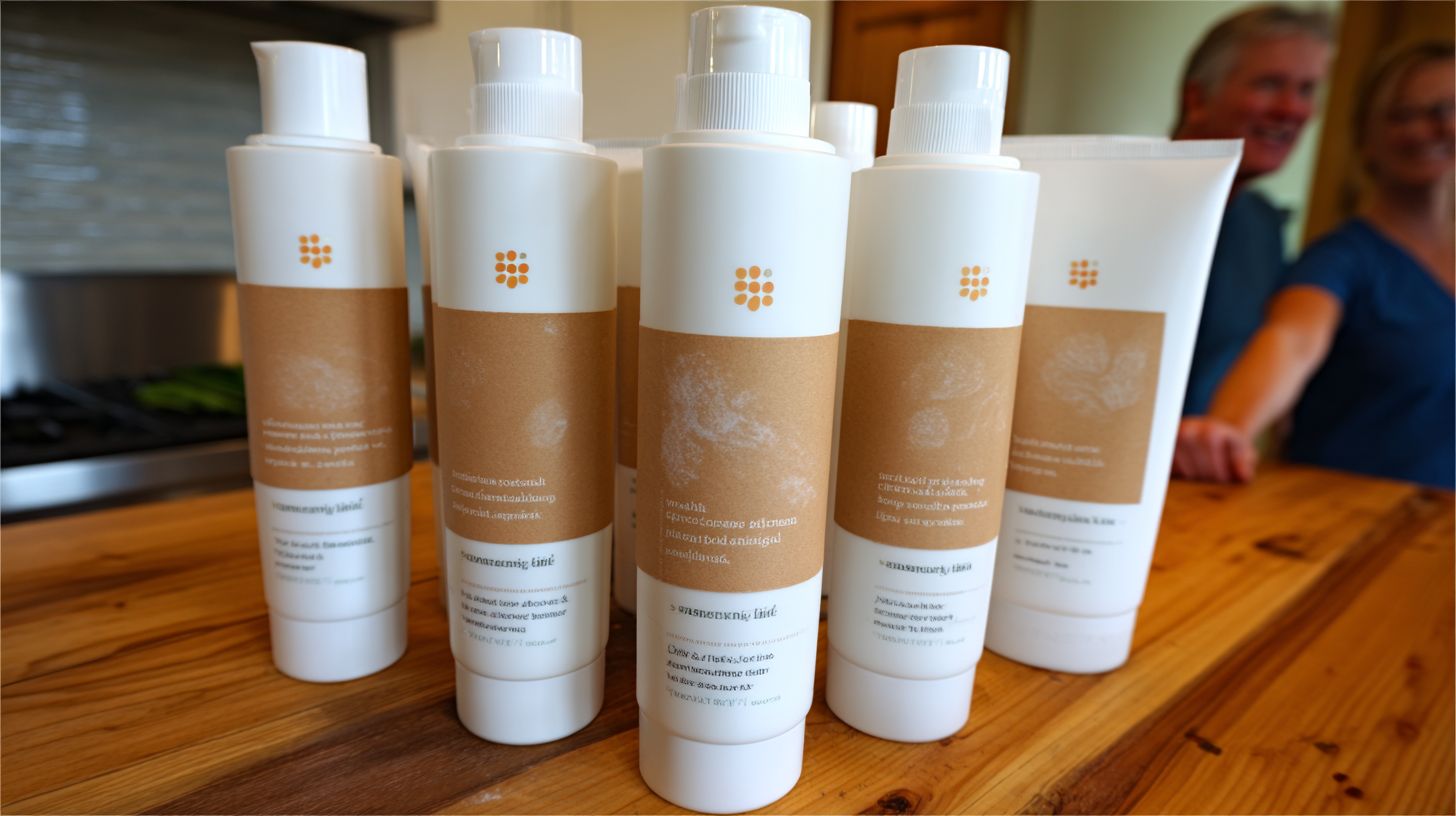
What is Hydration Layering: The Skincare Method Everyone Is Trying?
Hydration Layering: The Skincare Method Everyone Is Trying involves applying multiple hydrating products in a specific order to build intense moisture into the skin. Start with a lightweight essence or toner, followed by a serum, then a moisturizer, and finish with an occlusive like a facial oil to lock it all in, maximizing hydration without overwhelming the skin.
Why is Hydration Layering: The Skincare Method Everyone Is Trying so popular right now?
Hydration Layering: The Skincare Method Everyone Is Trying has exploded in popularity due to its simplicity and effectiveness for all skin types, especially in dry climates or seasons. Social media influencers and dermatologists rave about how it delivers plump, glowing skin by mimicking the skin’s natural moisture barrier, making it accessible and results-driven.
How do I get started with Hydration Layering: The Skincare Method Everyone Is Trying?
To begin Hydration Layering: The Skincare Method Everyone Is Trying, cleanse your face, then layer products from thinnest to thickest: 1) Toner/essence, 2) Hyaluronic acid serum, 3) Cream moisturizer, 4) Oil or balm. Wait 30-60 seconds between layers for absorption, and do this morning and night for best results.
Can Hydration Layering: The Skincare Method Everyone Is Trying work for oily or acne-prone skin?
Yes, Hydration Layering: The Skincare Method Everyone Is Trying is suitable for oily or acne-prone skin when using lightweight, non-comedogenic products. It prevents overproduction of oil by keeping skin balanced and hydrated, reducing breakouts-opt for gel-based formulas to avoid heaviness.
What products are best for Hydration Layering: The Skincare Method Everyone Is Trying?
Ideal products for Hydration Layering: The Skincare Method Everyone Is Trying include hyaluronic acid serums (like The Ordinary’s), ceramide-rich essences, peptide moisturizers, and squalane oils. Choose water-based items first, ensuring they’re fragrance-free to minimize irritation and enhance layering compatibility.
How long does it take to see results from Hydration Layering: The Skincare Method Everyone Is Trying?
Most people notice softer, more hydrated skin from Hydration Layering: The Skincare Method Everyone Is Trying within 1-3 days, with significant improvements in texture and glow after 1-2 weeks of consistent use. Long-term benefits like stronger barrier function build over a month.