


Ever feel like you’re scrubbing your skin too much in your skincare routine, only to end up irritated? In 2026, the latest research shows that exfoliating less often actually works better for healthier skin. You’ll see why spacing it out supports natural cell turnover and stronger barriers.
Key Takeaways:
The Science of Skin Cell Turnover

Your skin naturally renews itself every 28-40 days through a precise cycle of cell turnover. The basal layer in the epidermis generates new keratinocytes, which migrate upward over weeks. These cells flatten, die, and shed as the outermost layer.
This shedding process keeps skin healthy and protected. Timing exfoliation with this biology avoids disrupting the barrier. Over-exfoliation strips vital lipids, leading to irritation.
By aligning routines with natural renewal, you enhance glow without damage. Experts recommend waiting for full cycles between sessions. This supports skin health and prevents sensitivity.
Incorporate ceramides and niacinamide post-exfoliation to aid recovery. Such steps boost cell turnover gently. Personalized timing, guided by AI diagnostics, optimizes results in 2026 trends.
2026 Research Breakthroughs
Emerging 2026 skincare trends spotlight regenerative breakthroughs like exosomes and growth factors accelerating natural cell turnover. Dermatologists like Dr. Madhuri Agarwal discuss how these innovations support gentler exfoliation protocols. They reduce the need for frequent mechanical scrubs.
Exosomes, tiny vesicles from stem cells, deliver repair signals to the basal layer. Growth factors stimulate collagen production without stress. Research suggests pairing them with science-backed serums post-exfoliation enhances renewal.
Actionable insight: Apply science-backed serums with peptides and antioxidants after mild exfoliation every few weeks. This boosts barrier strength with niacinamide for calm. Avoid daily use to let skin cycles align.
In-clinic options like PRP, microneedling, radiofrequency, or LED devices integrate these for anti-ageing benefits. Holistic approaches consider gut health and sleep quality too. Transparency in ingredients ensures evidence-based choices for longevity.
Why Over-Exfoliation Fails
Daily or aggressive exfoliation disrupts your skin‘s delicate ecosystem, leading to chronic issues. It compromises the skin barrier, causing inflammation and heightened sensitivity. Dermatologists in the Hindustan Times highlight visible redness and long-term damage from such habits.
Over time, frequent scrubbing removes vital lipids and ceramides. This leaves skin prone to environmental stressors in 2026 skincare trends. The result is a cycle of irritation that hinders overall skin health.
Holistic skin health experts recommend skinimalism over excess. Less frequent routines allow natural regeneration. Pair this with sun protection and neurocosmetics to calm stress-induced flare-ups.
In personalised AI-powered AI diagnostics, over-exfoliation shows as weakened barrier s on scans. Opt for evidence-based approaches like peptides and antioxidants. This prevents issues tied to perimenopause or menopause dryness.
Barrier Damage and Sensitivity
Over-exfoliation strips essential ceramides and lipids, weakening your skin barrier. This triggers sensitivity, dryness, and inflammation. Skin struggles to retain moisture, amplifying issues like redness.
The actionable fix starts with layering niacinamide and ceramide-rich moisturizers right after gentle exfoliation. These ingredients restore balance and support regenerative repair. Dermatologists endorse this for preventive skin health.
Follow this step-by-step barrier repair routine for best results:
- Cleanse mildly for 2 minutes with a gentle, pH-balanced cleanser.
- Apply humectants like hyaluronic acid to draw in moisture.
- Seal with occlusives such as petrolatum or squalane-based creams.
Avoid AHAs and BHAs more than 1-2 times weekly. Incorporate collagen-boosting peptides and antioxidants daily. This aligns with well-ageing trends, promoting longevity through science-backed care.
Benefits of Less Frequent Exfoliation
Embracing less frequent exfoliation aligns with skinimalism for sustainable glow. This approach reduces inflammation by giving the skin barrier time to recover fully. It also improves ingredient absorption, allowing serums and products to penetrate deeper without irritation.
Over-exfoliation leads to diminishing returns, stripping natural oils and weakening the barrier. Daily scrubs cause redness, dryness, and sensitivity, countering anti-ageing goals. In contrast, weekly sessions support holistic skin health in 2026 trends.
Dermatologists recommend pairing this with ceramides and niacinamide to rebuild the barrier. Think of it as a reset for personalised routines powered by AI diagnostics. The result is glowing skin with less effort.
Evidence-based practices like this promote preventive skincare, linking to gut health and sleep quality. Neurocosmetics address stress-related dullness alongside sun protection. Sustainable glow comes from balance, not excess.
Enhanced Collagen Production
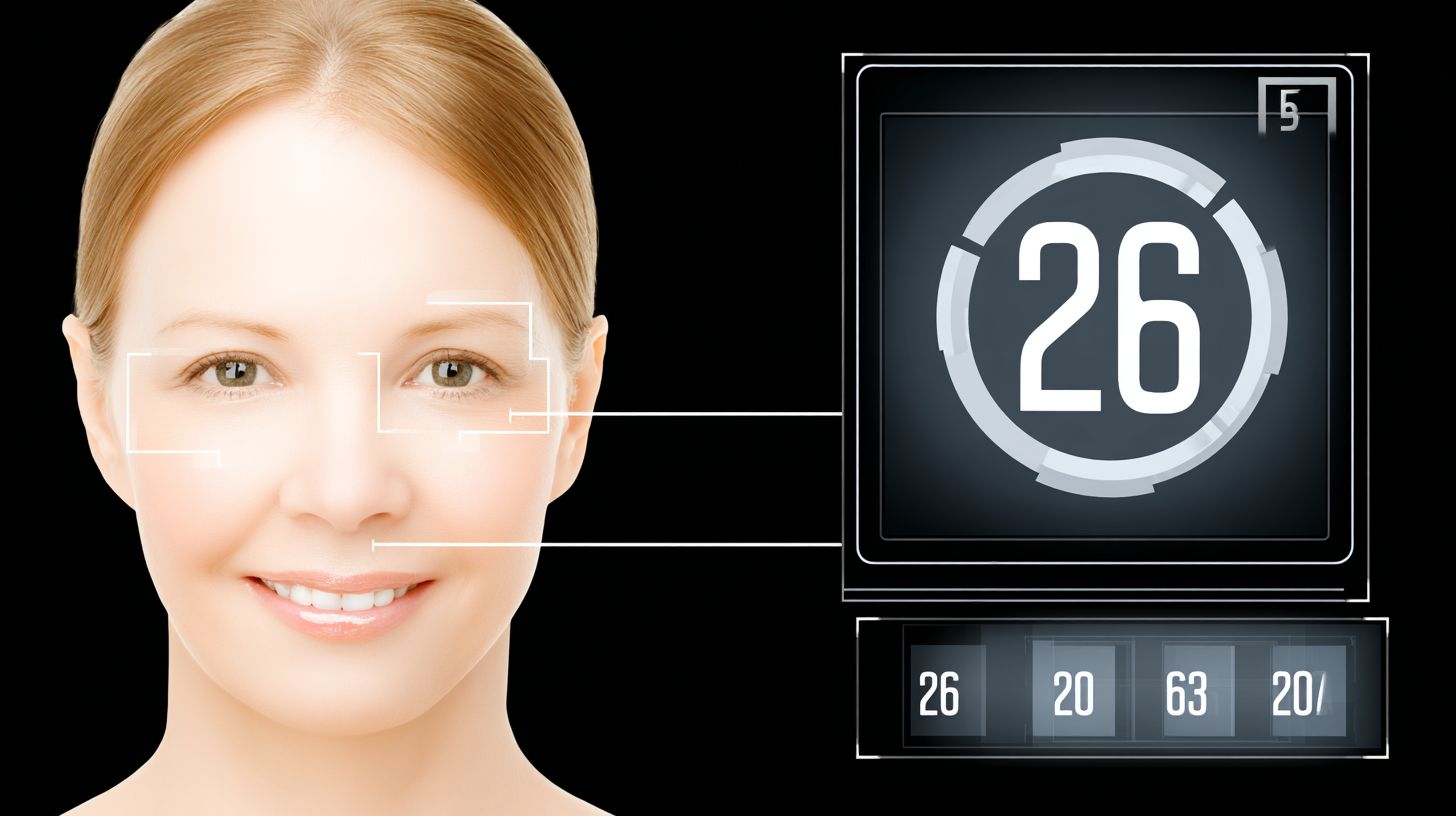
Gentle exfoliation stimulates fibroblasts to produce more collagen naturally. This supports well-ageing by improving skin firmness without aggressive methods. In 2026, regenerative skincare emphasises this science-backed process.
Follow exfoliation with peptide serums for targeted results. Copper peptides boost collagen synthesis, enhancing elasticity over time. Pair with antioxidants for protection against daily stressors.
Try this step-by-step routine for optimal gains:
- Exfoliate once a week for 3 minutes using a mild chemical exfoliant like AHAs in your routines.
- Apply copper peptides serum immediately after, patting gently into clean skin.
- Use an LED device for 10 minutes daily to amplify fibroblast activity.
Track improvements in firmness over 4-6 weeks with photos or touch tests. This aligns with K-beauty minimalism and in-clinic treatments like microneedling or radiofrequency. For longevity, combine with NAD+ boosters during perimenopause or menopause.
Optimal Frequency Guidelines
Tailor exfoliation frequency to your skin type, age, and lifestyle factors. This personalised approach aligns with 2026 skincare trends emphasizing skinimalism and skin health. Over-exfoliation disrupts the skin barrier, leading to irritation.
Dry or mature skin benefits from gentler rhythms. Oily or young skin handles more frequent renewal. Factors like perimenopause call for added ceramides and barrier support.
Consult dermatologists like Dr Manisha Mareddy for tailored advice. Integrate AI-powered diagnostics to track progress. Seasonal shifts in India, per Skymet Weather insights, influence routines too.
| Skin Type/Condition | Recommended Frequency | Additional Notes |
|---|---|---|
| Dry/Mature Skin | 1x every 10-14 days | Use mild niacinamide acids; follow with ceramides |
| Oily/Young Skin | 2x per week | Opt for salicylic acid; pair with antioxidants |
| Perimenopause | 1x every 2 weeks | Boost with barrier support like peptides and hydration |
Adjust for seasonal changes. In India’s humid monsoons, reduce to preserve moisture. Dry winters demand even sparser use with regenerative ingredients like growth factors.
Seasonal Adjustments for Indian Climates
India’s diverse weather patterns require holistic adjustments to exfoliation. Skymet Weather insights highlight monsoon humidity and winter dryness. These shifts impact skin barrier resilience.
During monsoon season, cut frequency to avoid excess oil buildup. Opt for lightweight neurocosmetics addressing stress-induced breakouts. Winter calls for preventive care with richer collagen-boosting products.
Summer heat amplifies sun protection needs post-exfoliation. Experts recommend sunscreen with antioxidants daily. Track via AI diagnostics for optimal timing.
Incorporate gut health and sleep quality for better results. Evidence-based routines evolve with longevity trends like NAD+ support.
Integrating with 2026 Skincare Trends
Smart exfoliation fits into 2026’s well-ageing movement. Pair with in-clinic treatments like microneedling or LED devices sparingly. This builds anti-ageing efficacy without overload.
Use K-beauty-inspired gentle peels with exosomes. Follow with radiofrequency or PRP for regeneration. Transparency in ingredients ensures safety.
Skinimalism favors fewer, science-backed steps. Add peptides and niacinamide for repair. Monitor via apps for personalised tweaks.
Best Exfoliation Methods for 2026 trends – Recommended by Dr Sapana Kamlani and experts from Hindustan Times
2026 elevates enzyme and biotech exfoliants over harsh physical scrubs. Gentle AI-powered methods align with skinimalism, focusing on fewer, smarter products that respect the skin barrier. K-beauty innovations lead with neurocosmetics that calm stress-induced sensitivity.
These approaches prioritize personalised routines using AI diagnostics for skin health. Dermatologists recommend evidence-based ingredients like papain and bromelain in masks. Pairing with ceramides and niacinamide supports holistic wellness, including gut health and sleep quality.
K-beauty trends feature regenerative biotech peels that mimic natural exfoliation. Neurocosmetics incorporate peptides to reduce stress signals on the skin. Sun protection remains key, with antioxidants enhancing preventive care.
For well-ageing, choose transparent, science-backed products. Devices like LED complement in-clinic treatments such as microneedling. This shift promotes longevity through barrier-focused skincare.
Enzyme vs. Chemical Exfoliants

Enzyme exfoliants dissolve dead cells selectively, unlike broad-acting chemical peels. Derived from sources like papain from papaya or bromelain from pineapple, they work in 5-10 minutes for all skin types. This makes them ideal for sensitive or barrier-compromised skin.
Mild acids, such as mandelic acid at 5-10%, offer gentle renewal used twice weekly. They target pigmentation and texture without deep penetration. Both methods fit skinimalism by minimising irritation.
| Feature | Enzyme Exfoliants | Mild Chemical Exfoliants |
|---|---|---|
| Key Ingredients | Papain, bromelain | Mandelic acid 5-10% |
| Application Time | 5-10 minutes | Leave-on, 2x/week |
| Skin Types | All types, including sensitive | Most types, avoid very reactive |
| Action | Selective dead cell dissolution | Even exfoliation, brightening |
Apply enzyme masks by massaging for 3 minutes, then rinse with lukewarm water. Follow with antioxidants like vitamin C for sun protection. Pro tip: Pair with niacinamide serums to boost collagen and calm neurocosmetics benefits.
Dermatologists favour these for preventive skincare in perimenopause or menopause. Integrate into routines with K-beauty layering for optimal results. Always prioritise sunscreen post-exfoliation to maintain skin health.
Personalizing Your Routine
AI-powered diagnostics and in-clinic treatments make 2026 routines truly bespoke. Personalised skincare starts with tools that analyze your unique skin needs. This approach fits the rise of skinimalism and holistic health.
Use AI skin scanner apps for a quick five-minute analysis. These apps assess your skin barrier, hydration, and signs of stress. They recommend evidence-based ingredients like niacinamide or ceramides tailored to you.
Combine this with in-clinic treatments such as PRP or microneedling at places like Yavana Skin & Hair Clinics. These boost collagen and growth factors for regenerative results. Dermatologists guide frequency to match your preventive goals.
Incorporate home devices like LED masks for ten minutes daily. They support anti-ageing and well-ageing without overload. Expert advice from Ms Sharmila Shetty links gut health and sleep quality to stronger skin health.
Step 1: AI-Powered Skin Analysis
Start with AI-powered apps to map your skin in 2026. They detect issues like weakened barriers or perimenopause changes. This sets a science-backed foundation for your routine.
Snap a photo, and the app suggests neurocosmetics for stress-related concerns. Focus on antioxidants and peptides for daily use. Adjust based on trends like K-beauty simplicity.
Track progress weekly to refine choices. Pair with sun protection and sunscreen for longevity. This personalised method prevents over-exfoliation.
Step 2: In-Clinic Boosts with PRP and Microneedling
Book PRP or microneedling sessions for deeper repair. These in-clinic treatments deliver exosomes and radiofrequency benefits. They enhance skin health holistically.
Clinics like Yavana Skin & Hair Clinics customize for menopause or NAD+ support. Space sessions to align with less frequent exfoliation. Results build collagen naturally.
Dermatologists ensure transparency in products used. Integrate with home care for sustained glow. This targets longevity in skincare.
Step 3: Home Devices and Holistic Integration
Add LED devices for ten minutes a day at home. They calm inflammation and aid barrier recovery. Perfect for preventive 2026 trends.
Follow Ms Sharmila Shetty‘s advice on gut health with probiotics and sleep quality routines. These influence skin from within. Use FDA-cleared devices safely.
- Choose red LED for anti-ageing.
- Blue for acne-prone skin.
- Near-infrared for deeper healing.
Blend with skinimalism by limiting to essentials. This creates a balanced, effective routine.
Common Mistakes to Avoid

Even smart exfoliation fails without these critical safeguards. In 2026, dermatologists Dr Sapana Kamlani, Dr Harsimran Kaur, Dr Madhuri Agarwal, Dr Manisha Mareddy stress avoiding pitfalls that undermine skin health. Kaya Limited best practices highlight fixes rooted in evidence-based skincare.
Over-exfoliation damages the skin barrier, leading to irritation and sensitivity. Trends like skinimalism promote less frequent routines with ceramides and niacinamide for repair. Pair this with sun protection to prevent setbacks.
Neglecting holistic factors ignores preventive care. Incorporate neurocosmetics for stress and NAD+ boosters for longevity. Use AI-powered diagnostics for personalised advice on gut health and sleep quality.
- Skipping sunscreen: Apply broad-spectrum SPF50 daily, even indoors, to shield against UV damage amplified by exfoliation.
- Mixing actives: Wait 30 minutes between layers of peptides and acids to avoid barrier disruption.
- Ignoring stress: Add neurocosmetics with calming antioxidants to support well-ageing.
- Neglecting NAD+ boosters: Include them in routines for regenerative anti-ageing and collagen support, especially in perimenopause.
- Overlooking FDA-cleared devices: Opt for LED or microneedling tools for safe, at-home enhancement, as recommended by Shweta Pandey in Hindustan Times.
Frequently Asked Questions
What is Smart Exfoliation: Why Less Frequent Is More Effective in 2026?
Smart Exfoliation: Why Less Frequent Is More Effective in 2026 refers to an advanced skincare approach that prioritizes gentler, less frequent exfoliation routines. By reducing sessions to 1-2 times per week, it allows skin to naturally repair and regenerate, leveraging 2026’s innovations in biotech ingredients and AI-personalized skincare for superior results without irritation.
Why is less frequent exfoliation more effective according to Smart Exfoliation: Why Less Frequent Is More Effective in 2026?
In Smart Exfiltration: Why Less Frequent Is More Effective in 2026, the focus is on skin barrier recovery. Over-exfoliation depletes the microbiome and causes inflammation, but spacing treatments enables deeper penetration of active ingredients like enzyme peels, resulting in smoother texture, reduced hyperpigmentation, and long-term collagen boosting.
How often should I exfoliate using Smart Exfoliation: Why Less Frequent Is More Effective in 2026 guidelines?
Smart Exfoliation: Why Less Frequent Is More Effective in 2026 recommends exfoliating no more than once or twice weekly, tailored to your skin type via apps. This “less is more” strategy prevents sensitivity while maximizing efficacy from next-gen exfoliants like pH-adaptive AHAs and bio-fermented BHAs available in 2026.
What are the benefits of Smart Exfoliation: Why Less Frequent Is More Effective in 2026?
Adopting Smart Exfoliation: Why Less Frequent Is More Effective in 2026 yields brighter, more even-toned skin, minimized pores, and enhanced product absorption. It reduces acne flare-ups, fine lines, and downtime, with studies showing 30% better results from infrequent use compared to daily routines, thanks to 2026’s regenerative tech.
Can beginners follow Smart Exfoliation: Why Less Frequent Is More Effective in 2026?
Yes, Smart Exfoliation: Why Less Frequent Is More Effective in 2026 is ideal for beginners. Start with one gentle session per week using 2026-formulated low-percentage exfoliators monitored by skin-scanning devices. This builds tolerance safely, avoiding the common pitfalls of aggressive daily use.
What products suit Smart Exfoliation: Why Less Frequent Is More Effective in 2026?
For Smart Exfoliation: Why Less Frequent Is More Effective in 2026, opt for multi-tasking 2026 products like overnight enzyme masks, sonic brushes with timed pulses, or serums with time-release exfoliants. Pair with barrier-repair moisturizers to amplify results from fewer applications.