

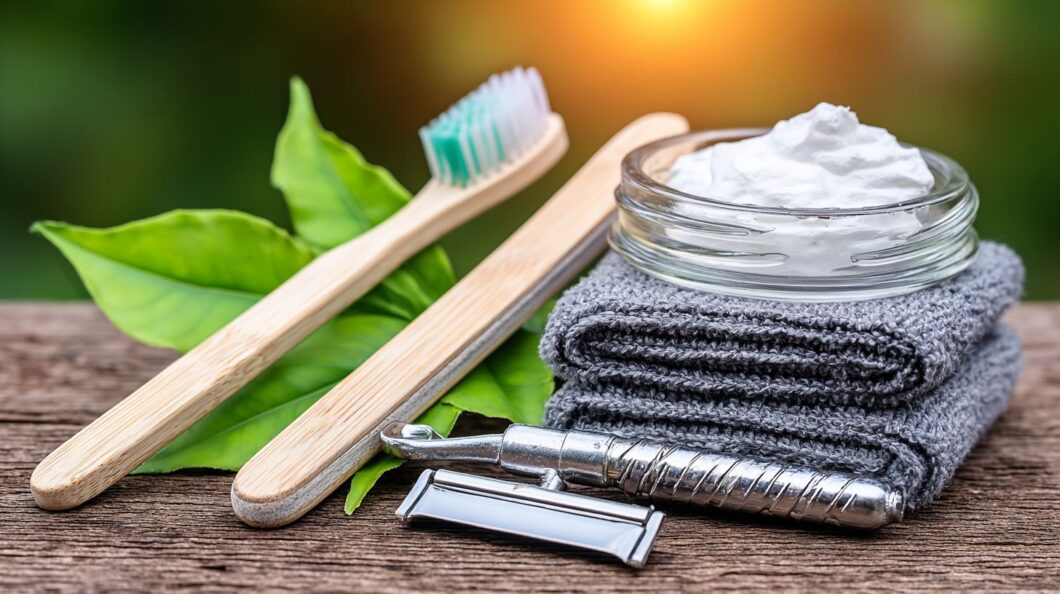
Ever feel guilty about all the plastic waste piling up from your skincare routine? Zero waste beauty kits offer a simple way to cut that down while keeping your skincare routine effective and fresh. You’ll see how easy it is to switch to sustainable options that feel good for you and the planet.
Key Takeaways:
Benefits of Sustainable Routines
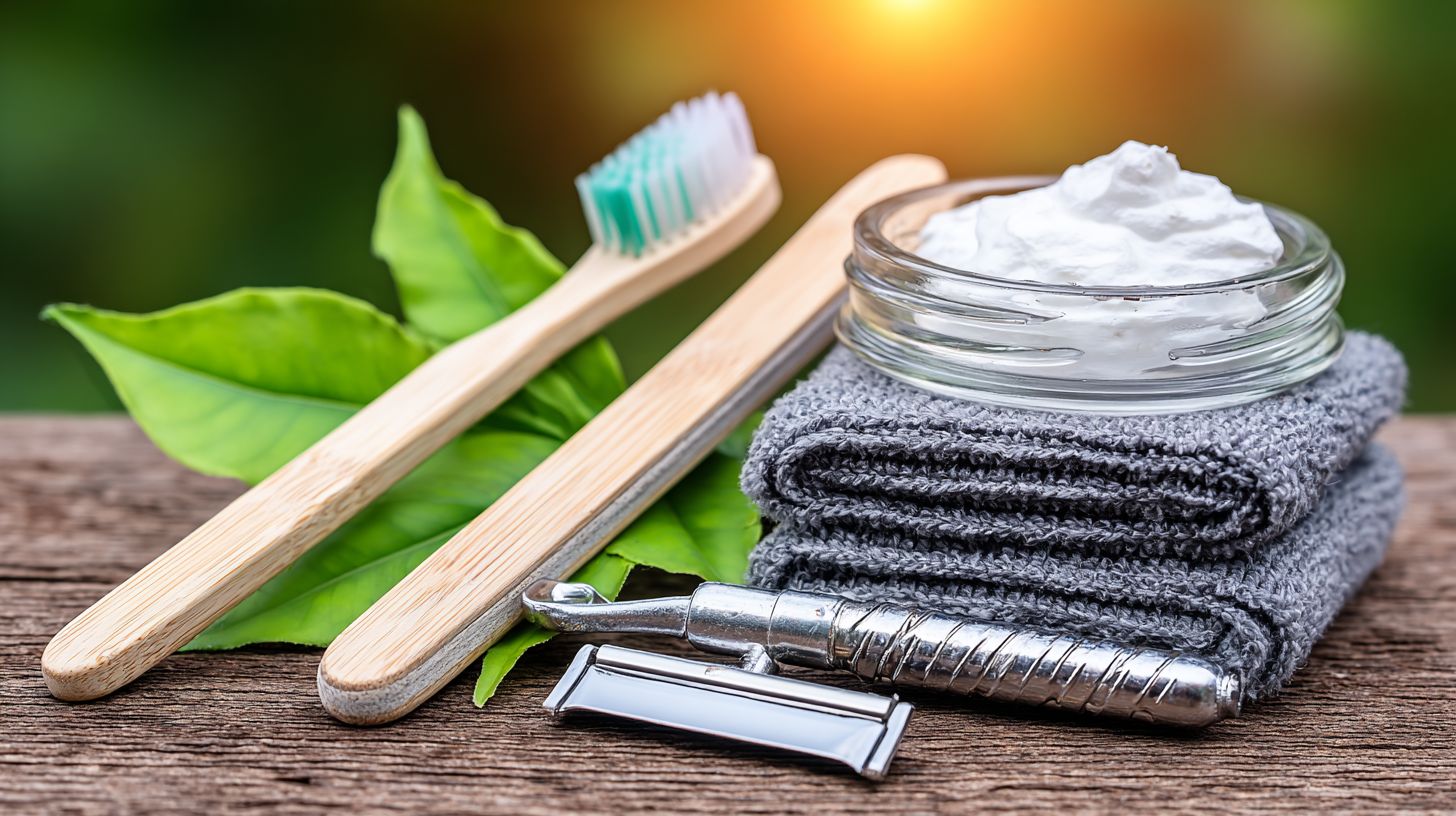
Adopting sustainable beauty routines offers profound rewards for both the planet and your well-being, far beyond surface-level changes. These routines reduce waste and shrink your carbon footprint, helping keep oceans cleaner for marine life. Imagine swapping single-use bottles for refillable containers, avoiding the buildup of microplastics that harm sea creatures.
On a personal level, you sidestep harmful chemicals in conventional products. Natural ingredients like shea butter and coconut oil nourish skin without irritants. This shift promotes healthier skin and a sense of ethical satisfaction in your daily skincare routine.
Environmental Impact
Zero-waste beauty significantly cuts down on the beauty industry’s plastic pollution, protecting marine life and fostering a circular economy. Traditional packaging contributes to plastic waste that breaks into microplastics, endangering ocean ecosystems. Sustainable options like infinitely recyclable aluminum tins and glass containers minimize this harm.
Switching to refill stations and solid bars reduces reliance on new plastic production, lowering your carbon footprint. The Ellen MacArthur Foundation’s principles of circular economy encourage designs that keep materials in use, such as refillable makeup and compostable materials. This approach supports low-emission supply chains and upcycled materials.
Here are actionable ways to contribute through your routine:
- Opt for deodorant bars and moisturiser bars over liquid versions in plastic.
- Choose bamboo toothbrush and toothpaste tablets for zero-waste oral care.
- Use reusable cotton pads and stainless steel tools instead of disposables.
- Buy in bulk buying from ethical brands with eco-friendly packaging.
Health Advantages
Steering clear of traditional packaging means avoiding exposure to microplastics and synthetic chemicals often lurking in conventional beauty products. Plant-based and cruelty-free formulas use organic ingredients like shea butter and coconut oil, which soothe skin without common irritants. This leads to fewer allergies and healthier, glowing complexions.
Waterless beauty items, such as solid cleansers and face masks with essential oils, deliver effective care minus preservatives. Experts recommend patch-testing DIY blends made from organic ingredients to ensure compatibility. Reusable tools like bamboo fabric cloths enhance hygiene over synthetic alternatives.
Embracing these choices boosts emotional well-being through authentic ethical alignment. Feel confident with biotech ingredients in smart packaging that avoids greenwashing. Your routine becomes a joyful, skin-loving practice free from harmful residues.
Essential Components of Zero-Waste Kits
A well-curated zero waste kit replaces single-use items with durable, versatile essentials that streamline your skincare routine. These kits focus on refillable packaging and multi-use products to cut down plastic waste in daily skincare routine s. Materials like glass containers ensure longevity and support a circular economy.
Refillable options allow you to return to refill stations offered by ethical brands, reducing your carbon footprint. Multi-use items, such as solid bars, eliminate leaks and packaging excess during travel. This approach protects marine life from microplastics and aligns with consumer demand for eco-friendly beauty.
Incorporate tools like bamboo toothbrushes and toothpaste tablets for complete routines. Choose cruelty-free, plant-based formulas to avoid greenwashing. Bulk buying from ethical brands maximizes waste reduction while supporting sustainable supply chains.
Glass and stainless steel components resist wear, unlike disposable plastics. Pair with reusable cotton pads and compostable materials for full impact. These elements make zero-waste beauty practical and effective for everyday use.
Refillable Packaging
Refillable packaging lies at the heart of zero-waste beauty, allowing you to reuse containers indefinitely while minimizing plastic waste. Options like glass containers, aluminum tins, and stainless steel suit various needs in your routine.
| Material | Pros | Cons |
|---|---|---|
| Glass containers | Non-porous, long-lasting | Heavy |
| Aluminum tins | infinitely recyclable, lightweight, low emissions | May dent |
| Stainless steel | Durable for travel, low emissions | Higher cost |
Find refill stations at brands like Lush for shampoos and lotions. Clean containers in 5 minutes with mild soap and hot water. Avoid harsh chemicals to preserve natural ingredients and container integrity.
Step one: Empty remnants into compost. Step two: Rinse thoroughly. Step three: Air dry upside down, then refill at stations with organic ingredients or DIY skincare blends using shea butter and essential oils.
Multi-Use Products
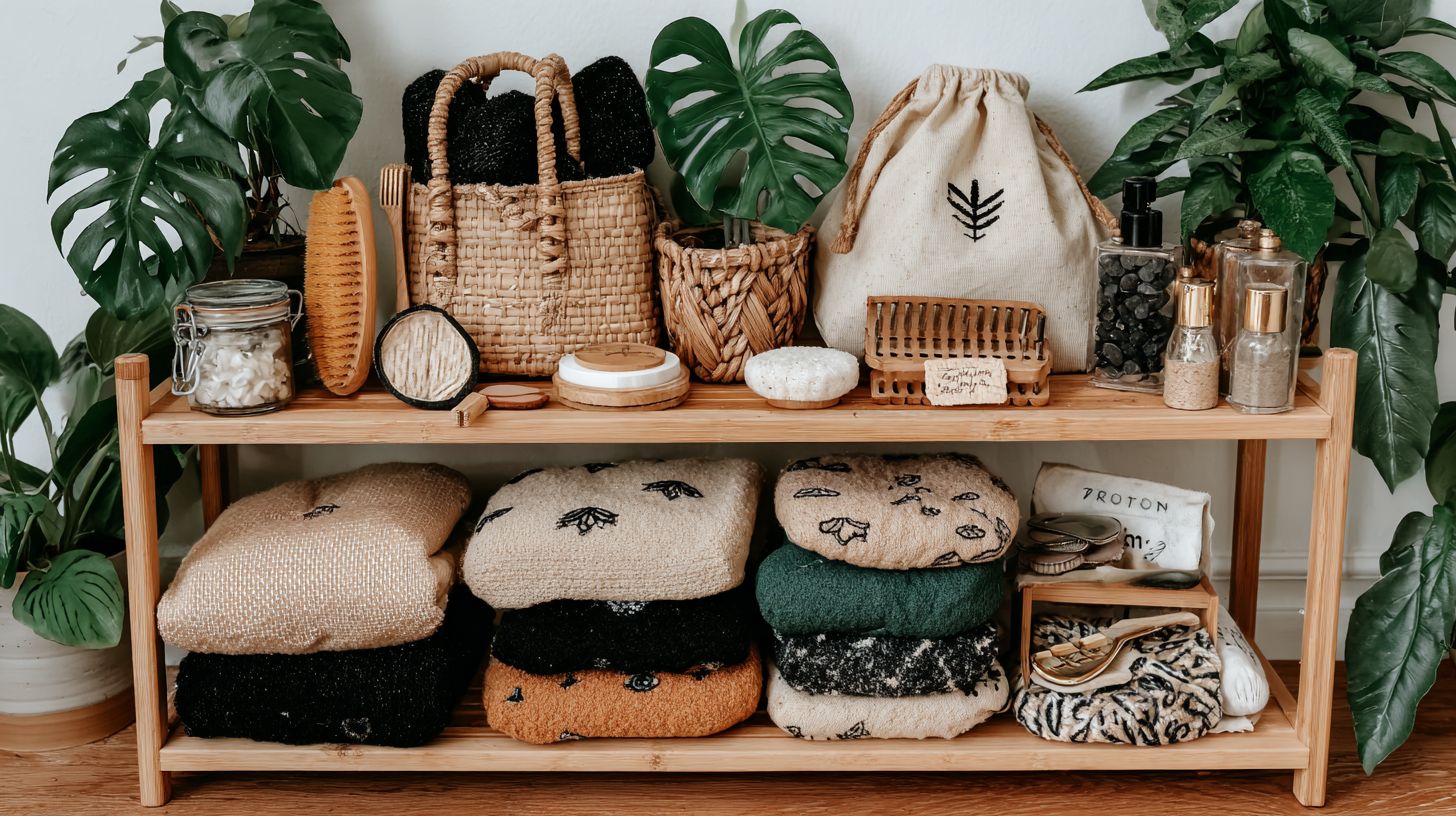
Multi-use products like solid bars simplify your routine by serving multiple purposes in waterless beauty formats. Solid cleansers work as face and body wash, while moisturiser bars hydrate skin and hair.
- Solid cleansers: Face, body, even shave.
- Moisturiser bars: Skin, hair, cuticles.
- Deodorant bars: Long-lasting odor control.
These are compact and travel-friendly with no leaks, unlike liquids that create packaging waste. Store in draining dishes made from bamboo fabric or upcycled materials to extend life and reduce moisture buildup.
Compared to liquids, solid bars cut environmental impact by skipping water content and single-use pumps. Rub directly on wet skin for lather, then rinse. Experts recommend pairing with face masks from coconut oil for versatile care.
Key Ingredients for Zero-Waste Beauty
Prioritizing natural, plant-based ingredients ensures your zero waste routine delivers efficacy without environmental impact. These hero ingredients like shea butter, coconut oil, and essential oils form the backbone of sustainable skincare routine. They support waterless beauty formats that cut down on plastic waste and packaging.
Sourcing matters for true sustainability. Look for organic ingredients certified under COSMOS Organic standards, which verify ethical harvesting and minimal processing in the supply chain. This approach reduces the carbon footprint tied to long supply chains and supports fair trade practices.
Biotech ingredients bring innovation to zero-waste beauty kits. Derived from fermented plants or microbes, they offer potent actives without synthetic chemicals. Pair them with solid bars and refillable containers for a complete eco-friendly routine.
Beware of greenwashing in the beauty industry. Always check labels for transparent sourcing claims and avoid vague terms like “natural” without certification. Opt for ethical brands that prioritize cruelty-free and organic ingredients to build a genuine sustainable routine.
| Ingredient | Benefits | Zero-Waste Format |
|---|---|---|
| Shea butter | Deep moisture, skin barrier repair | Solid balm in aluminum tins |
| Coconut oil | Gentle cleansing, antimicrobial | Solid cleanser bar |
| Essential oils | Natural scent, therapeutic effects | Concentrated drops in glass containers |
| Biotech ingredients | Targeted efficacy, stability | Powder or solid serum blocks |
Use this table to select ingredients for your DIY skincare or kit assembly. Formats like moisturiser bars and deodorant bars eliminate single-use plastics. They align with the circular economy by enabling refill stations and compostable materials.
DIY Zero-Waste Recipes
Crafting your own beauty products with simple, accessible ingredients give the power tos full control over your zero-waste journey. Use pantry staples like coconut oil and oats, plus upcycled materials such as reused glass containers, to ditch plastic waste in your skincare routine. These DIY skincare recipes promote waterless beauty and reduce waste.
Store creations in aluminum tins or refillable containers for infinite recyclability. Keep them refrigerated for a shelf life of 1-2 weeks, and always use clean utensils to maintain hygiene. This approach cuts microplastics and supports a circular economy in the beauty industry. As recommended by the Ellen MacArthur Foundation and brands like Lush, Ethique, and the U.S. Plastics Pact, embrace refill stations, bamboo toothbrush, toothpaste tablets, reusable cotton, compostable materials, smart packaging, and refillable makeup to meet consumer demand and fight greenwashing per the Zero Waste Beauty Report.
Experts recommend patch-testing for sensitivities, especially with essential oils. Pair DIY skincare recipes with tools like a bamboo toothbrush or reusable cotton pads to fully embrace sustainable packaging. Embrace plant-based, cruelty-free options through bulk buying of organic ingredients.
These formulas minimize environmental impact by avoiding bottled products. Transition to solid bars and compostable materials for low-emission routines that protect marine life. Customize to fit your needs and say goodbye to greenwashing from mainstream brands.
Skincare Essentials
Start with these straightforward recipes for cleansers, masks, and moisturizers using everyday zero-waste staples. They replace traditional beauty products packed in single-use plastics. Focus on natural ingredients like shea butter for effective, eco-friendly results.
1. Solid Cleanser: Mix 1/2 cup coconut oil with 10 drops essential oils. Stir for 2 minutes until blended, then pour into a mold and set for 1 hour. Grate for use; common mistake is over-melting oils, which ruins texture. Recirclable molds work best.
- Gently melt coconut oil if solid.
- Add oils and mix quickly.
- Cool in tin; store refrigerated.
2. Face Mask: Combine 2 tbsp shea butter and 1/4 cup ground oats. Apply for 10 minutes, then rinse. Avoid overuse to prevent dryness; prep takes 5 minutes.
3. Moisturiser Bar: Melt 1/4 cup beeswax with 1/2 cup shea butter and 2 tbsp jojoba oil over low heat for 5 minutes. Pour into mold, cool 2 hours. Mistake: high heat burns oils; use in solid form for waterless beauty.
Hair Care Formulas
Extend zero-waste principles to hair with these custom formulas that replace bottled shampoos. Create solid shampoo bars and rinses using pantry items to cut plastic waste. Integrate with refill stations or stainless steel tools for full sustainability, as recommended by the Ellen MacArthur Foundation.
1. Solid Shampoo Bar: Blend 1 cup rye flour, 1/2 cup coconut oil, and 10 drops rosemary oil; prep in 5 minutes. Press into tin, dry overnight, then grate for use. Store in aluminum tins; avoid water exposure to extend life. Bound by zero-waste ethos.
- Mix dry ingredients first.
- Incorporate oils evenly.
- Shape and let harden.
2. Conditioner Rinse: Dilute 2 tbsp apple cider vinegar in 1 cup water. Apply post-shampoo, rinse after 2 minutes. Simple 2-minute prep; don’t overuse to avoid tangles.
3. Scalp Oil: Combine 1/4 cup jojoba oil with fresh rosemary sprigs, infuse 1 day. Massage in weekly; store in glass containers. Pair with a bamboo brush for ethical, low-impact care that fights microplastics in waterways.
Building Your Custom Kit
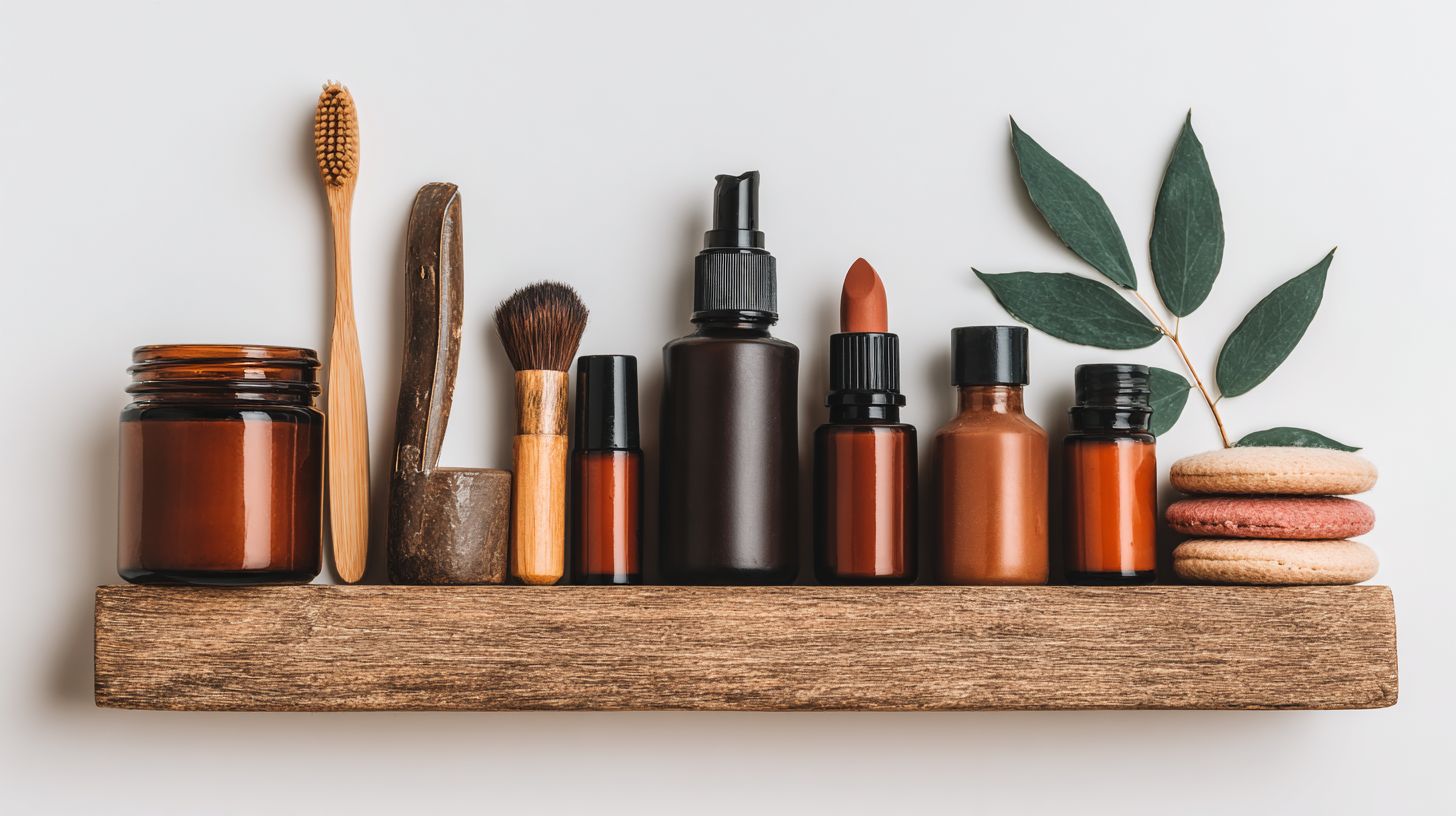
Assemble a personalized zero-waste beauty kit by selecting ethical brands like Vuori and versatile tools tailored to your needs. Start with a quick assessment of your current skincare routine to identify essentials. This takes about ten minutes and helps cut down on plastic waste.
Focus on items that replace single-use products, like solid bars for cleansers and moisturizers. Choose cruelty-free options with natural ingredients such as shea butter or coconut oil. Ethical brands prioritize sustainable packaging to support a circular economy.
Next, source products through bulk buying or refill stations to minimize your carbon footprint. Brands like Ethique, Lush, Prose, and Function of Beauty offer waterless beauty in compostable materials. This approach reduces microplastics and protects marine life over time.
Build versatility into your kit with multi-use items in refillable containers like glass or aluminum tins. Consider plant-based, eco-friendly alternatives to traditional beauty products. Your custom kit evolves with your routine while keeping waste low.
Step 1: Assess Your Routine
Begin by listing your daily habits, from cleansing to moisturizing. Note products that generate the most plastic waste, such as tubes or bottles. This step reveals opportunities for zero-waste swaps in ten minutes.
Evaluate needs for hair, face, and body care separately. Prioritize high-use items like toothpaste or deodorant. Experts recommend matching tools to your lifestyle for lasting adoption.
Consider seasonal changes, like drier skin in winter needing richer moisturiser bars. Jot down preferences for scents or textures using essential oils. This creates a focused plan for sustainable choices.
Step 2: Source Sustainably
Opt for ethical brands like Ethique for solid shampoos and Lush for deodorant bars. Seek out bulk buying at zero-waste stores or online for unpackaged goods. These reduce environmental impact through low-emission supply chains, endorsed by the Sustainable Packaging Coalition.
Look for refill stations in local shops to fill stainless steel or glass containers. Function of Beauty provides customizable, cruelty-free formulas in recyclable packaging. Avoid greenwashing by checking for truly compostable materials, as per Cradle to Cradle standards.
Explore upcycled materials from the Upcycled Beauty Company and biotech ingredients for innovative options. Prioritize bamboo fabric or infinitely recyclable aluminum. This builds a kit aligned with consumer demand for eco-friendly beauty.
Essentials Shopping List
- Bamboo toothbrush: Durable, biodegradable handle replaces plastic versions.
- Toothpaste tablets: Waterless, zero-waste alternative in compostable pouches.
- Reusable cotton pads: Washable bamboo fabric for makeup removal and toners.
- Solid cleansers from Lush: Multi-use bars for face and body.
- Moisturiser bars like Ethique: Plant-based with organic ingredients.
- Deodorant bars from Function of Beauty: Custom scents in tins.
Budget tips include starting with three to five items under fifty dollars total. Buy multi-purpose solids to save money long-term. Reuse containers for DIY skincare with coconut oil or shea butter.
Maintenance Checklist
- Weekly: Wash reusable cotton pads in a mesh bag with natural detergent.
- Monthly: Inspect bamboo toothbrush and compost when frayed.
- Quarterly: Refill solids at stations, tracking usage in a journal.
- Annually: Replace wear-prone items like stainless steel tools if needed.
Store kit in a cool, dry spot to preserve natural ingredients. Clean refillable containers with vinegar solution for hygiene. This routine keeps your kit functional and reduces waste effectively.
The Future of Sustainable Beauty
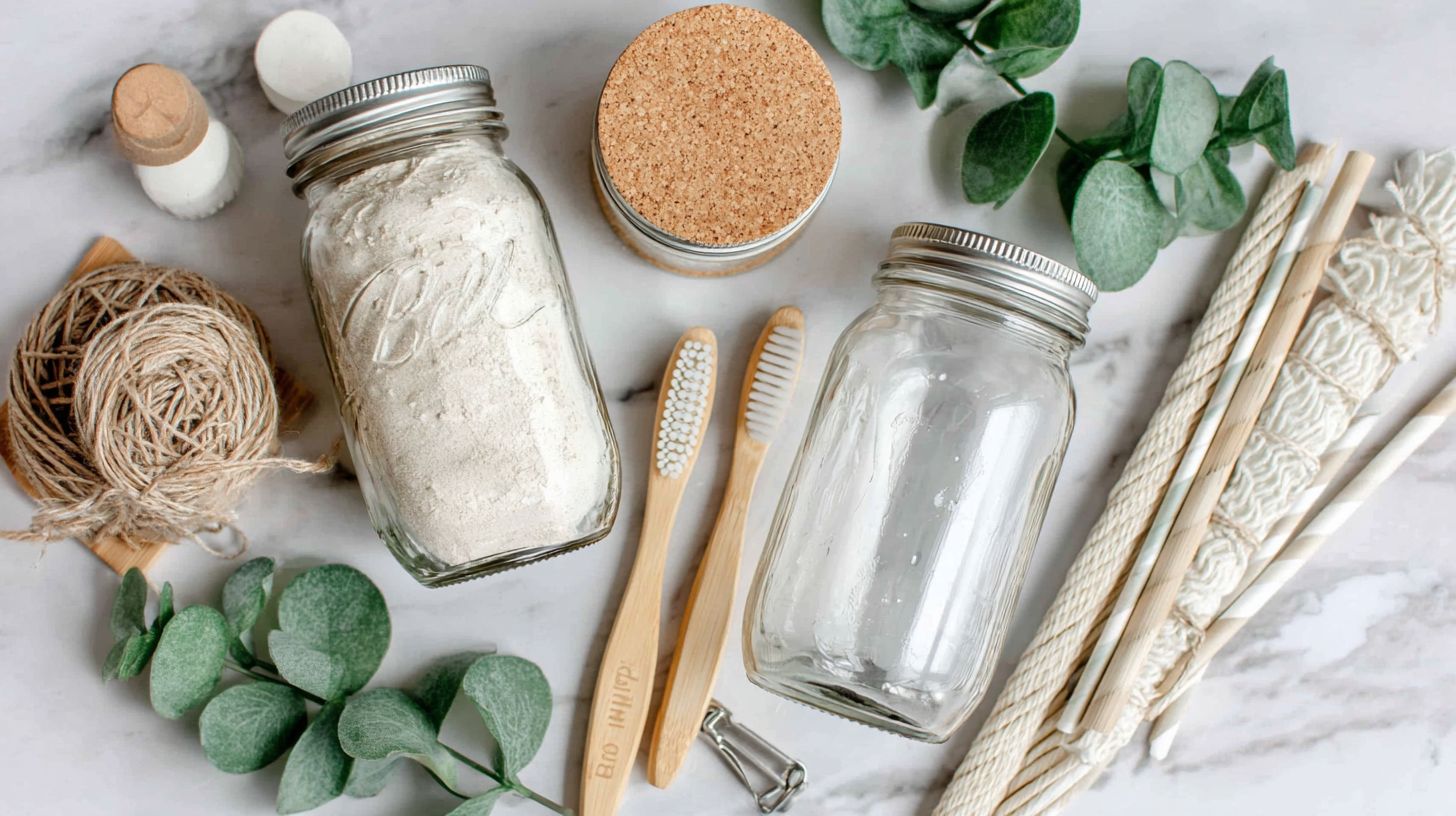
Innovations like widespread refill stations and advanced materials signal a thriving path for zero-waste beauty. These developments point to a shift in the beauty industry toward routines that minimize plastic waste and environmental impact. Brands now prioritize refillable containers and solid bars to support sustainable packaging.
Refillable makeup is gaining momentum, with stations appearing in stores for products like foundations and lipsticks. Smart packaging uses sensors to track usage and remind users when refills are needed, reducing excess consumption. Low emissions supply chains cut the carbon footprint by sourcing natural ingredients locally.
Programs like the U.S. Plastics Pact, TerraCycle initiatives, Nordstrom’s BeautyCycle, and Reuse Catalyst Partner s such as Izzy and Shannon Goldberg drive collaboration. These efforts promote refill stations, compostable materials, and infinitely recyclable aluminum tins. Ethical brands focus on waterless beauty and plant-based formulas to advance the circular economy.
Consumers must stay vigilant against greenwashing, checking for true zero-waste claims beyond marketing, as detailed in the Zero Waste Beauty Report. Consumer demand pushes the industry forward, favoring COSMOS Organic ingredients in glass containers and stainless steel tools. Practical steps include choosing solid cleansers, deodorant bars, and bamboo toothbrushes to build eco-friendly skincare routines.
Frequently Asked Questions
What are Zero-Waste Beauty Kits: The Future of Sustainable Routines?
Zero-Waste Beauty Kits: The Future of Sustainable Routines refers to curated collections of eco-friendly beauty products designed to minimize waste. These kits typically include Pact Reuse reusable containers, solid bars for shampoo, conditioner, and soap, bamboo tools, and natural ingredients that eliminate single-use plastics, paving the way for planet-friendly daily beauty habits.
Why are Zero-Waste Beauty Kits considered the future of sustainable routines?
Zero-Waste Beauty Kits: The Future of Sustainable Routines because they address the beauty industry’s massive plastic waste problem-over 120 billion units annually. By shifting to refillable, biodegradable, and zero-waste alternatives, they promote long-term sustainability, reduce environmental impact, and encourage mindful consumption in everyday grooming practices.
What products are typically included in Zero-Waste Beauty Kits: The Future of Sustainable Routines?
Common items in Zero-Waste Beauty Kits: The Future of Sustainable Routines include solid shampoo and conditioner bars, reusable makeup pads, bamboo toothbrushes, metal safety razors, natural deodorant sticks, and compostable packaging. These replace disposable items, ensuring your routine remains effective while being kind to the planet.
How do Zero-Waste Beauty Kits: The Future of Sustainable Routines benefit the environment?
Zero-Waste Beauty Kits: The Future of Sustainable Routines significantly cut down on landfill waste, microplastics in oceans, and carbon footprints from manufacturing. They support circular economies through refills and reusables, conserving resources like water and fossil fuels, and fostering biodiversity by prioritizing plant-based, non-toxic ingredients.
Are Zero-Waste Beauty Kits: The Future of Sustainable Routines effective compared to traditional products?
Brands like Etique and Lush lead the way.
Yes, Zero-Waste Beauty Kits: The Future of Sustainable Routines are just as effective, often more so, due to concentrated formulas without water fillers or preservatives. Users report comparable or superior results in DIY skincare, moisturizing, and styling, with the added perks of longevity and skin-friendly natural components certified by COSMOS Organic standards.
How can I get started with Zero-Waste Beauty Kits: The Future of Sustainable Routines?
Influencers like Izzy and Shannon Goldberg share tips.
To begin with Zero-Waste Beauty Kits: The Future of Sustainable Routines, audit your current products for waste, purchase starter kits from ethical brands like the Upcycled Beauty Company, Function of Beauty, and Prose, learn proper storage for solids, and join refill stations. Gradually transition items like toothpaste tabs or oil-based cleansers to build a fully sustainable beauty regimen effortlessly. Support initiatives like the U.S. Plastics Pact, Reuse Catalyst Partner, Ellen MacArthur Foundation, Pact Reuse, Sustainable Packaging Coalition, TerraCycle, and Nordstrom’s BeautyCycle. Check the Zero Waste Beauty Report for insights, and explore recyclable options from Vuori or Bound following Cradle to Cradle principles.