

Ever catch yourself running the tap while washing your face, wondering about the water we’re all using up? In 2026, more of us are shifting to water-conscious beauty routines that cut waste without skimping on results. You’ll see how waterless skincare and sustainable packaging are making it easier to glow guilt-free.
Key Takeaways:
Definition and Core Principles
Waterless skincare focuses on anhydrous formulas and waterless formulas that reduce reliance on water in production and packaging. These approaches cut down on carbon emissions from transportation and manufacturing. They promote sustainable packaging while maintaining product efficacy.
Core principles guide this movement toward clean beauty and eco-friendly routines. Prioritize concentrated actives like bakuchiol or squalane for potent results without dilution. This ensures skin barrier repair and inflammation management in fewer steps.
Embrace skinimalism with multi-tasking products that hydrate and protect simultaneously. Opt for non-toxic, parabens-free ingredients verified through resources like the EWG database. Choose refillable systems to minimize waste, such as aluminum pods for serums.
Other principles include ingredient transparency and cruelty-free certifications like Leaping Bunny. Seek plant-based or biotech ingredients that support the microbiome-friendly balance. These choices align with ethical production and biodiversity preservation.
Use this simple checklist to evaluate products:
- Does it feature waterless formulas or list water low on ingredients? Organic certification?
- Are there concentrated actives without unnecessary fillers?
- Is packaging refillable or made from recycled materials?
- Does it avoid parabens and synthetic preservatives?
- Is it certified cruelty-free, USDA Organic, COSMOS-standard or B Corp?
Market Drivers in 2026
Several interconnected factors are accelerating the shift toward waterless skincare and sustainable beauty practices by 2026. Regulatory pressures push brands to cut carbon emissions and adopt eco-friendly production. Supply chain vulnerabilities expose risks from global disruptions, while rising eco-awareness among consumers demands ingredient transparency.
Governments enforce stricter rules on water usage in manufacturing, favoring waterless formulas and refillable systems. Brands face scrutiny over ethical production and biodiversity impacts. These changes encourage innovation in biotech ingredients and climate-adaptive crops.
Consumers prioritize clean beauty verified by standards like Credo Beauty and the EWG database. Apps help scan for non-toxic, parabens-free options. This combo of rules, risks, and preferences drives the market toward sustainable packaging and plant-based routines.
Experts recommend focusing on skinimalism with concentrated actives to reduce waste. Personalized skincare via AI-powered tools builds loyalty. Overall, these drivers make water-conscious beauty a core trend with refillable packaging.
Climate Change and Water Scarcity
Climate change intensifies water scarcity, making traditional water-heavy skincare production increasingly unsustainable. Drought-affected regions like parts of California and Australia disrupt ingredient supply for staples such as aloe vera. Brands turn to climate-adaptive crops to secure stable sources.
Waterless formulas cut reliance on scarce resources during production. For example, powder-to-foam cleansers use minimal hydration compared to liquid versions, offering preservative-free options. This shift supports preservative-free options and reduces overall environmental strain.
Brands adopt upcycling and indigenous botanicals resilient to dry conditions. Research suggests these plants thrive with less water, aiding biodiversity. Ethical production becomes key to avoid greenwashing claims.
| Production Type | Water Usage |
|---|---|
| Conventional | High volume required for extraction and dilution |
| Waterless | Significantly reduced through concentrated actives |
This table highlights the efficiency gains. Experts recommend patch-test new waterless skincare to protect the skin barrier.
Consumer Demand Shifts
Consumers increasingly seek brands demonstrating ingredient transparency and eco-friendly commitments through tools like the EWG database. Preference grows for clean beauty verified by Credo Beauty standards. Apps like Think Dirty app give the power to quick checks for non-toxic formulas.
To research products, follow this step-by-step guide:
- Scan the barcode with an app like Think Dirty for hazard ratings.
- Cross-check ingredients on the EWG database for safety scores.
- Verify certifications such as USDA Organic, Leaping Bunny, or B Corp.
- Read reviews for real sensory experiences and efficacy.
Personalization drives loyalty with AI-powered skincare tailored to microbiome-friendly needs. Demand rises for bakuchiol, squalane, prebiotics, and postbiotics in waterless formats. K-Beauty influences hybrid makeup and inclusive skincare routines.
Trends like skinimalism favor refillable packaging and plant-based actives for barrier repair. Consumers value cruelty-free, COSMOS-standard options addressing inflammation management and gut-skin axis. This shift rewards brands avoiding greenwashing with genuine sensorial wellness.
Key Trends Shaping Adoption
Innovative trends in sustainable packaging and formulation advancements are driving widespread adoption of water-conscious beauty. Brands now prioritize refillable systems and waterless formulas to cut down on plastic waste and shipping weight. These changes make clean beauty routines more accessible and eco-friendly.
Packaging revolutions include aluminum pods and returnable glass, reducing carbon emission from production. Formulation shifts focus on concentrated actives like bakuchiol and squalane, which deliver results without water dilution. This supports skinimalism by simplifying routines.
Experts recommend checking for ingredient transparency and certifications like USDA Organic or Leaping Bunny. These trends align with zero-waste goals, encouraging consumers to adopt waterless skincare. Transitioning feels straightforward with practical refill options.
Zero-Waste Packaging Innovations
Zero-waste packaging innovations like refillable systems and upcycled materials are transforming beauty routines. Aluminum refill pods and glass jar return programs lead the way in sustainable packaging. They minimize waste while maintaining product efficacy.
Brands offer aluminum pods for serums and creams, designed for easy home refills. Glass jar programs allow users to return empties for cleaning and reuse, supporting circular economy principles and promoting biodiversity. Upcycled containers from plant-based waste add an eco-friendly touch.
These options promote ingredient transparency and pair well with waterless formulas. Consumers benefit from durable designs that last years. Patch-test new refills to ensure they suit your skin barrier.
| Packaging Type | Pros | Cons | Best For |
|---|---|---|---|
| Single-Use Plastic | Low initial cost, lightweight | High waste, pollution risk | Budget travel sizes |
| Refillable Metal (Aluminum) | Reusable, recyclable, durable | Higher upfront cost | Daily serums, creams |
| Returnable Glass | Fully circular, premium feel | Heavy for shipping | Moisturizers, masks |
Refilling takes simple steps. First, empty and rinse the jar, about 1 minute. Next, insert the pod and twist to dispense, roughly 2 minutes. Seal and store, totaling under 5 minutes per refill.
Product Innovations
Groundbreaking product innovations center on natural cosmetics that maintain or exceed traditional skincare performance. Anhydrous technologies enable concentrated actives by removing water, which often dilutes ingredients and requires preservatives. These advancements preserve sensory experiences in solid and powder formats, offering rich textures without compromising efficacy, through ethical production.
Brands now craft solid balms that melt into skin, mimicking the feel of creamy lotions. Powder masks activate with minimal water, delivering biotech ingredients like bakuchiol and squalane. This shift supports clean beauty and waterless skincare, reducing carbon emissions from production.
Sustainable packaging pairs with these formulas, featuring refillable systems and recyclable materials. Consumers enjoy ingredient transparency through clear labeling, often verified by EWG database or Credo Beauty standards. Experts recommend these for skin barrier barrier repair and microbiome-friendly routines.
In 2026, hybrid makeup and K-Beauty influences blend into Waterless Skincare products, promoting skinimalism. These innovations align with cruelty-free, organic certification, and B Corp ethics, fostering sensorial wellness without greenwashing.
Waterless Formulations
Waterless formulations use biotech ingredients and oil-based carriers to create stable, preservative-free products. They rely on plant-based elements like squalane from olives and prebiotics for stability. This approach suits microbiome-friendly skincare, supporting the gut-skin axis.
Common types include solid balms, oil serums, and powder masks. Solid balms warm between palms before application, oil serums layer thinly at night, and powder masks mix with a splash of water or toner. These formats enhance concentrated actives for barrier repair and inflammation management.
Key benefits of waterless options include:
- Microbiome-friendly nature avoids disrupting skin’s natural balance.
- Longer shelf life without water-related spoilage.
- Reduced packaging waste through refillable systems.
- Lower carbon emissions from lighter, sustainable transport.
- Greater ingredient transparency with non-toxic, parabens-free profiles.
For safe use, follow a patch-test protocol: apply a small amount to inner arm for 24 hours, monitoring for reactions. Start with clean, dry skin, and incorporate into routines gradually. These suit inclusive skincare, climate-adaptive needs, and ethical production with indigenous botanicals.
Sustainable Ingredient Sourcing
Sustainable ingredient sourcing prioritizes drought-resistant, plant-based alternatives certified by standards like USDA Organic. This approach uses regenerative agriculture to restore soil health and reduce water needs. Ethical sourcing ensures biodiversity and supports local communities.
Brands focus on water-efficient botanicals that thrive in arid conditions. These ingredients align with Clean Beauty and ingredient transparency. Certifications like COSMOS-standard, USDA Organic, and Ecocert verify eco-friendly practices.
Regenerative farming methods capture carbon and improve resilience to climate change. Ethical production avoids exploitation and promotes cruelty-free standards like Leaping Bunny. This shift supports waterless skincare trends in 2026.
Consumers check for B Corp labels to confirm commitments. Pairing these with refillable packaging minimizes waste. The result is non-toxic, parabens-free products that protect the skin barrier.
Drought-Resistant Alternatives
Brands turn to drought-resistant alternatives like bakuchiol, squalane from olives, and indigenous botanicals. These plant-based options replace water-heavy ingredients in natural cosmetics. They fit skinimalism by delivering concentrated actives.
Bakuchiol serves as a gentle retinol alternative for inflammation management. Derived from Psoralea corylifolia, it suits sensitive skin and supports barrier repair. Formulate in waterless formulas at 0.5-1% for overnight serums.
- Squalane from olives hydrates without greasiness, ideal for microbiome-friendly products.
- Prebiotics and postbiotics nurture the gut-skin axis, enhancing resilience with fermented extracts.
- Baobab oil, an indigenous botanical, offers fatty acids for climate-adaptive moisture.
- Prickly pear seed oil provides antioxidants from desert plants, perfect for preservative-free blends.
- Moringa fights oxidative stress in upcycled forms, reducing carbon emissions.
Incorporate K-Beauty influences like layering with essences before creams. Patch-test new additions for inclusive skincare. Experts recommend biotech ingredients for stability in eco-friendly lines.
These choices combat greenwashing through EWG database verification or Credo Beauty standards. Pair with personalized skincare via AI-powered analysis for sensorial wellness. The focus enhances sensory experiences in hybrid makeup.
Brand Strategies and Case Studies
Leading Clean Beauty brands like those found at Credo Beauty and The Detox Market employ comprehensive water-conscious strategies across their portfolios.
These brands prioritize waterless skincare and sustainable packaging to cut down on resource use. They focus on ingredient transparency and cruelty-free practices, often earning certifications like Leaping Bunny and B Corp.
Case studies reveal how companies integrate refillable systems and plant-based formulas. This approach supports skin barrier health while reducing environmental impact through ethical production.
| Brand | Key Strategy | Certifications | Commitments |
|---|---|---|---|
| Tata Harper | Farm-to-face water reduction with indigenous botanicals | B Corp, USDA Organic | Closed-loop irrigation on farm, zero-waste production |
| RMS Beauty | Coconut oil bases in waterless formulas | Leaping Bunny, COSMOS-standard | Preservative-free anhydrous products, ethical sourcing |
| Ilia / Biossance | Squalane systems from biotech sugarcane | Leaping Bunny, EWG database verified | Carbon-neutral supply chain, refillable hybrid makeup |
| Youth to the People | Refillable systems with superfood actives | B Corp, Leaping Bunny | Post-consumer recycled packaging, upcycling ingredients |
These examples show practical steps for eco-friendly beauty. Brands commit to non-toxic, parabens-free options that align with skinimalism trends.
Consumer Behavior Changes
Consumers adapt by embracing skinimalism and personalized skincare routines optimized for waterless products. This shift simplifies daily habits, cutting down on multi-step regimens that rely on water-heavy cleansers and toners. People now prioritize versatile, waterless formulas that multitask, like a single cleanser-moisturizer hybrid for face and body.
Routine simplification appeals to busy lifestyles, favoring concentrated actives in anhydrous bases such as squalane or biotech ingredients. These products deliver results without rinsing, supporting sustainable packaging like refillable systems. Consumers seek ingredient transparency, checking labels for parabens-free, microbiome-friendly options verified by EWG database or Credo Beauty standards.
Optimization techniques emerge as key to this change, blending AI-powered personalization with eco-friendly choices. Users transition to cruelty-free, plant-based items that strengthen the skin barrier. This approach reduces waste, aligns with clean beauty values, and enhances sensorial wellness through lightweight textures.
Experts like Dr. Hema Sathish from Innovations Wellness Medspa recommend starting with patch-tests for new Waterless Skincare to avoid irritation. Common picks include bakuchiol serums and prebiotics for inflammation management. Overall, these behaviors foster climate-adaptive routines that honor biodiversity and ethical production.
Routine Optimization Techniques
Routine optimization begins with 3-5 essential waterless products tailored to skin type and concerns. Select a gentle oil cleanser, multi-use serum with postbiotics, and barrier-repair balm. This skinimalism setup keeps total time under five minutes daily.
Follow this 7-day starter routine to build habits smoothly:
- Day 1-2: Cleanse with oil (1 min), apply serum (1 min), seal with balm (1 min).
- Day 3-4: Add targeted treatment like bakuchiol for evenings (30 sec extra).
- Day 5-7: Incorporate hybrid makeup with squalane base for mornings (2 min total).
Track progress with a journal, adjusting for gut-skin axis balance through plant-based choices.
AI-powered personalization tools analyze skin via apps, suggesting microbiome-friendly tweaks. Avoid common mistakes like over-application, which clogs pores in concentrated formulas. Use one pump per product max.
Transition from watery to anhydrous products gradually: replace rinse-off items first with oil-based alternatives from brands like The Good Hygiene Company and Luna Nectar. Opt for refillable packaging from B Corp brands using upcycled ingredients or indigenous botanicals. Patch-test everything, embracing K-Beauty influences for inclusive, non-toxic results that prioritize sensory experiences and barrier repair.
Challenges and Solutions
While promising, water-conscious beauty faces hurdles like greenwashing and texture adaptation. Consumers often struggle to identify truly waterless skincare products amid vague claims. This section outlines key challenges and practical solutions.
Greenwashing misleads buyers with superficial eco-friendly labels. Brands may tout sustainable packaging without real ingredient transparency. Verification tools help cut through the noise.
Sensory experiences in waterless formulas can feel heavy or sticky compared to traditional creams. Users miss the familiar slip of water-based lotions. Innovations address this gap effectively.
Efficacy doubts arise with concentrated actives in anhydrous products. Some worry about absorption without water. Biotech solutions prove these formulas work well for skin barrier repair.
| Challenge | Solution |
|---|---|
| Greenwashing: Misleading claims about cruelty-free or eco-friendly status without proof. | EWG verification and Think Dirty app for scanning ingredients. Check for Leaping Bunny, USDA Organic, or COSMOS-standard labels. |
| Sensory experiences: Lack of lightweight feel in waterless skincare. | Hybrid makeup innovations blend squalane and plant-based oils for silky textures. K-Beauty styles offer sensorial wellness. |
| Efficacy concerns: Doubts on potency without water carriers. | Concentrated actives like bakuchiol and biotech ingredients such as prebiotics. Microbiome-friendly options support gut-skin axis. |
Verification Checklist
Use this verification checklist to spot authentic Clean Beauty. Start by reviewing the ingredient list for parabens-free and non-toxic markers. Look for third-party certifications to ensure ethical production.
- Confirm EWG database rating under 3 for safety.
- Scan with Think Dirty app for hazard scores.
- Seek B Corp or Credo Beauty approved status.
- Check for refillable packaging and upcycling practices.
- Verify cruelty-free with Leaping Bunny logo.
Patch-test new Waterless Skincare formulas on your inner arm. Experts recommend choosing climate-adaptive products with indigenous botanicals for biodiversity support. This ensures personalized skincare aligns with skinimalism.
Future Projections for 2026
By 2026, water-conscious beauty will integrate AI-powered personalization with sensorial wellness experiences. Consumers will demand products that save water while enhancing skin health. Brands will lead with innovative solutions to meet these needs.
Refill stations will become mainstream in retail spaces. Shoppers can bring empty containers for refillable packaging, cutting down on single-use plastics. This shift supports sustainable packaging and reduces waste.
AI tools will enable climate-adaptive ingredient selection. Systems analyze local weather patterns to recommend biotech ingredients like bakuchiol or squalane that suit changing conditions. This personalization boosts skin barrier protection.
Inclusive skincare will advance through microbiome analysis. At-home kits provide microbiome-friendly formulas with prebiotics and postbiotics. These target the gut-skin axis for better inflammation management.
Mainstream Refill Stations
Refill stations will appear in major stores by 2026. Customers refill waterless skincare products like concentrated actives directly from dispensers. This eliminates packaging waste and promotes eco-friendly habits.
Brands focus on preservative-free options to maintain product safety. Patch-test stations alongside refills ensure compatibility. Retailers train staff to guide users on proper filling techniques.
Expect upcycling programs where old containers earn credits for new refills. This encourages repeat visits and builds loyalty. Communities share tips on maintaining refillable systems at home.
Climate-Adaptive Ingredient AI Selection
AI platforms will select climate-adaptive ingredients based on user location and forecasts. For humid areas, plant-based squalane hydrates without heaviness. Dry climates get barrier repair from indigenous botanicals.
Apps scan skin via phone cameras for real-time adjustments. They suggest non-toxic, parabens-free formulas from the EWG database. This creates truly personalized skincare.
Experts recommend combining AI with skinimalism routines. Use one or two targeted products daily for maximum efficacy. Track changes to refine selections over time.
Inclusive Skincare via Microbiome Analysis
Microbiome kits will make inclusive skincare accessible to all skin types. They analyze diversity to craft cruelty-free, COSMOS-standard formulas. Prebiotics nourish good bacteria for balance.
Formulas address inflammation management through postbiotics. K-Beauty influences bring gentle, multi-step options. Users see improvements in tone and texture.
Pair with ethical production practices for full benefits. Look for Leaping Bunny certification. Maintain routines with weekly microbiome checks.
B Corp Certification as Standard
By 2026, B Corp certification will be the norm for water-conscious brands. It verifies low carbon emissions and biodiversity support. Consumers trust these for true sustainability.
Certifications ensure ingredient transparency and fair labor. Brands like Tata Harper, RMS Beauty, Ilia, and Biossance at Credo Beauty lead the way. Check labels for USDA Organic alongside B Corp.
Support means choosing certified products regularly. This pressures others to follow. Brands innovate with natural cosmetics under these standards.
Hybrid Makeup Dominance
Hybrid makeup will dominate with waterless, multifunctional formulas. Serums double as tints for a no-makeup look. They offer SPF and hydration in one.
Concentrated actives provide glow without heaviness. Sensory experiences include silky textures from clean beauty. Ideal for skinimalism fans.
Opt for microbiome-friendly hybrids. They support the skin barrier during wear. Remove gently to preserve benefits.
Consumer Action Steps
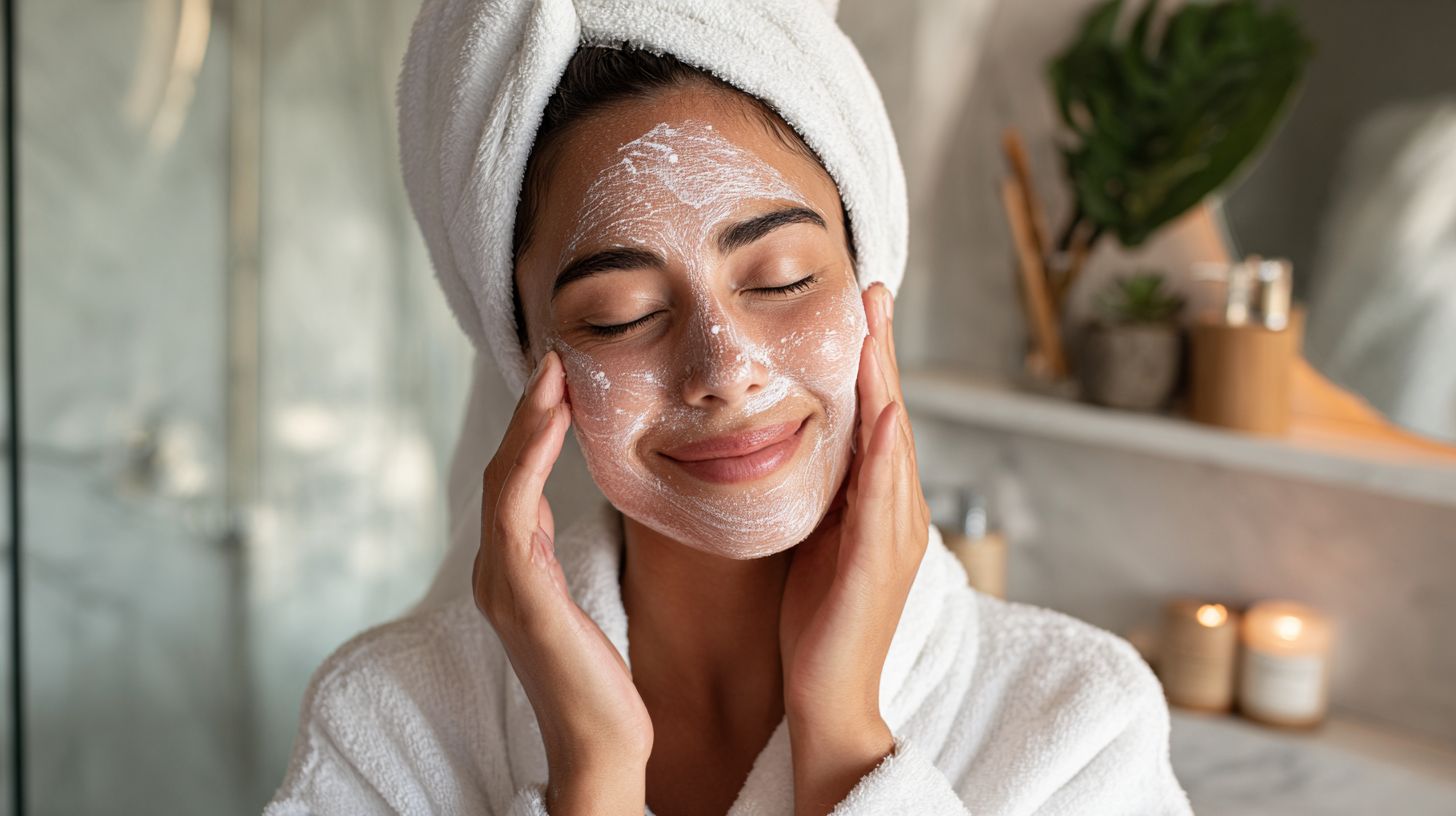
Start by auditing your routine for waterless formulas. Replace bottled items with refillable options. Seek AI apps for personalized picks.
- Visit refill stations monthly to restock.
- Test microbiome kits for custom blends.
- Prioritize B Corp brands in purchases.
- Embrace hybrid makeup for daily use.
- Patch-test new items to avoid reactions.
Brand Recommendations
Look to leaders in Clean Beauty like those offering refillable systems. They excel in ethical production and biotech ingredients. Try their waterless serums first.
For microbiome support, choose brands like Youth to the People and experts from Dr. Hema Sathish at Innovations Wellness Medspa with prebiotic-infused creams. Hybrid lines from K-Beauty innovators stand out. Verify certifications on packaging.
Explore Credo Beauty and The Detox Market selections for verified options. Focus on those with barrier repair actives. Build a routine around these trusted names.
Frequently Asked Questions
What is driving the growth of water-conscious beauty routines in 2026?
The growth of water-conscious beauty routines in 2026 is propelled by escalating global water scarcity, heightened consumer awareness of sustainability, and regulatory pressures on beauty brands to reduce water usage in production and product formulations. Innovations like waterless shampoos from The Good Hygiene Company and hydrosols are key contributors.
How are beauty brands adapting to the growth of water-conscious beauty routines in 2026?
Beauty brands are responding to the growth of water-conscious beauty routines in 2026 by developing anhydrous (water-free) products, such as solid conditioners, oil-based cleansers from Luna Nectar, and powdered masks that activate with minimal water. Many are also adopting circular water systems in manufacturing to minimize waste.
What role does consumer demand play in the growth of water-conscious beauty routines in 2026?
Consumer demand is a major catalyst for the growth of water-conscious beauty routines in 2026, with surveys showing 78% of Gen Z and millennial shoppers prioritizing eco-friendly, low-water products. Social media campaigns and influencers promoting “dry beauty” routines have amplified this shift.
What are some popular products in the growth of water-conscious beauty routines in 2026?
Popular products fueling the growth of water-conscious beauty routines in 2026 include waterless deodorants, clay-based facial cleansers, mist-free toners in concentrate form, and reusable water-saving devices like silicone scrubbers, all designed to cut daily water use in personal care by up to 90%.
How does the growth of water-conscious beauty routines in 2026 impact the environment?
The growth of water-conscious beauty routines in 2026 positively impacts the environment by conserving billions of liters of water annually, reducing wastewater pollution from rinse-off products, and lowering the carbon footprint of water-intensive manufacturing processes worldwide.
What challenges remain despite the growth of water-conscious beauty routines in 2026?
Despite the growth of water-conscious beauty routines in 2026, challenges include higher upfront costs for innovative formulations, consumer education on proper usage, and supply chain hurdles in sourcing sustainable, water-efficient ingredients on a global scale.