

The beauty industry is on track to surpass $800 billion in global market value by 2026 — and the brands driving that growth aren’t the ones with the biggest ad budgets. They’re the ones paying closest attention to what consumers actually want. From AI-powered skincare recommendations to a long-overdue pivot toward older shoppers, consumer demand in 2026 is forcing a fundamental rethink of how beauty products are made, marketed, and sold. For brands, retailers, and marketers operating in this space, understanding these shifts is a matter of competitive survival.
The Consumer Values Driving Beauty in 2026
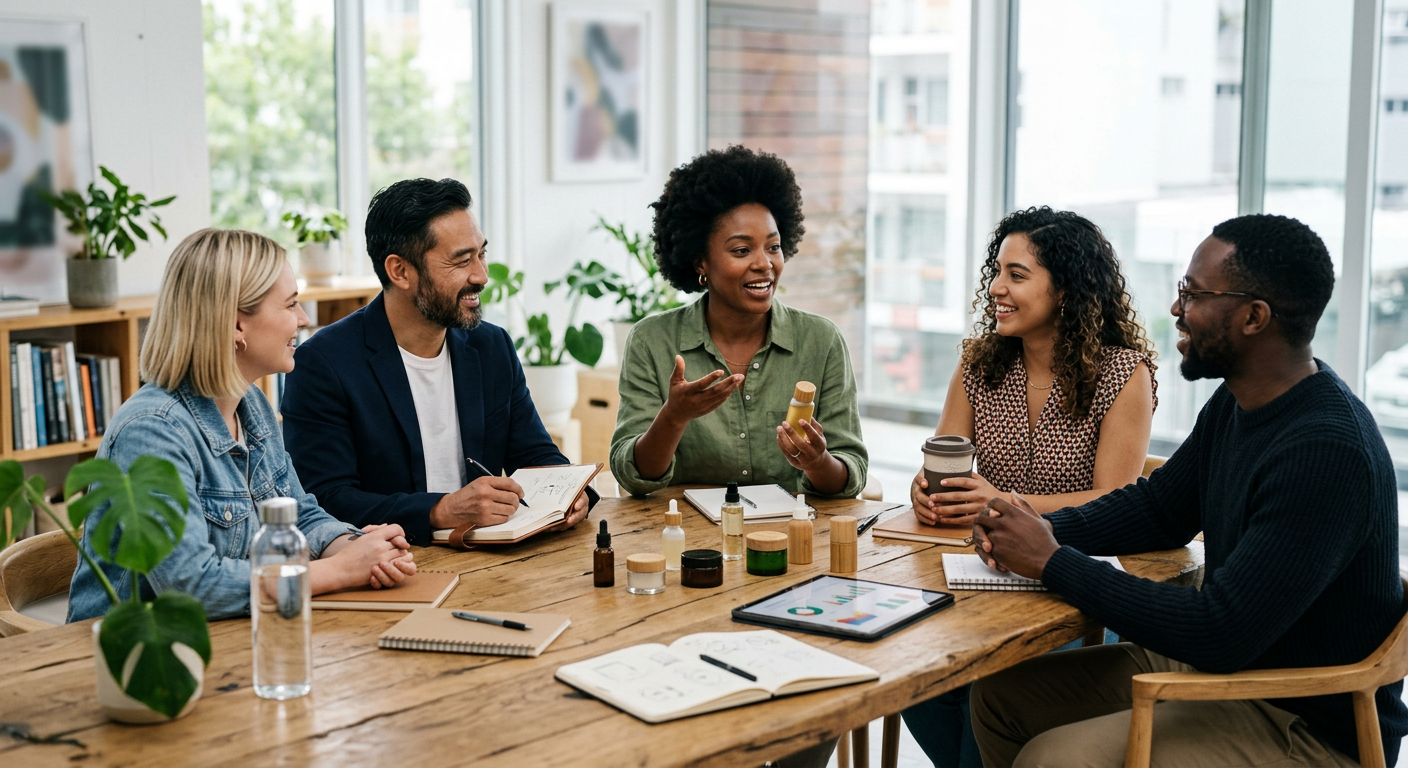
Beauty conversations have moved well beyond products and routines. An analysis of over 15 million digital beauty conversations by BioBrain found that consumers now discuss beauty in direct relation to identity, health, self-perception, and emotional wellbeing — a cultural reframing of what beauty actually means.
That shift has concrete commercial consequences. Consumers are scrutinizing ingredient lists, demanding transparency about sourcing, and choosing brands whose values align with their own. Authenticity has moved from marketing language to purchasing criterion.
Clean Beauty and Ingredient Transparency
Natural and organic beauty products are growing at 10% annually, according to Cropink’s 2026 beauty statistics. That growth rate outpaces the broader market and points to a durable preference, not a passing trend.
Consumers want to know what’s in their products and why it’s there. Brands that publish full ingredient rationales, avoid greenwashing, and earn third-party certifications are building the kind of trust that shows up in repeat purchase rates.
Sustainability as a Purchase Driver
Sustainability has moved from a nice-to-have to a baseline expectation. Shoppers are evaluating packaging recyclability, carbon footprints, and supply chain ethics before committing to a brand. According to Attest’s 2026 beauty industry trends report, Gen Z consumers in particular demand cleaner, more ethical beauty experiences — and they’re vocal about holding brands accountable when those standards slip.
AI Is Transforming Personalization at Scale
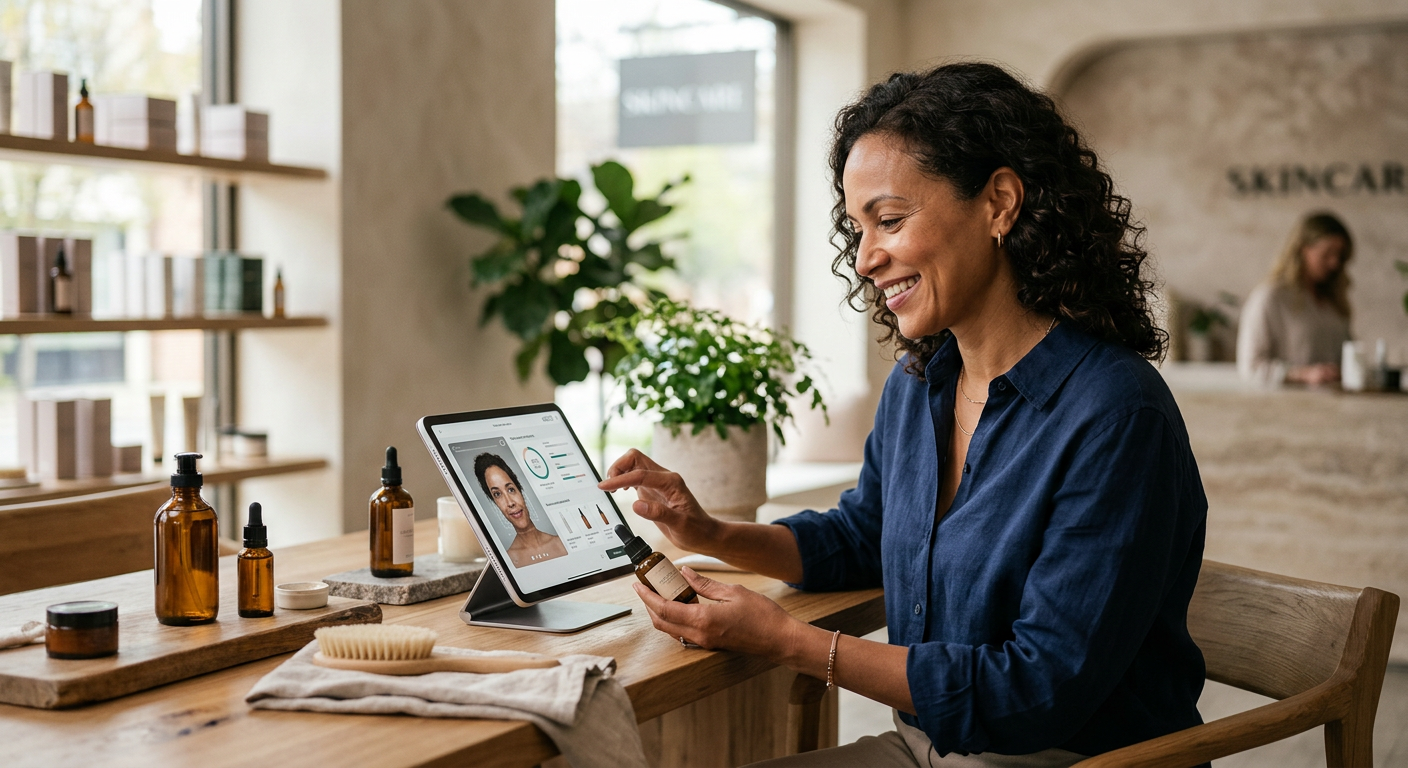
Personalization is no longer a premium feature reserved for luxury skincare consultations. AI has embedded itself across the entire beauty value chain, from product development to the point of purchase. NIQ’s Global Beauty Edit 2026 reports that 49% of consumers who use generative AI have already taken beauty product recommendations from it — a figure that would have seemed implausible three years ago.
The personalized beauty market is projected to reach $48.65 billion by 2030, according to Easy Marketing School, with 72% of consumers willing to pay a premium for skincare tailored to their individual profiles. That willingness to pay more is the clearest signal that personalization drives real commercial value.
How Brands Are Deploying AI
The brands winning with AI aren’t deploying it as a novelty. They’re using it to solve a genuine consumer frustration: the sheer volume of options in the beauty aisle. AI narrows the field and makes the decision feel personal rather than arbitrary.
The Boomer Beauty Economy Arrives
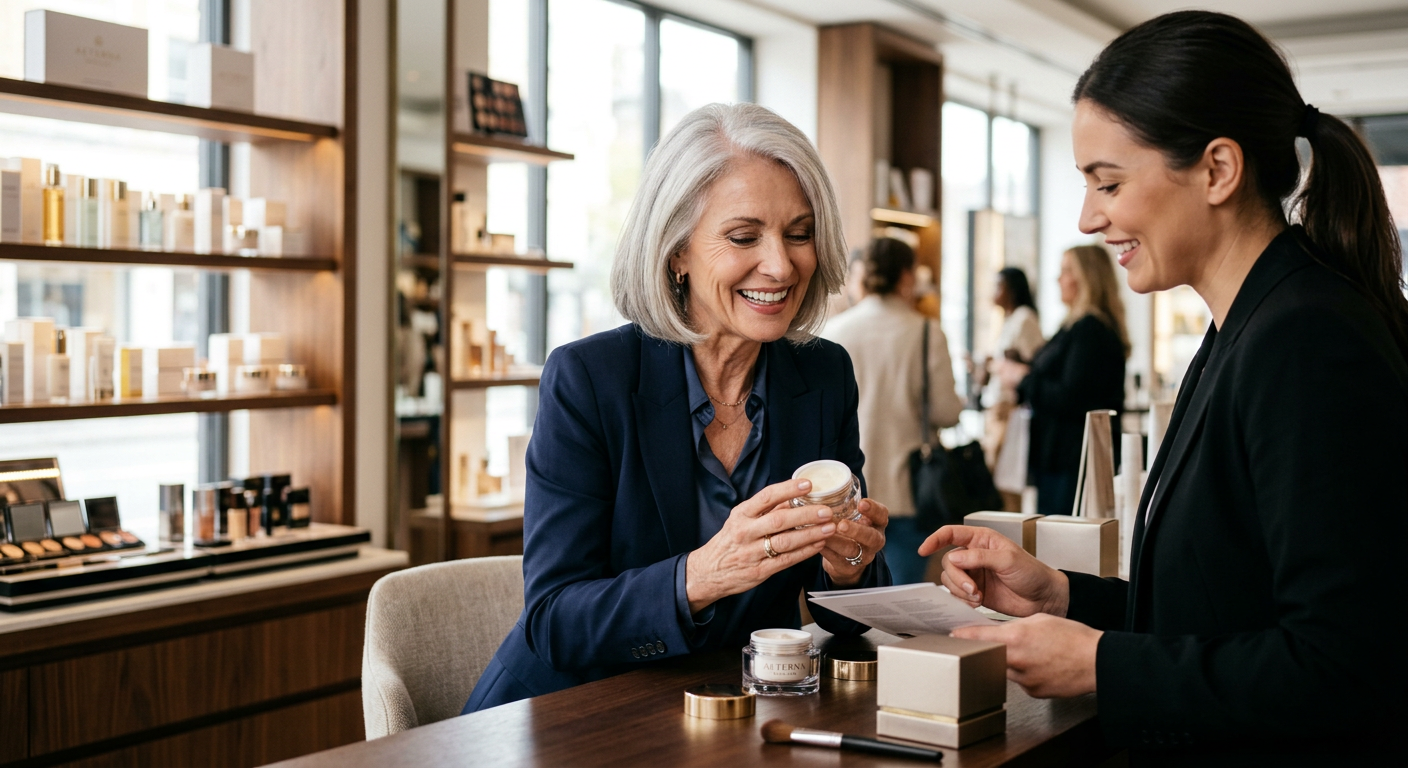
For years, beauty brands have directed their energy — and their budgets — toward Gen Z and millennials. Brand and retail expert Wizz Selvey has described that strategy as “over-indexed.” The consumer group that has been quietly overlooked is about to become beauty’s most valuable: boomers.
According to Cosmetics Business, 52% of boomers say they have enough disposable income for self-care — nearly twice the share of Gen Z, based on data from the Bank of America Institute. Boomers buy on efficacy and loyalty rather than trend-chasing, which makes them cheaper to retain and more valuable over time.
What Boomer Consumers Actually Want
Boomer beauty consumers prioritize results over aesthetics. They want products that demonstrably address skin aging, support longevity, and deliver on their claims. The rise of “longevity beauty” — products positioned around healthy aging rather than anti-aging — speaks directly to how this audience sees itself.
Brands that market exclusively through youth-oriented channels and language are leaving significant revenue on the table. Reaching boomers requires different platforms, different messaging, and a basic respect for their purchasing intelligence.
Social Commerce Is Collapsing the Path to Purchase
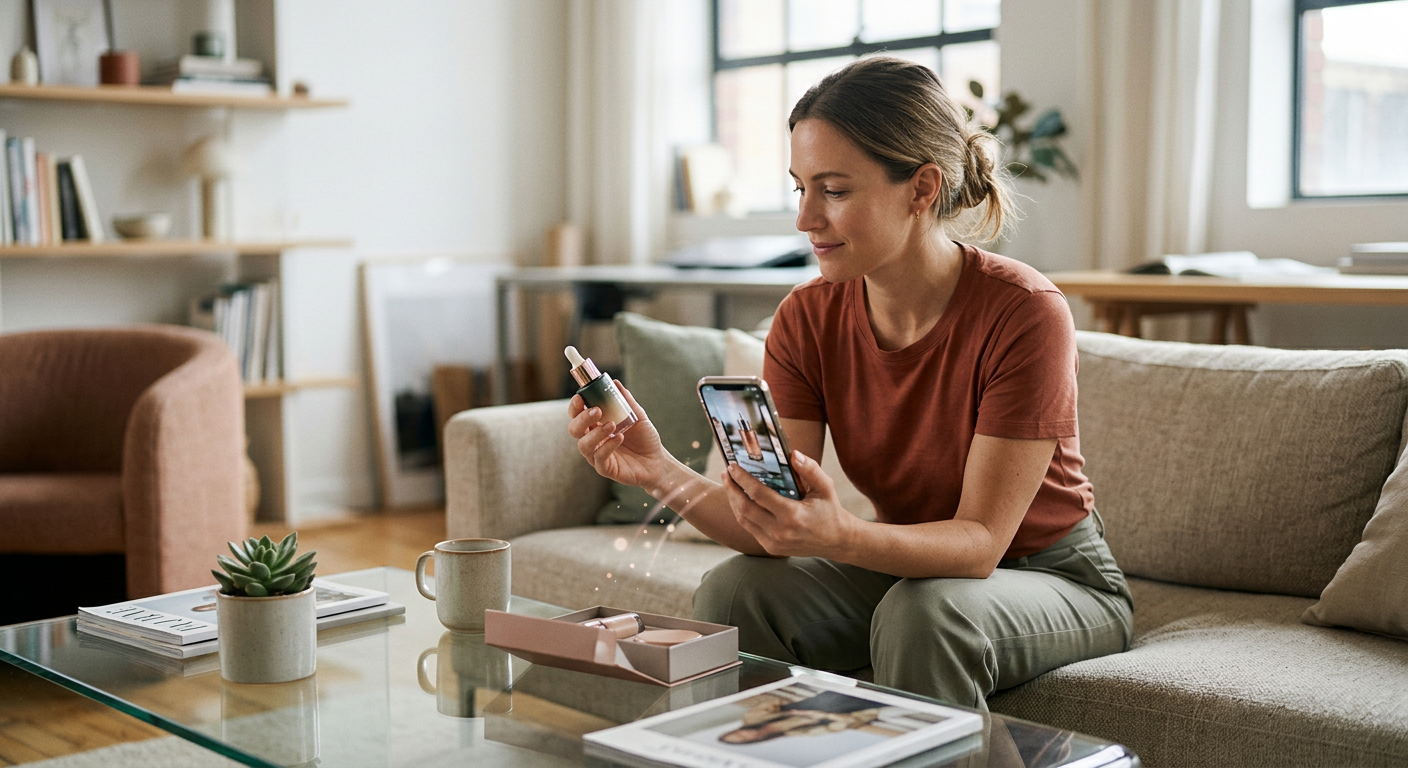
E-commerce already drives 35% of beauty sales, but the more disruptive shift is happening at the intersection of content and commerce. Social platforms — particularly TikTok Shop — are turning trend discovery into immediate transactions, compressing the traditional awareness-to-purchase funnel into seconds.
NIQ’s 2026 Beauty Edit puts it plainly: “social commerce is turning trends into transactions.” A product can go from unknown to sold out within 48 hours when the right creator posts the right video. That’s a supply chain problem as much as a marketing one.
The Influencer Trust Equation
63% of consumers are more likely to purchase products recommended by trusted influencers, and beauty brands see an average 3.6x ROI on influencer marketing, according to Easy Marketing School. The word “trusted” carries weight — consumers have grown skilled at detecting paid promotion that lacks genuine endorsement.
Micro-influencers, who tend to have higher engagement rates and more tightly defined audiences, are increasingly outperforming mega-influencers in conversion. Fenty Beauty’s launch strategy — activating diverse micro-influencers across skin tones and communities — remains the benchmark for inclusive, high-ROI influencer marketing.
Inclusivity Has Become a Commercial Imperative
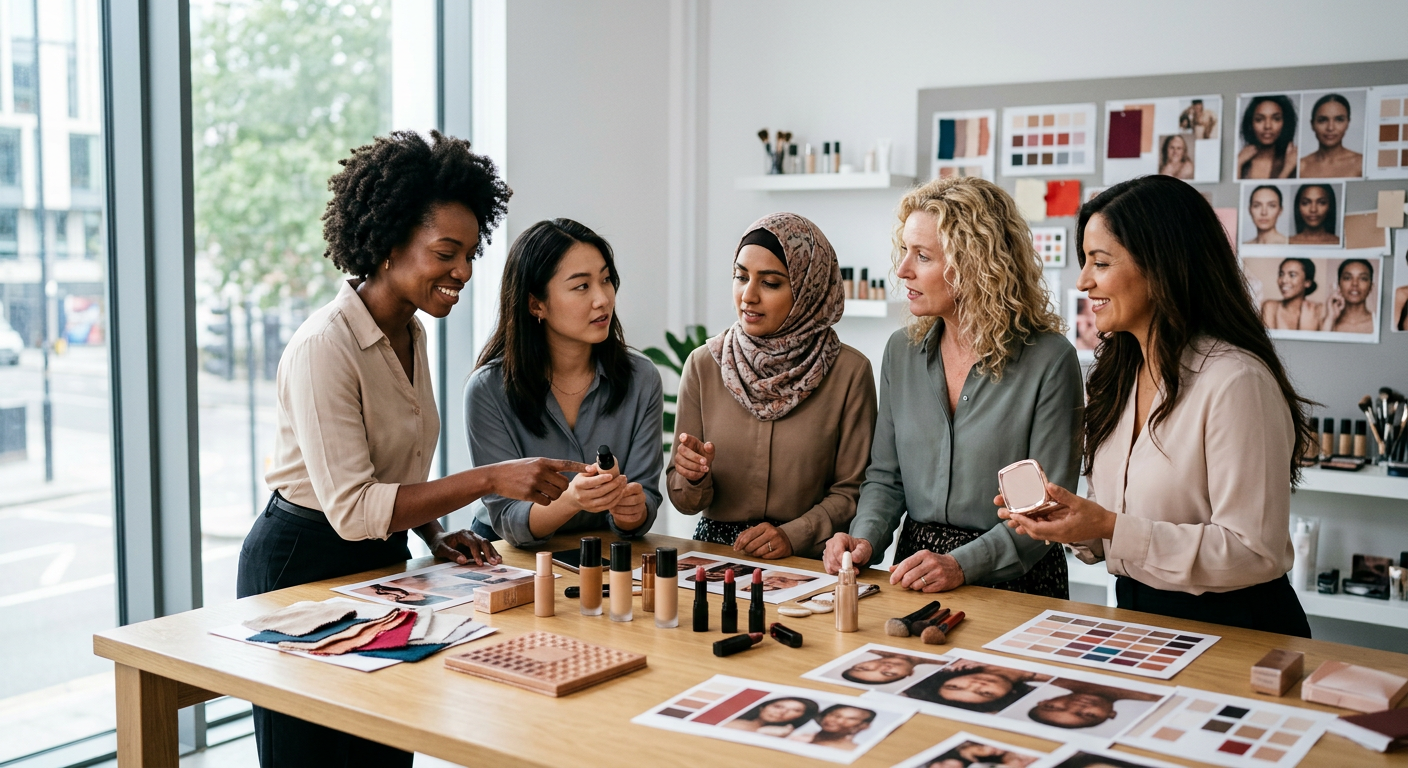
Inclusivity in beauty has shifted from brand differentiator to market expectation. Consumers across demographics now expect shade ranges that reflect genuine diversity, formulations that work across different skin types and tones, and marketing imagery that doesn’t default to a narrow beauty standard.
Attest’s research identifies inclusivity as one of the core forces reshaping the 2026 beauty market, driven largely by Gen Z consumers who treat representation as a baseline requirement. Brands that fall short don’t just miss sales — they generate negative social media attention that actively erodes brand equity.
The business case is direct. A broader product range serves a broader customer base. Brands that invest in genuine inclusivity — in formulation, not just in casting — access markets that were previously underserved and undermonetized.
Multisensory and Experiential Beauty Gains Ground
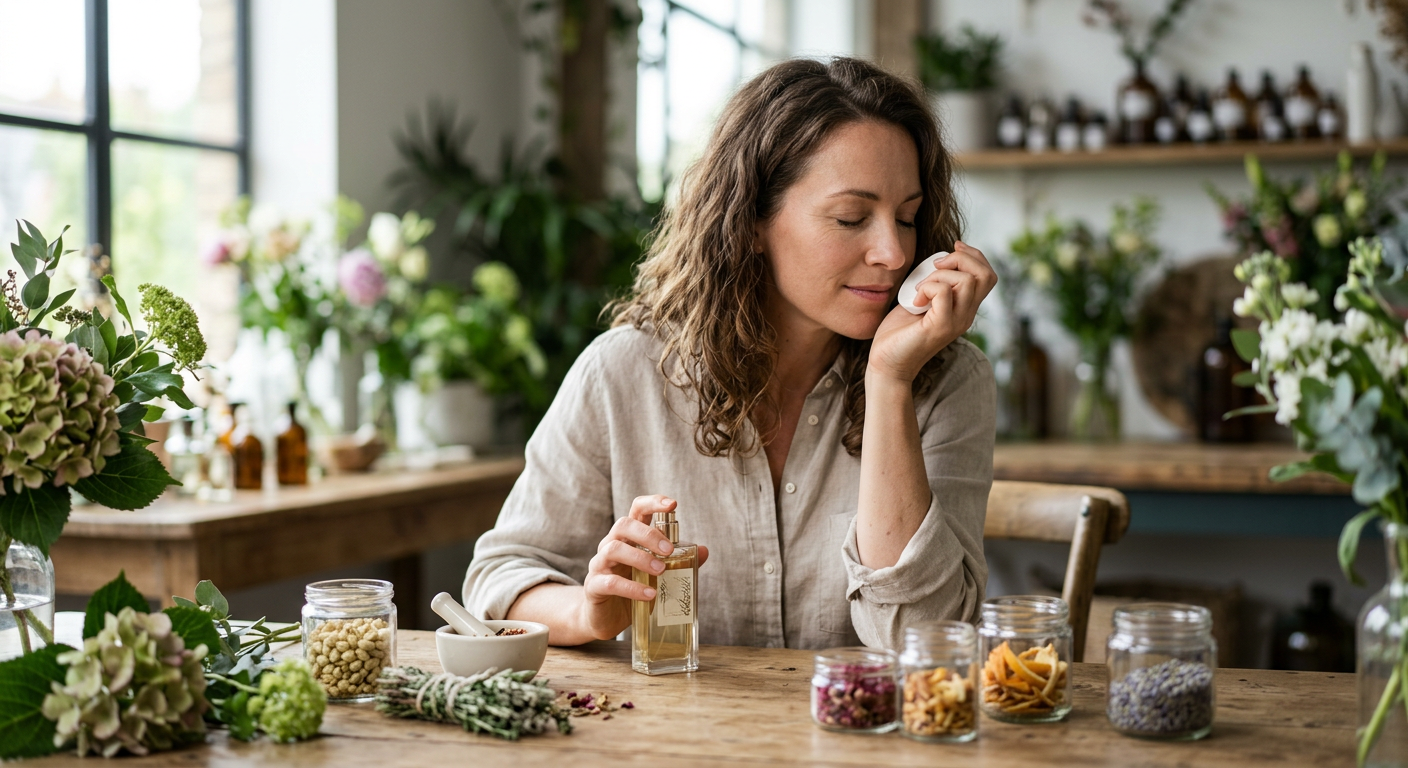
Consumers are increasingly seeking beauty experiences that engage more than one sense. The fragrance category makes this concrete — demand is growing for complex, unconventional scent profiles featuring notes like hot stone, sea salt, and other unexpected materials, according to LinkedIn’s 2026 beauty trends analysis.
That appetite for sensory richness extends beyond fragrance. Texture, sound, and the tactile quality of packaging are now part of how consumers evaluate and talk about products. Beauty is becoming an experience category, not just a product category.
Brands that invest in multisensory product design and communicate those dimensions effectively — through video content, creator partnerships, and in-store experiences — build emotional connections that purely functional products cannot match.
Key Takeaways and What to Do Next
The beauty industry in 2026 is being reshaped by consumers who are more informed, more values-driven, and more demographically diverse than any previous generation of beauty shoppers. The trends covered here aren’t isolated — they’re interconnected signals pointing in the same direction.
The core shifts to act on:
- AI personalization is moving from novelty to necessity — consumers expect tailored recommendations and are willing to pay for them
- Boomer consumers represent an underserved, high-value segment with strong purchasing power and brand loyalty
- Clean and sustainable beauty is a baseline expectation, particularly for Gen Z, not a premium positioning
- Social commerce has compressed the purchase funnel — brands need content and inventory strategies that can move at platform speed
- Inclusivity drives both sales and brand reputation — it must be built into formulation, not just marketing
For brands building or scaling in 2026, the starting point is identifying which of these shifts your current strategy is ignoring. Consumer demand is already moving — the question is whether your brand is positioned to move with it.
Frequently Asked Questions
Q: What is the biggest trend reshaping the beauty industry in 2026?
AI-powered personalization is the most structurally significant shift, with 49% of generative AI users already taking beauty product recommendations from AI tools. It operates alongside equally important changes in sustainability expectations, demographic targeting, and social commerce behavior — none of these trends is fully separable from the others.
Q: Why are boomers becoming important beauty consumers in 2026?
Boomers have significantly higher disposable income for self-care than younger demographics — 52% report having enough for self-care spending, nearly double the rate of Gen Z. They also buy based on product efficacy and brand loyalty, which makes them more valuable long-term customers than trend-driven younger shoppers.
Q: How is social commerce changing how beauty products are sold?
Social platforms like TikTok Shop have integrated discovery and purchase into a single experience, meaning a trending product can sell out within hours of a viral post. E-commerce already accounts for 35% of beauty sales, and social commerce is accelerating that share by removing the gap between inspiration and transaction.
Q: What do beauty consumers mean when they demand “clean beauty”?
Clean beauty refers to products formulated without ingredients consumers consider harmful or questionable, combined with transparency about what is included and why. Natural and organic beauty products are growing at 10% annually, reflecting sustained consumer preference for brands that can substantiate their ingredient claims.
Q: How important is influencer marketing for beauty brands in 2026?
It remains highly important, with beauty brands seeing an average 3.6x ROI on influencer marketing and 63% of consumers more likely to buy products recommended by trusted creators. The shift is toward micro-influencers with niche, engaged audiences rather than celebrity-level reach, as authentic endorsement drives higher conversion rates.
Q: How large is the global beauty market in 2026?
The global beauty industry is projected to surpass $800 billion in market value by 2026, up from over $500 billion in 2023. Skincare accounts for approximately 40% of that market, making it the largest single category within the industry.