

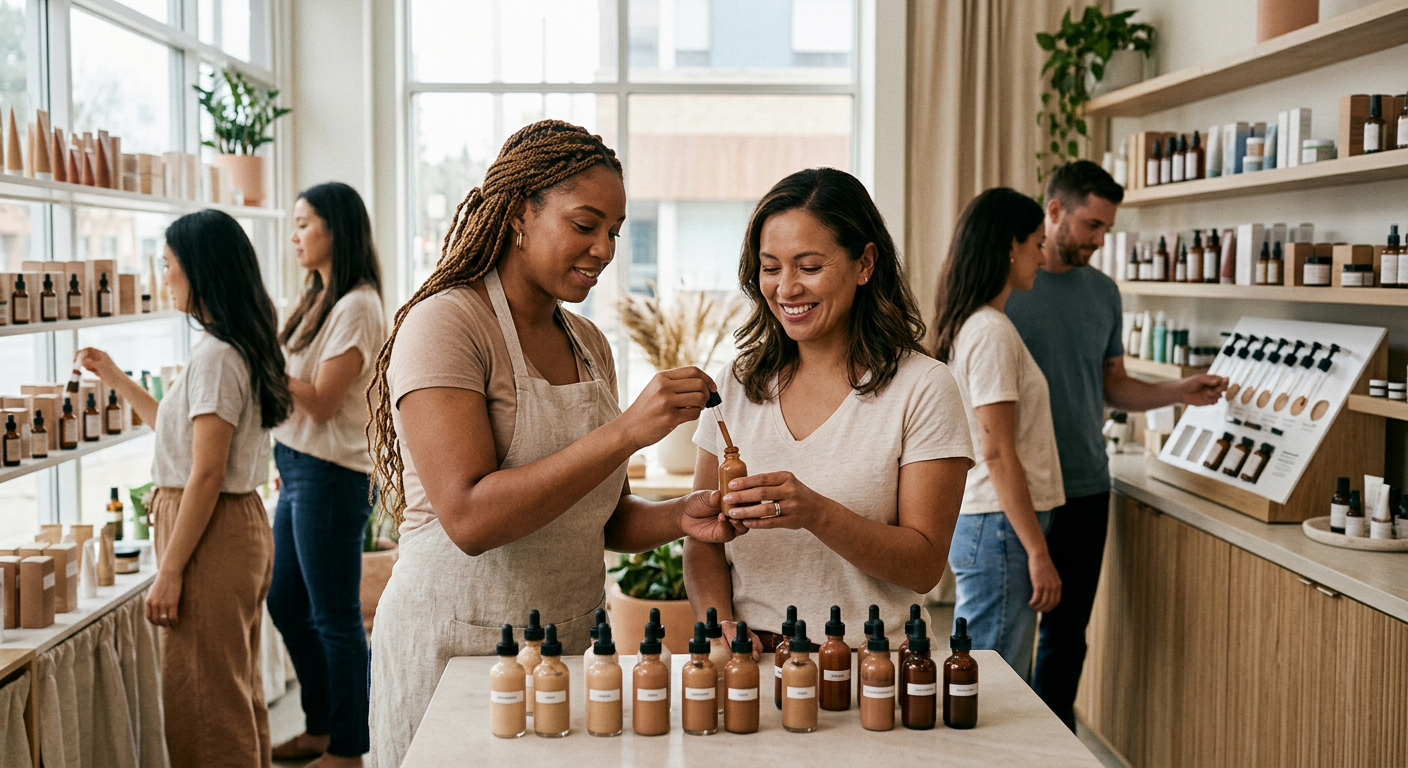
Walk into any drugstore and you’ll find dozens of foundations promising to work for “all skin types.” Millions of people walk out disappointed anyway. That gap between promise and reality is driving the beauty industry’s most significant structural shift in decades — and why customization has stopped being a luxury differentiator and started being a baseline expectation.
Why Generic Beauty Products Are Losing Ground
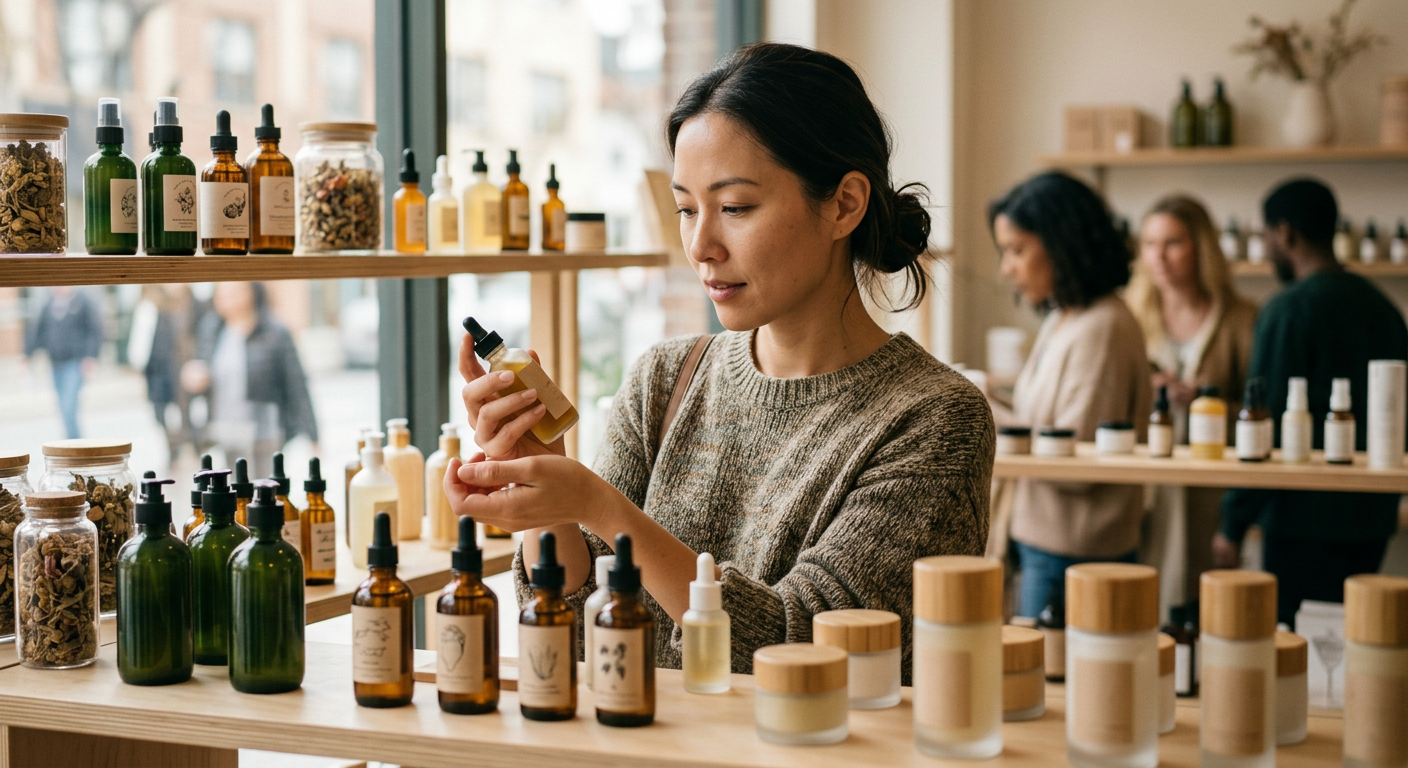
The global cosmetics market sits somewhere between $335 and $450 billion today, with projections reaching $650–800 billion by 2032–2035, according to cosmetic industry data from Meamo. That growth isn’t coming from mass-market basics. It’s being driven by consumers who want products built around their specific skin, hair, and lifestyle needs.
The old model worked when consumers had limited information and even more limited options. Neither condition applies anymore. Social media has educated buyers, ingredient literacy has surged, and comparison tools have made it easier than ever to find something better. A foundation that “works for most people” doesn’t hold up against a competitor offering a formula matched to your undertone, skin texture, and coverage preference.
Brands still operating on the one-size assumption aren’t just missing a trend. They’re misreading a fundamental change in what consumers believe they deserve.
The Problem With Surface-Level Personalization

Many brands have responded to demand for personalization by adding a quiz to their website. You answer eight questions, get a product recommendation, and the brand calls it “tailored.” It’s a start, but it isn’t personalization in any meaningful sense.
As Swan Beauty’s analysis on LinkedIn points out, a short questionnaire can capture stated preferences but cannot capture what’s actually happening with your skin. Skin changes based on season, stress, hormonal cycles, diet, and product interactions. A static quiz captures a single moment. Real personalization requires ongoing data.
The Gap Between Perception and Reality
Most “personalized” beauty experiences fall short in predictable ways:
The brands closing this gap are investing in technology that goes beyond the questionnaire. Consumers are noticing the difference.
How AI and Skin Tech Are Enabling Real Customization
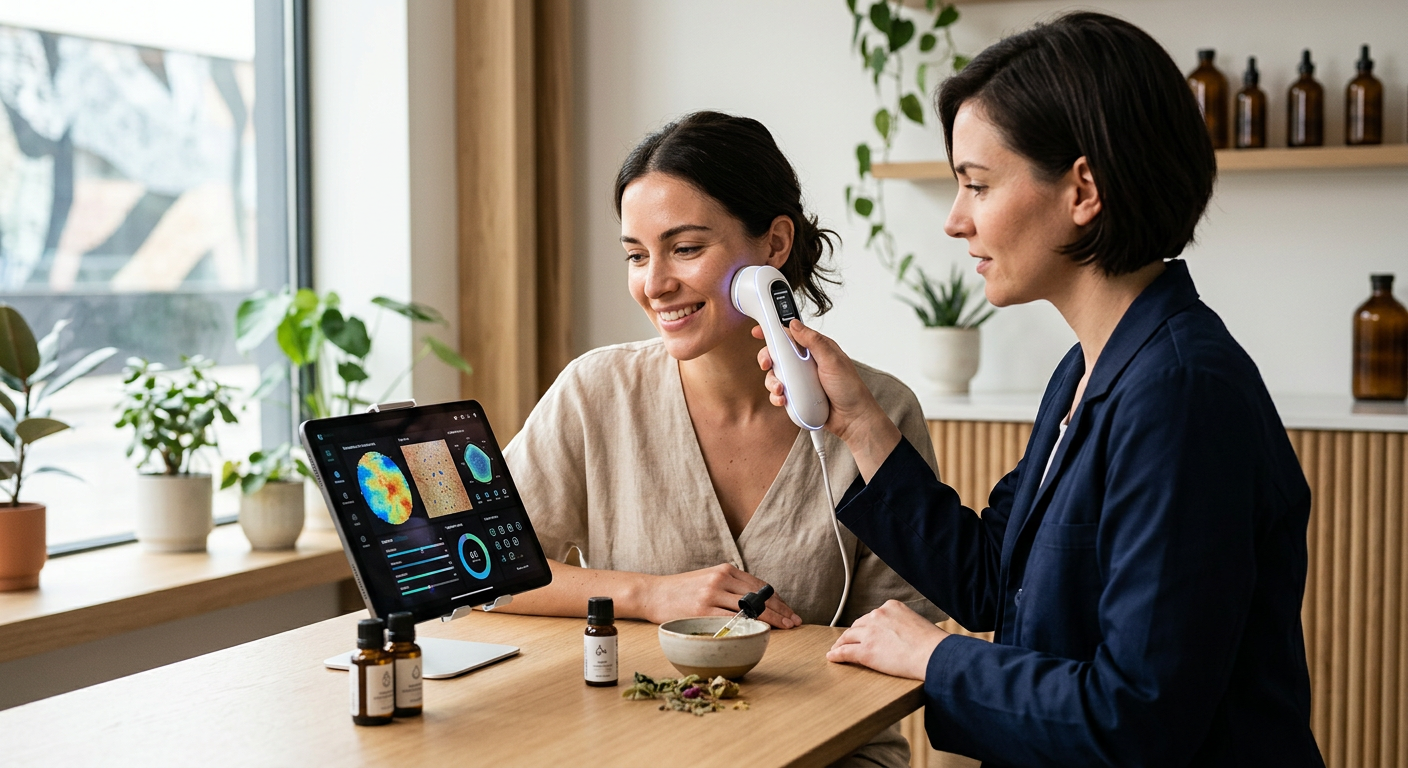
Artificial intelligence is the engine behind the most credible personalization advances in beauty right now. Machine learning models trained on large skin datasets can now analyze images for texture, pigmentation, hydration levels, and early signs of aging with accuracy that wasn’t commercially viable five years ago.
The NIQ State of Global Beauty 2026 report identifies AI as one of the primary forces accelerating innovation across the category. Brands that integrate these tools into the purchase journey aren’t just improving customer satisfaction — they’re building proprietary data assets that become harder for competitors to replicate over time.
Three Technologies Driving Personalized Beauty
- AI skin imaging: Apps and in-store devices analyze photos to assess skin condition in real time, moving beyond self-reported skin type to measurable data.
- Custom formulation platforms: Companies like Prose (haircare) and Curology (skincare) use intake data to manufacture products for individual customers at scale.
- Adaptive recommendation engines: These systems update product suggestions based on purchase history, seasonal changes, and user feedback, rather than locking in a recommendation from a single quiz.
The convergence of these three capabilities is what separates genuine personalization from marketing language.
Shifting Consumer Expectations in Skincare
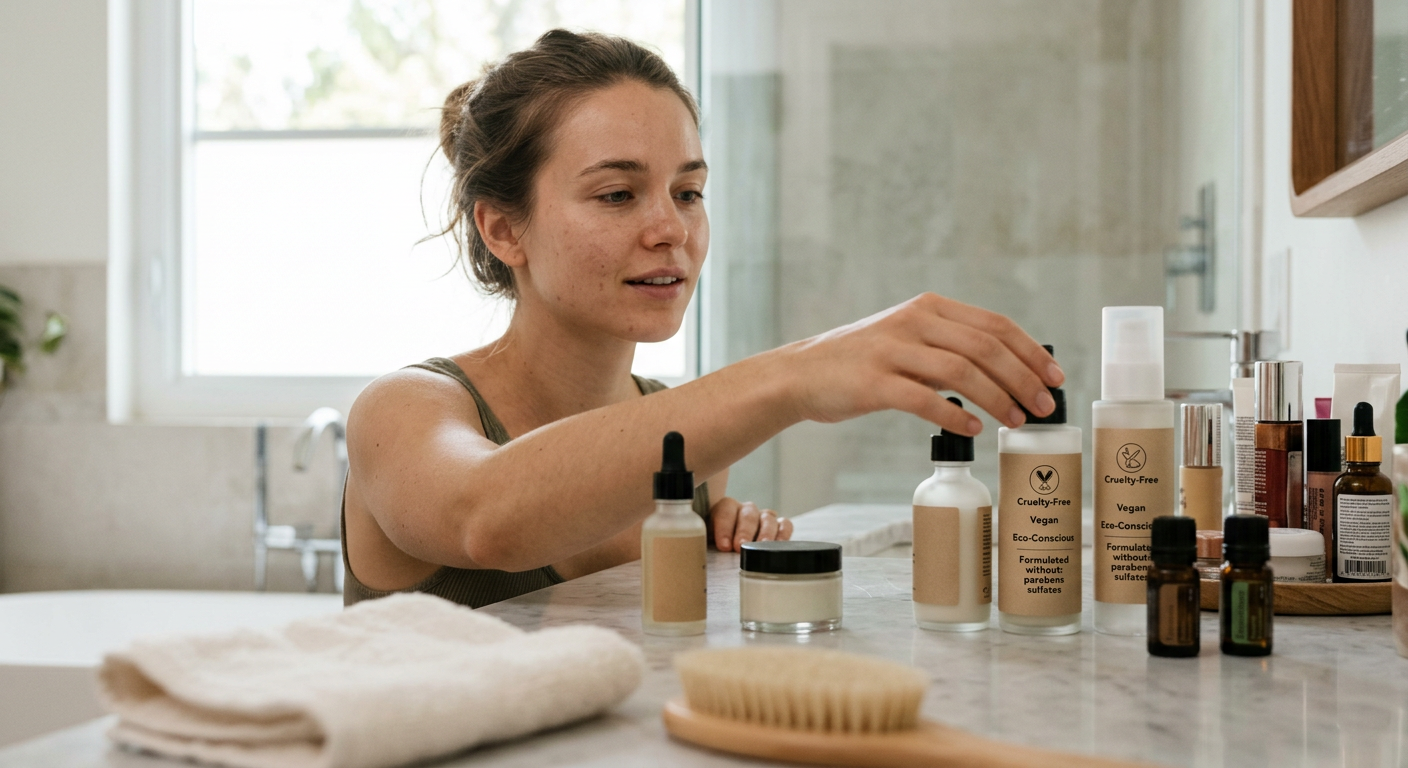
Consumer demand in skincare is moving in a specific direction. According to Beauty Independent’s 2026 trend analysis, buyers are moving away from symptom-focused, fragmented product routines toward integrative, mechanism-driven formulations that optimize how skin functions over time.
That’s a meaningful shift. Consumers aren’t just asking “does this moisturizer feel good?” They’re asking “is this product supporting my skin barrier, and will it still be the right choice for my skin in six months?” Standard product lines can’t answer that question. They’re built for a demographic, not a person.
Longevity is also emerging as a major theme. Brands that position their products around long-term skin resilience — rather than quick fixes or trend-driven ingredients — are aligning with where serious skincare consumers are heading.
Inclusivity and Customization Are the Same Conversation
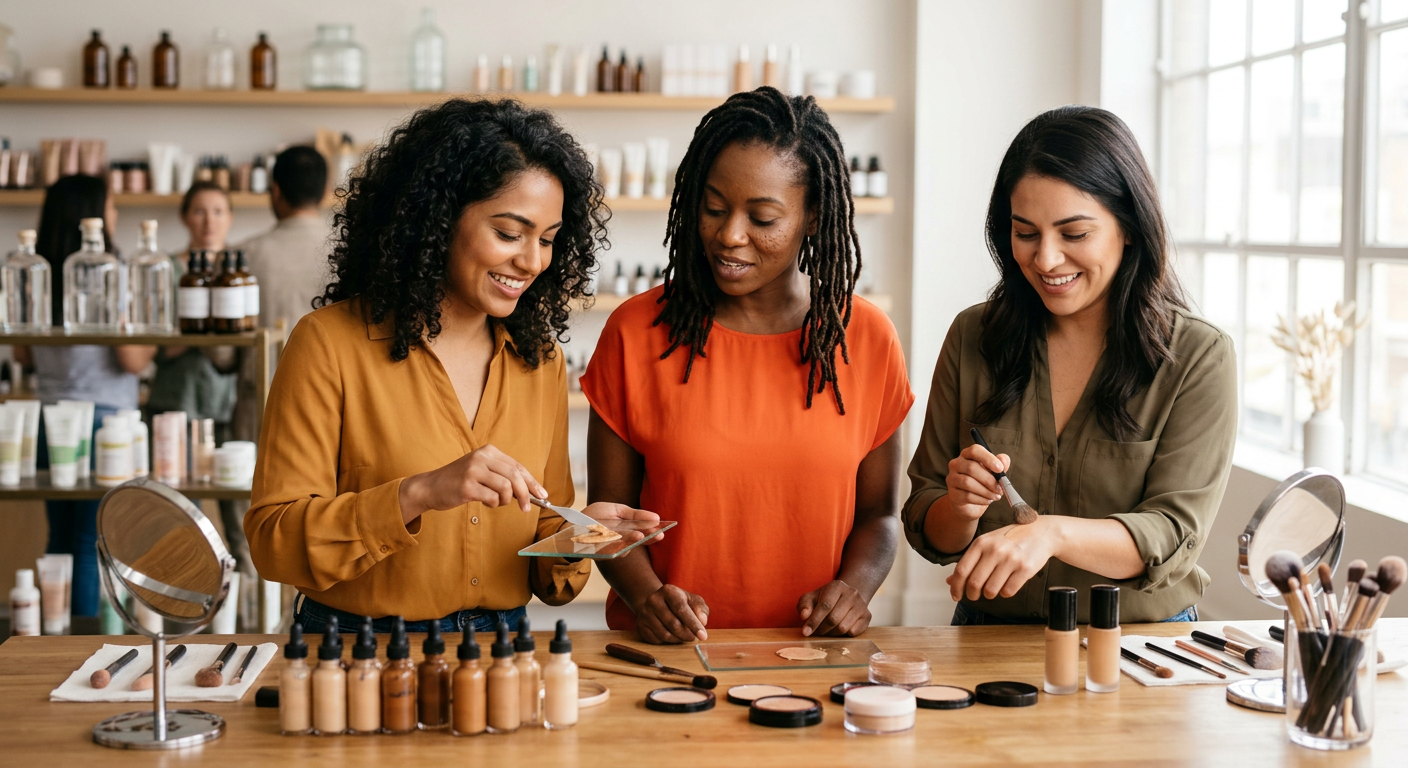
For years, “inclusive beauty” meant expanding shade ranges. That was necessary progress, but it was still a one-size model — just with more sizes. Two people with the same skin tone can have entirely different skin needs, and a product range cannot address that without some degree of customization.
Patrick Starrr’s ONE/SIZE brand has made this tension explicit. The brand’s stated position is that it doesn’t play by the standard beauty brand playbook — it builds products around solving real beauty problems rather than fitting consumers into predefined categories. That philosophy reflects a broader industry reckoning with the limits of even the most expanded traditional product lines.
In this framing, customization isn’t a premium add-on. It’s the logical endpoint of taking inclusivity seriously. When you acknowledge that every person’s skin is different, a truly inclusive product is one that adapts to the individual — not one that offers 50 shades and hopes for the best.
What This Means for Beauty Brands Right Now
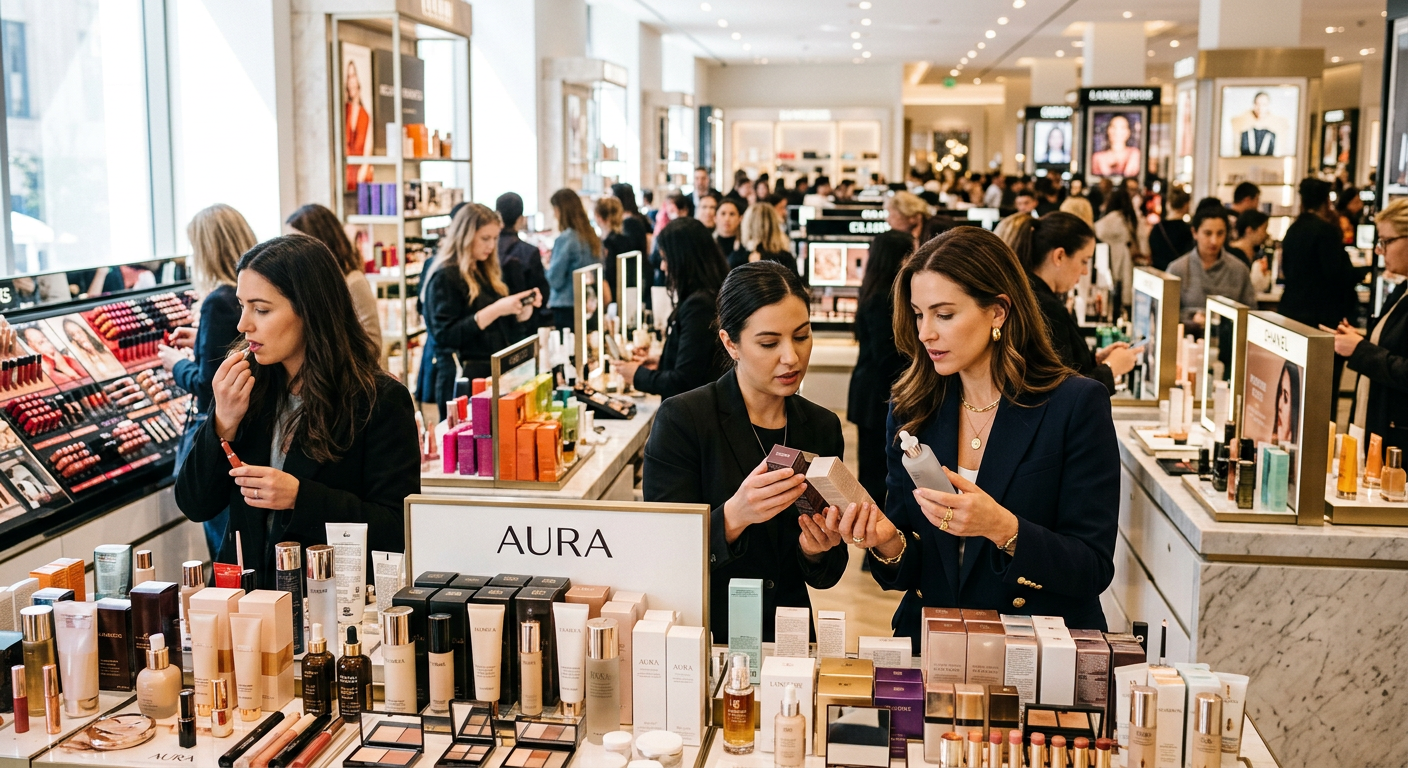
The competitive pressure is real and accelerating. NielsenIQ data shows K-Beauty sales in the U.S. grew 37.2% to reach $2 billion in the 52 weeks ended August 2025. Part of K-Beauty’s appeal is its emphasis on layered, targeted skincare rituals — a philosophy that treats skin as individual rather than generic.
Brands that want to compete in this environment have a clear set of priorities:
- Invest in data infrastructure that captures ongoing customer skin information, not just one-time purchase data.
- Build or partner with formulation technology that allows for meaningful product customization at scale.
- Communicate the science behind personalization clearly. Consumers are more ingredient-literate than ever, and vague claims about “tailored” products won’t hold up under scrutiny.
- Create feedback loops so product recommendations evolve with the customer over time.
Brands that treat customization as a technology project rather than a marketing message will build durable advantages. The ones that treat it as a campaign will find the gap between promise and reality catches up with them quickly.
Conclusion
The one-size-fits-all era of beauty isn’t fading — it’s ending. Consumer expectations have moved decisively toward products that work for their specific skin, not for a theoretical average. AI, imaging technology, and custom formulation platforms are making that level of personalization commercially viable at scale for the first time.
The opportunity is significant: a market projected to reach $650–800 billion by the mid-2030s, with consumers actively rewarding brands that take their individual needs seriously. The risk for brands that don’t adapt is equally clear.
If you’re evaluating your brand’s personalization strategy — or shopping for products actually built around your skin — the question is no longer “does this claim to be personalized?” It’s “how does this actually adapt to me?”
That distinction will define which beauty brands lead the next decade and which ones become cautionary examples.
Frequently Asked Questions
Q: What does “beauty personalization” actually mean?
Beauty personalization refers to products, formulations, or recommendations tailored to an individual’s specific skin type, concerns, tone, lifestyle, and goals — rather than designed for a broad average consumer. True personalization goes beyond a quiz and typically involves ongoing data collection or custom formulation.
Q: How is AI being used in personalized beauty?
AI is used to analyze skin images for measurable attributes like texture, pigmentation, and hydration, and to power recommendation engines that adapt over time. Brands and apps use these tools to move beyond self-reported skin type and provide data-driven product matches or formulations.
Q: Are personalized beauty products more expensive?
Custom formulation brands like Prose or Curology typically charge a premium, but the gap is narrowing as the technology scales. Many personalization tools — like AI skin analysis apps — are free or built into the purchase experience, adding value without a direct cost to the consumer.
Q: Which beauty categories are leading in personalization?
Skincare and haircare are the most advanced, with brands like Curology, Prose, and Function of Beauty offering individually formulated products. Foundation and complexion products are also evolving rapidly, driven by demand for precise shade and finish matching beyond standard shade ranges.
Q: Is K-Beauty’s growth connected to the personalization trend?
Yes, in part. K-Beauty’s philosophy emphasizes layered, targeted skincare rituals that treat skin as individual and changeable — a mindset aligned with the broader shift toward personalization. NielsenIQ data shows K-Beauty U.S. sales grew 37.2% to $2 billion in 2025, reflecting strong consumer appetite for this more tailored approach.
Q: How can consumers evaluate whether a brand’s personalization is genuine?
Look for brands that use ongoing data — not just a one-time quiz — to update recommendations. Genuine personalization involves measurable inputs (skin imaging, biomarkers, or detailed intake assessments) and adapts over time. If a brand’s “personalization” produces the same five product recommendations for most customers, it’s marketing language, not meaningful customization.