

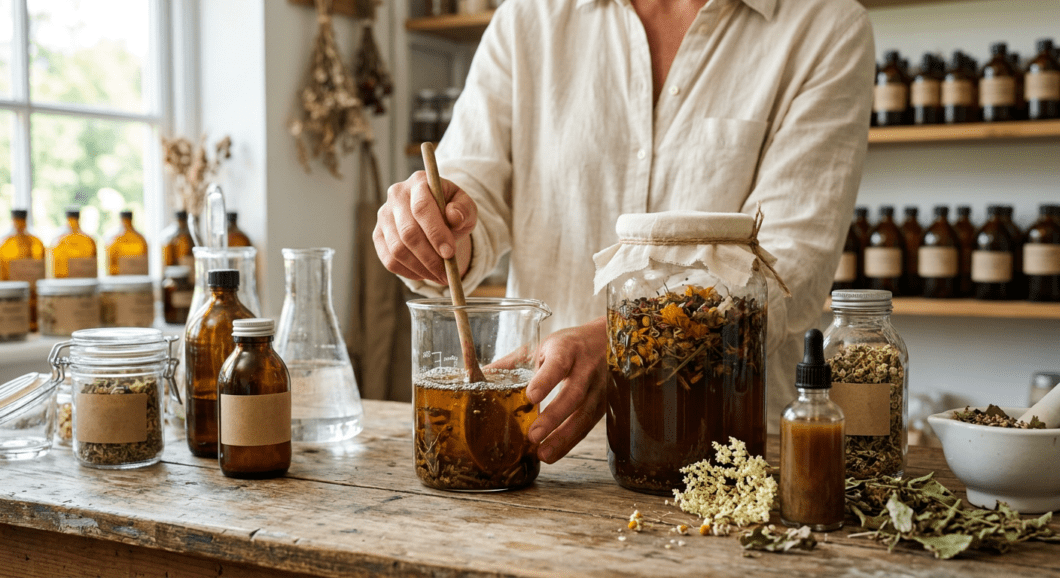
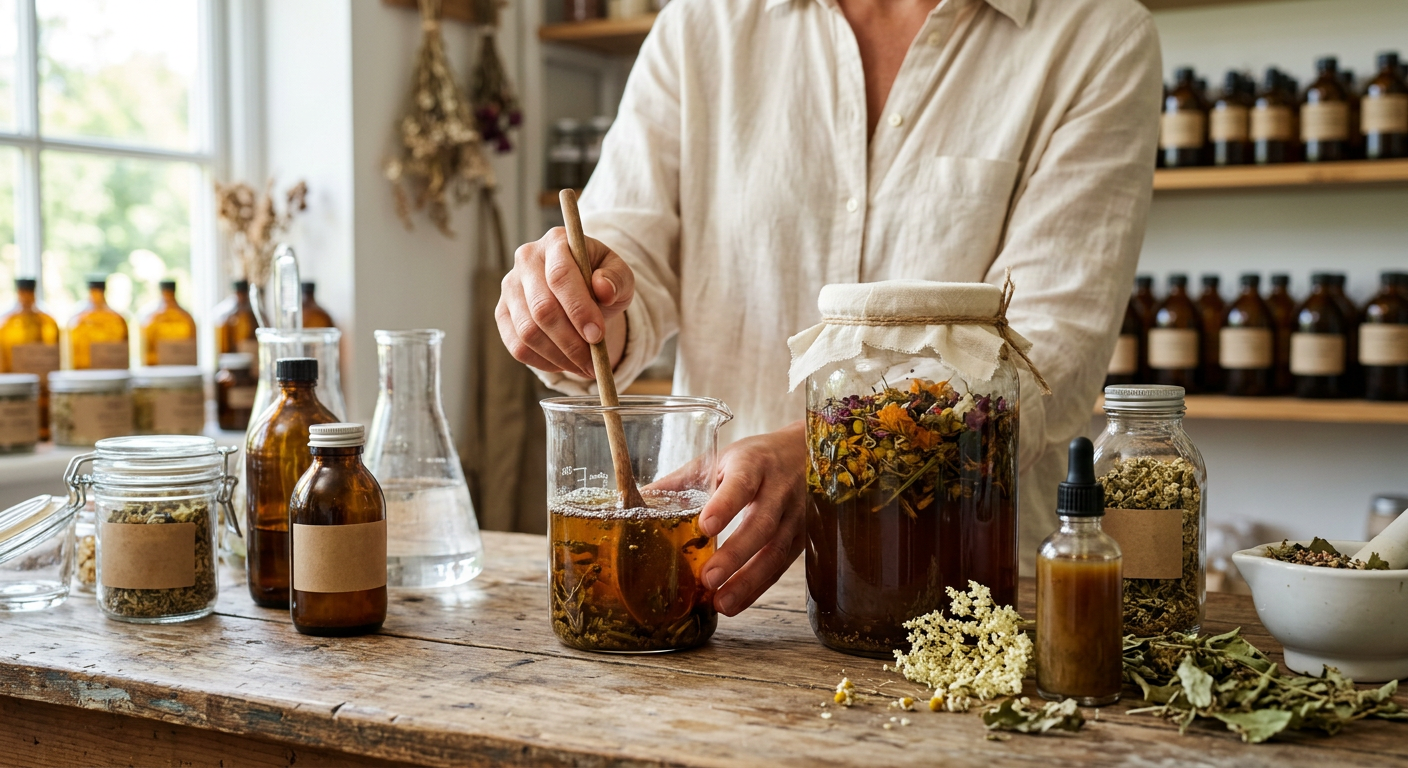
The most effective ingredient in your next skincare product might be made by bacteria. Botanical fermentation — a process humans have used for thousands of years to preserve and transform food — is now reshaping how organic beauty brands formulate their products. The global natural cosmetics market was worth USD 55.4 billion in 2026 and is projected to reach USD 96.4 billion by 2036, according to Future Market Insights. Within that growth, fermented botanical ingredients have become one of the more significant drivers of product innovation.
What Botanical Fermentation Actually Means in Beauty
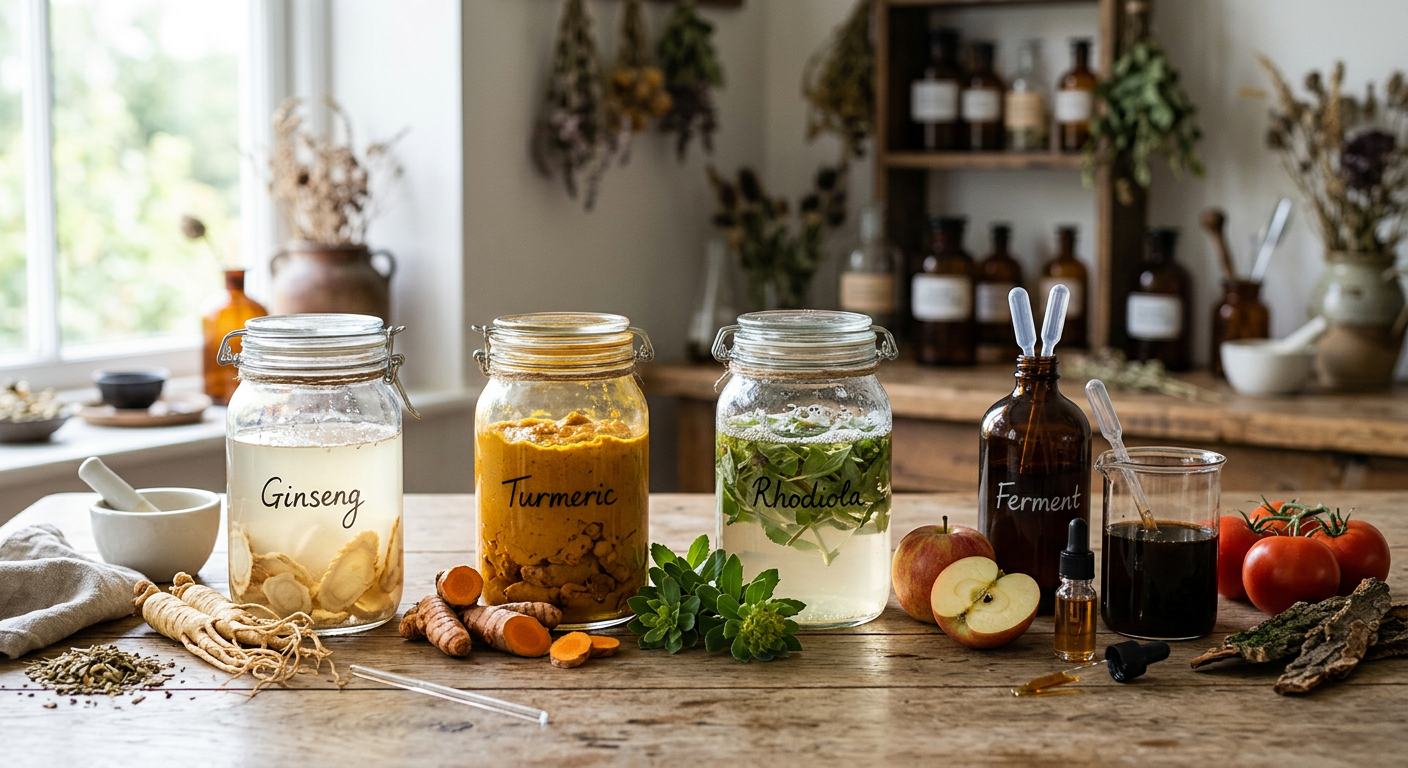
Fermented botanical ingredients come from plants — ginseng, turmeric, rhodiola, apple, tomato, and others — that have been transformed through controlled microbial activity. Bacteria, yeast, or fungi break down plant cell walls and macromolecules, releasing or converting active compounds into smaller, more bioavailable forms.
The result is not simply a plant extract. Fermentation produces a different class of ingredient: one rich in organic acids, short-chain fatty acids, polyphenols, and fermentation metabolites that the skin absorbs more readily than their unfermented counterparts. As Newbellus describes it, microbial fermentation can enhance or transform marker ingredients in medicinal plants — for example, increasing tyrosol content in rhodiola or 6-paradol in ginger — using a natural, controllable process that avoids chemical synthesis.
This pre-digestion function is central to the ingredient’s appeal. Rather than relying on the skin to break down complex molecules, fermentation does that work in advance, improving both efficacy and formula compatibility.
The Science Behind Why Fermented Ingredients Perform Better
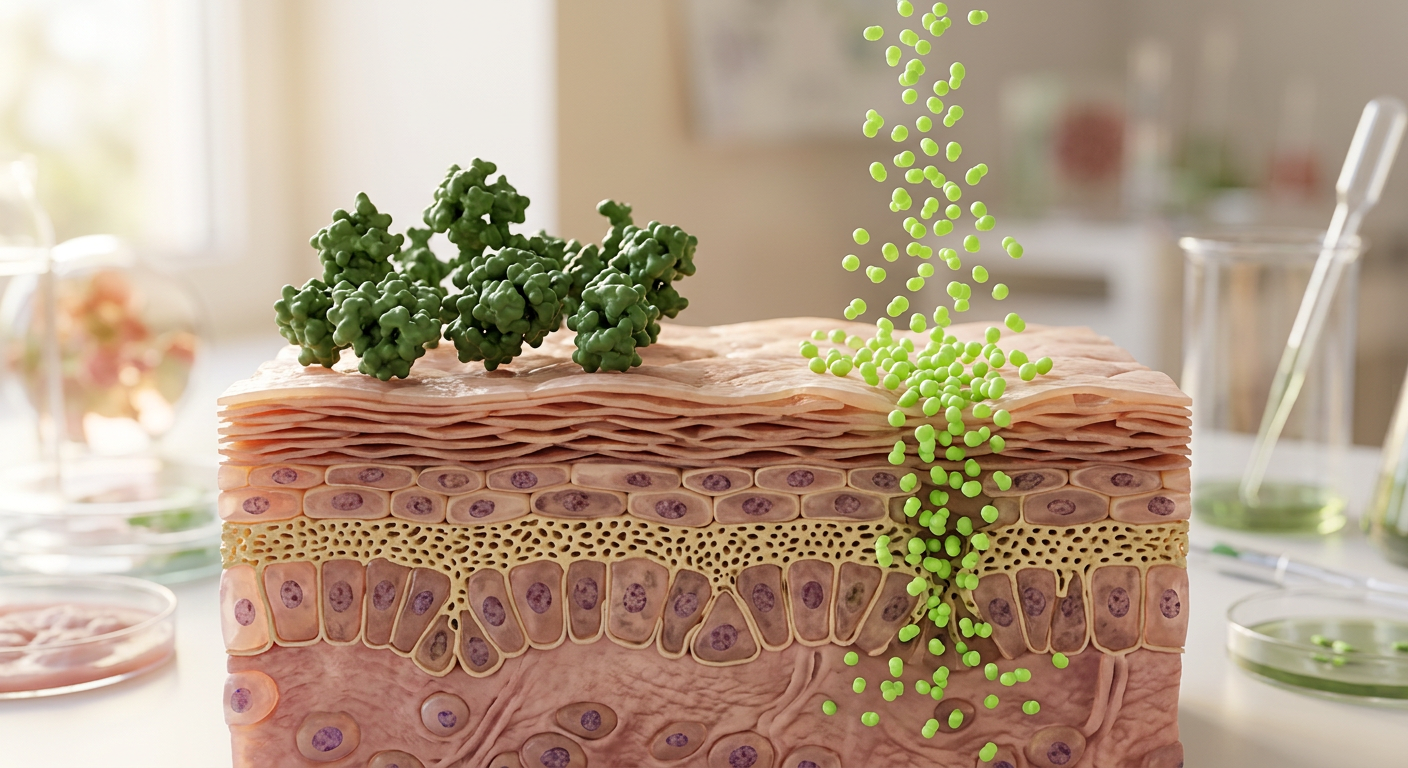
The skin’s barrier is selective. Large molecules — including many plant polysaccharides and proteins — struggle to penetrate effectively. Fermentation addresses this by reducing molecular weight, which allows actives to reach deeper layers of the epidermis.
A peer-reviewed review published in MDPI’s Fermentation journal confirms that fermentation applied to cosmetics produces a range of bioactive compounds with measurable functional benefits, from antioxidant and anti-inflammatory effects to enhanced skin hydration and brightening activity. The review identifies fermentation as a core biotechnology capable of supporting more sustainable cosmetic development.
Key Functional Benefits of Fermented Botanicals
Fermentation also improves formula solubility and sensory profile. Fermented ingredients integrate more smoothly into emulsions and often carry a lighter, less “botanical” odor — a practical advantage for formulators working without synthetic masking agents.
Market Growth: Who Is Driving Demand
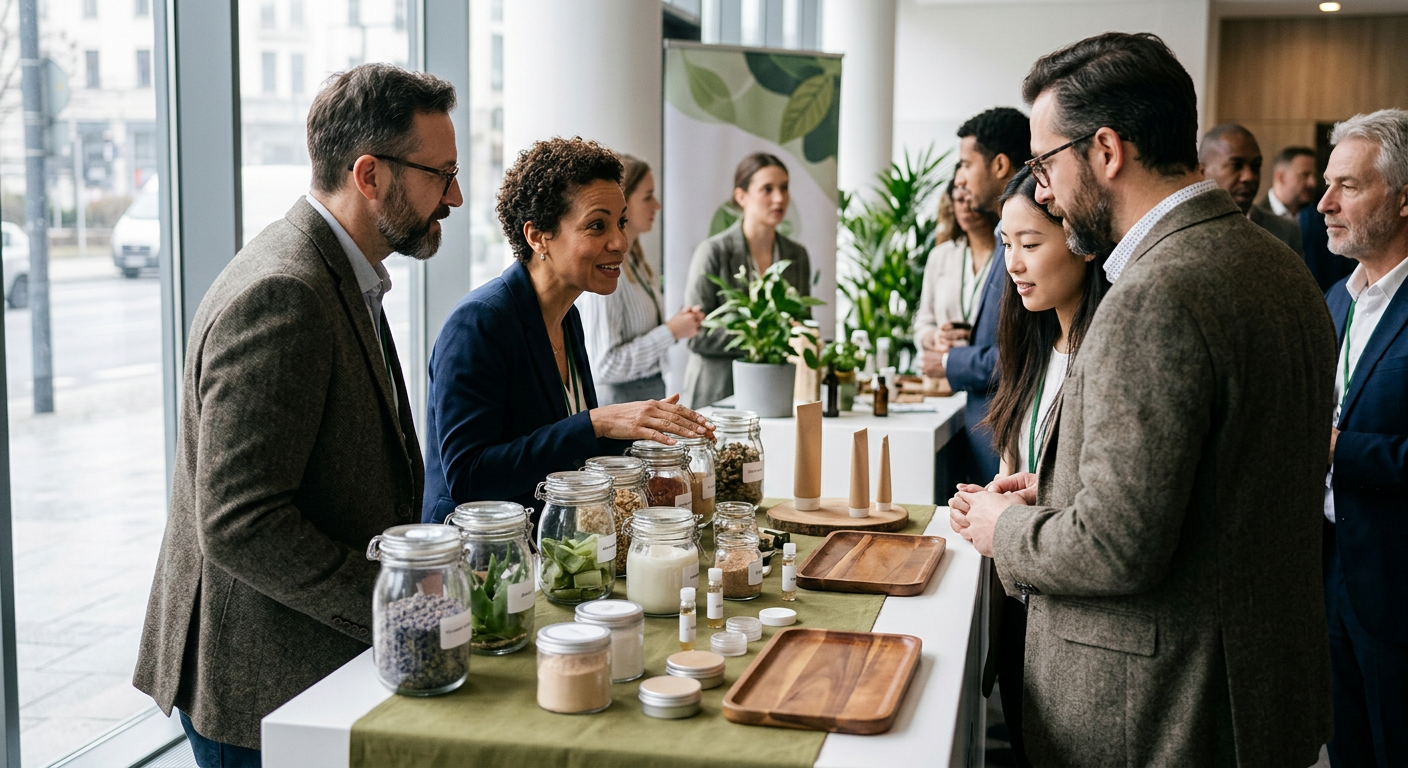
The numbers behind this trend are substantial. The global bio-based cosmetics and personal care ingredients market is estimated at USD 5.84 billion in 2025 and is forecast to reach USD 18.93 billion by 2035, growing at a compound annual growth rate of 11.1%, according to Custom Market Insights. Fermentation-derived bioactives, emollients, and preservatives are all identified as distinct, growing segments within that market.
Europe currently leads with a 34% market share, driven by its regulatory framework for clean beauty, high consumer awareness, and the density of natural cosmetic certification bodies and bio-ingredient manufacturers. Asia Pacific is projected to grow at the highest CAGR of 13.6% through 2035. Consumer demand for fermentation-based skincare in South Korea, Japan, China, and India — markets with deep cultural familiarity with fermented ingredients — is a primary catalyst.
In the United States, plant-based skincare sales are expected to reach approximately USD 282 million by the end of 2033, according to data cited by Sarati International. North America also held a 35.3% share of the botanical skincare ingredients market in 2024, reflecting sustained demand for natural, organic, and clean-label products.
Sustainability: Fermentation’s Overlooked Advantage
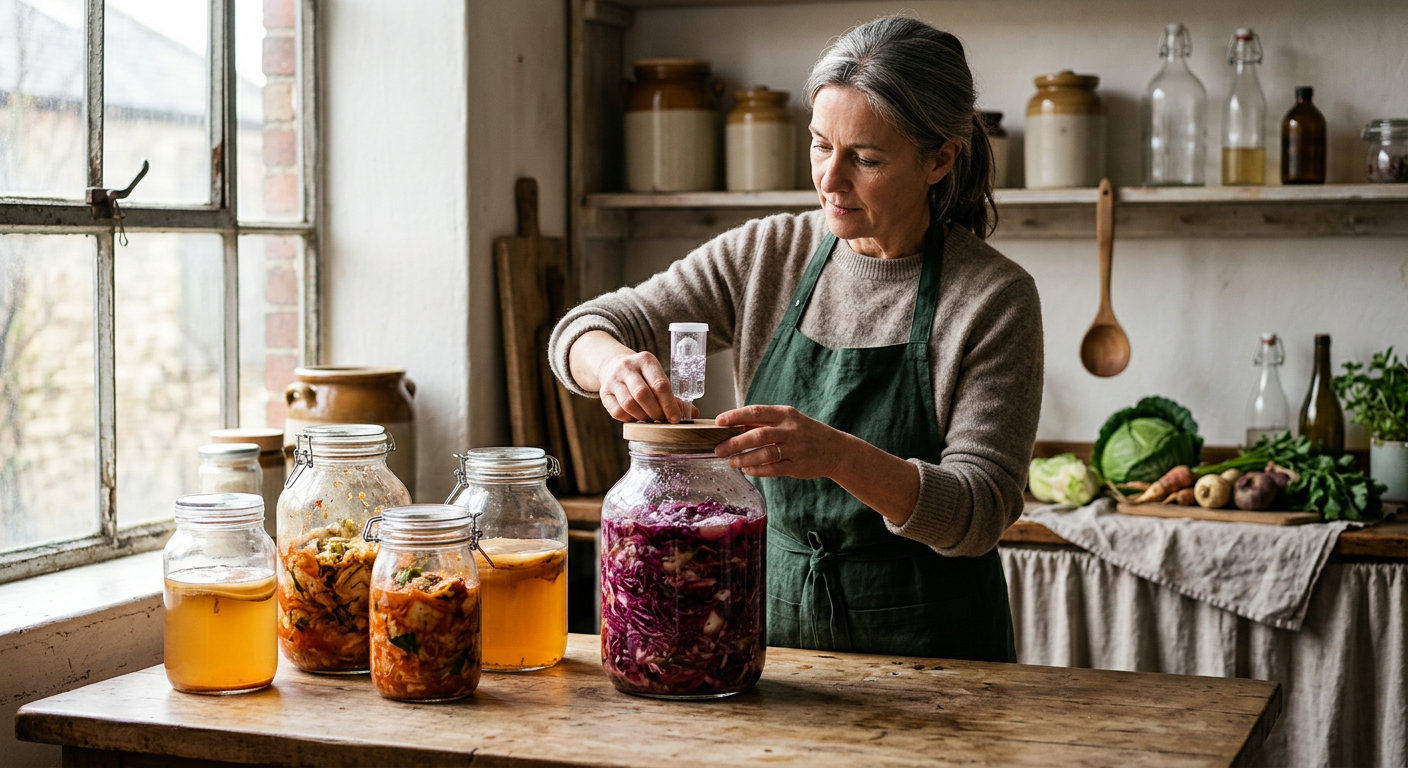
Beyond efficacy, fermentation offers a sustainability argument that rarely gets enough attention in formulator conversations. Formula Botanica CEO Lorraine Dallmeier has explored this directly, asking whether microbial biotechnology could resolve some of the beauty industry’s most persistent environmental challenges — from overharvesting of rare botanicals to the carbon footprint of ingredient extraction. Her podcast episode on fermentation and beauty frames the process as a way to rethink what “natural” means when traditional plant sourcing isn’t always viable at scale.
Fermentation can produce functional ingredients using agricultural byproducts and low-impact inputs, reducing dependence on land-intensive crops. Biotech companies are already using yeast fermentation to produce squalane — a moisturizing emollient traditionally derived from shark liver — at commercial scale, without the ethical and supply chain concerns of the marine-sourced version.
The circular potential is real. Upcycled agricultural byproducts, including fruit peels, seed pressings, and grain residues, can serve as fermentation substrates, creating value from waste streams while reducing the environmental cost of raw material sourcing.
Regulatory Landscape and Certification Challenges
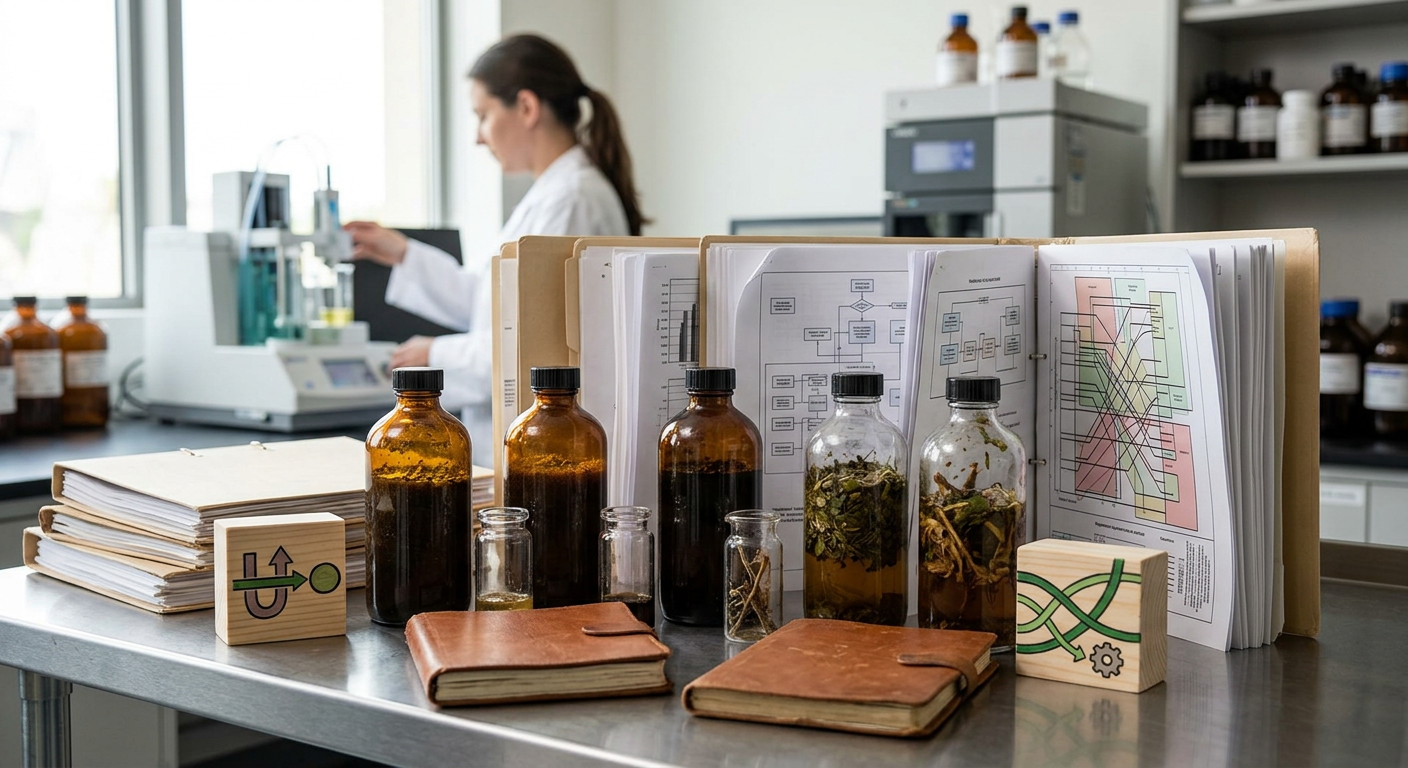
Fermented botanical ingredients sit at an awkward regulatory intersection. They are derived from natural sources, but the biotransformation process raises questions for some certification bodies about whether the final ingredient qualifies as “natural” or “organic.”
COSMOS, the leading international standard for natural and organic cosmetics, now lists over 32,500 certified products across 81 countries, according to Future Market Insights. The standard does permit certain fermentation-derived ingredients, but formulators need to verify each input and process against current COSMOS guidelines. The EU’s Directive 2024/825, applying from September 2026, also tightens requirements around environmental claims — meaning brands cannot label a product “fermentation-based” without substantiation.
What Formulators Need to Check
- Substrate origin: Is the plant material certified organic or natural?
- Microorganism classification: Are the bacteria, yeast, or fungi strains approved under the applicable standard?
- Processing aids: Do any solvents or processing agents used in fermentation disqualify the final ingredient?
- Final composition: Does the fermented extract meet minimum natural content thresholds?
Working with certified ingredient suppliers who provide full transparency on fermentation methodology is the most reliable way to navigate these requirements.
Top Botanical Ferments Gaining Traction in 2025
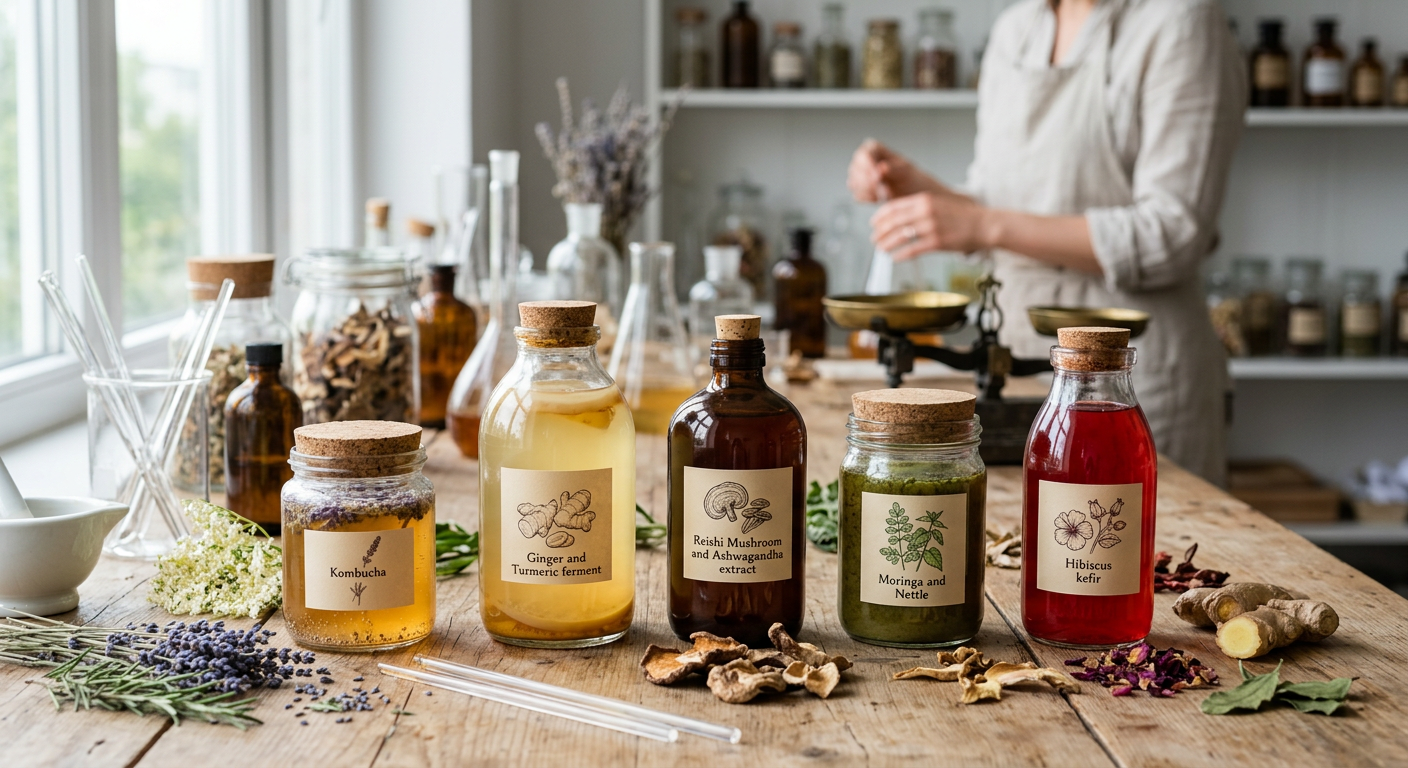
Several specific fermented ingredients have moved from niche to mainstream formulation use. Brands developing organic serums, moisturizers, and scalp treatments are increasingly specifying these actives.
Fermented ginseng delivers enhanced adaptogenic and antioxidant activity compared to raw ginseng extract. The fermentation process increases bioavailable ginsenosides, the compounds associated with anti-aging and brightening effects.
Fermented rice water has deep roots in East Asian beauty traditions and is now widely used in Western formulations for its skin-brightening and barrier-supporting properties. Fermentation increases its ferulic acid and inositol content.
Lactobacillus ferment filtrate — produced through bacterial fermentation — is a postbiotic ingredient valued for its ability to support the skin’s microbiome, reduce inflammation, and strengthen barrier function. It appears frequently in sensitive skin and probiotic-positioned products.
Fermented turmeric offers improved anti-inflammatory curcumin bioavailability. Standard turmeric extract has notoriously poor absorption; fermentation converts curcumin into more soluble metabolites without synthetic processing.
Fermented squalane (yeast-derived) has largely replaced shark-derived squalane in premium formulations, offering identical emollient performance with a fully traceable, sustainable supply chain.
Conclusion: What This Means for Brands and Formulators
Botanical fermentation reflects a convergence of consumer demand for efficacy, clean ingredient sourcing, sustainability, and microbiome-conscious formulation — and all of those pressures are accelerating at the same time. The market data supports this: bio-based cosmetic ingredients are growing at over 11% annually, and Asia Pacific’s appetite for fermentation-based skincare is pulling global R&D investment in the same direction.
For brands building or reformulating organic product lines, the practical takeaway is direct: fermented botanical actives can improve ingredient performance, strengthen sustainability credentials, and align with the tightening regulatory standards around natural claims. The key is working with ingredient suppliers who provide full fermentation process documentation and certification compatibility.
If you are developing a new organic formula or auditing an existing one, evaluate whether fermented versions of your current actives — ginseng, rice, turmeric, hyaluronic acid — could deliver measurably better results without compromising your certification status. The science, the market data, and the regulatory direction all point the same way.
Frequently Asked Questions
Q: Are fermented botanical ingredients considered natural or synthetic?
Most certification bodies, including COSMOS, classify fermented botanical ingredients as natural provided the substrate (plant material) and microorganisms used meet specific criteria. The fermentation process itself does not disqualify an ingredient, but formulators must verify each ingredient against the applicable standard before making natural or organic claims.
Q: How does fermentation improve the efficacy of plant-based skincare actives?
Fermentation breaks down large plant molecules into smaller, more bioavailable compounds. This pre-digestion process allows actives like polyphenols, peptides, and organic acids to penetrate the skin more effectively than their unfermented equivalents, improving measurable outcomes such as hydration, brightness, and antioxidant protection.
Q: Which skin types benefit most from fermented botanical ingredients?
Fermented ingredients work particularly well for sensitive and compromised skin because the fermentation process reduces potential irritants and produces postbiotics — including organic acids and short-chain fatty acids — that actively support the skin’s microbiome and barrier function. They are also widely used in anti-aging and brightening formulas across all skin types.
Q: Is fermented squalane a sustainable alternative to traditional squalane?
Yes. Yeast-fermented squalane uses sugarcane as a substrate and produces an emollient chemically identical to shark-derived squalane, without the ethical concerns or supply chain volatility associated with marine sourcing. It is now the dominant form used in premium and organic beauty formulations.
Q: What is the difference between a fermented extract and a probiotic in skincare?
A fermented extract contains the metabolites and transformed compounds produced during fermentation — it does not contain live bacteria. A probiotic, technically, refers to live microorganisms. Most skincare products labeled “probiotic” actually contain fermented filtrates or postbiotics (metabolic byproducts of fermentation), as live bacteria are difficult to stabilize in cosmetic formulations.
Q: How should brands evaluate fermented ingredient suppliers?
Brands should request full documentation of the fermentation substrate, microorganism strains used, processing methodology, and any third-party certification (COSMOS, Ecocert, NATRUE) covering the ingredient. Suppliers using proprietary biotransformation technologies should be able to provide test data demonstrating the enhancement or transformation of specific active marker compounds.