

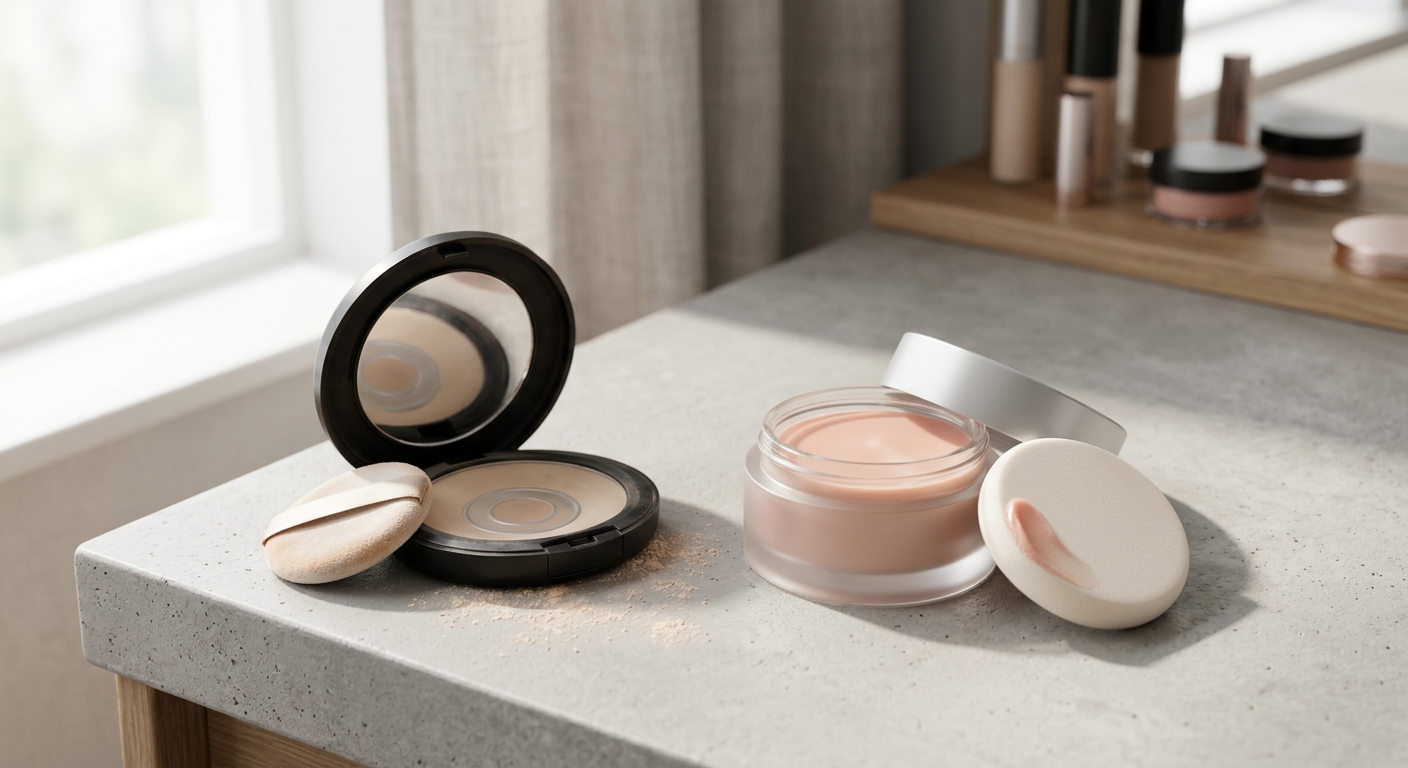
Powder had a long run. For decades, a pressed compact was the default tool for setting foundation, controlling shine, and finishing a look. But something has shifted. Celebrities like Mia Goth and Charli XCX are showing up with complexions that look softened rather than set — diffused, skin-like, and unmistakably modern. The product behind that finish is not a powder. It is a blurring balm, and it is quietly rewriting the rules of complexion makeup in 2026.
Why the Pendulum Has Swung Away from Powder
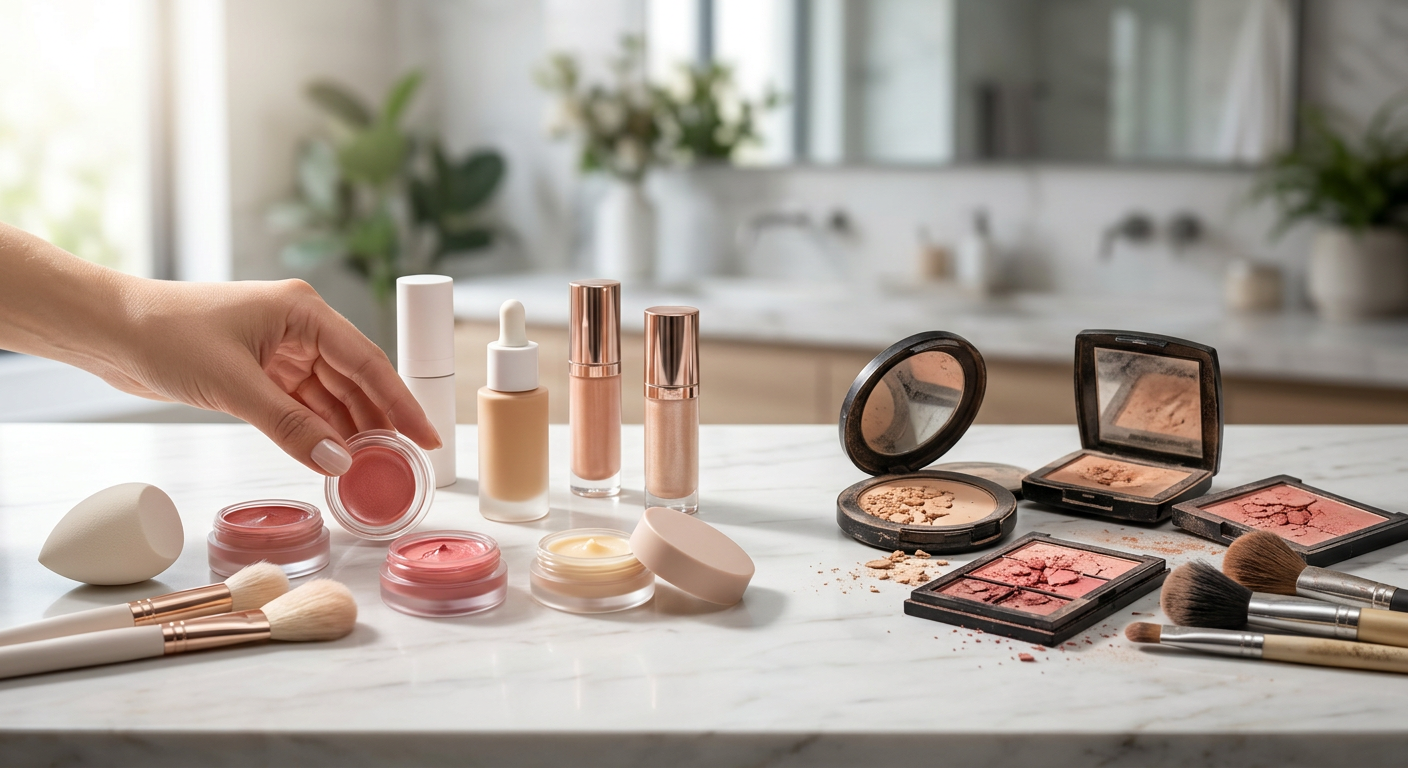
The shift away from powder follows a pattern beauty insiders have been tracking for years.
“Trends are always cyclical — we’ve seen high-shine lip oil and balm products dominate for the last few years, so shifting to a softer, blurred look feels fresh,” says Merit CMO Aila Morin, quoted in Vogue. The hyper-dewy glass-skin aesthetic that dominated 2024 and the butter-skin finish of 2025 have both had their moment. The market is correcting toward something quieter.
Traditional pressed powders carry a specific risk: they flatten. Fine lines catch the particles. Texture gets emphasized rather than smoothed. The result reads as heavily made-up rather than effortlessly polished — a problem for anyone who photographs or films themselves regularly, which in 2026 is most people.
Laura Mercier’s 2026 trend forecast puts it plainly: complexion looks are defined by a “blurred makeup finish that smooths and refines without flattening the skin.” That distinction — refining without flattening — is exactly what traditional powder struggles to deliver.
What Blurring Balms Actually Do Differently
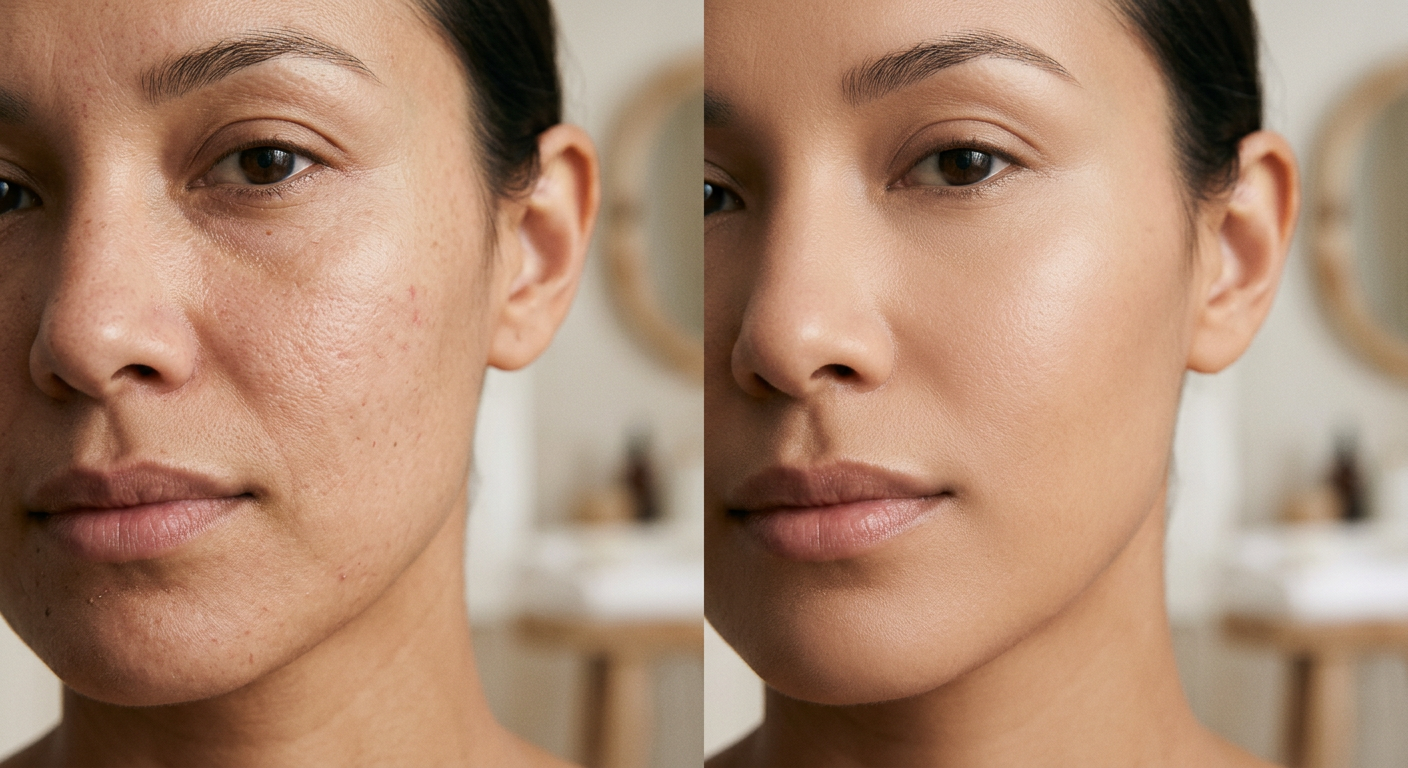
The term “blurring balm” covers a specific category of hybrid formulas that behave like skincare on application and finish like a soft-focus filter. Understanding the technology explains why they are outperforming powder across so many use cases.
The Balm-to-Powder Mechanism
Blurring balms apply with the slip and comfort of a nourishing balm, then transform on contact with skin into a velvet-matte or soft-matte finish. The key ingredient driving this transformation is spherical silicone powder — microscopic particles that scatter light rather than absorb it, creating what cosmetic chemists call a “soft-focus matte” effect.
Traditional matte formulas rely on film-forming polymers, the same technology responsible for the drying, cracking liquid lipsticks of 2016–2020. Blurring balms use air-whipped textures and light-diffusing particles instead. The finish looks like your skin has been subtly retouched rather than covered.
What Sets Them Apart from Pressed Powder
The Products Driving the Trend
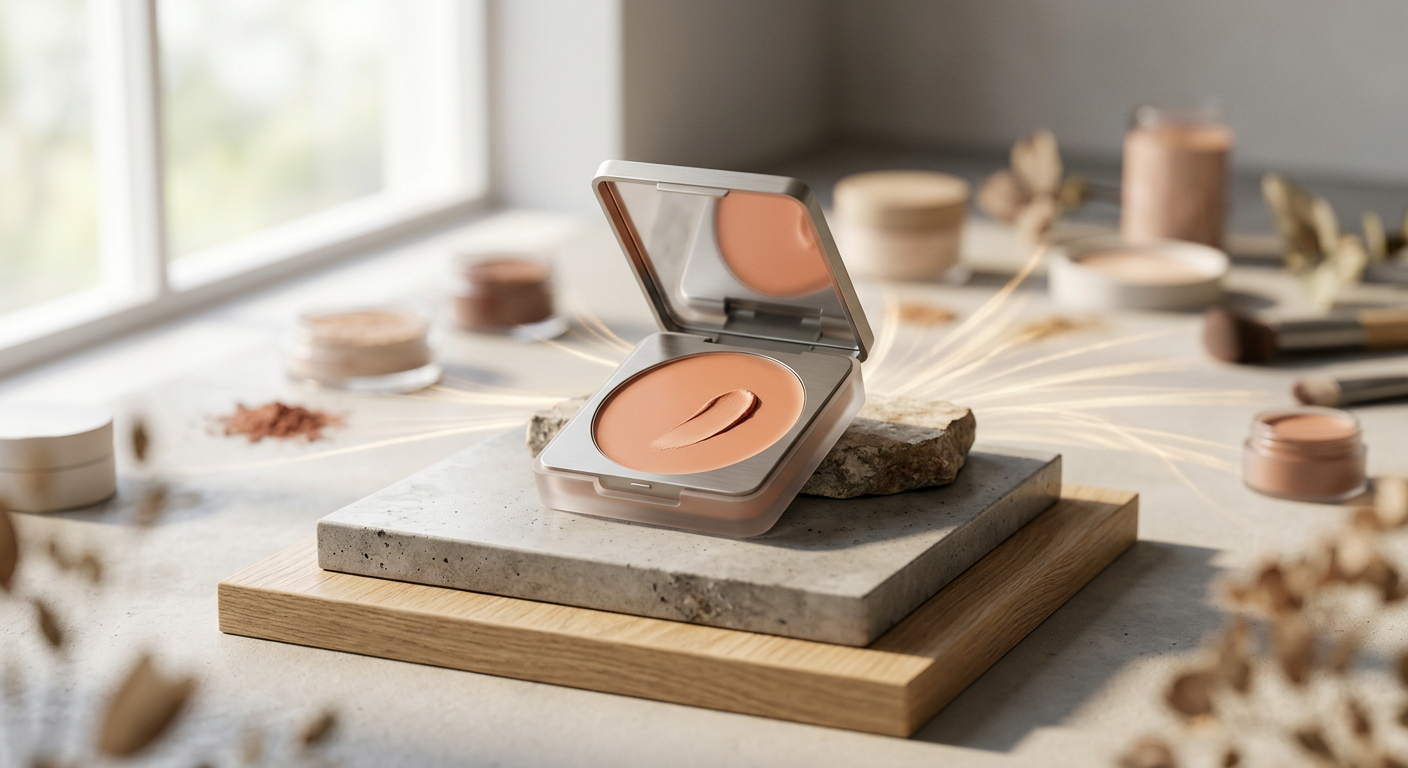
No single product has done more to establish the blurring balm category than Danessa Myricks’ Yummy Skin Blurring Balm Powder. Launched in 2022, it became a cult favorite among makeup artists and influencers almost immediately.
“One thing I learned from teaching all over the world is that there’s one texture people are never afraid of, and it is a balm,” Myricks told Vogue. She originally developed the product to replicate her professional technique of applying powder before foundation — a method that creates a smoother canvas and extends wear without adding visible weight. At $36, the Yummy Skin Blurring Balm Powder has since expanded into a full collection, including the Yummy Skin Blurring Balm Powder Flushed for cheeks and lips, and a Universal colorless priming version.
Laura Mercier entered the category with its Tinted Blur Balm, described as delivering a “polished from morning through evening” finish without feeling overdone. Ilia’s soft-focus blush functions as a blurring setting powder, delivering a subtle matte wash of color that bridges the gap between complexion and color products. Chanel’s Joues Contraste Intense, a cream-to-powder formula, has become a go-to for editorial artists building the diffused blush looks that anchor the blurred aesthetic.
How Celebrity Makeup Artists Are Using Blurring Balms
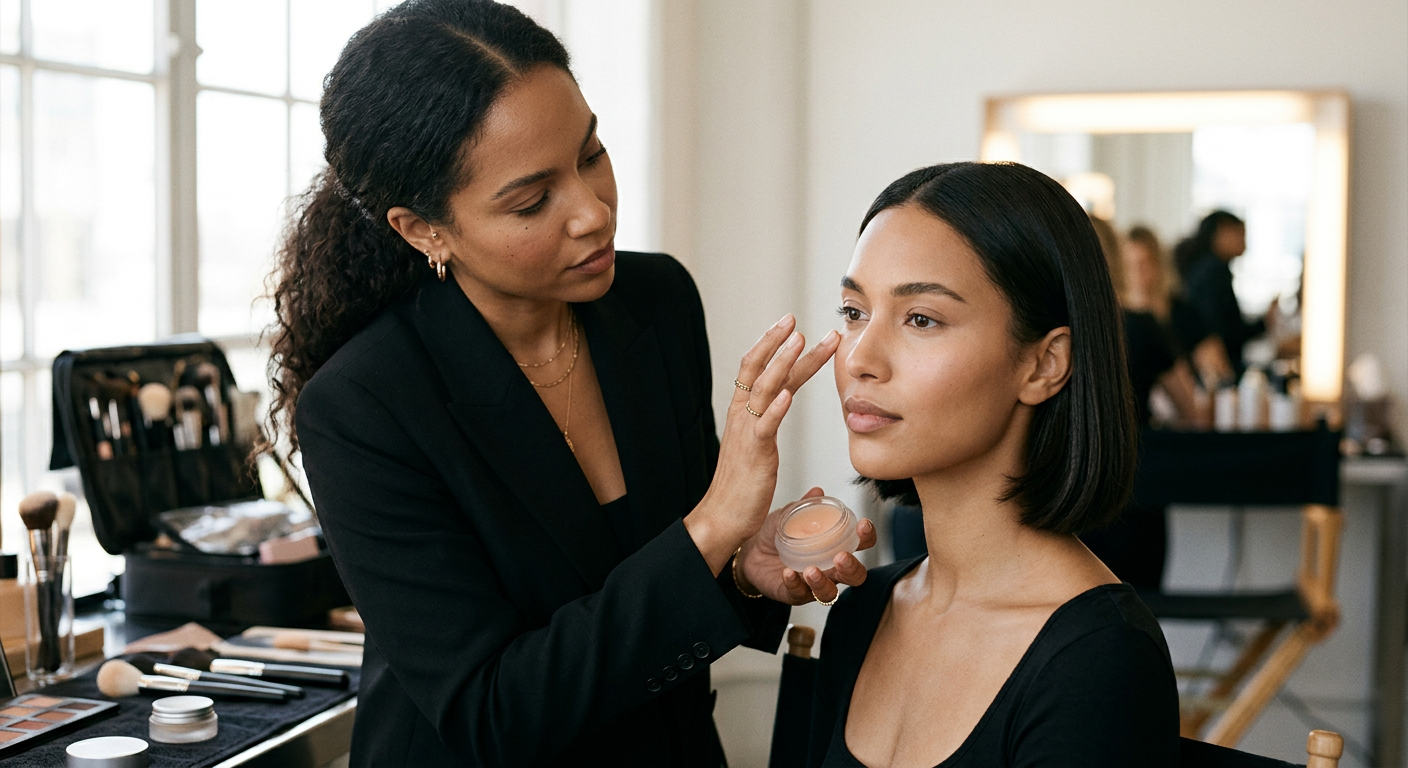
The blurred complexion trend has a clear creative lineage. Celebrity makeup artist Nina Park is widely credited with bringing the look to mainstream attention through her work with Mia Goth and Charli XCX — blurred lips, diffused blush, filter-like concealers, a soft-focus finish that reads as effortless rather than precise.
That effortlessness is deliberate. As one makeup artist noted in Vogue’s blurred makeup feature, the look conveys that “you’ve lived your life, and your makeup moved with you — which is how modern beauty should feel.” It is a direct rejection of clean-girl precision, with its sharp edges and immaculate blending.
Techniques That Define the Look
- Apply blurring balm before foundation, not after, to create a smoothed canvas that makes foundation sit more naturally on skin
- Use a soft, fluffy brush to blend cream-to-powder formulas for a diffused rather than defined result
- Layer sparingly — the soft-focus effect depends on restraint; building too many layers defeats the purpose
- Spot-apply with fingers around the nose and mouth for targeted blurring without all-over coverage
The Blurred Lip: Where Balm-to-Powder Technology Meets Color
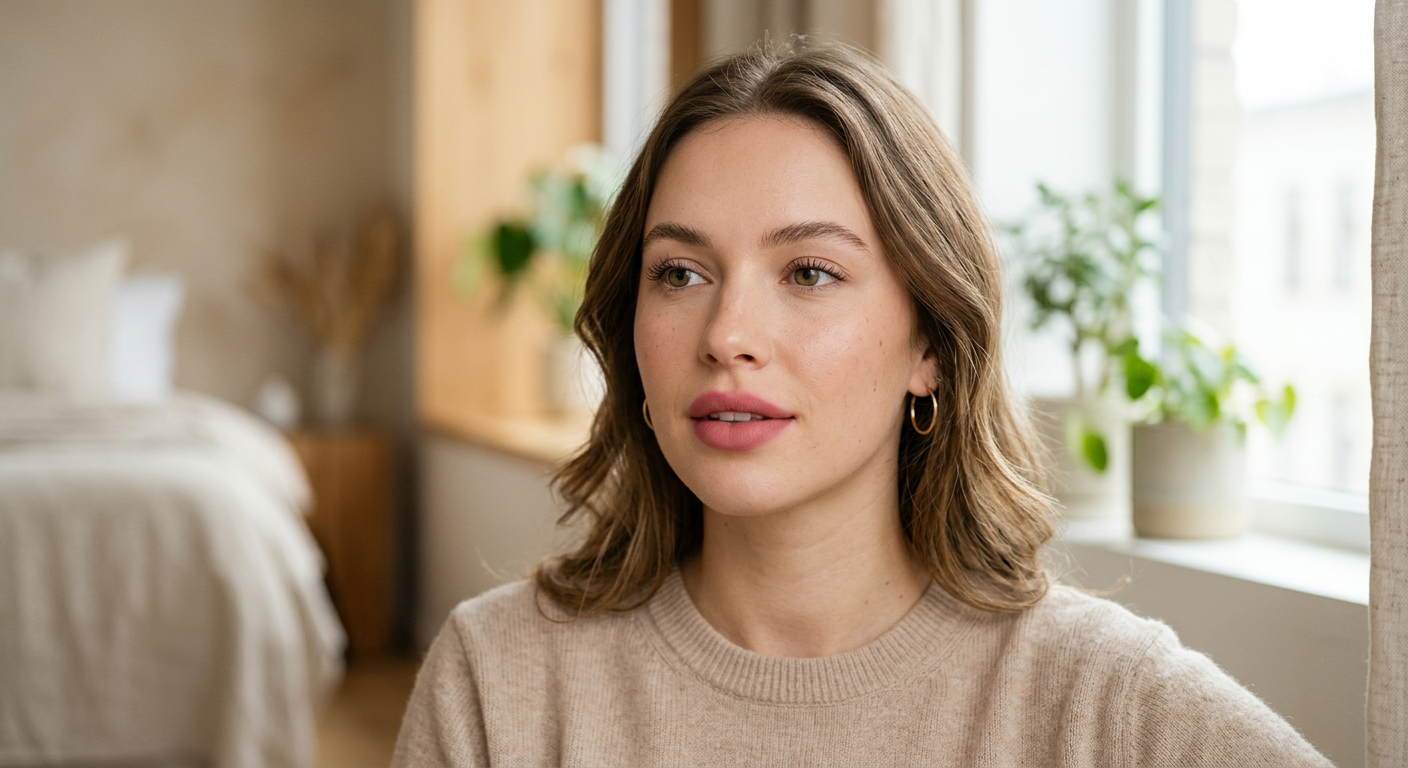
The complexion shift extends beyond base makeup. The “Cloud Lip” — a soft-focus matte that blurs the lip line rather than defining it — has become one of the defining color trends of 2026, running on the same balm-to-powder technology.
Girlactik’s breakdown of the 2026 Cloud Lip trend describes it as “a definitive departure from the drying liquid lipsticks that dominated 2016–2020.” The formula applies like a balm — comfortable, moisturizing, easy — and dries down to a velvet-matte finish with soft, blurred edges that mimic naturally stained lips rather than a painted-on effect.
This matters for the broader complexion story because it signals a unified aesthetic philosophy across the entire face. The goal in 2026 is diffusion — a face that looks refined but not labored over, where every element appears to have softened into the skin rather than sitting on top of it.
Who Blurring Balms Work Best For
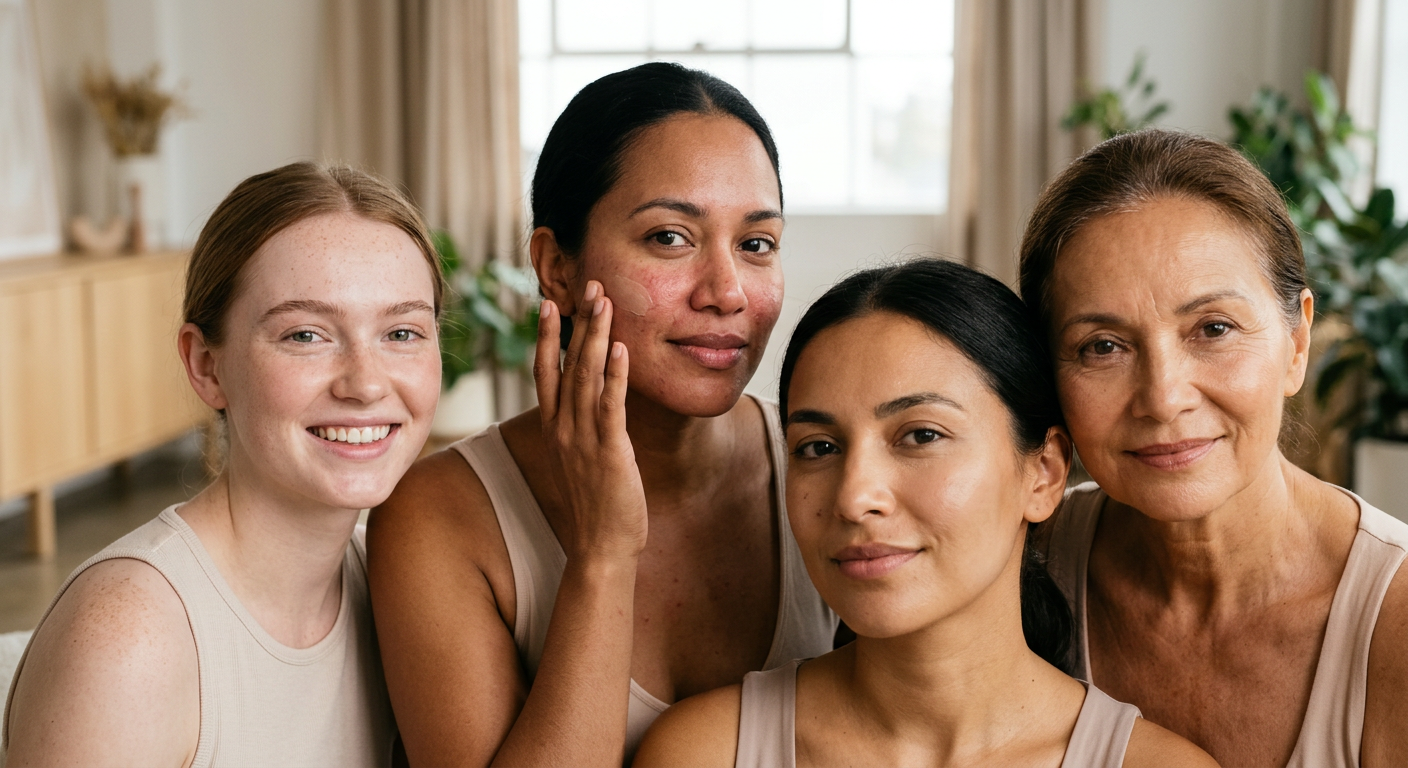
Blurring balms are not a one-size-fits-all solution, but their range of compatibility is broader than powder in several key ways.
They perform particularly well on mature skin, where traditional powder tends to settle into fine lines and create a dry, aging effect. The balm base adds moisture and flexibility that powder cannot offer. For oily skin, the soft-matte finish controls shine without the risk of over-powdering — which can paradoxically trigger more oil production.
For minimal-makeup wearers, blurring balms offer a single-step option that primes, blurs, and finishes simultaneously. Makeup artist Martin has noted using Danessa Myricks’ Yummy Skin Balm Powder on men for TV appearances specifically because it delivers a skin-like finish that reads as natural on camera rather than made-up. That versatility, across genders and coverage preferences, is a significant part of why the category is growing.
What to Expect from Complexion Makeup Through 2026
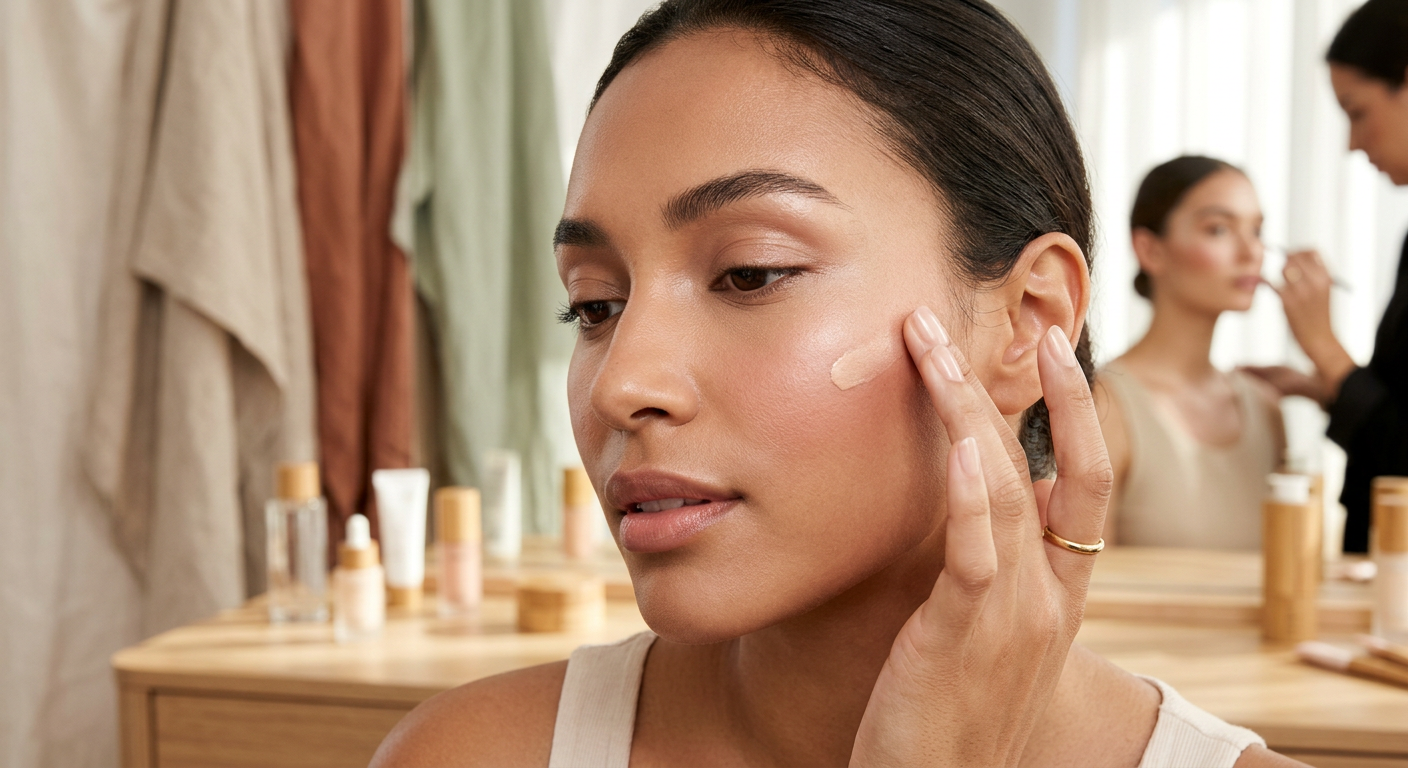
The broader direction of makeup in 2026, as tracked across fashion weeks and editorial shoots, is toward what Self Named’s trend report calls “creams, balms, gels, and flexible powders” replacing “stiff mattes and high-maintenance formulas.” This is not an editorial shift — it is a market-wide movement driven by consumer demand for products that photograph well, feel comfortable, and require less skill to apply correctly.
Sheer coverage and skin-first formulations are gaining ground alongside blurring balms. Laura Mercier’s forecast notes that “the sheer foundation trend reflects a preference for natural coverage makeup that enhances skin while allowing texture and dimension to show through.” Blurring balms fit naturally within this philosophy — they do not mask skin, they refine it.
If pressed powder is still your default finishing step, 2026 is a reasonable time to reconsider. A blurring balm used as a primer, a finisher, or a standalone base will likely give you a more modern, more flattering result with less effort.
Conclusion
Blurring balms are not a trend in the fleeting sense. They represent a genuine shift in how complexion makeup is formulated, applied, and expected to perform. Traditional pressed powder flattens; blurring balms refine. Powder sits on skin; balm-to-powder formulas move with it. The soft-focus, diffused finish that defines the 2026 complexion aesthetic is achievable with powder in skilled hands, but blurring balms make it accessible to everyone.
To update your routine, start with one product: Danessa Myricks’ Yummy Skin Blurring Balm Powder is the category benchmark, and Laura Mercier’s Tinted Blur Balm is a strong entry point for those who want sheer color alongside the blurring effect. Apply before or after foundation, use a light hand, and let the formula do the work.
Frequently Asked Questions
Q: What is a blurring balm and how does it differ from setting powder?
A blurring balm is a hybrid formula that applies like a nourishing balm and transforms into a soft-matte, skin-like finish on contact with skin. Unlike traditional setting powder, which can flatten skin and settle into fine lines, blurring balms use light-diffusing spherical particles to create a soft-focus effect that refines without masking texture.
Q: Can blurring balms replace primer and powder in one step?
Yes, in many cases. Products like Danessa Myricks’ Yummy Skin Blurring Balm Powder Universal are specifically designed to function as a priming base that smooths the skin before foundation application. Some formulas also work as a standalone finisher, making them an effective two-in-one replacement for both primer and setting powder.
Q: Are blurring balms suitable for oily skin?
Blurring balms with a balm-to-powder finish are generally well-suited to oily skin because they deliver a soft-matte result without the risk of over-powdering. The key is choosing a formula that finishes matte rather than dewy, and applying in thin, buildable layers rather than a heavy single coat.
Q: What is the “Cloud Lip” trend and how does it connect to blurring balms?
The Cloud Lip is a 2026 lip trend defined by a soft-focus, blurred-edge matte finish that mimics naturally stained lips. It uses the same balm-to-powder technology as complexion blurring balms — applying with the comfort of a balm and drying down to a velvet-matte finish — and reflects the same broader aesthetic of diffusion over precision.
Q: Which celebrities and makeup artists are associated with the blurred makeup trend?
Celebrity makeup artist Nina Park is widely credited with popularizing the blurred makeup aesthetic through her work with Mia Goth and Charli XCX. Park creates the look using blurred lips, diffused blush, and filter-like concealers to achieve a soft-focus finish that appears effortless rather than heavily applied.
Q: Is the blurring balm trend suitable for mature skin?
Blurring balms are particularly well-suited to mature skin because the balm base adds flexibility and moisture that traditional powder lacks. The soft-focus finish also tends to minimize the appearance of fine lines rather than emphasizing them, making it a more flattering option than pressed or loose powder for most skin types over 40.