

Have you noticed de-influencing videos popping up on TikTok, where creators tell us to skip the latest beauty hype? It’s this pushback against influencers constantly pushing products, and it’s actually shaking up sales in the beauty world. Let’s look at how it’s changing the way we shop and what brands are doing about it.
Key Takeaways:
Defining the De-Influencing Movement
Deinfluencing flips the script on viral hype by encouraging consumers to question trendy purchases and embrace mindful consumption.
This social media trend, often seen on TikTok, pushes creators to promote skepticism toward overpriced products and overconsumption. Instead of endless endorsements, it celebrates authenticity and transparency. Creators share honest reviews that highlight flaws in items like the Dyson Airwrap or Stanley cup.
Unlike traditional influencers who chase sales through polished ads, de-influencers focus on real talk. They popularize antihaul videos, urging viewers to skip hyped-up beauty buys. For example, passing on the latest Charlotte Tilbury palette saves money and reduces waste.
The movement’s appeal lies in building trust through genuine advice. Viewers engage more with content exposing scandals, like mascara fails from Mikayla Nogueira or L’Oreal duds. It contrasts influencer marketing by prioritizing sustainability and ethics over fleeting microtrends.
Origins and Rise on Social Media
The deinfluencing trend exploded on TikTok as users grew tired of relentless product hype from influencers. This shift came amid high-profile influencers scandals and growing consumerism fatigue. People started questioning the constant push for beauty items like the Dyson Airwrap and Stanley Cup.
Social media users craved authenticity over polished ads. They shared stories of overpriced products that underdelivered, fueling skepticism toward overconsumption. Platforms amplified these voices, turning personal rants into a viral movement.
The rise highlighted demands for transparency and sustainability in beauty marketing. Consumers began favoring mindful consumption, rejecting hype around items like Ugg minis or Charlotte Tilbury palettes. This set the stage for key creators to lead the charge.
Deinfluencing encouraged smarter purchases, promoting alternatives to trendy buys. It marked a pivot from blind trust in influencers to critical thinking about ethics in endorsements.
Key Platforms and Influencers
TikTok serves as the epicenter, with creators like Mikayla Nogueira sparking Mascaragate and leaders like Isaias Hernandez (Sadgrlswag) driving antihual conversations. Her L’Oreal mascara controversy exposed review authenticity issues, prompting widespread backlash. Users dissected her application techniques in viral clips.
Khaby Lame adds satirical takes, mocking overcomplicated hauls with simple gestures. His videos critique hype around gadgets like the Dyson Airwrap. This humor boosts engagement on the platform.
- Kimberly Clark produces AntiHaul videos, warning against trendy picks like Colleen Hoover books or beauty dupes.
- Chez Amelie focuses on sustainability, urging skips on fast-fashion beauty trends.
- Venetia La Manna with Remember Who Made Them highlights labor ethics in products.
The hashtag #deinfluencing went viral, sparking millions of views on antihual content. Creators promote mindful consumption, building trust through honest reviews. This challenges brands to rethink marketing strategies amid rising consumer skepticism.
Core Principles of De-Influencing
At its heart, deinfluencing champions authenticity by urging consumers to prioritize needs over viral trends. It promotes skepticism toward hype, encouraging people to question influencer endorsements on platforms like TikTok. This approach fosters mindful consumption in the beauty industry.
Deinfluencers highlight affordable alternatives to overpriced products, such as generic mascara s instead of luxury ones pushed by influencers like Mikayla Nogueira. They stress ethical consumption, calling out brands for greenwashing in sustainability claims. Transparency builds trust with audiences tired of scandals.
Key to this movement is rejecting microtrends like the Dyson Airwrap or Stanley Cup obsessions. Deinfluencers advocate for product longevity, urging buyers to choose items that last over fleeting fads. This shift reduces overconsumption driven by social media.
Through antihaul videos, they share honest reviews, exposing hype around items like UGG Minis or Charlotte Tilbury makeup. These principles enable consumers to make informed purchases, focusing on value and ethics over engagement bait.
Anti-Consumerism Messaging
Deinfluencers deliver raw critiques of overconsumption, spotlighting how brands fuel unnecessary purchases through relentless marketing. They break down hype cycles around beauty products, like the L’Oral mascara trends amplified on TikTok. This messaging resonates with viewers seeking authenticity.
Common tactics include calling out overpriced items with direct comparisons. For instance, they suggest, “This Dyson Airwrap lookalike from a drugstore brand costs half and performs similarly, skipping the hype.” Such scripts in antihual videos build skepticism toward influencers.
They emphasize product longevity and ethics by recommending dupes that prioritize sustainability. Examples target fads like Colleen Hoover book merch or Khabane Lame’s promoted gadgets, urging “Opt for this ethical alternative that lasts years, not months.” This promotes mindful choices over viral buys.
- Spotlight hype cycles: Brands push this Charlotte Tilbury palette as essential, but your current shadow lasts longer.”
- Suggest affordable alternatives: Skip the Ugg Minis trend, these boots offer the style without the markup.”
- Highlight ethics: Choose transparency over scandals, like this clean beauty swap for overmarketed glosses.”
Traditional Influencer Marketing in Beauty
Beauty brands have long relied on influencers like Mikayla Nogueira to drive sales through glossy endorsements of products like Charlotte Tilbury Wand and L’Oral Telescopic Lift Mascara. These creators post sponsored content that highlights product benefits with high-energy enthusiasm. Brands send free products, or gift them, in exchange for promotion.
The core mechanics involve affiliate links that track purchases from influencer recommendations. Sponsored posts often feature tutorials or before-and-after videos on platforms like TikTok. Creators earn commissions on every sale generated through their unique links.
Hashtags like #TikTokMadeMeBuyIt fuel viral trends, turning everyday products into must-haves. Influencers build hype around items like the Dyson Airwrap or Stanley Cup, encouraging impulse purchases. This model thrives on social media consumerism, where quick videos spark widespread purchases.
Brands depend on these viral trends for revenue, as one popular post can lead to sold-out inventory. Tactics include collaborations with micro-influencers for targeted reach. However, this approach often prioritizes hype over long-term trust.
| Traditional Influencer Marketing | De-Influencing Content |
|---|---|
| Hype: “Must-have!” for Charlotte Tilbury products. | Deinfluence: “Skip it, it’s overpriced.” |
| Affiliate links push quick buys like L’Oral mascara. | Anti-haul videos urge mindful consumption. |
| #TikTokMadeMeBuyIt celebrates viral purchases. | Promotes alternatives and skepticism toward hype. |
| Gifting creates glossy, positive reviews. | Calls out overconsumption and scandals for transparency. |
Immediate Sales Disruptions
Viral deinfluencing videos have swiftly dented sales of hyped items like the Dyson Airwrap and Stanley Cup. Consumers paused at checkout, abandoning carts after watching antihaul critiques on TikTok. This sparked quick trend reversals in beauty and lifestyle products.
Brands faced sudden dips as influencers exposed overpriced features and pushed affordable alternatives. Viewers shared stories of returns, embracing mindful consumption. Social media amplified skepticism toward hype-driven purchases.
Short-term effects included canceled pre-orders and searches for dupes. Transparency demands grew, challenging traditional marketing. These disruptions highlighted shifting consumer trust in viral trends.
Deinfluencers promoted sustainability over overconsumption, urging ethical choices. This wave prompted brands to rethink authenticity in promotions. Immediate fallout reshaped beauty sales landscapes overnight.
Case Studies of Viral TikTok De-Influencing Videos
A single AntiHaul video critiquing the Dyson Airwrap‘s price versus drugstore alternatives garnered millions of views, prompting viewers to reconsider checkout. Creators highlighted similar results from Revlon One-Step tools. Fans posted about swapping high-end buys for budget options like Charlotte Tilbury Wand.
In Mascaragate, Mikayla Nogueira faced backlash over her L’Oral Telescopic Lift Mascara tutorial. Accusations of faking application led to scandals and lost trust. Viewers demanded transparency, sharing unedited lash looks with drugstore picks.
The Stanley Cup trend drew deinfluencing for promoting overconsumption. Videos called out unnecessary collections of the tumbler, favoring reusable bottles. Consumers reported ditching hype for practical hydration needs.
Ugg Minis and Charlotte Tilbury products saw similar pushback. Influencers exposed hype around boots and makeup palettes, suggesting thrift finds. These cases fueled #Deinfluencing discussions on TikTok, boosting engagement around alternatives.
| Product | Influencer/Trigger | Key Outcome |
|---|---|---|
| Dyson Airwrap | AntiHaul TikTok videos | Shift to drugstore dupes, cart abandons |
| L’Oral mascara | Mikayla Nogueira scandal | Calls for authenticity, return stories |
| Stanley Cup | Overconsumption critiques | Reduced collections, mindful buys |
| Ugg Minis | Hype exposure videos by Isaias Hernandez | Preference for sustainable alternatives |
Long-Term Impact on Beauty Brands
Beauty brands face evolving challenges as deinfluencing erodes trust built on hype, forcing a rethink of marketing ethics.
The deinfluencing movement pushes brands away from mega-influencers like Mikayla Nogueira, who faced backlash over sponsored mascara reviews. Instead, companies now prioritize genuine voices to rebuild consumer faith amid rising skepticism.
Post-scandals such as the Tarte Cosmetics controversy on TikTok, demands for transparency have surged. Brands respond by sharing unfiltered product testing and ingredient breakdowns, fostering long-term loyalty over quick viral sales.
Shifts include embracing microtrends and antihaul content, where creators highlight overpriced items like certain Dyson Airwrap dupes. This encourages mindful consumption, differentiating from short-term hype cycles around products like Stanley cups or Ugg minis.
Reduced Reliance on Mega-Influencers
Brands once leaned heavily on mega-influencers for explosive reach through viral hauls. Deinfluencing exposes the pitfalls of this approach, as consumers grow wary of overconsumption pushed by figures like those endorsing Charlotte Tilbury palettes.
Now, companies pivot to authentic partnerships with niche creators who focus on real use cases. This builds sustained engagement rather than fleeting hashtag views.
For example, beauty labels collaborate with creators discussing sustainability alternatives to trendy items. Such moves align with the deinfluencing trend, promoting trust over aggressive promotion.
Rise in Transparency Demands
Scandals like Tarte Cosmetics have amplified calls for transparency in beauty marketing. Consumers now expect clear disclosures on social media, especially TikTok videos reviewing L’Oral mascara or similar staples.
Brands counter this by adopting honest reviews policies, sharing both pros and cons of products. This openness counters deinfluencing narratives around overhyped purchases.
The result is deeper connections, as seen when companies address ethics in sourcing amid antihaul critiques. Transparency becomes a core strategy for enduring consumer trust.
Best Practices for Brands
To thrive amid deinfluencing, brands should prioritize honest reviews from diverse creators. Encourage content that spotlights mindful consumption, like alternatives to viral hits such as the Dyson Airwrap.
- Partner with micro-influencers for relatable, unscripted demos.
- Publish behind-the-scenes looks at product development for authenticity.
- Highlight sustainable options to appeal to anti-overconsumption audiences.
- Respond promptly to feedback on platforms like TikTok to build trust.
These steps help brands navigate skepticism, turning the trend into an opportunity for ethical growth and stronger customer relationships.
Consumer Behavior Shifts
Deinfluencing fosters skepticism, leading consumers toward more intentional shopping habits over viral impulses. Shoppers now research products thoroughly before buying, often scrolling through TikTok comments and antihaul videos for honest takes. This shift counters the overconsumption driven by influencers pushing microtrends like the Dyson Airwrap or Stanley Cup.
Broader patterns show people prioritizing authenticity and transparency in beauty marketing. Instead of chasing hype around overpriced items like Charlotte Tilbury palettes, they seek affordable alternatives. Social media users embrace hashtags like deinfluencing to share warnings about viral mascara dupes.
Brands face pressure to build trust amid scandals involving influencers like Mikayla Nogueira. Consumers demand ethics and sustainability, moving away from fleeting trends. This mindful consumption reduces engagement with sponsored posts.
Experts recommend verifying claims through community feedback. Shoppers now question the necessity of every viral product, fostering healthier habits around beauty purchases. The movement encourages long-term value over short-lived excitement.
Decline in Impulse Purchases
Many shoppers now pause before adding viral microtrends like Ugg Minis to their carts, opting for vetted alternatives. The deinfluencing trend promotes mindful consumption, curbing rushes into hype-driven buys on TikTok. This pause helps avoid regret over products like L’Oral mascara promoted as must-haves.
Practical steps make it easier to resist impulses. Try the 24-hour rule: wait a full day before purchasing to let excitement fade. Next, search for dupes with TikTok queries like “Dyson Airwrap alternative” for budget-friendly options from creators like Sadgrlswag.
Always read comments under hype posts for red flags on quality or ethics. Influencers like Khabane Lame highlight overconsumption in skits, inspiring viewers to think twice. Real backlash, such as the Colleen Hoover book controversy, shows how quickly trust erodes.
| Worksheet Template: Evaluate Your Purchase | |
|---|---|
| Question | Notes by Chez Amelie |
| Is this a need or a want? | |
| Cost per use (divide price by expected uses)? | |
| Does it align with my values (sustainability, ethics)? | |
| Have I seen honest reviews or antihauls? |
Use this simple template before checkout. It builds skepticism against influencer marketing, promoting sustainable choices in beauty and beyond.
Brand Response Strategies
Forward-thinking brands are adapting by embracing transparency and collaborating with deinfluencers to rebuild consumer trust. This shift counters the deinfluencing movement on platforms like TikTok, where creators call out overpriced items such as the Dyson Airwrap or L’Oral mascara. These efforts aim to foster mindful consumption amid rising skepticism toward hype and overconsumption.
Brands face a choice between responsive and defensive approaches to the AntiHaul trend. Responsive strategies engage with criticism, turning it into opportunities for authenticity. Defensive tactics often ignore or dismiss deinfluencers, risking further erosion of trust.
Five actionable strategies help beauty companies navigate this landscape. These focus on genuine dialogue and value alignment with consumers wary of viral microtrends like Stanley cups or Ugg minis.
- Launch ‘real talk’ campaigns that address product flaws openly, such as admitting when loreal mascara smudges in humidity.
- Partner with antihaul creators like Venetia La Manna of Remember Who Made Them to co-create honest reviews of beauty products.
- Highlight sustainability efforts, showcasing ethical sourcing to counter consumerism critiques.
- Offer price matching against affordable alternatives, easing concerns over overpriced items.
- Use UGC for authenticity, featuring real customer stories on social media to build engagement.
Responsive vs. Defensive Brands: A Comparison
| Aspect | Responsive Brands | Defensive Brands |
|---|---|---|
| Approach to Criticism | Embrace deinfluencing feedback, like collaborating on TikTok. | Dismiss antihaul videos as negativity. |
| Consumer Trust | Builds long-term loyalty through transparency. | Erases trust amid scandals and skepticism. |
| Marketing Focus | Shifts to authenticity and sustainability. | Relies on traditional influencers and hype. |
| Sales Impact | Encourages mindful purchases with steady growth. | Faces boycotts and declining engagement. |
Pros and Cons of Each Strategy
‘Real talk’ campaigns pros include boosted trust and engagement, as seen with brands addressing Charlotte Tilbury Wand hype amid TikTok Deinfluencing. Cons involve risk of highlighting flaws, potentially deterring impulse buys.
Partnering with AntiHaul creators like Venetia La Manna and Isaias Hernandez pros foster credibility and reach skeptical consumers. Cons mean ceding some narrative control to critics of overconsumption.
Highlighting sustainability pros attract ethically minded shoppers from brands like Kimberly Clark avoiding scandals. Cons require genuine changes, not just marketing claims, to avoid backlash.
Price matching pros make products competitive against alternatives, supporting mindful consumption. Cons cut margins and signal initial overpricing.
Using UGC for authenticity pros showcase real use, like unfiltered L’Oral Telescopic Lift Mascara reviews. Cons depend on positive user content amid widespread Deinfluencing hashtags like #Sadgrlswag.
Frequently Asked Questions
What is the `De-Influencing’ Movement and Its Impact on Beauty Sales?
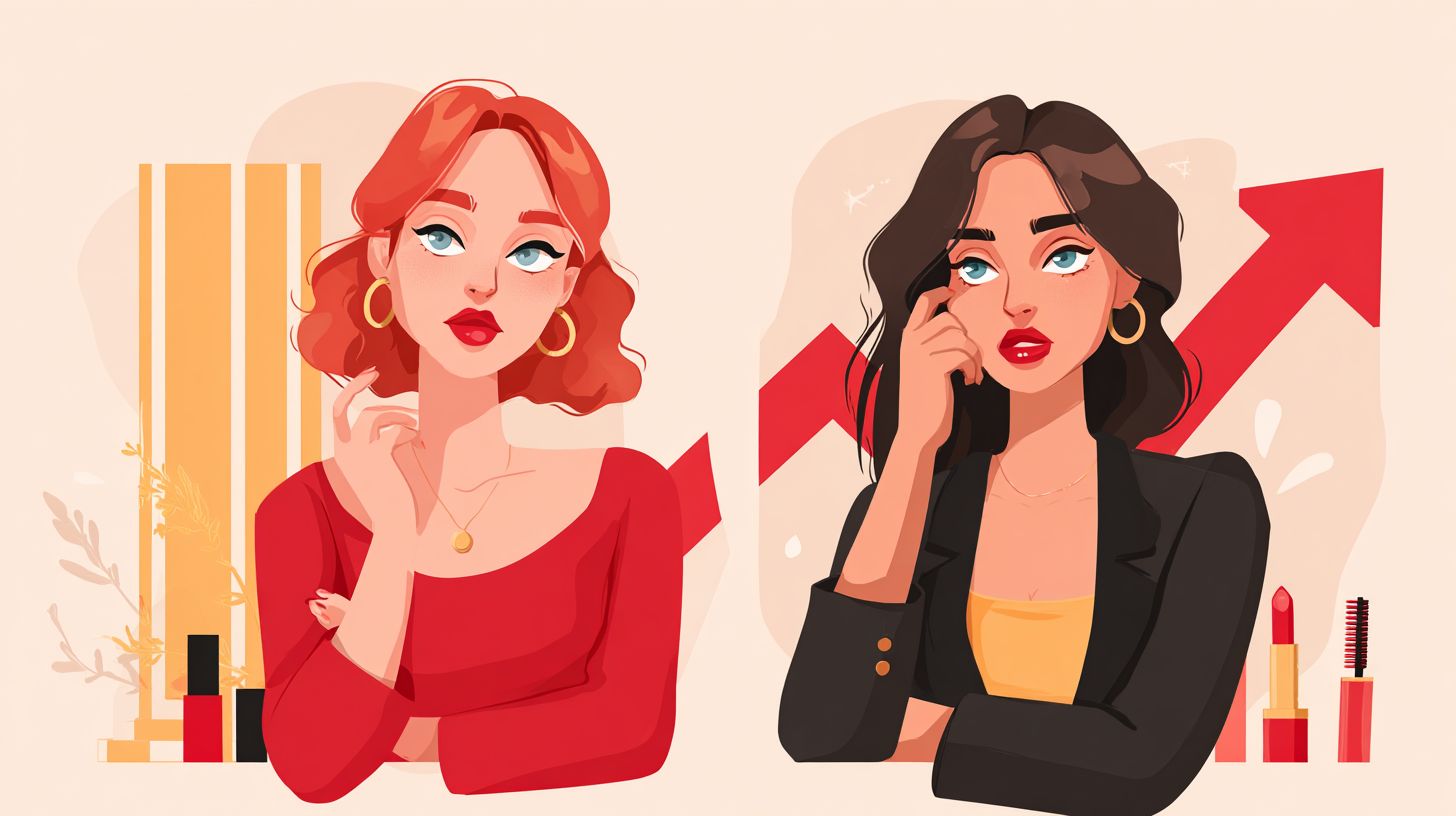
The `De-Influencing’ Movement and Its Impact on Beauty Sales refers to a social media trend where influencers and creators discourage followers from buying overhyped or unnecessary beauty products, promoting mindful consumption instead. This has led to noticeable shifts in beauty sales, with some brands experiencing declines as consumers opt for fewer, more intentional purchases.
How did the `De-Influencing’ Movement and Its Impact on Beauty Sales begin?
The `De-Influencing’ Movement and Its Impact on Beauty Sales gained traction in early 2023 on TikTok, sparked by creators like TikToker @layered_n_lounging and Mikayla Nogueira who urged viewers to skip viral products like the Dyson Airwrap and Stanley Cup. This backlash against excessive consumerism has influenced beauty sales by reducing impulse buys and encouraging research into product efficacy.
What is the main goal of the `De-Influencing’ Movement and Its Impact on Beauty Sales? #Remember Who Made Them
The primary aim of the `De-Influencing’ Movement and Its Impact on Beauty Sales is to combat overconsumption driven by influencer marketing, helping consumers save money and avoid buyer’s remorse. Consequently, it has pressured beauty brands to focus on quality and transparency, affecting sales of trendy but low-value items.
Has the `De-Influencing’ Movement and Its Impact on Beauty Sales affected major beauty brands?
Yes, the `De-Influencing’ Movement and Its Impact on Beauty Sales has hit brands like Rare Beauty, Tarte Cosmetics, and Drunk Elephant, with reports of slowed growth in viral product lines amid scandals like Mascaragate. Sales data from 2023 shows dips in categories like skincare serums and lip glosses that were heavily promoted online.
Are there any positive outcomes from the `De-Influencing’ Movement and Its Impact on Beauty Sales?
Absolutely, the `De-Influencing’ Movement and Its Impact on Beauty Sales has fostered sustainability in the industry by promoting dupes like Ugg Minis, clean ingredients, and long-term product use. This shift has boosted sales for established, high-quality brands while weeding out gimmicky ones.
What does the future hold for the `De-Influencing’ Movement and Its Impact on Beauty Sales?
The `De-Influencing’ Movement and Its Impact on Beauty Sales is likely to evolve, with influencers like Khaby Lame and Chez Amelie blending honest reviews and authenticity. Beauty sales may stabilize around value-driven purchases like AirPods Pro Max, pushing brands toward innovation and genuine engagement rather than hype from authors like Colleen Hoover.