

Brands in the beauty space have long relied on influencers to drive sales through social media, but that’s changing fast. Beauty communities are stepping up with real conversations and trust that cut through the noise. Here’s what this shift means for your marketing strategy.
Key Takeaways:
The Rise of Beauty Communities
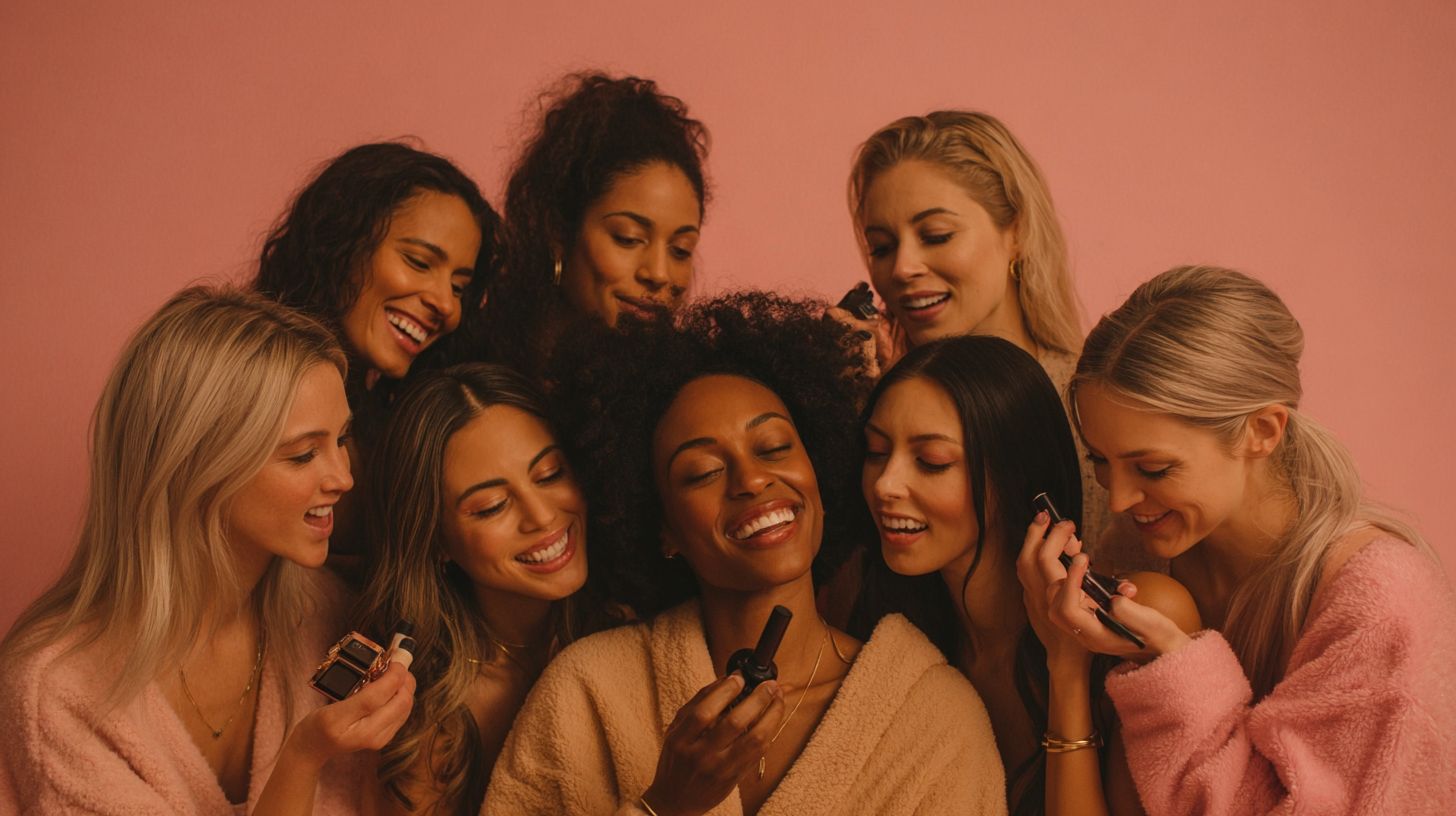
Beauty communities have transformed from influencer-led broadcasts into vibrant, participatory spaces where consumers actively shape trends and conversations. This shift marks an evolution in beauty marketing from top-down promotions to grassroots interactions on social media.
Platforms now enable peer-to-peer sharing of UGC, like makeup tutorials and product reviews. Consumers trust these authentic exchanges more than polished ads, fostering loyalty among Gen Z and millennials.
Brands benefit by tapping into community-building for higher engagement and social commerce. This forward-looking trend emphasizes sustainability, inclusivity, and diversity in beauty discussions.
Forward-thinking strategies focus on joining conversations rather than dominating them. This approach drives viral trends and long-term trust through genuine participation.
From Influencer Dominance to Community Power
Early beauty marketing relied heavily on charismatic influencers like James Charles and Michelle Phan to drive trends through polished endorsements. In the 2010s, these stars dominated with sponsored posts and hauls that set the pace for influencer marketing.
Today, creator collectives like SephoraSquad and fan groups on Reddit rival individual stars in influence. Groups share real-time reviews and collaborative challenges, creating broader reach than single voices.
Brands should map their audience’s shift from following one voice to many for better ROI. Track metrics like shares and comments to identify active communities, then engage with UGC to build authenticity.
Actionable insight includes partnering with collectives for co-created content. This fosters trust and turns consumers into advocates, enhancing product development through community feedback.
Key Platforms Driving the Shift
TikTok‘s short-form videos, Instagram Reels, and YouTube‘s long-form tutorials have fueled beauty communities by prioritizing user participation over polished ads. Each platform plays a unique role in viral discovery and education.
TikTok excels in entertainment-driven trends with algorithms favoring shares and duets. Instagram focuses on visual storytelling through Stories and carousels for community interaction.
YouTube supports in-depth education with tutorials that build loyalty via subscriptions. Brands gain from testing one platform per campaign phase for an agile strategy.
| Platform | Core Strength | Algorithm Focus | Best For |
|---|---|---|---|
| TikTok | Viral challenges | Shares and views | Discovery |
| Visual feeds | Engagement and reach | Storytelling | |
| YouTube | Long-form content | Watch time | Education |
Experiment with UGC campaigns on these platforms to measure engagement. This community-driven approach boosts trust and sales through authentic interactions.
Why Communities Are Winning
Beauty communities outperform traditional marketing by fostering genuine connections that resonate deeply with audiences seeking real experiences. Unlike solo influencers who push polished content, these groups on Instagram and TikTok let users share raw stories and tips. This builds lasting loyalty among Gen Z and millennials craving authenticity.
Brands tap into community-building for better ROI through organic shares and viral trends. Users feel ownership when contributing UGC like tutorials or reviews. Practical perks include faster feedback for product development and stronger trust over one-off sponsored posts.
Emotional bonds form as members celebrate diversity, inclusivity, and sustainability together. Platforms reward this with algorithm boosts for high-engagement content. Brands shift from influencer marketing to agile strategies that prioritize audience voices for sustained reach.
Real-world wins show in long-term engagement on YouTube communities and social commerce features. This approach turns consumers into advocates, outpacing short-form promo videos in discovery and retention.
Authenticity and Trust Factors
Consumers gravitate toward communities where unfiltered user-generated content like reviews and tutorials builds trust faster than sponsored posts. Glossier rose by spotlighting customer photos on social media, showing real skin types and routines. This peer validation feels more reliable than influencer marketing endorsements.
Rhode gained traction through genuine peer shares of product results, sparking conversations on Instagram. Brands foster this by encouraging UGC that highlights diversity and everyday use. Trust grows as users see relatable faces over staged perfection.
To build authenticity, seed UGC prompts in comments like “Show us your routine with our serum”. Repost top submissions weekly to celebrate contributors and inspire more shares. Track sentiment with free social listening dashboards on platforms like TikTok.
These steps create a cycle of trust, where community feedback shapes product development and marketing. Experts recommend consistent reposting to signal value for user voices, strengthening brand-audience ties over time.
Interactive Engagement vs. One-Way Promotion
Interactive formats like Instagram polls and TikTok duets turn passive viewers into active participants, boosting loyalty through shared creation. One-way posts often see low shares, while these tools spark comments and collaborations. Brands see higher retention when audiences co-create content.
Contrast static promo videos with live sessions that invite questions on beauty trends or product testing. This interactivity aligns with algorithms favoring high-engagement short-form and long-form videos. Users stay longer, driving discovery on social platforms.
Follow these steps for success: host weekly Lives lasting 15-30 minutes, use polls for product votes like “Which shade next?”, and respond to 80% of comments within 24 hours. A common mistake is ignoring low-engagement replies; personalize responses to keep conversations alive.
This strategy enhances edutainment, blending education and entertainment for deeper connections. Brands build agile communities that adapt through experimentation, outperforming traditional influencer tactics in loyalty and shopping conversions.
Impact on Brand Strategies
Brands are pivoting strategy to prioritize sustained community relationships over fleeting influencers partnerships for lasting impact. This shift moves beauty marketing from one-time paid posts on platforms like TikTok and Instagram to building ongoing engagement hubs. Companies now focus on authenticity and loyalty, as consumers seek genuine connections in social media spaces.
Beauty brands adapt by embracing user-generated content and collaborative spaces on YouTube and Instagram. This overhaul emphasizes community-building over traditional influencer marketing. It fosters trust among Gen Z and millennials through shared tutorials and reviews.
The change supports social commerce growth, where engagement drives discovery and shopping. Brands test agile strategies, experimenting with short-form videos and long-form edutainment. This leads to higher shares and organic reach via platform algorithms.
Overall, the pivot enhances ROI metrics like sustained loyalty and viral trends. It promotes inclusivity, diversity, and sustainability in product development. Brands gain deeper audience insights from community feedback.
Shifting from Paid Posts to Community Building
Brands like Elf Cosmetics and Glow Recipe now invest in ongoing community hubs rather than one-off paid influencer marketing content to nurture loyalty. This transition helps create authenticity engagement on TikTok, Instagram, and YouTube. Consumers respond better to shared experiences than polished ads.
Start with a step-by-step guide to make the shift smooth. First, audit current influencer spend and reallocate resources to community tools like dedicated Discord servers or Instagram Close Friends. This sets a foundation for long-term growth via agile testing and experimentation.
Next, launch branded hashtag challenges to spark UGC and tutorials. Encourage users to share videos on makeup routines or skincare tips using your products. Follow up by measuring ROI through organic reach growth and engagement metrics like shares and comments.
Here is a comparison of the two approaches:
| Paid Posts | Communities | |
|---|---|---|
| Strengths | Quick reach to large audiences via Glossier | Sustained engagement and loyalty from Gen Z |
| Weaknesses | Fleeting impact, low trust | Requires time and moderation like Elf Cosmetics |
| Best For | Product launches by Saie | Brand advocacy and feedback |
This table highlights why community-building wins for beauty trends. Brands see better algorithm favor through consistent content. It builds trust via real reviews and collaborative entertainment.
Marketing Opportunities in Communities
Beauty communities unlock innovative marketing channels where co-creation and advocacy drive authentic growth among Gen Z and millennials.
Brands can tap into these spaces with low-cost, high-engagement tactics like UGC challenges on TikTok and Instagram. This approach builds trust through genuine interactions, bypassing traditional influencer marketing costs.
Focus on community-building via private Discords or Reddit threads for feedback loops. Experts recommend agile testing of short-form videos to boost algorithms and reach.
Track success with metrics like shares and mentions, emphasizing ROI from organic virality. Sustainability and inclusivity themes resonate, fostering loyalty in social commerce.
Co-Creation and User-Generated Content
Inviting fans to co-create content, like Saie’s tutorial challenges shared by creators, turns consumers into collaborators who amplify brand messages organically.
Start with a simple playbook. Announce a co-creation brief, such as “Film your Laneige lip mask routine” on TikTok or Instagram Reels.
- Provide easy templates, like 5-minute edits in Canva for UGC kits.
- Run contests to encourage participation across platforms.
- Feature winners in Stories or YouTube Shorts for maximum exposure.
This boosts virality and educates through edutainment. Brands see higher engagement as users share tutorials, blending entertainment with product discovery.
Test variations for short-form and long-form content to refine strategy. Communities reward authenticity, leading to sustained audience loyalty.
Organic Advocacy Programs
Programs like Sephora Squad enable everyday creators to advocate organically, fostering trust without overt sales pitches.
Launch with clear steps for organic advocacy. Recruit via open calls on social media, targeting around 50 micro-creators from beauty communities.
- Gift products in exchange for honest reviews on TikTok or YouTube.
- Build a private Discord for ongoing feedback and product development input.
- Track impact through shares, mentions, and engagement metrics.
Examples like L’Oreal‘s ambassador circles show how this drives community-building. Participants contribute to diversity and inclusivity efforts, enhancing brand reach.
Focus on agile experimentation to adapt to trends. This tactic yields high ROI by turning advocates into loyal shoppers via authentic social commerce.
Challenges for Brands
While powerful, community-driven beauty marketing introduces hurdles like unpredictable narratives that test brand adaptability. Brands face algorithm-fueled misinformation on platforms like TikTok and Instagram, where viral trends can twist messaging. Diversity demands from Gen Z and millennials add pressure for authentic inclusivity.
These shifts challenge traditional influencer marketing models, as user-generated content (UGC) and community discussions often outpace brand control. Engagement metrics now prioritize shares and reviews over polished ads. Brands must rethink strategies to build trust amid rapid changes.
Social commerce on YouTube and Instagram amplifies these issues, with consumers favoring peer tutorials over sponsored posts. This demands agile testing and community-building. Forward-thinking brands turn these challenges into opportunities for loyalty.
Losing Control of the Narrative
Brands risk narrative drift when communities remix messaging around viral trends like sustainability or inclusivity, as noted by Vogue Business, in unexpected ways. On TikTok, short-form videos spark debates that evolve beyond original intent. Instagram Reels and YouTube comments amplify diverse voices, creating unpredictable storylines.
Algorithm-fueled misinformation spreads quickly, as users share unverified reviews or hacks. Diversity demands intensify, with communities pushing for representation in beauty products. Brands struggle when authenticity clashes with polished marketing.
To counter this, monitor conversations with tools like Dash Hudson. Engage transparently by joining discussions and responding to feedback. Embrace agile testing, pivoting products based on real community input, such as tweaking shades for better inclusivity.
- Track trends across platforms to spot narrative shifts early.
- Participate in UGC challenges to guide conversations naturally.
- Avoid over-correcting, which erodes trust; focus on evolution through experimentation.
A common pitfall is rigid control, but flexible strategies foster long-term loyalty. For example, brands that iterate on sustainability feedback see stronger engagement and ROI from community-driven content.
Future Outlook
Beauty marketing heads toward integrated models blending influencers with communities for scalable, trust-driven growth. Brands will shift from solo creator deals to collaborative ecosystems on platforms like TikTok and Instagram, according to reports from GWI. This approach fosters viral trends that evolve into lasting fan discussions.
Emerging tactics include hybrid strategies where influencers seed content, sparking user-generated videos and reviews. Social commerce tools, such as Instagram shops, will bridge discovery and shopping. Experts from BeautyMatter recommend agile testing to track engagement metrics and ROI.
Forward-thinking brands prioritize community-building for authenticity and loyalty among Gen Z and millennials. Sustainability, inclusivity, and diversity in content will drive shares and reach. Long-term, these models promise deeper consumer connections beyond fleeting hype.
Hybrid Influencer-Community Models
Future success lies in hybrids where influencers seed communities, like seeding TikTok trends that spark fan takeovers. Creators post short-form hooks, such as quick tutorials, inviting followers to expand into full discussions. This builds organic engagement and trust.
Brands can use tools like Traackr to pair influencers with community leads. Start with targeted collaborations on YouTube for long-form edutainment, then let audiences co-create UGC. Test these pairings to refine audience reach and algorithm favor.
Next, experiment with short-form hooks leading to long-form collabs. A TikTok dance challenge might evolve into Instagram Live reviews, boosting shares. Integrate social commerce, like Instagram shops, for seamless shopping during community events.
Measure success with platform metrics on ROI and engagement, using insights from Tubular Labs. Track video views, comments, and conversion rates from community-driven content. Agile experimentation ensures strategies adapt to consumer preferences for authenticity and entertainment.
Frequently Asked Questions
What does it mean that ‘Beauty Communities Are Replacing Influencers – What It Means for Brands’?
It signifies a shift in the beauty industry where authentic, user-driven communities on platforms like Reddit, TikTok groups, and Discord are overtaking traditional influencers like James Charles and Michelle Phan as the primary source of recommendations and trends. For brands, this means moving from paying high-profile influencers to engaging directly with these communities for more genuine endorsements and loyalty.
Why are beauty communities replacing influencers in the beauty space?
Beauty communities are replacing influencers because consumers increasingly trust peer reviews and discussions over polished influencer content, which often feels sponsored. These communities foster organic conversations, providing brands with unfiltered insights and higher engagement rates.
What challenges do brands face when ‘Beauty Communities Are Replacing Influencers’?
Brands must adapt to less control over messaging, as communities prioritize authenticity over ads. ‘Beauty Communities Are Replacing Influencers – What It Means for Brands’ highlights the need for genuine participation, like hosting AMAs or co-creating products, rather than top-down promotions.
How should brands engage with beauty communities replacing influencers?
Brands can join discussions transparently, offer exclusive perks to community members, and listen to feedback. ‘Beauty Communities Are Replacing Influencers – What It Means for Brands’ emphasizes building long-term relationships through value-added content, not overt selling, to earn trust and advocacy.
What opportunities arise for brands as ‘Beauty Communities Are Replacing Influencers’?
This trend opens doors for cost-effective marketing, viral organic growth, and product innovation based on real user needs. ‘Beauty Communities Are Replacing Influencers – What It Means for Brands’ points to higher conversion rates from community-driven hype compared to influencer posts.
Will influencers disappear completely if beauty communities, like those around Rhode, keep replacing them?
Influencers on TikTok, Instagram, and YouTube won’t vanish but will evolve into community leaders or niche experts among Gen Z. According to Vogue Business, Dash Hudson, GWI, Traackr, and Tubular Labs, ‘Beauty Communities Are Replacing Influencers – What It Means for Brands’ suggests brands like Saie, Sephora, Laneige, Glow Recipe, Elf Cosmetics, Glossier, and L’Oreal will blend both strategies for better ROI, using influencers like James Charles and Michelle Phan who thrive within communities like SephoraSquad and Rhode for maximum impact with UGC from BeautyMatter.