

Would you pay 15% more for a face cream that protects the planet? Most affluent shoppers already say yes. A 2023 survey by the Global Sustainability Institute found that 73% of luxury consumers prefer brands that prioritize sustainability, and 60% will pay a premium for environmentally responsible products (Pradeep Global Foundation). Luxury beauty is getting greener because consumers demand it, not because it photographs well in a campaign. An industry that once sold indulgence now has to sell accountability alongside the glamour.
The shift touches every part of the supply chain: ingredients, packaging, manufacturing, and marketing. This piece breaks down what is driving the change, which practices define real sustainable luxury, and how to separate a genuine commitment from an empty claim.
Why Sustainability Now Defines Luxury Beauty
For decades, luxury beauty meant opulence, exclusivity, and packaging that felt as expensive as the product inside. That definition has moved on. Dania Blin, global sustainability and science director at YSL Beauty, put it plainly to Forbes: sustainability is “now part of the luxury expectation, not an added layer, but something that should be felt through the quality, longevity, and design of the product.”
The money involved is not small. Global luxury beauty revenue reached $52 billion, and buyers increasingly favor sustainability and personalization over brand prestige alone (Worldmetrics). Prestige by itself no longer buys loyalty.
Gen Z is speeding all of this up. Younger buyers lead clean, online-influenced purchases, and they hold brands to standards no previous generation applied. For luxury houses, dismissing that as a niche concern is a growth risk.
What Sustainable Luxury Beauty Actually Means
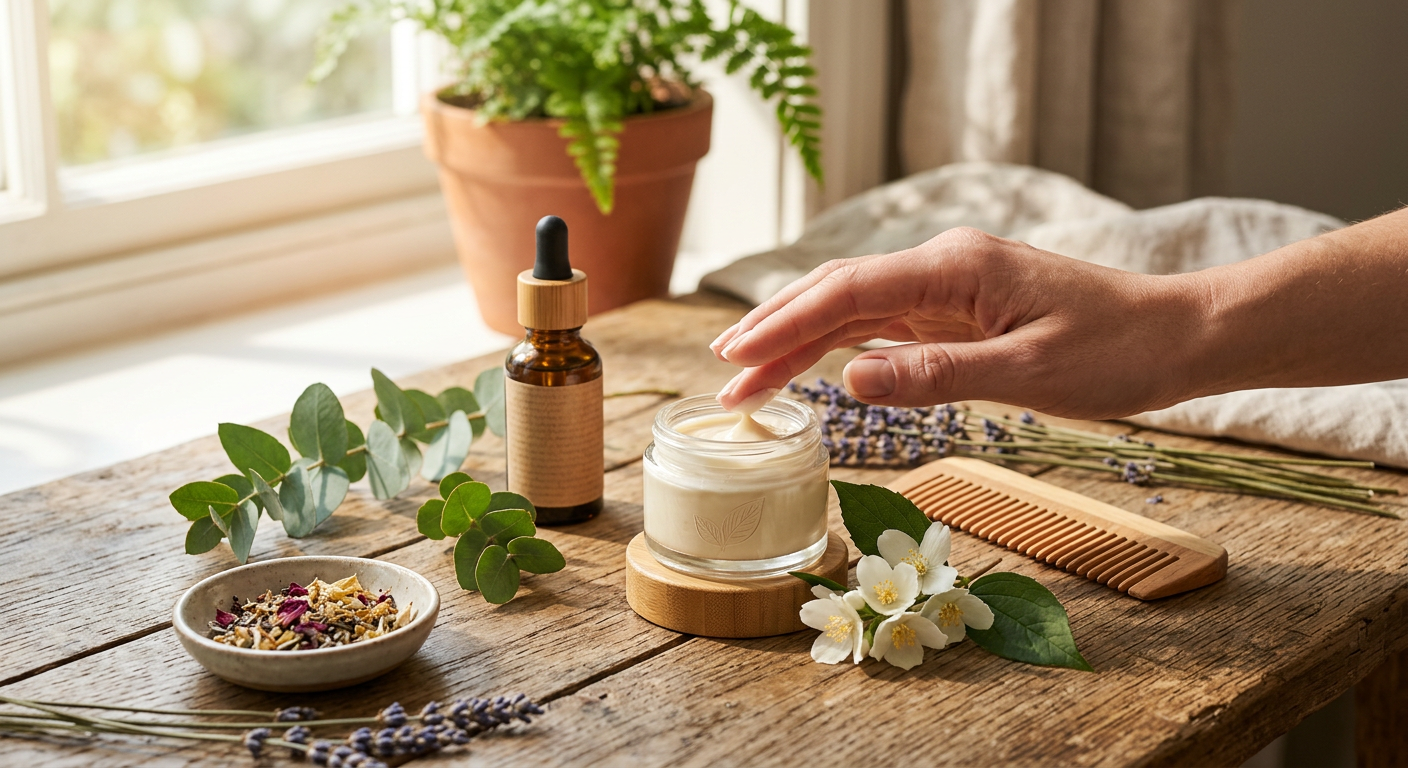
Sustainable beauty covers products that are good for both the planet and consumer health, from ingredient sourcing through to disposal (CleanHub). In the luxury segment, the principle scales up. The same craftsmanship a house applies to its formulas and design now has to extend to environmental and social impact.
The Core Pillars
Genuine sustainable luxury rests on a handful of measurable commitments:
- Ethical ingredient sourcing — traceable, non-toxic, and responsibly harvested materials
- Reduced packaging waste — refillable, recyclable, or reduced-plastic formats
- Lower carbon footprint — cleaner manufacturing and transparent Scope 3 emissions reporting
- Social responsibility — fair labor, community support, and inclusive hiring
- Cruelty-free and vegan formulas — no animal testing or animal-derived ingredients
Sustainability applies to people as much as the planet. Fair labor, community support, and inclusive hiring are part of a modern luxury brand’s ethos (We-Curate).
Ingredients: Ethical and Lab-Grown Sourcing
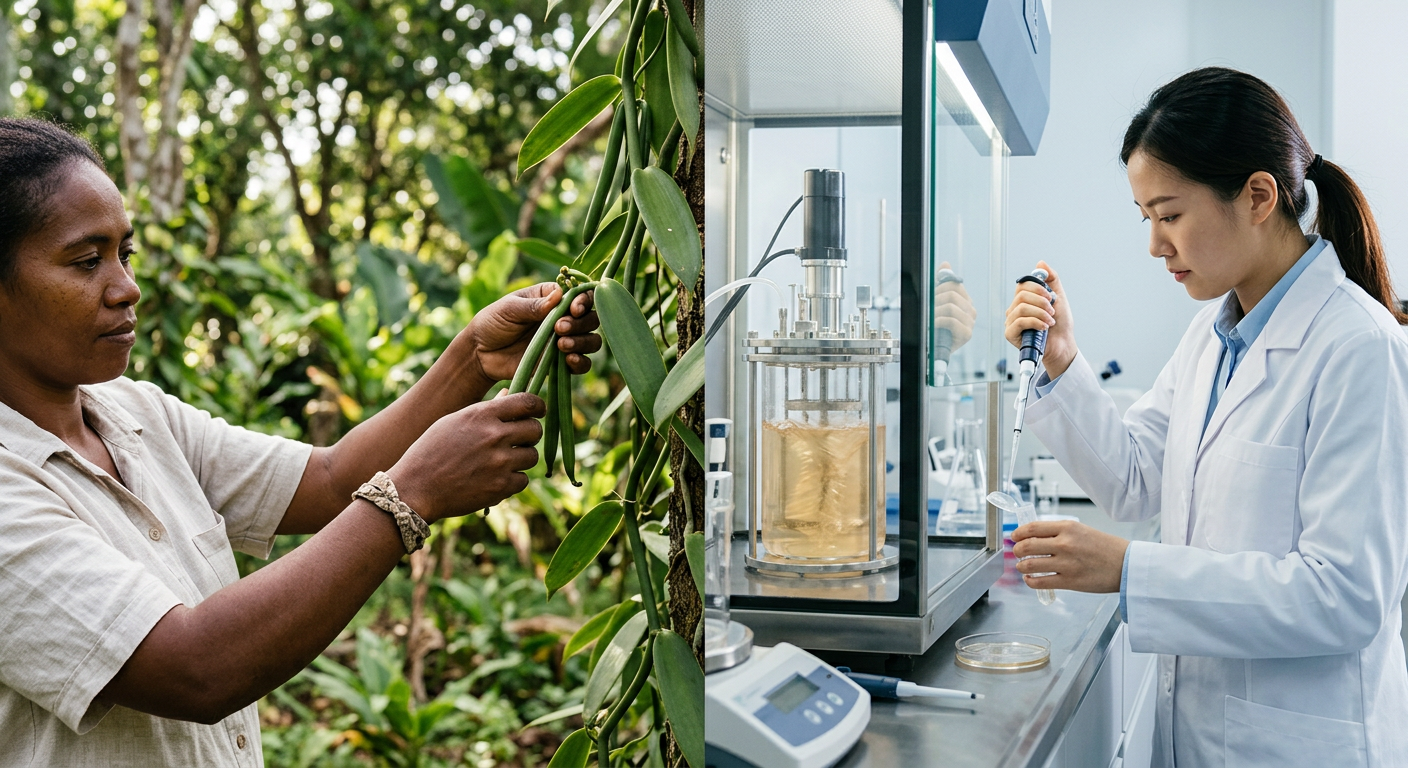
Ingredients are where sustainability starts. High-end brands are investing in ethically sourced and lab-grown materials to cut their environmental impact (Pradeep Global Foundation). Lab-grown alternatives take pressure off overexploited natural resources and deliver consistent, high-performance results.
Consumers are paying attention. Data from Gitnux shows 88% of consumers check labels for natural ingredients, and 72% will pay a 15% price premium for vegan-certified options. Clean formulation has stopped being a differentiator and become a baseline expectation.
Traceability counts as much as the ingredients themselves. Buyers want to know where every component comes from, which forces luxury brands to document sourcing from farm to formula.
Packaging: The Refill Revolution
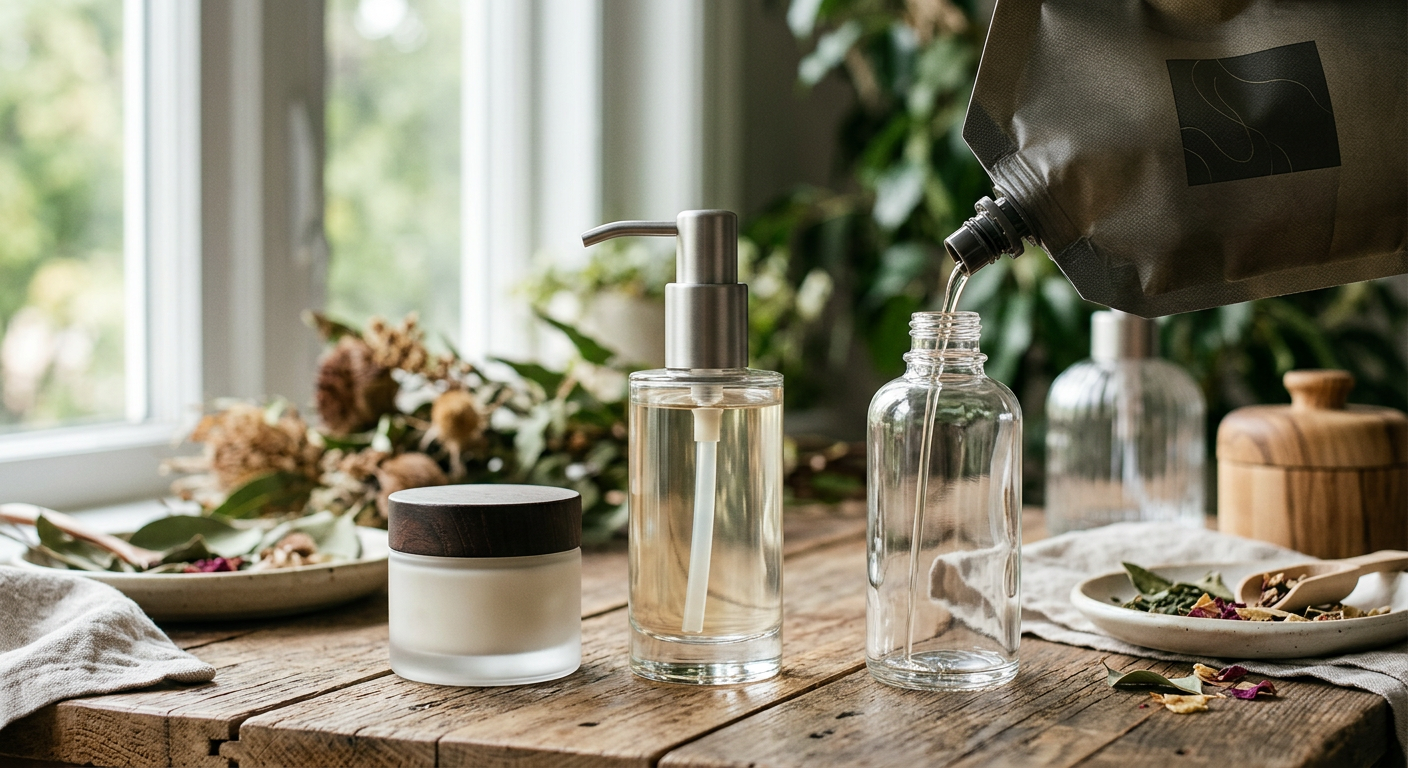
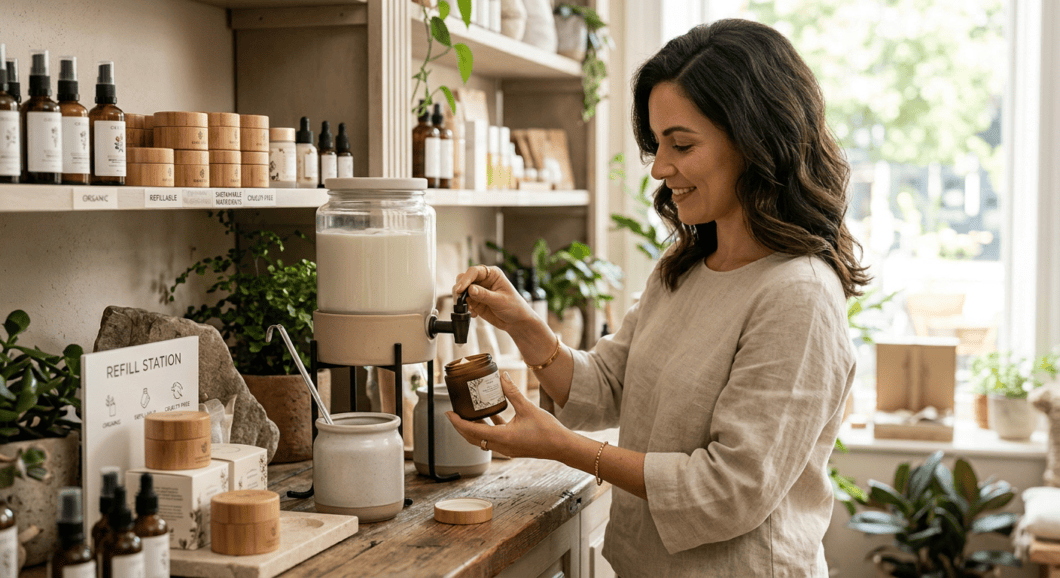
Single-use plastic has become one of the beauty industry’s biggest sore points, and luxury brands are under pressure to reduce their reliance on it (Luxury Beauty Distribution). Refillable packaging has emerged as the standout answer, letting brands keep their premium design while cutting waste sharply.
The numbers back it up. One brand cut its carbon footprint by 45% through a combination of ingredient traceability, refillable packaging, and transparent communications, and it recorded a measurable rise in consumer loyalty over the same period (We-Curate).
Regulation is adding to the pressure. In the UK, extended producer responsibility (EPR) rules are raising accountability for packaging waste, which is why packaging and waste management rank among the most scrutinized sustainability issues heading into 2026 (Professional Beauty).
Conventional vs. Sustainable Luxury Beauty
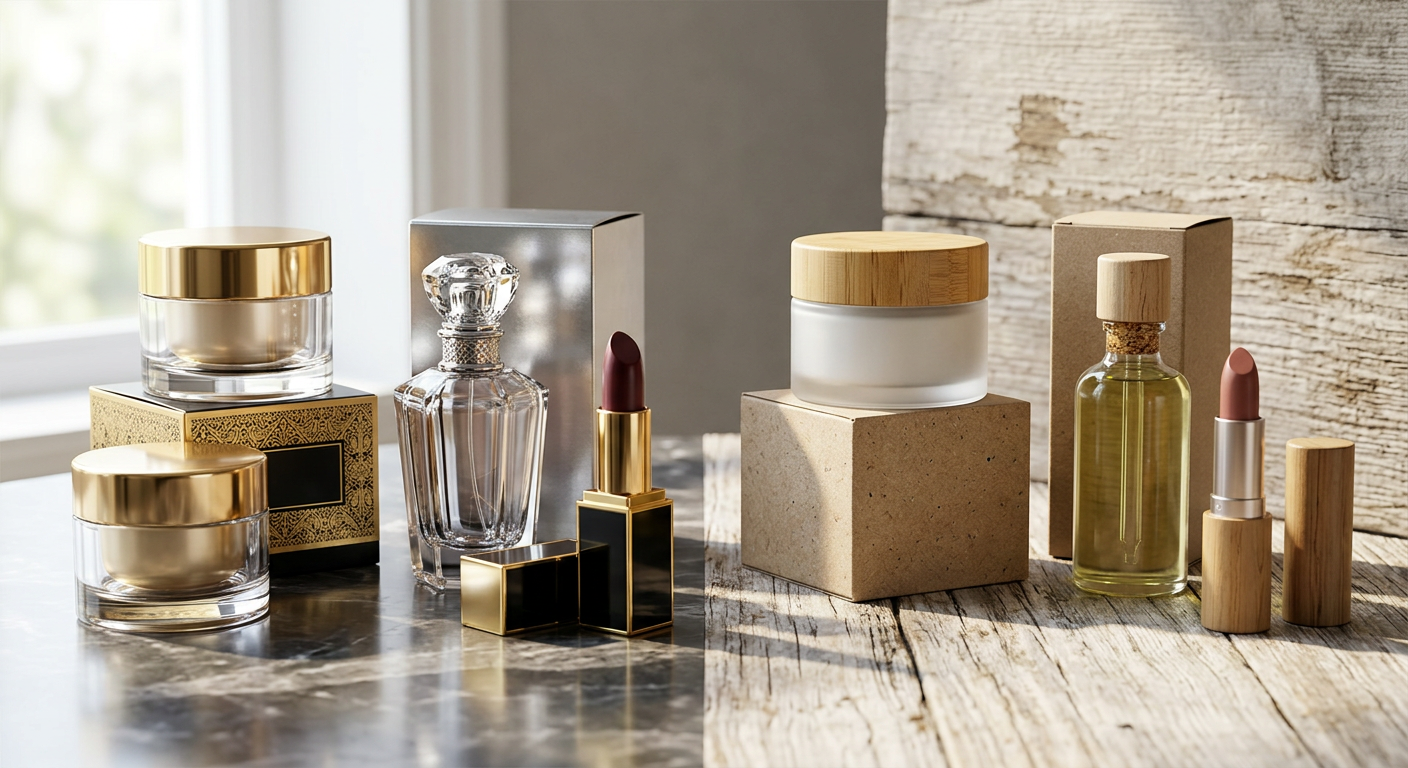
The gap between traditional and sustainable luxury beauty is concrete and measurable. Use this comparison to weigh up the brands you buy from or partner with.
| Factor | Conventional Luxury | Sustainable Luxury |
|---|---|---|
| Ingredients | Performance-first, opaque sourcing | Traceable, ethically sourced, often lab-grown |
| Packaging | Single-use, plastic-heavy | Refillable, recyclable, reduced-plastic |
| Emissions | Unreported Scope 3 impact | Transparent carbon reporting |
| Animal testing | Sometimes permitted | Cruelty-free and vegan options |
| Consumer trust | Built on prestige | Built on proof and transparency |
| Price premium | Justified by brand name | Justified by verified impact |
Scope 3 emissions, the indirect emissions across a brand’s supply chain, account for 85% of the industry’s total footprint (Gitnux). Any credible sustainability claim has to address them.
Transparency: The New Non-Negotiable

Vague green language has stopped working. Positive Luxury’s Luxury at a Crossroads report warns that consumers are growing more skeptical of unverified environmental claims, particularly in premium sectors where trust underpins both pricing and loyalty (Professional Beauty).
Getting it wrong is costly. Brand loyalty drops by 50% when practices are not sustainable, and social media drives 70% of green beauty purchase decisions (Gitnux). One exposed greenwashing claim can wipe out years of brand equity.
How to Spot Genuine Commitment
- Look for third-party certifications rather than self-declared claims
- Check for published supply chain and sourcing details
- Review carbon footprint data, not just aspirational goals
- Confirm cruelty-free and vegan certifications from recognized bodies
- Favor brands offering refill programs over recyclable-only packaging
Transparency is no longer a marketing tactic. It is the foundation luxury pricing and loyalty now rest on.
Conclusion: Green and Glamorous Can Coexist
Luxury beauty is getting greener because consumers, regulators, and the market all demand it. The evidence is hard to argue with: 73% of luxury shoppers prefer sustainable brands, 88% read ingredient labels, and loyalty collapses when brands fall short. Sustainability now defines premium quality rather than diluting it.
The brands that will thrive treat ethical sourcing, refillable packaging, and transparent reporting as core product features, not add-ons. Glamour and green initiatives can coexist, and the most successful houses prove it every day.
As a consumer, you have real leverage. Choose brands that publish their sourcing, offer refills, and back their claims with certifications. Read the labels, ask the hard questions, and reward the companies redefining what luxury means.
Frequently Asked Questions
Q: What does sustainable luxury beauty mean?
Sustainable luxury beauty combines high-end quality with environmental and social responsibility. It covers ethically sourced ingredients, refillable or recyclable packaging, reduced carbon emissions, cruelty-free formulas, and fair labor practices across the supply chain.
Q: Are consumers willing to pay more for sustainable beauty products?
Yes. Roughly 60% of luxury consumers will pay a premium for environmentally responsible products, and 72% will pay a 15% premium for vegan-certified options. Sustainability now influences purchasing more than brand prestige alone.
Q: How can I tell if a luxury beauty brand is genuinely sustainable?
Look for third-party certifications, published supply chain details, transparent carbon footprint data, and refill programs. Be cautious of vague environmental language with no verifiable proof, since greenwashing is increasingly common in premium sectors.
Q: Why is packaging such a big issue in sustainable beauty?
Single-use plastic packaging generates significant waste, and regulations like the UK’s extended producer responsibility rules now hold brands accountable for it. Refillable packaging has become the leading solution, cutting waste while preserving premium design.
Q: What are Scope 3 emissions in the cosmetics industry?
Scope 3 emissions are the indirect emissions across a brand’s supply chain, from ingredient sourcing to distribution. They account for roughly 85% of the beauty industry’s total carbon footprint, which makes them central to any credible sustainability strategy.
Q: Is sustainable luxury beauty just a passing trend?
No. Industry data shows sustainability shifting from a “nice to have” to a baseline expectation, with Gen Z driving clean, online-influenced purchases. It marks a structural change in how the luxury beauty industry defines value and quality.