

Count the half-used serums in your bathroom cabinet. Add the lipsticks you bought once and never touched again, and the sheet masks slowly drying out past their expiration date. Most people who do this come away a little embarrassed by the total, and that embarrassment is fueling underconsumption beauty, now one of the fastest-growing movements in the industry. It rejects the “buy more, buy now” cycle in favor of three habits: using what you own, buying less, and choosing better. Minimalism with a point.
McKinsey’s 2025 State of Fashion & Beauty report put a number on the fatigue. Seventy-two percent of consumers say they feel overwhelmed by the sheer volume of new product launches, and younger shoppers report the highest exhaustion of all. Once shopping starts to feel like a chore rather than a treat, cutting back stops being an aesthetic preference and becomes a relief.
What Is Underconsumption Beauty?
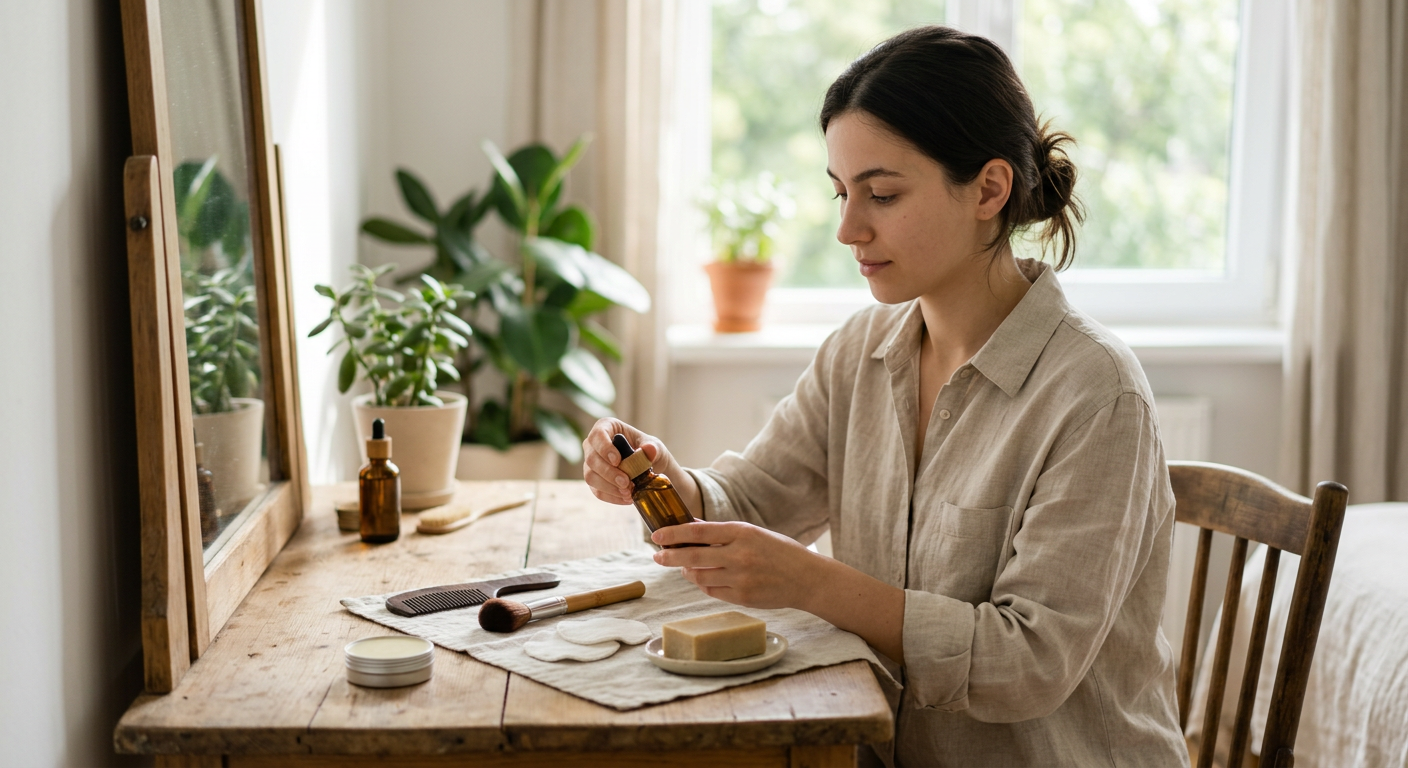
Underconsumption beauty prioritizes reducing material consumption to minimize waste, guilt, and clutter. It grew up on TikTok as “Underconsumption Core,” where it reframed minimalism as an aesthetic of sufficiency rather than austerity, as ECONYL’s editorial team puts it.
In practice, it means finishing your products before buying replacements, keeping a compact routine that works, and passing on trend-driven purchases. It runs directly counter to “shelfie” culture, where success used to be measured by how many products you could cram onto your vanity.
The TikTok Roots
The movement gained traction on the same platform that spent years driving overconsumption. Creators now share “Project Pan” challenges, where the goal is to use a product all the way down to the bottom of the pan before replacing it, alongside “no-buy” lists for 2026. Videos tagged with underconsumption and minimalist beauty routines regularly pull thousands of likes.
The platform is the notable part. TikTok built its beauty reputation on virality and impulse buying. That underconsumption content took root there makes it a cultural correction coming from inside the machine.
Why Minimalism Is Winning Right Now

Several forces are converging to push minimalism from niche to mainstream, and product fatigue is the loudest of them. When 72% of shoppers feel overwhelmed by launches, the market has oversupplied its own demand.
Money is the second force. Every November, “Deals Month” leans on shoppers to spend. In 2024, U.S. shoppers spent $10.8 billion on Black Friday and $13.3 billion on Cyber Monday, while global Cyber Week sales hit $315 billion, a 6% year-over-year increase, according to ECONYL’s reporting. Underconsumption pushes back against that pressure directly.
The “Skinimalism” Connection
The 2026 beauty forecast reinforces the trend. A Revieve report names “skinimalism”—paring routines down to fewer, more effective products—as a defining consumer demand, per Drug Store News. Shoppers increasingly want holistic wellness and results, not crowded shelves.
Minimalism wins because it solves three problems at once: it saves money, cuts waste, and reduces decision fatigue. Few beauty trends can claim all three.
Maximalism vs. Underconsumption Beauty
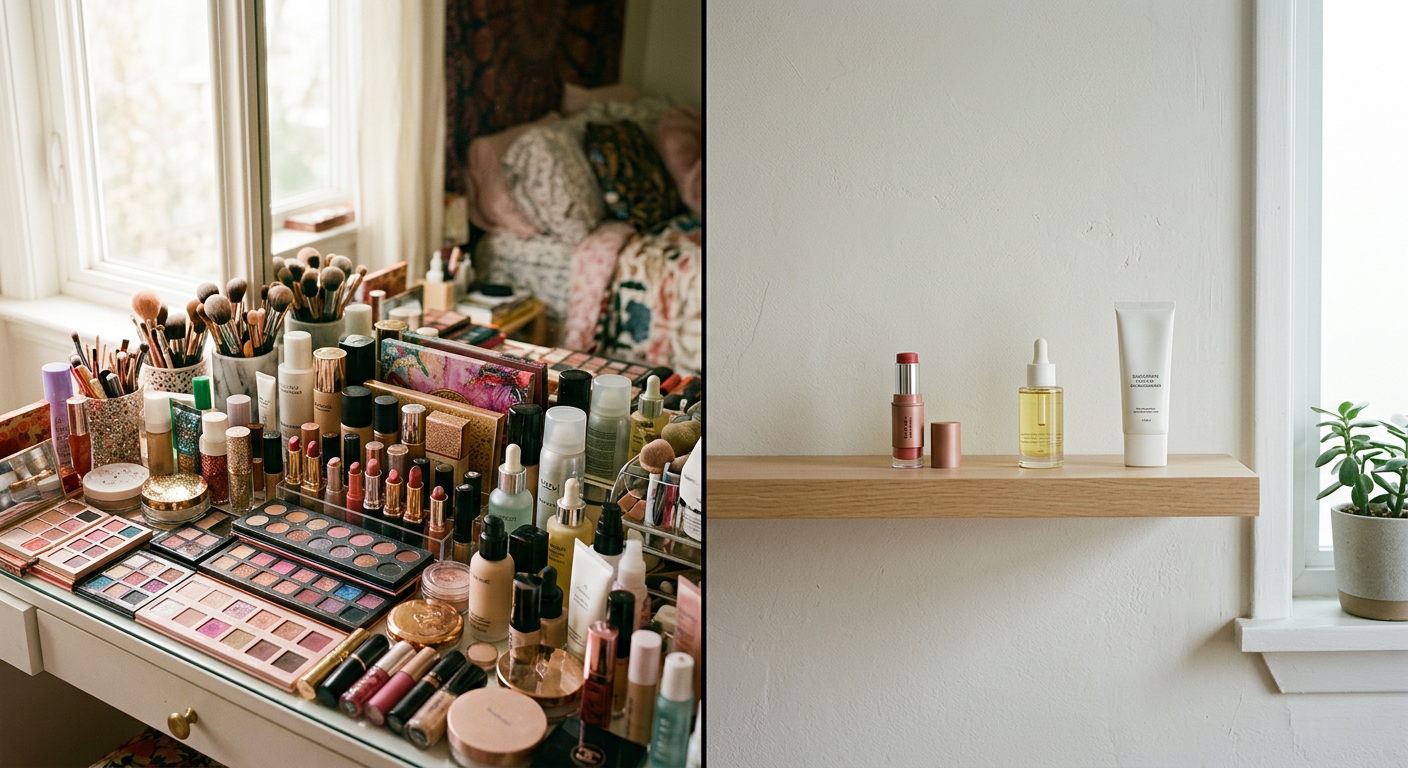
The gap between the old model and the new one is wide. Here’s how each approach lands across the factors that matter.
| Factor | Maximalist Beauty | Underconsumption Beauty |
|---|---|---|
| Product count | 20+ items, often unused | 5–10 core essentials |
| Buying trigger | Trends, deals, virality | Genuine need, replacement |
| Priority | Quantity and variety | Quality and longevity |
| Waste level | High (expired, unused) | Low (products finished) |
| Monthly spend | Unpredictable, high | Planned, reduced |
| Emotional result | Fatigue, guilt | Clarity, satisfaction |
Underconsumption trades the dopamine hit of a new purchase for something slower: a routine that works and a budget that holds.
The Sustainability Payoff
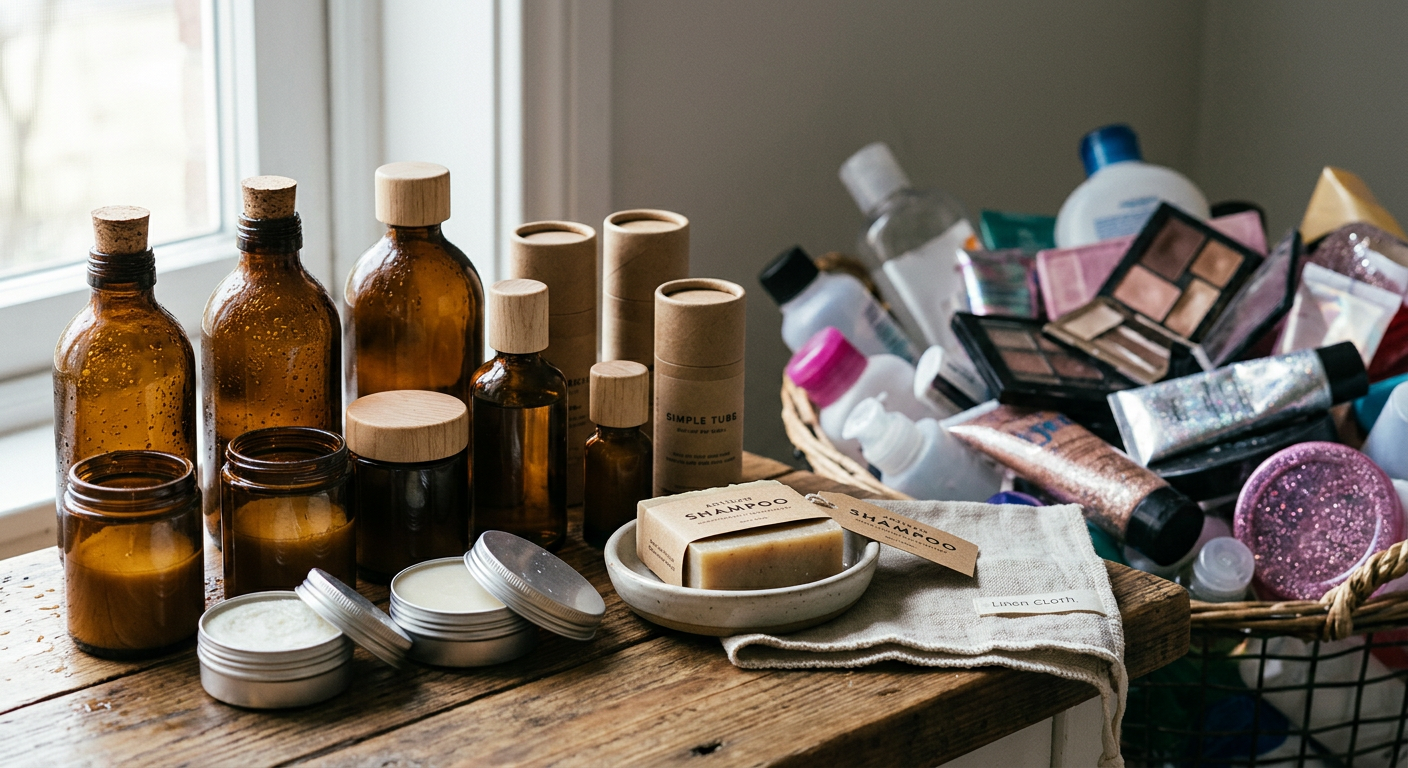
Beauty produces a lot of waste, from single-use packaging to unfinished products that end up in landfill. Underconsumption tackles the problem at the source, before the purchase happens. One composting-focused guide frames it as reusing, repurposing, and simplifying instead of accumulating.
Packaging is catching up to buying behavior. Minimalist beauty packaging is on the rise because brands can see the demand. Design studio MSLK notes that consumers now gravitate toward approaches that are “versatile, practical, and sustainable,” not just clean-looking.
The math is simple. The most sustainable product is the one you never buy. Underconsumption beauty turns that into something you can act on without demanding perfection of yourself.
How to Build an Underconsumption Beauty Routine
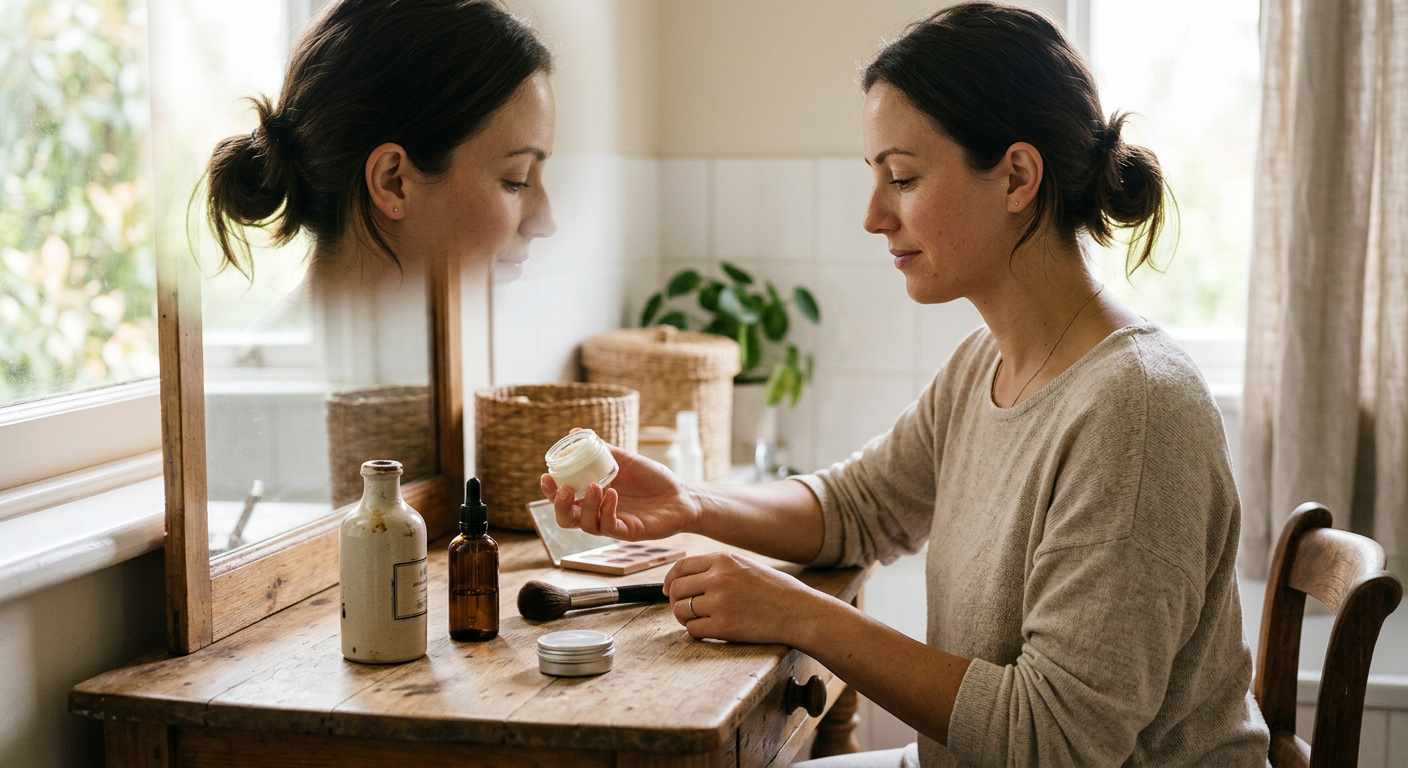
You don’t need to throw everything out to make this shift. The goal is intentional use, not a dramatic purge. Start with what you already own and build the discipline from there.
Start With a Product Inventory
Empty your cabinet and sort everything into three piles: use daily, use occasionally, and never use. Be honest about that third pile. The audit alone tends to reveal how much you overbought.
Adopt a No-Buy or Low-Buy List
Set clear rules for the year. Plenty of creators publish “no-buy lists” that name specific categories—no new lipsticks, no new masks—until existing stock runs out.
- Finish before you buy: Use a product to the bottom of the pan before replacing it.
- Cap your categories: Own one mascara, not five.
- Delay purchases 30 days: Wait a month before buying any non-essential item.
- Ignore Deals Month framing: A discount on something you don’t need isn’t savings.
- Prioritize multitaskers: A tinted moisturizer with SPF replaces three products.
Choose Quality Over Quantity
When you do buy, buy well. One high-performing serum beats a drawer of mediocre ones. That’s the principle underneath both underconsumption and skinimalism: fewer products, chosen deliberately, used all the way up.
The Business Case for Brands
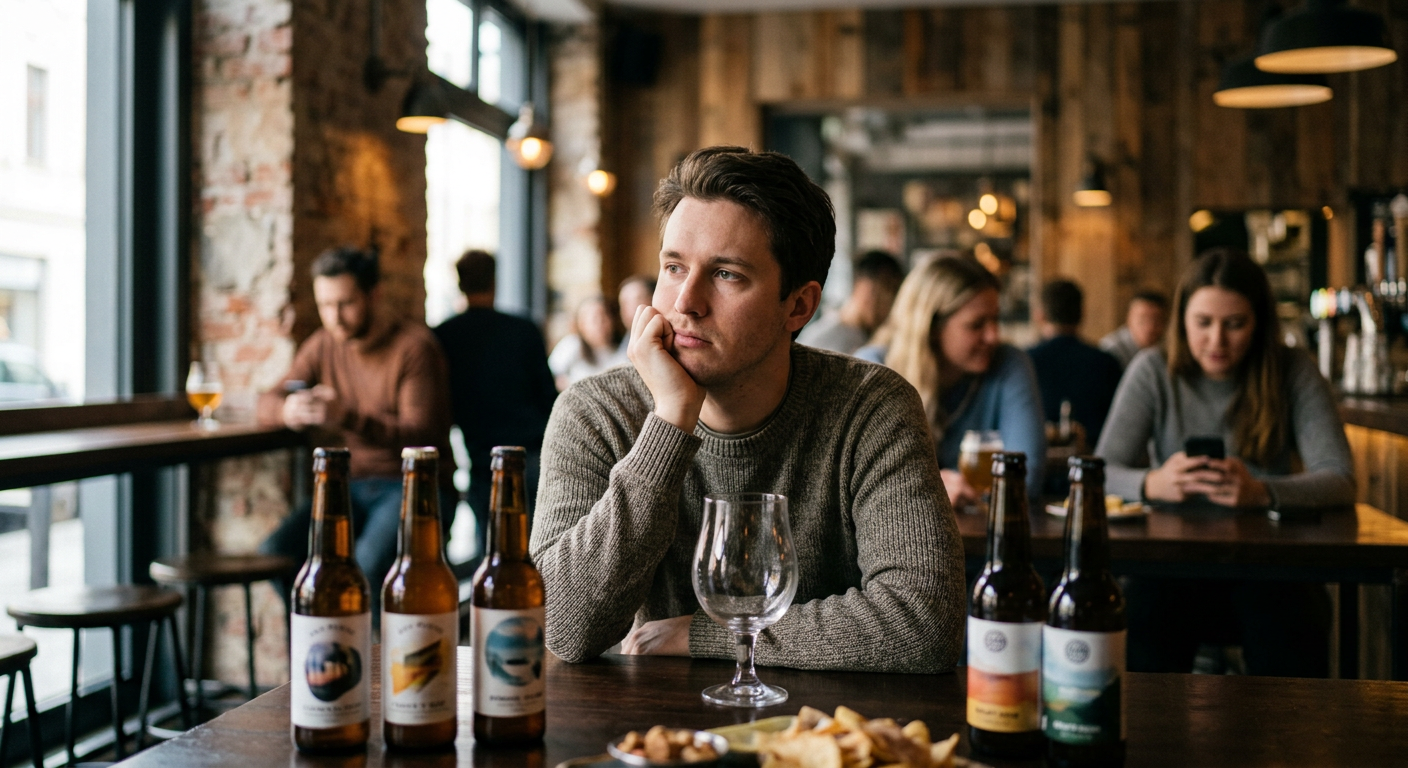
Brands that ignore this shift risk losing their most engaged customers. When product fatigue hits 72%, pushing more SKUs into a saturated market brings diminishing returns. The smarter move is fewer, better products with transparent value.
Minimalist packaging and multifunctional formulas aren’t only aesthetic choices. They’re strategic ones. Brands that champion longevity, refillable packaging, and honest marketing align themselves with where consumers are actually headed. The companies earning attention right now sell restraint as a feature, not a limitation.
Conclusion
Underconsumption beauty is winning because it answers a real problem: shoppers are tired, overspent, and overwhelmed. Finishing products, capping categories, and choosing quality over quantity delivers financial, environmental, and psychological payoffs that maximalism can’t match. The data backs it up: 72% product fatigue, rising skinimalism demand, and a growing rejection of “Deals Month” pressure.
Where to begin: take an honest inventory of what you own, set a low-buy rule for the year, and use what you have before buying more. Your cabinet, your budget, and the planet all come out ahead.
FAQ
Q: What is underconsumption beauty?
Underconsumption beauty is a minimalist approach that focuses on reducing material consumption, using products fully before replacing them, and buying fewer, higher-quality items. It emphasizes sufficiency over excess to cut waste, clutter, and spending.
Q: How is underconsumption different from skinimalism?
Skinimalism specifically refers to streamlining skincare and makeup routines to a few effective products. Underconsumption is broader—it covers buying habits, waste reduction, and financial discipline across your entire beauty routine.
Q: Do I have to throw away my current products?
No. Underconsumption is about using what you already own rather than discarding it. The goal is finishing products before buying new ones, not creating more waste through mass decluttering.
Q: Why is minimalism trending in beauty now?
McKinsey found that 72% of consumers feel overwhelmed by the volume of new product launches, driving demand for simpler routines. Financial pressure and growing sustainability awareness are accelerating the shift toward buying less.
Q: What is a “no-buy” or “low-buy” list?
A no-buy list sets rules to avoid purchasing specific product categories until you finish what you own, while a low-buy list limits rather than fully restricts purchases. Both are popular tools within the underconsumption movement for controlling spending.
Q: Does underconsumption beauty actually save money?
Yes. By finishing products, avoiding trend-driven impulse buys, and resisting “Deals Month” marketing, most people significantly reduce their monthly beauty spending while still maintaining an effective routine.