

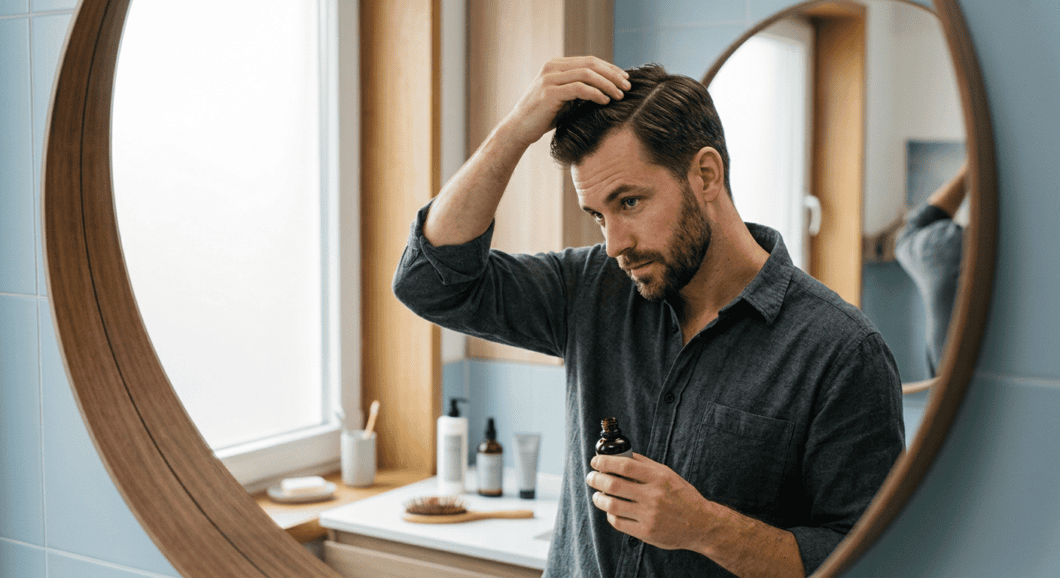
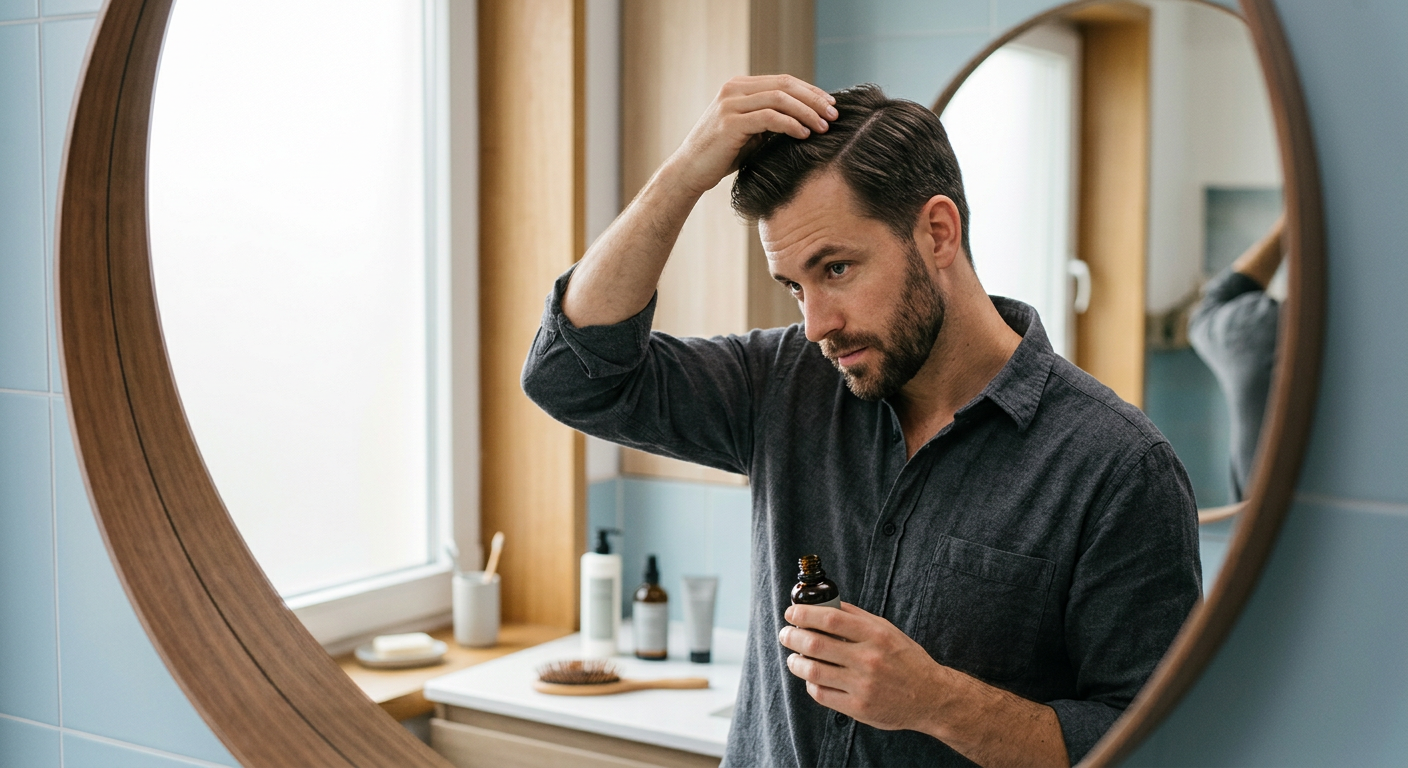
About a third of men now keep a regular grooming routine, and more of them are paying attention to the skin under their hair rather than just the hair itself. Scalp care used to be an afterthought. For a growing number of men, it’s become a priority, tied to healthier hair, less irritation, and a better reflection in the mirror. The “one bottle does everything” habit is fading.
Market data, dermatological research, and a broader change in how men think about their appearance all point the same way.
The Cultural Shift Behind Men’s Grooming

The old stereotype went like this: women cared about their hair, men didn’t. It was never especially accurate, and it barely holds at all now. Recent studies show a large share of men care about their hair as much as women do, according to RHRLI.
Several things are pushing this along. Better diets and steady exercise keep people looking younger longer, which raises the stakes on appearance overall. Advances in hair restoration and maintenance have put men’s hair back in the conversation. Styles like the man bun opened up broader questions about how men choose to present themselves.
The stigma around men caring for their skin and scalp is fading fast, especially among younger guys. Strive Skin reports Gen Z men are 62% more likely to use skincare than Gen X, with 68% adoption among Gen Z. As those habits move from face to scalp, scalp care follows.
What the Market Data Reveals

The numbers are hard to argue with. The global hair and scalp care market sits at roughly US$120.2 billion in 2026 and is projected to reach US$189.3 billion by 2033, a 6.7% CAGR, per Persistence Market Research.
Men are a distinct and growing piece of that. The wider men’s grooming and skincare space is heading toward a $37 billion opportunity by 2035, with usage up 68% in two years, according to Strive Skin.
Scalp treatments and serums rank among the fastest-growing categories, along with oils and deep-cleansing masks. Brands are responding with formulas built specifically for male scalps, which tend to produce more oil and take on more sweat from frequent workouts.
Where the Growth Is Coming From
North America leads the global market with a 38% share, backed by the highest per-capita beauty spending anywhere. Specialty retailers like Sephora and Ulta, plus a strong indie brand scene, put advanced scalp products within easy reach.
Why Scalp Health Actually Matters
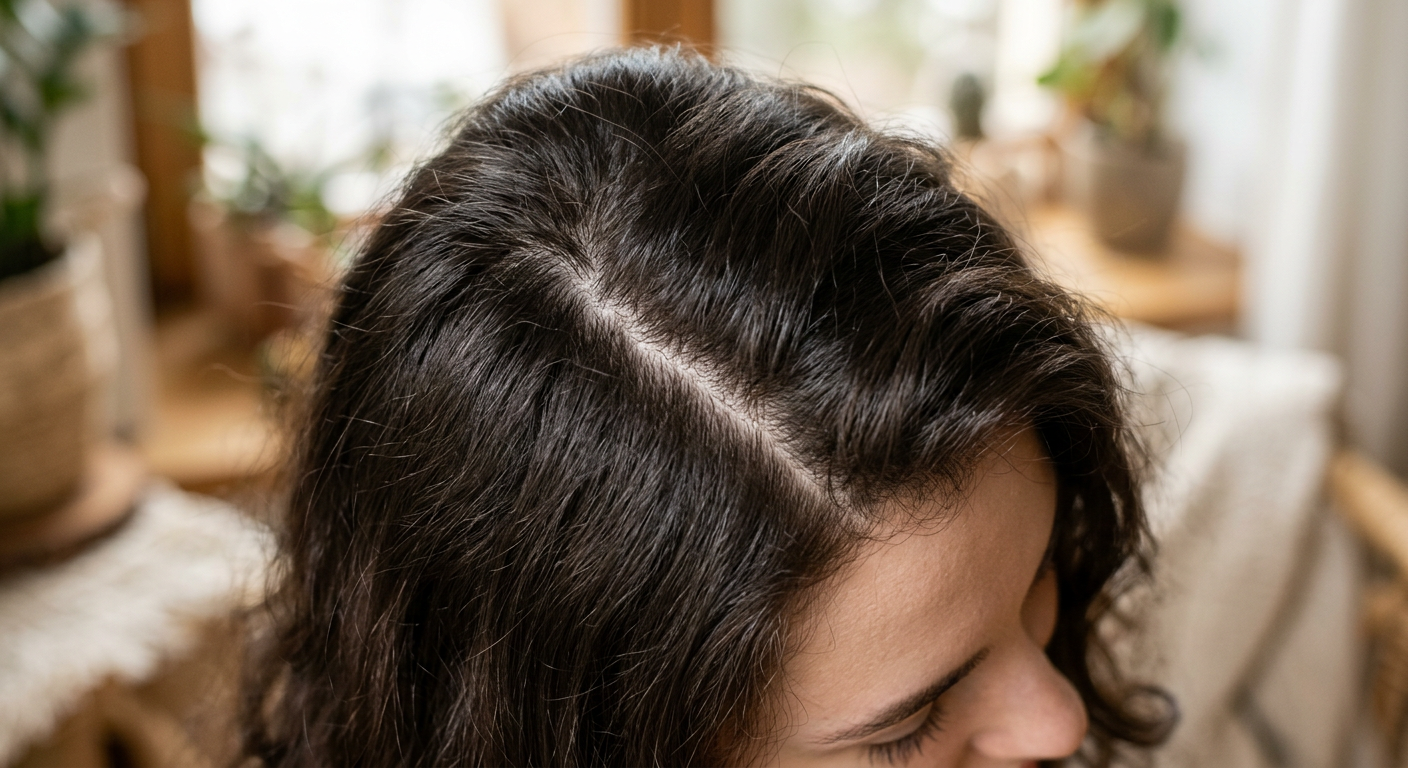
The scalp is skin, and it behaves like skin. Clog it with product buildup, excess oil, and sweat, and it becomes a breeding ground for problems. A clean scalp lowers the risk of issues like seborrheic dermatitis and bacterial infections, according to Cosmoderma.
Hair growth depends on a healthy foundation. Follicles buried under buildup or inflammation can’t do their job, which is why stylists increasingly treat the scalp as the starting point for any service. Prioritizing it improves results and tackles common concerns more directly, as Malibu C notes.
Men who style often or work out a lot benefit from a regular deep cleanse, which resets the scalp and helps hair respond better to styling, per Cécred. Ignore the scalp and even the best haircut underperforms.
Common Scalp Problems Men Face
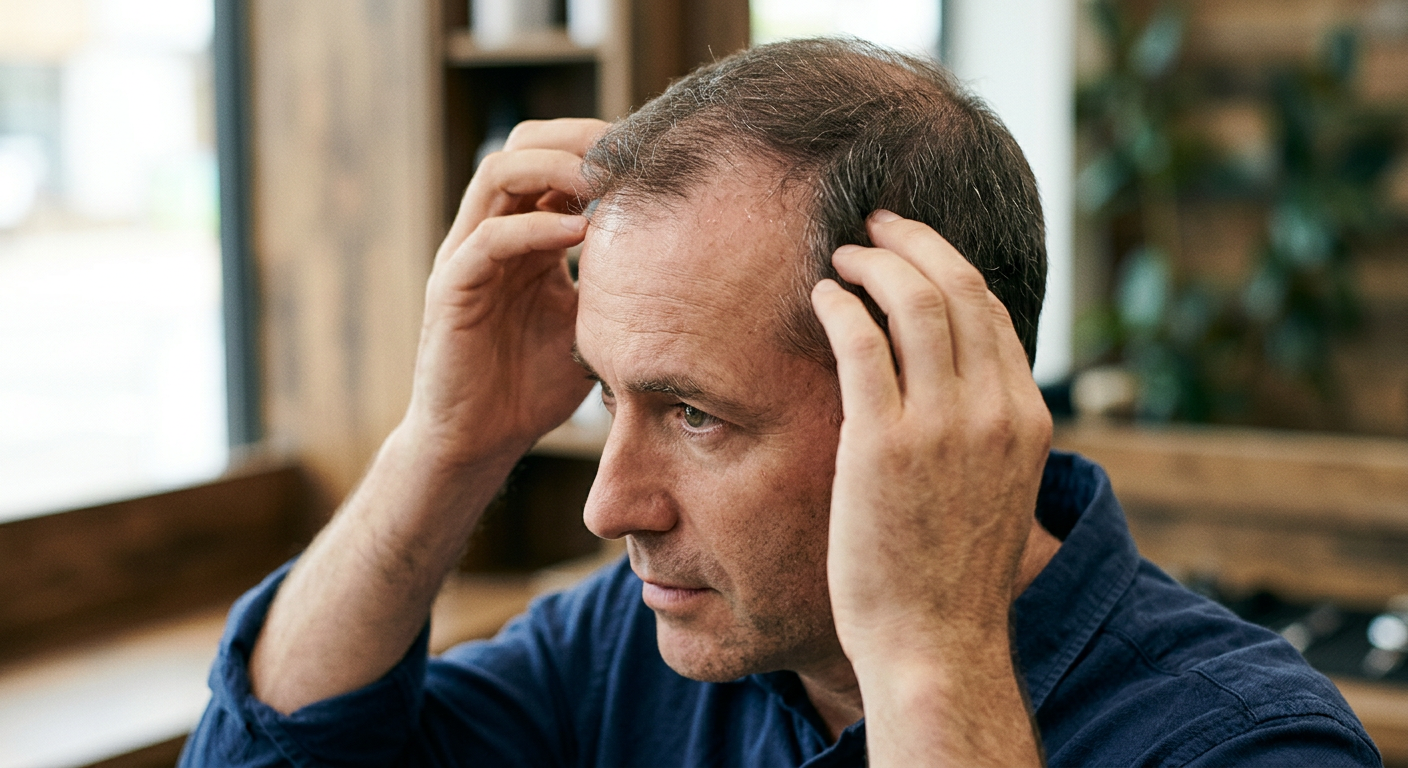
Naming the problem is the first step toward fixing it. Most male scalp concerns fall into a few categories, each with a clear approach.
| Scalp Concern | Common Cause | Recommended Approach |
|---|---|---|
| Excess oil | Overactive sebaceous glands, over-washing | Balanced washing schedule, clarifying shampoo |
| Product buildup | Frequent styling products | Weekly deep cleanse or clarifying wash |
| Flaking / dandruff | Seborrheic dermatitis, dry skin | Medicated or anti-dandruff shampoo |
| Itchiness and irritation | Buildup, harsh products | Gentle, sulfate-free cleanser |
| Dryness | Over-washing, stripping natural oils | Less frequent washing, scalp oils |
Over-washing is one of the most common mistakes. Strip the scalp of its natural oils and it responds by producing more, which starts a cycle of grease and irritation, explains a stylist quoted by Prose.
Balance is the goal. You want enough natural oil to protect the hair, but not so much buildup that it clogs the follicles. Matching your routine to your scalp type is what separates results from frustration.
How to Build a Simple Scalp Care Routine
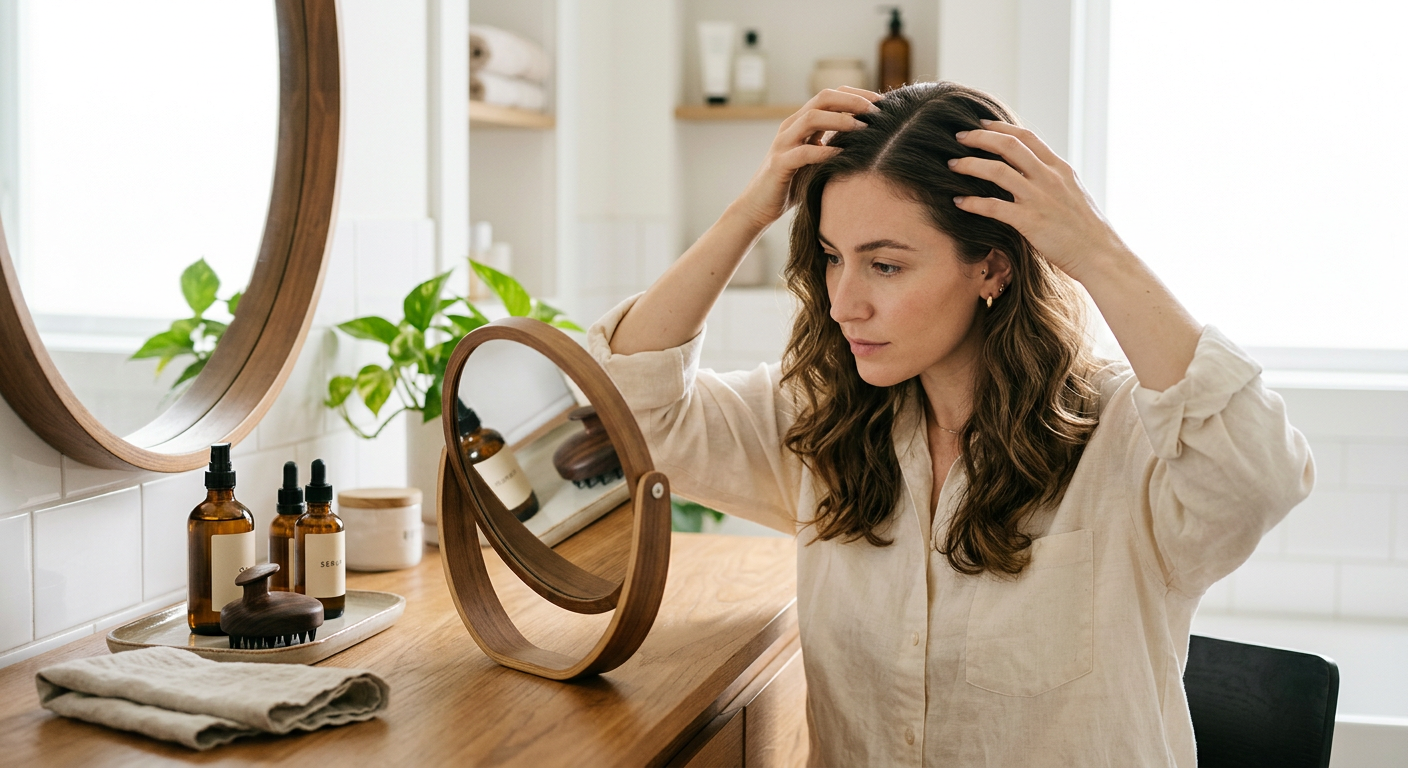
A ten-step regimen isn’t necessary. A few well-chosen habits cover most needs. Start by figuring out your scalp type, whether it’s oily, dry, balanced, or flake-prone, since that decides everything else.
Step 1: Wash the Right Amount
For most men, every other day works well. Daily exercise or heavy styling products might justify washing more often, according to Prose. A dry scalp calls for the opposite: wash less to avoid stripping natural oils.
Step 2: Deep Clean Regularly
Schedule a deep cleanse at least once a month to clear buildup, or twice weekly if you use a lot of product or have thicker hair. This resets the scalp and keeps follicles clear.
Step 3: Use Targeted Products
Match products to your concerns instead of grabbing whatever’s on sale.
- Clarifying shampoo for buildup and oil
- Anti-dandruff formula for flaking
- Scalp serum or oil for dryness and nourishment
- Sulfate-free cleanser for sensitivity
A visit to a barber or dermatologist can help you tailor a routine to your specific hair and scalp type. Good advice up front saves months of trial and error.
The Confidence Connection

Scalp care isn’t purely cosmetic. Your hair shapes how you look, how confident you feel, and how put-together you come across day to day, as The Spot Barbershop points out.
A healthy scalp supports fuller, cleaner-looking hair, and that visible improvement feeds into self-assurance. Men who address scalp issues early tend to avoid the compounding frustration of thinning, flaking, or ongoing irritation. That link between grooming and confidence explains much of why adoption keeps climbing.
Men’s and women’s hair aren’t fundamentally different. The difference is in how it’s maintained. Once that clicks, scalp care stops feeling optional.
Key Takeaways and Next Steps
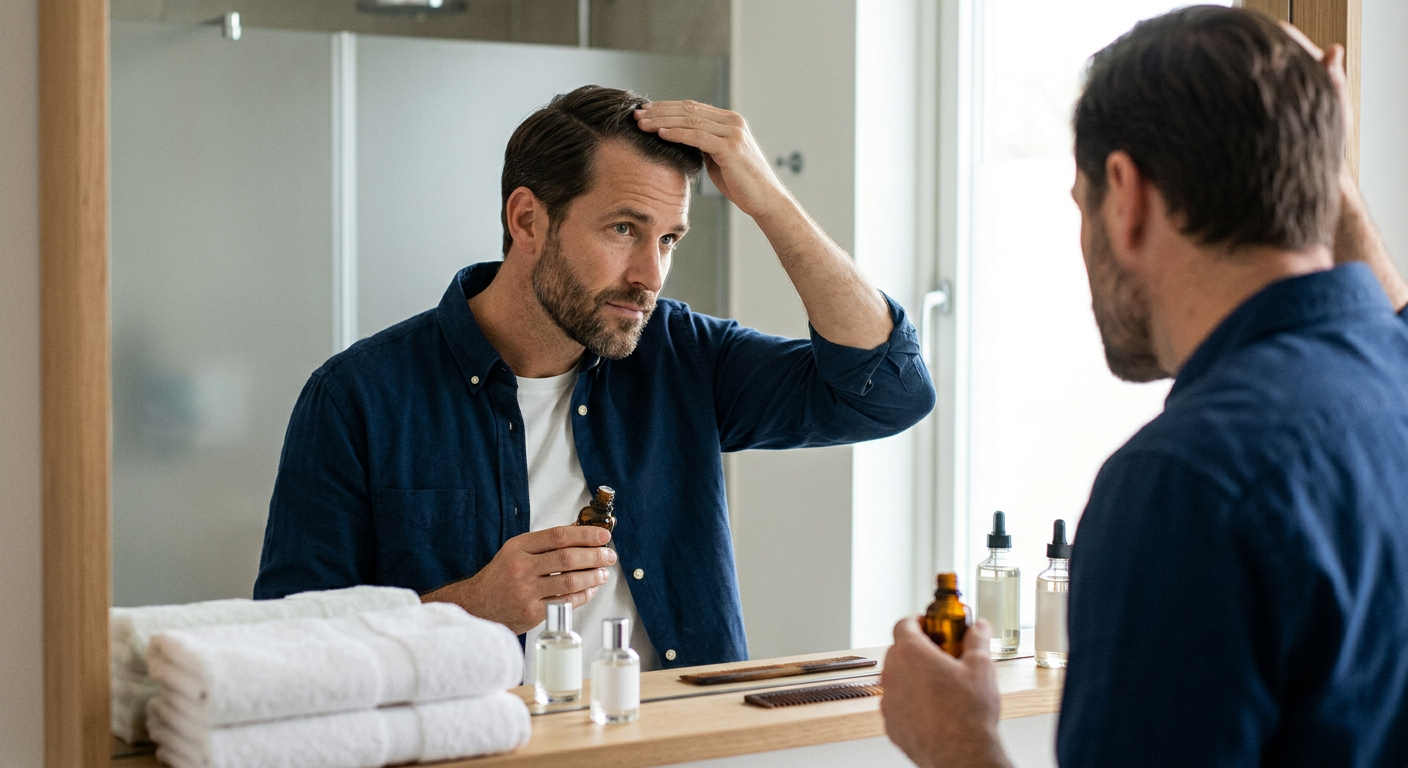
Men are prioritizing scalp care because the evidence lines up: a healthy scalp produces healthier hair, heads off common problems, and supports confidence. The market shows it too, with the hair and scalp care industry heading toward US$189.3 billion by 2033 and men’s grooming among the fastest-growing segments.
The routine itself is simple. Identify your scalp type, wash the right amount, deep clean regularly, and pick products that target your specific concerns. Skip the over-washing, and stop treating your scalp as an afterthought.
Where to start: look at your current routine, pick one product suited to your scalp type, and consider a barber or dermatologist for tailored advice. Your hair will respond, and so will your confidence.
Frequently Asked Questions
Q: How often should men wash their scalp?
Most men do well washing every other day. Daily exercise or heavy product use can call for more. A dry scalp is the exception: wash less often to preserve natural oils.
Q: What is the difference between scalp care and regular hair care?
Hair care focuses on the strands. Scalp care treats the skin where hair grows. Since a healthy scalp is the foundation for healthy hair, caring for it directly improves hair quality and cuts down on flaking and irritation.
Q: Can scalp care help with dandruff?
Yes. Regular cleansing paired with an anti-dandruff or medicated shampoo addresses the causes of flaking, including seborrheic dermatitis and buildup. Consistency matters more than any single product.
Q: Do men need different scalp products than women?
The core products are similar, but men’s scalps often produce more oil and take on more sweat from frequent workouts. Products built for oil control and deep cleansing tend to suit male scalps well, though the right pick depends on your individual scalp type.
Q: Is over-washing bad for the scalp?
Over-washing strips the scalp of natural oils, which prompts it to produce even more and can trigger a cycle of greasiness and irritation. Aim for balance rather than washing as often as possible.
Q: How long before I see results from a scalp care routine?
Most men notice less oiliness, flaking, or irritation within a few weeks of consistent care. Better hair fullness and overall health usually show up over one to three months.