

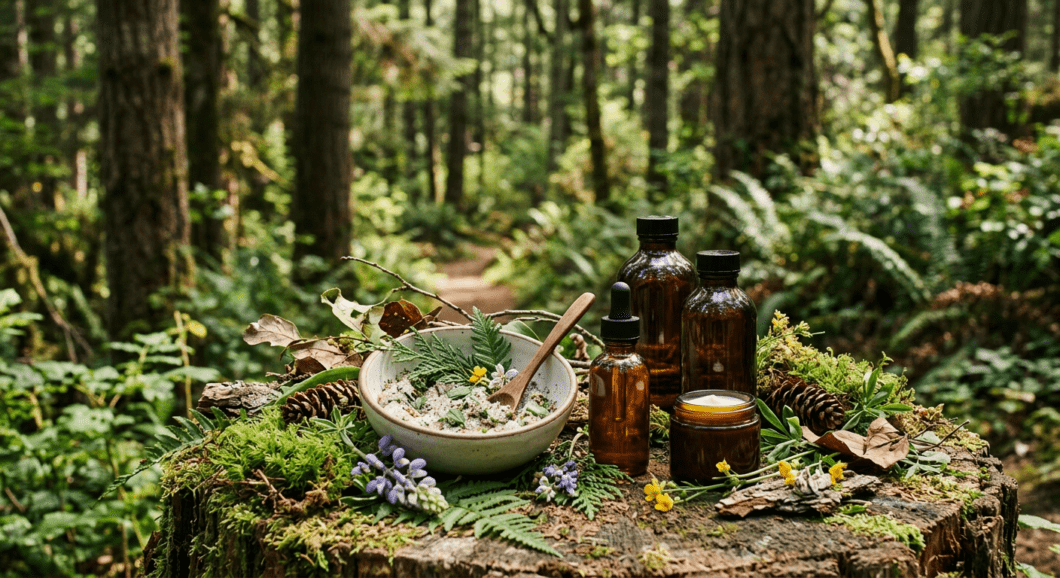
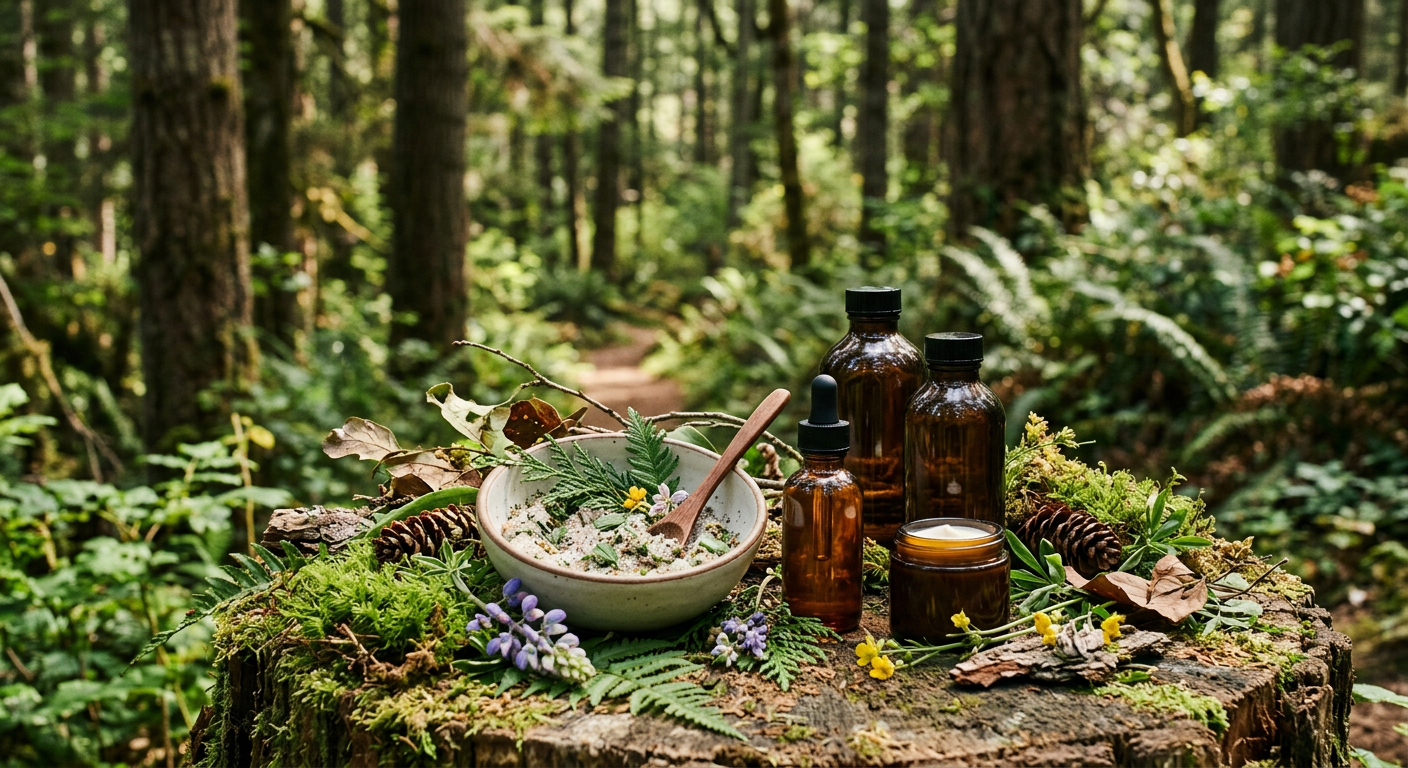
Many of the ingredients now driving the clean beauty market grew on forest floors centuries before anyone built a lab to study them. That history underpins one of the more durable shifts in organic skincare: a move away from synthetic actives toward forest-derived botanicals like reishi mushroom, sandalwood, bakuchiol, and wild-harvested barks. The claim is that they perform as well as their lab-made counterparts while carrying a story consumers want to hear.
The market reflects that appetite. The organic skin care sector reached USD 14.1 billion in 2025 and is projected to hit USD 34.2 billion by 2035, a 9.3% CAGR, according to Research Nester. What follows is a look at what’s behind the growth and which botanicals deserve attention.
Why Forest-Inspired Beauty Is Gaining Ground
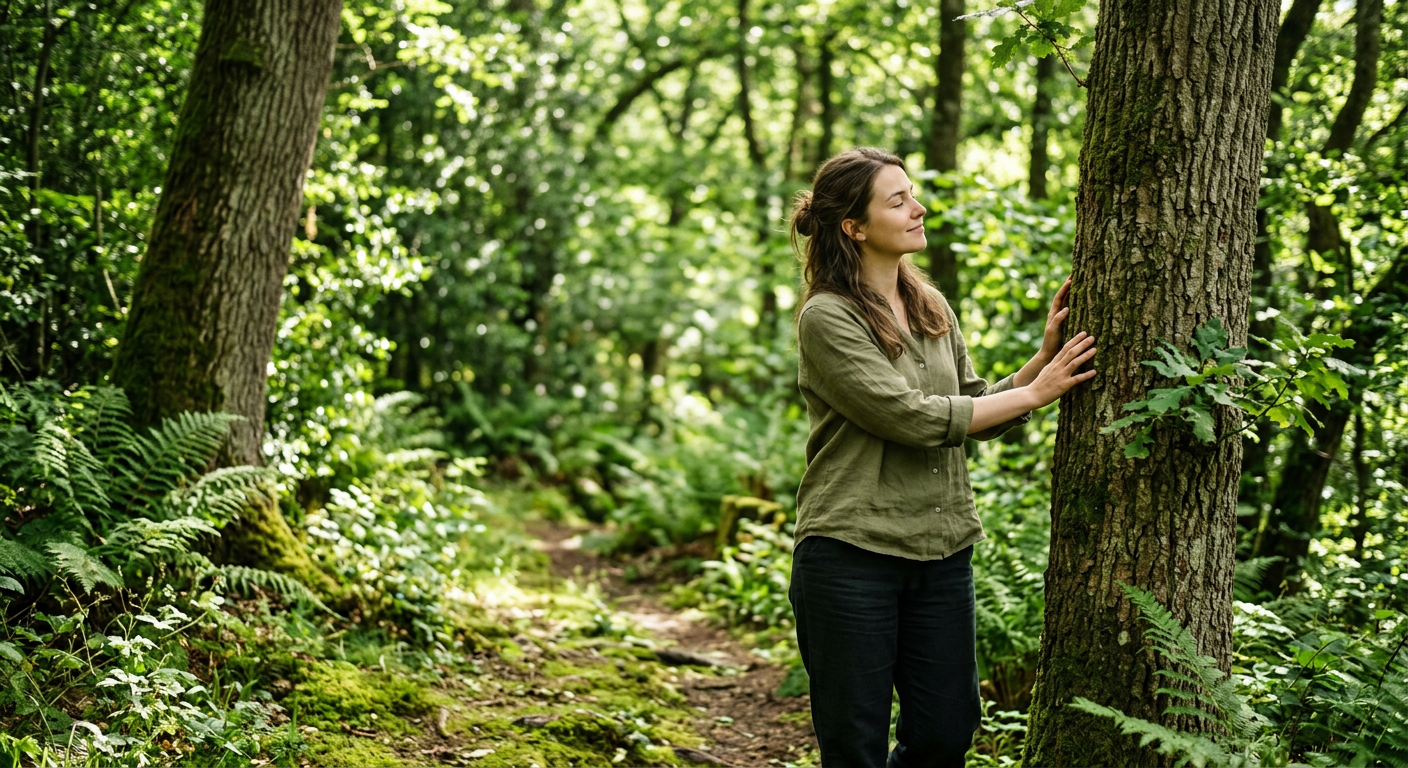
The movement traces back to Shinrin Yoku, or forest bathing, the Japanese practice of spending mindful time among trees. Government-funded studies in 1980s Japan found that people who spent time in woodland showed measurable drops in blood pressure and stress, as Forbes reported.
Beauty brands ran with the research. Eminence Organics built its Pure Forest Collection around snow mushroom and reishi, on the premise that you can bottle some of the forest’s restorative effect and apply it topically. The selling point works on two levels: the ingredients are meant to calm skin and mind at once.
Demand backs the strategy. NSF data from March 2025 found that nearly 74% of consumers prefer organic ingredients in personal care products, a preference that rewards brands willing to source responsibly.
The Botanical Ingredients Trending in Organic Skincare
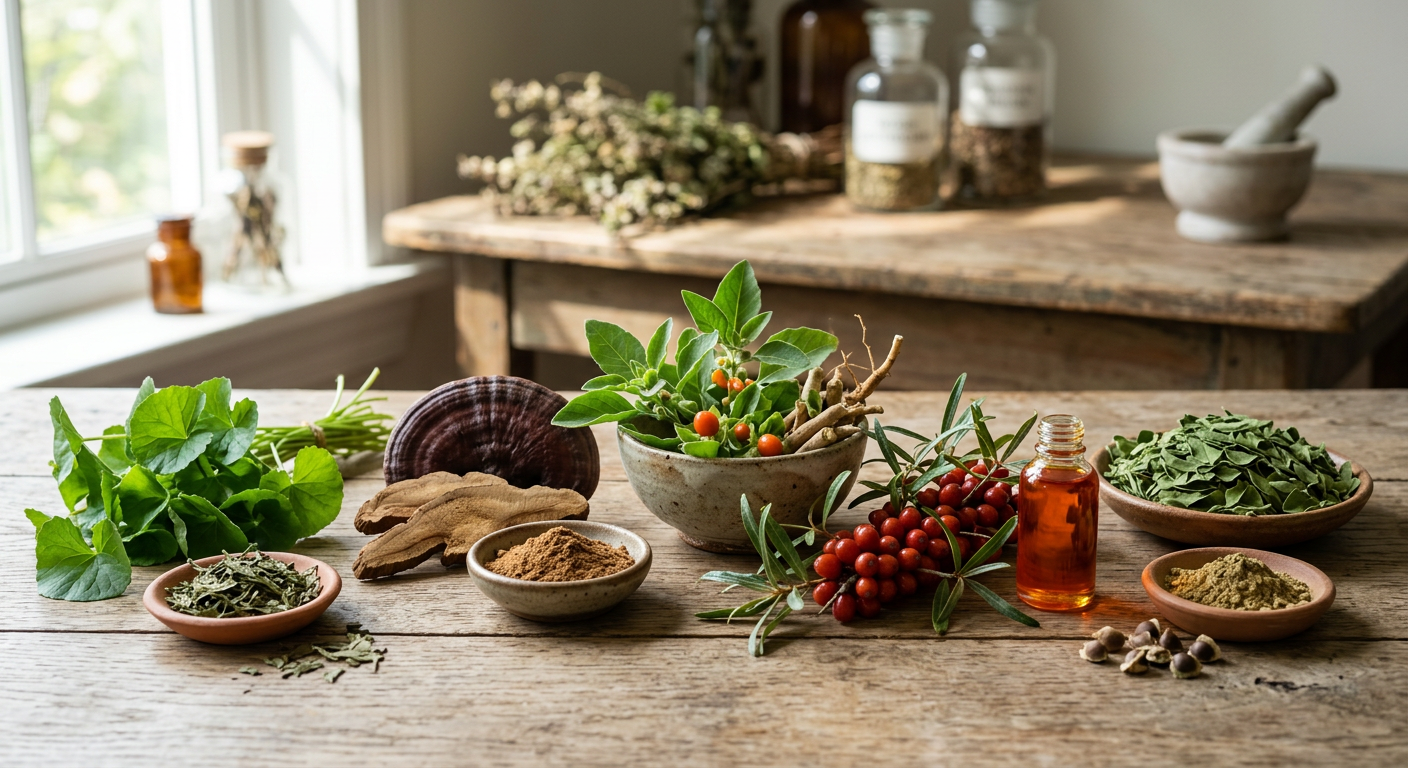
The botanicals breaking through right now share a long history of traditional use that modern research is starting to validate. These aren’t novelty actives. They’re old ingredients being used more intelligently.
Adaptogenic Mushrooms
Adaptogenic mushrooms, the functional fungi meant to help skin cope with physical, environmental, and biological stress, lead the category. Tremella (snow mushroom), reishi, and chaga have gained ground in K-Beauty, especially in fermented and barrier-repair formulas, according to Vogue Arabia.
Snow mushroom holds up to 500 times its weight in water, which has earned it a reputation as a botanical stand-in for hyaluronic acid. Reishi targets inflammation. Chaga brings antioxidant support.
Ayurvedic Botanicals
Ingredients rooted in Ayurveda are having a moment again. Ashwagandha, sandalwood, and bakuchiol draw the most interest.
Bakuchiol is the headliner: a plant-derived retinol alternative that smooths fine lines without the redness and peeling that often come with retinoids. Brands like Furtuna Skin pair it with wild dandelion and organic nettle to push the effect further.
Wild-Harvested Barks and Extracts
Wild-harvested ingredients are drawing attention as conservation turns into a selling point. Mimosa tepezcohuite, harvested from healthy forest ecosystems, develops strong protective compounds that carry over into effective skincare, notes Mayan Magic Soaps.
The logic is straightforward: a plant’s nutrient density depends on the health of the soil and ecosystem it grew in.
Botanical Ingredient Comparison: What Each Does
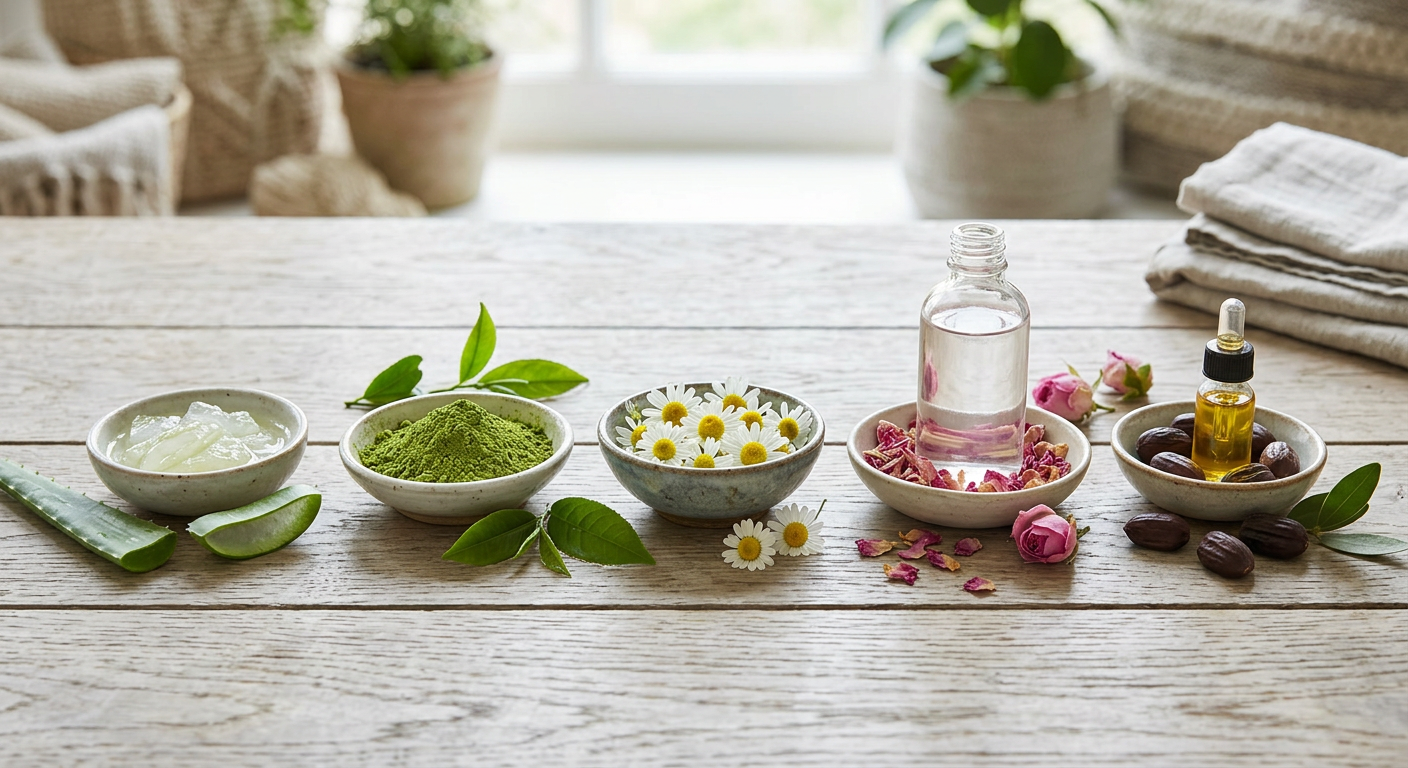
Use this quick reference to match botanical ingredients to your skin concerns.
| Botanical Ingredient | Primary Benefit | Best For | Source Tradition |
|---|---|---|---|
| Snow Mushroom (Tremella) | Deep hydration, holds 500x its weight in water | Dry, dehydrated skin | East Asian medicine |
| Reishi Mushroom | Calms inflammation, antioxidant | Sensitive, reactive skin | East Asian medicine |
| Chaga | Antioxidant, brightening | Dull, stressed skin | Northern forest traditions |
| Bakuchiol | Smooths lines, retinol alternative | Aging, irritation-prone skin | Ayurveda |
| Ashwagandha | Adaptogenic, stress recovery | Tired, stressed skin | Ayurveda |
| Sandalwood | Soothing, anti-inflammatory | Redness, irritation | Ayurveda |
The Rise of Hybrid Botanical Formulations
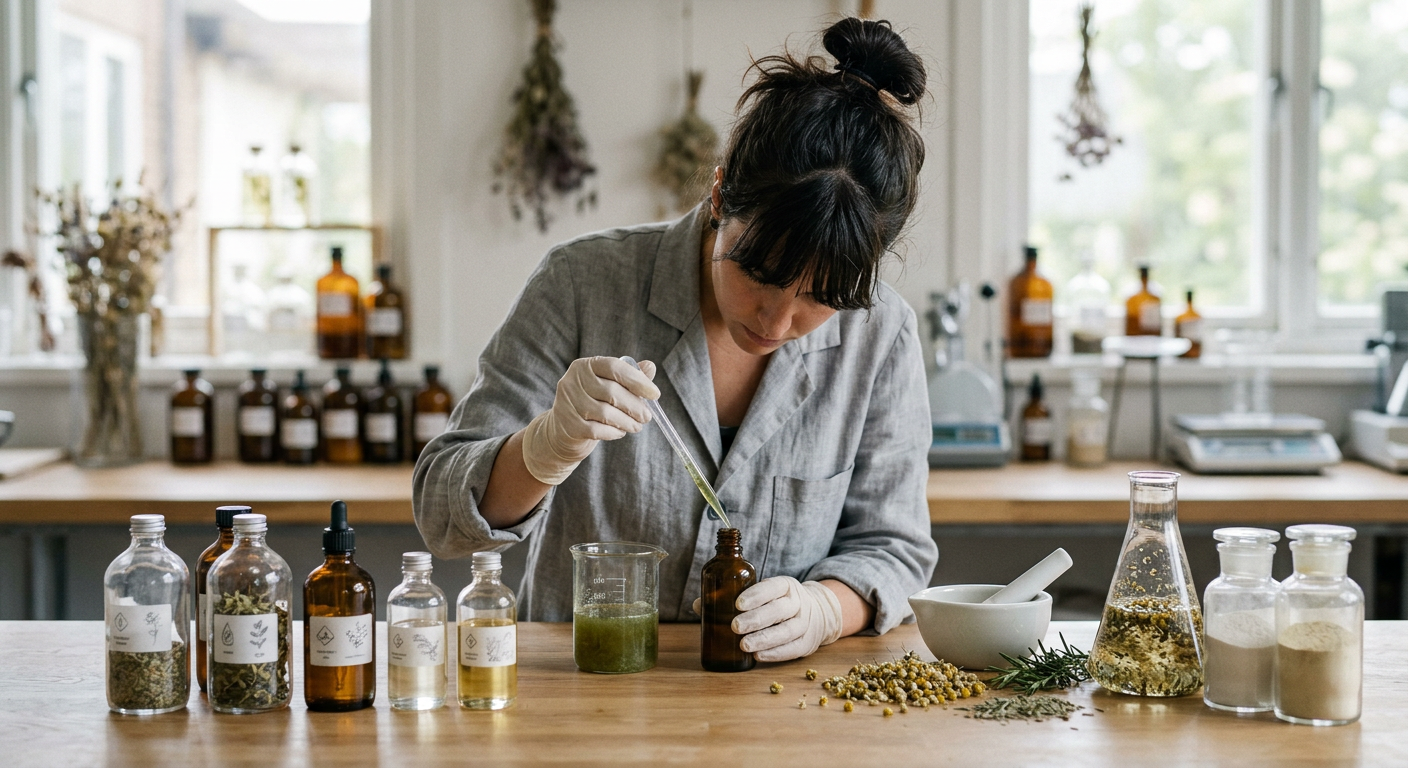
The standalone “all-natural product” is giving way to something more deliberate. In 2026, botanicals will increasingly show up inside hybrid systems that blend plant-derived actives with clinically validated ingredients, rather than as natural solutions standing on their own.
That shift matters because efficacy now drives purchases as much as ingredient ethics. A formula that pairs reishi extract with a stabilized vitamin C or a peptide delivers both the botanical story and measurable performance.
Fermented adaptogenic botanical complexes are the clearest example. Fermentation breaks plant compounds into smaller, more bioavailable molecules, which improves absorption and adds probiotic benefits to barrier repair. Formula Botanica, an organic cosmetic formulation school, names these complexes among the ingredients likely to shape skincare in the coming years.
How to Choose Sustainable Botanical Skincare
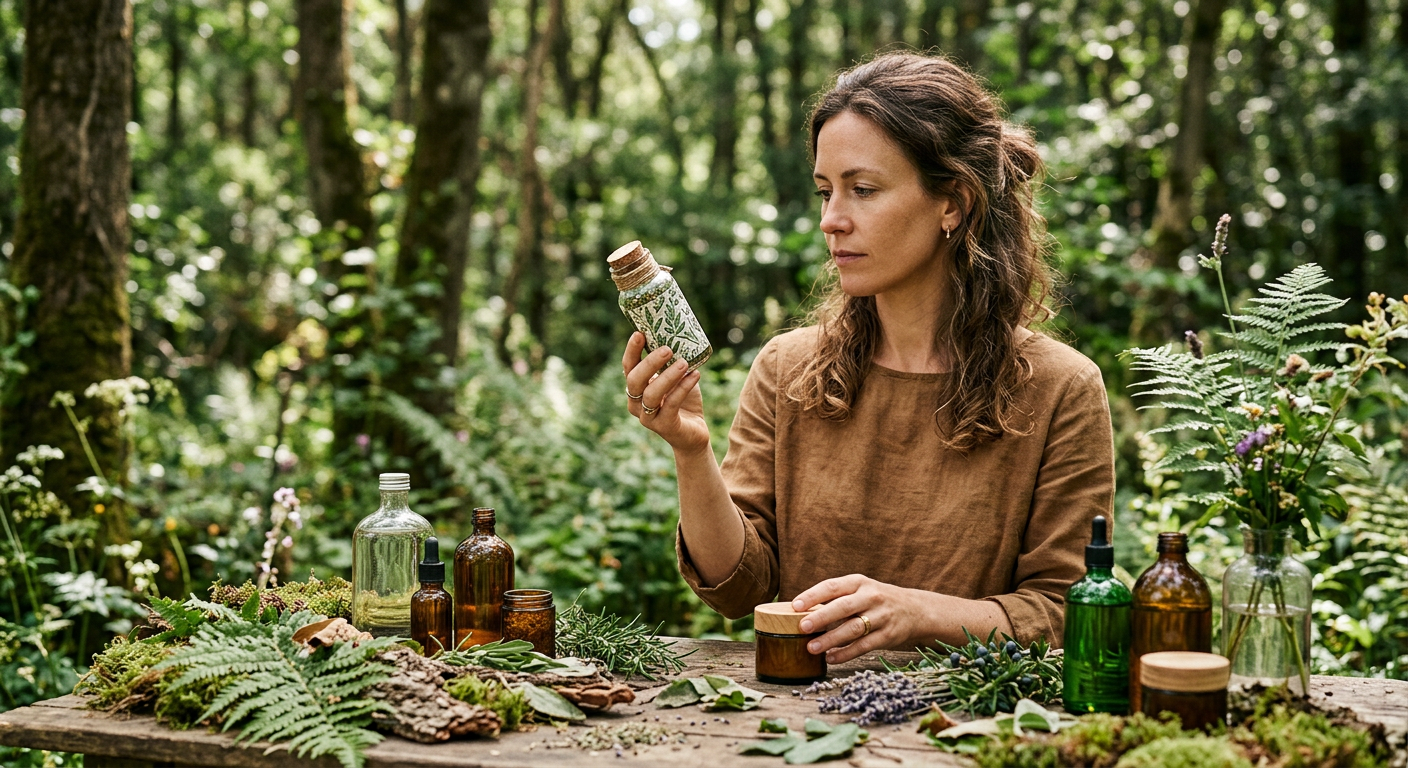
A forest-inspired label means little without sourcing to back it. Forest health directly determines the nutrient density of the ingredients in any formula, so where and how a brand sources counts as much as what it puts on the label.
Look for These Signals
- Organic certification from recognized bodies such as NSF or COSMOS.
- Transparency on ingredient origin. A brand that names its sources is usually one that takes conservation seriously.
- Wild-harvested claims backed by detail, not vague marketing copy.
- Hybrid formulations that disclose both their botanical and clinical actives.
Shoppers will walk away from a brand the moment they spot a false claim or a gap in transparency, Formula Botanica warns. Treat sourcing transparency as non-negotiable.
If you make your own products, work with suppliers who can explain how they produce their oils, extracts, and hydrosols. Ethical sourcing protects your product and the ecosystems that supply it.
Conclusion
Forest-inspired beauty is more than a marketing aesthetic. It returns to time-tested botanicals and applies them with modern rigor. Adaptogenic mushrooms, Ayurvedic ingredients like bakuchiol and ashwagandha, and wild-harvested barks produce real results, particularly inside hybrid formulas that pair plant actives with validated science.
The practical advice comes down to three things: match botanicals to your specific skin concerns, favor hybrid systems for efficacy, and demand transparency on sourcing and certification. With the organic skincare market set to more than double by 2035, the brands that pair botanical potency with conservation are positioned to lead.
Take one product in your current routine, hold it up against the criteria above, and replace it with a forest-inspired alternative that earns its claims.
Frequently Asked Questions
Q: What are adaptogenic mushrooms in skincare?
Adaptogenic mushrooms are functional fungi, including reishi, chaga, and snow mushroom, that help skin adapt to physical, environmental, and biological stressors. They show up most often in fermented and barrier-repair formulas, where they handle hydration, calming, and antioxidant support.
Q: Is bakuchiol better than retinol?
Bakuchiol is a plant-derived alternative that smooths fine lines and supports skin renewal without the irritation retinol often causes. It suits sensitive and irritation-prone skin, though retinol still has the deeper body of clinical research behind it.
Q: What does forest-inspired beauty mean?
Forest-inspired beauty draws on Shinrin Yoku, the Japanese practice of forest bathing, using botanical ingredients native to forests (mushrooms, barks, and plant extracts) to calm both skin and mind. It connects nature-based wellness research with topical skincare.
Q: How do I know if a botanical skincare brand is sustainable?
Look for organic certifications such as NSF or COSMOS, clear disclosure of where ingredients come from, and detailed wild-harvesting claims. Transparency about sourcing is one of the strongest signals of a real conservation commitment.
Q: How big is the organic skincare market?
The organic skin care market was valued at USD 14.1 billion in 2025 and is projected to reach USD 34.2 billion by 2035, growing at a 9.3% CAGR, according to Research Nester. Around 74% of consumers now say they prefer organic ingredients in personal care.
Q: What are hybrid botanical formulations?
Hybrid botanical formulations combine plant-derived actives and extracts with clinically validated ingredients like peptides or stabilized vitamin C. They aim to deliver the appeal of natural ingredients alongside proven clinical performance.