

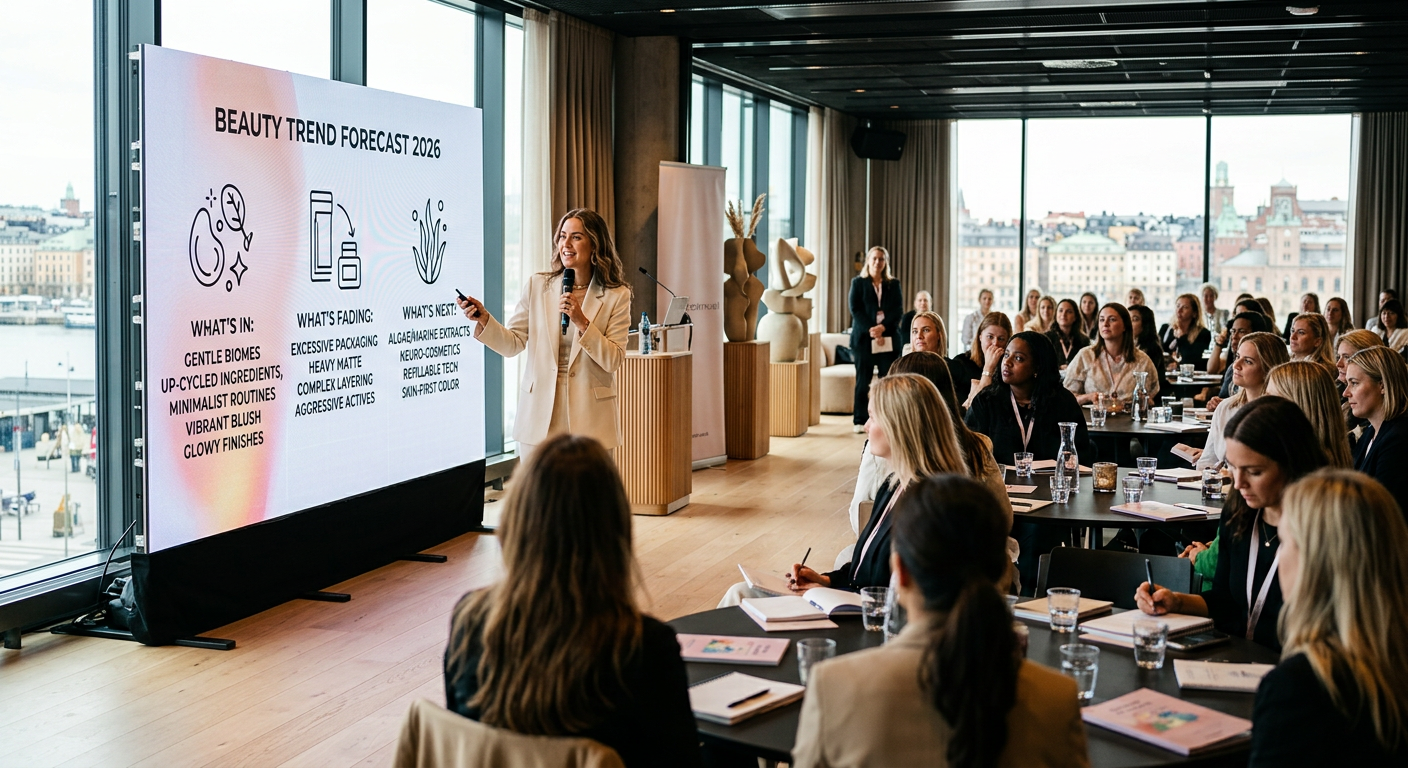
The beauty industry is going through a genuine reset — not a rebranding cycle, but a shift in what consumers actually want from products. According to the NIQ State of Global Beauty 2026 report, digital tools and AI are reshaping how shoppers discover, evaluate, and buy beauty products at every price point. Novelty alone isn’t moving units the way it used to. Shoppers want proof of performance, ingredient transparency, and brands that fit how they actually live. This beauty trend forecast for 2026 covers what’s driving those changes — and what they mean in practice.
The Seven Macro Trends Shaping Beauty in 2026
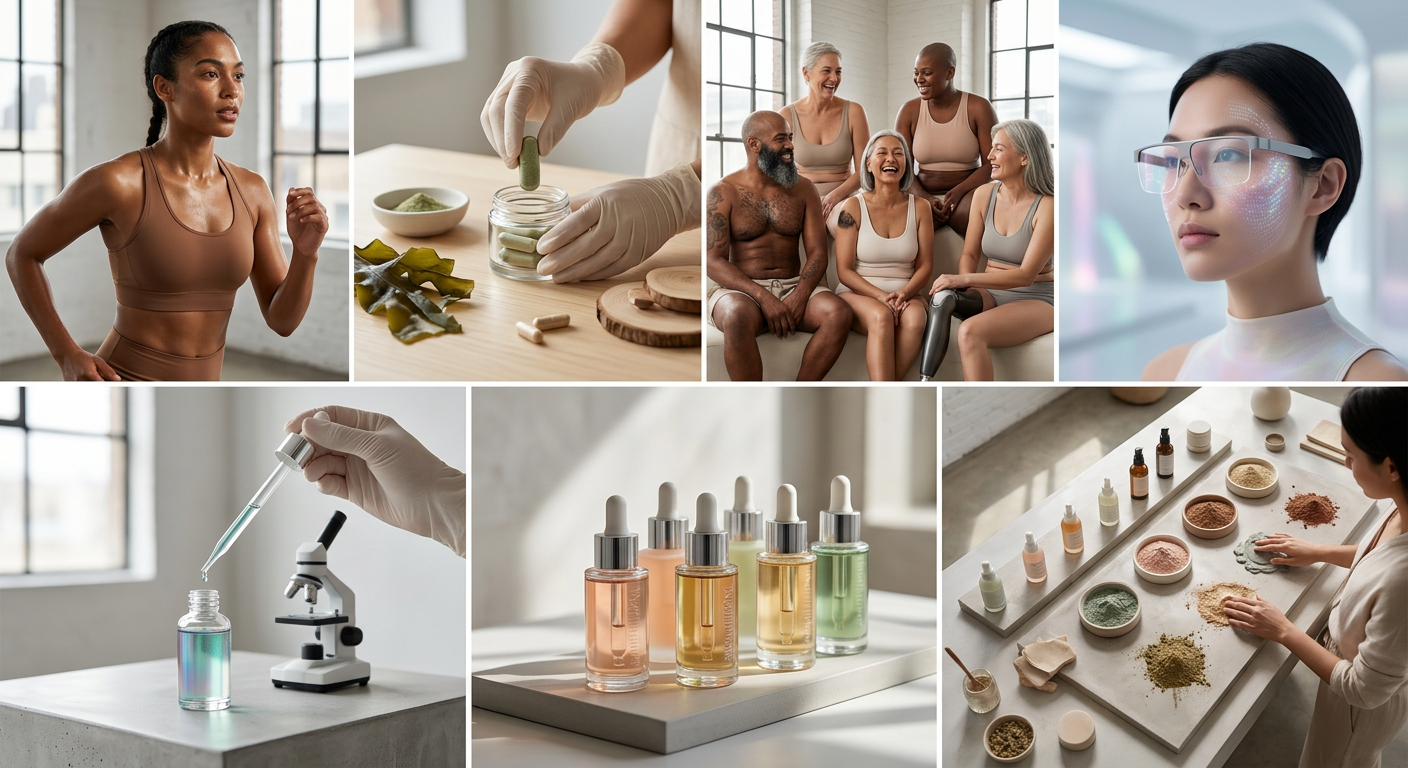
The 2026 Beauty Trend Forecast by Jennifer Carlsson Mintoiro identifies seven macro trends redefining the industry this year: Essential Minimalism, Holistic Self-Care, Affordable Fun, Science-Driven Efficacy, Dreamland, Scandi Prestige, and Artisanal Storytelling.
What connects them isn’t an aesthetic. It’s a demand for accountability. Shoppers in 2026 expect brands to show their work on ingredients, sourcing, formulation science, and sustainability claims. Vague buzzwords are losing ground fast — not because consumers suddenly became skeptical, but because the information to check those claims is now one TikTok comment or Reddit thread away.
Skincare in 2026: Science, Barriers, and Long-Term Resilience
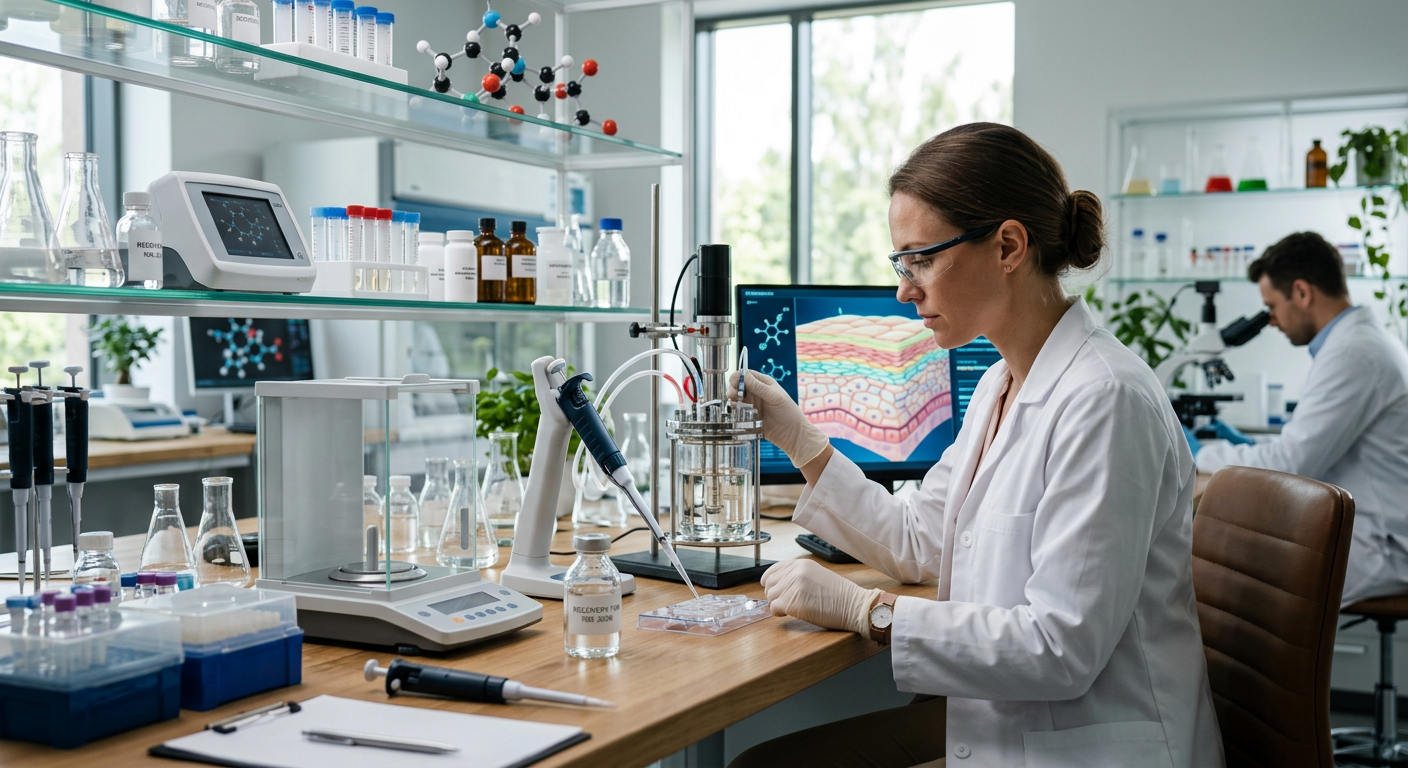
The Shift from Symptom-Fixing to Mechanism-Driven Formulas
The skincare category is moving away from reactive, symptom-focused products toward formulations that address how skin actually functions at a biological level. According to Beauty Independent, consumer demand is shifting toward “integrative, mechanism-driven formulations that optimize how skin functions” — a meaningful departure from the quick-fix culture of recent years.
Barrier health is the headline ingredient story of 2026. Ceramides, postbiotics, and skin-identical lipids are dominating new launches as brands compete on long-term skin resilience rather than surface-level hydration claims. The difference matters: a product that temporarily plumps skin with humectants is not the same as one that restores the lipid matrix. Consumers are starting to know the difference.
AI-Powered Personalization
AI in beauty is no longer a gimmick. ADA Cosmetics notes that the market for AI-powered skincare is expanding rapidly, with tools that analyze skin condition, recommend routines, and predict how skin will respond to specific ingredients over time.
Brands investing in AI-driven personalization are seeing stronger customer retention because the recommendations actually hold up. When a tool tells you your barrier is compromised and suggests a specific ceramide-to-niacinamide ratio rather than a generic “sensitive skin” routine, that’s a different kind of value proposition — and customers notice.
Makeup Looks Defining 2026: Luminous, Soft, and Intentional
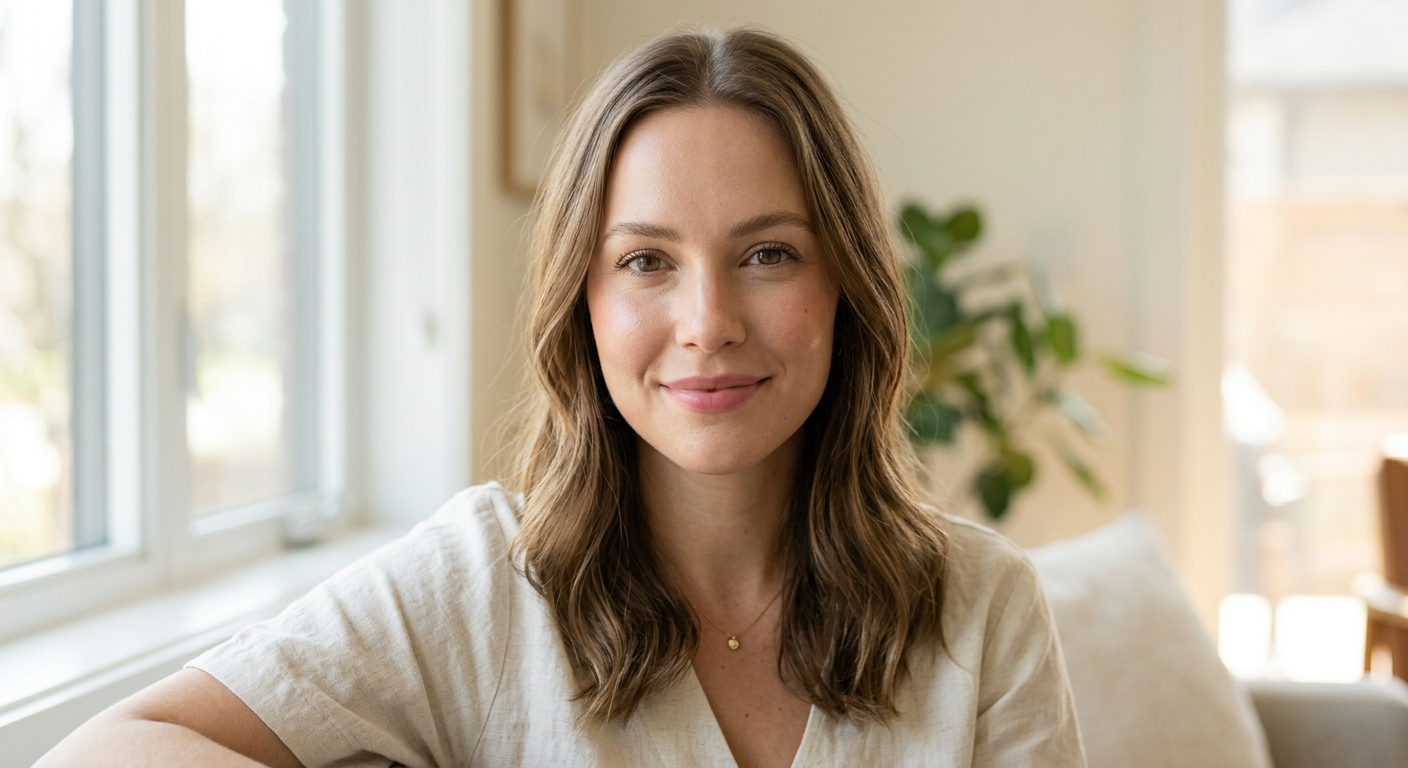
Skin-First Complexion
Heavy full-coverage bases are fading. According to Laura Mercier’s 2026 beauty trend forecast, the complexion story of 2026 is defined by “luminous skin makeup that appears fresh, hydrated, and naturally perfected.” Sheer-to-buildable textures are replacing thick foundations, with the goal being skin that reads as skin — just better.
Blurred, soft-focus finishes are replacing both matte and high-shine extremes. Light-diffusing powders and flexible setting formulas create a polished result that holds up on camera without looking flat or constructed in person.
Eyes and Cheeks: Effortless Elevation
Eye makeup in 2026 favors elevated neutrals and clean definition: tightlined lashes, softly shaped brows, a single wash of well-placed color. Layered, complex eye looks are losing ground to approaches that take less time and read more naturally.
Blush placement is moving away from sculpted contour and toward something that mimics a genuine flush — higher on the cheekbones, sheerer in application. The overall effect is healthy dimension rather than transformation.
What’s Rising vs. What’s Fading in 2026
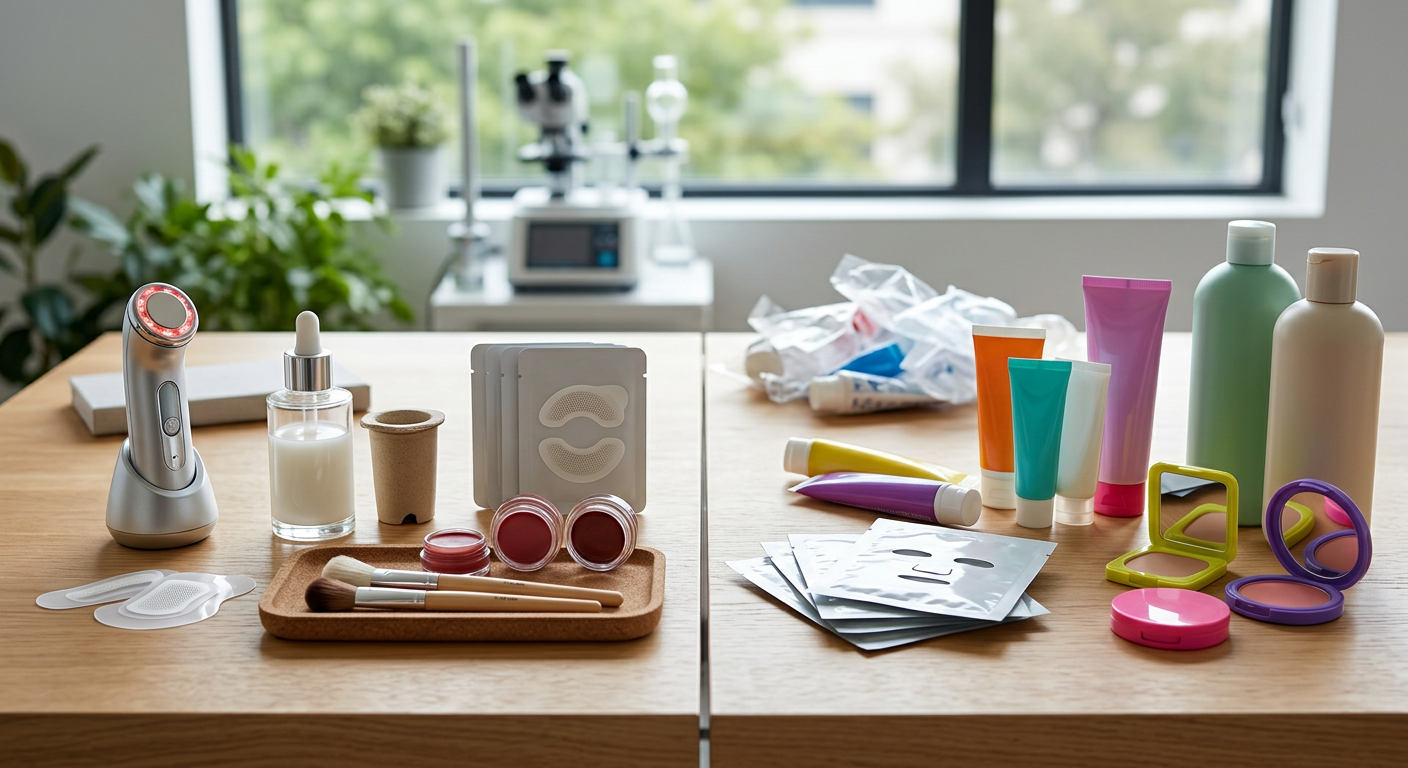
This snapshot captures the key directional shifts across skincare, makeup, and wellness beauty:
| Category | Rising in 2026 | Fading in 2026 |
|---|---|---|
| Skincare | Barrier-support formulas, postbiotics, AI personalization | Slugging, over-layered 10-step routines |
| Makeup | Sheer-to-buildable coverage, soft blush, blurred skin | Heavy matte foundations, over-drawn brows |
| Ingredients | Ceramides, skin-identical lipids, functional botanicals | Unverified “natural” claims without clinical backing |
| Aesthetics | Essential Minimalism, Scandi Prestige | Maximalist glam, loud packaging |
| Shopping | AI-guided discovery, TikTok Shop, K-Beauty | Blind trend-chasing, influencer hype without proof |
| Wellness | Holistic self-care, functional cosmetics | Fragmented, single-symptom products |
K-Beauty’s Continued Rise and What It Signals
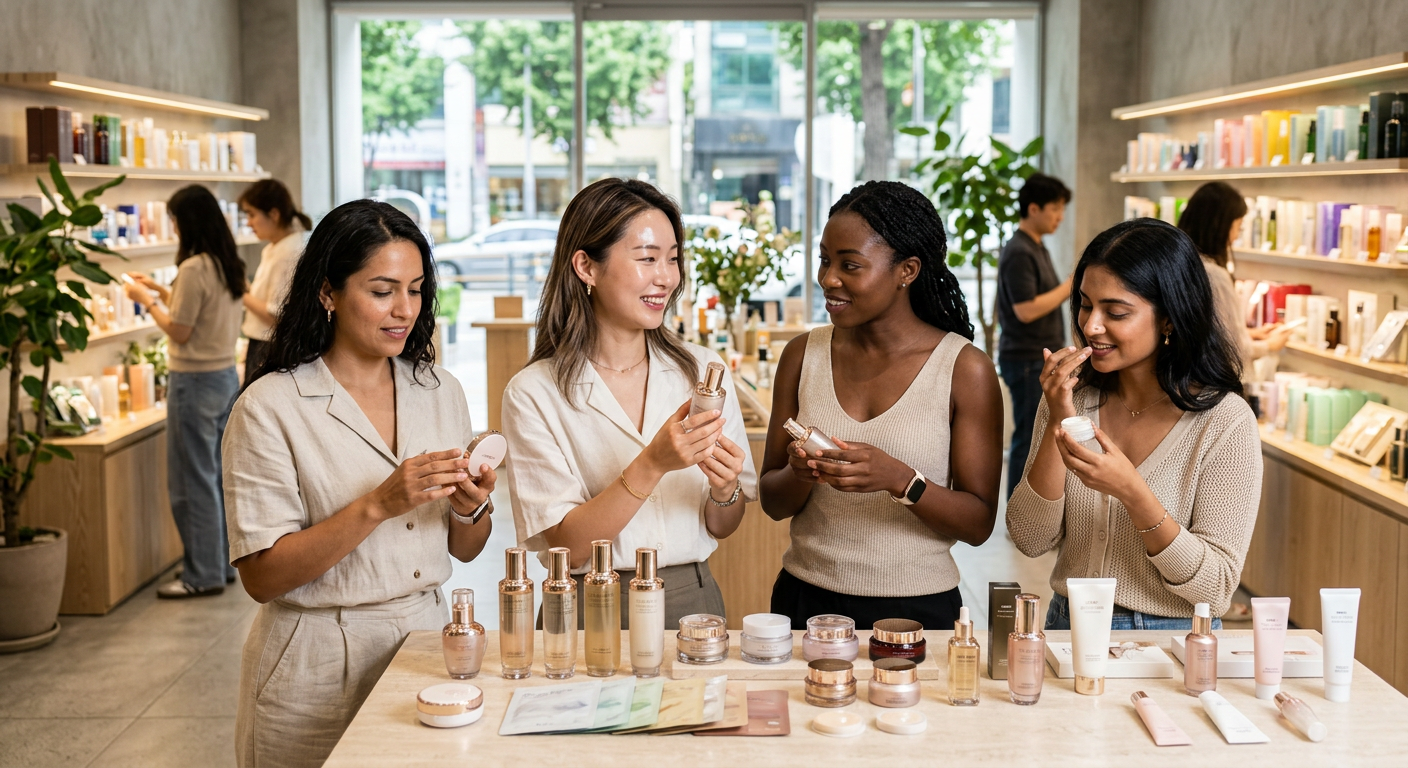
K-Beauty is no longer a niche interest. In the 52 weeks ended August 9, 2025, K-Beauty sales in the United States reached $2 billion — a 37.2% increase — driven by brands like Anua and Medicube through TikTok Shop and major retail channels including Sephora and Ulta Beauty, according to NielsenIQ data cited by Beauty Independent.
What K-Beauty signals for 2026 isn’t a product preference so much as a philosophy: gentle, layered care, ingredient transparency, and a long-term approach to skin health. Western brands are absorbing these principles quickly, and the influence is showing up in formulation decisions, not just packaging aesthetics.
The NIQ analysis on K-Beauty in Canada describes it as moving “from niche trend to strategic growth engine” — a pattern likely to replicate across other Western markets through 2026 and beyond.
Sustainability and Clean Beauty: From Niche to Non-Negotiable
Functional Meets Sustainable
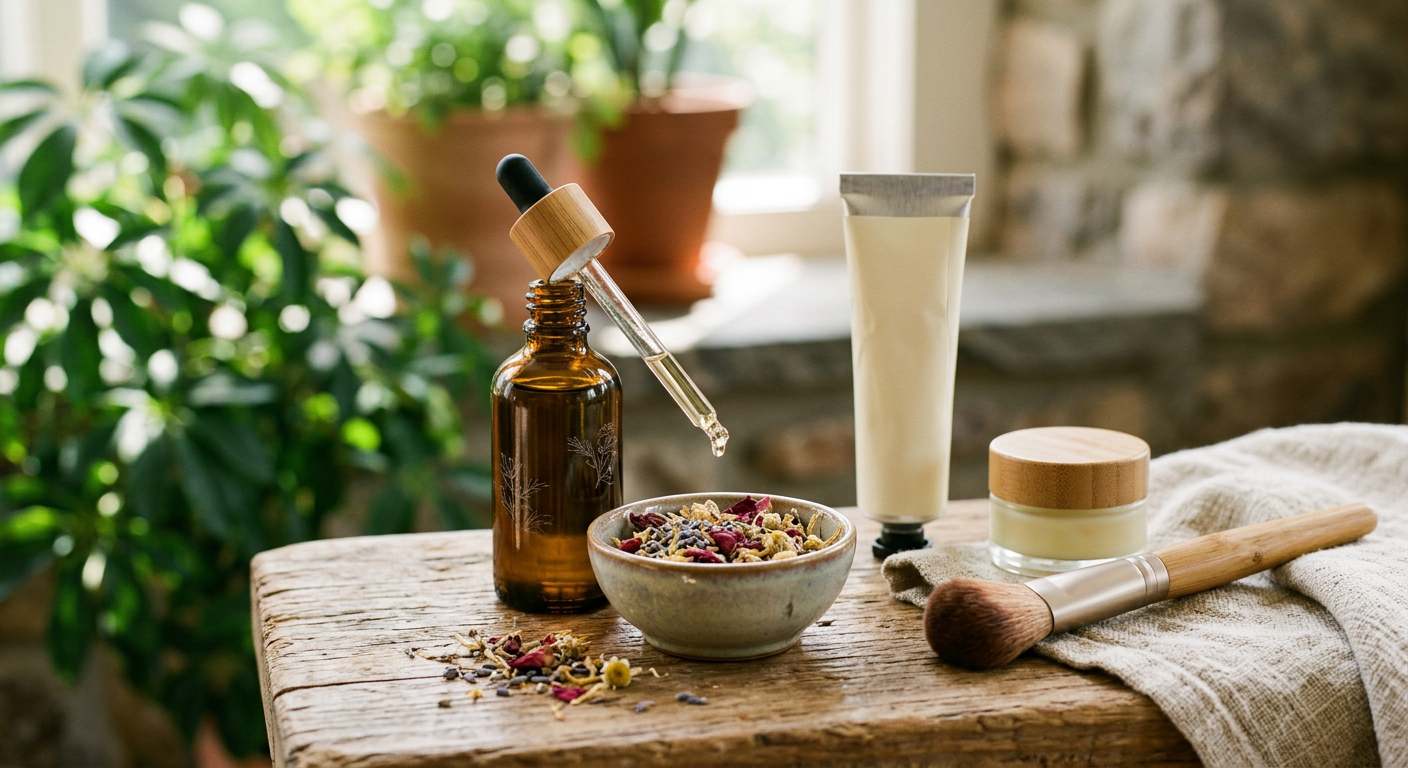
Sustainability in beauty has moved from a marketing add-on to a baseline expectation. ADA Cosmetics notes that “sustainable and natural cosmetics are evolving from a niche into a beauty trend,” with functional cosmetics — products that deliver real skincare benefits alongside clean formulations — gaining significant traction.
The critical shift is that consumers no longer accept sustainability as a trade-off for performance. They expect both. Brands that can’t demonstrate efficacy alongside ethical sourcing and transparent ingredient lists are losing ground — not because of backlash, but because a competitor that does both has entered the shelf next to them.
Artisanal Storytelling as a Trust Signal
One of the seven macro trends for 2026 is Artisanal Storytelling — brands that build authentic narratives around craft, origin, and formulation process earn stronger consumer trust than those relying on mass-market positioning. Shoppers want to know who made something, why the formula is built the way it is, and where the ingredients came from.
This rewards smaller, independent brands with genuine stories to tell. It also pressures larger brands to communicate more specifically about process — not just outcomes.
The Aesthetic Divide: Scandi Prestige vs. Affordable Fun
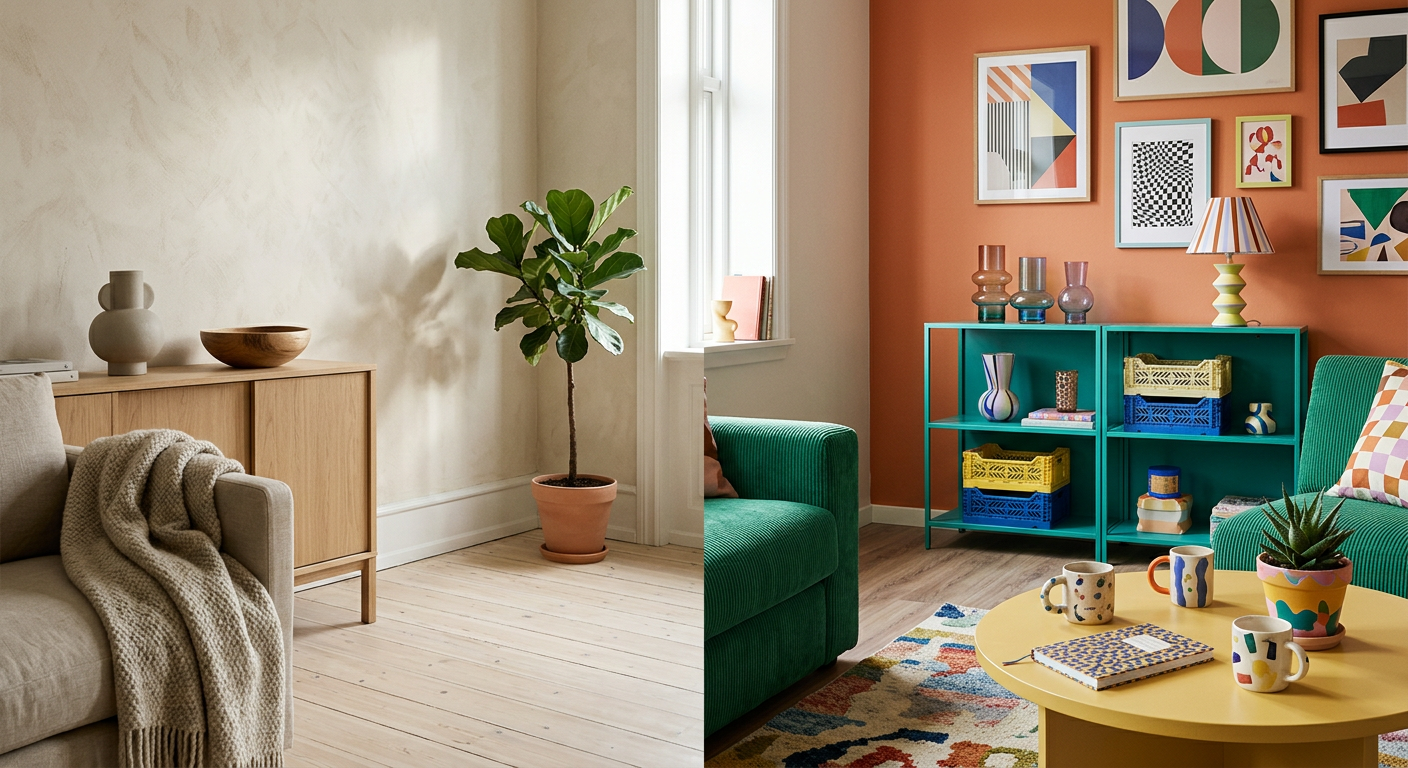
Two of 2026’s macro trends pull in opposite directions, and that tension reflects something real about who’s buying beauty products right now.
Scandi Prestige reflects a consumer willing to invest in fewer, better products. Clean lines, restrained palettes, premium materials, and a “buy less, buy better” mentality define this aesthetic. It aligns with Essential Minimalism and appeals to consumers fatigued by overcrowded shelfies and 15-step routines.
Affordable Fun captures the opposite impulse: playful, colorful, accessible beauty that delivers joy without financial stress. This trend is particularly strong among younger consumers navigating economic pressure while still wanting to participate in beauty culture. According to WhoWhatWear’s A-Z 2026 beauty forecast, both directions are thriving simultaneously.
The brands facing the most risk are those caught in the middle — average products at premium prices, with neither the quality story of Scandi Prestige nor the accessibility of Affordable Fun.
Conclusion: What to Take Into 2026
The 2026 beauty trend forecast isn’t about picking a single aesthetic and committing to it. The underlying question is simpler: does this product actually work, and can the brand prove it?
Key takeaways:
- Science-driven efficacy wins. Consumers want proof, not promises. Mechanism-driven formulations and clinically backed ingredients are the new standard.
- Minimalism is gaining momentum. In both skincare routines and makeup application, “less but better” is replacing maximalism.
- AI is reshaping discovery and personalization. Brands investing in intelligent tools are building stronger loyalty because the recommendations hold up.
- K-Beauty’s influence is expanding. Its philosophy of gentle, transparent, long-term care is reshaping Western beauty norms from the formulation stage outward.
- Sustainability is table stakes. Clean formulations and ethical sourcing are no longer differentiators — they’re entry requirements.
Whether you’re editing your personal routine or building a brand strategy, 2026 rewards substance over spectacle. Audit what you use, what you trust, and what actually delivers results — then align with the trends that match those standards.
Frequently Asked Questions
Q: What are the biggest beauty trends for 2026?
The seven macro trends for 2026 are Essential Minimalism, Holistic Self-Care, Affordable Fun, Science-Driven Efficacy, Dreamland, Scandi Prestige, and Artisanal Storytelling. Across makeup and skincare, the overarching direction is toward performance, transparency, and intentional simplicity.
Q: What skincare ingredients are trending in 2026?
Barrier-supporting ingredients are leading the category — ceramides, postbiotics, and skin-identical lipids are particularly prominent. Consumers are moving away from trendy but unproven ingredients toward formulations with clinical evidence behind them.
Q: Is the heavy full-coverage makeup look going out of style?
Yes. The 2026 makeup direction favors sheer-to-buildable coverage, blurred skin finishes, and luminous complexions that look like enhanced skin rather than a mask. Heavy matte foundations and over-layered coverage are fading.
Q: How is AI changing beauty in 2026?
AI is transforming both product discovery and personalization. Brands are using AI tools to analyze individual skin conditions, recommend tailored routines, and predict ingredient compatibility — moving well beyond basic quizzes into genuinely adaptive skincare guidance.
Q: Why is K-Beauty still growing in 2026?
K-Beauty’s continued growth reflects consumer appetite for gentle, ingredient-transparent, long-term skincare philosophy. U.S. sales reached $2 billion in 2025, driven by brands like Anua and Medicube. Its influence is now shaping product development and formulation standards across Western brands.
Q: What beauty trends are fading in 2026?
Slugging, 10-step skincare routines, heavy contouring, and maximalist glam are all losing momentum. Consumers are also growing skeptical of unverified “natural” claims and influencer-driven hype without clinical backing.