

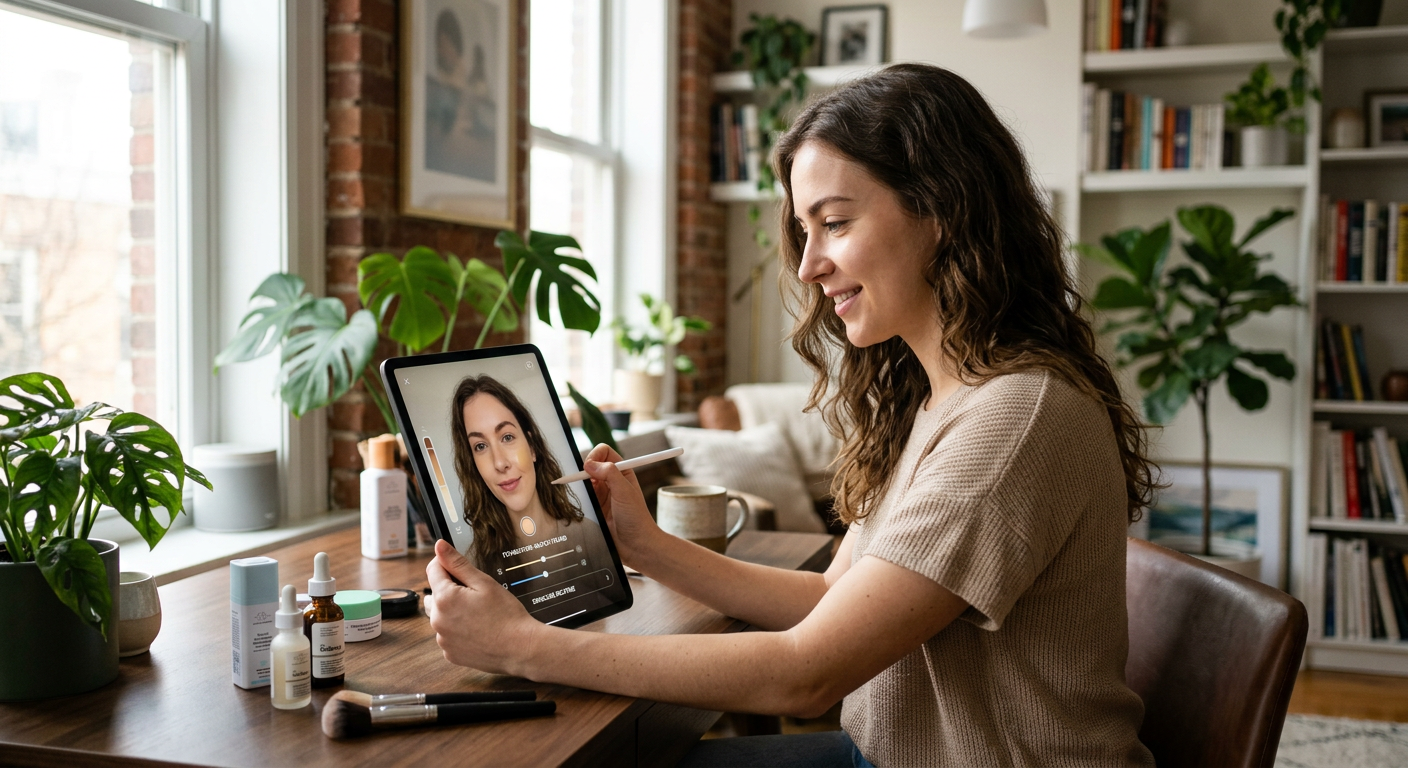
Match your exact foundation shade without touching a single tester. Build a skincare routine from a 30-second selfie. Both are possible right now, and they signal a larger change: AI has moved from a marketing gimmick to a core part of how people discover, test, and buy beauty products. The AI in beauty and cosmetics market is projected to grow from $4.38 billion in 2025 to $5.3 billion in 2026, a 21.1% compound annual growth rate, according to The Business Research Company. For shoppers and brands alike, that growth marks a lasting change in how products get bought.
Why AI Beauty Shopping Is Exploding
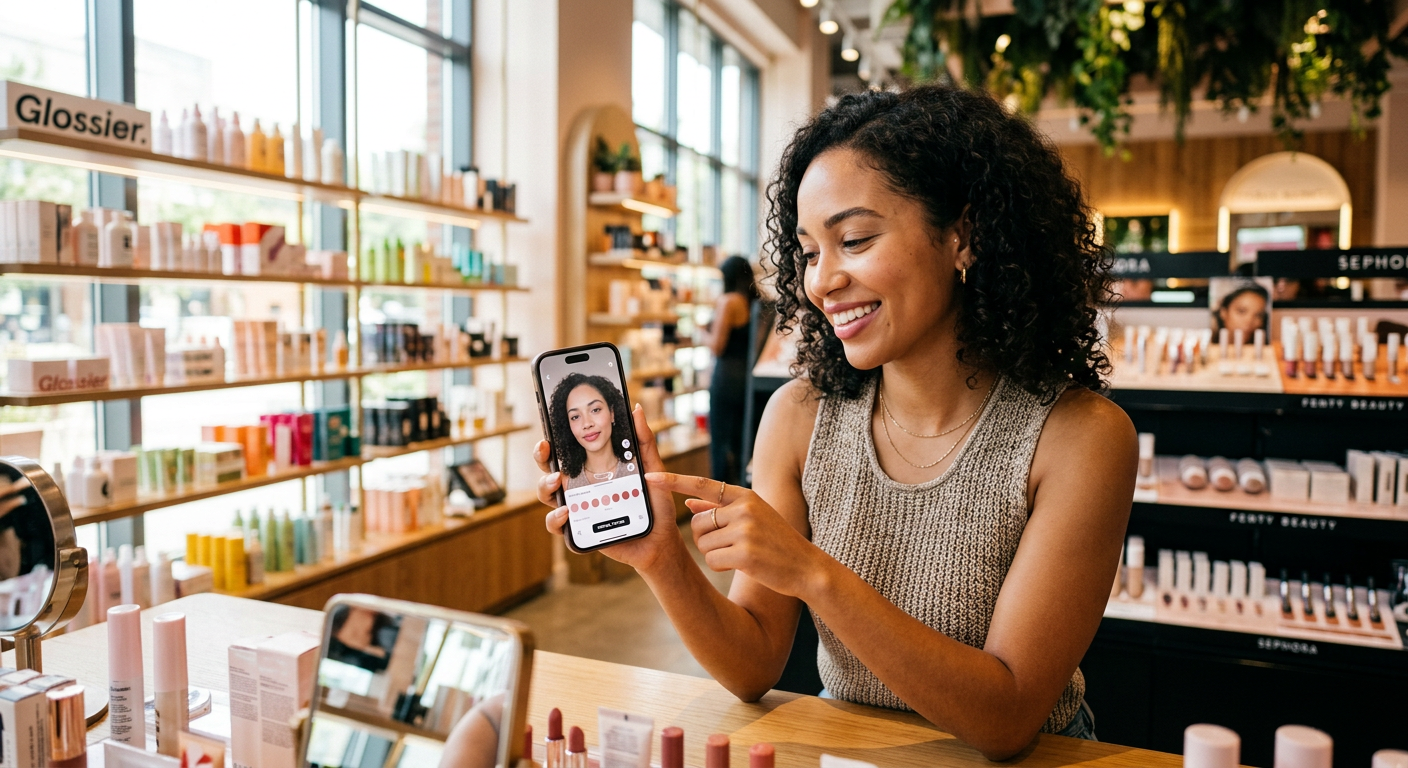
Beauty was an obvious candidate for AI. E-commerce dominates the category now, and online shoppers can’t touch, swatch, or smell anything before buying. AI closes that gap by simulating the in-store experience on a phone or laptop.
The money follows the momentum. Venture capital funding for AI beauty hit $1.2 billion across 150 deals in 2023, per Gitnux. The big players are betting heavily too. L’Oréal bought virtual try-on company ModiFace for $1 billion in 2018, and Unilever started investing in AI startups in 2022.
Demand is the third driver. Roughly 82% of 18-to-34-year-olds already use AI beauty apps, and brands have responded with computer vision diagnostics, live augmented reality (AR) try-ons, and generative recommendation engines. The result is a shopping experience that feels personal at enormous scale.
Virtual Try-Ons Are Replacing the Testing Counter
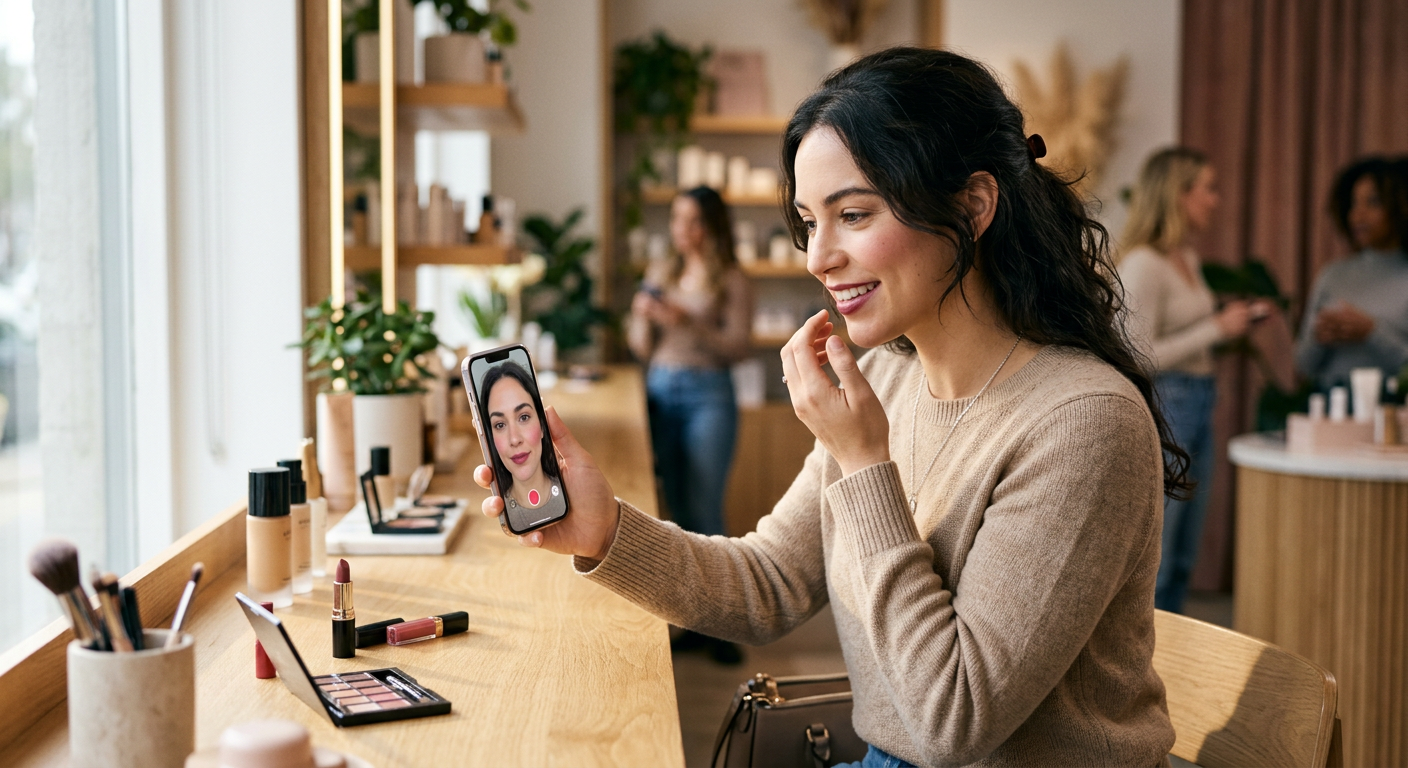
Augmented reality try-on tools let shoppers upload a photo or open the camera to test makeup, hair color, and skincare effects in real time. The technology has gone from experimental to expected. Sephora’s Virtual Artist, Ulta’s GlamLab, and Perfect Corp all let millions of shoppers preview products before committing.
The payoff shows up in the numbers. AR try-ons reduce guesswork, cut return rates, and lift both conversions and customer satisfaction, according to Gitnux. Seeing how a berry lipstick reads against your own skin tone beats buying on faith.
What Virtual Try-On Actually Does Well
- Foundation and concealer matching across a full shade range
- Lipstick, blush, and eyeshadow previews in different finishes
- Hair color simulation before a salon appointment or box dye
- Skincare effect visualization showing potential results over time
AI Skin Diagnostics and Personalized Routines
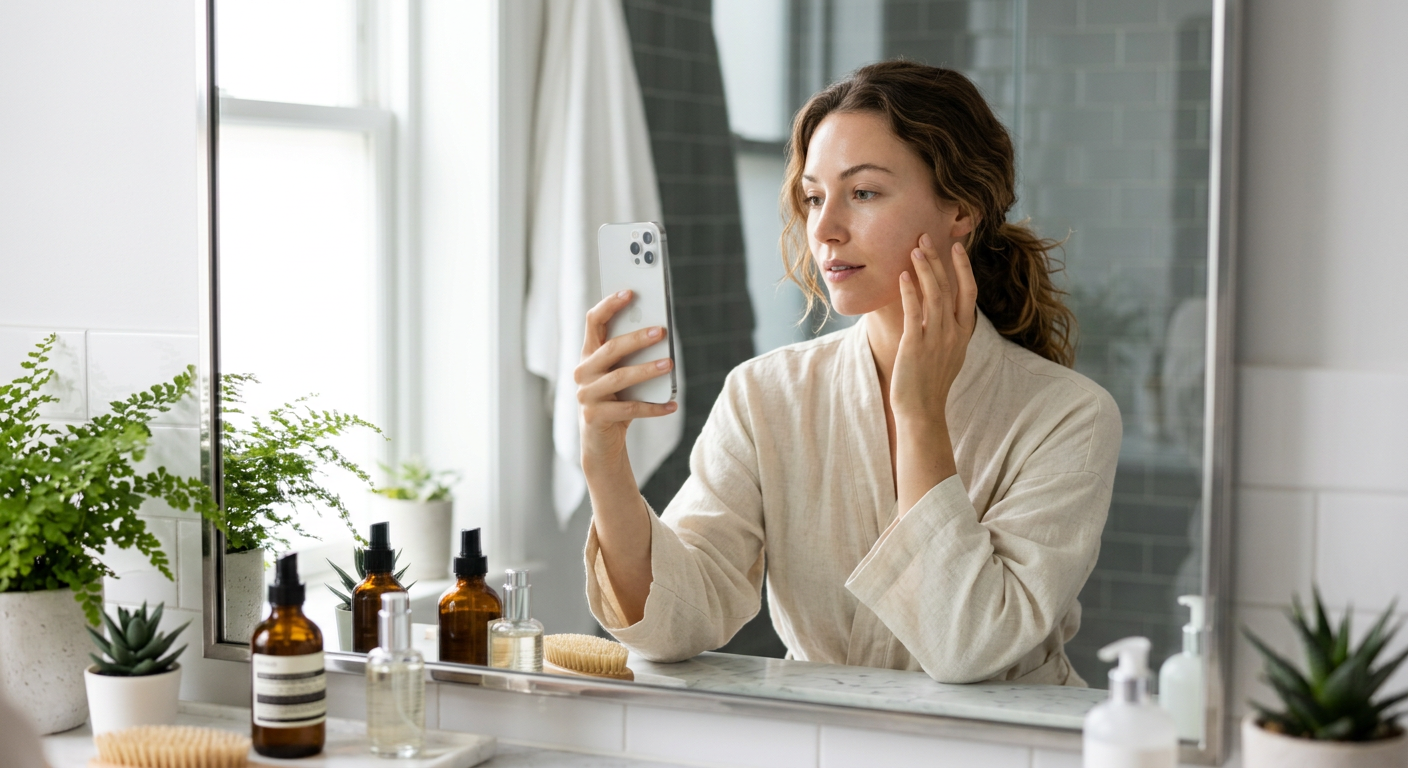
Computer vision can analyze a selfie to assess skin concerns: fine lines, texture, hydration, dark spots. From that reading, the software builds a routine and recommends specific products. A confusing wall of serums becomes a short list matched to what your skin is actually doing.
Personalization drives the results. BeautyMatter reports that brands are combining facial and skin diagnostics, AR try-ons, and multi-product recommendation systems to deliver personalized solutions at scale. NielsenIQ’s 2024 data ties this digital shift directly to rising demand for personalization.
The business case is clear. AI-driven personalization helped L’Oréal lift e-commerce sales by 30% in 2023, according to Gitnux. For shoppers, that translates to fewer wasted purchases and routines built on data instead of guesswork.
Traditional vs. AI-Powered Beauty Shopping
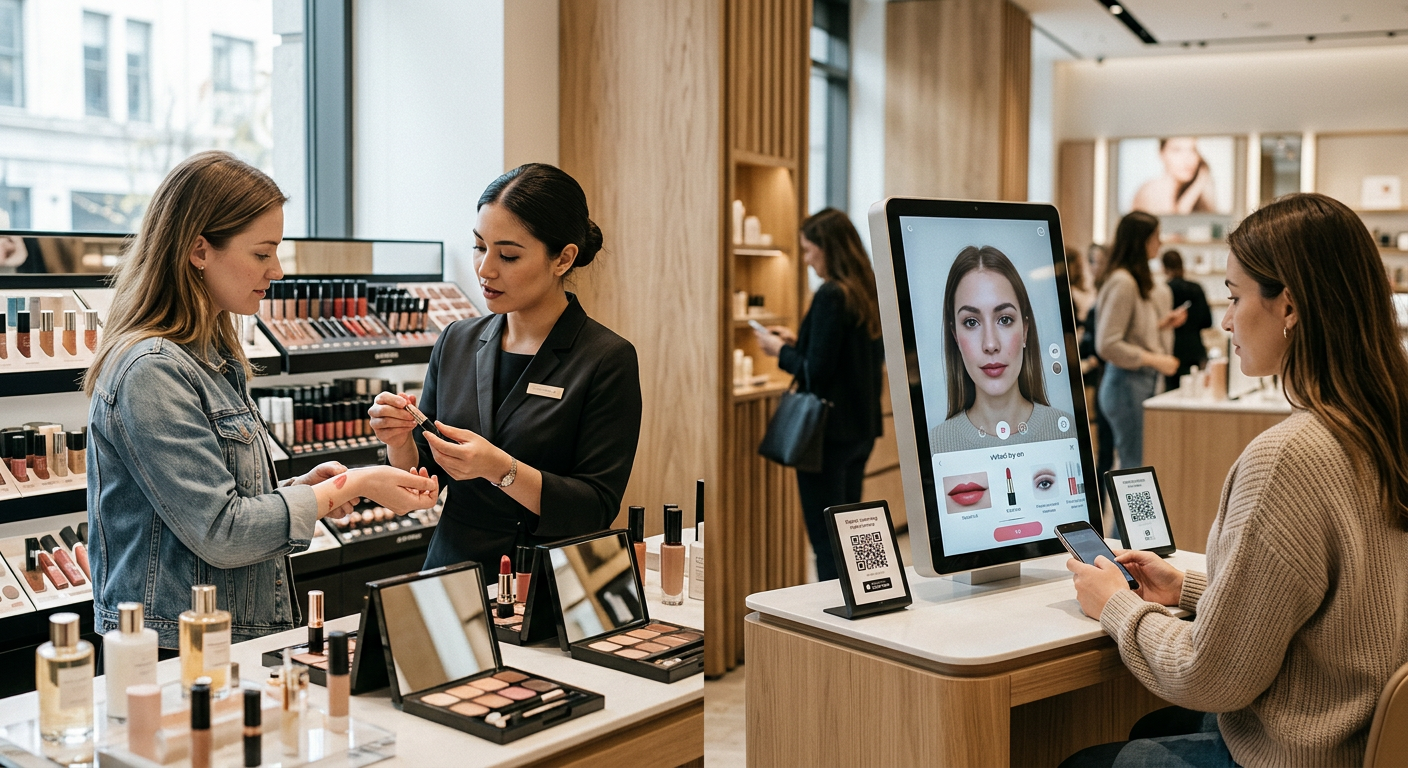
The gap between old and new methods is wide. The table below breaks down where AI changes the most.
| Shopping Task | Traditional Method | AI-Powered Method |
|---|---|---|
| Shade matching | In-store swatching | Virtual try-on with camera |
| Skin analysis | Consultation or guesswork | Selfie-based computer vision |
| Product discovery | Browsing shelves | Algorithmic recommendations |
| Routine building | Trial and error | Data-driven personalized plans |
| Buying confidence | Hope it works | Preview before purchase |
That gap explains why AI-first brands are pulling ahead. Convenience, accuracy, and personalization now decide who wins the sale.
How AI Is Reshaping Product Discovery
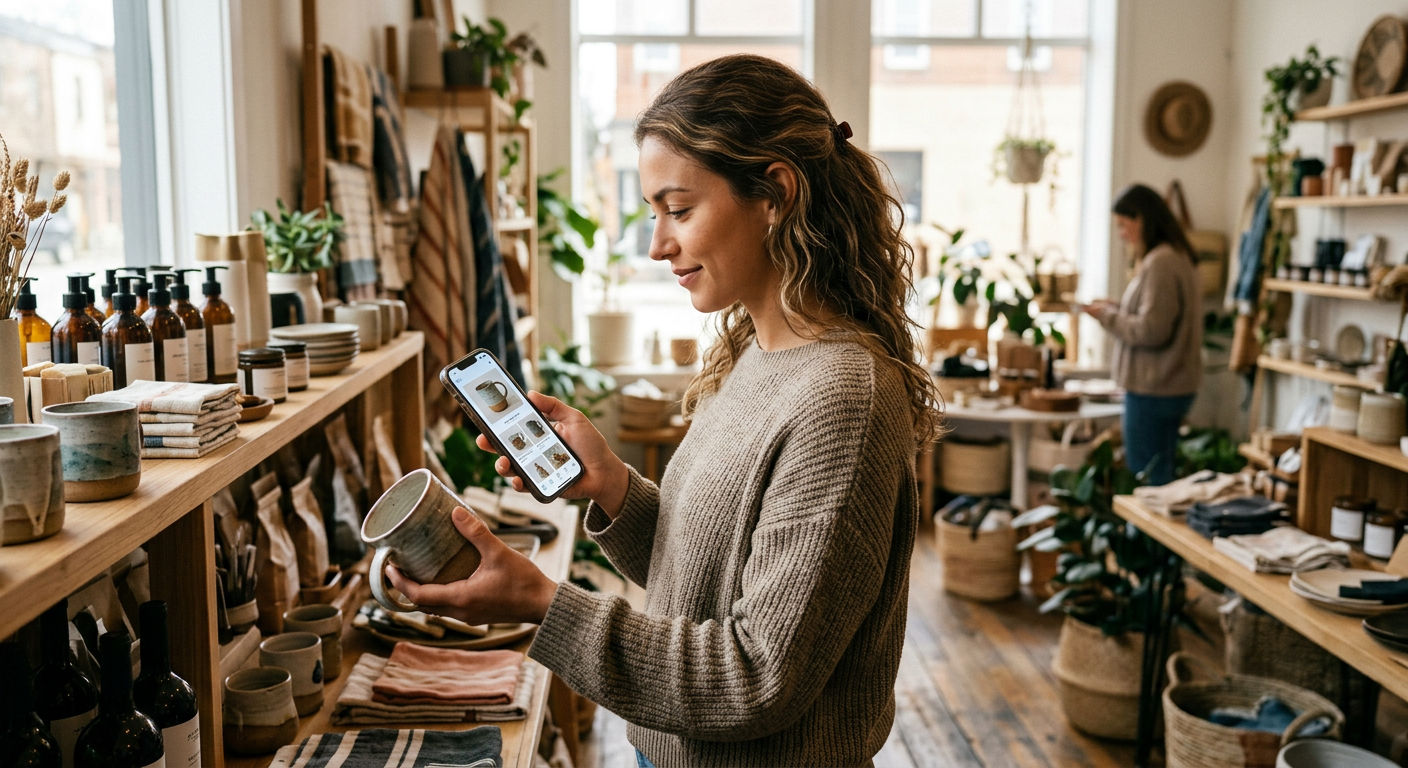
The path to purchase has a different shape now. NielsenIQ’s State of Global Beauty 2026 describes an “algorithmic shelf,” where AI decides which products consumers see first. Visibility now depends on optimized product content as much as brand reputation.
Chatbots and AI shopping assistants push this further. Multi-agent systems can decode ingredient lists, answer skin-type questions, and route a shopper to the right product in a single conversation, as detailed in a Tencent Cloud case study. They work like a knowledgeable salesperson who never clocks out.
Shoppers in 2026 are also more deliberate. NielsenIQ notes they’re balancing tighter budgets with a desire for simplicity, transparency, and products that work. AI tools that prove efficacy and cut through the noise fit that mindset.
What This Means for You as a Shopper
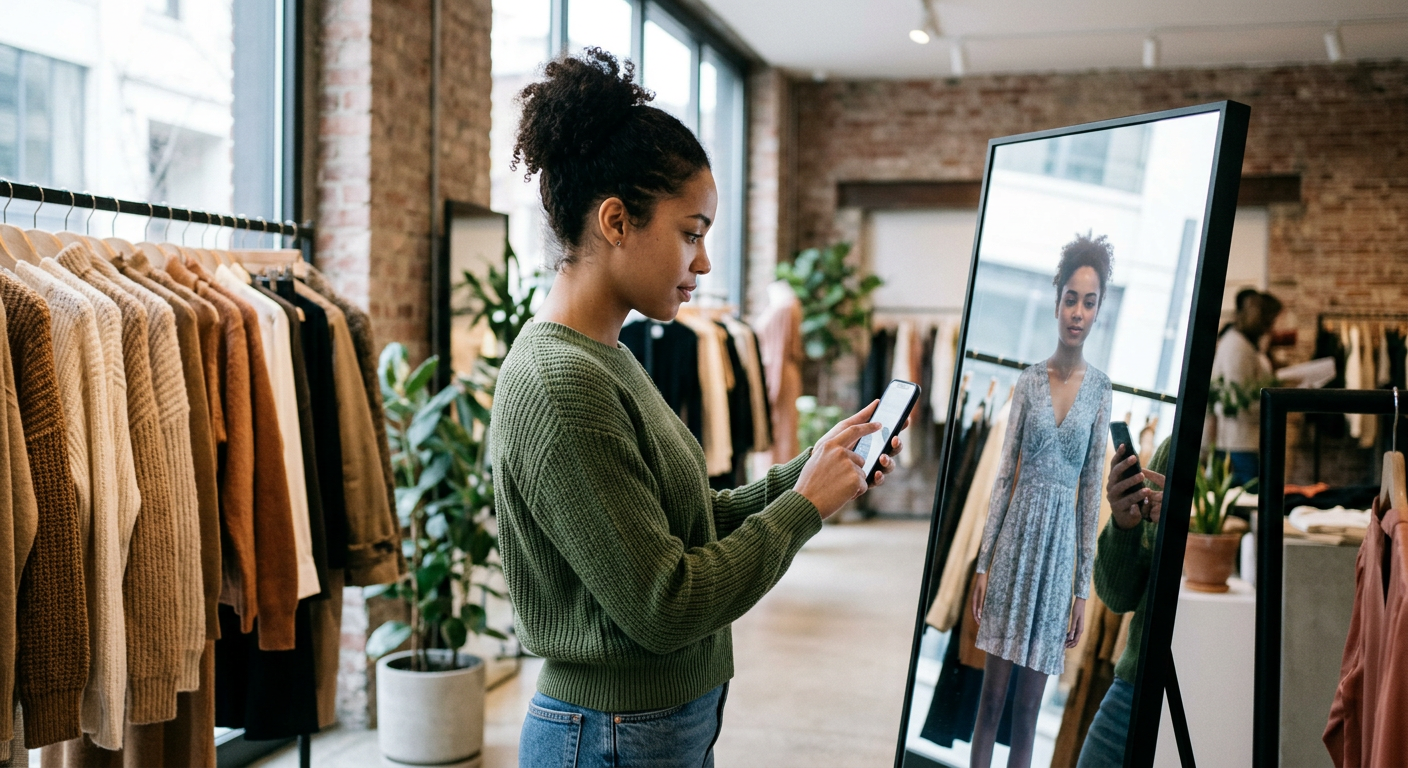
AI offers real advantages, but it asks for something in return: your data. Virtual try-ons and skin diagnostics usually require uploading a photo or granting camera access. Before you do, find out what happens to that image.
Protect Yourself While Using AI Beauty Tools
- Ask where your data goes. Confirm whether your photo is stored, shared, or deleted, as Organic Cosmetics Company recommends.
- Treat recommendations as a starting point. AI narrows the choices; your skin’s real-world response is the final test.
- Verify claims. Cross-check ingredient advice from chatbots against trusted dermatology sources.
- Use free tools first. Most major retailers offer virtual try-on at no cost before you buy.
Used well, these tools save money and cut down on returns. Let AI handle the research legwork, but keep your own judgment in charge of the final call.
Conclusion
AI has turned beauty shopping from a guessing game into something closer to a precise, personalized process. Virtual try-ons cut return rates, skin diagnostics build routines from real data, and recommendation engines surface the products most likely to work. The market numbers back this up: a 21.1% annual growth rate and billions in investment don’t describe a passing trend.
So the next time you shop for beauty products online, open the virtual try-on or skin analysis tool your retailer offers, weigh the results against your own experience, and buy with the confidence that data provides.
Frequently Asked Questions
Q: How accurate are AI virtual try-on tools for makeup?
Modern AR try-ons from platforms like Perfect Corp and Sephora’s Virtual Artist are highly accurate for shade and finish previews. They reduce guesswork and lower return rates, though lighting and camera quality can affect precision.
Q: Is my photo safe when I use an AI skin analysis app?
It depends on the brand’s data policy. Always check whether the app stores, shares, or deletes your image, and avoid tools that don’t disclose how they handle your data.
Q: How much is the AI beauty market worth?
The AI in beauty and cosmetics market is projected to grow from $4.38 billion in 2025 to $5.3 billion in 2026, at a 21.1% compound annual growth rate, according to The Business Research Company.
Q: Can AI replace a dermatologist or beauty consultant?
No. AI skin diagnostics are useful for routine building and product matching, but they are not a substitute for professional medical or dermatological advice for serious skin concerns.
Q: Do AI beauty recommendations actually improve results?
Yes, when used correctly. AI-driven personalization helped L’Oréal lift e-commerce sales by 30% in 2023, and data-backed routines tend to reduce wasted purchases compared to trial and error.
Q: Which retailers offer AI beauty shopping tools?
Major retailers including Sephora (Virtual Artist), Ulta (GlamLab), and brands powered by Perfect Corp and ModiFace offer virtual try-on and skin analysis tools, most of them free to use.