

Half the products on your bathroom shelf may already be on their way out. Beauty moves fast, but a few shifts happening right now look more permanent than the usual seasonal churn. These are the trends still worth your money well past 2026, and they’re backed by market data and industry forecasts rather than whatever went viral last week.
The pivot toward skin health, biotech ingredients, and multi-use products points to a real change in how people think about beauty. Understanding where things are headed helps you build a routine that won’t feel dated in two years. Below are the shifts worth adopting now, and why each one holds up.
Why the “More Is Better” Era Is Ending
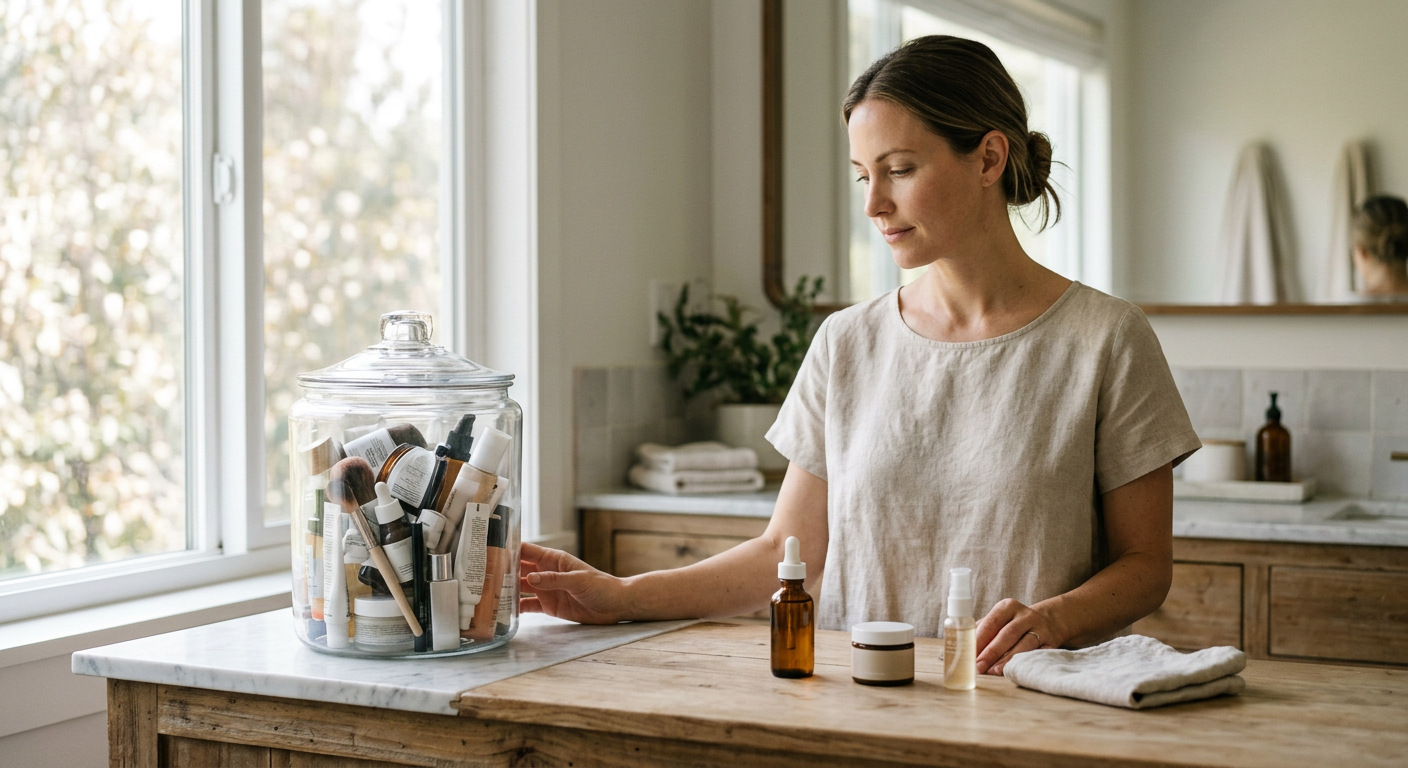
For years the beauty ideal meant longer routines, more steps, heavier layering. That’s falling apart. Over-exfoliation, damaged skin barriers, and sensitised complexions taught brands and shoppers what overdoing it actually costs, as Who What Wear reports.
You can see the correction on shelves already. Barrier-repair creams, probiotic mists, and gentle cleansers now outsell aggressive acid treatments across a lot of categories. The aim has moved from stripping and resurfacing to protecting and supporting.
This one matters for the long term because minimalism doesn’t reverse easily. Once someone’s skin calms down on fewer products, they rarely go back to a ten-step regimen. Anjali Nair’s forecast of a move from ten steps to one tracks exactly this direction.
What to Do Now
- Audit your routine and cut anything that causes tightness, stinging, or redness.
- Prioritise a gentle cleanser, a barrier-supporting moisturiser, and daily SPF.
- Introduce actives one at a time, and only when your skin tolerates them.
Skin-First Makeup Becomes the Default
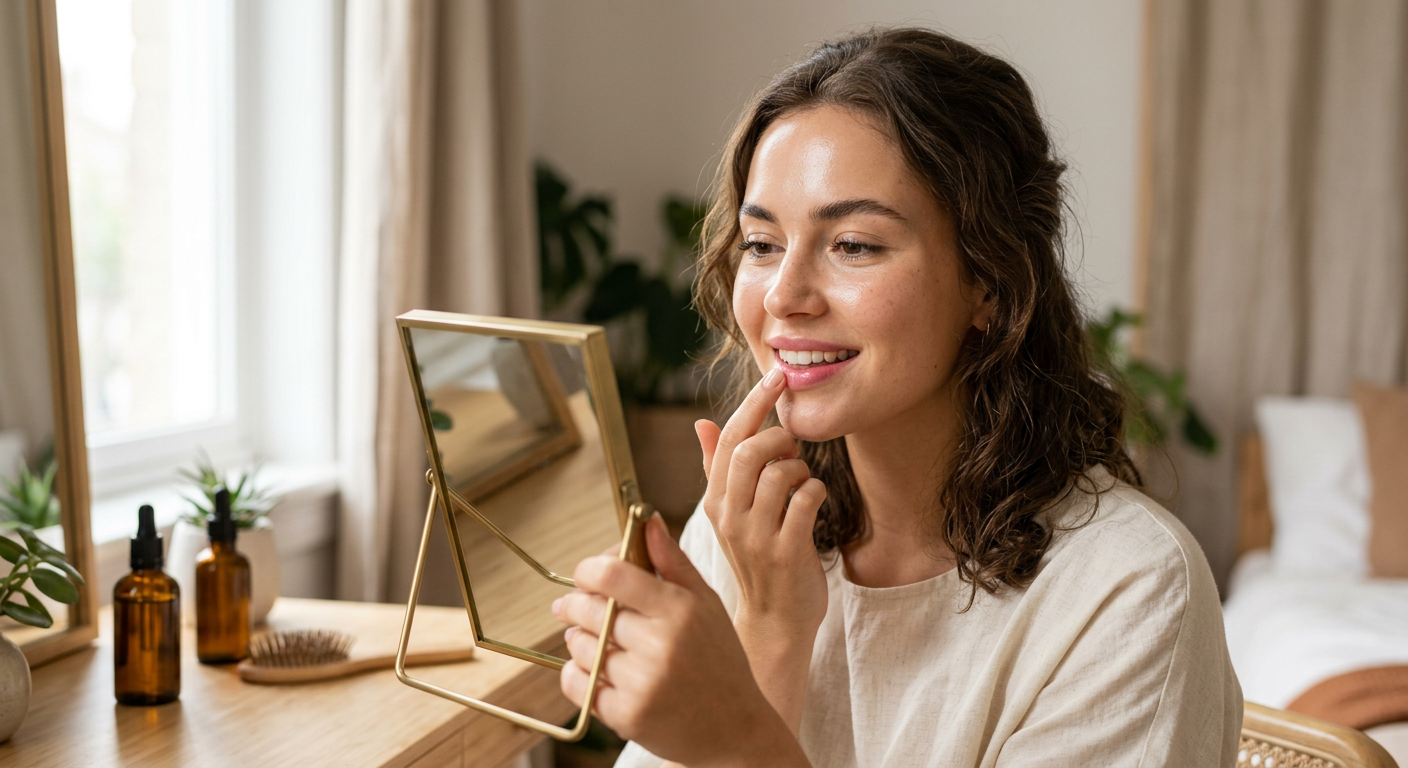
Makeup has stopped being about covering flaws. These days it’s about maintaining and improving skin while you wear it. Tinted sunscreens, serum foundations, and skincare-infused formulas promise hydration, protection, and long-term benefits on top of coverage, according to Glimpse.
This “skinification” of makeup erases the line between the two categories for good. Products like the Sculpted by Aimee Second Skin Dewy Foundation SPF 50 and Perricone MD No Makeup Blush, both flagged by Get the Gloss, sell because they do two jobs at once.
Underneath the product shift is a change in what makeup is supposed to do. Beauty is becoming less about transformation and more about optimisation. That reframing sticks because it lines up with the wellness values younger shoppers already hold.
Biotech and Longevity Ingredients Go Mainstream
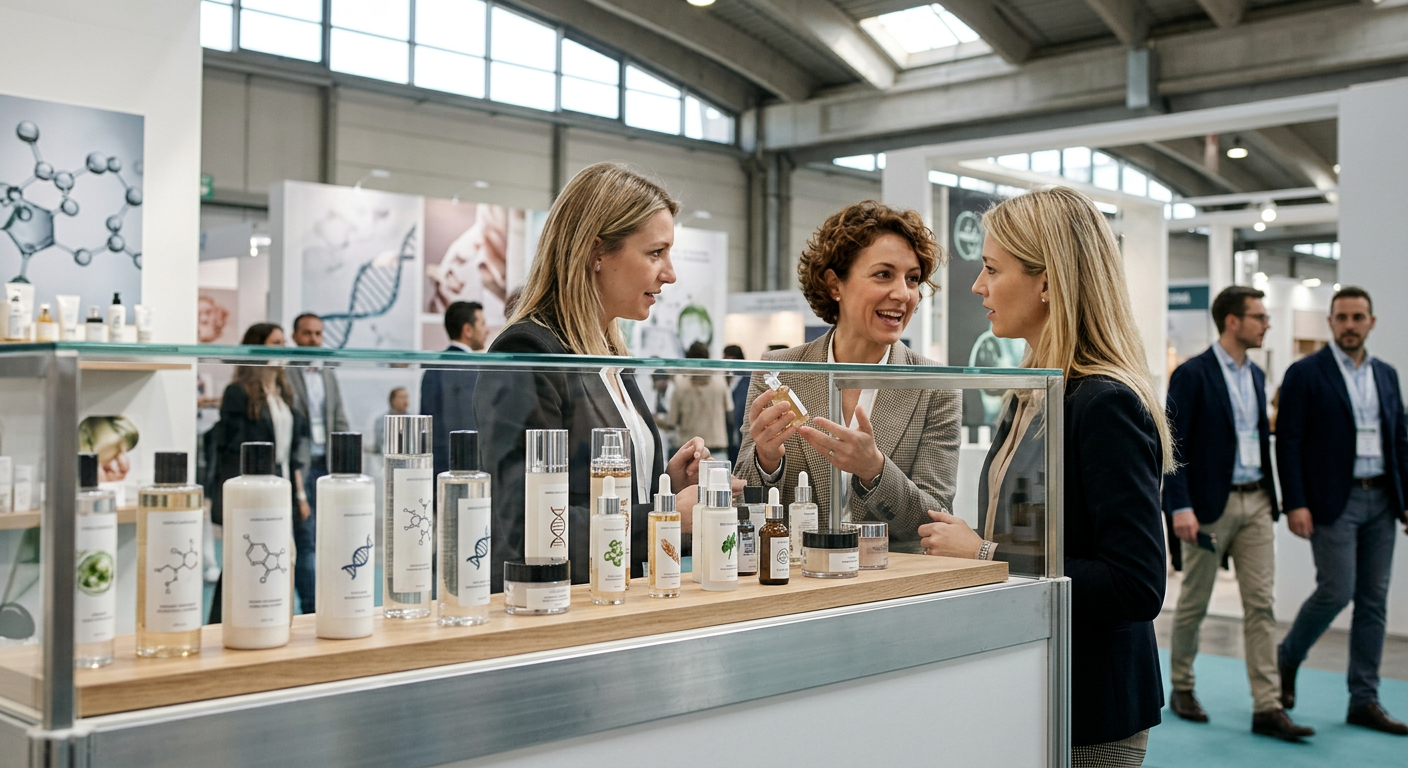
Biotech skincare and longevity science are moving from luxury labs to drugstore shelves. Cosmoprof Worldwide Bologna’s CosmoTrends Report names biotech ingredients and longevity as defining themes for 2026 and beyond.
Peptides are out front. The Ordinary Multi-Peptide Serum for Hair Density and Typebea G1 Overnight Boosting Peptide Serum both reflect demand for ingredients that work through a known mechanism rather than a marketing story.
Longevity framing changes how people buy. The question is shifting from what a product does in a week to what it does over years. That moves spending toward evidence-backed actives, rewards brands that invest in actual research, and builds a routine on ingredients that produce measurable results.
Beauty From the Inside Out

The idea that beauty starts internally has gone from wellness cliché to one of the industry’s fastest-growing categories. Supplements, gut health, and nutrition now sit alongside topical products in a full routine, per Glimpse.
The science holds up. Fibre supports skin health by improving the gut microbiome and short-chain fatty acid production, which affects inflammation and hormone balance, explains nutritional therapist Rhian Stephenson in Who What Wear. Skin repair depends partly on the internal environment your body builds for it.
This is structural, not passing. As people connect diet, sleep, and stress to what shows up on their face, the “health is the new beauty” mindset described by Paul Domenet becomes a fixed part of how routines get built.
Personalisation and Beauty Tech Mature
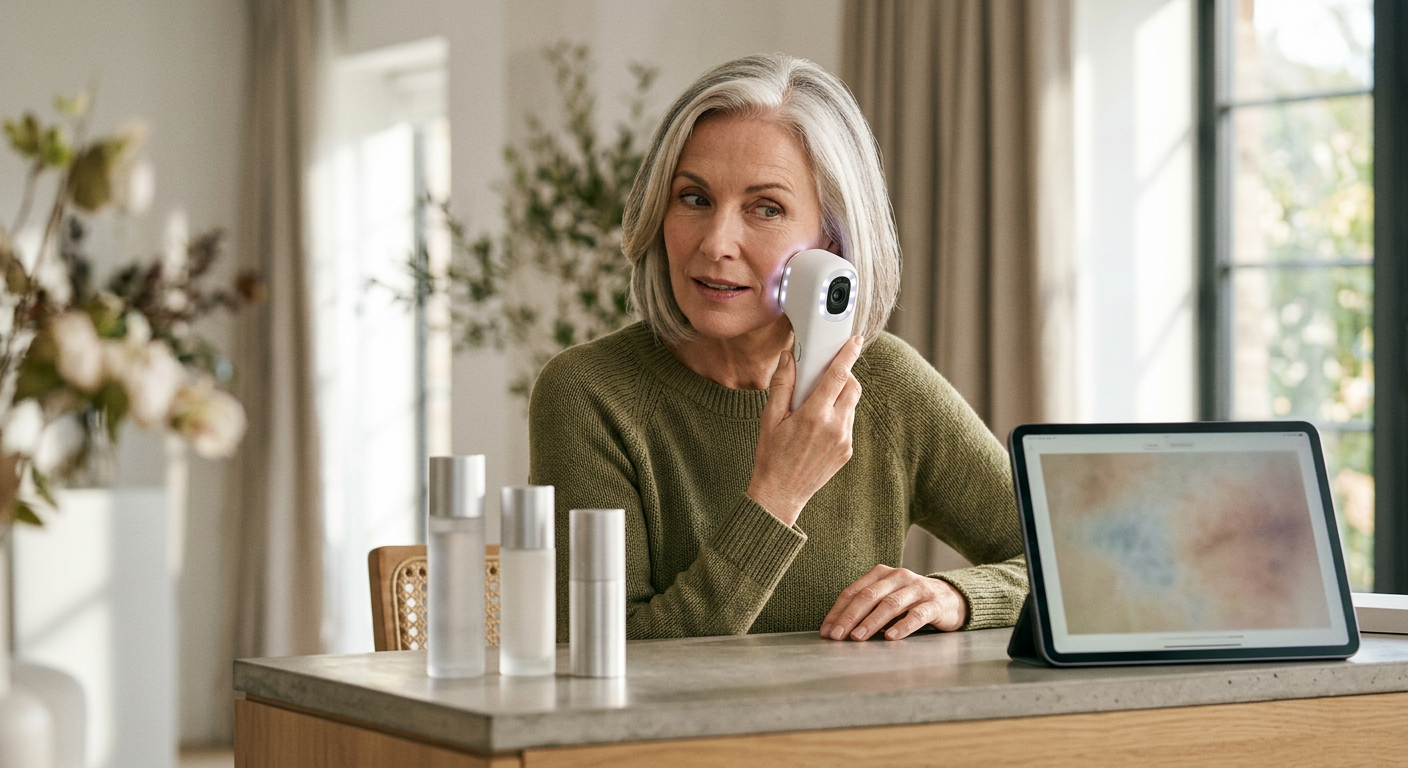
Technology is quietly changing how products get chosen and used. AI-driven diagnostics, personalised formulations, and connected devices are making generic routines feel dated, a shift Booksy documents in its beauty industry trends analysis.
Skincare that fits your daily pattern, instead of a one-size-fits-all regimen, is a trend Get the Gloss highlights for 2026. Products increasingly account for your environment, your schedule, and your specific skin needs.
Wearable beauty accessories and multi-use formats push that personalisation further into everyday convenience. Demand for products that adapt to the user, rather than the other way around, won’t fade while the technology keeps improving.
Trends Worth Adopting vs. Trends to Skip
Not every buzzy trend earns space in your routine. Use this comparison to separate the durable shifts from short-lived novelty.
| Trend | Staying Power | Why |
|---|---|---|
| Barrier-first minimalism | High | Rooted in skin health science, not aesthetics |
| Skin-first makeup | High | Aligns with wellness culture and dual function |
| Biotech and peptides | High | Evidence-based, mechanism-driven results |
| Ingestible beauty | High | Backed by gut-skin research |
| Personalised beauty tech | High | Improves with technology, adds real convenience |
| Extreme “cool on camera” sensory textures | Medium | Fun but often novelty-led |
| Ultra-complex 10-step routines | Low | Actively declining, can harm the barrier |
The pattern is easy to read. Trends grounded in health, science, or real function tend to last. Trends built on visual novelty fade once the next format shows up.
Conclusion: Build a Routine That Lasts
The most future-proof beauty routine is simpler, healthier, and smarter than what most people run today. Prioritise barrier health, choose makeup that supports your skin, invest in biotech and peptide actives, support beauty from within, and let personalisation guide your choices.
These trends share one thing: they solve real problems instead of chasing attention. That’s what carries them past 2026.
Start by checking your current routine against the table above. Cut what harms your skin, keep what supports it, and add one evidence-backed product at a time.
Frequently Asked Questions
Q: What is the most important beauty trend to adopt for the long term?
Barrier-first minimalism is the most durable shift, because it’s grounded in skin health science rather than aesthetics. Simplifying your routine to protect your skin barrier pays off over years, not weeks.
Q: Is skincare-infused makeup actually better than traditional makeup?
For a lot of people, yes, because these products combine coverage with hydration and SPF protection. Serum foundations and tinted sunscreens let you streamline your routine while supporting long-term skin health.
Q: Do beauty supplements really work?
Evidence increasingly supports the gut-skin connection, with fibre and a healthy microbiome influencing inflammation and skin repair. Supplements work best as part of a broader approach that includes diet, sleep, and topical care, not as a standalone fix.
Q: Are peptides worth the higher price?
Peptides offer mechanism-based benefits backed by research, which sets them apart from products relying on marketing claims. If you want measurable, long-term results, peptide serums are a sound investment for a future-proof routine.
Q: How do I know if a beauty trend will last?
Trends grounded in health, science, or real function tend to endure, while those built on visual novelty usually fade. Ask whether a trend solves an actual problem before committing money or shelf space to it.
Q: Should I abandon my ten-step routine entirely?
Not necessarily, but watch for signs of over-exfoliation or barrier damage such as tightness or redness. Most people do better paring back to gentle cleansing, barrier support, targeted actives, and daily SPF.