



One shampoo bar can replace three plastic bottles of liquid shampoo. Spread that math across a full bathroom shelf and it starts to add up. Shampoo bars, cleanser bricks, multi-use makeup sticks, waterless serums—solid beauty products have moved from the crunchy niche to the drugstore aisle, and they’ve changed how a low-waste routine works day to day. Beauty has always leaned on heavy packaging, which makes it worth noting that these formats now compete with their liquid counterparts while cutting plastic, shipping weight, and water. Below is how they earned the shelf space.
Why Solid Formats Are Gaining Ground
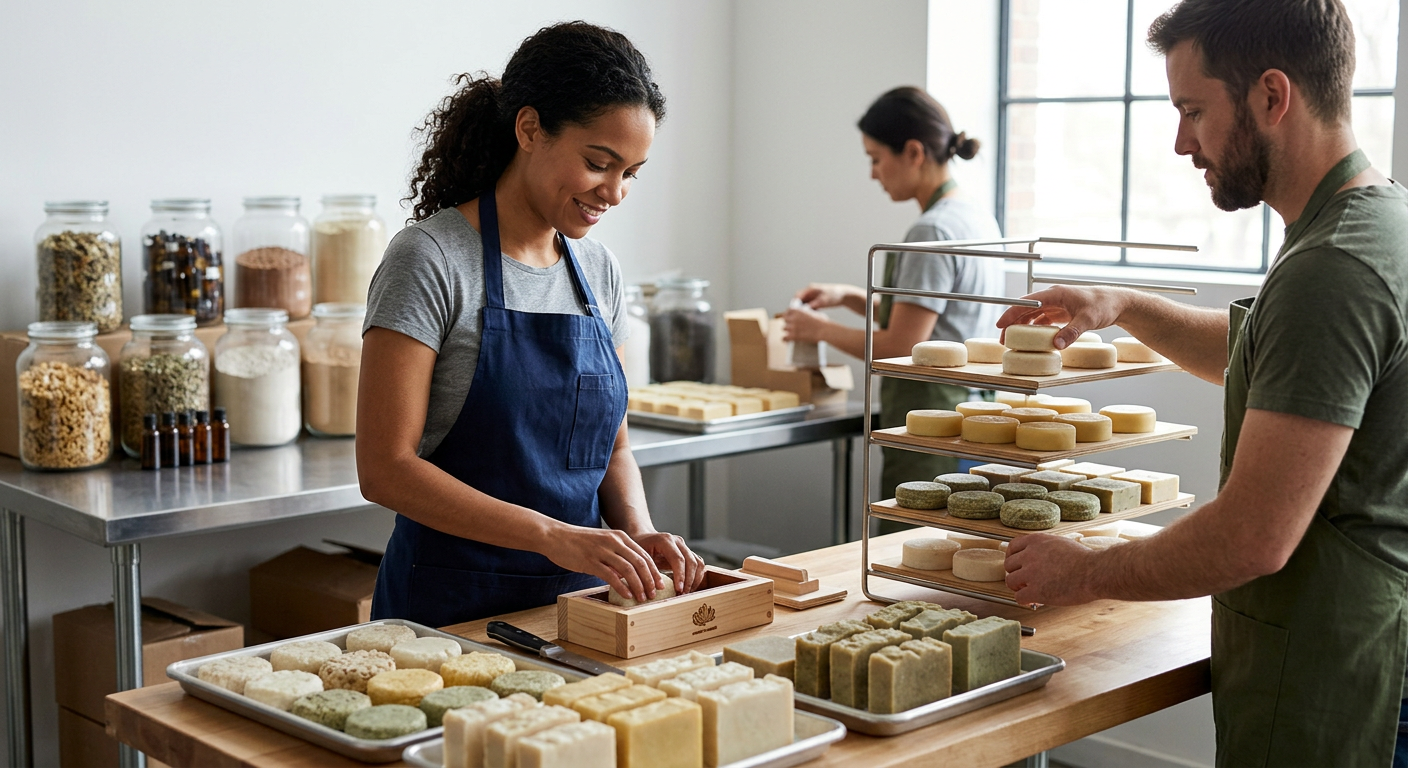
Demand is doing most of the work. A Quirk’s Media report found that 69% of women say they’re interested in waterless beauty products, with solid bars and concentrated oils leading the pack.
That interest goes past appearances. Solid products address three problems at once: plastic waste, water waste, and shipping weight. Most liquid cosmetics run 70% to 95% water, so a large share of what you pay to ship and store is water you could add yourself at home.
Brands have noticed. Finch’s 2026 beauty trend forecast names powder cleansers and solid serums as formats that cut water waste and shipping emissions across the supply chain.
How Solid Beauty Products Reduce Waste
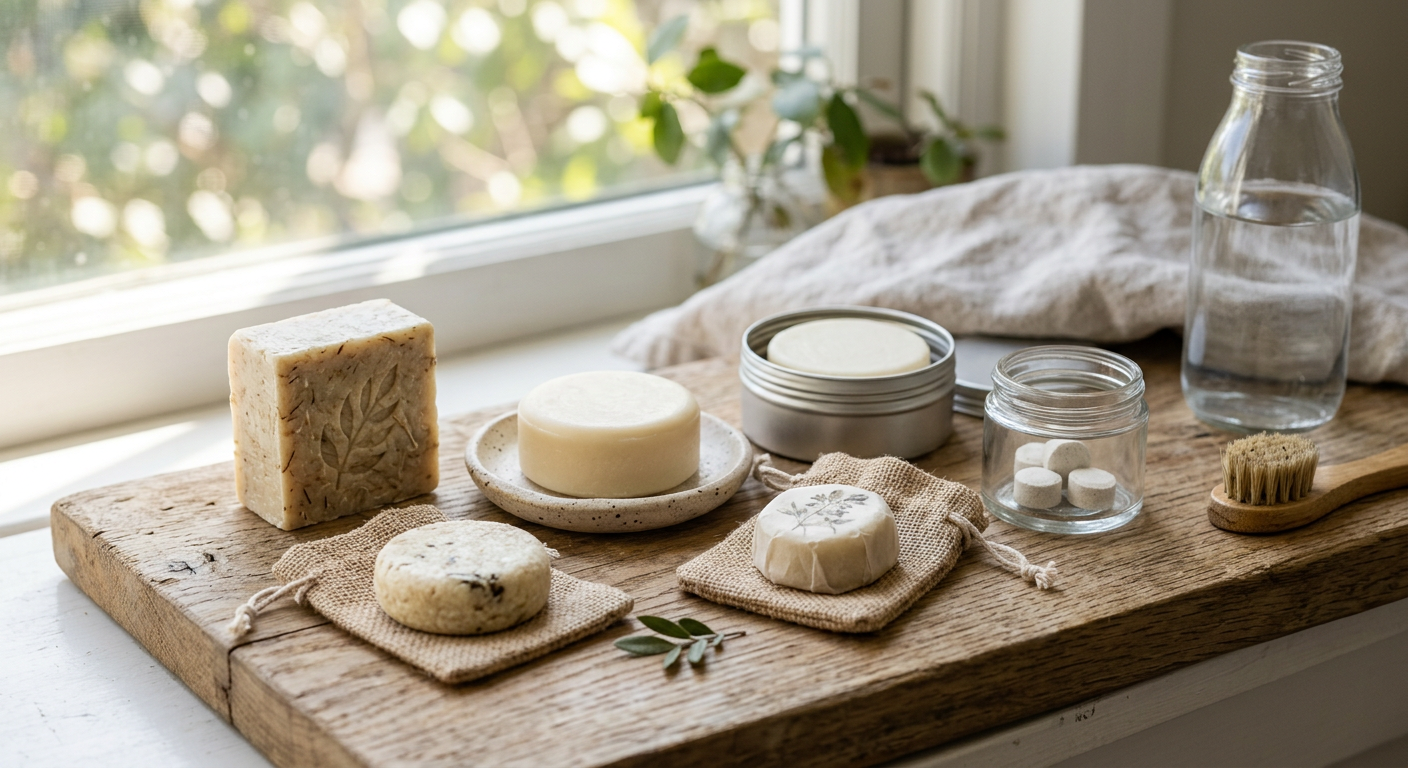
The environmental math favors solids in nearly every category. Remove the water from a formula and you concentrate the active ingredients, so the product lasts longer and ships lighter.
Packaging That Actually Disappears
Packaging is the strongest argument for solids. Plenty of bars ship in recycled paper or compostable wrappers rather than plastic bottles. W Magazine notes that some shampoo and conditioner bars arrive in recycled paper that’s fully compostable, which lands them in genuine zero-waste territory.
Makeup is following the same path. Axiology’s multi-stick trios, reviewed by ZeroWasteStore, come in plastic-free paper tubes that are both recyclable and compostable.
Longer Lifespan, Fewer Repurchases
A concentrated bar usually outlasts its liquid equivalent. Industry estimates put one shampoo bar on par with two or three bottles of liquid shampoo. Fewer repurchases means fewer packages produced, shipped, and thrown out down the line.
Liquid vs. Solid: A Side-by-Side Comparison
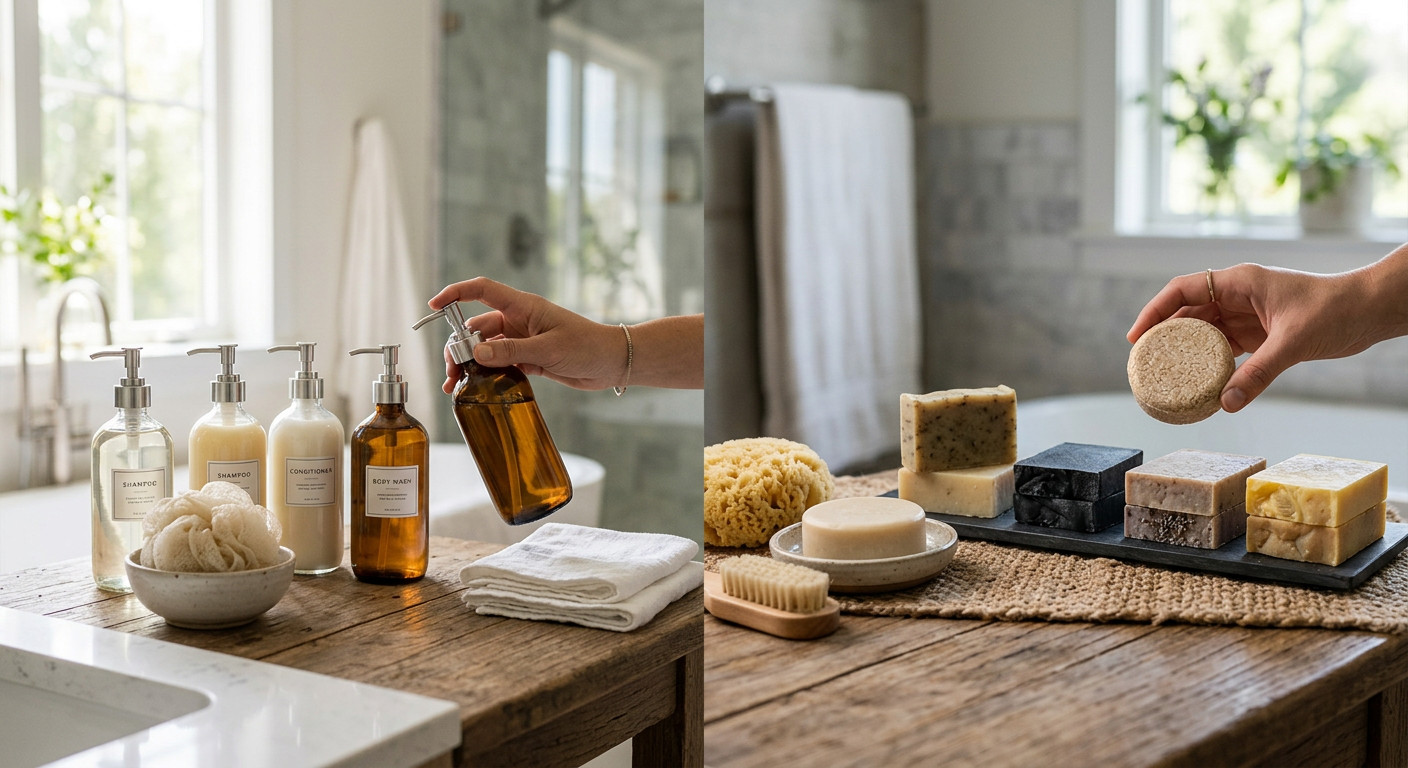
If you’re weighing the switch, here’s how the two compare in practice.
| Factor | Liquid Products | Solid Products |
|---|---|---|
| Water content | 70–95% | Near zero |
| Packaging | Usually plastic | Paper, compostable, or none |
| Shipping weight | Heavy | Light |
| Lifespan | Standard | Often 2–3x longer |
| Travel-friendly | TSA liquid limits apply | No liquid restrictions |
| Learning curve | None | Slight adjustment needed |
The tradeoff is minor. Solid formats take a short adjustment period—a shampoo bar lathers differently than a squeeze bottle—but the waste and cost savings accumulate over time.
The Best Solid Product Categories to Start With
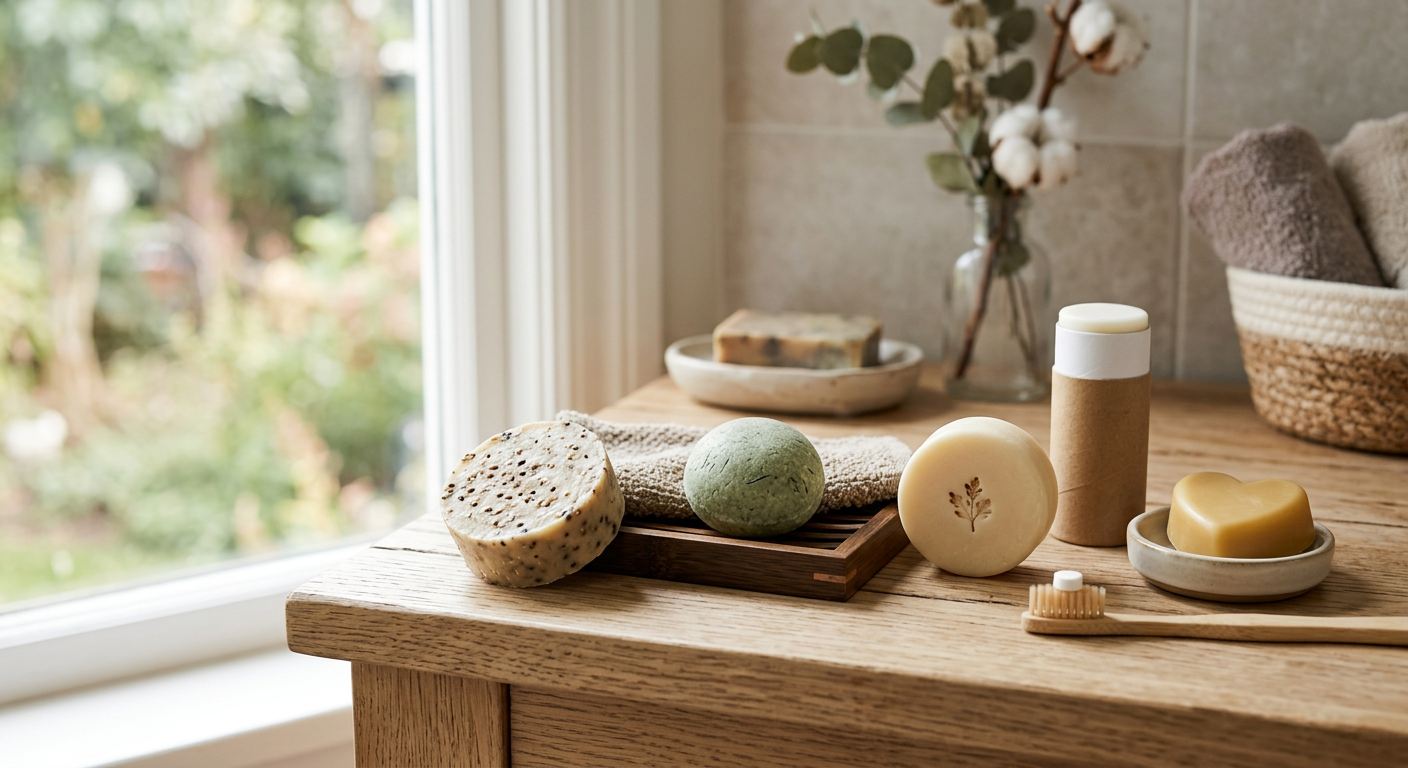
You don’t need to overhaul the whole routine at once. Begin with the categories where solids perform best and the change barely registers.
Shampoo and Conditioner Bars
This is the easiest place to start. Solid shampoo and conditioner bars leave hair “fresher, bouncier and shinier,” per W Magazine’s roundup. Pair them with a bamboo bar holder so they dry between uses, which extends their life.
Facial Cleanser and Soap Bars
Solid facial soaps and cleanser bars drop the plastic packaging and often outlast a pump bottle. Satliva recommends shampoo bars or facial soaps as one of the simplest first moves toward a sustainable routine, since they usually arrive package-free and last longer than their liquid versions.
Multi-Use Makeup Sticks
Solid makeup crayons and multi-sticks cut both packaging and product count. One Axiology multi-stick doubles as blush, lip tint, and eyeshadow—a single plastic-free tube standing in for three products. For anyone paring down, that’s less waste and less clutter in one move.
Waterless Serums and Powder Cleansers
These are the newest members of the solid category. Powder cleansers and solid serums remove water entirely, which concentrates the actives and cuts shipping emissions. Expect this group to grow through 2026.
Making the Switch Without the Guesswork
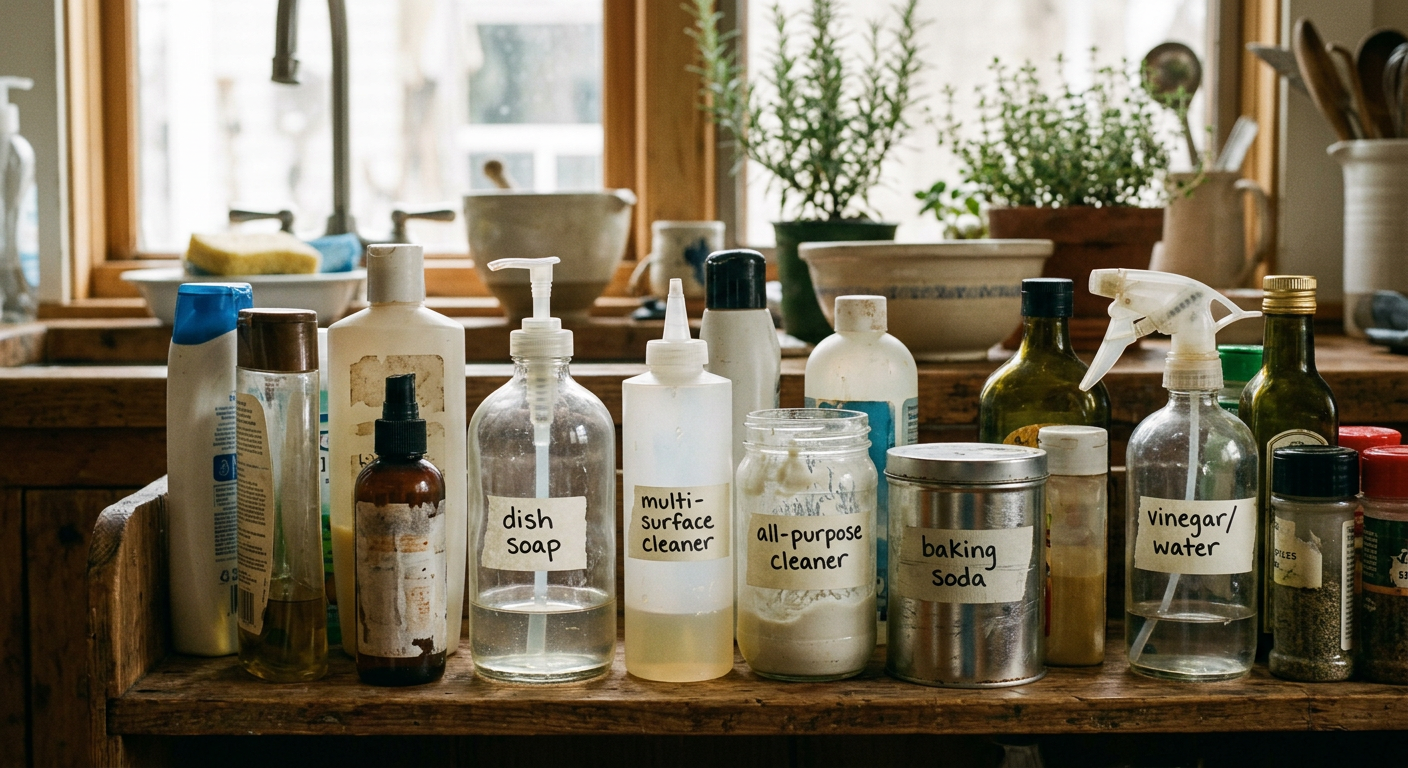
The most sustainable product is the one already in your cabinet. Before buying anything new, use up what you have and repurpose empty containers where you can. W Magazine puts it plainly: use what you have and repurpose the container before investing in eco-friendly alternatives.
When you’re ready to buy, watch for a few signals. Minimal or biodegradable packaging, vegan and cruelty-free formulations, short ingredient lists. Dollsmash recommends choosing bars and solids over liquids and single-use items as a core principle.
A Simple Transition Checklist
- Finish and repurpose products you already own
- Replace one category at a time, starting with shampoo
- Choose paper or compostable packaging over plastic
- Look for refill systems where solids aren’t available
- Store bars on a draining dish or bamboo holder to extend life
- Verify vegan, cruelty-free, and palm-oil-free claims
Where the Industry Is Headed

Solids are one piece of a broader push toward what the industry calls “sustainable systems.” Alongside swapping bottles for bars, brands are moving to refillable containers and full supply-chain emissions tracking that covers raw materials, packaging, and consumer use.
Refill systems work with solids rather than against them. Satliva notes that many brands now offer refills for products that don’t lend themselves to solid formats, which gives you a low-waste option in nearly every category.
The edges are where the interesting work happens. Premium Beauty News reports that Izzy Zero Waste Beauty launched what it calls the world’s first reusable and recyclable mascara—a sign that even the fussiest products are getting reengineered for zero waste. Solid, waterless, and refillable formats are on track to become the default rather than the exception.
Conclusion
Solid beauty products manage something the beauty world rarely pulls off all at once: they cut waste, save money, and perform. Concentrating the formula and dropping the water means less plastic packaging, lower shipping emissions, and a product that outlasts its liquid version by two to three times. The approach that works isn’t a dramatic overhaul but a gradual swap—start with a shampoo bar, then add a cleanser, a multi-stick, or a waterless serum as you go.
Use up what you already own, then replace one product at a time with a solid, minimally packaged alternative. Pick one category this week and make the switch.
Frequently Asked Questions
Q: Do solid shampoo bars work as well as liquid shampoo?
Yes. Solid shampoo bars clean effectively, and many users report hair that feels fresher, bouncier, and shinier. A short adjustment period is normal while your hair adapts to the different formulation.
Q: How long does a solid beauty product last?
One shampoo bar typically replaces two to three bottles of liquid shampoo. Storing bars on a draining dish or bamboo holder keeps them dry and extends their lifespan considerably.
Q: Are solid beauty products actually zero waste?
Many come close. Products shipped in recycled paper or compostable wrappers generate little to no waste, though it’s worth checking whether the packaging is truly compostable or recyclable before you assume.
Q: What solid product should I switch to first?
Start with a shampoo or conditioner bar. It’s the easiest swap, widely available, and cuts plastic packaging right away with minimal change to your routine.
Q: Are solid products good for travel?
Yes. Solid bars and sticks are exempt from TSA liquid restrictions, so you can pack them without worrying about volume limits or leaks.
Q: What are waterless beauty products?
Waterless products, like powder cleansers and solid serums, remove water from the formula to concentrate active ingredients. That reduces shipping emissions, cuts packaging, and often extends shelf life.