

Your grandmother’s lipstick brand is running ads on TikTok now, and that shift took years of deliberate work. Beauty companies that made their names on department store counters and glossy magazine spreads are rebuilding their most recognizable products for a generation that shops, values, and buys on entirely different terms.
The money at stake explains the urgency. Gen Z contributes roughly $143 billion to the U.S. market, and this generation gravitates toward brands whose values match their own, according to research from Kadence. For older names, reinvention has stopped being a growth play and become a condition of survival.
The Generational Shift Forcing Brands to Adapt
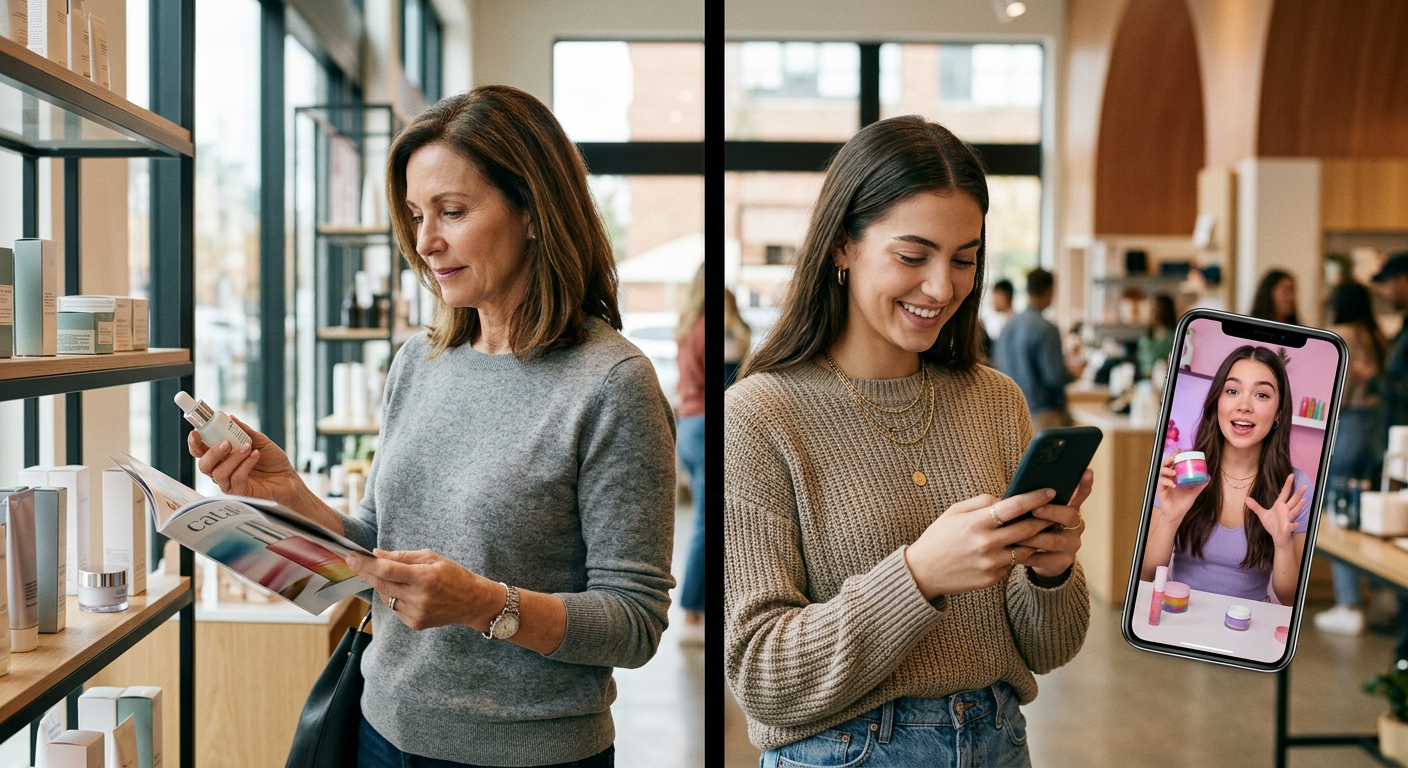
Younger consumers shop nothing like their parents did. They find products through creators rather than commercials, and they read ingredient lists before they buy. A long history counts for little when the packaging looks dated or the message rings hollow.
The numbers make the case. Millennials account for 48% of global online beauty purchases, and 60% of Gen Z say augmented reality makes shopping feel more personal, per Arbelle’s generational beauty report. No heritage brand can wave those figures away.
TikTok rewrote the rules. As Forbes reported, Maybelline and similar brands jumped on the platform early and pulled in more than 400 million views. Traditional channels could never deliver reach on that scale.
What “Reinvention” Actually Means for Classic Products
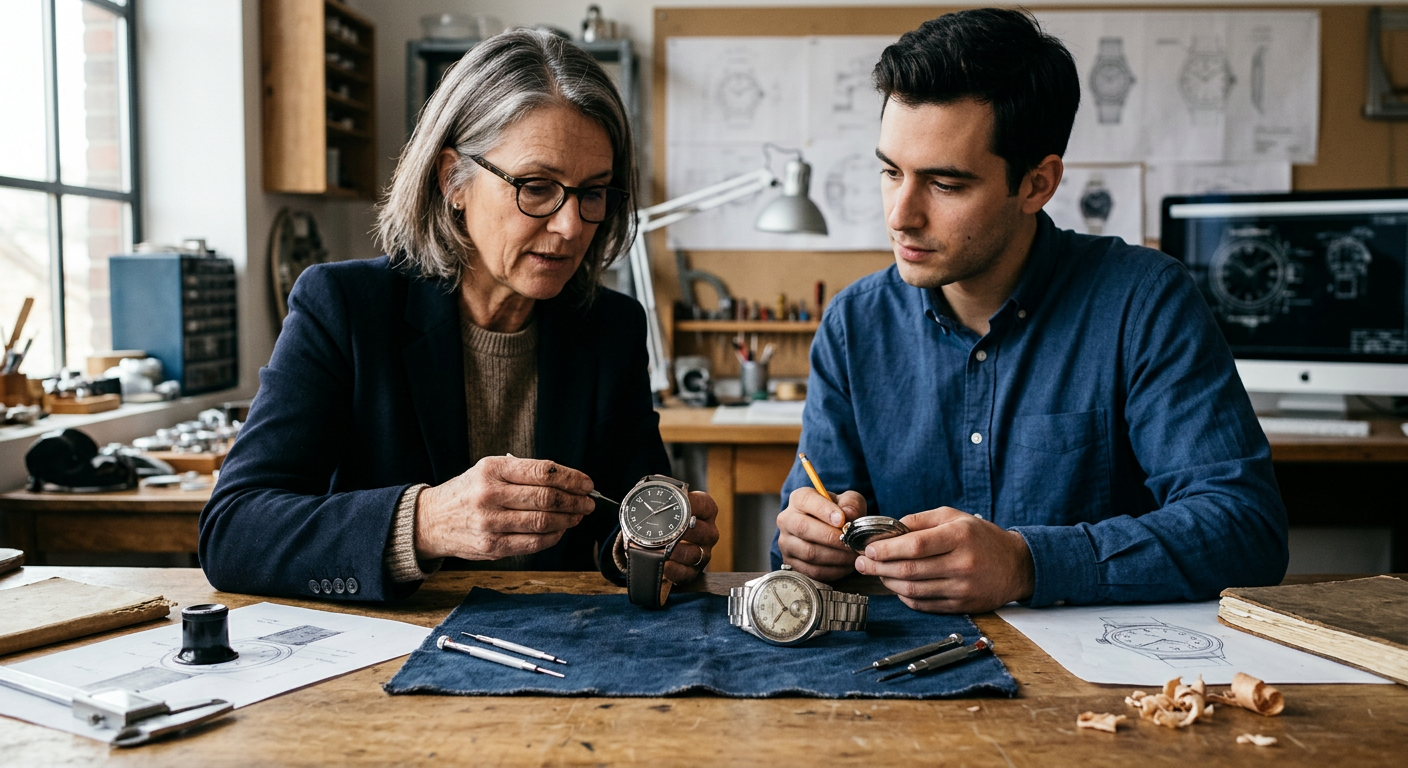
Reinvention doesn’t mean throwing away heritage. It means translating what made a product iconic into terms a new generation understands. The brands that do this well keep the soul of a classic while updating its form, function, and story.
Updating Formulas and Packaging
Consumers now expect clean ingredients, refillable containers, and formulas with science behind them. A decades-old bestseller often gets reformulated to drop controversial ingredients, or reengineered to cover a wider range of skin tones and types.
Packaging changes along with it. Clairol launched its first global campaign in five years and paired it with a Glamsquad partnership featuring nine content creators, according to Forbes. The product stayed familiar. The presentation didn’t.
Reframing the Story
Modern reinvention leans hard on purpose. Legacy brands now build narratives around sustainability, inclusivity, and social impact instead of just selling a shade or a scent. Kadence found that 62% of Gen Zers will spend more on brands committed to positive environmental and social impact.
The Data Behind Successful Reinvention

Not every heritage brand is losing ground. Some are running a new playbook and holding their position while competitors slip.
Two names stand out. Dior Beauty and L’Oréal are outperforming their heritage peers with Gen Z, according to Morning Consult. Dior is gaining awareness as it moves into the Gen Z segment, and L’Oréal loses far less awareness than rivals across haircare and makeup while gaining market momentum in both.
What connects them is sustained investment in creators and influencers rather than one-off campaigns. Consistency beats a single viral moment.
Heritage Brands vs. New Rules: A Comparison
| Old Playbook | New Playbook |
|---|---|
| TV and print advertising | Creator and influencer partnerships |
| Product features and benefits | Purpose, values, and community |
| Department store discovery | TikTok, AR try-ons, and social commerce |
| Broad demographic targeting | Personalized, shade-inclusive experiences |
| One flagship campaign per year | Always-on content and engagement |
| Standalone product | Product integrated into daily life |
Building Community Instead of Chasing Followers
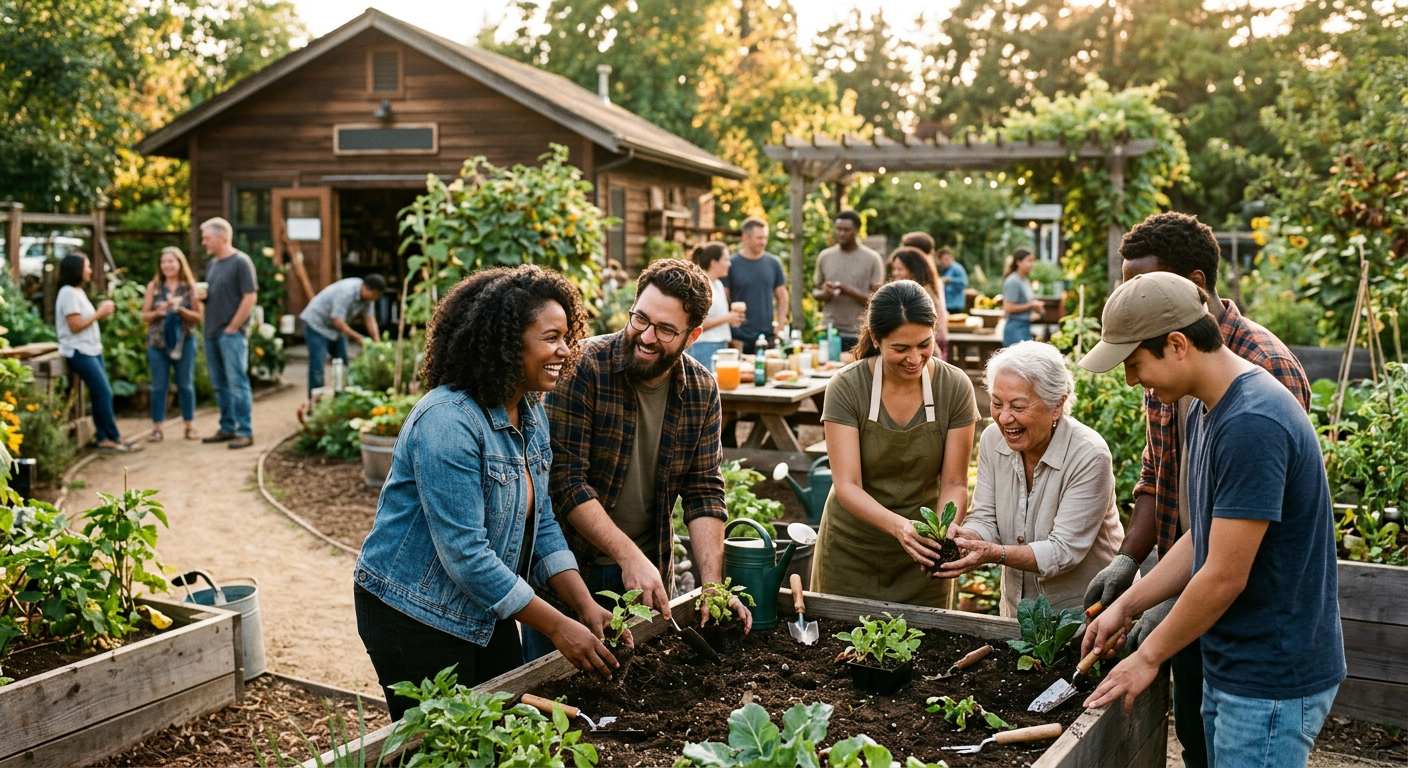
The most effective reinventions treat customers as members, not targets. Follower counts are a vanity metric. Engaged communities drive loyalty and repeat purchases.
Newer brands set the standard here, and heritage names are studying them. As Valtech notes, Rare Beauty builds communities around shared values rather than sheer follower numbers, Hermès uses waiting lists to reinforce desirability, and Dior positions certain products as collectible objects.
For legacy brands, the lesson is direct. A classic product becomes a cultural object when it comes wrapped in belonging, scarcity, or meaning. That emotional layer turns a one-time buyer into a lifelong advocate.
Lessons From Legacy Brands Beyond Beauty
Beauty isn’t the only sector rewriting its story. Heritage brands across industries wrestle with the same tension between honoring their past and staying relevant.
The U.S. Chamber of Commerce profiled three brands handling it well. Manischewitz updated its packaging and rolled out products like frozen matzo balls and chocolate babka to reach younger buyers while respecting Jewish food traditions. True Religion mixed its denim heritage with celebrity partnerships to connect with Gen Z and Millennials.
These cases point to a principle that maps directly onto beauty. Modernization works best when it amplifies heritage rather than erasing it. The brands that thrive treat their history as an asset to reinterpret, not a liability to hide.
How to Balance Legacy With Relevance
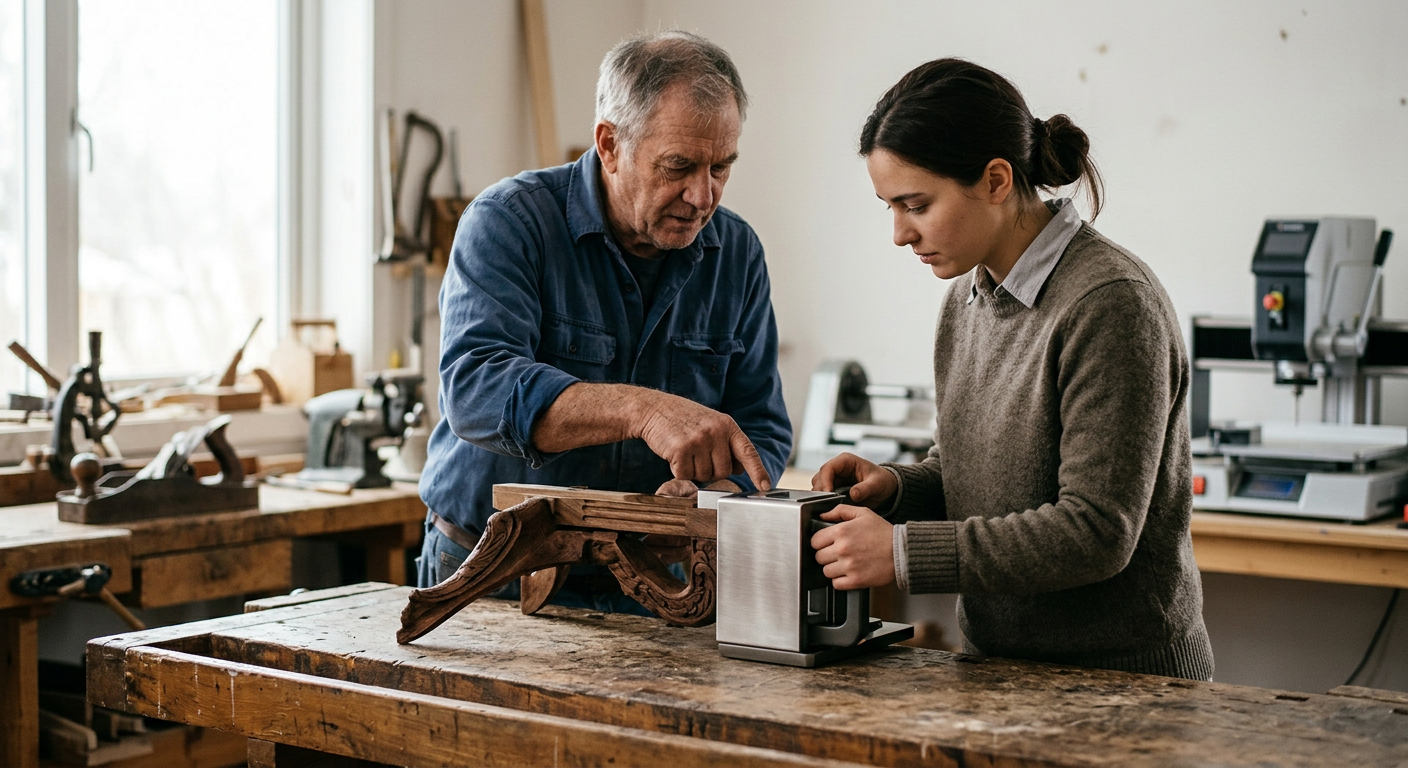
Reinvention carries risk. Move too fast and you alienate loyal customers. Move too slow and you lose the next generation. The goal is disciplined evolution.
Practitioner experience underscores the balance. Writing in Meridian Thinking, a consultant with 15 years advising heritage brands boiled it down to the question every legacy company faces: how do you honor what made the brand iconic while evolving to stay relevant for the next generation?
A Practical Framework for Reinvention
Run through these guardrails before you change a classic product:
- Protect the core. Identify the one or two elements customers associate with the brand and never compromise them.
- Modernize the periphery. Update packaging, channels, and messaging freely, since these carry less emotional weight.
- Invest in creators consistently. Sustained partnerships beat sporadic viral hits.
- Prove your values. Back sustainability and inclusivity claims with action, because younger buyers verify.
- Use technology to personalize. AR try-ons and accurate shade matching reduce returns and build loyalty, per Arbelle.
Conclusion: Heritage Is an Advantage, Not a Handicap
Heritage beauty brands are reinventing their classics because the market demands it, and the ones getting it right are proving that history can work as a competitive edge. The winners keep the soul of their iconic products intact while updating formulas, packaging, and storytelling for a generation raised on TikTok and guided by values.
The data lines up across sources. Gen Z spends where values align, Millennials dominate online beauty, and brands like Dior and L’Oréal show that legacy plus consistent creator investment can hold ground others are losing. Community, purpose, and personalization are the new fundamentals.
If you lead or market a heritage brand, start by auditing what customers actually value about your classics. Then modernize everything around that core. Review your current creator strategy and shade inclusivity now, because relevance is earned continuously, not inherited.
Frequently Asked Questions
Q: Why are heritage beauty brands reinventing their classic products?
Heritage brands are reinventing classics to stay relevant with Gen Z and Millennials, who shop through social platforms and reward brands aligned with their values. With Gen Z alone contributing roughly $143 billion to the U.S. market, ignoring generational shifts risks steep declines in awareness and sales.
Q: Which heritage beauty brands are succeeding with Gen Z?
Dior Beauty and L’Oréal are the standout performers, according to Morning Consult. Dior gains awareness with Gen Z, and L’Oréal loses less awareness than rivals while growing market momentum, largely due to sustained creator and influencer partnerships.
Q: Does reinvention mean changing a classic product’s formula?
Not always, but often. Many brands reformulate to remove controversial ingredients, improve performance, or expand shade ranges, while keeping the core identity intact. The key is protecting what customers value most and updating everything around it.
Q: How important is sustainability to younger beauty shoppers?
Very important. Kadence found that 62% of Gen Zers will pay more for brands committed to positive environmental and social impact. Claims must be backed by real action, since younger consumers research before they buy.
Q: What role does technology play in beauty brand reinvention?
Technology personalizes the shopping experience and reduces friction. Arbelle reports that 60% of Gen Z say AR makes shopping feel more personal, and tools like AR try-ons and accurate shade matching improve loyalty while cutting product returns.
Q: Can a heritage brand modernize without losing loyal customers?
Yes, with disciplined evolution. Protect the one or two elements customers most associate with the brand, then freely modernize packaging, channels, and messaging. Brands like Manischewitz and True Religion show that amplifying heritage beats erasing it.