

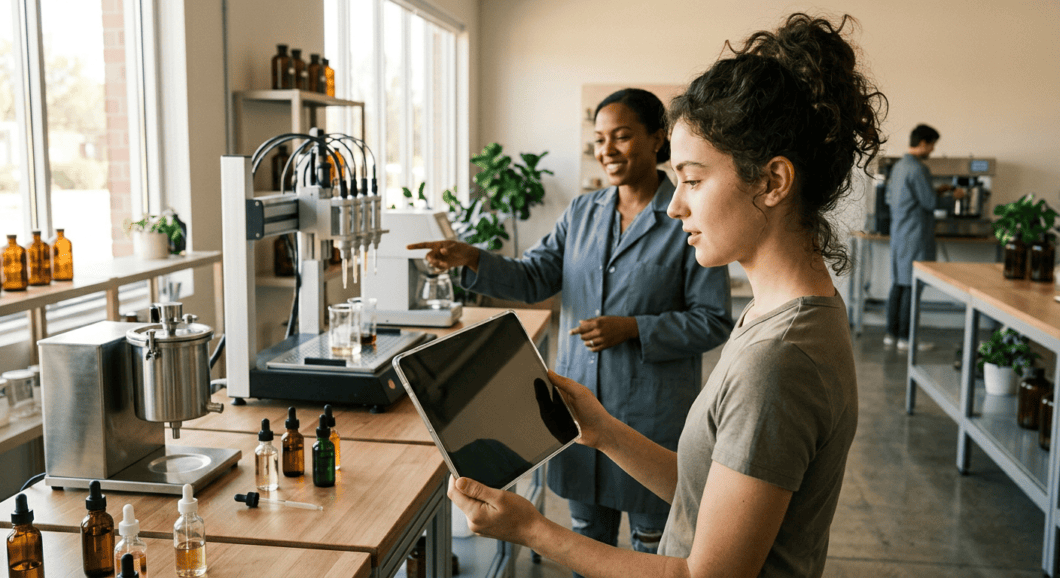
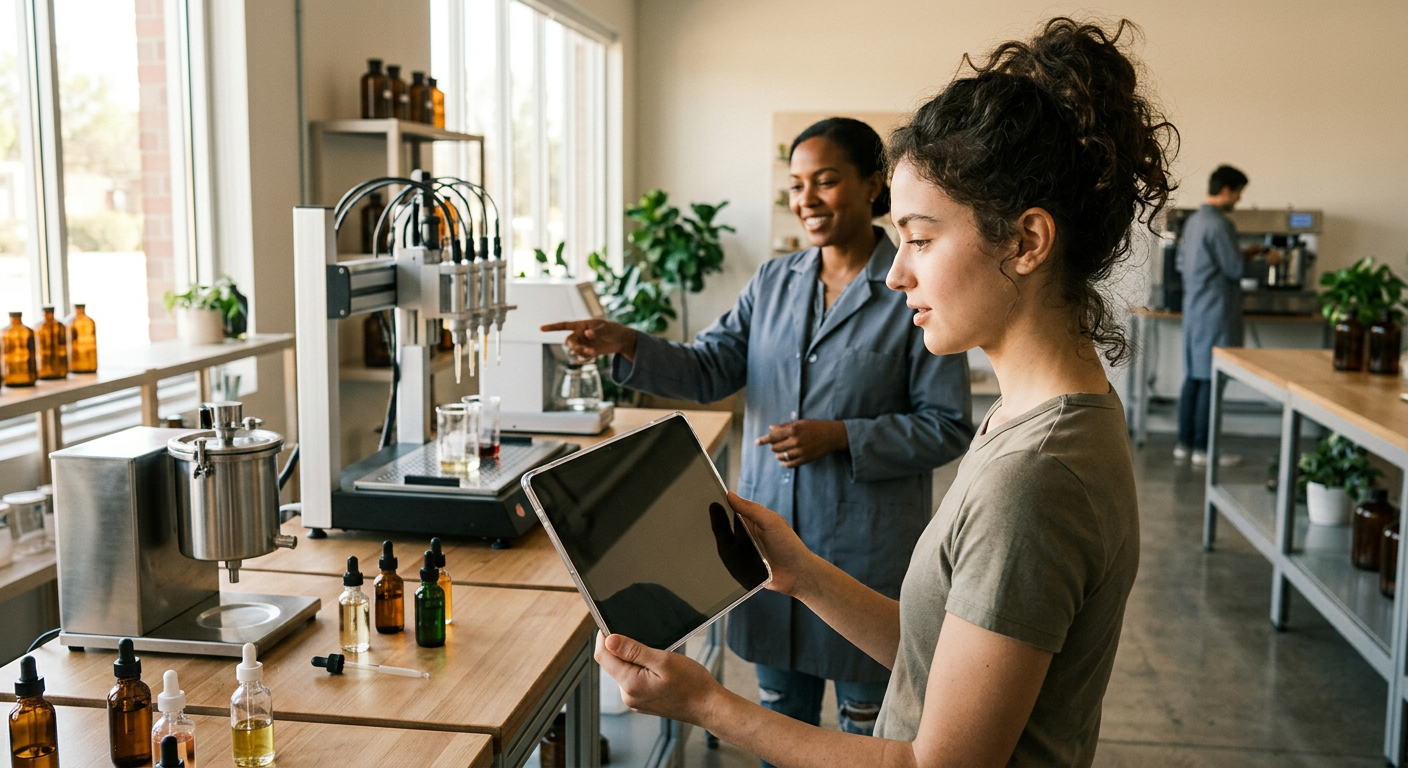
Next year, you might buy a serum that an algorithm formulated for your exact skin. That’s already happening. The beauty industry has grown into a multi-billion dollar business, with global revenue heading past $650 billion and beauty tech alone projected to grow 15% annually toward $50 billion by 2028 (Cropink). Knowing where the industry is heading helps you spend smarter, choose better products, and catch what your favorite brands are about to launch before they do.
The shifts underway go well beyond viral lip products and seasonal color palettes. They track how consumers now think about ingredients, sustainability, technology, and personalization. These are the trends worth watching.
AI Is Reshaping How You Buy and Use Beauty Products
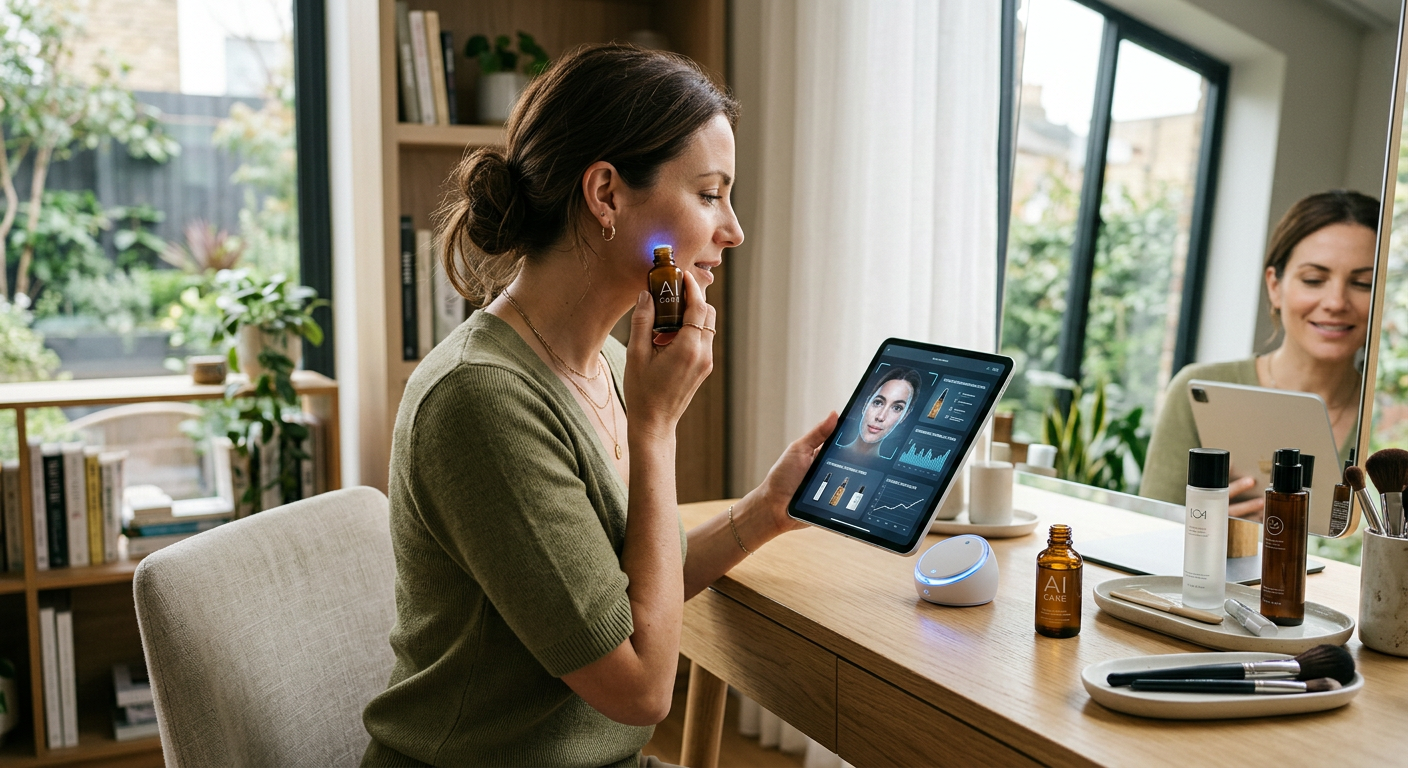
Artificial intelligence has moved from marketing hype to a working tool. In 2026, AI powers precision skin diagnostics and hyper-personalized formulations, turning complicated skin data into simple routines that actually work (Who What Wear).
That changes the whole discovery process. Instead of guessing which moisturizer suits your skin, AI tools scan your face through your phone camera and recommend products based on your specific concerns. Brands use the technology to cut returns and keep customers coming back.
What Personalized Beauty Looks Like Now
Customized products, from adaptive serums to AI-curated body rituals, are becoming the norm rather than the exception. Dr. Granite, quoted by Who What Wear, describes the change as AI becoming “a meaningful tool for precision skin diagnostics.”
For shoppers, that means fewer wasted purchases. Quizzes, virtual try-ons, and diagnostic apps are turning into standard steps before anything hits your cart.
Sustainability Is No Longer Optional

Consumers expect the brands they support to reflect their values. A full 85% of consumers say sustainability is crucial when selecting a beauty brand (Cropink). That’s not a niche preference. It’s a mainstream expectation.
Natural and organic products now make up 12% of the beauty market and grow at roughly 10% annually, faster than much of the broader industry. That gap shows where consumer money is heading.
How to Spot Genuinely Sustainable Brands
Look past the green packaging and the marketing language. Sustainable brands disclose where their ingredients come from, use refillable or recyclable packaging, and publish measurable goals instead of vague promises.
Rōz, for example, built its identity around clean beauty and transparency, which earned it celebrity backing and a growing retail presence (Brooklyn Public Library). Before you buy, check whether the brand backs its claims with certifications or actual supply chain detail.
Clean and Functional Ingredients Take Center Stage

The clean beauty movement has matured into something more precise. Consumers no longer just want products free of certain ingredients. They want products that do more. That’s where functional ingredients like exosomes, neurocosmetics, and chrono-active skincare come in (Who What Wear).
Neurocosmetics target the connection between your skin and nervous system, addressing how stress shows up on your complexion. Chrono-active skincare works with your skin’s circadian rhythm, delivering specific ingredients at the times of day when they work best.
Both point to a more scientific approach to skincare. Rather than layering ten products, more people now favor a handful of effective formulas with research behind them.
Personalization and Experience Drive Loyalty
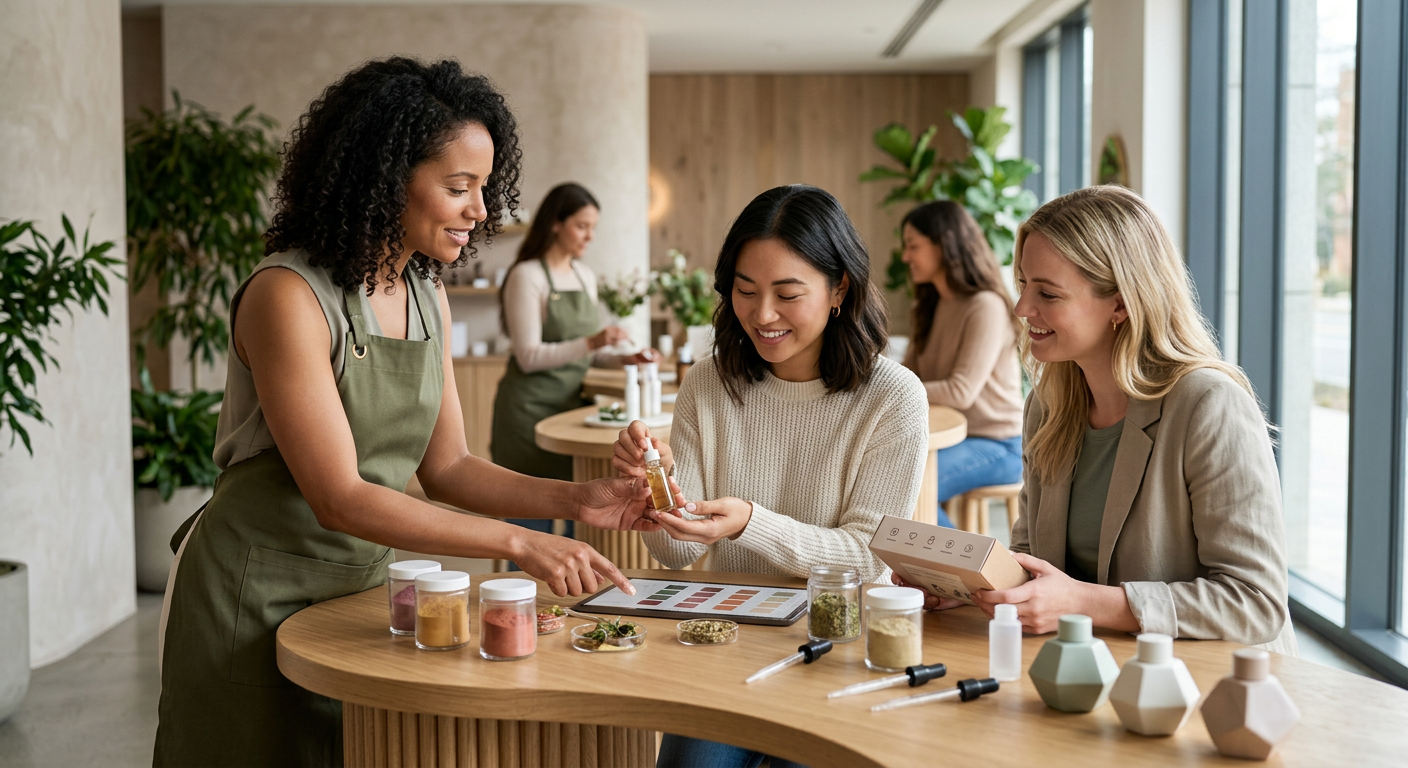
Beauty in 2026 is as much about experience as results. Guests and shoppers value personalization, comfort, and thoughtful consultation at every touchpoint (Rizzieri).
In salons and spas, texture, scent, and customization shape how a service feels from start to finish. Professionals who listen and tailor their work stand out in a market where experience counts as much as technique.
The same holds online. Brands that remember your preferences, curate recommendations, and communicate clearly win repeat business. Personalization has become a competitive advantage rather than a luxury add-on.
Social Media and Influencers Still Rule Discovery

Social platforms shape most beauty buying decisions, and the numbers explain why brands spend so heavily on them. Influencer marketing returns roughly 600% ROI for beauty brands (Cropink).
E-commerce drives about 35% of beauty sales, and social discovery feeds straight into that pipeline. When a product goes viral, demand can spike overnight. Vacation’s Classic Whip Glow SPF 30 shimmering sunscreen mousse is a recent example (Brooklyn Public Library).
Quick Comparison: Where Beauty Trends Are Heading
| Trend | Why It Matters | What to Watch |
|---|---|---|
| AI-driven beauty | Personalized products, fewer returns | Skin diagnostic apps, adaptive serums |
| Sustainability | 85% of consumers prioritize it | Refillable packaging, ingredient transparency |
| Functional ingredients | Science-backed results | Exosomes, neurocosmetics, chrono-active care |
| Personalized experience | Builds loyalty | Custom consultations, curated recommendations |
| Influencer marketing | 600% ROI for brands | Viral launches, social-first discovery |
| Global K-beauty | International influence | K-beauty makeup, layered routines |
Global Influence and the Rise of K-Beauty
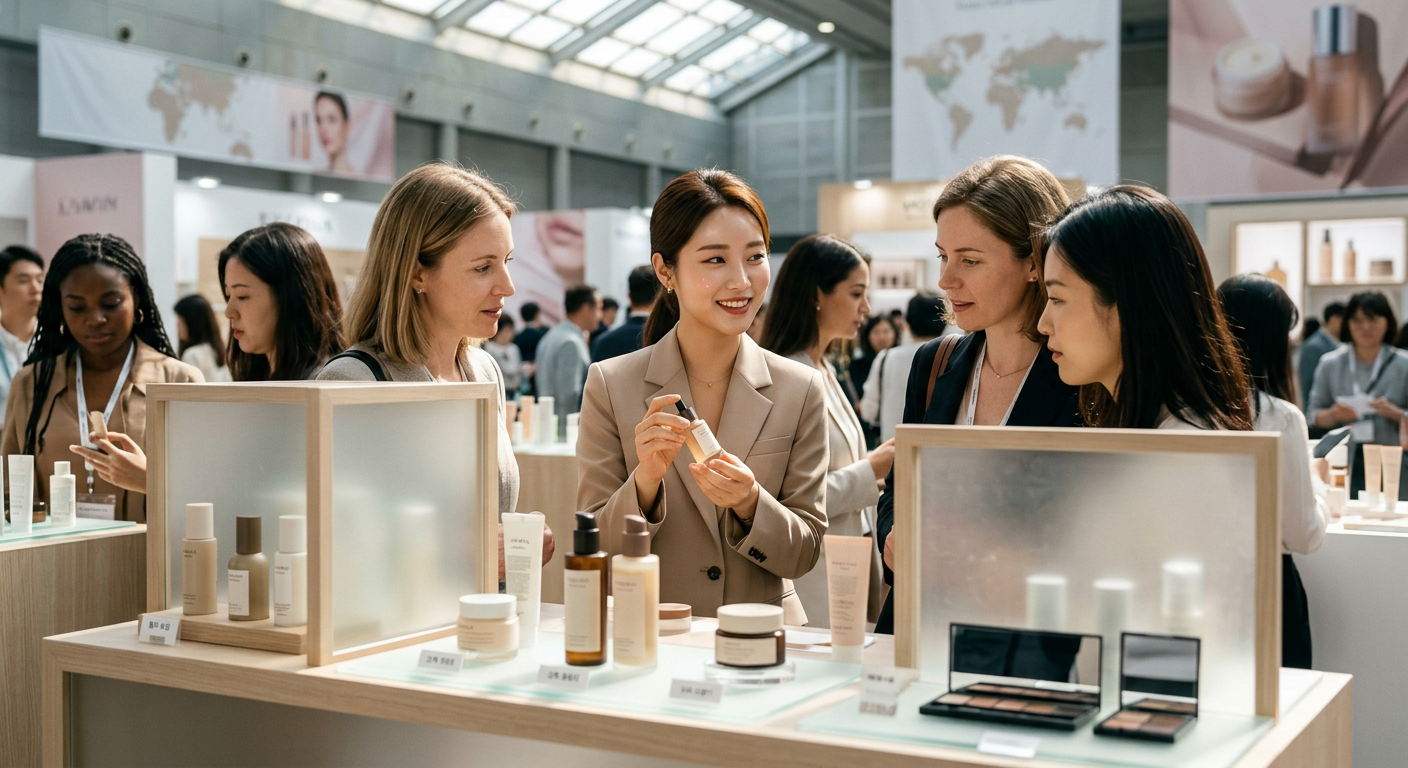
Beauty is now a global industry. The United States, Europe, and Japan dominated the market for decades, but Korea and China now shape trends worldwide (Library of Congress).
K-beauty is the clearest example. Korean routines, textures, and makeup techniques have gone international, influencing product development well beyond Asia. Who What Wear flags K-beauty makeup as a trend to watch in 2026.
For shoppers, this exchange means more choice and faster innovation. An ingredient or technique that debuts in Seoul can reach your shelf within months, so you get access to new products no matter where you live.
Key Takeaways for Every Beauty Lover
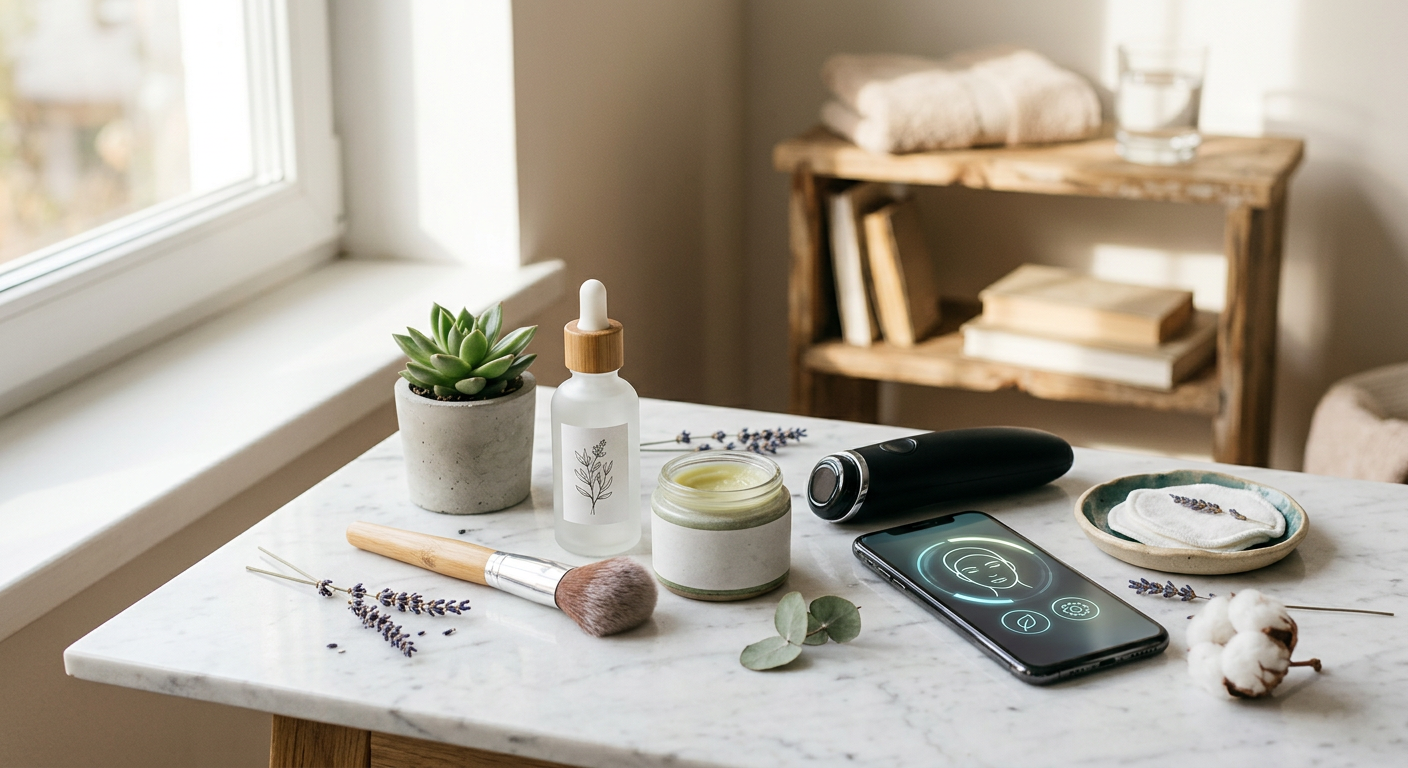
The beauty industry keeps expanding past $650 billion, pushed by technology, values-based shopping, and global innovation. What to remember:
- AI personalization makes product discovery smarter and cuts wasted purchases.
- Sustainability shapes buying decisions for 85% of consumers.
- Functional ingredients like neurocosmetics deliver science-backed results.
- Experience and personalization drive loyalty in salons and online.
- Social media and influencers remain the top discovery channel, with 600% ROI for brands.
- K-beauty and global influence keep the market fast-moving.
Start by measuring your current routine against these trends. Try a brand with real sustainability credentials, test an AI skin diagnostic tool, or pick up that K-beauty product you’ve been curious about. The more you know, the better your choices get.
Frequently Asked Questions
Q: What is the biggest beauty industry trend for 2026?
AI-driven personalization is the biggest shift, moving from marketing buzzword to practical skin diagnostics and custom formulations. It changes how you discover, choose, and use products.
Q: How large is the beauty industry?
Global beauty revenue is projected to exceed $650 billion, with skincare accounting for around 40% of the market. The beauty tech segment alone is expected to reach $50 billion by 2028.
Q: Are natural and organic beauty products actually growing?
Yes. Natural and organic products now make up about 12% of the beauty market and grow roughly 10% annually, faster than much of the broader industry.
Q: Why do brands invest so much in influencer marketing?
Influencer marketing returns about 600% ROI for beauty brands, which makes it one of the most cost-effective channels. Social platforms also drive most beauty buying decisions.
Q: What is K-beauty and why is it popular?
K-beauty refers to Korean beauty products and routines known for innovation, texture, and effectiveness. It has become an international force, shaping global product development and makeup trends.
Q: How can I tell if a beauty brand is truly sustainable?
Look for transparent ingredient sourcing, recyclable or refillable packaging, and measurable sustainability goals. Real brands back their claims with certifications rather than vague green marketing.