

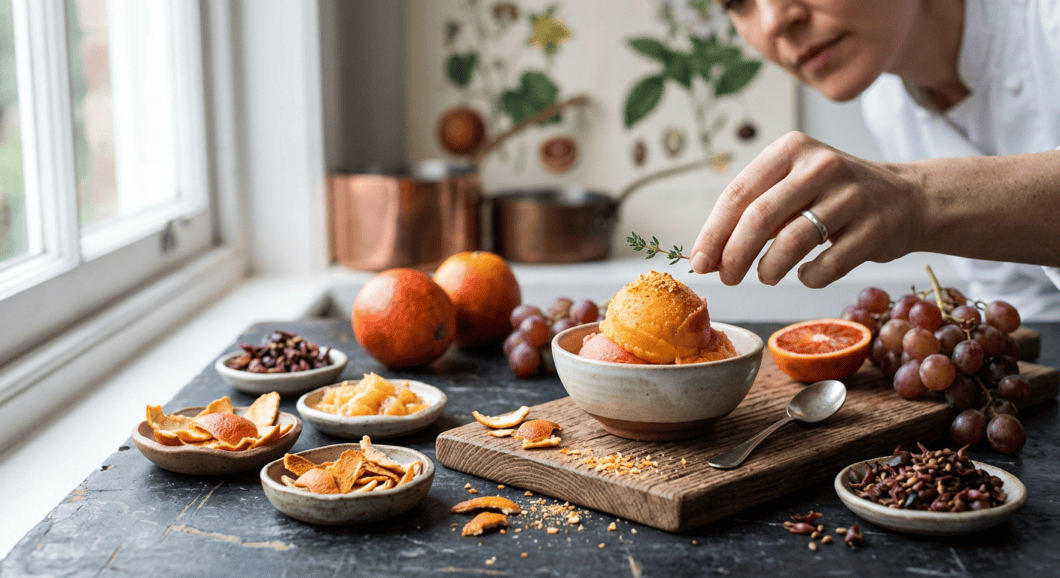
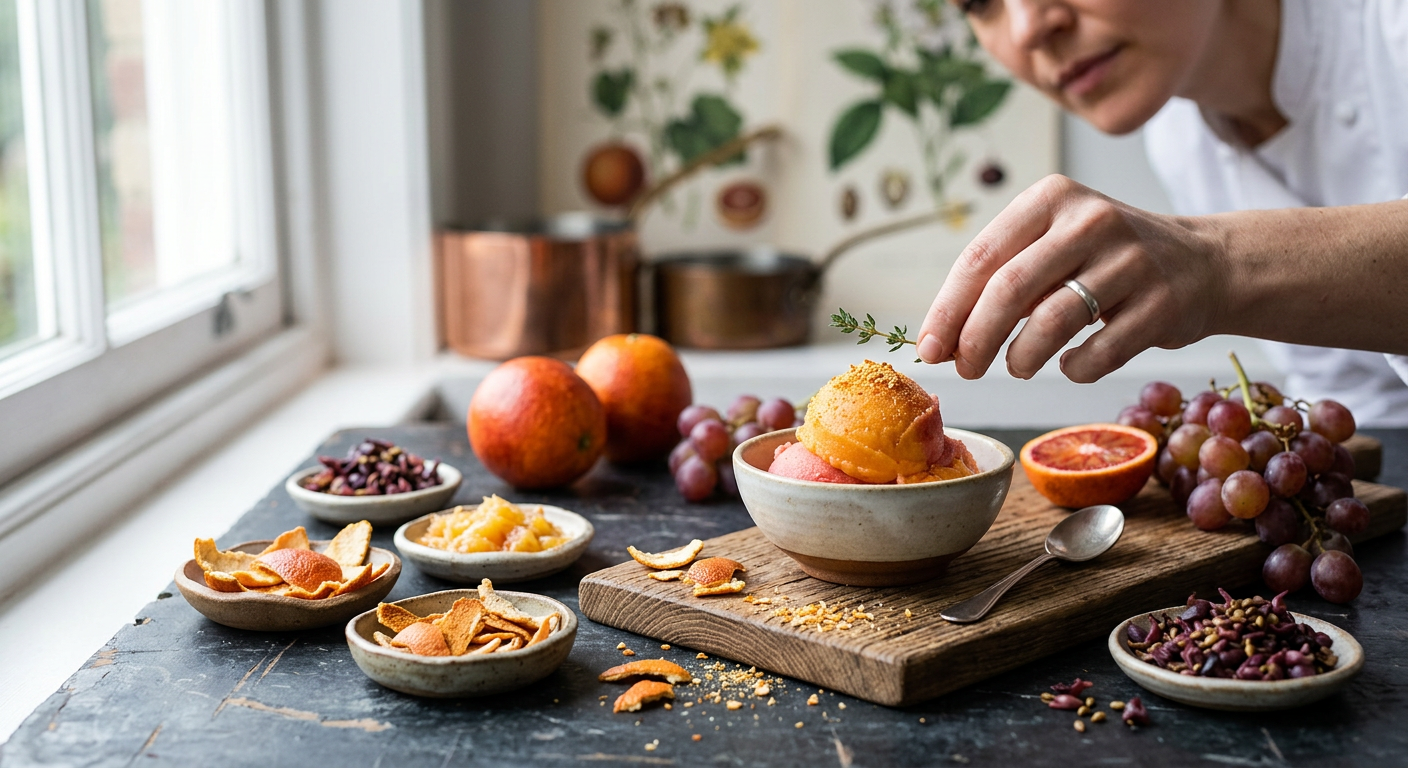
What if the peel, the pulp, and the pomace left over from making your favorite products were worth more than the products themselves? Brands in fragrance, cosmetics, food, and fashion are starting to answer that question in ways that redefine what “premium” means. Upcycled ingredients—materials pulled from waste streams and turned into high-value inputs—used to be a compromise. Now they sell on their rarity, their backstory, and the technical difficulty of extracting them at all.
The trend shows up in the numbers. The global upcycled ingredients market was worth $335.5 million in 2025 and is projected to reach $691.7 million by 2036, according to Fact.MR. That trajectory tells you where consumer value is heading.
What “Upcycled” Actually Means in a Luxury Context
Upcycling and recycling get used interchangeably, but they aren’t the same thing, and for luxury positioning the difference is the whole point. Recycling breaks a material down and reprocesses it, usually at a lower quality. Upcycling takes a byproduct or surplus and turns it into something worth as much as the original, or more.
In practice that looks like citrus peels from juice production becoming fragrance oils, or spent coffee grounds becoming skincare antioxidants. The raw material was headed for the bin. The finished ingredient sells at a premium. That jump from waste to worth is why consumers treat upcycled goods as special.
Why the Difference Drives Perceived Value
Research published in the Journal of Business Research found that consumers prefer upcycled luxury products over recycled ones and over conventional non-sustainable ones. The reason is emotional. Buyers attach more pride and novelty to upcycled goods, and that psychological premium is precisely what luxury brands exist to sell.
Rarity Is the New Definition of Premium
Luxury has always run on scarcity. What’s changed is where the scarcity comes from. It used to mean limited quantities of pristine raw materials. The specialized extraction and limited supply of upcycled ingredients create a different kind of rarity.
An industry perspective from Dorsali puts it bluntly: “Raw materials are rare, and everyone realizes that today. In fact, not using recycled raw materials would be a waste.” When a brand can point to a byproduct that only exists in small, seasonal, or region-specific quantities, it manufactures scarcity without faking it.
That rarity also resists copycats. A rival can’t easily reproduce a fragrance built on one distillery’s spent botanicals or one harvest’s surplus. That defensibility is worth a premium by itself.
The Science Makes It Exclusive
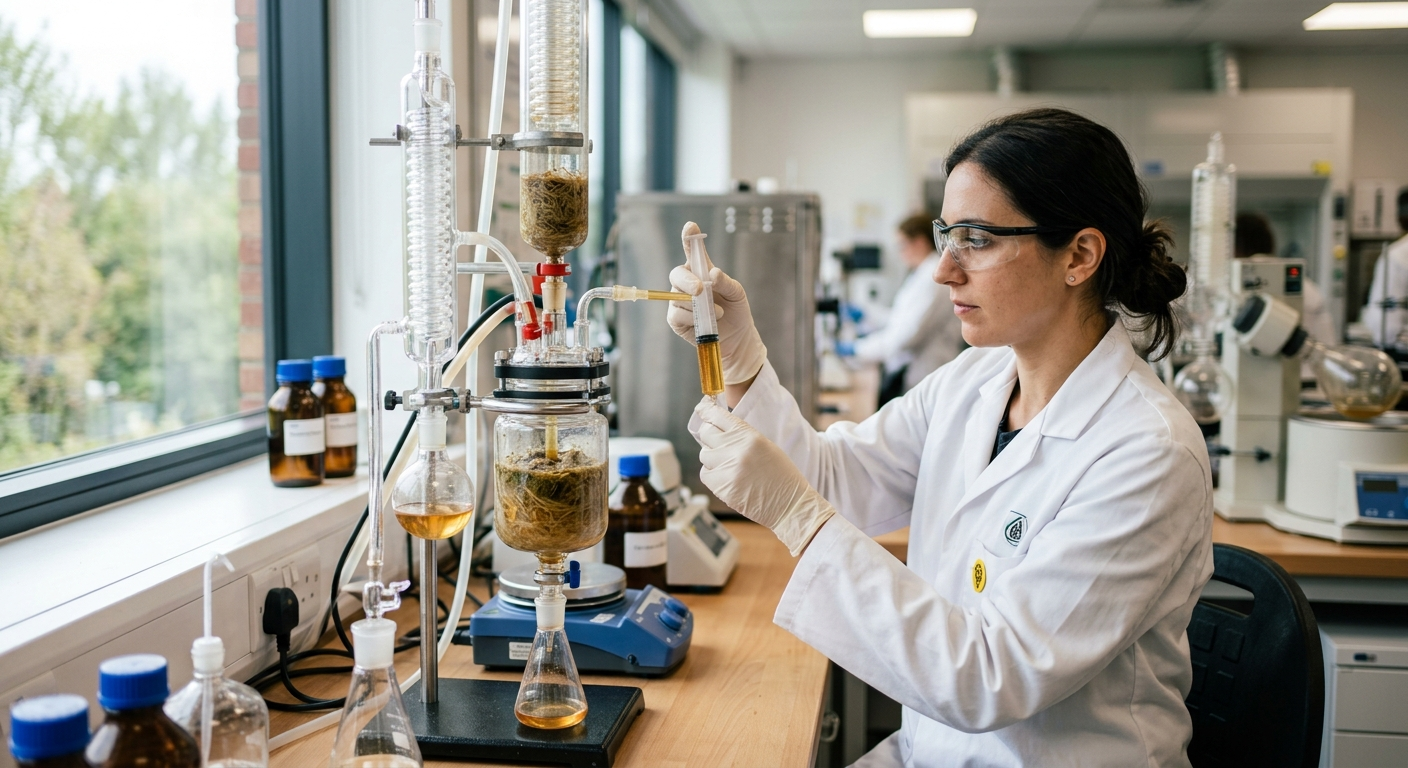
Upcycled ingredients aren’t just collected. They’re engineered. Pulling a stable, high-performance active out of a food byproduct takes biotechnology, careful purification, and serious quality control. That difficulty is a big part of what justifies the price.
According to THG Labs, affluent consumers increasingly see upcycled ingredients as both premium and desirable “due to their specialised extraction techniques and limited availability.” The complexity works in the ingredient’s favor.
Where the Science Adds the Most Value
In cosmetics, botanical extracts and antioxidants derived from food-industry byproducts are driving demand for anti-aging and skincare formulations. Future Market Insights projects that active ingredients will account for 45% of the upcycled cosmetic ingredients product segment in 2026. These are functional actives, not filler—which is where upcycling has to prove it performs.
Storytelling Turns Waste Into Desire
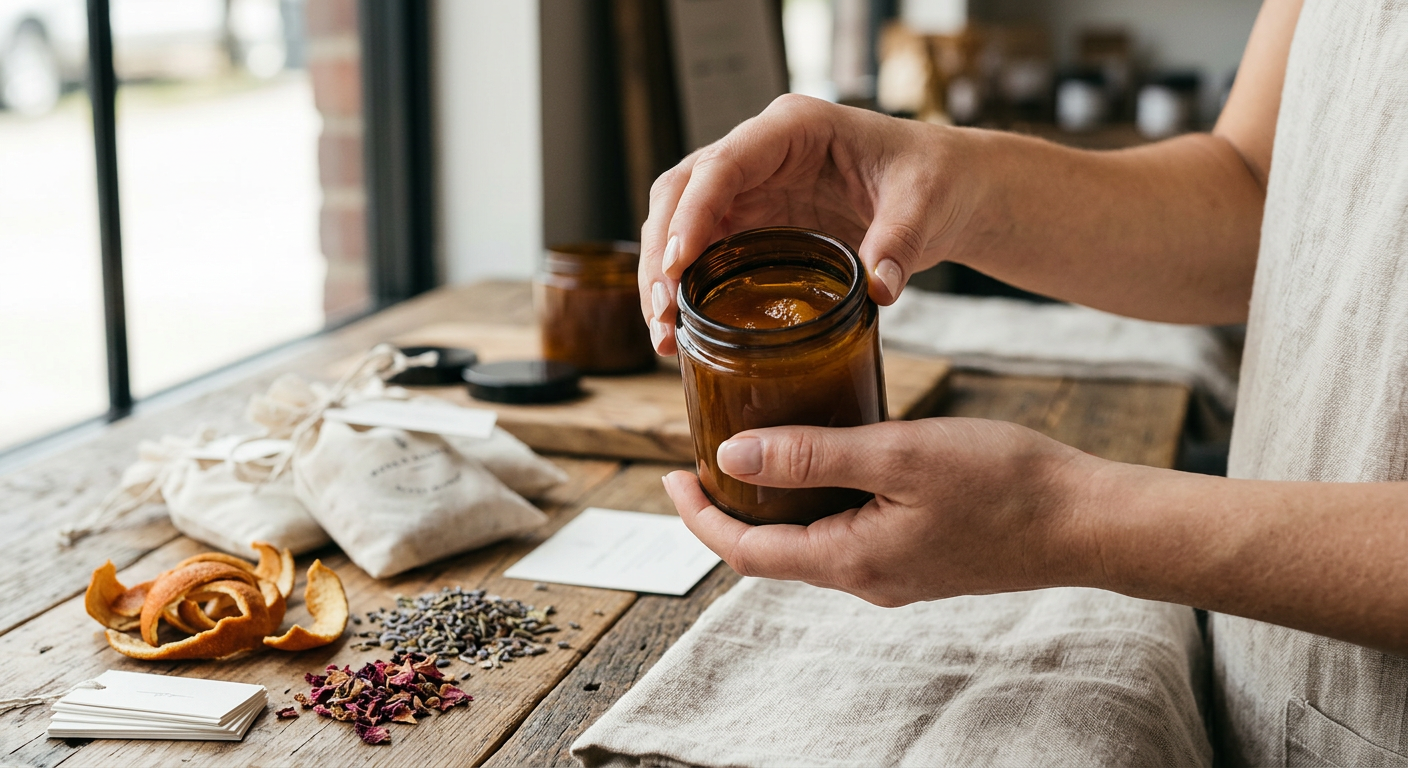
A premium price needs a premium narrative, and upcycled ingredients arrive with one already attached: transformation, ingenuity, environmental care. Brands that tell it well turn a sustainability claim into an emotional purchase.
The narrative works because it flatters the buyer. Choosing an upcycled luxury product signals discernment and values, not just money. That’s why the pride effect documented in academic research translates so cleanly into willingness to pay.
The hard part is comprehension. As Innova Market Insights notes, the idea of converting waste streams into premium ingredients “needs some getting used to.” The brands that educate—celebrating the ingenuity instead of hiding the origin—win.
Consumer Demand Is Driving the Market
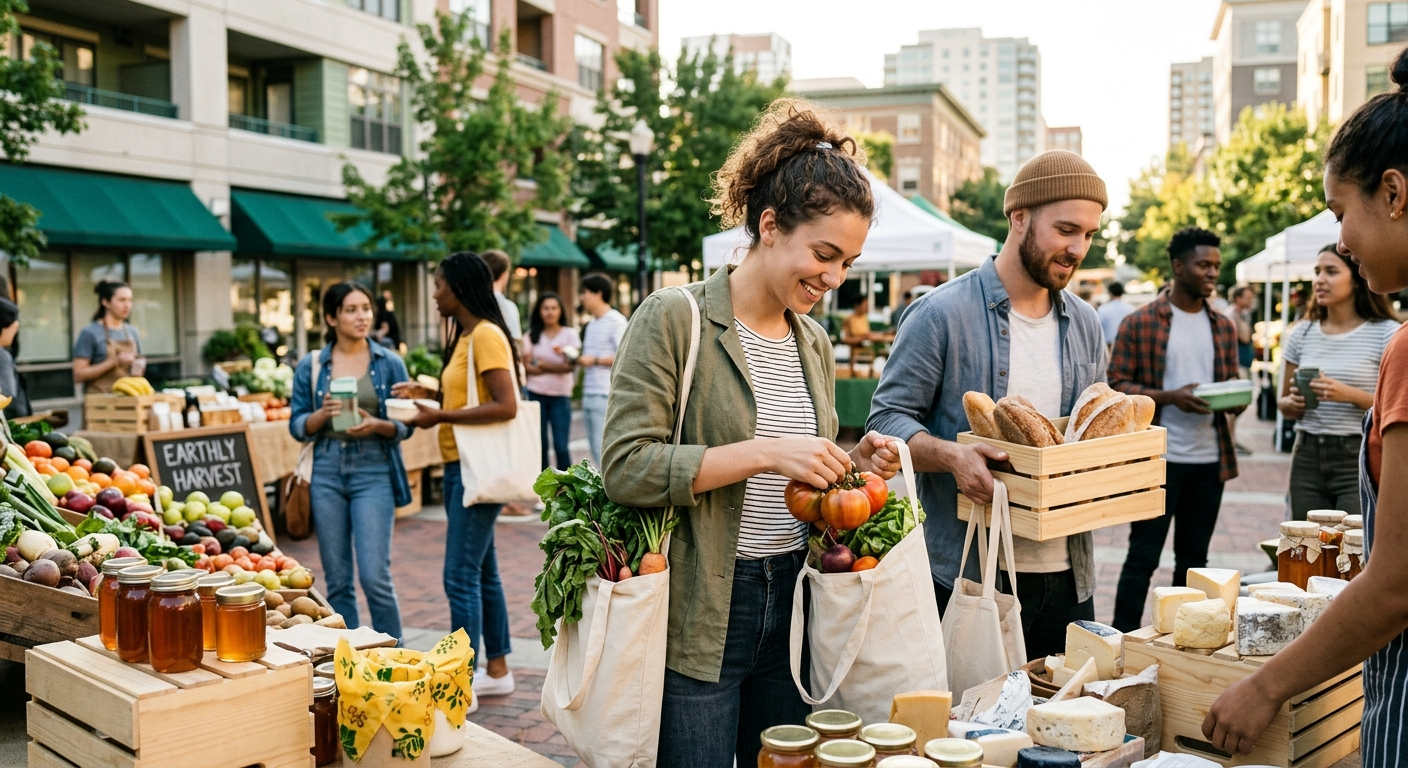
A specific, growing audience is pushing this. Millennials and Gen Z prioritize eco-conscious buying, and they’re increasingly the ones purchasing luxury goods. Reaching them means treating sustainability as a core attribute rather than an afterthought.
The numbers reflect that momentum across categories. Below is where upcycled ingredient demand is concentrated and growing.
| Segment | Key Data Point | Source |
|---|---|---|
| Upcycled ingredients (overall) | $335.5M in 2025, projected $691.7M by 2036 (6.8% CAGR) | Fact.MR |
| Fruit & vegetable waste | ~35% share of the source segment | Fact.MR |
| Powder form | ~40% share of the form segment | Fact.MR |
| Active cosmetic ingredients | ~45% of product segment in 2026 | Future Market Insights |
| Fastest-growing regions | China (9.05%), India (8.38%) | Future Market Insights |
Demand is broad-based and accelerating, spanning food, beverage, cosmetics, and nutraceuticals. Brands that ignore upcycling risk looking wasteful in a market that increasingly reads waste as poor design.
How Luxury Brands Are Putting It Into Practice
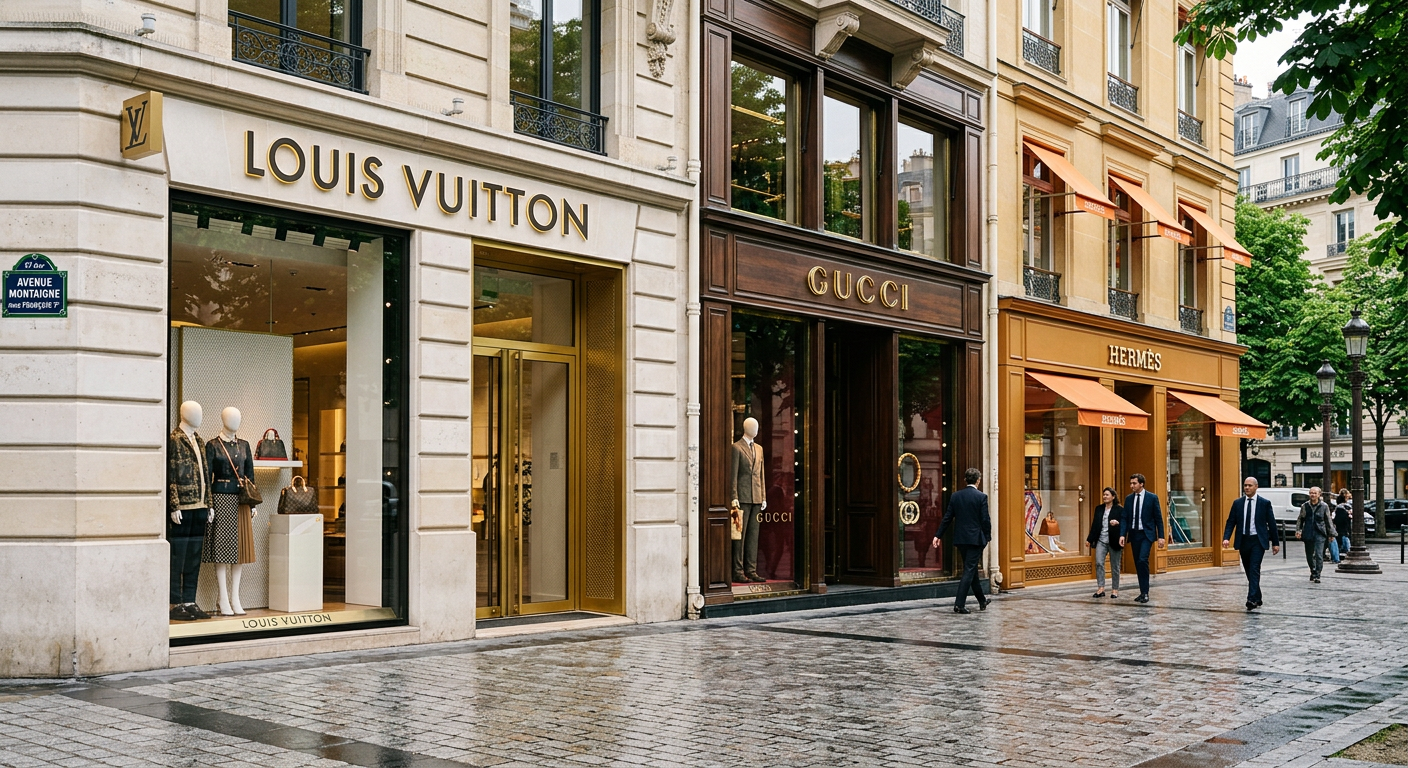
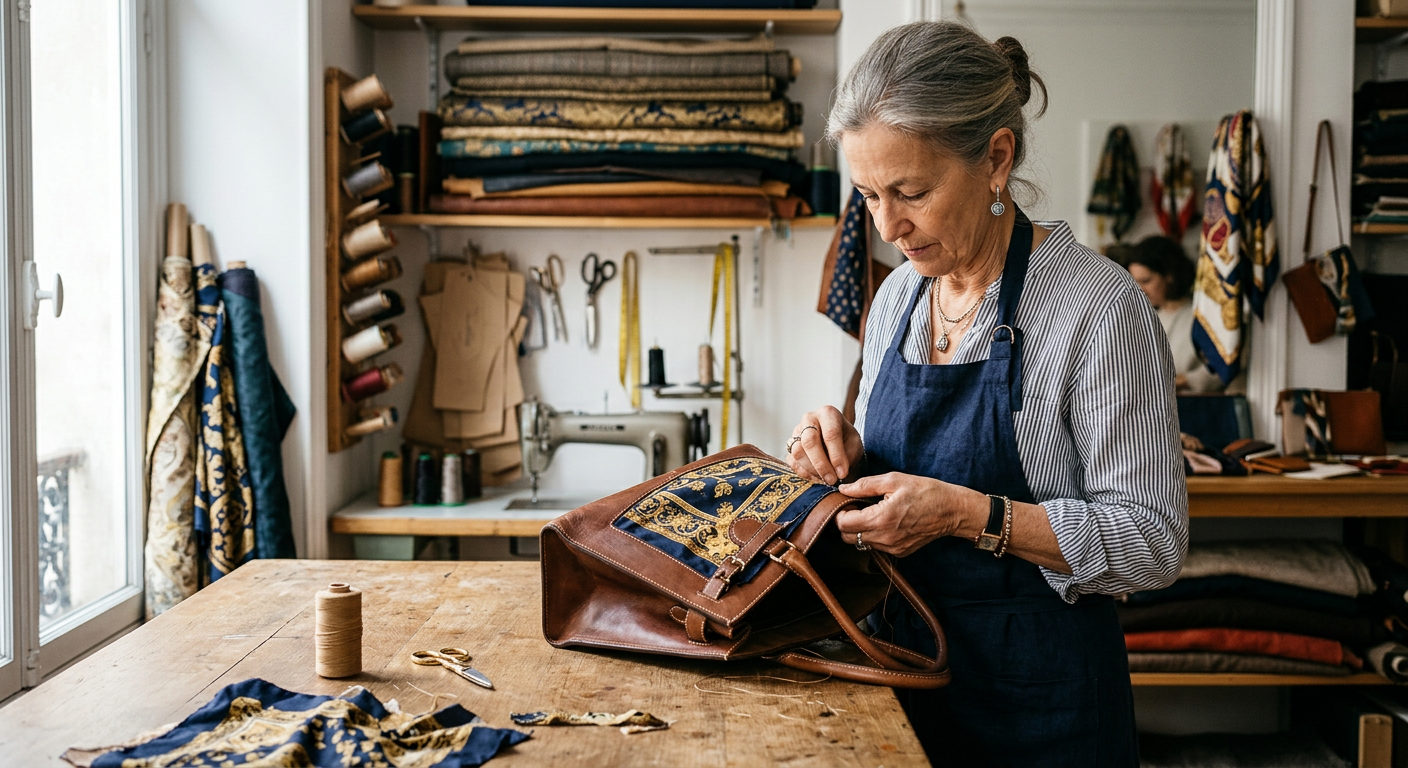
The major fashion houses moved first and moved visibly. Louis Vuitton, Gucci, and Hermès are turning discarded materials into exclusive, limited-edition items that pair sustainability with rarity, as documented by Dorsali. Limited releases amplify the scarcity these materials already carry.
The practical stakes matter too. Roughly 12% of fibers get discarded during production in fashion, and upcycling recovers that value instead of losing it. Efficiency and exclusivity line up.
A Simple Framework for Brands
If you’re building an upcycled luxury product, three elements consistently drive value:
- Craftsmanship — Prove the technical skill behind the transformation.
- Storytelling — Make the byproduct’s journey visible and celebrated.
- Limited releases — Use natural scarcity to reinforce exclusivity.
Brands that combine all three see the strongest response, especially among environmentally concerned buyers. One caveat worth flagging: research suggests upcycled products help new luxury brands most, which gives challengers a credible way into the premium market.
Conclusion: Waste Is the New Frontier of Value
Upcycled ingredients are becoming luxury because they deliver what premium buyers want: rarity, craftsmanship, a story worth telling, and values they can feel good about. The science that makes these ingredients hard to produce is the same science that makes them exclusive. With the market projected to more than double by 2036, this is a structural shift, not a passing trend.
If you make or buy premium products, treat upcycling as a value driver, not a sustainability checkbox. Audit your byproduct streams, invest in the extraction science, and tell the transformation story honestly. The brands that get this right now will shape what luxury means for the next decade.
FAQ
Q: What is the difference between upcycled and recycled ingredients?
Recycling breaks materials down and often lowers their quality. Upcycling transforms a byproduct or surplus into something of equal or greater value. That elevation is why consumers associate upcycled goods with novelty and premium quality.
Q: Why are upcycled ingredients considered luxurious?
They combine real scarcity, specialized extraction science, and a compelling transformation story—all traits luxury buyers value. Research also shows consumers feel greater pride buying upcycled products, which raises their willingness to pay.
Q: How big is the upcycled ingredients market?
The global upcycled ingredients market was valued at $335.5 million in 2025 and is projected to reach $691.7 million by 2036, growing at a 6.8% CAGR, according to Fact.MR. Cosmetics, food, beverage, and nutraceuticals are all major contributors.
Q: Which industries use upcycled ingredients the most?
Cosmetics, fragrance, food and beverage, and nutraceuticals lead the way. In cosmetics specifically, active ingredients like antioxidants and botanical extracts are expected to make up about 45% of the upcycled product segment in 2026.
Q: Do upcycled luxury products benefit new or established brands more?
Academic research in the Journal of Business Research suggests upcycled products benefit new luxury brands most, giving challengers a credible entry into the premium market. The fit gets stronger for new brands as consumer environmental concern rises.
Q: Are upcycled ingredients lower quality than conventional ones?
No. Upcycling requires biotechnology and rigorous quality control to produce stable, high-performance ingredients, and many upcycled actives are prized specifically for their functional benefits in premium formulations.