

Check the back of your favorite moisturizer. Odds are “aqua” or “water” sits at the top of the ingredient list, which means it makes up more of the jar than any active you actually paid for. Waterless beauty inverts that ratio, swapping water for concentrated oils, botanicals, and actives that do more per drop. This isn’t a niche experiment anymore. The waterless cosmetics market was valued at USD 13.26 billion in 2026 and is projected to reach USD 42.60 billion by 2036, which puts water-free formulations on track to reshape a good chunk of personal care.
What Waterless Beauty Actually Means
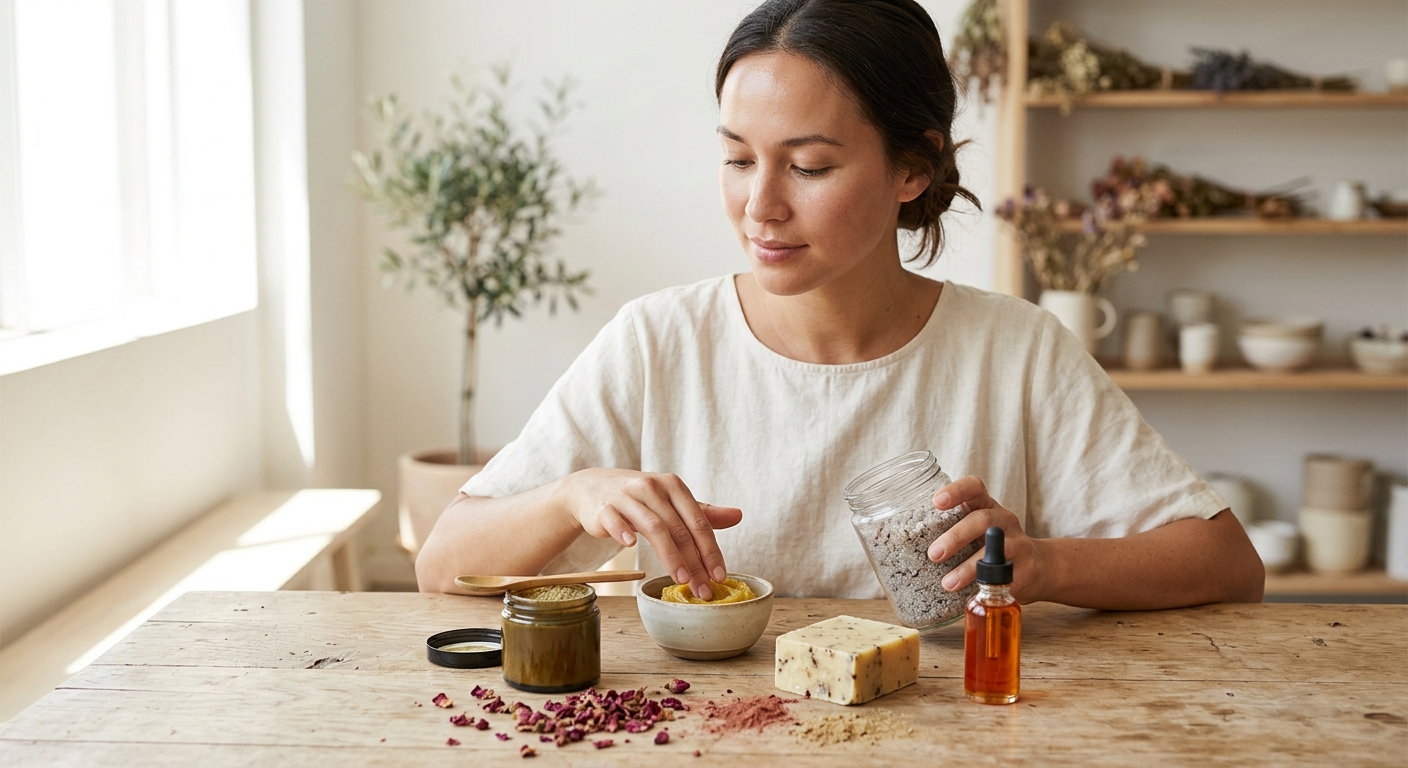
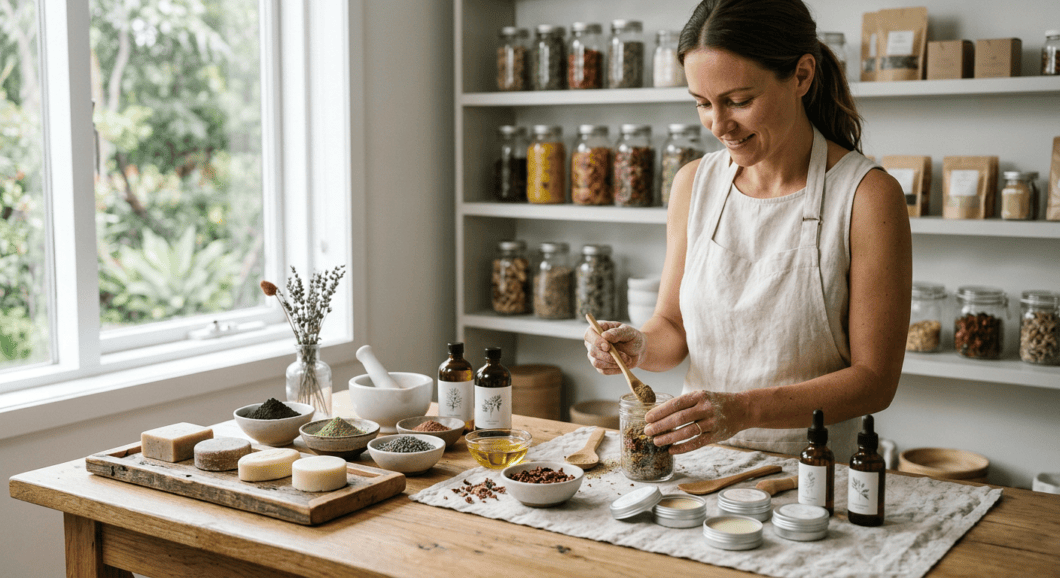
Waterless beauty, also called anhydrous or water-free skincare, describes products formulated without water as a primary ingredient. In place of aqua, brands build formulas around oils, butters, botanical extracts, and powdered concentrates. The result is a smaller, more potent product.
The reason this matters comes down to what water actually contributes: usually nothing but volume. It’s the single largest ingredient in most conventional cosmetics. Buy a standard lotion and you’re paying to ship and store what amounts to expensive tap water. Waterless formats, whether solid bars, powders, balms, or oils, cut that filler out.
The performance argument holds up too. According to Olive Tree People, removing water and fillers can concentrate up to 3,000 times more bioactive ingredients into a single product, so your skin takes in more nutrients per application.
Why the Market Is Growing So Fast
The waterless cosmetics market climbed from USD 11.73 billion in 2025 to USD 13.26 billion in 2026, and analysts project a 12.40% compound annual growth rate through 2036, according to Future Market Insights.
Several forces are pushing this along. Environmental awareness tops the list, but the rise of premium beauty brands and growing consumer appetite for natural, efficacy-focused formulations both feed the trend. The Business Research Company credits the historic surge to these overlapping shifts.
Where Growth Is Concentrated
The regional and category data show where the momentum sits. India is set to post the fastest growth at a 14.50% CAGR over the study period, outpacing established Western markets.
Skincare leads by product type. It’s projected to take roughly a 42.00% share in 2026, carried by concentrated serums, balms, and cleansing bars that appeal to people who want efficiency without a ten-step routine.
The Environmental Case for Going Water-Free
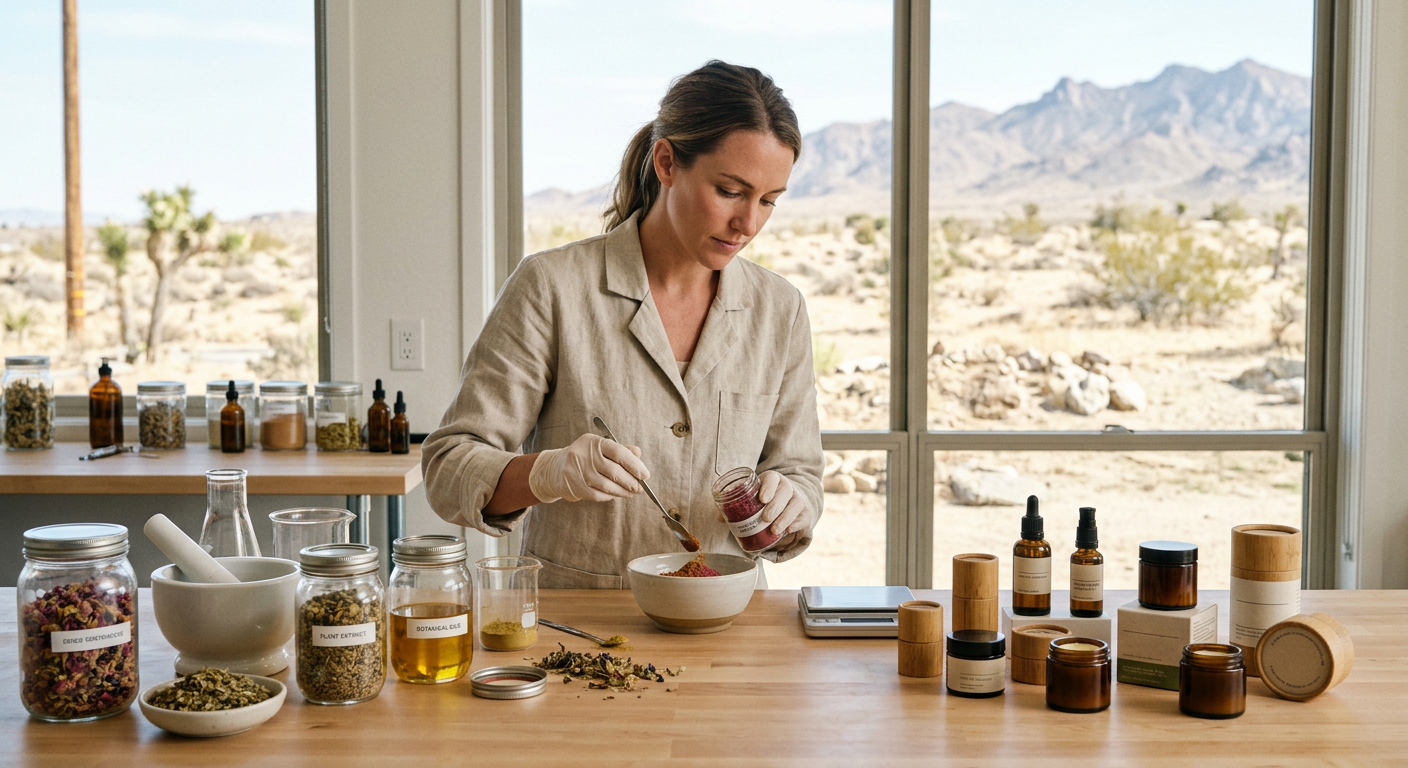
Water scarcity will define a lot of the next few decades, and the beauty industry burns through enormous volumes of it. Waterless products tackle the problem twice: they strip water out of the formula, and they cut the resources needed to package and ship it.
Concentrated products are smaller and lighter, which drops shipping emissions. Many waterless brands also pair the format with sustainable packaging, from compostable wrappers to refillable containers to plastic-free solid bars.
Solid bars are the standout. They’re expected to hold a 55.00% share of the market by form in 2026, mostly because they do away with liquid packaging entirely and often ship without a scrap of plastic.
Waterless vs. Traditional Beauty Products
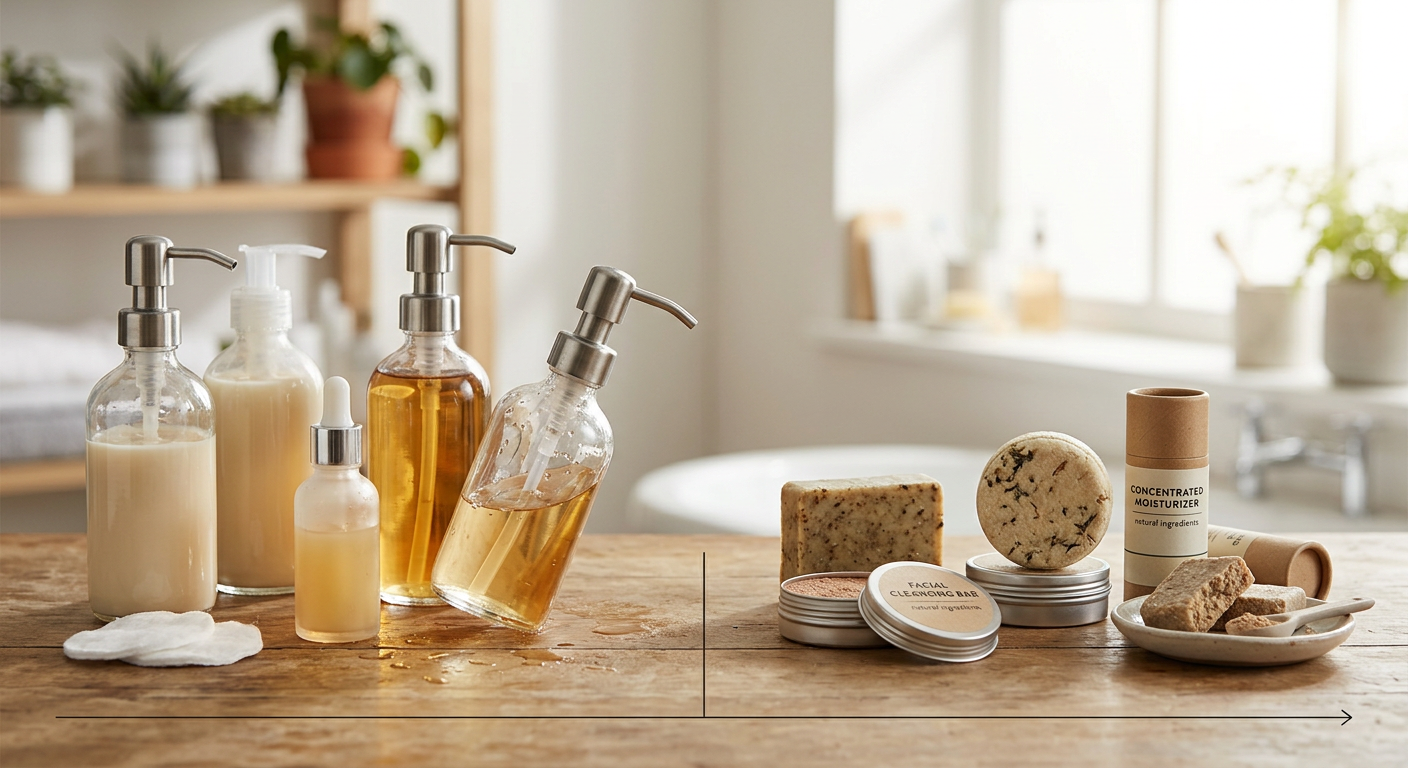
Put the two formats next to each other and the trade-offs come into focus. The table below lays them out before you decide whether to switch.
| Factor | Waterless Beauty | Traditional Beauty |
|---|---|---|
| Primary ingredient | Oils, butters, botanicals | Water (often 60–80%) |
| Active concentration | High — up to 3,000x more bioactives | Diluted by water content |
| Product lifespan | Longer; less used per application | Shorter; more product per use |
| Packaging | Often plastic-free or refillable | Typically plastic, liquid-based |
| Preservatives | Fewer needed | More needed to prevent microbial growth |
| Upfront cost | Higher per unit | Lower per unit |
| Cost over time | Comparable or lower | Higher due to frequent replacement |
The preservative line deserves a closer look. Water gives bacteria a place to grow, so water-based products need more preservatives to stay stable. Waterless formulations usually need fewer, which appeals to anyone who prefers a shorter ingredient list.
Addressing the Cost Question
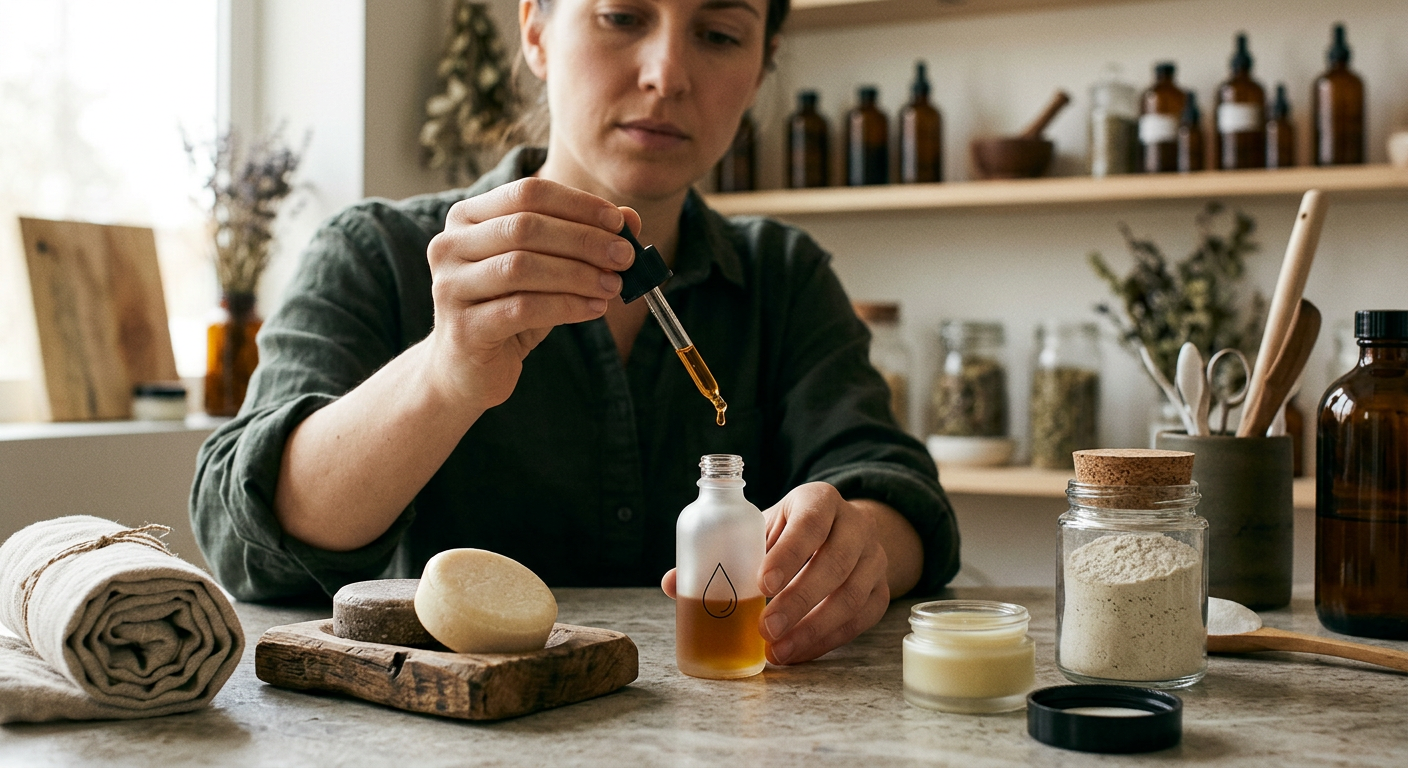
Price is the most common objection to waterless beauty, and it’s a fair one. Concentrated formulas and inventive packaging push the sticker price above conventional equivalents.
The math shifts once you factor in how you use it. As Skinelite points out, higher potency means less product per application, so a single item lasts far longer. Across the life of the product, the cost tends to even out, and it can land below what you’d spend replacing diluted alternatives.
Efficacy adds another layer of value. A concentrated serum that delivers more actives per drop might let you fold several steps into one product, trimming both your spending and your bathroom counter.
What Comes Next for Waterless Beauty
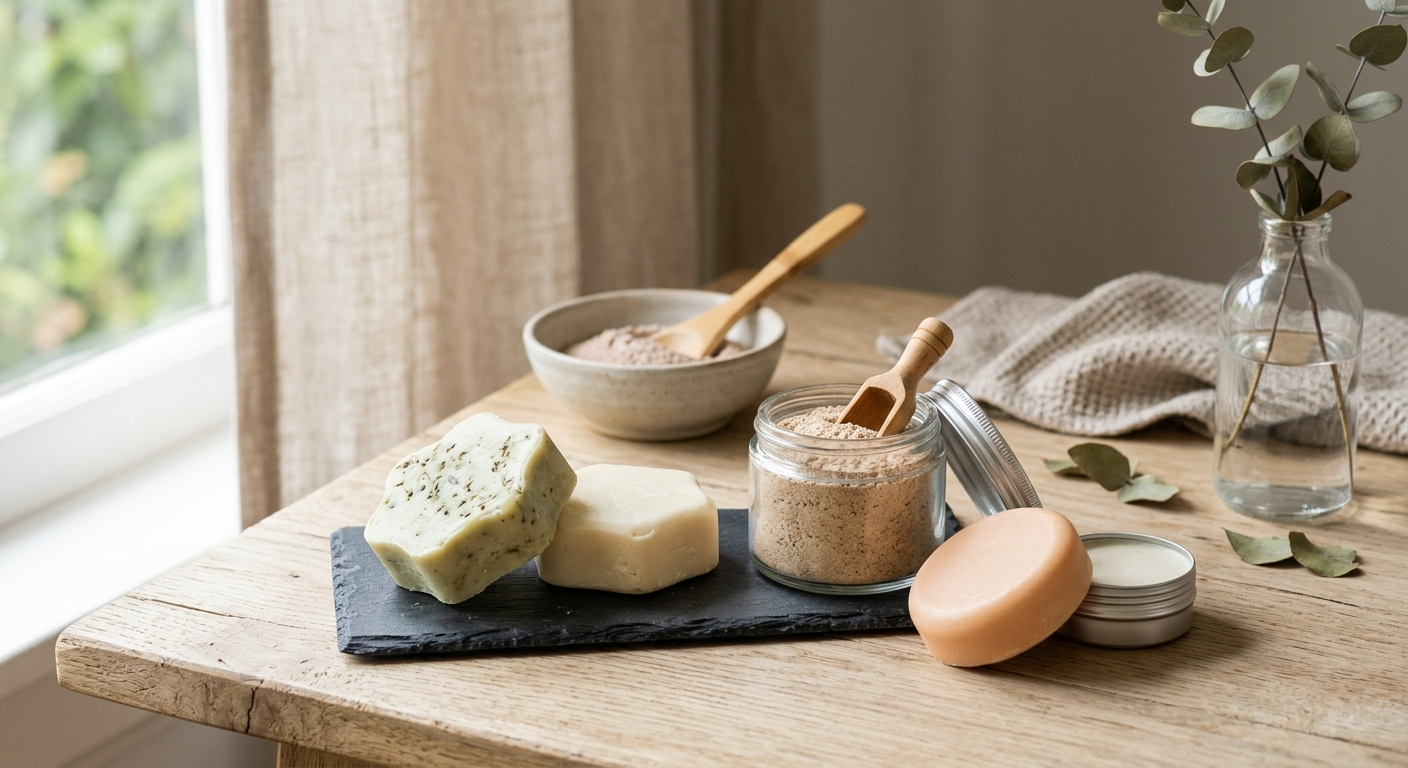
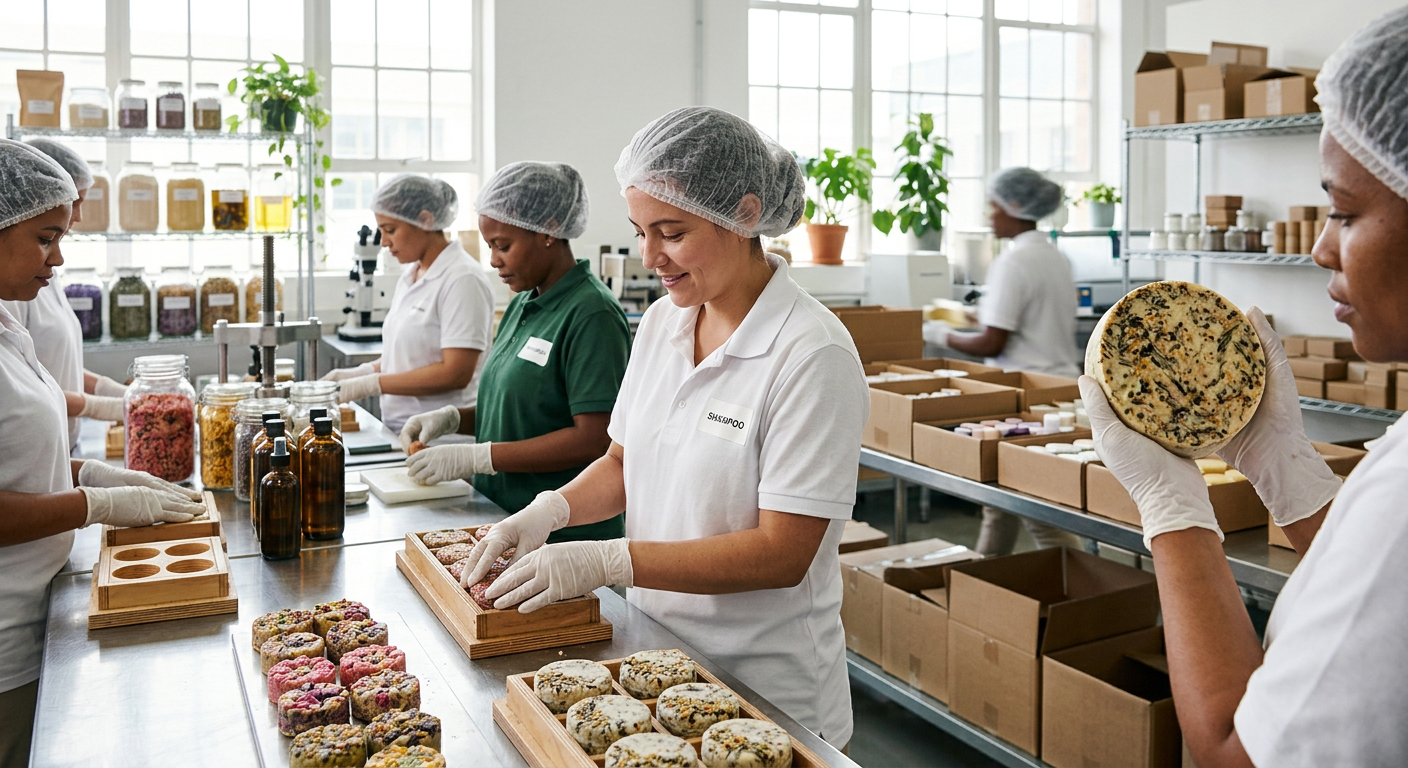
The category is spreading well past skincare. Analysts expect strong growth in haircare, body care, and makeup as brands rework the water-free approach for new formats. Solid shampoo bars and powdered cleansers are early signs of that shift.
Personalization is the next frontier. According to Clinikally, the industry is moving toward AI-based personalization, with waterless formulas tuned to individual skin needs.
Packaging will keep evolving alongside it, with more compostable wrappers, refillable systems, and plastic-free designs as brands compete on sustainability as much as performance. Women-oriented products are forecast to hold a 65.00% share in 2026, though unisex and men’s lines are gaining ground as the category matures.
Key Takeaways
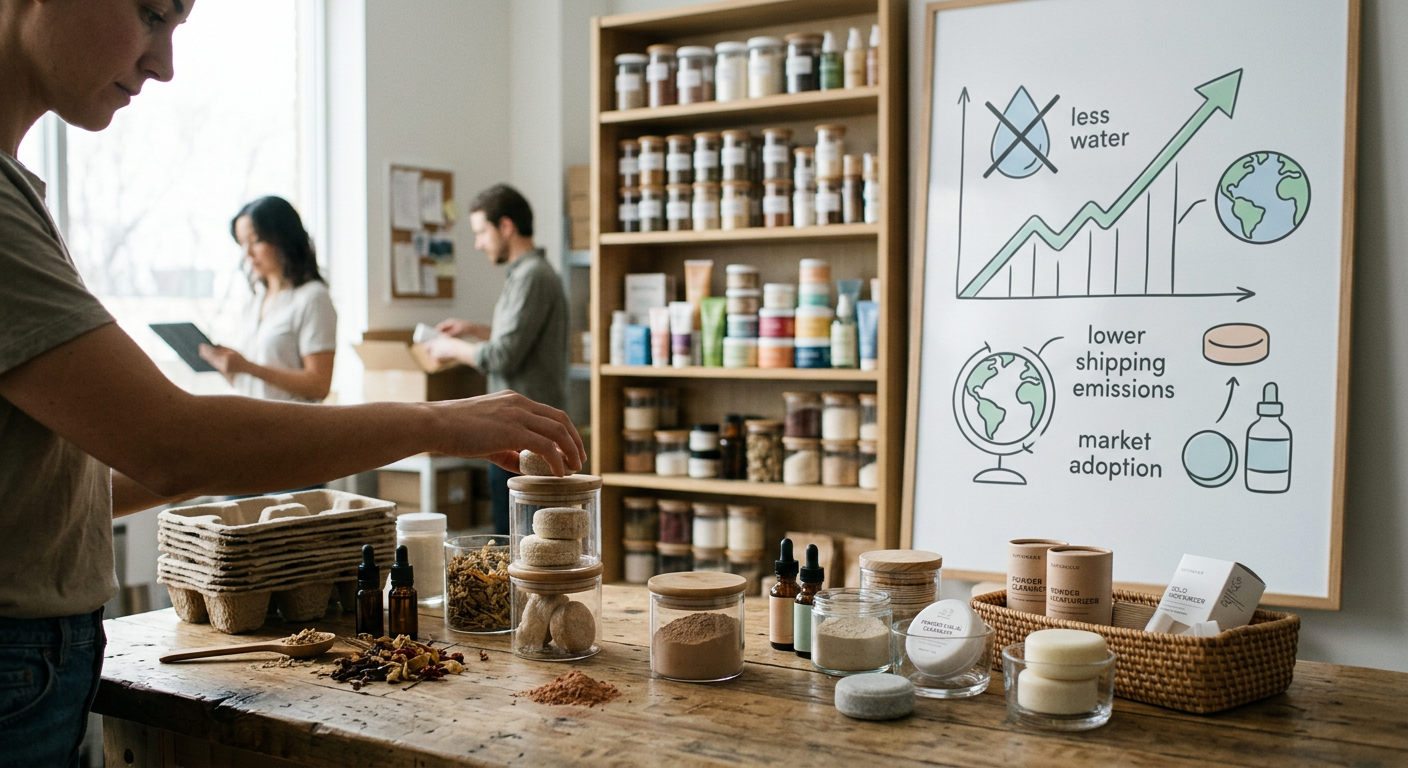
Waterless beauty is a structural shift, not a passing trend, and the market data backs that up. The category is projected to more than triple from USD 13.26 billion in 2026 to USD 42.60 billion by 2036, growing 12.40% a year.
The appeal comes down to three things: higher concentration of active ingredients, real environmental benefits, and long-term value despite the higher upfront cost. Skincare and solid bars lead, with haircare, body care, and personalized formulations right behind.
If you want to shrink your environmental footprint and get more out of your products, start small. Swap one water-based item, a cleanser or moisturizer, for a concentrated, water-free version, and judge it on your own skin. Pick up a waterless bar or balm from a sustainable brand this month and see how far a single drop stretches.
Frequently Asked Questions
Q: What is waterless beauty?
Waterless beauty refers to skincare and cosmetic products formulated without water as a primary ingredient. Instead, they rely on concentrated oils, butters, botanicals, and powders to deliver more active content per application.
Q: Are waterless products more effective than regular ones?
They can be, because removing water concentrates the actives. Some formulations contain up to 3,000 times more bioactives than diluted alternatives, letting your skin absorb more nutrients per use.
Q: Why are waterless cosmetics more expensive?
The higher price reflects concentrated formulas and inventive, often sustainable packaging. But because you use less product per application, each item lasts longer, and the cost usually evens out over time.
Q: Do waterless products need preservatives?
They generally need fewer than water-based products. Bacteria and microbes thrive in water, so removing it cuts the need for preservatives to keep the product stable.
Q: What are the most popular waterless product formats?
Solid bars lead the category, projected to hold around 55% market share by form in 2026. Powders, balms, and oils fill out the rest of the common water-free formats.
Q: Is the waterless beauty market actually growing?
Yes, and quickly. The market is forecast to grow from USD 13.26 billion in 2026 to USD 42.60 billion by 2036 at a 12.40% CAGR, with India recording the fastest regional growth.