

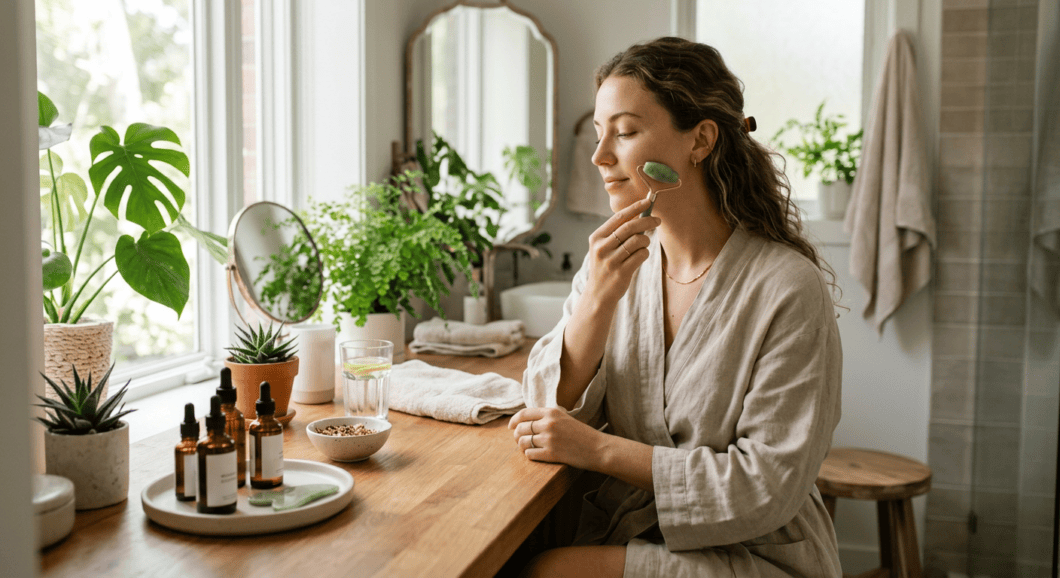
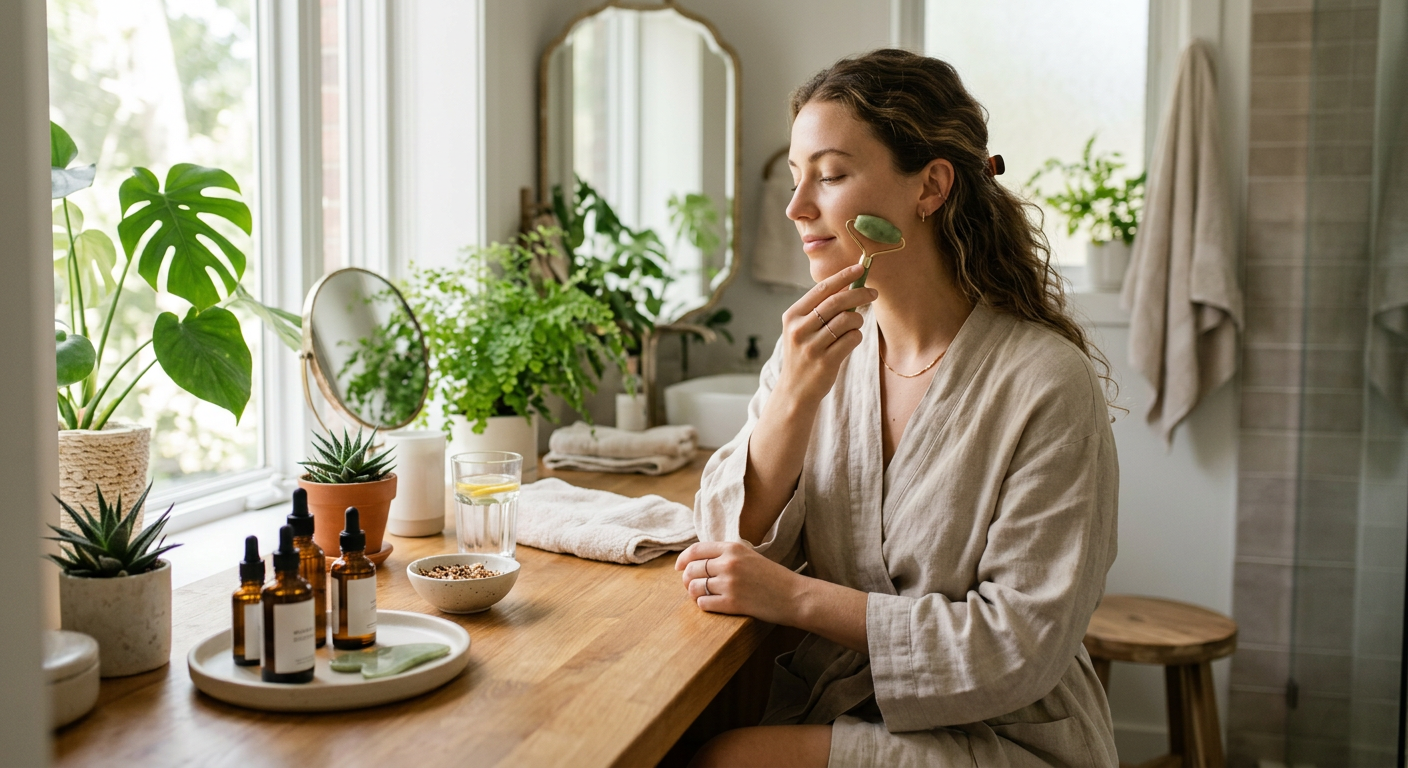
Forty percent of consumers now treat wellness as part of their daily beauty routine, according to the Boots Beauty and Wellness Trends Report 2026. That figure marks a shift years in the making: beauty has stopped being only about how you look. Skincare, mental health, physical vitality, and emotional balance are folding into a single practice. Treat your skincare shelf and your self-care as separate things and you’re a step behind where the market has moved.
The old borders between beauty, health, and wellness have mostly dissolved. Below are the specific movements reshaping how people care for themselves, and what you can do about each one.
Why Wellness and Beauty Have Merged
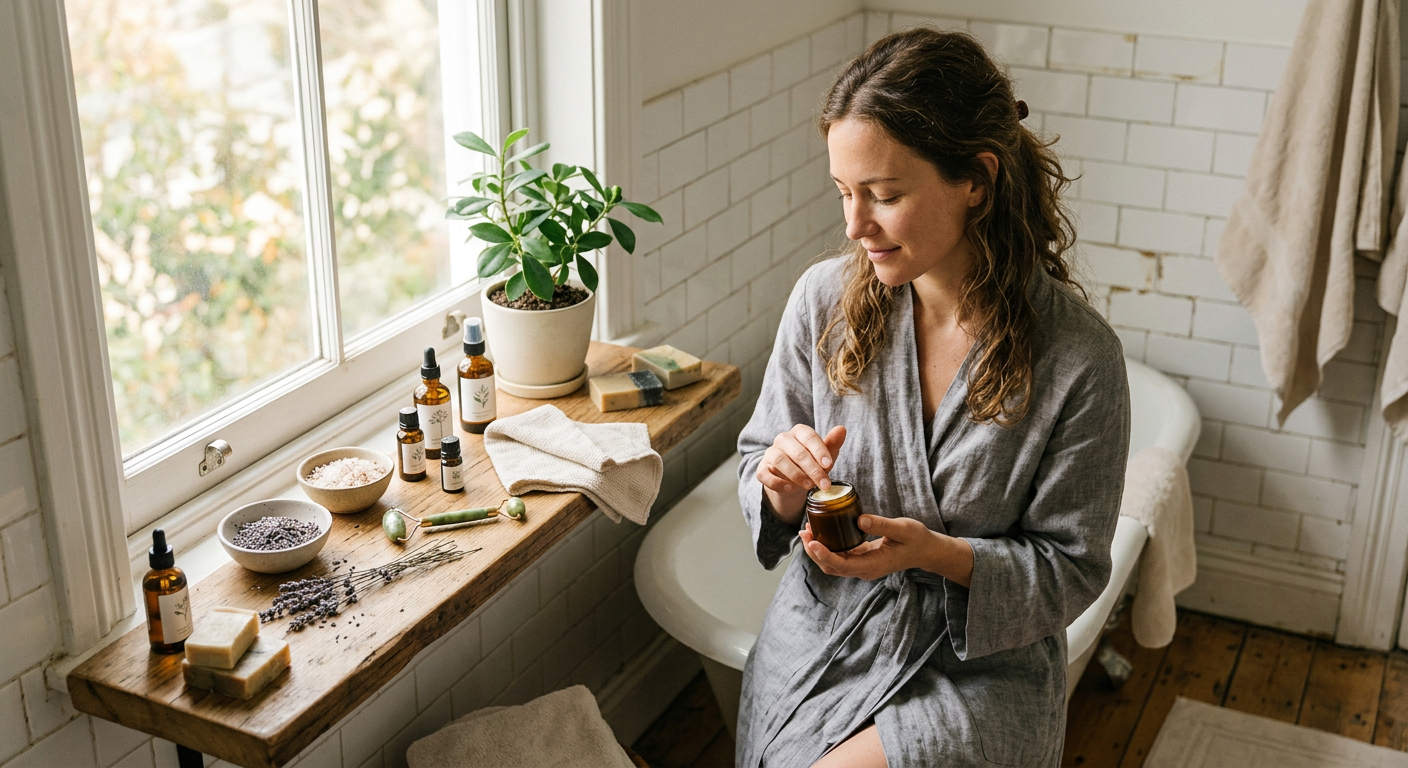
Beauty spending used to chase results you could see in a mirror. Now buyers want products and rituals that make them feel good from the inside out. The Global Wellness Institute points to neuroscience linking beauty and emotional wellbeing, which helps explain why brands now sell calm, confidence, and balance in the same breath as clear skin.
The money follows the mood. The global wellness market sits at an estimated $1.5 trillion and grows 5 to 10 percent a year, per Zenoti. Brands that treat wellness as optional are losing ground with buyers who expect their products to do two jobs at once.
Prevention drives all of it. Boots describes health “morphing into wellness” as customers take steps to head off future problems and stay healthy longer. That thinking now shapes what people buy at every price point.
Longevity and Regenerative Skincare Take Over
“Anti-aging” is on its way out. The industry has settled on “longevity” as the organizing idea instead, according to Beauty Independent. The difference isn’t just branding. Longevity is about keeping skin healthy and resilient for decades, not erasing one particular wrinkle.
The ingredient labels show it. Formulas increasingly lead with ceramides, antioxidants, and SPF to strengthen the skin microbiome. Regenerative ingredients that used to live in clinics — peptides, growth factors, exosomes, and PDRN — are showing up in products you can buy off the shelf.
What to Look for on the Label
To bring your routine in line with the longevity movement, focus on these ingredient categories:
| Ingredient | Primary Benefit | Best For |
|---|---|---|
| Ceramides | Restore skin barrier | Dry, sensitive skin |
| Antioxidants | Neutralize free radicals | Environmental protection |
| SPF | Prevent UV damage | Daily use, all skin types |
| Peptides | Support collagen production | Firmness and elasticity |
| Growth factors / PDRN | Regenerate skin cells | Advanced repair |
Longevity skincare rewards consistency over intensity. A simple daily routine built on these ingredients will beat an aggressive regimen you abandon after two weeks.
Emotional Wellbeing Becomes a Beauty Priority
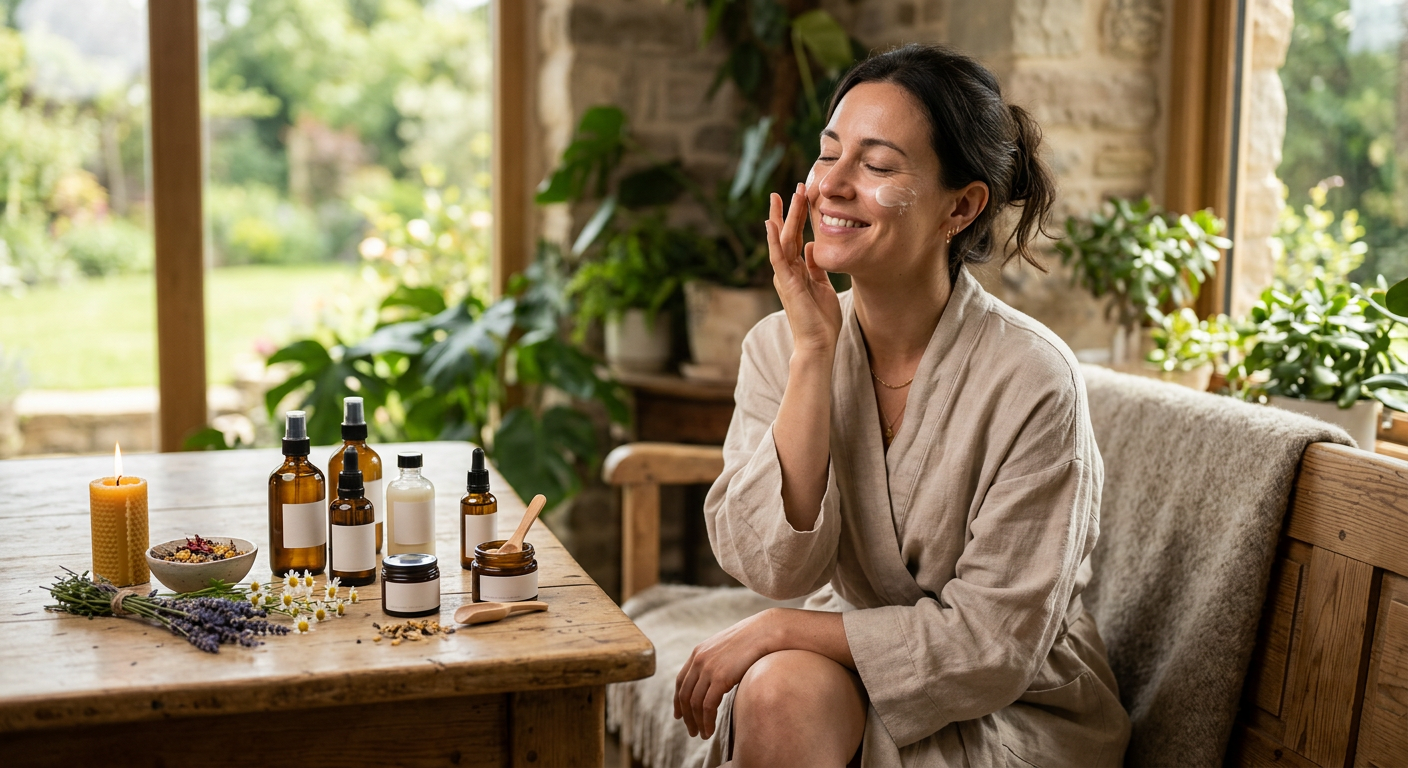
Skincare has stopped being only about the skin. Buyers now look for products that support emotional balance, cut down on stress, and turn a daily routine into something that improves how they feel. Beauty Independent’s survey of 34 brand founders backs this up, and Boots named “the chemistry of joy” as a trend in its 2026 report.
This runs against the pressure of selfie culture. The Global Wellness Institute describes a move away from “the pathology of perfection” toward a more age-embracing, holistic story. People are picking rituals that leave them feeling grounded over routines that chase a standard nobody can meet.
Rituals That Support Emotional Balance
You can build emotional wellbeing into the routine you already have, without buying a single new product:
- Slow application: Treat your evening skincare as a five-minute break, not one more chore to rush through.
- Fragrance for mood: Calming scents like lavender or bergamot can cue your brain that it’s time to wind down.
- Facial massage: Gua sha or manual lymphatic massage relieves tension and gets circulation going.
Intention makes the difference. A routine that lowers your stress delivers benefits that never show up in the mirror.
Spa and Medspa Treatments Focused on the Body
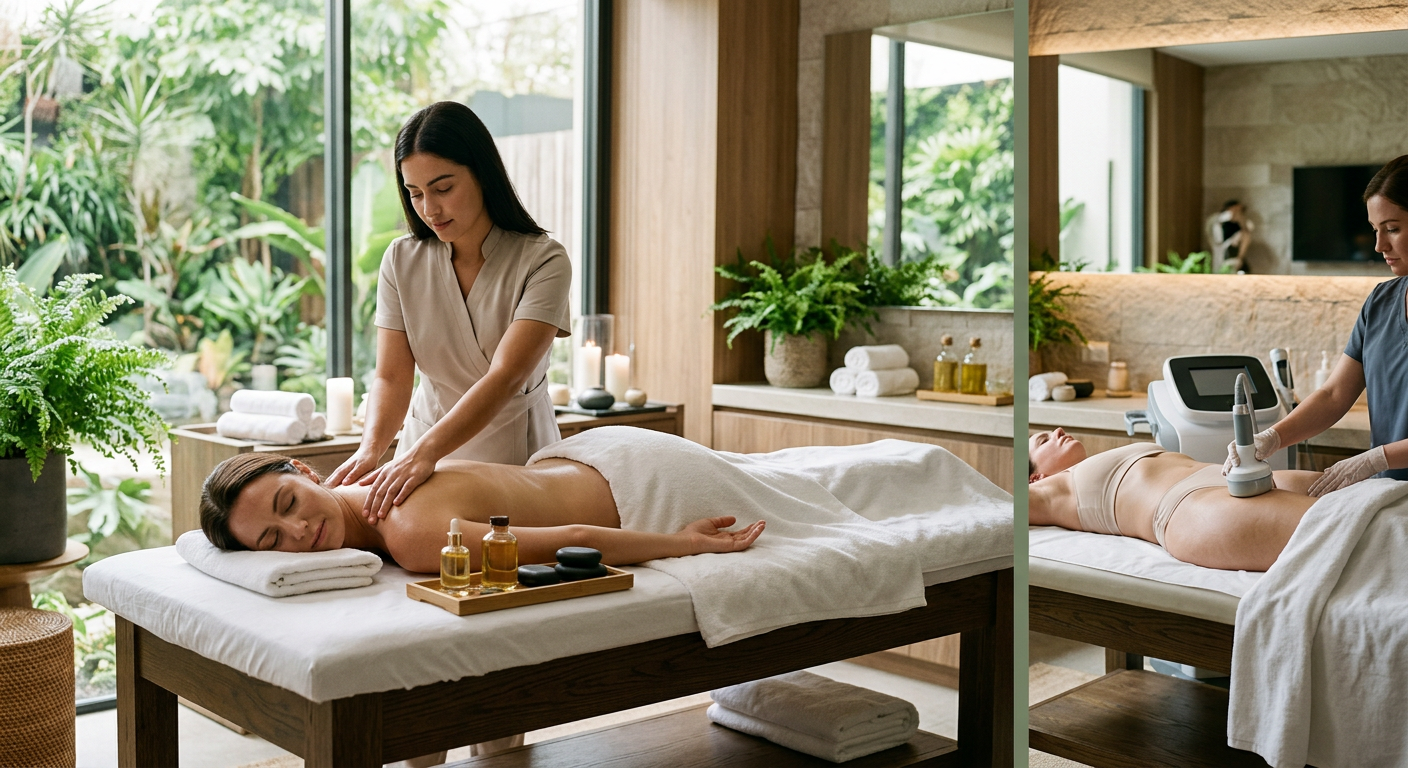
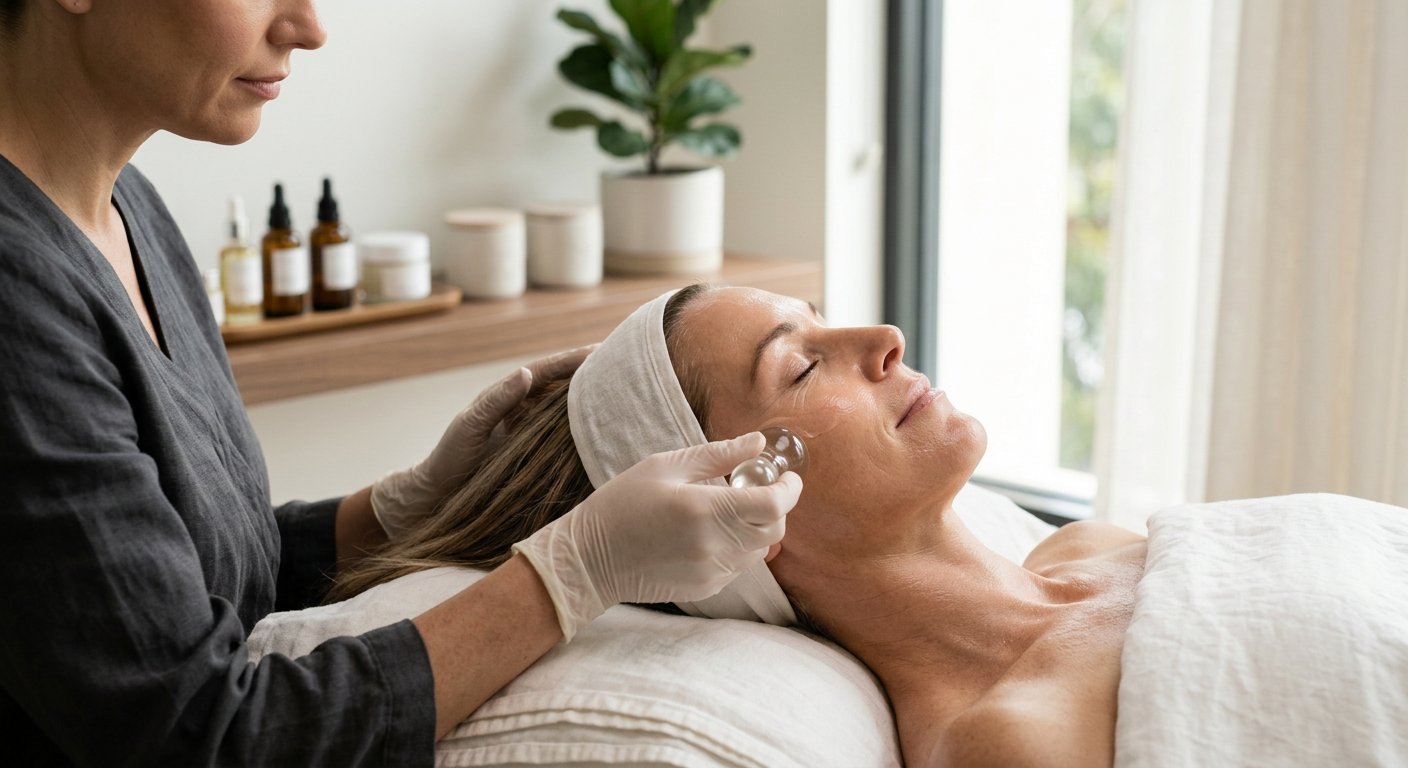
Wellness lovers are booking treatments for the whole body, not just the face. Zenoti reports rising demand for immunity-boosting services: lymphatic massage, infrared light therapy, reflexology, and crystal salt therapy. Detoxification services, activated charcoal treatments, and CBD add-ons are stretching the menu further.
The market data lines up with this body-first turn. Circana flagged body care and sun care as strong performers in 2025, along with K-Beauty. The care people once reserved for their face is spreading to everything below the neck.
The draw is that these treatments promise things you can measure: less inflammation, better circulation, real stress relief. That fits the preventative mindset driving the whole category.
Clean Beauty and Transparency Set the New Standard
Clean beauty has gone from niche selling point to bare minimum. Zenoti lists it as the first trend brands have to get right, and notes that shoppers now assume their products skip harmful ingredients rather than counting it as a perk.
Transparency does the reinforcing work. Circana’s 2026 outlook argues that brands build trust “through transparency,” and that authentic experiences separate the winners. Buyers want to know what’s in a product, where it came from, and whether the claims survive scrutiny.
K-Beauty Leads on Ingredients and Value
K-Beauty is the clearest example of this playing out. According to NielsenIQ, K-Beauty sales in the US jumped 37.2 percent to hit $2 billion in the 52 weeks ending August 9, led by brands like Anua and Medicube. The reason is straightforward: transparent, ingredient-forward formulas at prices people can afford, which is what value-conscious shoppers reward.
Value-Driven Wellness Wins in 2026
Wellness no longer comes with a luxury price tag. As cautious, price-sensitive shoppers gravitate toward value, Beauty Independent reports that masstige skincare brands grew 14 percent through September 2025, outpacing both the mass and prestige tiers. Dupes spread fast as buyers hunted for effective formulas without the premium markup.
Wellness is a habit, and habits stick only when you can afford them. A $15 ceramide moisturizer used every day does more for your skin than a $150 serum you reach for twice a month. The brands earning loyalty pair results people can feel with prices they can sustain.
Conclusion
The wellness trends beauty lovers are embracing all pull in the same direction: care that treats the whole person. Longevity skincare is replacing anti-aging. Emotional wellbeing sits alongside physical results. Body treatments are widening the routine. Clean, transparent, value-driven products hold the whole thing together.
You don’t need to overhaul everything at once. Pick one change: swap in a longevity-focused ingredient, add a mindful step to your evening routine, or book a body treatment that helps you recover. Start with the trend that matches your goals and build from there. Your beauty routine should make you feel as good as it makes you look.
Frequently Asked Questions
Q: What is the biggest wellness trend in beauty right now?
The merger of beauty and holistic wellness is the defining trend, with 40 percent of consumers treating wellness as essential to their daily beauty routine, according to Boots. It shows up most clearly in longevity skincare and products built to support emotional wellbeing.
Q: What is the difference between anti-aging and longevity skincare?
Anti-aging targets the visible signs of aging. Longevity skincare aims to keep skin healthy and resilient over decades, leaning on barrier support, antioxidants, SPF, and regenerative ingredients like peptides and growth factors.
Q: Are expensive beauty products necessary for wellness benefits?
No. Masstige brands grew 14 percent in 2025 by delivering effective formulas at accessible prices, and consistency matters more than cost. A well-chosen affordable product used daily often beats a premium one used now and then.
Q: How does beauty support emotional wellbeing?
Neuroscience links beauty and emotional wellbeing directly, and mindful rituals like slow skincare application or facial massage can lower stress. A growing number of brands now formulate products specifically to support emotional balance alongside skin health.
Q: Which spa treatments align with wellness trends?
Lymphatic massage, infrared light therapy, reflexology, and crystal salt therapy are popular immunity-boosting options. Newer additions include detoxification services, activated charcoal, and CBD add-ons.
Q: Why is clean beauty considered a baseline expectation now?
Shoppers increasingly assume products avoid harmful ingredients rather than treating clean formulation as a premium feature. Transparency about ingredients and sourcing has become essential for brands trying to build trust.