

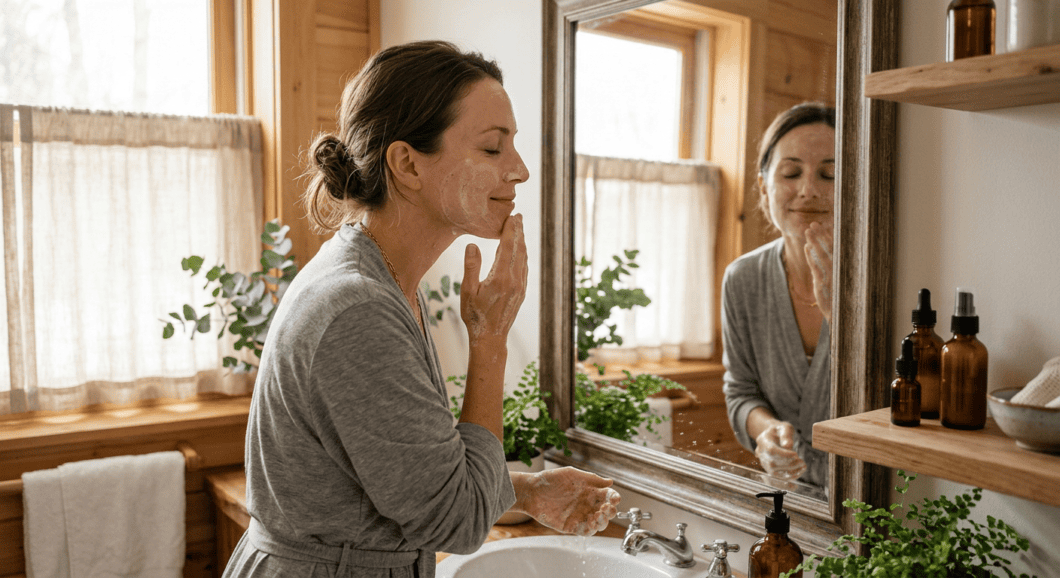
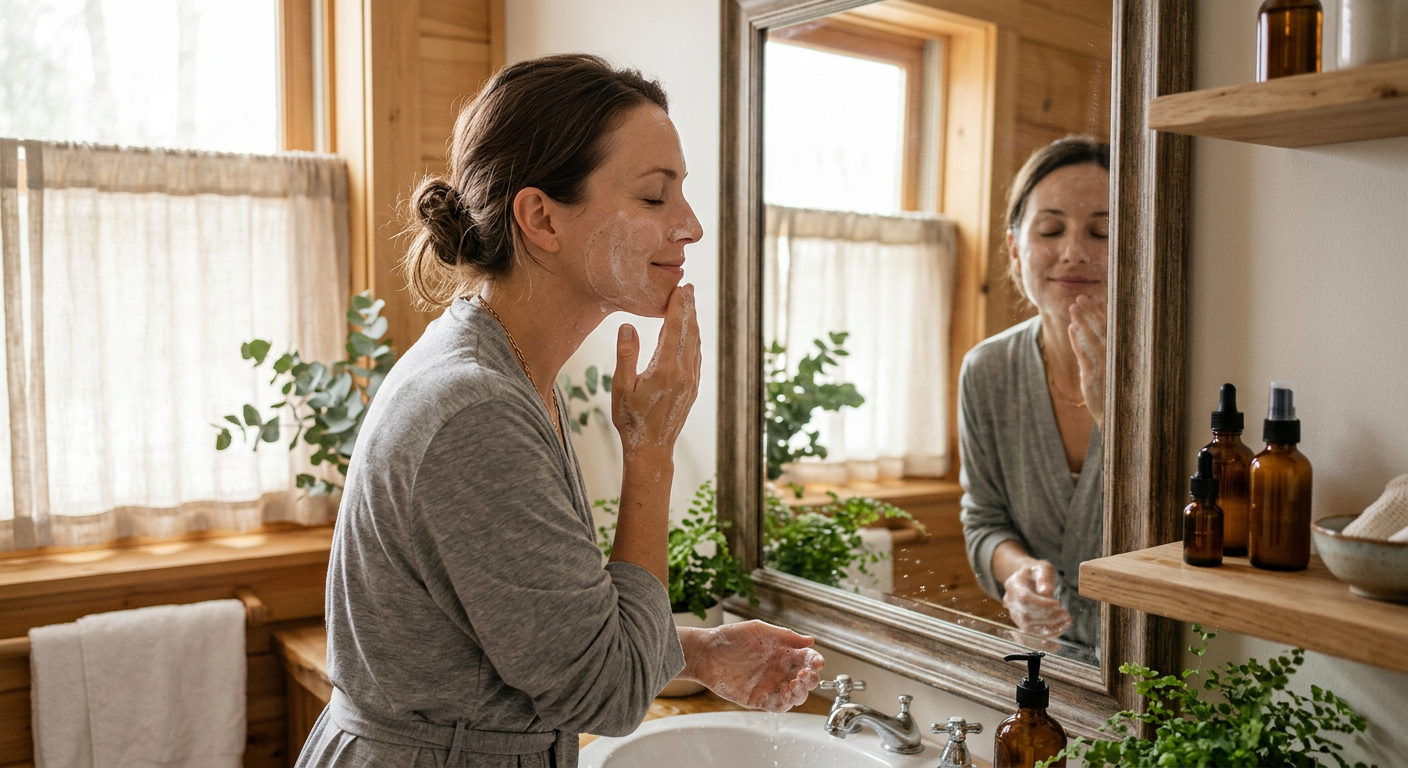
Washing your face, applying moisturizer, taking a slow breath—that two-minute ritual smooths your skin, but it does something else too. It tells your brain you matter. Research increasingly points to a link between emotional wellness and your beauty routine, and more people now treat self-care as a mental health tool rather than a luxury. One number captures the shift: 33% of Americans increased their beauty routines specifically to cope with workplace burnout, according to Zenoti’s Beauty Budget Breakdown 2026.
Understanding why a beauty routine calms the mind lets you build one that supports both your skin and your emotional health.
The Science Behind Beauty Routines and Mental Health
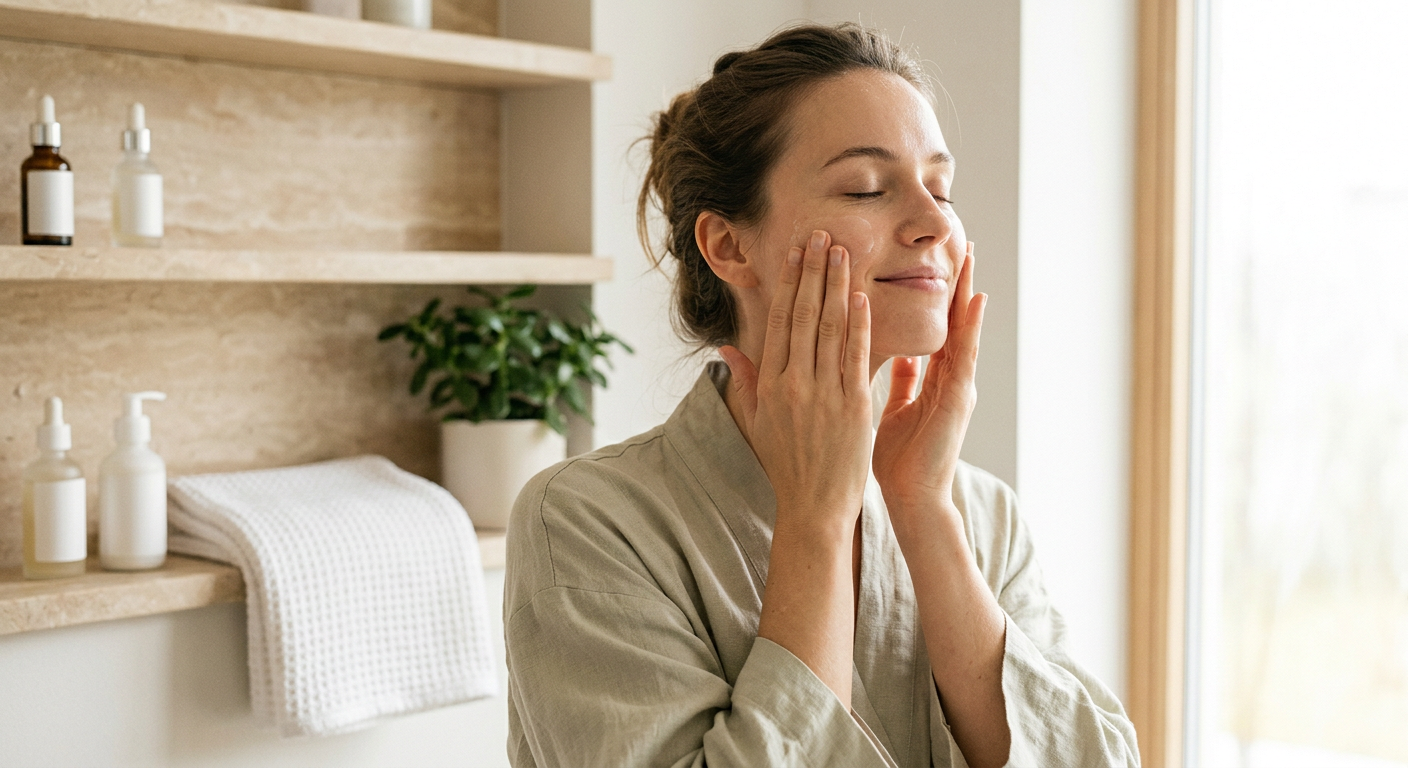
Skin is the body’s largest organ, and caring for it delivers measurable psychological benefits. A consistent skincare routine provides structure, and structure reduces anxiety. When life feels chaotic, a predictable morning and evening ritual gives you something you can control.
The repetitive, tactile process of applying products can also trigger a relaxation response. Everyday Health notes that a skincare regimen provides both structure and pampering that benefit psychological well-being. The act becomes a small daily commitment to yourself.
One caveat belongs here, stated plainly. A beauty routine is not a substitute for therapy or medical treatment. As Tiege Hanley puts it, skincare is one tool in your mental health toolkit, working alongside exercise, meditation, healthy eating, and social connection.
Why Stress Makes Self-Care Feel Essential
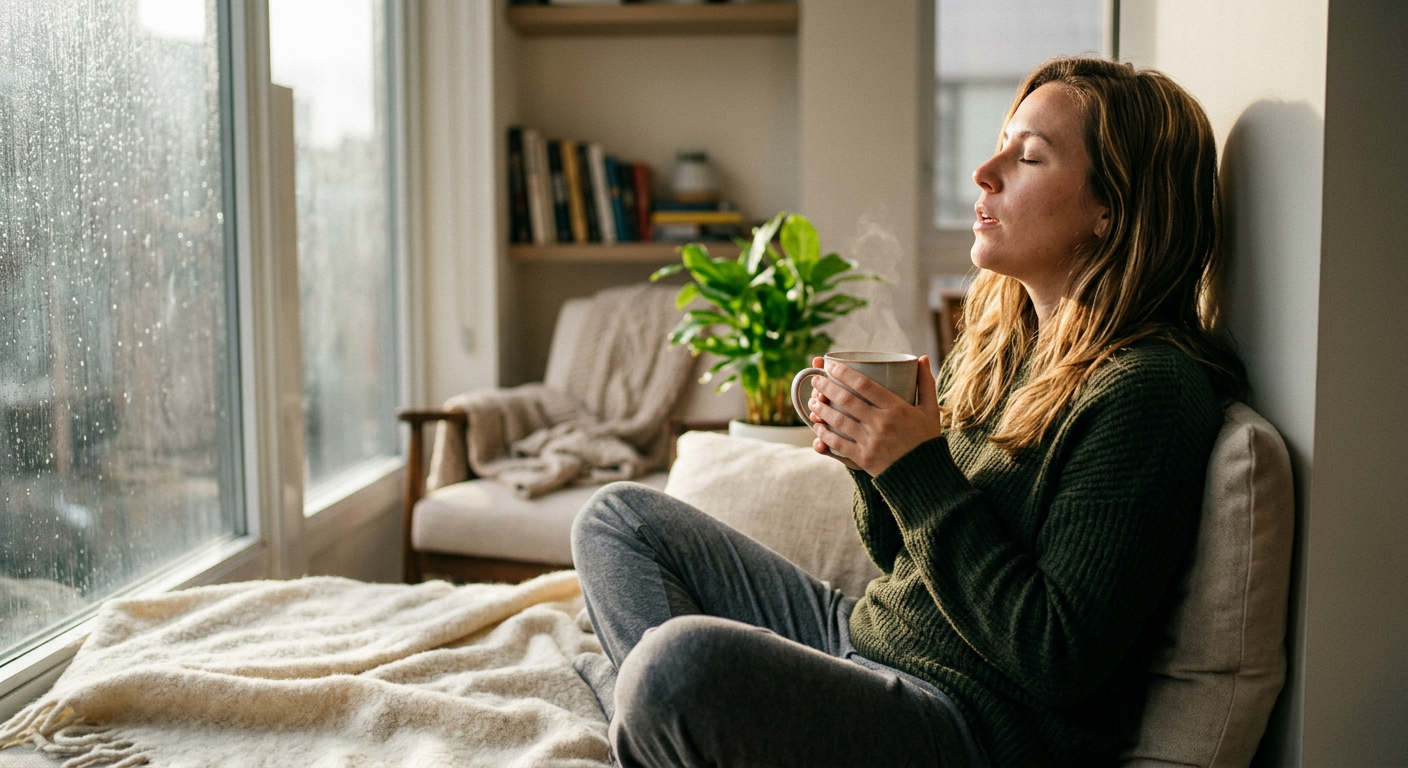
Self-care tends to intensify during hard times, and the data backs that up. When people feel overwhelmed, they lean into their routines rather than abandoning them. Zenoti’s research found that 26% of people increased their beauty habits specifically because of loneliness or social isolation.
That tracks with how habits work. A beauty ritual offers sensory comfort and a moment of quiet during a stressful day. The routine becomes an emotional anchor, a fixed point you can return to when everything else feels uncertain.
What People Sacrifice to Maintain Their Routine
The commitment runs deeper than most people realize. To protect their self-care habits, many are cutting back elsewhere:
- 35% delayed vacations to maintain their beauty and wellness routines
- 29% reduced savings or debt payments to keep up self-care habits
- 33% increased routines due to workplace burnout
- 26% did more due to loneliness or social isolation
The pattern is clear. People treat their beauty routines as non-negotiable wellness spending, not discretionary indulgence.
Turning Your Routine Into a Mindful Ritual
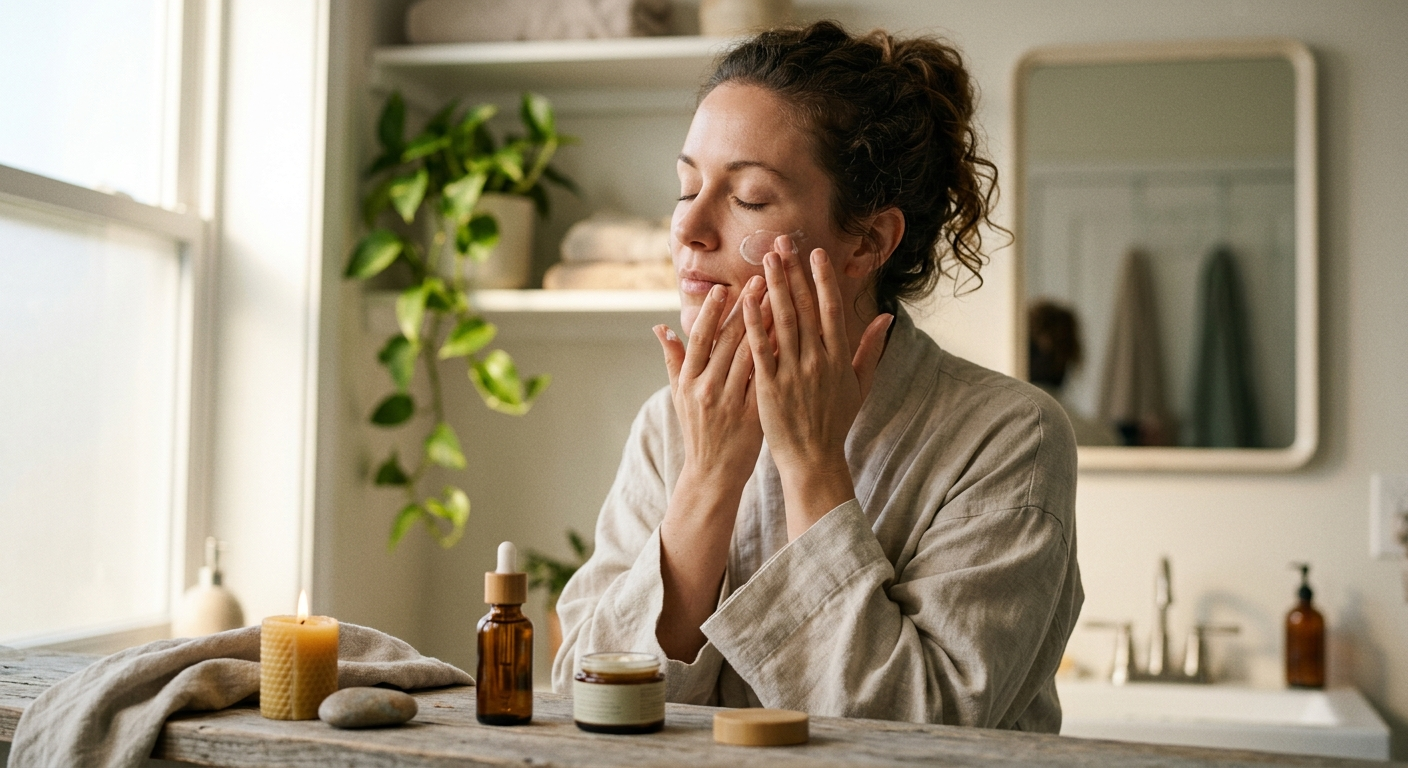
What separates a chore from a therapeutic ritual is attention. Rushing through your skincare while checking your phone offers little emotional benefit. Slowing down and engaging your senses turns the same steps into a moment of calm.
The 2026 “Sensorial Synergy” trend frames beauty as a multi-sensory experience built on texture, fragrance, ritual, and emotional uplift, according to AAK Personal Care. Beauty is increasingly tied to mood, not results alone. A moisturizer that soothes and calms delivers more than hydration.
Simple Ways to Add Mindfulness
No new products required. A few adjustments do the work:
- Slow your pace. Apply products with deliberate, unhurried movements.
- Engage your breath. Take three slow breaths as you cleanse.
- Notice the sensory details. Pay attention to texture, scent, and temperature.
- Remove distractions. Put your phone in another room during your routine.
- Set an intention. Use the two minutes to check in with how you feel.
Building a Balanced Wellness and Beauty Routine
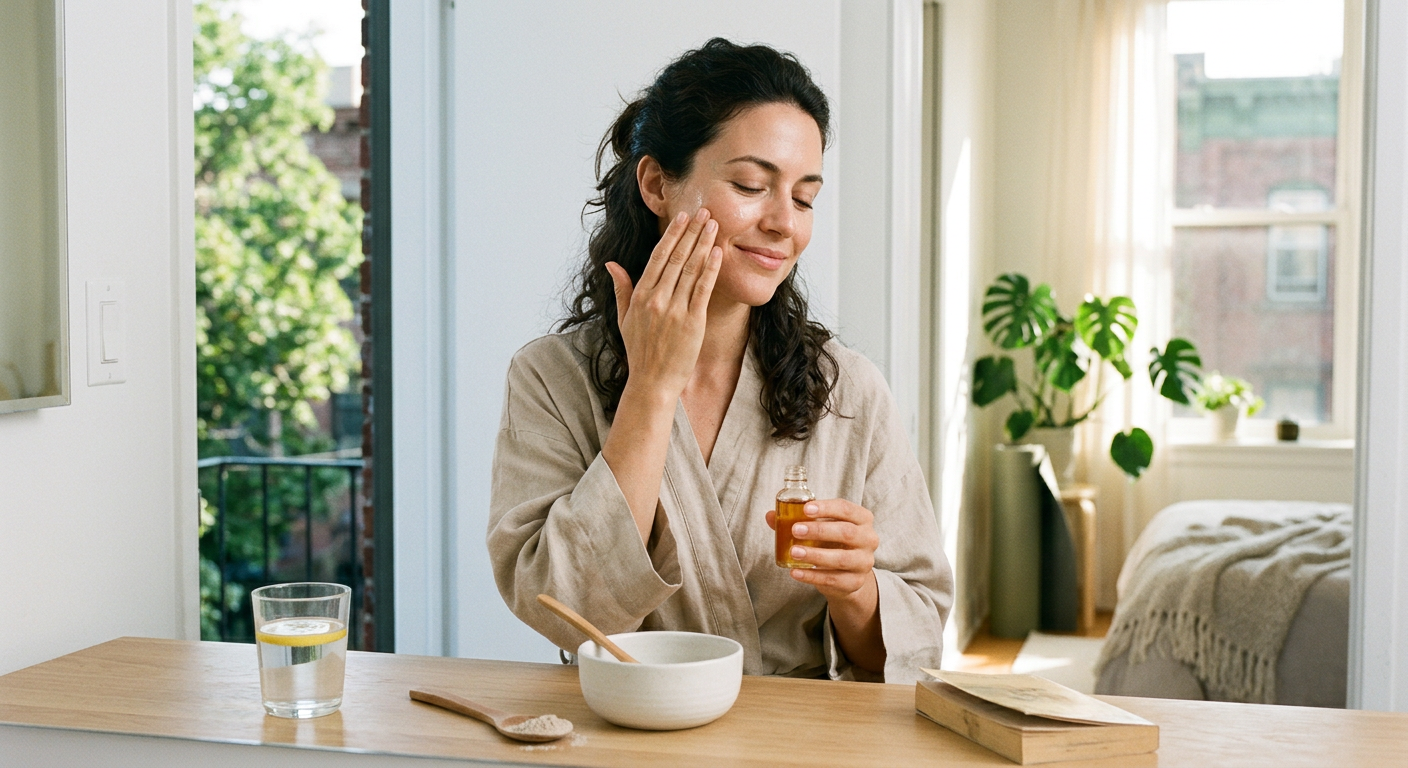
A beauty routine works best when it connects to broader wellness habits. Skincare alone won’t resolve emotional strain, but paired with a few foundational practices, it becomes part of a real self-care system.
Hyde Med Spa recommends starting with mental health practices like mindfulness and meditation to reduce stress, then layering in relaxation activities such as journaling and deep breathing. Physical activity forms another cornerstone, since regular exercise improves both mood and appearance.
Sleep deserves special attention because it affects both your skin and your emotional state. The National Institutes of Health Emotional Wellness Toolkit recommends limiting electronics before bed, relaxing with a warm bath or reading, avoiding caffeine and alcohol late in the day, and getting at least 30 minutes of natural sunlight daily.
A Simple Weekly Framework
| Practice | Frequency | Emotional Benefit |
|---|---|---|
| Skincare ritual | Twice daily | Structure, control, sensory calm |
| Mindfulness or meditation | 5-10 min daily | Reduced stress and anxiety |
| Physical activity | 3-5 times weekly | Mood boost, better sleep |
| Journaling | 2-3 times weekly | Reflection, emotional clarity |
| Quality sleep | Nightly | Skin repair, emotional regulation |
The Rise of At-Home Self-Care
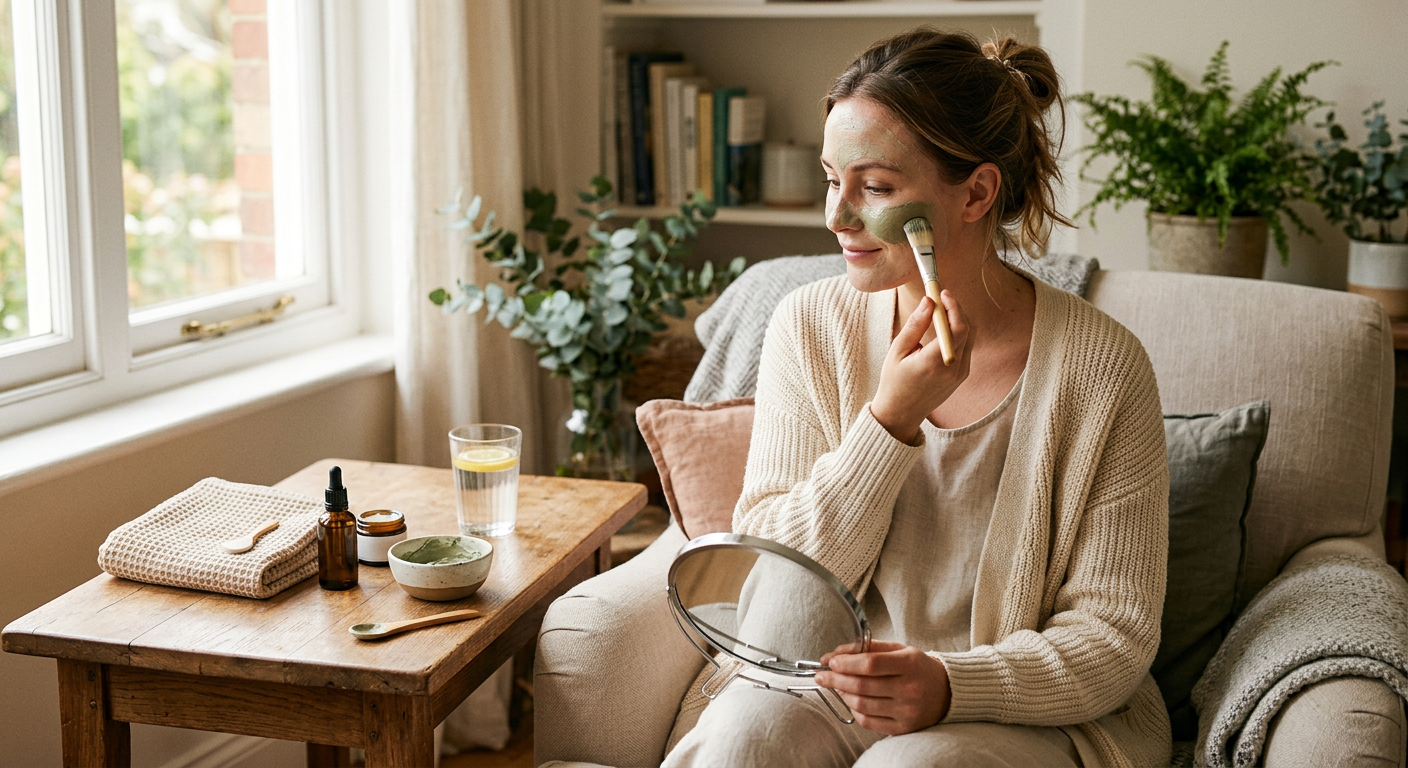
DIY beauty has become mainstream self-care, driven partly by cost and partly by the comfort of caring for yourself at home. Zenoti’s data shows that 44% of people now do at-home facials, 43% color their hair at home, and 33% choose at-home waxing over professional services.
The trend fits the emotional wellness picture. An at-home facial on a Sunday evening is affordable and grounding. You control the environment, the pace, and the products, which reinforces the sense of agency that supports mental health.
At-home care doesn’t replace professional treatments entirely. It works best as an accessible daily and weekly layer, with periodic professional services for deeper needs. Consistency is the point, and doing more at home makes consistency easier to sustain.
Beauty as a Longevity and Wellness Investment

How people think about beauty is expanding beyond appearance toward long-term well-being. Longevity now ranks as a priority for nearly 96% of beauty and wellness early adopters in the UK and US, according to research from The Future Laboratory.
That reframing changes how you should evaluate your routine. Rather than chasing quick fixes, treat your beauty habits as an ongoing investment in how you feel and function over time. Skincare, movement, sleep, and mindful rituals compound into lasting emotional and physical benefits.
Seen this way, the money and time you spend aren’t vanity. They’re a deliberate contribution to your resilience and quality of life.
Conclusion
Emotional wellness and your beauty routine reinforce each other in measurable ways. A consistent routine provides structure and control, mindful rituals reduce stress, and combining beauty habits with sleep, movement, and reflection builds a real self-care system. The data shows people increasingly rely on these routines to cope with burnout and isolation, and that they view self-care as essential rather than optional.
Keep in mind that a beauty routine supports your mental health but does not replace professional care when you need it. Start small this week. Pick one step in your existing routine, slow it down, engage your senses, and use it as a two-minute check-in with yourself. That single change is where emotional wellness begins.
Frequently Asked Questions
Q: Can a skincare routine really improve my mental health?
A skincare routine can support your mental health by providing structure, control, and sensory calm during stressful periods. It works best as one tool alongside exercise, sleep, meditation, and social connection, not as a standalone treatment for serious mental health conditions.
Q: How do I make my beauty routine feel more relaxing?
Slow your pace, remove distractions like your phone, and pay attention to the texture and scent of your products. Adding a few deep breaths and setting an intention turns ordinary steps into a mindful ritual.
Q: Why do people increase self-care during stressful times?
Beauty routines offer comfort, structure, and a sense of control when life feels chaotic. Zenoti’s 2026 research found that 33% of people increased their routines due to workplace burnout and 26% did so because of loneliness or isolation.
Q: Are at-home beauty treatments as good as professional ones?
At-home treatments are affordable, accessible, and effective for daily and weekly care, which makes consistency easier. Professional services still add value for deeper or specialized needs, so the best approach combines both.
Q: What non-beauty habits support emotional wellness?
Mindfulness, meditation, regular exercise, journaling, and quality sleep all strengthen emotional wellness. The NIH recommends limiting electronics before bed, avoiding late caffeine, and getting at least 30 minutes of sunlight daily.
Q: How much time do I need to spend on a wellness beauty routine?
Even two minutes of mindful skincare twice daily delivers meaningful benefits. Pair that with brief daily mindfulness and consistent sleep, and you build an effective routine without a major time commitment.