

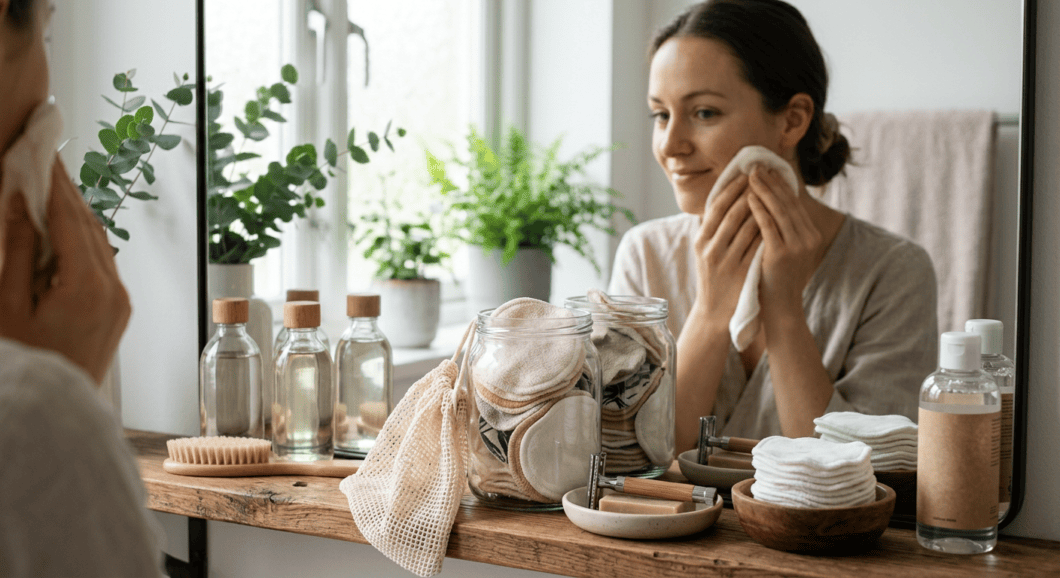
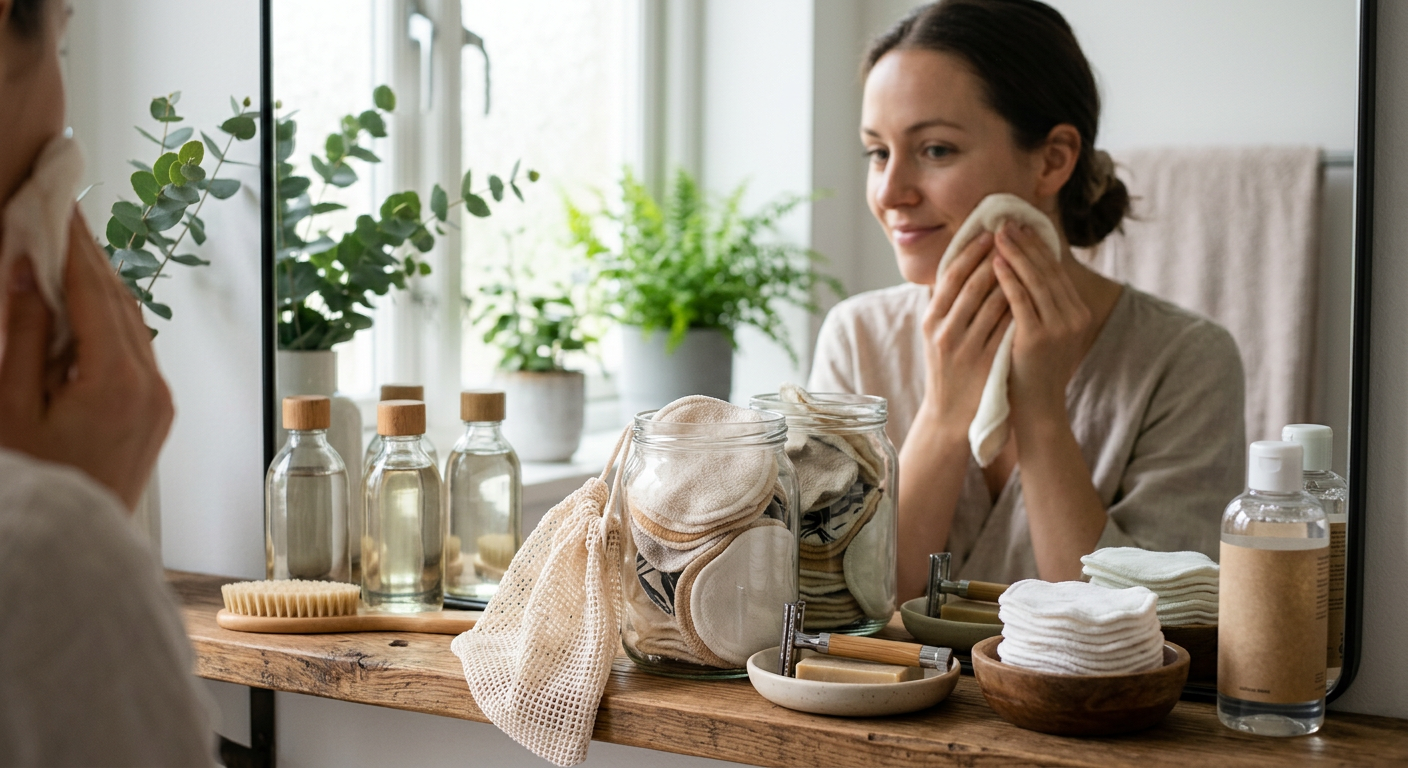
The average person tosses hundreds of cotton pads, wipes, and applicators every year and rarely gives it a second thought. That waste stream is finally getting some scrutiny. Reusable beauty accessories have caught on faster than most industry watchers predicted, driven by shoppers watching their budgets, stricter packaging rules, and brands rethinking how their products reach the shelf. A category that once read as a niche sustainability play now sits inside mainstream portfolios, and the numbers keep climbing.
The Rise of Reusable Beauty Accessories
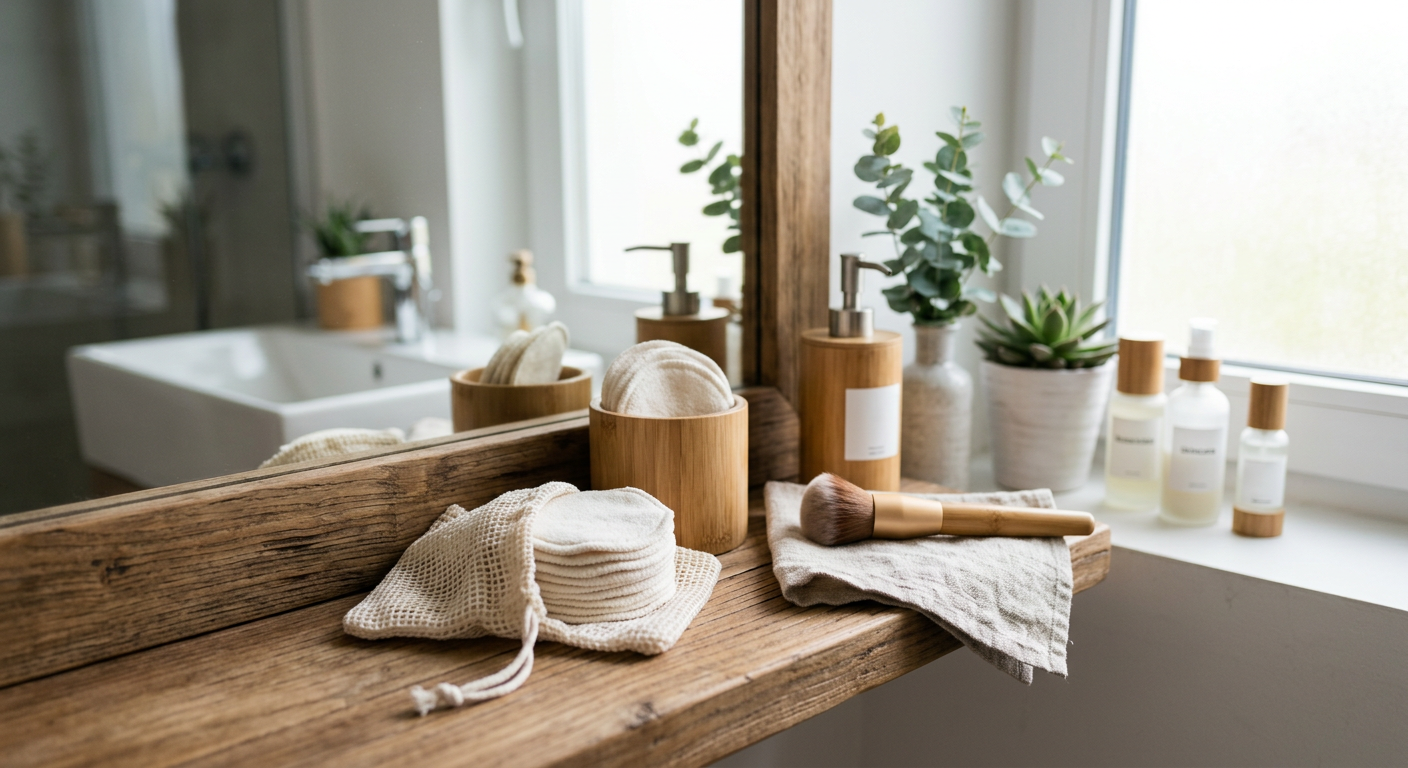
Reusable beauty accessories are the washable, refillable, or durable versions of products designed to be thrown away: washable makeup remover pads in place of cotton rounds, refillable serum bottles instead of single-use packaging, stainless-steel razors instead of plastic disposables.
The market data backs this up. The global reusable makeup remover pads market was valued at USD 485 million in 2025 and is projected to grow from USD 535 million in 2026 to USD 1 billion by 2033, a CAGR of 11.9% (Future Data Stats).
That kind of growth reflects a wider change in how people shop. They want routines that produce less waste without adding steps, and reusable accessories fit that need.
Why Consumers Are Making the Switch

Guilt isn’t the driver here. The move comes down to a mix of environmental awareness, cost savings, and products that simply hold up better over time.
Environmental Impact
Single-use beauty products pile up fast. Cotton pads, makeup wipes, and plastic applicators head to landfill after a single use, and many wipes contain microplastics that stick around for decades.
Reusable alternatives break that cycle. One washable pad replaces hundreds of disposable cotton rounds across its lifespan, and refill formats cut packaging waste sharply. Eco-Cycle ranks durable alternatives among the most effective ways to reduce single-use waste before it starts.
Long-Term Cost Savings
The math favors reusables. A pack of washable pads costs more than a bag of cotton rounds, but you buy it once and use it for months or years.
Refills work the same way. A refill pouch runs cheaper per use than a full new bottle, and you keep the product you already like.
Better Everyday Performance
Plenty of people find reusables just work better. Washable pads made from bamboo fiber or organic cotton stand up to cleanser, toner, and makeup remover, then wash clean and go back into rotation.
Conscious Skincare argues that reusable makeup remover pads earn the switch because they replace both disposable pads and wipes while still delivering a gentle, effective cleanse for daily use.
Disposables vs. Reusables: A Side-by-Side Comparison
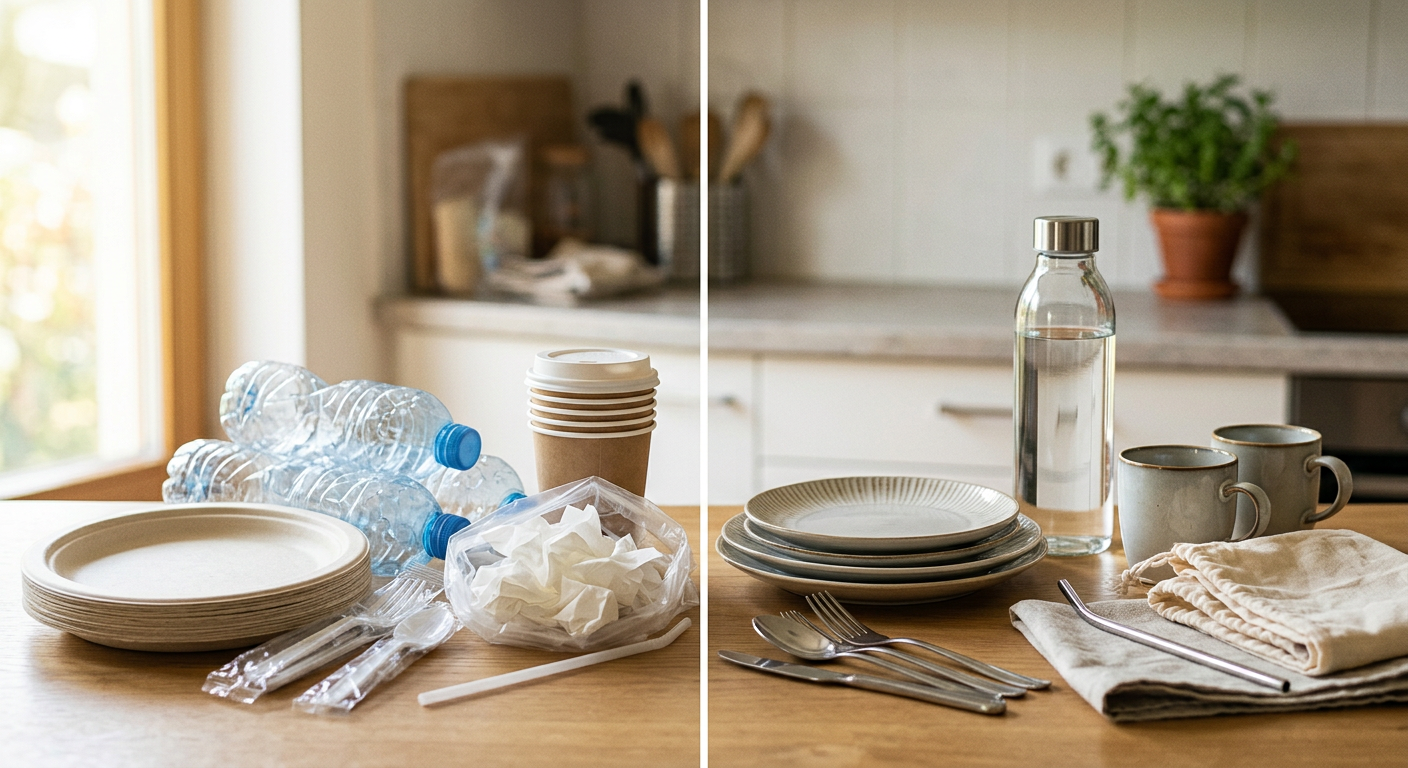
Lining the two formats up across the factors that matter makes the shift easy to see.
| Factor | Disposable Products | Reusable Accessories |
|---|---|---|
| Upfront cost | Low | Moderate |
| Cost over 12 months | High (repeated purchases) | Low (one-time buy) |
| Waste generated | High (daily landfill) | Minimal |
| Microplastic risk | Common in wipes | Rare |
| Maintenance | None | Washing required |
| Lifespan | Single use | Months to years |
| Performance consistency | Variable | High |
The trade-off is straightforward. Reusables ask for a slightly higher upfront cost and a bit of washing. In return you spend less over the long haul and throw out far less.
Refillable Formats Are Going Mainstream

Reusable accessories are only half the picture. Refillable packaging is changing how established brands sell their core products.
In 2026, L’Oréal expanded its refill initiative across multiple brands and product categories, a sign that refillable formats have moved past pilot programs and into established portfolios (Spherical Insights). When a company that size commits, the format stops being a novelty.
The packaging savings are measurable. A 100 ml refill of Lancôme’s La Vie Est Belle Elixir eliminates 73% glass, 66% plastic, and 61% cardboard compared with two 50 ml bottles, according to Devera.
Other brands report similar numbers. Dove’s stainless-steel refillable deodorant uses 54% less plastic per stick, part of a broader push to cut over 20,500 tons of virgin plastic a year. Garnier’s Ultimate Blends shampoo refills use 71% less plastic than a standard 360 ml bottle.
The Best Reusable Swaps to Start With

You don’t need to overhaul your routine overnight. The changes that stick are the ones you can keep up, so start with a few high-impact swaps.
These accessories give you the biggest return for the least effort:
- Reusable makeup remover pads — washable bamboo or cotton rounds that replace disposable cotton pads and wipes
- Refill pouches for favorite products — cut packaging waste on serums, cleansers, and shampoos you already buy
- Stainless-steel safety razors — replace plastic disposable razors and cartridges
- Refillable deodorant — durable cases with replaceable sticks
- Washable cloth face towels — swap in for single-use cleansing wipes
- Silicone or reusable applicators — replace disposable sponges and cotton swabs where possible
How to Transition Without the Overwhelm
The easiest approach is to replace items as they run out rather than tossing what you already have. When the last bag of cotton rounds is empty, buy washable pads instead.
Finish the products you own before buying new, and choose refills for the ones you actually love. That keeps the switch practical, affordable, and easy to maintain.
Regulation and Producer Responsibility Are Accelerating the Shift

Consumer demand isn’t the only force at work. Environmental regulations and extended producer responsibility (EPR) policies are pushing brands to reduce packaging waste at the source.
The refillable and reusable packaging market is expanding across personal care, food, and household categories, partly because of that regulatory pressure (Spherical Insights). As governments hold producers accountable for the packaging they put into circulation, refillable and reusable formats become a business requirement rather than a marketing choice.
That works in your favor. As major brands invest in refill systems and durable alternatives, reusable beauty gets easier to find and cheaper across the board.
Conclusion
Reusable beauty accessories have moved well past fringe-trend territory. Market growth, commitments from L’Oréal to Dove, and tightening regulations all point to a lasting shift away from single-use products.
The advantages are concrete: less waste, lower long-term costs, and everyday performance that often beats disposables. With the reusable makeup remover pads market on track to hit USD 1 billion by 2033, the direction is set.
Start small. Swap your cotton rounds for washable pads, choose refills for the products you love, and let the rest of your routine catch up. Your bathroom shelf, your budget, and the landfill will all show the difference.
Frequently Asked Questions
Q: Are reusable makeup remover pads worth it?
Yes. Reusable makeup remover pads replace disposable cotton pads and wipes, working with cleanser, toner, or makeup remover before you wash and reuse them. Over time they cut both waste and cost compared with single-use products.
Q: How long do reusable beauty accessories last?
Most washable pads last several months to a year or more with regular washing, and durable accessories like stainless-steel razors can last for years. Lifespan comes down to material quality and how well you care for them.
Q: Do refillable beauty products actually reduce waste?
Yes, significantly. Refills eliminate large portions of packaging—one Lancôme refill cuts 73% glass, 66% plastic, and 61% cardboard versus buying new bottles, according to Devera.
Q: Are reusable pads hygienic?
They are, as long as you wash them regularly. Machine or hand wash them after use and let them dry fully to prevent bacteria buildup, the same way you would with any face cloth.
Q: What is the easiest first swap to make?
Reusable makeup remover pads are the simplest starting point. They replace an item most people use daily, need no routine changes, and deliver immediate waste reduction.
Q: Do reusable accessories cost more overall?
No. The upfront price is higher, but reusables cost far less over 12 months because you buy them once instead of restocking disposables again and again.