

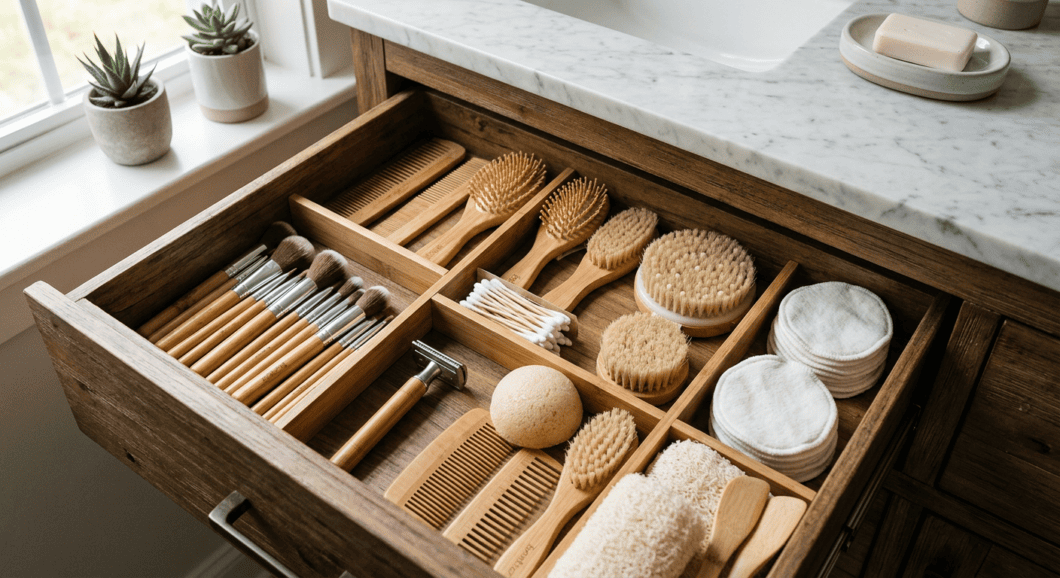
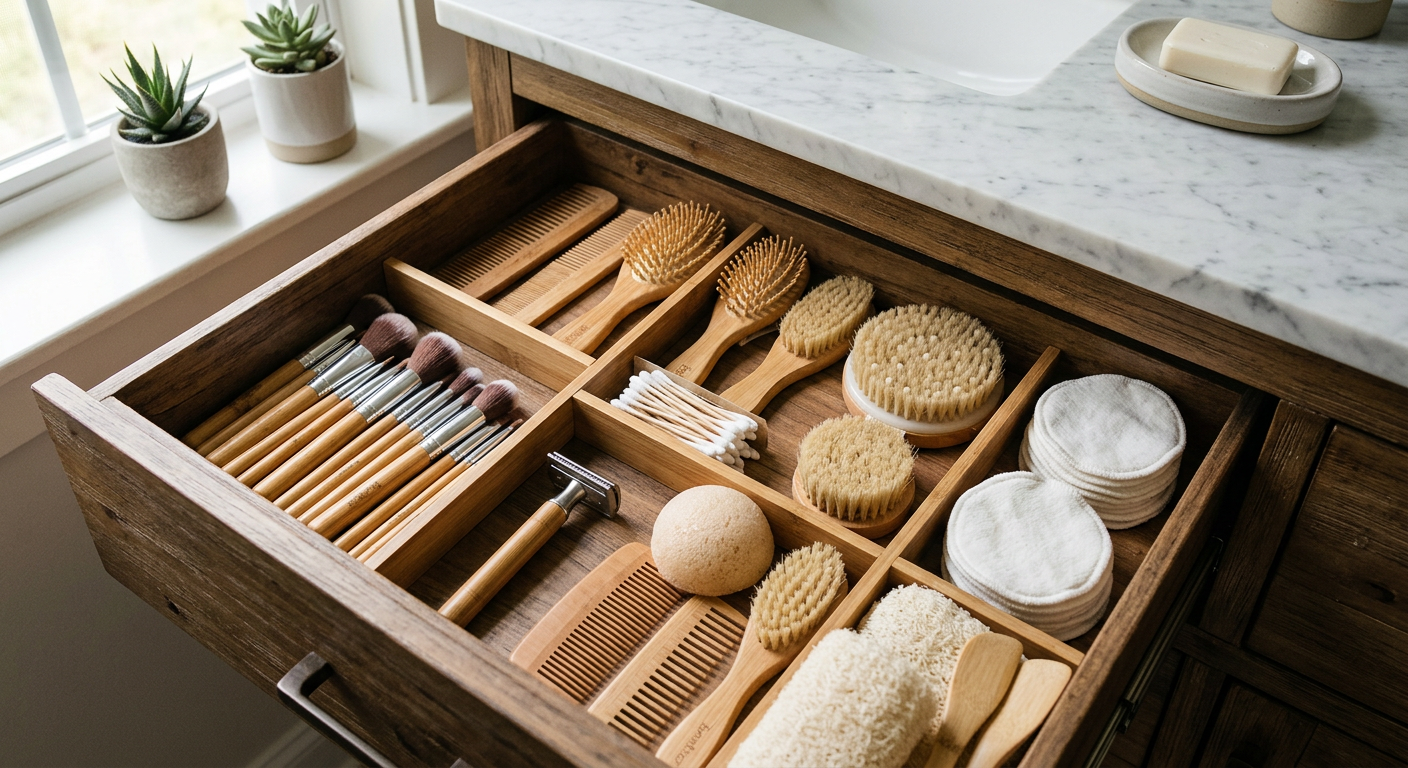
Count the plastic tools in your bathroom drawer: makeup applicators, hair ties, cotton rounds, exfoliating pads. Most of them will still be intact in a landfill long after you’re gone. That fact is pushing shoppers toward biodegradable beauty accessories, which have moved from a niche interest into millions of daily routines.
The change isn’t only about ethics. It shows up in the numbers. The global natural beauty market hit USD 31.4 billion in 2024 and is projected to reach USD 52.2 billion by 2030, growing at 8.9% a year, according to NATRUE. Accessories are a small part of that total, but they’re growing fast.
Why Biodegradable Beauty Accessories Are Gaining Ground
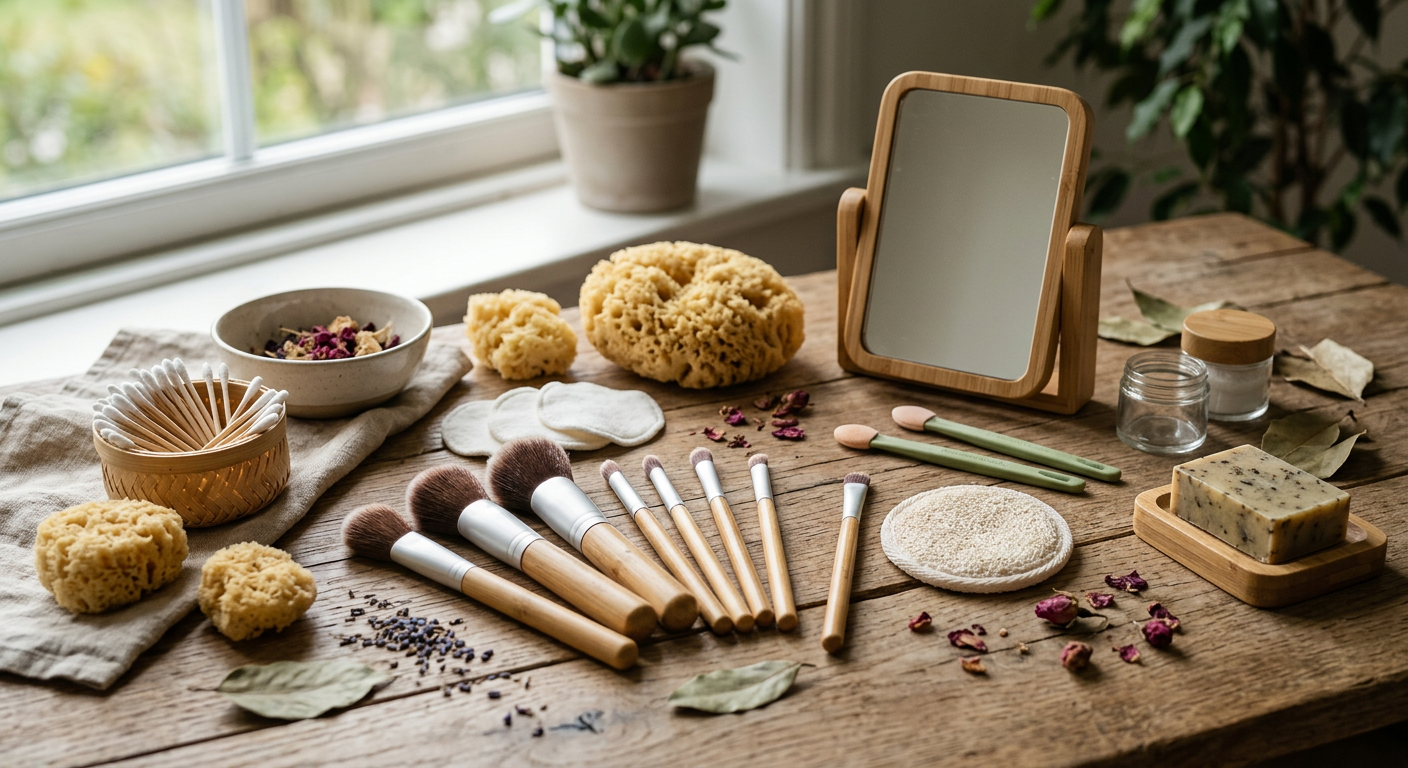
Biodegradable accessories are tools and disposables made from natural materials that break down in soil or compost without leaving harmful residue. Bamboo brushes, plant-fiber sheet masks, and reusable cotton rounds all fall into this category, replacing their plastic equivalents.
Most of the demand comes from people who are done with single-use plastic. Tally up the disposable applicators, cotton pads, and flossers in an average routine and the daily waste adds up faster than most people expect. Compostable Beauty reports that brands are reworking everything from sheet masks to hair accessories using plant fibers that break down cleanly.
The math also favors it. One expert put it to Vogue this way: “The fewer items we need, the fewer items we need to recycle or toss, and that’s a win for the planet—and our wallets.” Cutting down on disposables and switching to durable reusables lowers costs over time.
The Everyday Accessories Making the Switch
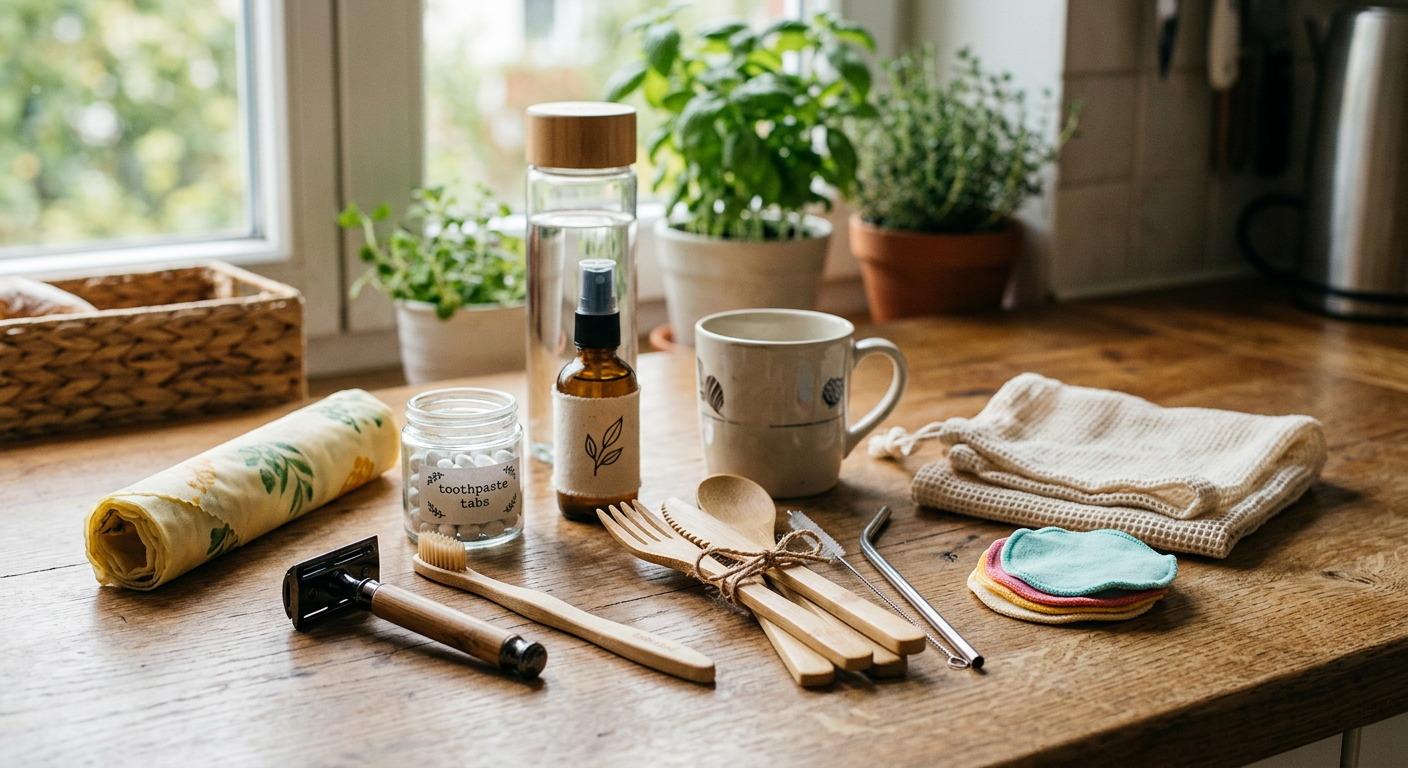
There’s no need to green everything at once. Begin with the items you use daily and throw out often, since that’s where the waste piles up fastest.
High-Impact Daily Swaps
- Bamboo toothbrushes — biodegradable handles in place of the plastic ones you toss every few months, per Naturally Crowned.
- Reusable cotton rounds — washable organic-cotton pads that replace single-use disposables.
- Plant-fiber sheet masks — compostable masks that break down in soil.
- Wooden or bamboo hair combs and brushes — durable, and biodegradable once they wear out.
- Compostable exfoliating pads and konjac sponges — plant-based scrubbing tools.
Lower-Priority But Worthwhile
- Biodegradable makeup applicators and cotton swabs with paper stems
- Bamboo makeup brushes with natural bristles
- Silk or biodegradable dental floss
The logic is straightforward: swap the accessories you replace most often first. Those give you the biggest waste reduction over the course of a year.
Biodegradable vs. Conventional Accessories: A Quick Comparison
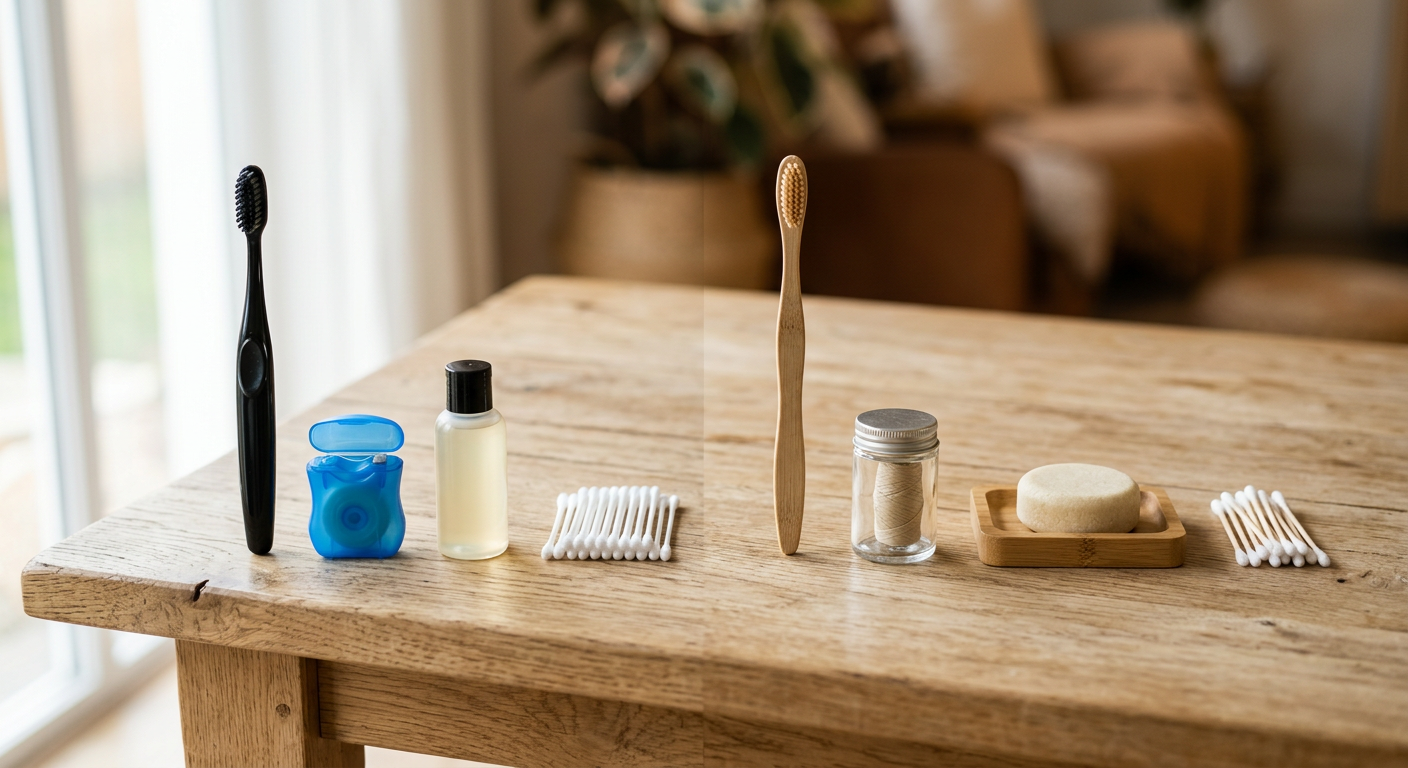
Line them up side by side and the differences are hard to miss.
| Feature | Conventional (Plastic) | Biodegradable |
|---|---|---|
| Primary material | Petroleum-based plastic | Bamboo, plant fiber, organic cotton |
| End of life | Landfill for centuries | Composts in months to a few years |
| Residue | Microplastics | No harmful residue |
| Reusability | Often single-use | Many are reusable |
| Long-term cost | Recurring repurchases | Lower over time with reusables |
| Disposal | General waste | Compost or soil |
Biodegradable accessories cost more upfront in some categories, but they cut waste and reduce recurring spend across a year of use.
The Market Momentum Behind the Trend
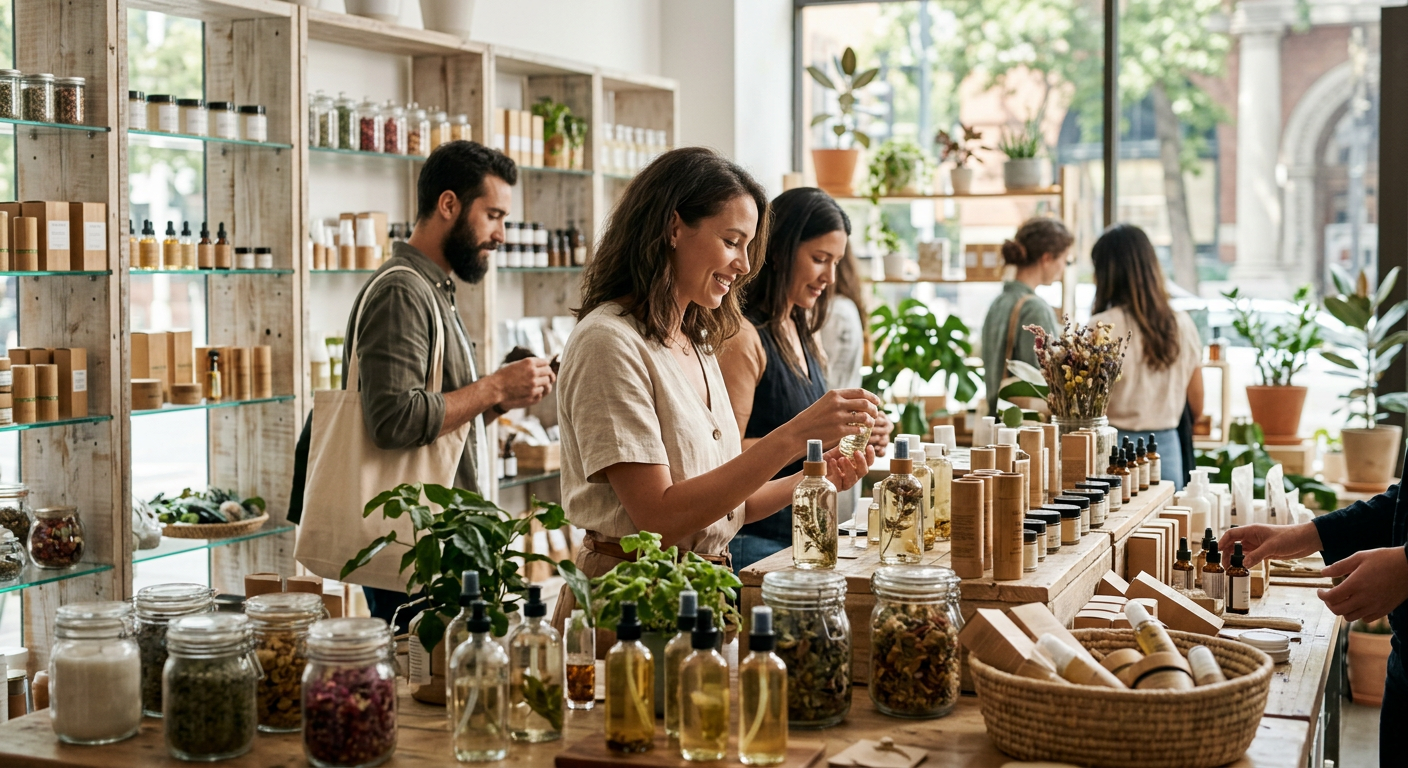
This isn’t a passing aesthetic. The broader sustainable beauty market is projected to reach USD 13.2 billion by 2025, a sign of durable change in what shoppers buy, according to Naturally Crowned.
Retailers have caught on. Everyday essentials and small “treat yourself” beauty items are among the fastest-moving categories online, and brands increasingly bundle daily staples with eco-friendly messaging, per Merchize. Biodegradable accessories fit both descriptions—practical and giftable.
CleanHub describes the shift in plain terms: beauty brands are learning to ditch wasteful plastic packaging, with plenty of ground still to cover. Accessories tend to be the easiest place to start, because the swap is visible and simple.
How to Build a Biodegradable Beauty Routine
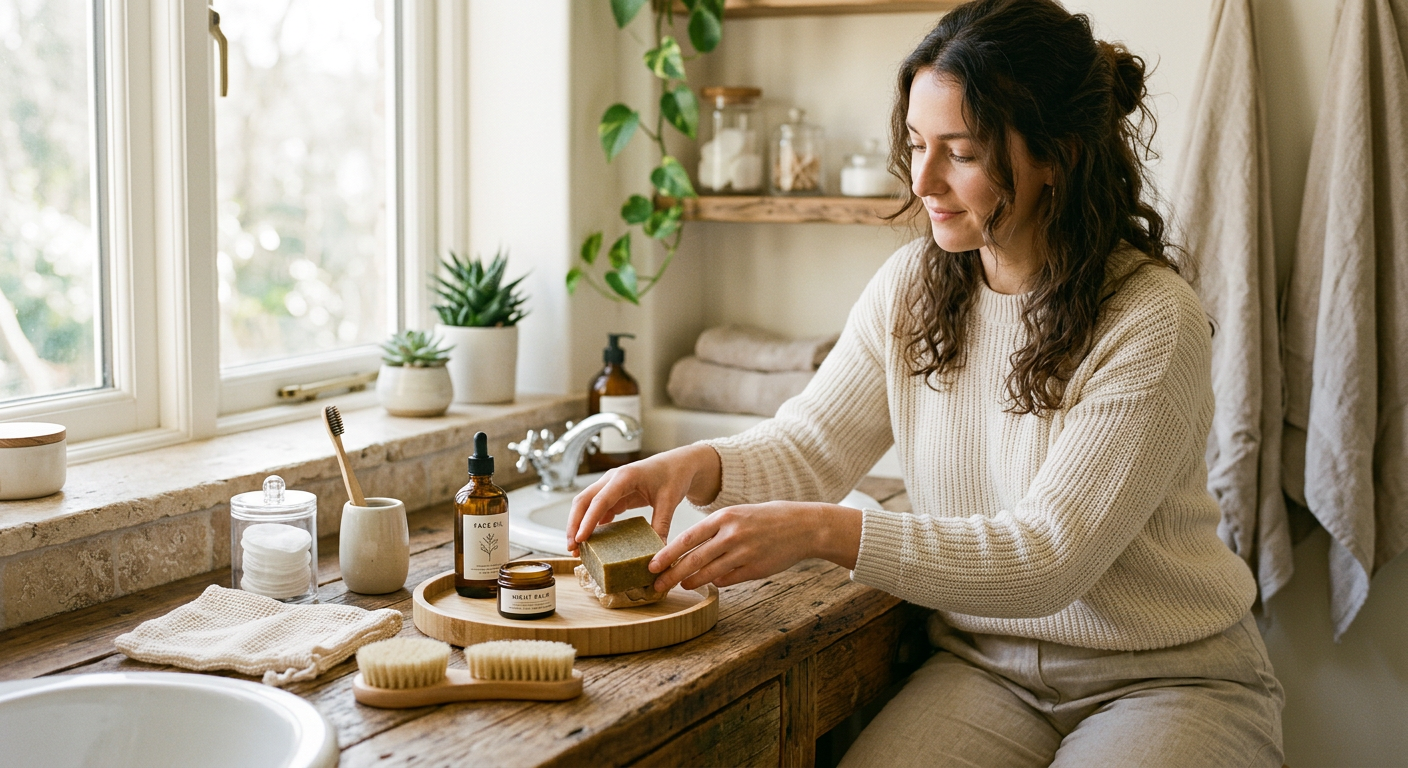
There’s no need to overhaul everything overnight. A staged approach works better for your habits and your budget.
Step One: Audit and Replace on Empty
Don’t throw out products that still work. Replace items with biodegradable versions only as they run out or wear down. This keeps you from creating fresh waste and spreads the cost out.
Step Two: Prioritize Frequent Disposables
Swap the items you toss most often first: cotton rounds, swabs, and sheet masks. These deliver the fastest waste reduction, a principle that shows up across zero-waste guides like The Happy House Store.
Step Three: Verify the Claims
“Biodegradable” isn’t always a regulated term. Look for specifics: named materials like bamboo, organic cotton, or konjac, plus compost certifications and clear end-of-life instructions. Vague labels with no detail should make you pause.
What to Watch Out For When Buying
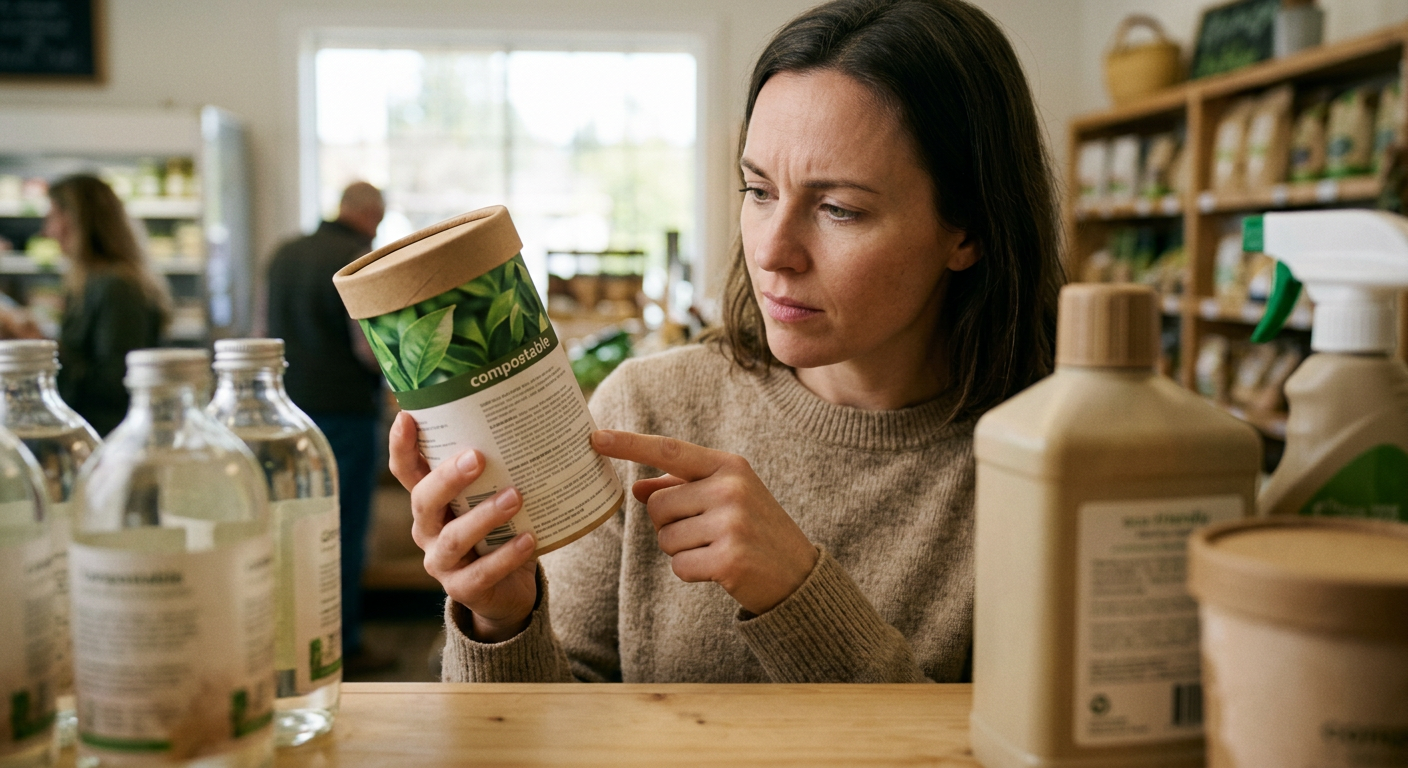
Greenwashing is common. Some products claim biodegradability without meeting composting standards or spelling out the conditions required.
Check whether an item breaks down in a home compost or only in industrial facilities. That difference matters when it’s time to throw the thing away. Products made from a single, named natural material tend to be more trustworthy than vague “eco” blends, and certifications and transparent sourcing add credibility.
Weigh durability against disposability too. A reusable bamboo brush that lasts years often beats a “compostable” single-use item on total impact. Buying less and choosing quality is still the foundation of any sustainable routine.
Conclusion
Biodegradable beauty accessories have crossed from trend to essential because they solve a visible problem: the everyday plastic waste from tools you use and toss without thinking. The market data supports the momentum, with natural beauty heading toward USD 52.2 billion by 2030 and sustainable beauty toward USD 13.2 billion by 2025.
A full overhaul isn’t required to take part. Replace frequent disposables first, verify biodegradability claims, and favor durable reusables where they make sense. Pick one swap this week—a bamboo toothbrush or reusable cotton rounds—and build from there.
Frequently Asked Questions
Q: What are biodegradable beauty accessories?
They’re beauty tools and disposables made from natural materials like bamboo, plant fiber, and organic cotton that break down in soil or compost without leaving harmful residue. Common examples include bamboo toothbrushes, reusable cotton rounds, and plant-fiber sheet masks.
Q: Are biodegradable beauty accessories more expensive?
Some cost more upfront, but reusables like washable cotton rounds and bamboo brushes lower long-term spending by replacing recurring disposable purchases. As experts point out, buying and tossing fewer items benefits both the planet and your wallet.
Q: How do I know if a product is genuinely biodegradable?
Look for named natural materials, compost certifications, and clear end-of-life instructions that specify whether it breaks down at home or in industrial facilities. Vague “eco” claims with no detail often signal greenwashing.
Q: Which biodegradable swap should I make first?
Start with the items you replace most frequently, such as cotton rounds, swabs, and sheet masks, since these deliver the fastest waste reduction. Bamboo toothbrushes are another simple, high-impact place to begin.
Q: Do biodegradable accessories break down in a regular trash bin?
Not effectively. Most need compost conditions—either home or industrial—to break down properly, so check the disposal instructions and compost the item where you can rather than sending it to landfill.
Q: Is the sustainable beauty trend expected to last?
Yes. The natural beauty market is projected to grow at 8.9% a year through 2030, which points to a lasting change in consumer habits rather than a passing trend, according to NATRUE.