

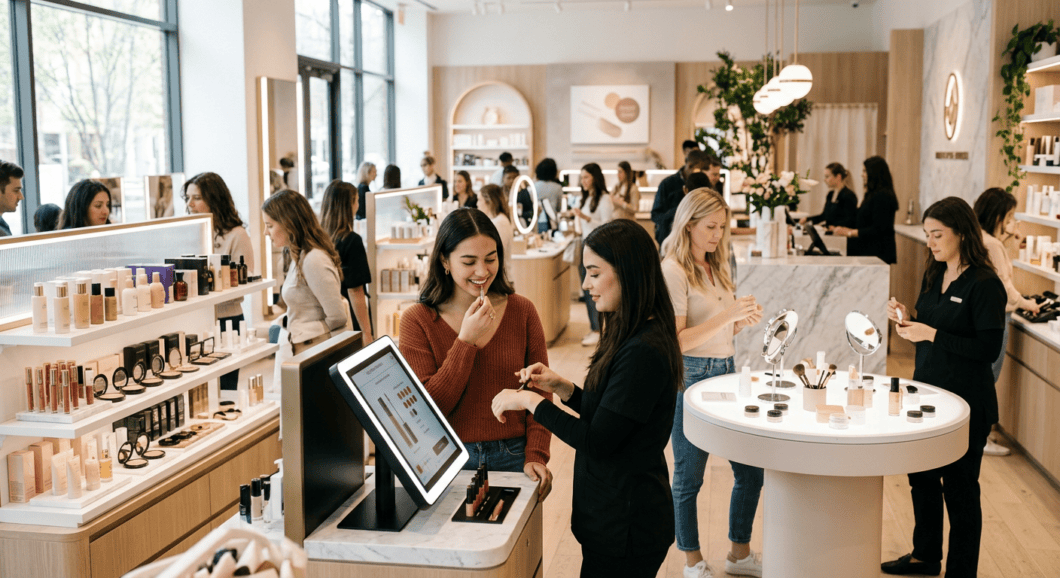
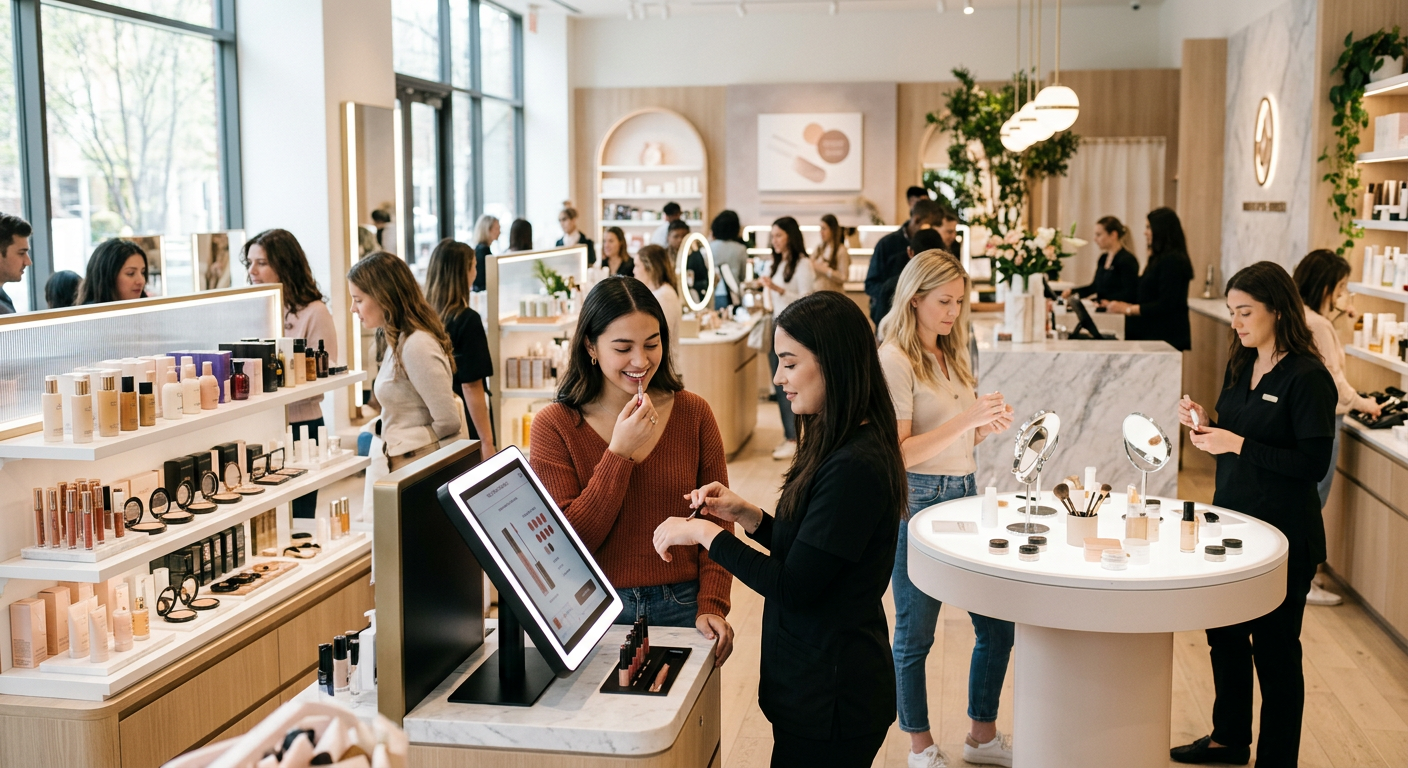
Ask beauty shoppers what tips them into a purchase, and 70% point to the same thing: getting to test the product first. But the path they take to discover, try, and buy has changed almost past recognition. The next generation of beauty retail blends physical discovery with digital personalization, and the passive department-store counter is giving way to something interactive, data-driven, and personal. Brands that understand this are pulling ahead. The ones still running online and in-store as two separate operations are losing ground.
Connection wins now, not just convenience. Shoppers arrive better informed and harder to please, and they expect clarity, creativity, and relevance at every point of contact. This is what the shift looks like, and how to respond to it.
Why Beauty Retail Is Changing Faster Than Ever
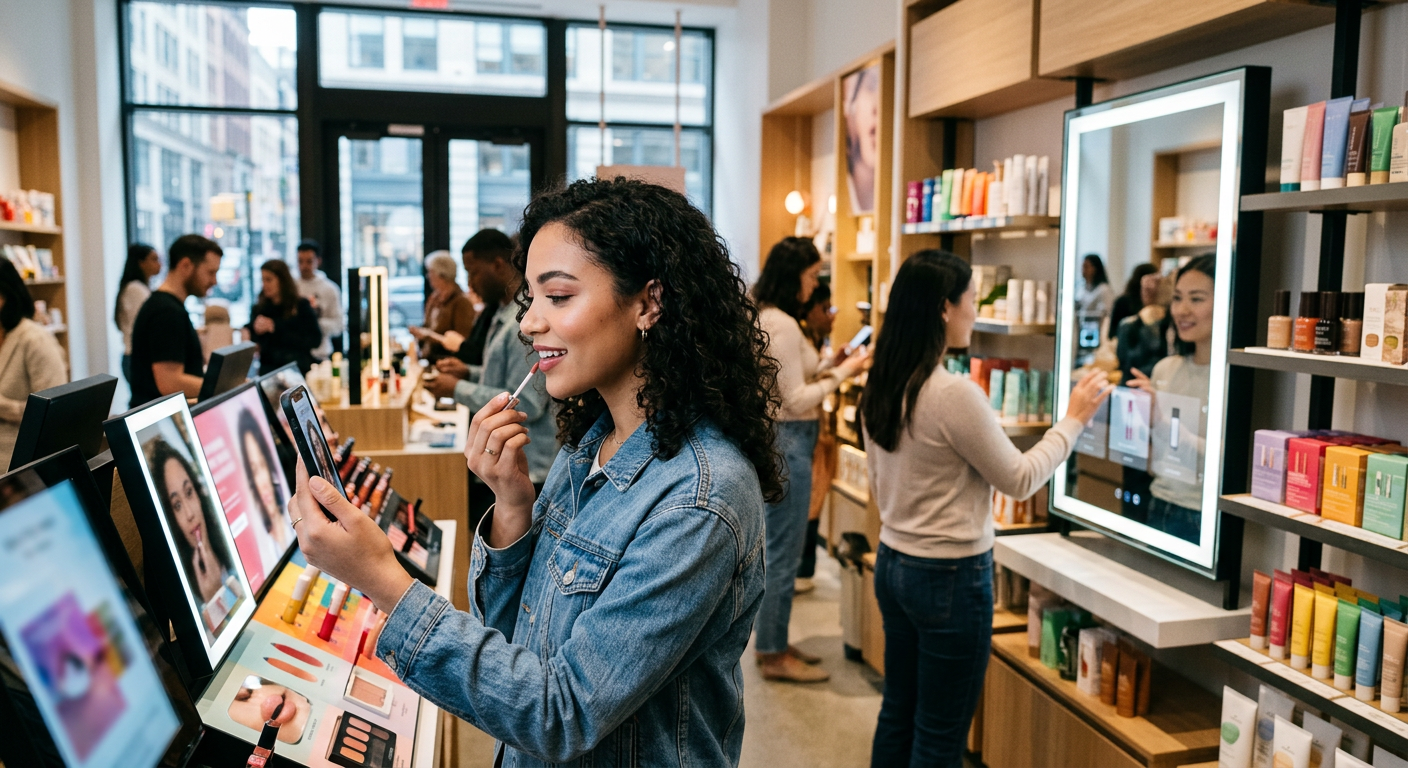
Beauty used to live in magazine ads and behind glass counters. Now it lives in TikTok trends, AI personalization, and creator content that can empty a shelf overnight. This is not a slow evolution. The wiring behind discovery and purchase is being rebuilt.
The money makes the case urgent. Even as other retail categories flatten, global beauty brands are investing in physical retail like never before, because stores remain the strongest place for discovery and conversion. E-commerce handles the restock. Physical space handles the spark.
The consumer driving all this is younger and carries more weight than the last generation. NielsenIQ’s 2026 Next-Gen Beauty Consumer Study puts Gen Z’s share of U.S. beauty e-commerce spending at 31% in 2026, up from 24% in 2024, with an average annual beauty spend of $1,320 per consumer. That is a 19% jump year over year, from a group whose expectations keep climbing.
What Next-Generation Consumers Actually Want

Gen Z shoppers aren’t after prettier packaging. They want meaning, transparency, and cultural relevance. The brands that win show real ethical practices and offer experiences tailored to the person, rather than blasting out generic promotions.
Experiences that bridge digital and physical carry extra weight. NielsenIQ’s Global Beauty Edit 2026 found that 55% of Gen Z will pay more for products that recreate out-of-home experiences. A memorable, immersive retail moment now commands a premium.
The Demand for Seamlessness
Most consumers expect their online and offline experiences to connect, yet plenty of brands still run the two in separate silos. That gap is an opening. When a shopper’s saved wishlist, past purchases, and virtual try-on history walk into the store with them, the interaction reads as intelligent rather than transactional.
Inclusivity isn’t negotiable either. Fenty Beauty’s “Beauty For All” shade range set a bar that competitors scrambled to reach, and it settled the question: representation is a baseline requirement now, not a selling point.
The Technology Reshaping the Store
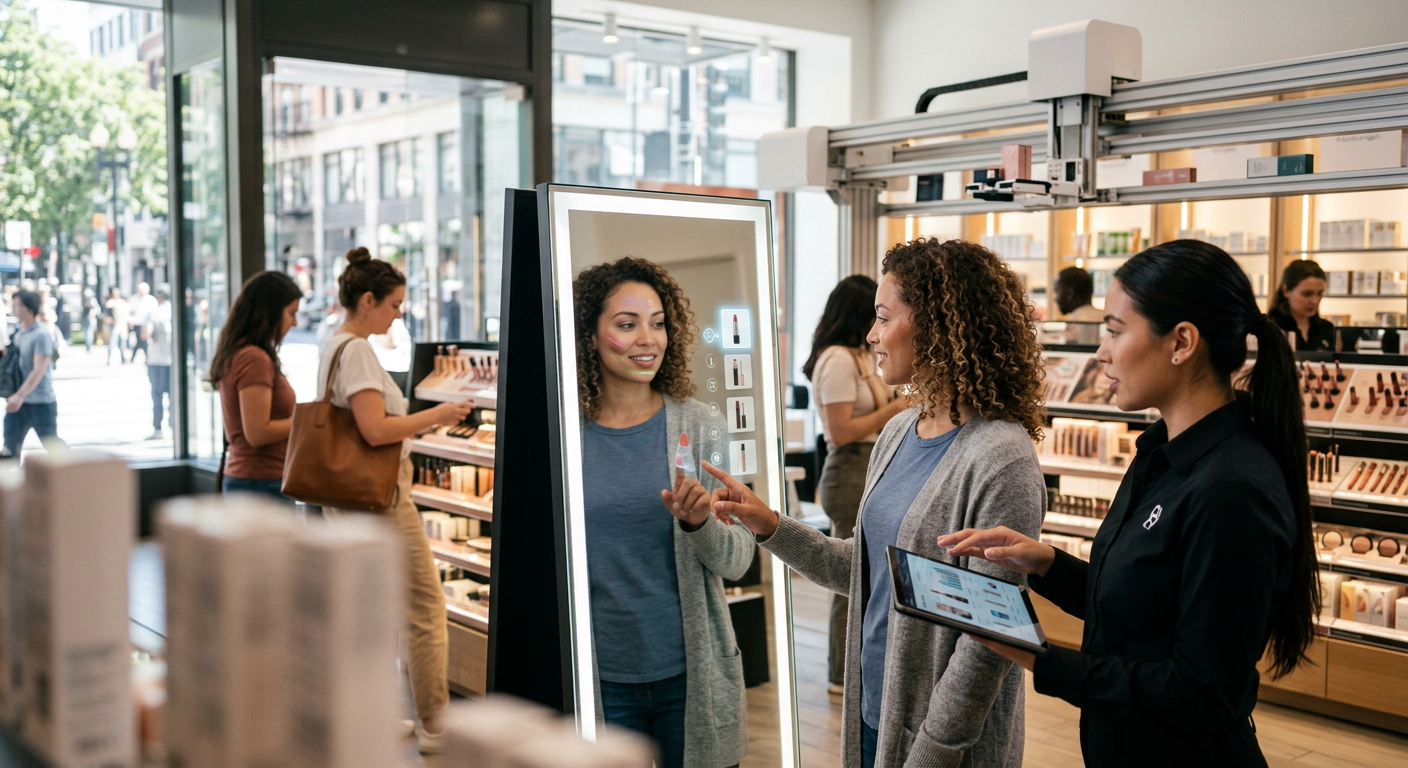
Three technologies do the heavy lifting in next-generation beauty retail: augmented reality, artificial intelligence, and social commerce. Each strips friction out of discovery and personalizes the path to purchase.
Augmented Reality and Virtual Try-On
AR lets shoppers test lipstick, foundation, and hair color without touching a physical product. It solves a hygiene and convenience problem while keeping the test-and-play experience beauty buyers want. It also closes the online-offline gap, because the same try-on tools run on a phone at home or a smart mirror in the store.
AI-Powered Personalization
AI now handles product recommendations, shade matching, and routine building at scale. NielsenIQ reports that 51% of consumers are interested in AI-powered shopping tools, which points to real appetite for smarter guidance. Feed it skin type, tone, and stated goals, and an overwhelming wall of products turns into a short, curated list.
Social Commerce and Virality
Platforms are collapsing the distance between finding a product and buying it. TikTok Shop and similar tools turn trends into transactions almost on the spot, and 22% of consumers have already bought beauty products directly through TikTok. A viral moment can convert to a sale inside the same session.
Experiential Retail: The New Store Playbook
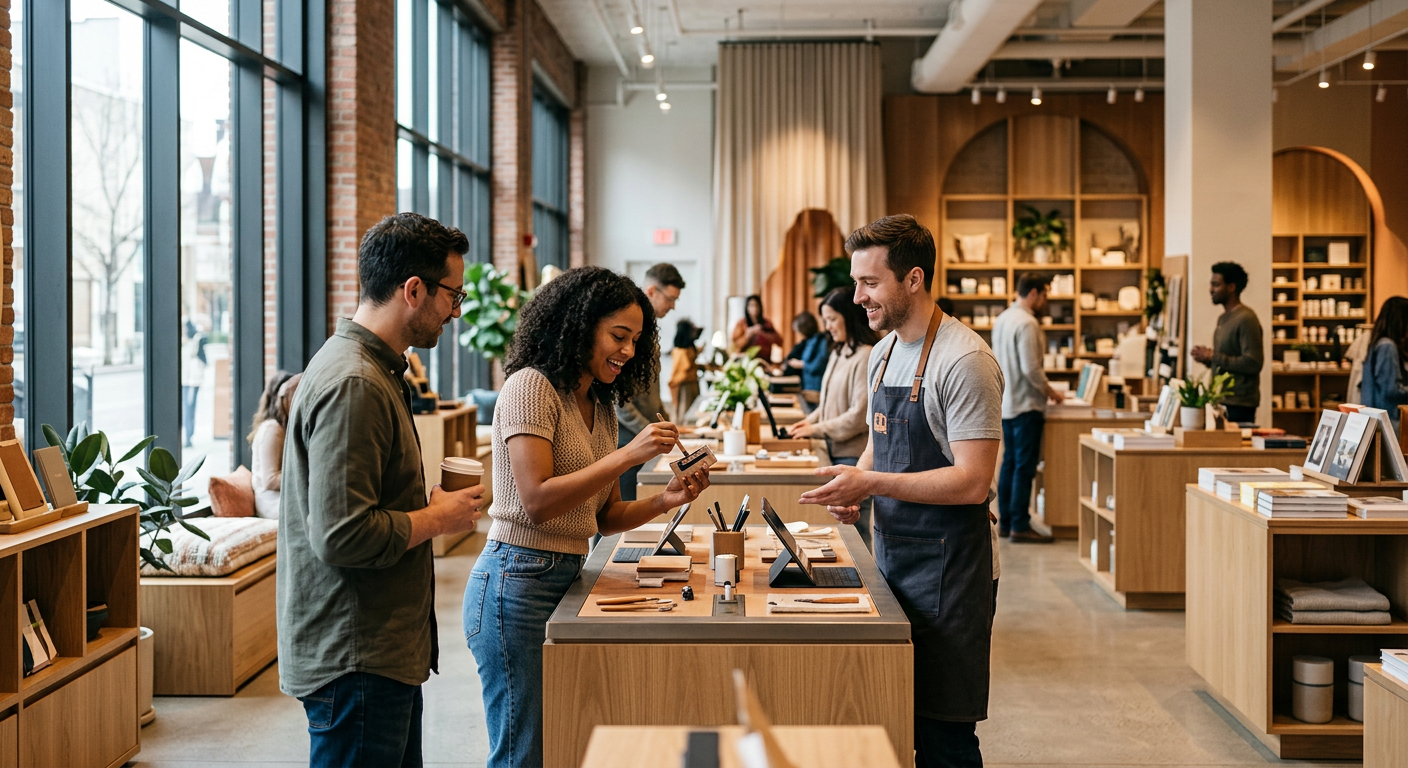
The physical store’s job has moved from stocking shelves to creating experiences. CB Insights and Salesfloor describe this as the shift to experiential retail, where test-and-play replaces passive browsing.
Sephora is a working model here. Across its 700-plus U.S. locations, experiential studios run everything from makeovers to skincare consultations, which turns the store into a destination instead of a pickup point. The payoff shows up as longer dwell times, deeper brand connection, and higher conversion.
The numbers back the strategy. Outform research cited by Cosmoprof shows 70% of beauty shoppers believe testing products drives their purchase, and 78% are more likely to buy when they can try in-store first. Take away the chance to try, and you take away a big share of the intent to buy.
Old Model vs. Next-Generation Beauty Retail
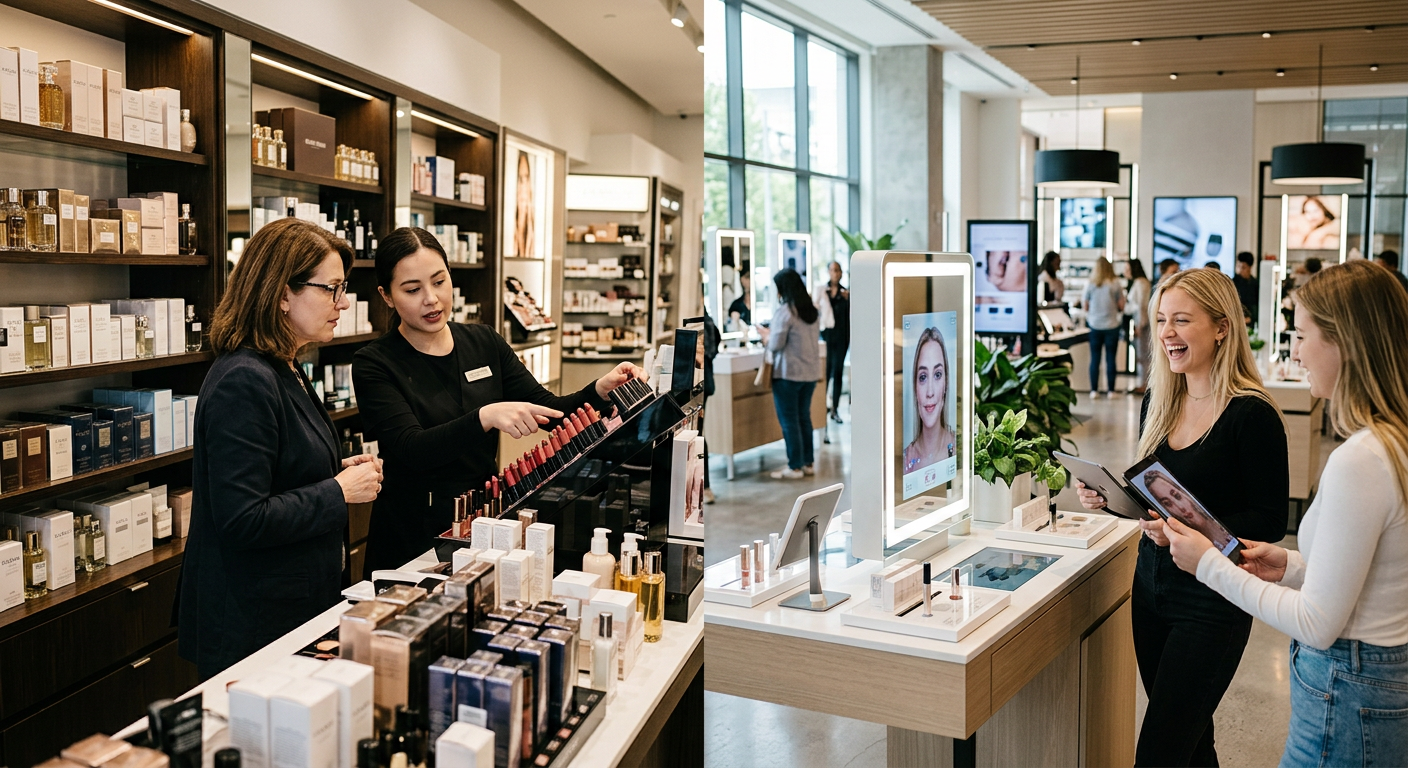
The contrast between the traditional and next-generation approaches is sharp. Use this comparison to see where your retail experience sits today.
| Dimension | Traditional Beauty Retail | Next-Generation Beauty Retail |
|---|---|---|
| Discovery | Magazine ads, in-store displays | TikTok trends, creator content, AI feeds |
| Product testing | Physical samples only | AR try-on plus in-store test and play |
| Personalization | One-size-fits-all promotions | AI shade matching and routine building |
| Channels | Online and offline operated separately | Seamless, unified customer journey |
| Store role | Transaction and replenishment | Experience, discovery, and conversion |
| Consumer values | Price and packaging | Transparency, inclusivity, cultural relevance |
| Purchase path | Multi-step, delayed | Instant social commerce checkout |
If most of your operation still lives in the left column, that’s your roadmap for where to invest.
Wellness as the Next Growth Frontier
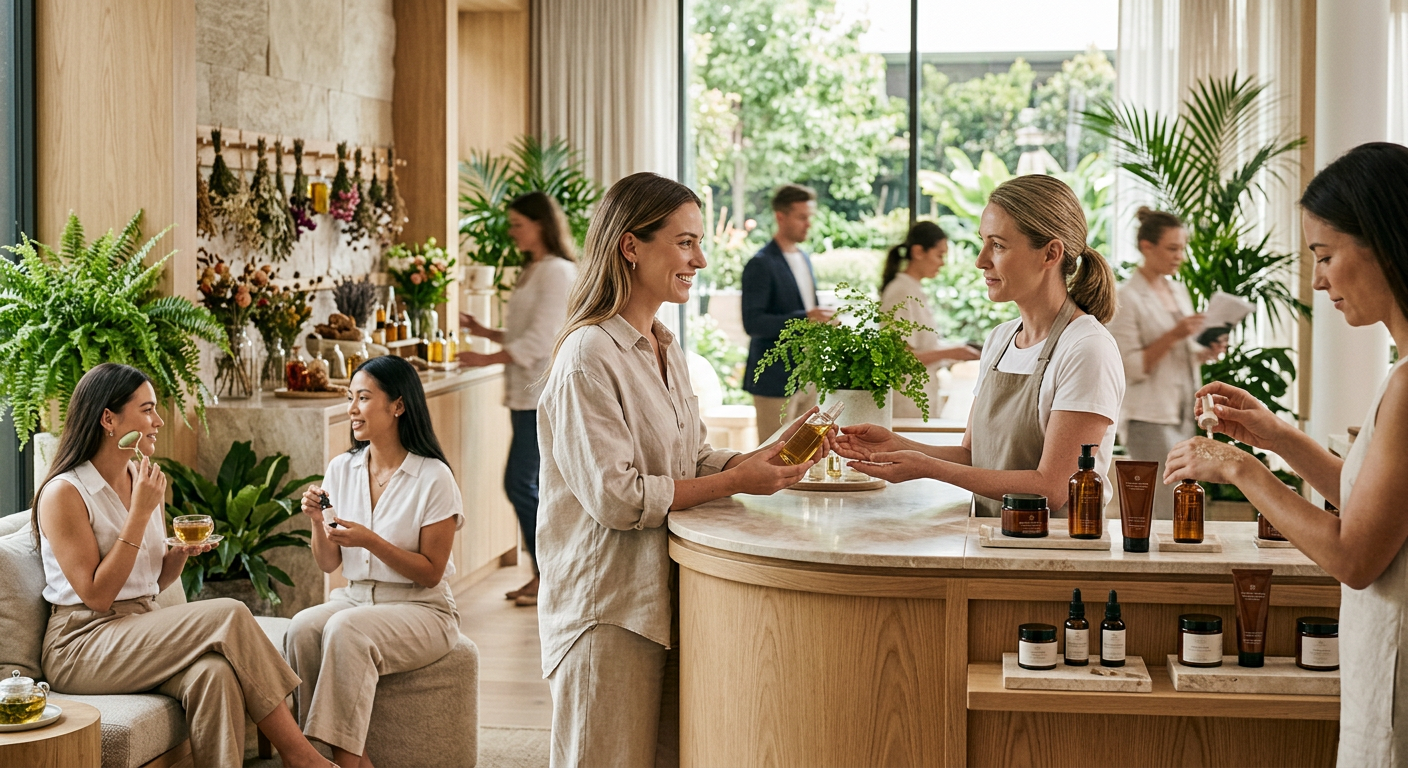
Beauty is spilling into wellness, and the two categories are getting hard to tell apart. Cosmoprof reports that wellness is one of the biggest growth opportunities in global beauty retail right now.
Skincare, wellness, and sustainability now lead category growth, which reflects a consumer who treats beauty as part of overall health. Products that back up their claims with real ingredient transparency and a long-term view of skin health tend to outsell the ones promising a quick cosmetic fix.
That changes what a beauty store should feel like. Retailers are designing spaces around calm, self-care, and ritual instead of pressure and upsell. The store becomes a wellness environment, and the atmosphere itself becomes part of the product.
How to Prepare Your Brand for the Shift
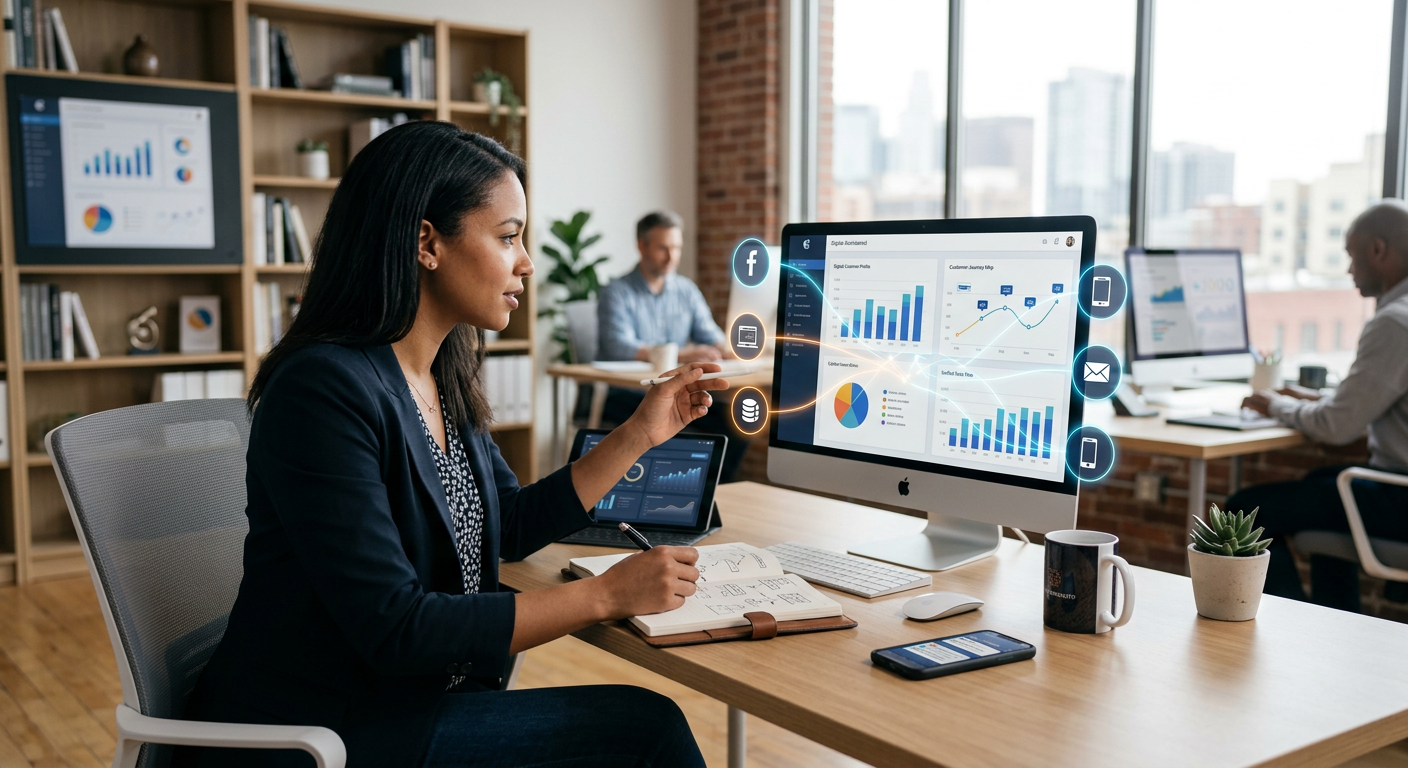
Start by unifying your channels. Consumers expect their history, preferences, and saved products to travel with them from phone to store. A connected customer profile is the foundation everything else builds on.
Invest in try-before-you-buy at every stage. Put AR try-on online and protect real test-and-play in the store, since both directly shape most purchase decisions. Take friction out of testing and you take it out of buying.
From there, lead with values and experience, not discounts. Gen Z will pay more for meaning, inclusivity, and immersive moments, so compete on connection rather than price, and pair it with AI-driven personalization so every interaction lands as relevant to the individual.
Key Takeaways and Next Steps
Next-generation beauty retail rewards the brands that fuse online and offline into one personalized journey. Gen Z spending is climbing fast, and this group wants transparency, inclusivity, and experiences worth paying a premium for.
Technology is the enabler here, not the point. AR removes the hygiene barrier to testing, AI turns overwhelming choice into a curated shortlist, and social commerce squeezes discovery and purchase into one moment. Wellness widens the whole category and reshapes what a store should feel like.
The physical store isn’t dying. It’s becoming an experiential space where discovery and conversion happen side by side. Audit your current experience against the comparison table above, find your biggest gaps, and start with the unified customer profile that makes the rest possible.
Frequently Asked Questions
Q: What defines next-generation beauty retail?
Next-generation beauty retail blends physical discovery with digital personalization through AR try-on, AI recommendations, and social commerce. It treats online and in-store as a single seamless journey rather than separate channels, prioritizing experience and connection over transactions alone.
Q: Why is Gen Z so important to beauty retailers?
Gen Z’s share of U.S. beauty e-commerce spending reached 31% in 2026, up from 24% in 2024, with average annual spend of $1,320 per consumer. This group is growing fast and will pay more for inclusivity, transparency, and immersive experiences.
Q: Does physical retail still matter with e-commerce dominating?
Yes. E-commerce handles replenishment, but physical stores lead in discovery and conversion. Since 78% of shoppers are more likely to buy after trying in-store, experiential physical retail remains essential to driving sales.
Q: How does AI improve the beauty shopping experience?
AI powers shade matching, personalized product recommendations, and routine building, turning an overwhelming product range into a curated shortlist. With 51% of consumers interested in AI shopping tools, adoption is a clear competitive advantage.
Q: What role does social commerce play in beauty?
Social commerce collapses the distance between discovery and purchase, letting shoppers buy trending products in the same session they find them. Already 22% of consumers have bought beauty products directly through TikTok, making platforms a direct sales channel.
Q: Why is wellness becoming central to beauty retail?
Wellness is one of the fastest-growing opportunities in beauty, as consumers increasingly view skincare and self-care as part of overall health. Retailers are redesigning stores as calming, ritual-focused environments that reflect this shift.