



Spend five minutes on wellness TikTok and you’ll run into a bright blue serum, a hair density before-and-after, or someone insisting copper peptides erased their fine lines. The ingredient has jumped from clinical research papers into full consumer obsession, and the search data tracks the shift. Peptide interest is up more than 240% year over year across Google, TikTok, and Instagram, according to Jane Yoo MD. Copper peptides (GHK-Cu) sit at the center of it, ranking as the most-discussed peptide on Reddit and one of the top peptide hashtags on TikTok.
So what’s driving this, and which claims hold up? Below is what the science supports, what to ignore, and how to use copper peptides without putting yourself at risk.
What Are Copper Peptides (GHK-Cu)?

Copper peptides are small protein fragments that bind copper ions. The most studied version is GHK-Cu, sold in cosmetics as Copper Tripeptide-1. It occurs naturally in the body and has been researched for decades, mostly in tissue repair and wound healing.
GHK-Cu gets attention because it does more than sit on the surface and hydrate. As formulation scientist Dr. Bozica writes at DrBeautiology, GHK-Cu signals deeper biological processes rather than only moisturizing the top layer.
Why the Serums Are Blue
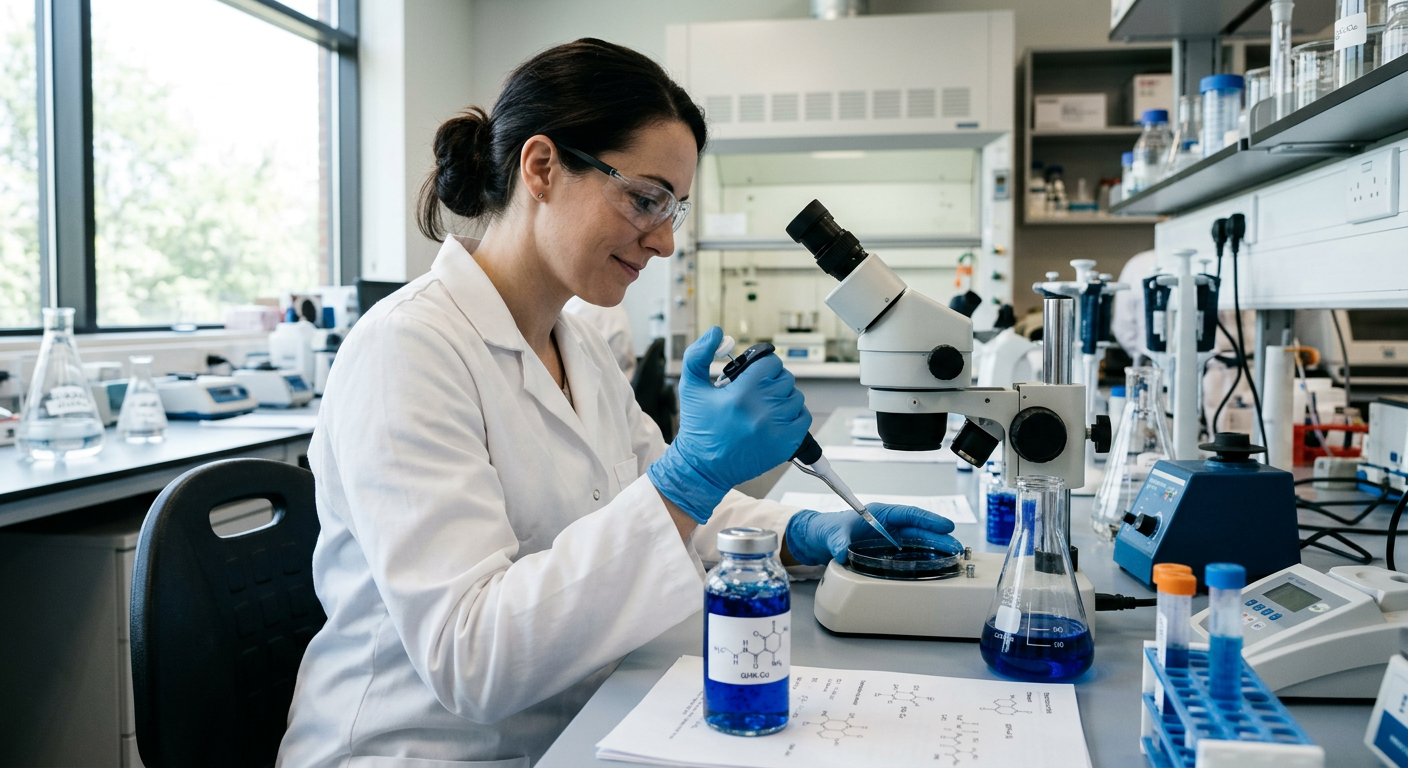
That electric-blue color comes from the copper ions themselves. The hue has turned into visual shorthand on social media, which is part of why these products read so clearly on camera. It’s chemistry, not a marketing additive.
Why Copper Peptides Are Trending in 2026

No single product or viral clip created this. A few things lined up at once and pushed GHK-Cu from clinical jargon into mainstream demand.
The broader peptide category went mainstream first. The success of GLP-1 medications normalized the idea of using peptides for visible results, which opened the door to curiosity about ingredients like BPC-157, TB-500, and copper peptides. Then the “biohacker-to-beauty-counter pipeline,” as Inside Industry calls it, sped up. Clinical ingredients now jump into consumer obsession almost overnight.
Marketing plays a part too. Copper peptides get pitched for firmness, glow, repair, and hair support all at once, which makes them an easy sell to skincare and haircare audiences simultaneously. Few single ingredients carry that kind of cross-category appeal.
What the Science Actually Supports
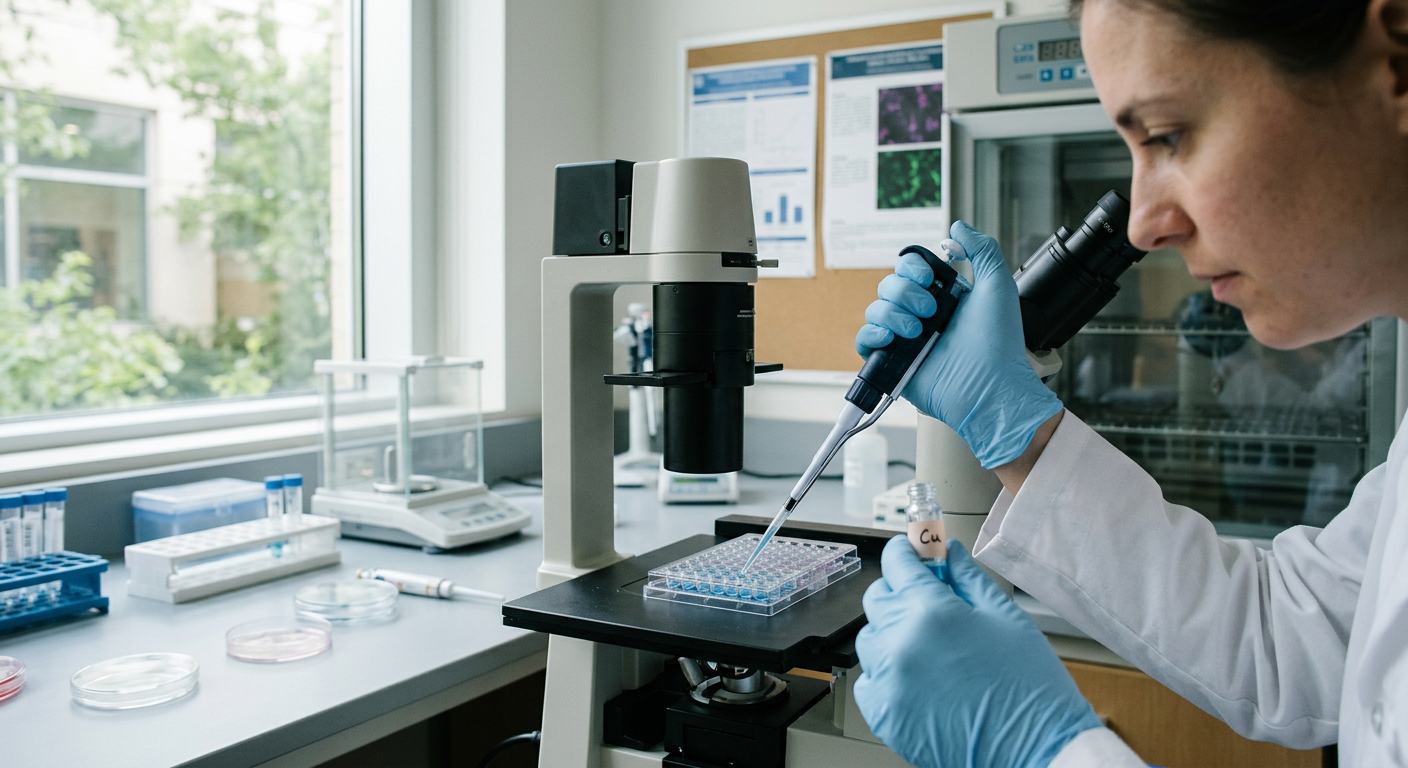
GHK-Cu has real clinical backing, but in specific areas rather than the “fixes everything” claims circulating online. The strongest evidence falls into three buckets.
- Wound healing and tissue repair: The most established use, with decades of research behind it.
- Collagen synthesis: GHK-Cu supports collagen-building processes, which is what underpins the firmness and fine-line claims.
- Scalp and hair health: A growing body of clinical evidence connects GHK-Cu to dermal papilla cell proliferation and follicle regeneration.
The line that matters is between supported benefits and marketing exaggeration. Dermatologists at Dr Refresh point out that copper peptides have years of research behind them for wound healing, collagen synthesis, and scalp health, but how you apply them changes the outcome significantly.
Skin Versus Hair Benefits at a Glance
| Use Case | Evidence Strength | What to Expect |
|---|---|---|
| Wound healing | Strong, decades of research | Supports repair processes |
| Collagen and firmness | Moderate to strong | Improved skin firmness over time |
| Fine lines and glow | Moderate | Gradual, not overnight |
| Hair density | Growing clinical data | Reduced shedding, denser growth |
| “Cure-all” claims | None | Skip the hype |
Topical Versus Injectable: A Critical Safety Line
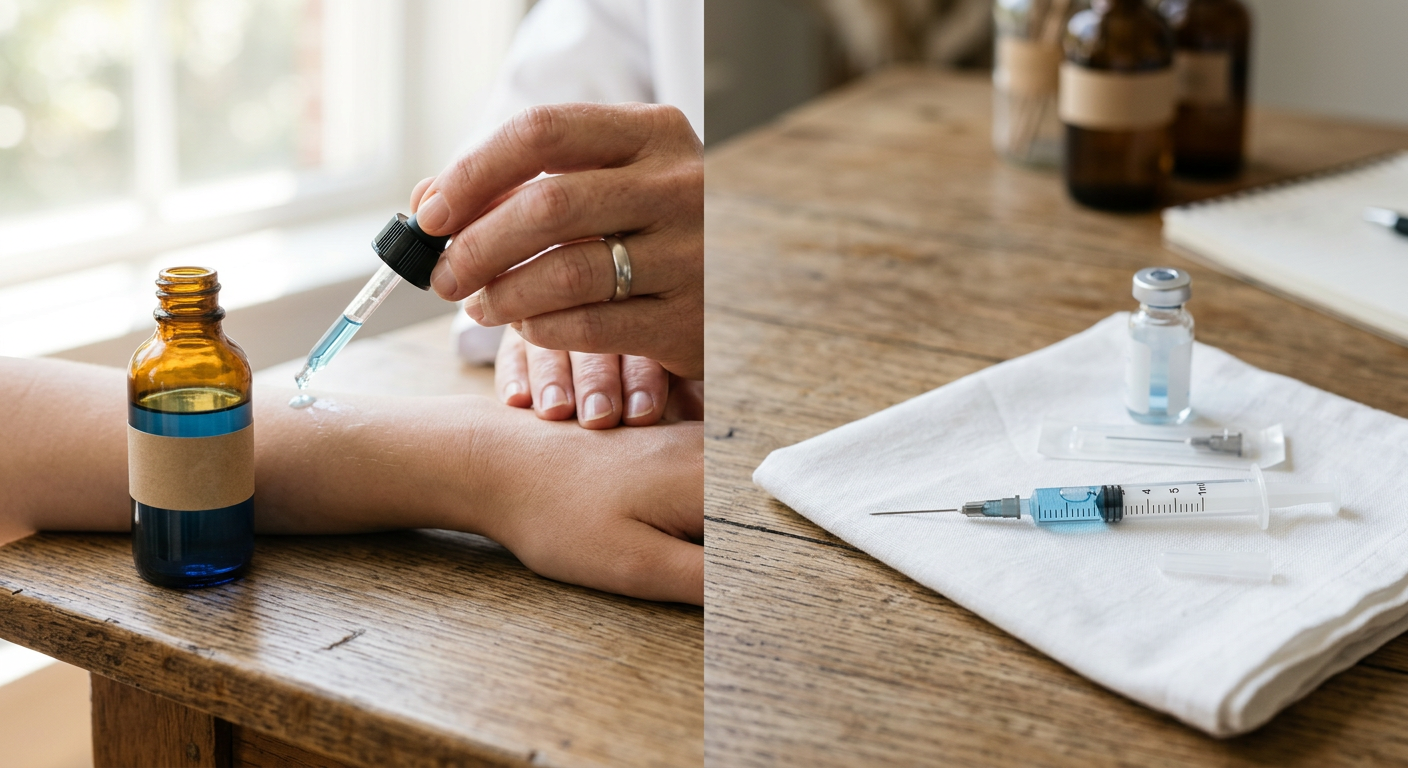
This is where things get risky. Copper peptides are well-established as topical ingredients, but online trends are pushing them into DIY injectable territory, and that gap matters for your safety.
Grey-market injectable peptides, GHK-Cu included, aren’t FDA-regulated. The Guardian covered a craze in which biohackers buy unapproved substances online, quoting one expert who described it as “people turning themselves into lab rats.” The problems start with the basics: dosing precision, purity, and sterility.
The Bottom Line on Injectables
For skin and hair goals, topical copper peptides have both the research and the safety record. Injectable copper peptides sourced outside a regulated medical setting carry serious risks that nobody fully understands yet. If you’re considering anything past a topical serum, talk to a board-certified dermatologist instead of following a TikTok tutorial.
How to Choose a Copper Peptide Product
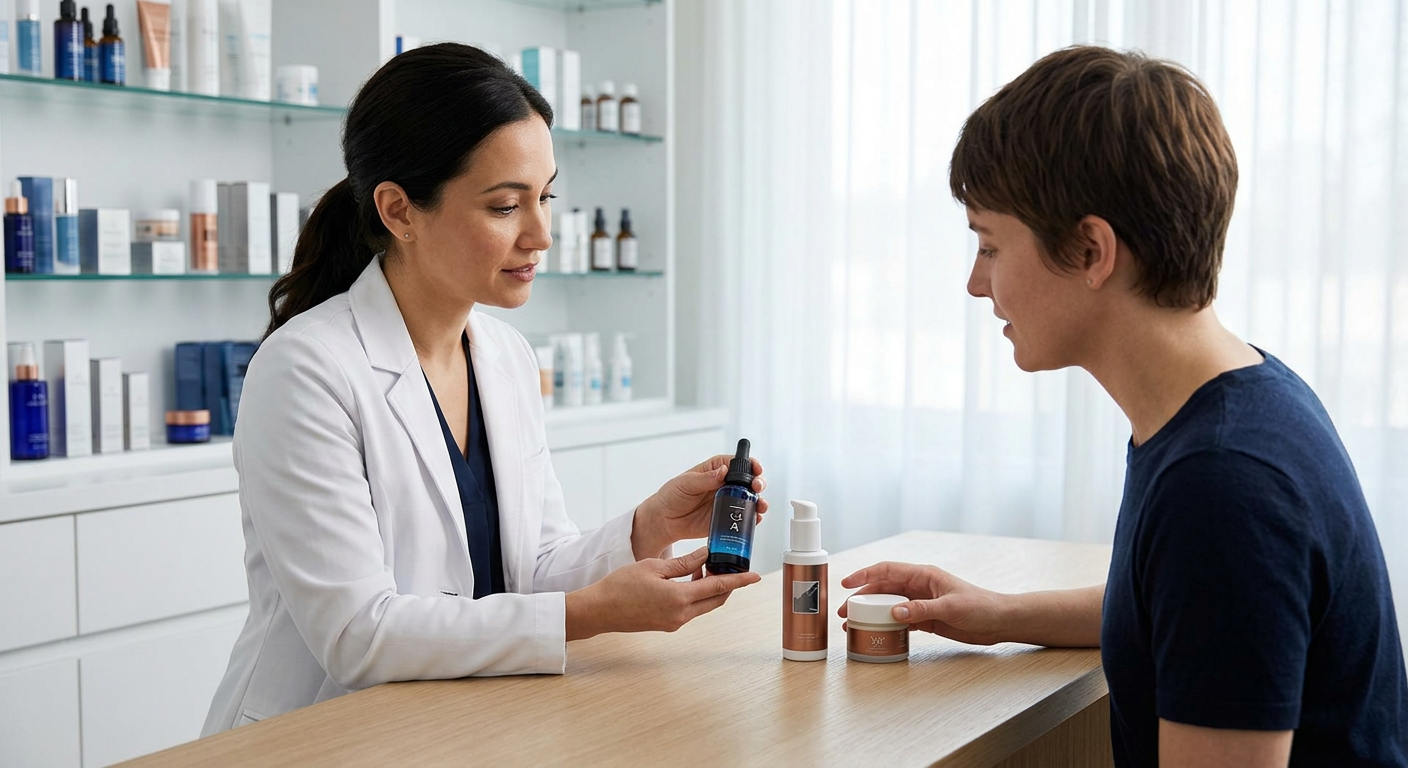
These products aren’t interchangeable. Concentration, formulation, and delivery method all affect whether you’ll see anything change.
Start with concentration transparency. In the hair category, Hairgenetix flags formulas that disclose their percentages, such as 10% GHK-Cu paired with 5% AHK-Cu, and back them with a published clinical trial. One 120-participant study reported a 93% reduction in shedding and 12 additional hairs per cm² at 150 days.
Delivery counts as much as concentration. Research cited in that same buyer’s guide found that mesotherapy delivery increased peptide absorption more than 20-fold compared to topical-only application. For most people, though, a well-formulated topical serum with a disclosed concentration is the practical place to start.
Quick Checklist Before You Buy
- Disclosed GHK-Cu concentration on the label
- Published clinical evidence, not just testimonials
- A formulation suited to your goal (skin firmness versus hair density)
- A reputable brand with verified reviews
- A money-back guarantee for accountability
How to Use Copper Peptides in Your Routine
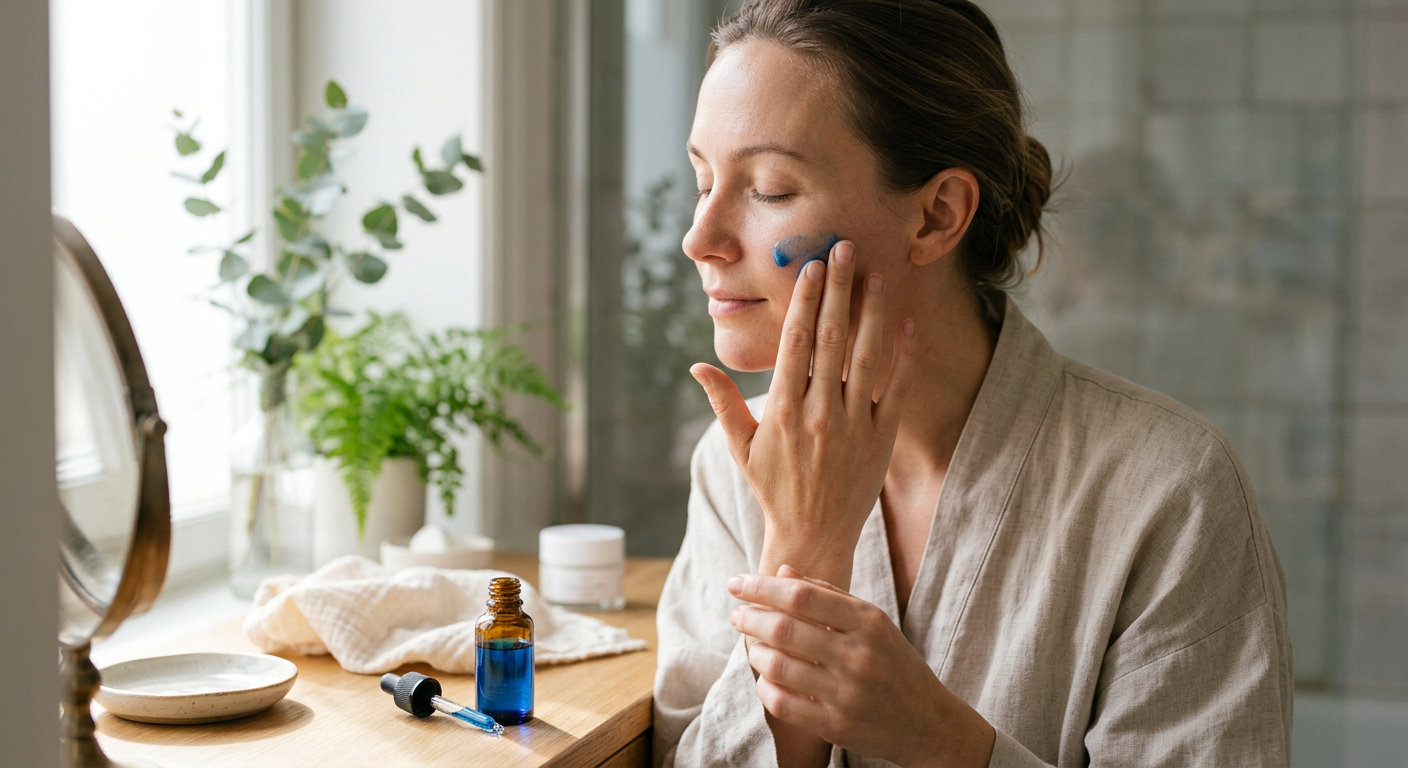
Application technique affects results more than most people expect. Copper peptides work best when they reach the skin without competing ingredients canceling them out.
Apply the serum to clean skin before heavier creams, and give it a moment to absorb. Avoid layering it directly with strong acids or high-dose vitamin C in the same step, since that combination can cut into effectiveness. The collagen and firmness benefits show up over weeks and months, not days, so consistency is what does the work.
For hair, follow the product’s specific protocol. If a serum is built for once-daily scalp application, stick to that schedule. Dermal papilla effects build over a full growth cycle, not overnight.
The Bottom Line
Copper peptides earned their 2026 spotlight on actual science, not just photogenic packaging. GHK-Cu has decades of research behind wound healing, collagen synthesis, and scalp health, which puts it in a small group of trending ingredients with real substance.
Separate supported benefits from marketing noise. Stick to topical, transparently formulated products with disclosed concentrations and clinical backing, and treat grey-market injectables as the unregulated risk they are. If you’re not sure whether copper peptides fit your skin or hair goals, ask a board-certified dermatologist before buying. Then pick a product that shows its data, and give it the weeks it needs to work.
Frequently Asked Questions
Q: What do copper peptides do for skin?
Copper peptides, specifically GHK-Cu, support collagen synthesis, wound healing, and skin firmness. They also help skin respond better to everyday stressors, which is why dermatologists recommend them for repair and gradual improvement in tone.
Q: Are copper peptides safe to use?
Topical copper peptides have a strong safety record and decades of research behind them. Injectable copper peptides from grey-market sources aren’t FDA-regulated and carry serious risks, so stick to topical products unless a medical professional tells you otherwise.
Q: Do copper peptides help with hair growth?
A growing body of clinical evidence connects GHK-Cu to dermal papilla cell proliferation and follicle regeneration. One 120-participant trial reported a 93% reduction in shedding and 12 additional hairs per cm² at 150 days, though results depend on concentration and consistency.
Q: Can you use copper peptides with vitamin C?
Avoid layering copper peptides directly with strong acids or high-dose vitamin C in the same step, since that combination can reduce effectiveness. Apply them at separate times or in separate routines for the best results.
Q: How long do copper peptides take to work?
Copper peptide benefits build over weeks and months rather than days. Changes in skin firmness and hair density tend to follow a full collagen or hair growth cycle, so plan for at least several months of consistent use.
Q: Why are copper peptide serums blue?
The blue color comes from the copper ions in the formula, not an added dye. It’s a direct result of the ingredient’s chemistry, and it’s become a recognizable visual marker on social media.