

Most base products fail in one of two ways. They look perfect at 9 a.m. and go cakey by lunch, or they slide off entirely before your afternoon meeting. The two categories getting the most shelf space in 2026, skin tints and serum foundations, both promise to fix that, and both give you an even tone with far less weight than a full-coverage formula. They solve different problems, though. This guide sorts out which one belongs in your routine, with specific products to test.
What Is a Skin Tint?
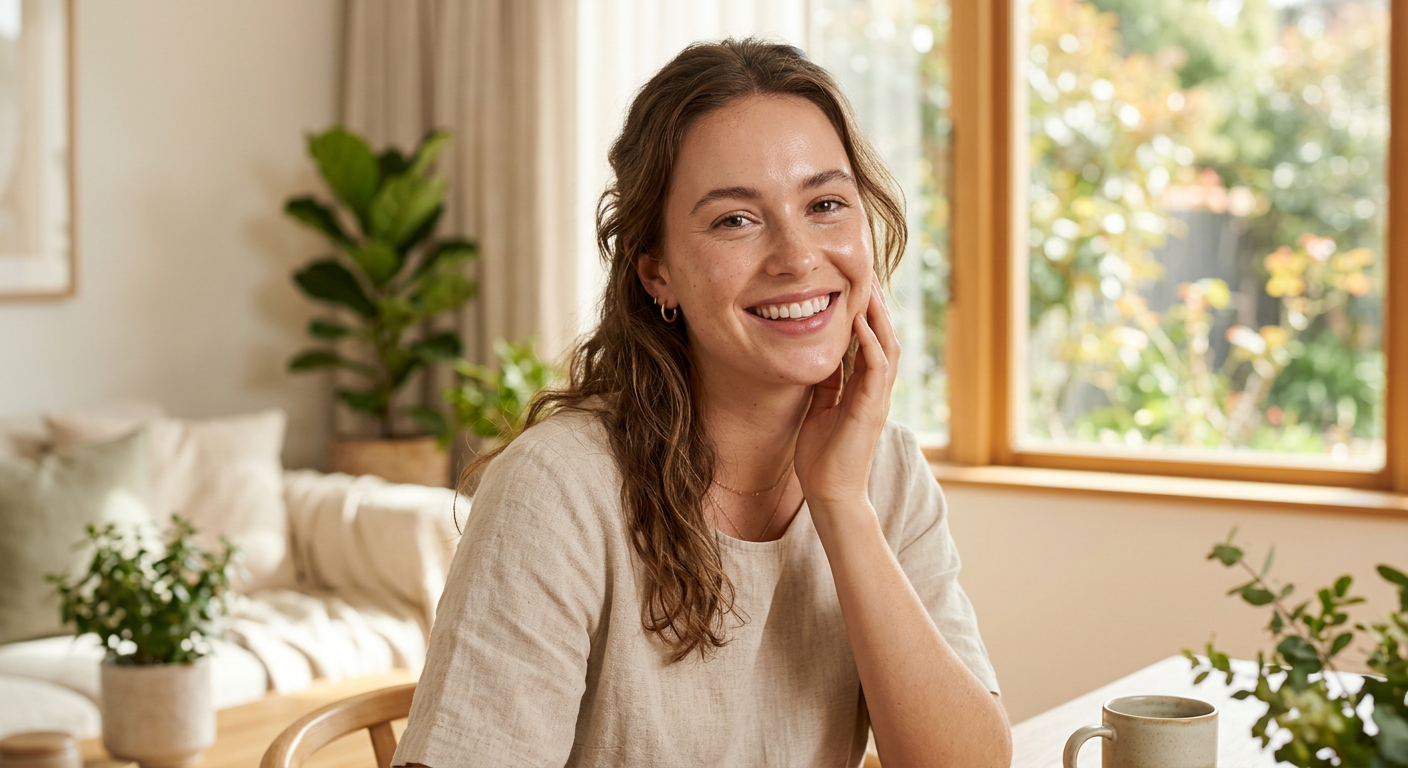
A skin tint is a lightweight complexion product that gives sheer, breathable coverage and a natural, dewy finish. It isn’t meant to mask your skin. It evens things out and lets your own texture show, which is the “your skin but better” effect the industry talks about, as Live Tinted describes it.
Most tints knock back minor redness and dullness without covering everything. Plenty of 2026 formulas lean into the skincare side too, with hyaluronic acid and squalane built into the base. A beauty editor at Metro tested more than 40 of them and singled out the ones that delivered “lightweight coverage, a healthy glow and a fluid formula” you can apply with your fingers.
Some include SPF, which adds a bit of UV protection. Treat that as a supplement to your real sunscreen, not a substitute for it.
What Is a Serum Foundation?
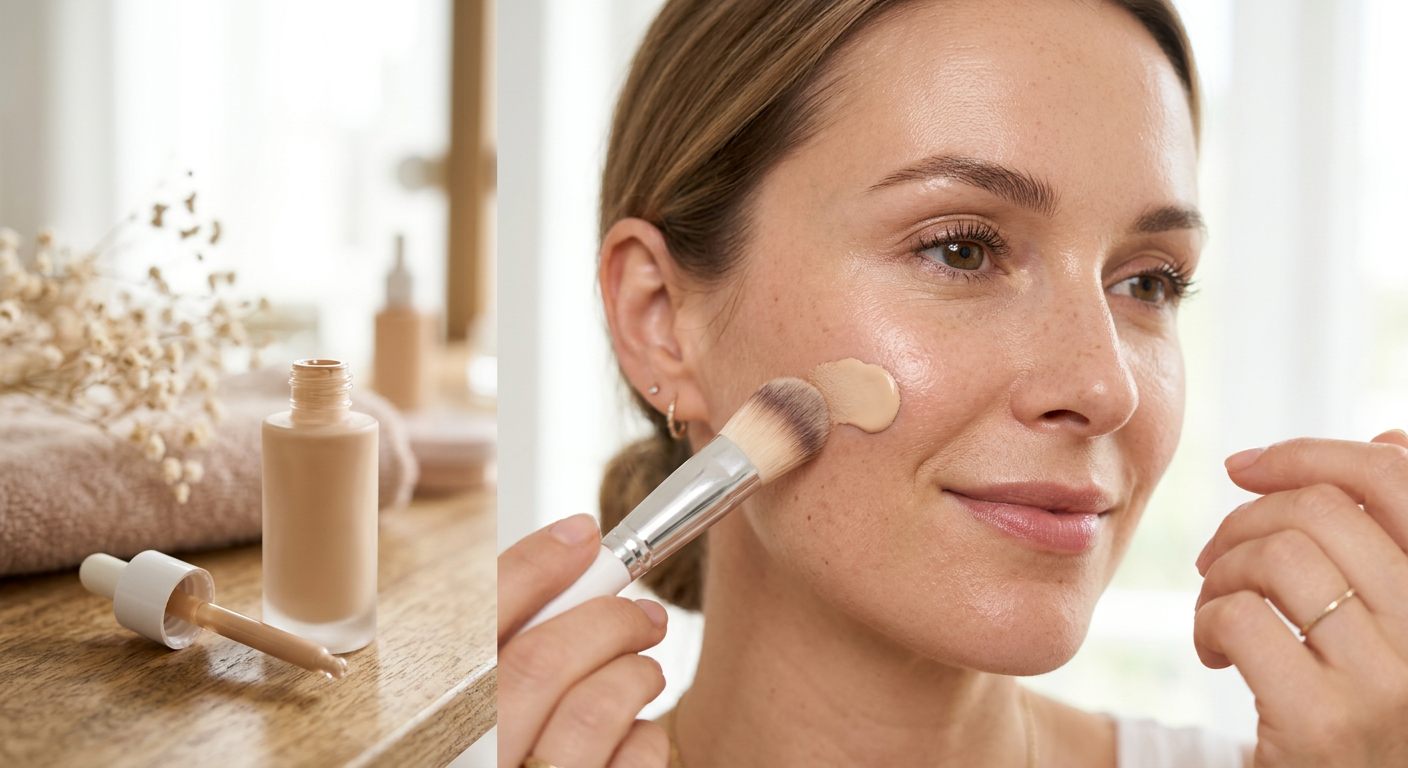
A serum foundation blends the texture of a treatment serum with the pigment of a foundation. The result is a fluid, buildable base that usually lands between a skin tint and a traditional foundation on coverage.
The category has muddied the line between makeup and skincare. The Danessa Myricks Yummy Skin Soothing Serum Skin Tint, which Prometu News called an excellent foundation alternative, leaves skin radiant because of its serum texture. Ilia’s Super Serum Skin Tint and Estée Lauder’s Futurist Skin Tint Serum live in the same overlapping zone.
Coverage You Can Build
Flexibility is the main draw. One sheer layer gives you a natural finish, then you build over the chin or around the nose where you want more. That makes serum foundations a good middle ground if skin tints read too sheer and full-coverage formulas feel too heavy.
Skin Tints vs. Serum Foundations: Key Differences
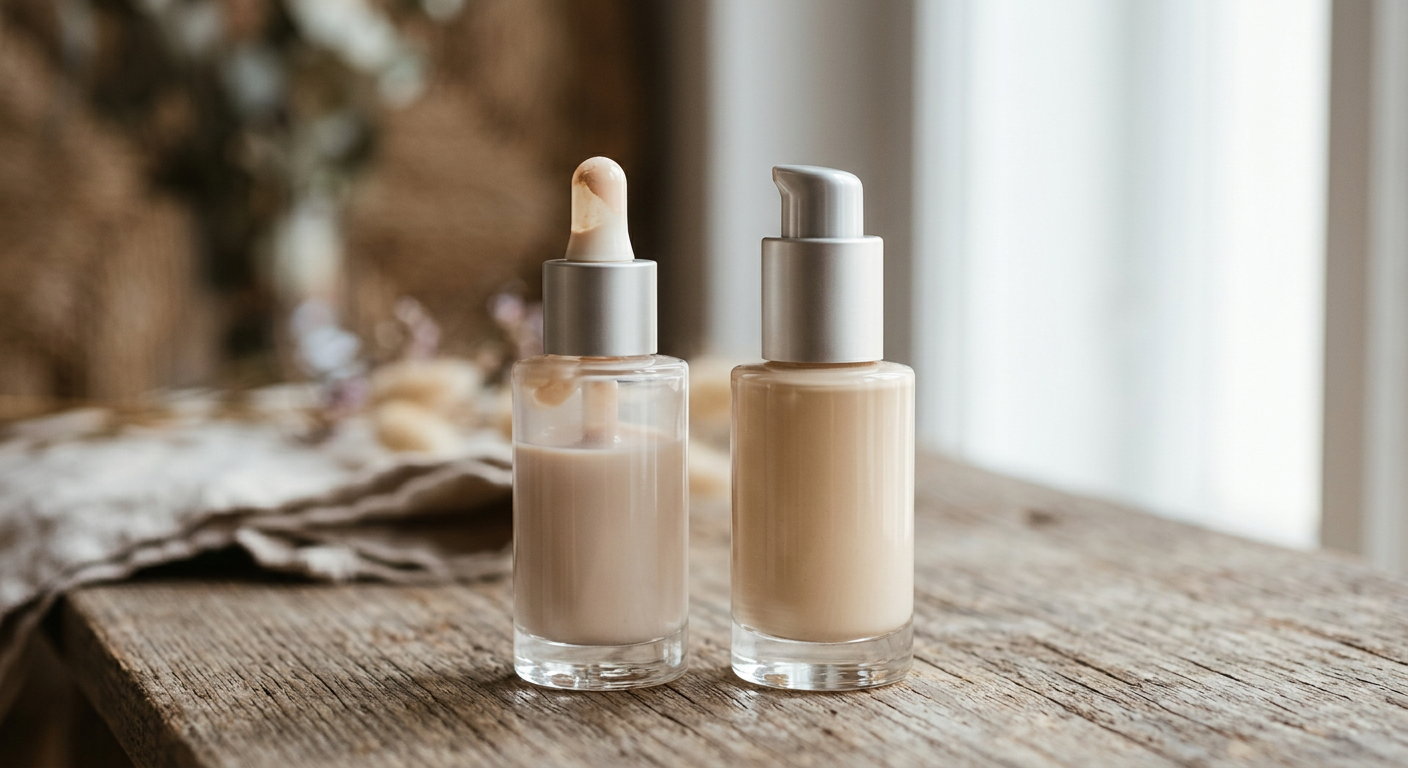
Side by side is the fastest way to choose. Here’s how the two compare on the factors that matter.
| Factor | Skin Tint | Serum Foundation |
|---|---|---|
| Coverage | Sheer, evens minor redness | Sheer to medium, buildable |
| Finish | Natural, dewy | Natural to radiant |
| Wear time | 4–6 hours | 6–8 hours |
| Skincare benefits | High (HA, squalane, SPF) | High (serum-based actives) |
| Best for | Everyday, minimal effort | Everyday plus light events |
| Application | Fingers | Fingers or brush |
| Price range | $10–$48 | $24–$65 |
A skin tint prioritizes a barely-there glow. A serum foundation gives you room to adjust. For a wedding or a long photo shoot where you need a flawless full-coverage finish, neither one fully replaces a long-wearing foundation. For most days, both do more than enough.
Which One Is Right for Your Skin Type?
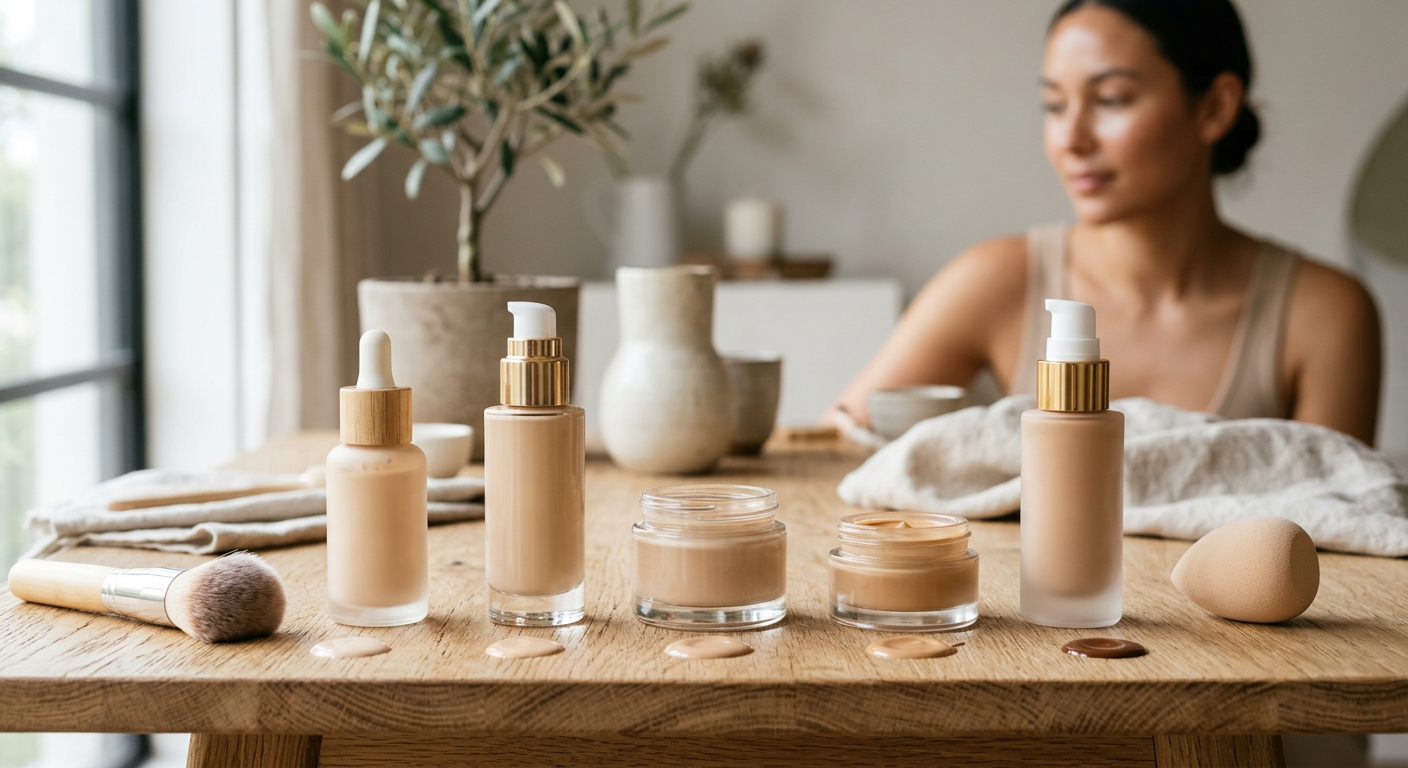
Skin type should drive this decision more than any trend. Lightweight bases behave differently depending on oil production, texture, and concerns like fine lines.
Dry and Mature Skin
On dry or mature skin, the hydrating ingredients in both categories work in your favor. Beauty reviewer Nina Ubhi recommends lightweight bases loaded with skincare actives for a “real skin glow” in her 2026 lightweight makeup guide. Serum foundations with hyaluronic acid settle into fine lines less than thicker formulas, which makes them a smart pick past 40.
Oily and Combination Skin
Dewy finishes can read as greasy on oily skin by midday. Look for a skin tint labeled “hydrating” rather than “luminous,” and set your T-zone with a light powder. A serum foundation with a soft-matte finish usually holds up better through a full day of meetings.
Sensitive Skin
Both categories now include soothing, fragrance-conscious formulas. The Danessa Myricks Yummy Skin Soothing Serum Skin Tint got specific praise for its soothing serum texture, which makes it a sensible starting point if your skin reacts easily.
Best Skin Tints and Serum Foundations to Buy in 2026
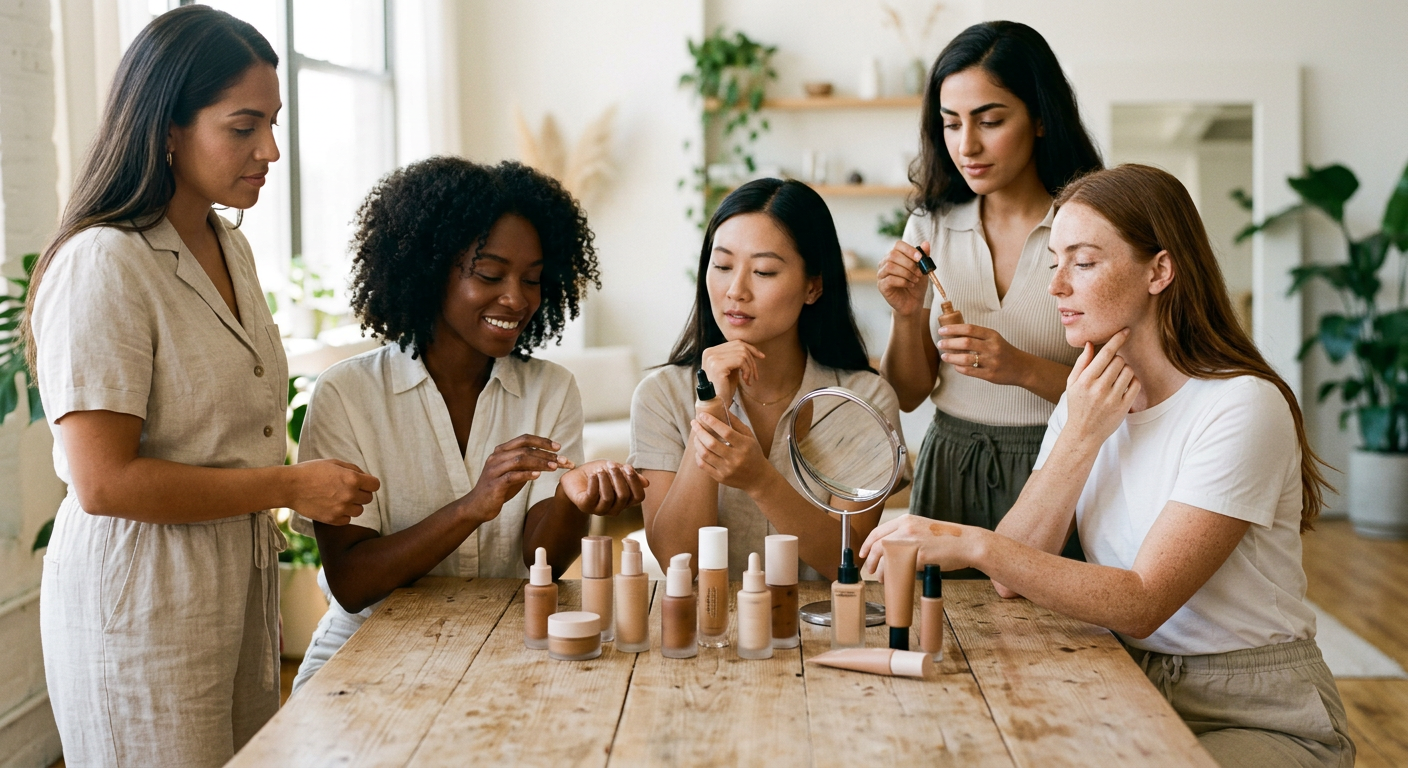
Testing across multiple reviewers lands on a consistent shortlist. These products came up repeatedly for finish, wear, and skin feel.
Top skin tints for 2026:
- Ilia Super Serum Skin Tint — a frequent standout for combining SPF with skincare actives
- Hourglass Veil Hydrating Skin Tint — recommended for a smooth, hydrating glow
- e.l.f. Halo Glow Skin Tint — the budget standout under $20
- NARS Pure Radiant Tinted Moisturizer — a long-running favorite for radiance
- Rare Beauty Tinted Moisturizer — praised for a natural, lit-from-within look
Top serum foundations and hybrids:
- Danessa Myricks Yummy Skin Soothing Serum Skin Tint — named an excellent foundation alternative for lighter texture
- Estée Lauder Futurist Skin Tint Serum — buildable coverage with a serum base
- Armani Skin Tint — a longtime benchmark for natural finish
The Metro editor noted that some skin tints “may have the fluid, lightweight texture of a skin tint, but pack a punch when it comes to coverage,” which is exactly where the two categories meet. When you’re stuck, choose based on the finish you want and the wear time you need.
So, Which Is Worth Buying?
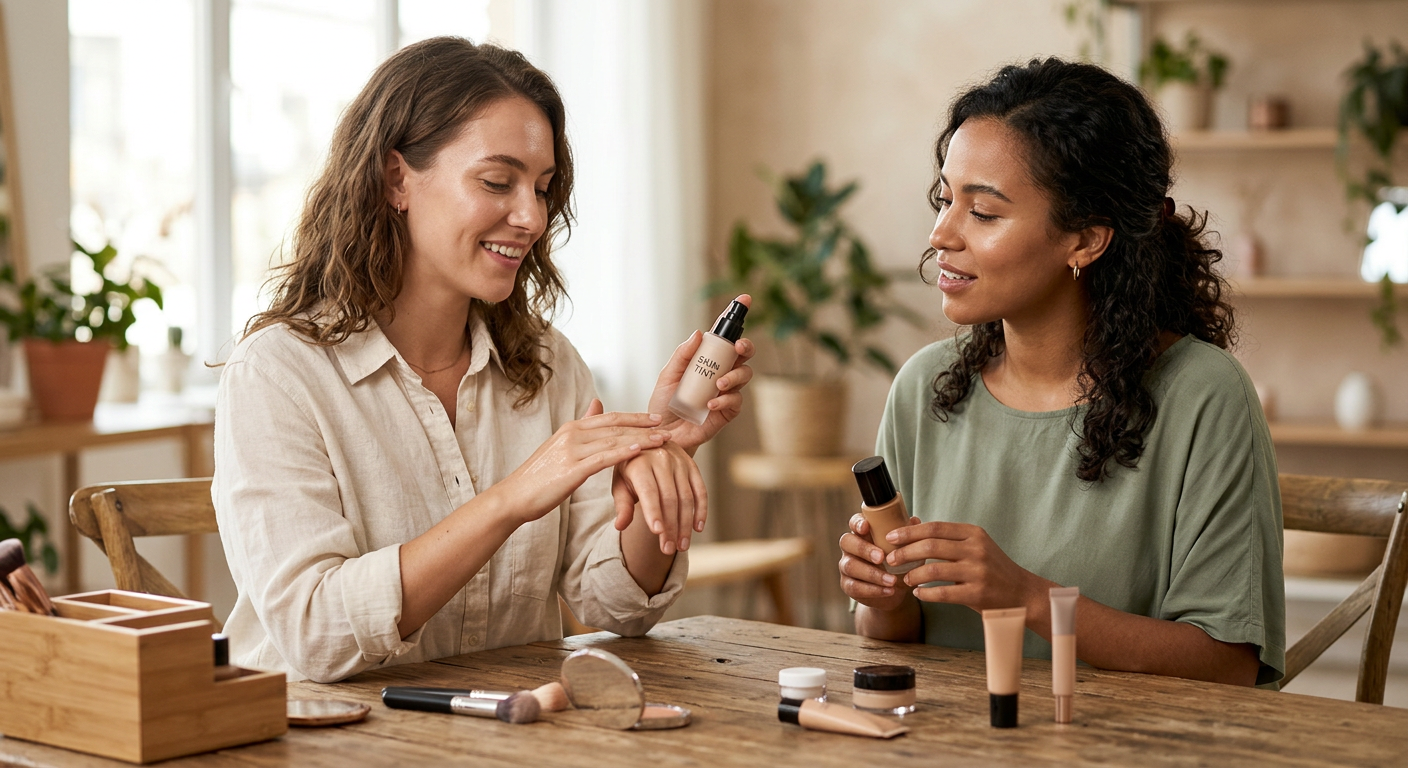
For everyday wear, a skin tint wins if you want the lightest coverage, a dewy finish, and skincare benefits in one step. It’s the better call for minimalists, dry skin, and anyone who finishes their makeup with their fingers in under a minute.
A serum foundation wins if you want that same skin-like feel but with the option to build coverage when you need it. It covers casual days and lighter events, and it tends to last an hour or two longer.
Neither one replaces full-coverage foundation at a high-stakes event. For the 90% of days that don’t require one, both give you healthier-looking skin with less effort than the heavy formulas they’re replacing.
Your move: Figure out your skin type and the finish you want, then pick one product from the shortlist to test for a full week. Shade-match in natural light, give it a few days to settle in, and you’ll know fast whether a skin tint or a serum foundation has earned a permanent spot in your bag.
Frequently Asked Questions
Q: Is a skin tint better for your skin than foundation?
Skin tints often contain skincare ingredients like hyaluronic acid and squalane, so they can be gentler and more hydrating than traditional foundations. They also feel more breathable. Whether that makes them “better” comes down to your skin type and how much coverage you need.
Q: Can a serum foundation replace my regular foundation?
For everyday wear and light events, yes. For high-coverage occasions like weddings or photography, a long-wearing full-coverage formula still performs better.
Q: Do skin tints and serum foundations have enough SPF for sun protection?
Some include SPF, but the amount you apply is rarely enough for full protection. Treat any SPF in your base as a bonus and apply a dedicated sunscreen underneath.
Q: Which lasts longer, a skin tint or a serum foundation?
Serum foundations typically last 6 to 8 hours, skin tints 4 to 6. Setting either with a light powder in your T-zone extends wear on oily skin.
Q: What’s the best skin tint for mature skin in 2026?
Hydrating serum-based formulas tend to perform best on mature skin because they settle into fine lines less. The Hourglass Veil Hydrating Skin Tint and Danessa Myricks Yummy Skin Tint are strong choices for a smooth, natural finish.
Q: Can I apply skin tints and serum foundations with my fingers?
Yes. Both are built for fingertip application thanks to their fluid textures, which gives a natural, melted-in finish. A damp sponge or brush works too if you want a touch more coverage.