

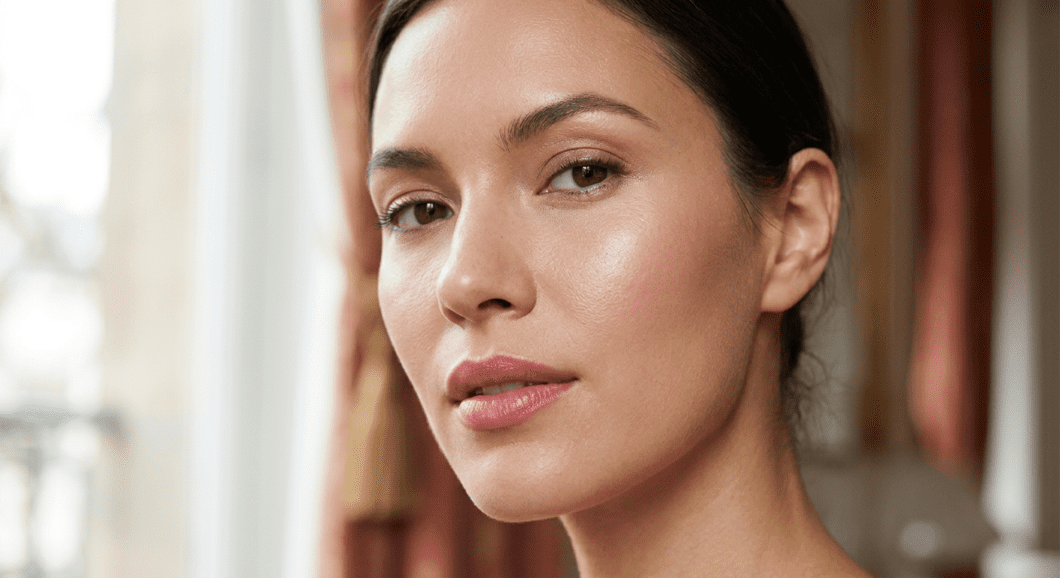
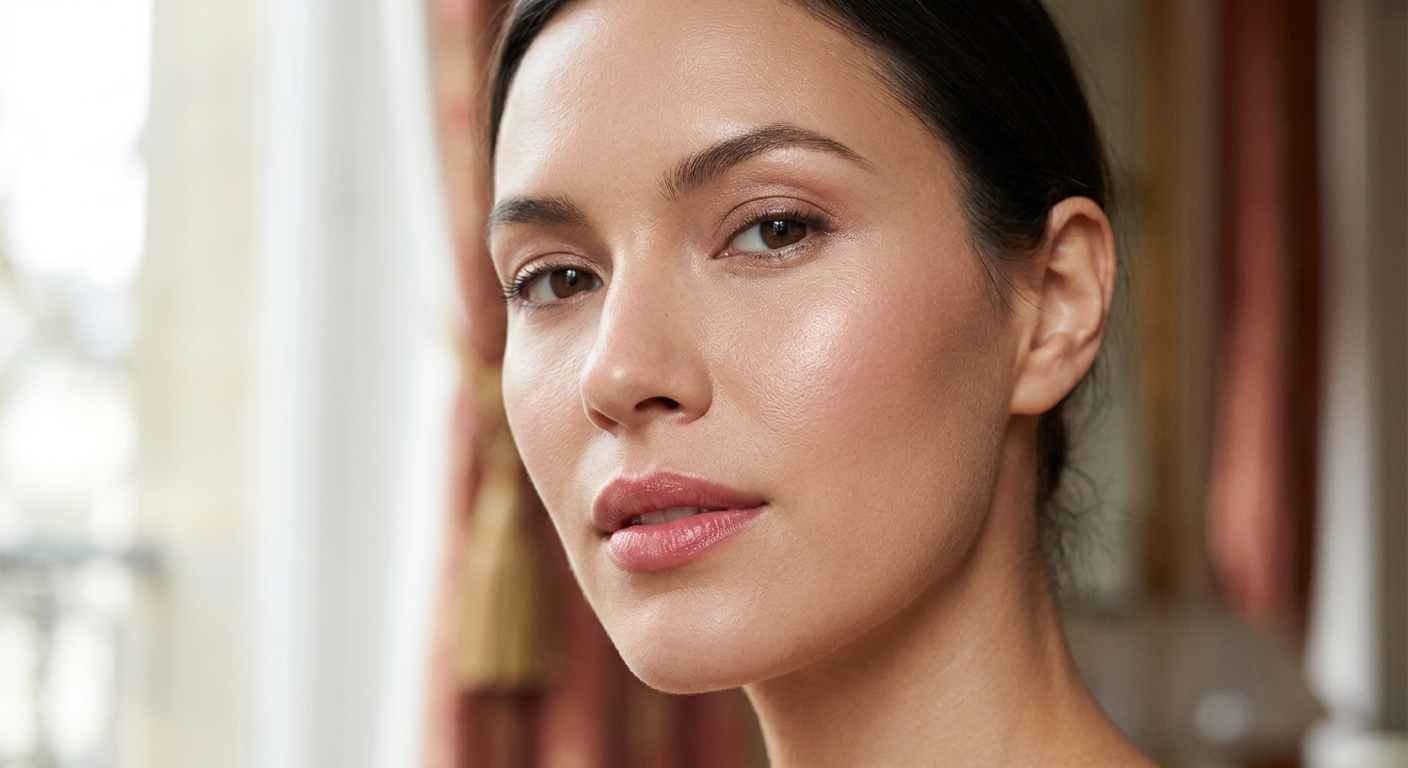
Your foundation might be wrong for 2026. After years of chasing either flat, ultra-matte coverage or the wet, mirror-like glow of glass skin, beauty has settled on a middle ground that flatters more faces. Satin finishes are back. They deliver the skin-blurring benefits of matte without the dry, lifeless cast that turned so many people off them in the first place. Brands have noticed, and it’s changing how they formulate everything from foundation to blush.
This is not a return to old-school powder. The satin and soft-matte finishes leading 2026 use a new generation of formulas built to keep skin looking alive. Below, you’ll find out why the pendulum is swinging, what makes these finishes different from their predecessors, and how to update your routine without replacing your whole kit.
What “Satin Finish” Actually Means
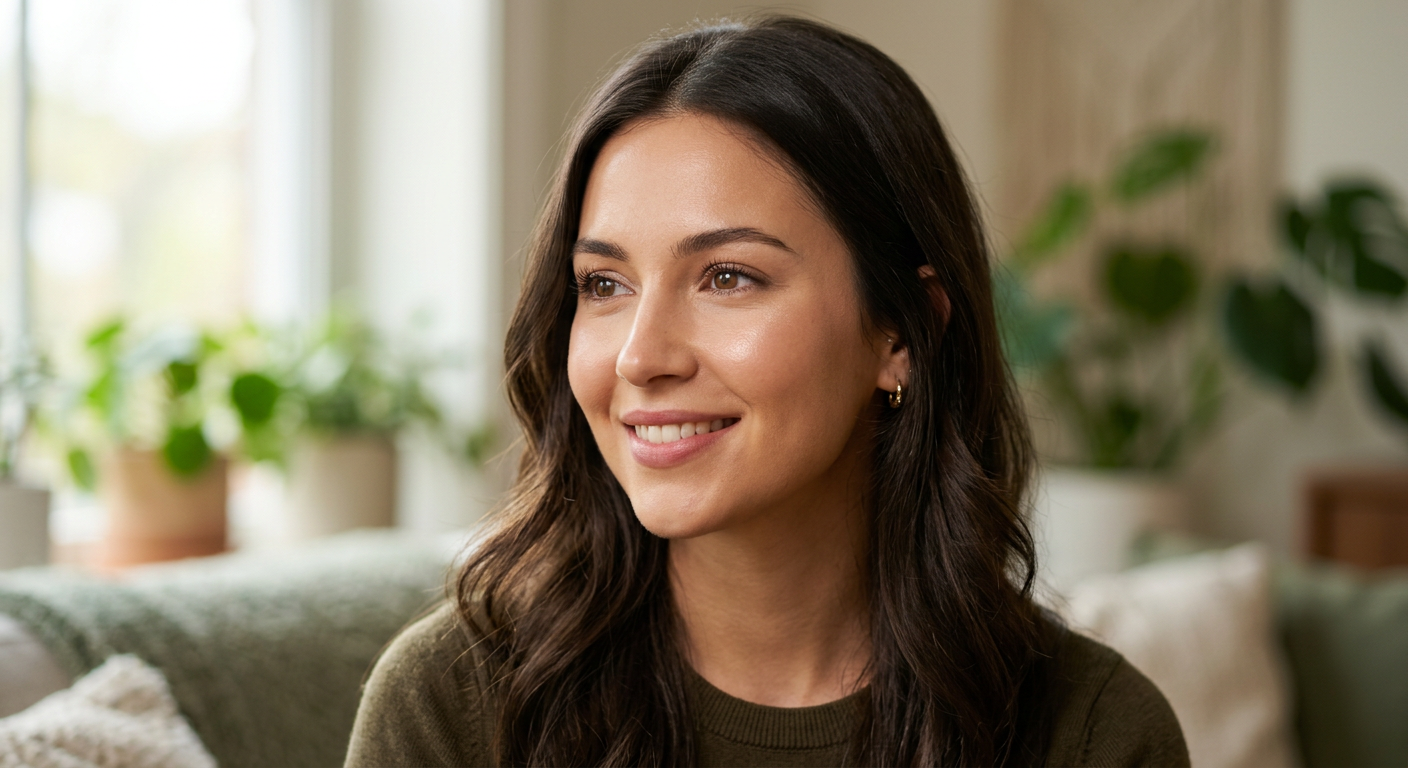
A satin finish sits between matte and dewy on the texture spectrum. It softens the skin and cuts shine without going completely flat, leaving a velvety, low-key glow rather than a wet sheen. Think chalkboard versus brushed silk.
That distinction matters because the three finishes do different jobs. Matte absorbs light and minimizes shine. Dewy reflects light for a luminous, hydrated look. Satin lands in the middle, blurring texture while keeping a natural softness.
How the Finishes Compare
| Finish | Light Behavior | Best For | Common Drawback |
|---|---|---|---|
| Ultra-matte | Absorbs light, no shine | Oily skin, long wear | Can look dry and flat |
| Satin | Soft, low-key glow | Most skin types | Less shine control than matte |
| Dewy/glass | Reflects light, wet look | Dry, mature skin | Can read greasy on oily skin |
Of the three, satin forgives the most, which is why it’s winning broad appeal as beauty moves away from extremes.
Why Ultra-Matte Is Losing Ground
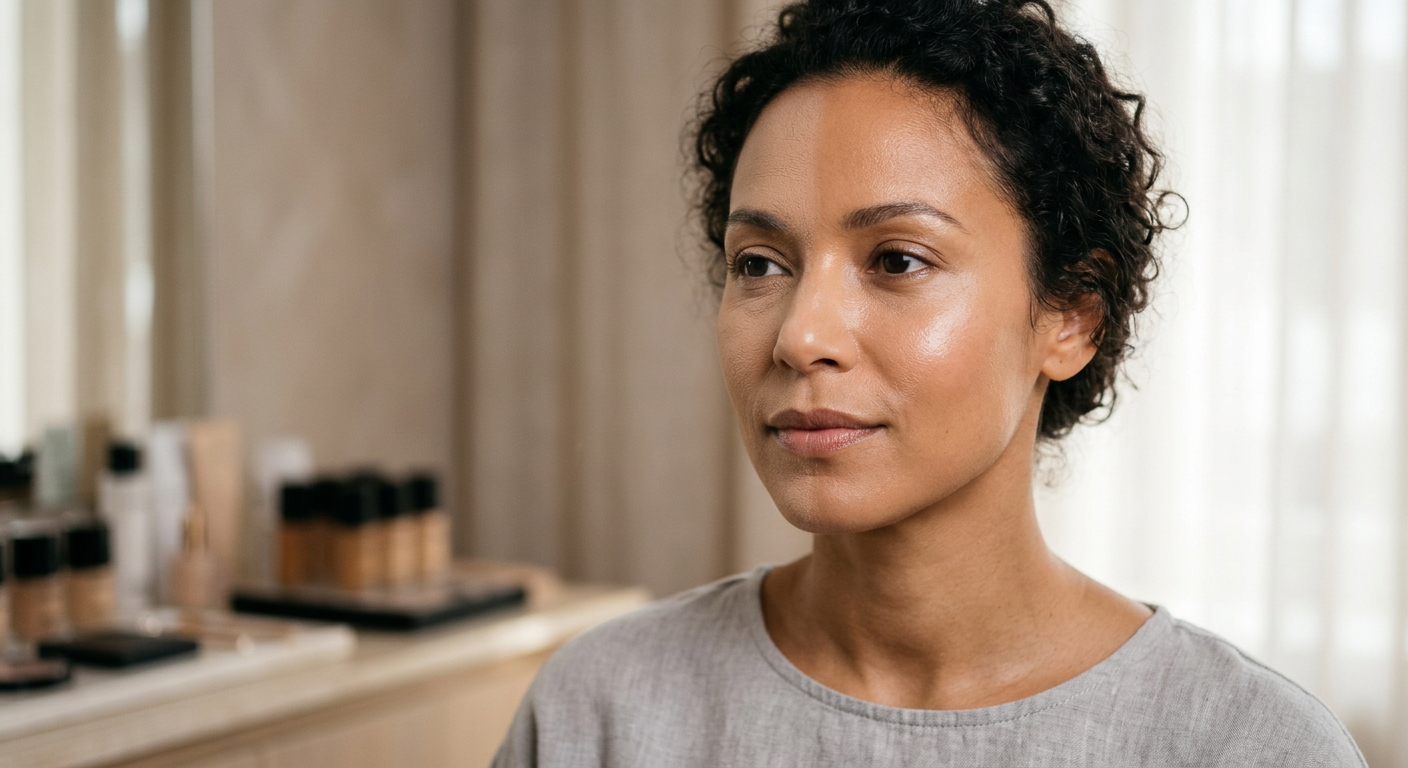
Ultra-matte makeup dominated the mid-2010s, then faded as luminosity took over. According to The Zoe Report, once muted finishes disappeared, “luminosity became more than an alternative: it completely took over and ushered in the healthy, moist skin” trend. For several years, glow ruled.
The all-glow era created its own fatigue. A commenter on a Cosmetics Business Instagram post put it bluntly: “We need to accept that 90% of the population just looks greasy with the ‘dewy’ or ‘glass skin’ finishes.” Not everyone wants a reflective complexion, and plenty of people found that wet finishes emphasized texture and oiliness instead of hiding them.
The old ultra-matte look had its own problems. Historic matte makeup made skin appear dry and flat, draining the life out of the face. Satin addresses both complaints at once, which is why it’s becoming the default rather than the exception.
The Next-Generation Formulas Driving the Comeback
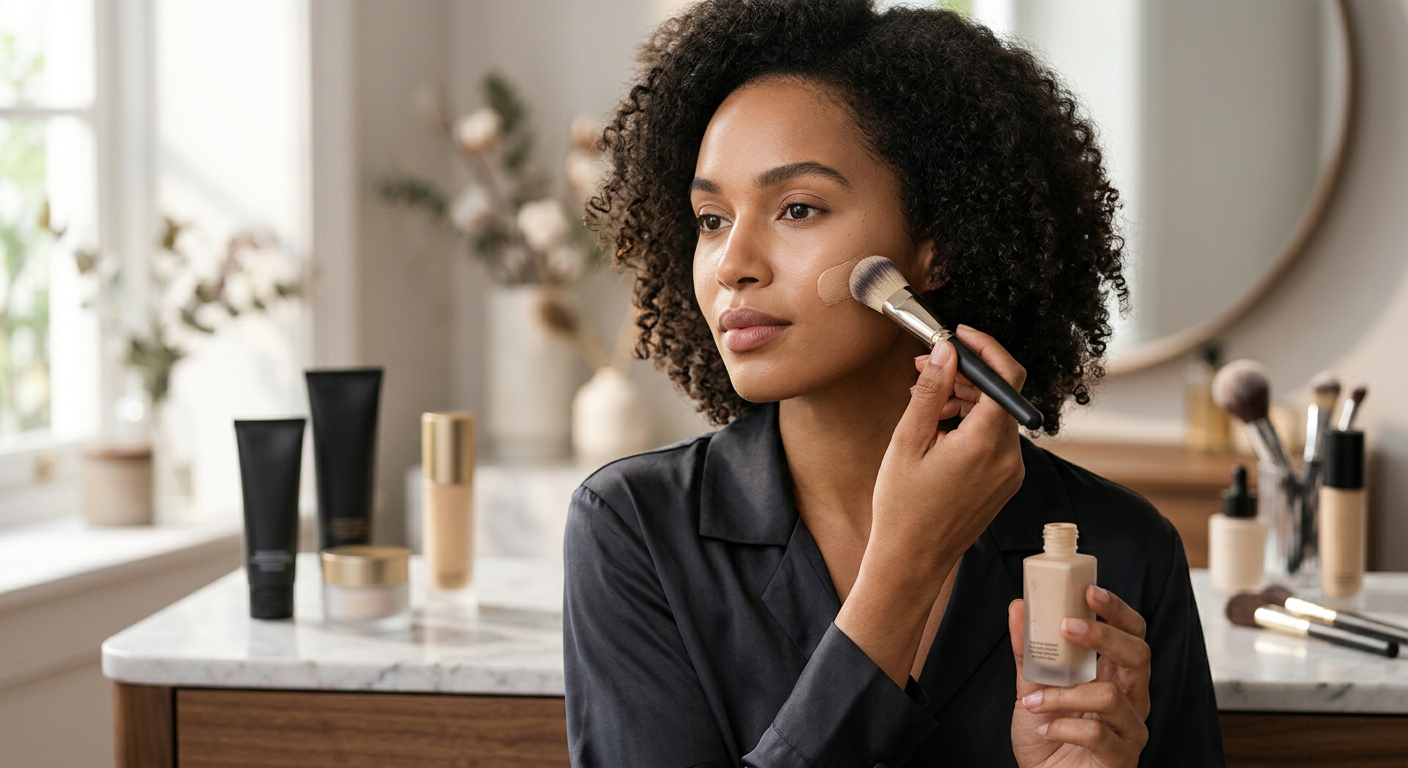
The matte and satin finishes of 2026 are not the products you used a decade ago. Cosmetics Business reports that the trend “enters a new era, bringing next-generation soft-matte finishes to consumers that do not fall flat,” with subtle textural changes and velvety visuals once exclusive to powders.
Makeup artist and Pure Beauty Awards judge Hannah Martin sums up the difference: “Thanks to development in formulations, brands are able to create beautifully soft-focus matte finishes that still keep skin looking vibrant, unlike historic matte make-up that has made skin look dry and flat.”
The Skinification of Matte
Modern formulas borrow from skincare. Many soft-matte foundations now include hydrating and blurring ingredients that mimic skin’s natural surface instead of masking it. This “skinification” means the finish controls shine while supporting the complexion underneath.
The result is coverage that photographs cleanly and lasts through the day without the cakey buildup older mattes were known for. That technical leap is what the whole comeback rests on.
How Satin Fits the Broader 2026 Beauty Mood
The satin shift doesn’t exist in isolation. According to Medusa’s Makeup, 2026 is the year extremes collide, with beauty becoming “more intentional, more expressive, and more personal.” Rigid rules are out; choosing a finish that suits your own face is in.
Satin foundations, blushers, and bronzers fit this expressive-but-wearable mood. People are reaching for brighter, bolder, more playful looks, but they want a base that holds up to color rather than competing with it. A soft satin canvas does that.
Placement is shifting too. Blush is reclaiming territory that highlighter once owned. Beauty commentary in 2026 has been clear about it: highlighters are taking a back seat because blush is the new glow. A satin base paired with a flushed cheek gives you radiance without the strobe-lit shine of a heavy highlighter.
How to Update Your Routine for Satin
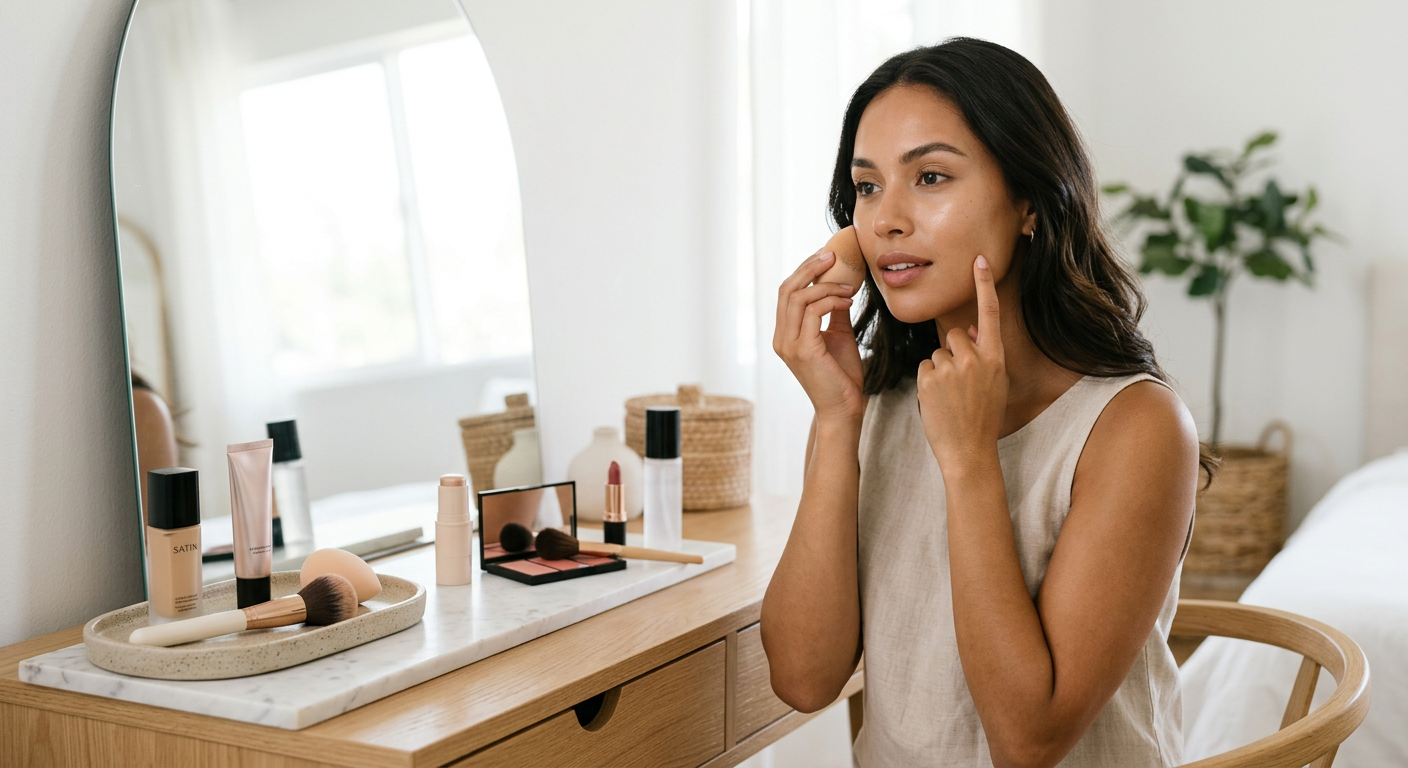
You don’t need to replace your entire kit. Start with the products that cover the most skin, then adjust your technique.
- Swap your foundation finish first. Look for labels that say “satin,” “soft matte,” or “natural finish” rather than “ultra-matte” or “high shine.”
- Powder strategically. Set only the T-zone or wherever you get oily, and leave the rest of the face soft.
- Choose cream or satin blush. A satin blush blends into a soft base better than a heavy powder and reinforces the velvety effect.
- Skip or minimize highlighter. Let a healthy blush do the glowing instead.
- Prep skin well. Hydrated, smooth skin is what makes satin finishes look expensive rather than dry.
A Quick Self-Test
Not sure which finish suits you? Press a tissue to your cheek midday. If it lifts visible oil, lean satin or soft matte. If your skin feels tight and looks dull, a satin finish over a hydrating base will serve you better than either extreme.
What This Means for Your Beauty Budget
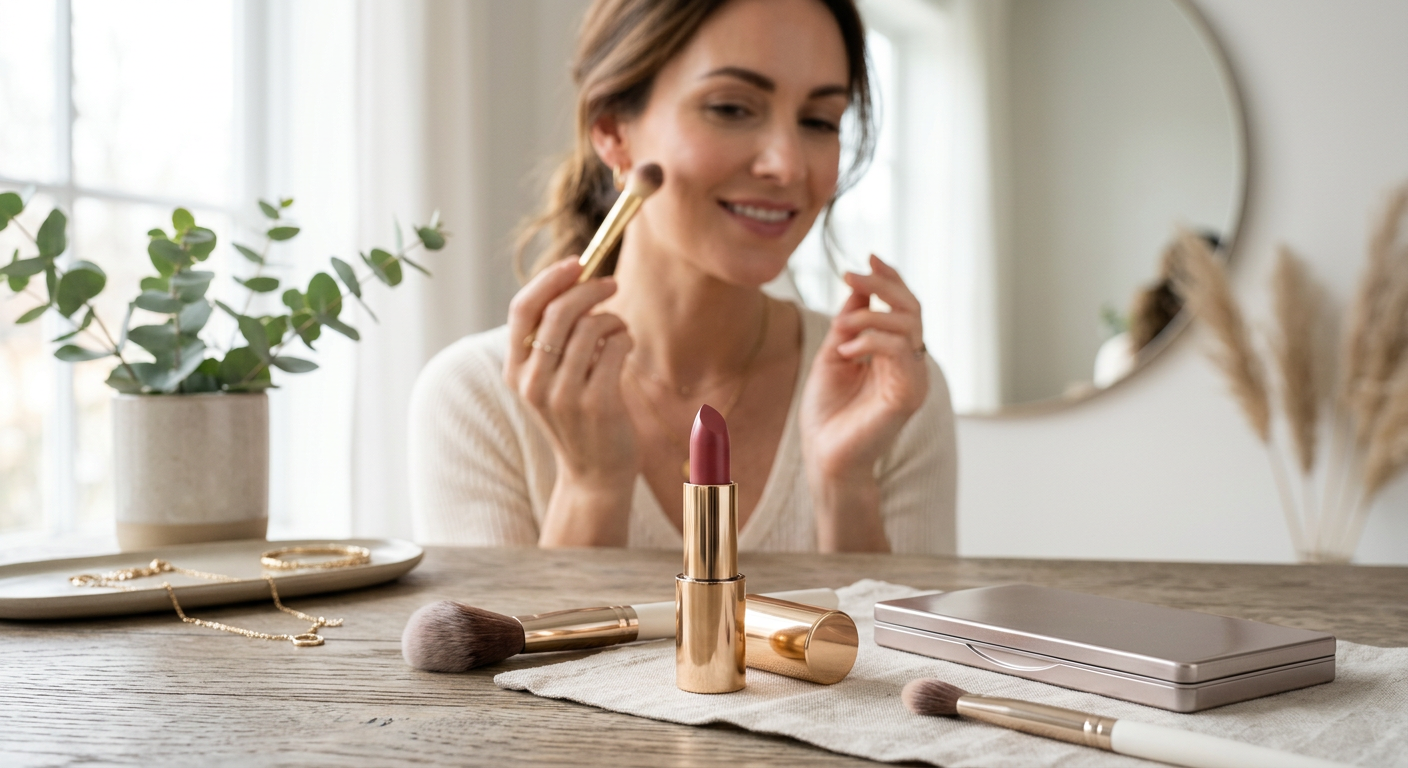
Satin is the most versatile finish you can invest in. Because it sits between matte and dewy, one well-chosen satin foundation can be pushed in either direction with powder or glow drops to suit different days and occasions. That flexibility makes it a smarter long-term buy than a single-purpose ultra-matte product.
Brands are responding with both new launches and reformulations of existing favorites, so expect more options at every price point. Before you buy, test the finish in natural light and wear it for a few hours, since some “satin” products dry down matter or shinier than the label suggests.
Key Takeaways

Satin finishes are taking over because they solve the problems of both ultra-matte and glass-skin extremes. Next-generation formulas deliver shine control without the dry, flat look that defined older matte makeup, and they keep skin looking alive while they do it. The 2026 beauty mood favors intentional, personal choices, and a soft satin base is the most flexible foundation for that approach.
If foundations that look either greasy or lifeless have frustrated you, this is the moment to try a satin or soft-matte finish. Start with your base, add a cream blush, and skip the heavy highlighter. For more on matching finishes to your skin type, see our guide to choosing the right foundation finish and build a routine that works for your face.
FAQ
Q: Is satin finish good for oily skin?
Satin works for oily skin when you pair it with strategic powdering on the T-zone. It controls shine better than dewy finishes while looking more natural than ultra-matte, though very oily skin may still prefer a soft-matte formula.
Q: What is the difference between satin and dewy finish?
Dewy finishes reflect light for a wet, luminous look, while satin gives a soft, low-key glow that blurs the skin. Satin is more subtle and tends to flatter a wider range of skin types.
Q: Why is matte makeup making a comeback in 2026?
Next-generation formulas now deliver soft-focus matte finishes that keep skin looking vibrant rather than dry and flat. This fixes the main complaint about older matte products and lines up with 2026’s move away from heavy glow.
Q: Do I need to throw out my dewy products?
No. Dewy products still work for dry or mature skin, and you can mix them with satin bases for a customized glow. Satin just offers a more versatile middle ground for everyday wear.
Q: Is highlighter still in style for 2026?
Highlighter is taking a back seat as blush becomes the new source of glow. A satin base with a flushed cheek delivers radiance without the intense shine of heavy highlighter.
Q: How do I make a satin finish last all day?
Prep with well-hydrated skin, apply a satin or soft-matte foundation, and set only oily areas with a light powder. A setting spray can lock the finish without flattening its soft glow.