

Twenty minutes on your face, and by lunch the foundation is sliding and the concealer has settled into every fine line. The fix is rarely a better product. Makeup that lasts comes down to how you prep your skin, how you layer, and a couple of touch-ups that take seconds. Get those right and a drugstore foundation will outlast a luxury one applied carelessly.
This guide covers the routines that survive a full workday, errands, and whatever comes after.
Start With a Hydrated, Well-Prepped Base
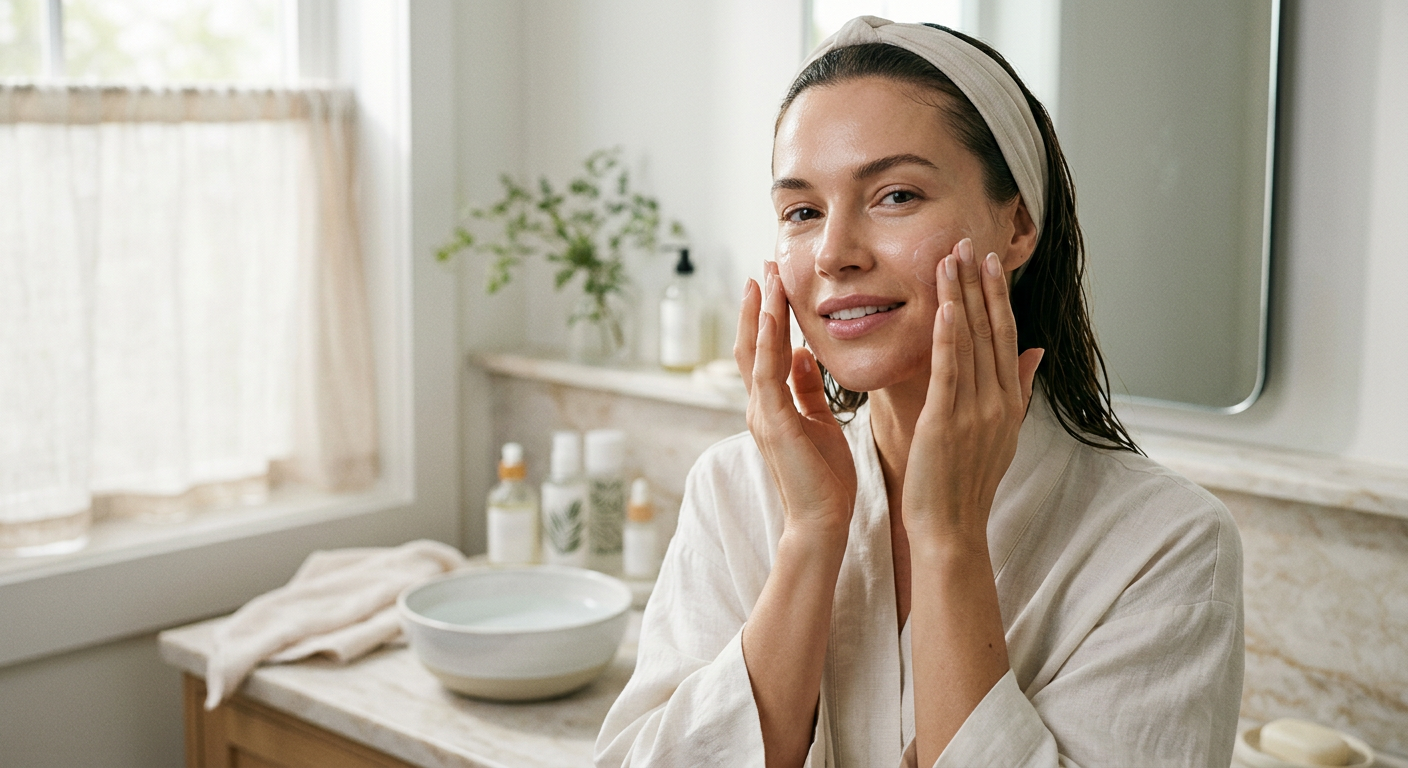
What you do before opening the foundation matters more than the foundation itself. Makeup over dry, flaky, or oily skin breaks down fast no matter how good the formula is. Clean, balanced skin gives your products something stable to grip.
Cleanse gently, then apply a lightweight moisturizer suited to your skin type. SeeTheBrilliance makes the same point: long wear starts with skin that’s been cleansed, exfoliated, and primed before anything else goes on.
Don’t Skip the Hydration Step
People with oily skin often over-mattify to control shine, and it backfires. Stripping the skin triggers more oil and leaves makeup patchy. RMS Beauty builds on a hydrated base instead, so the finish reads dewy rather than tight or cakey. The goal is glow, not slick.
Let your moisturizer absorb for two to three minutes before moving on. Foundation over wet product pills and goes on unevenly.
Make Primer a Non-Negotiable
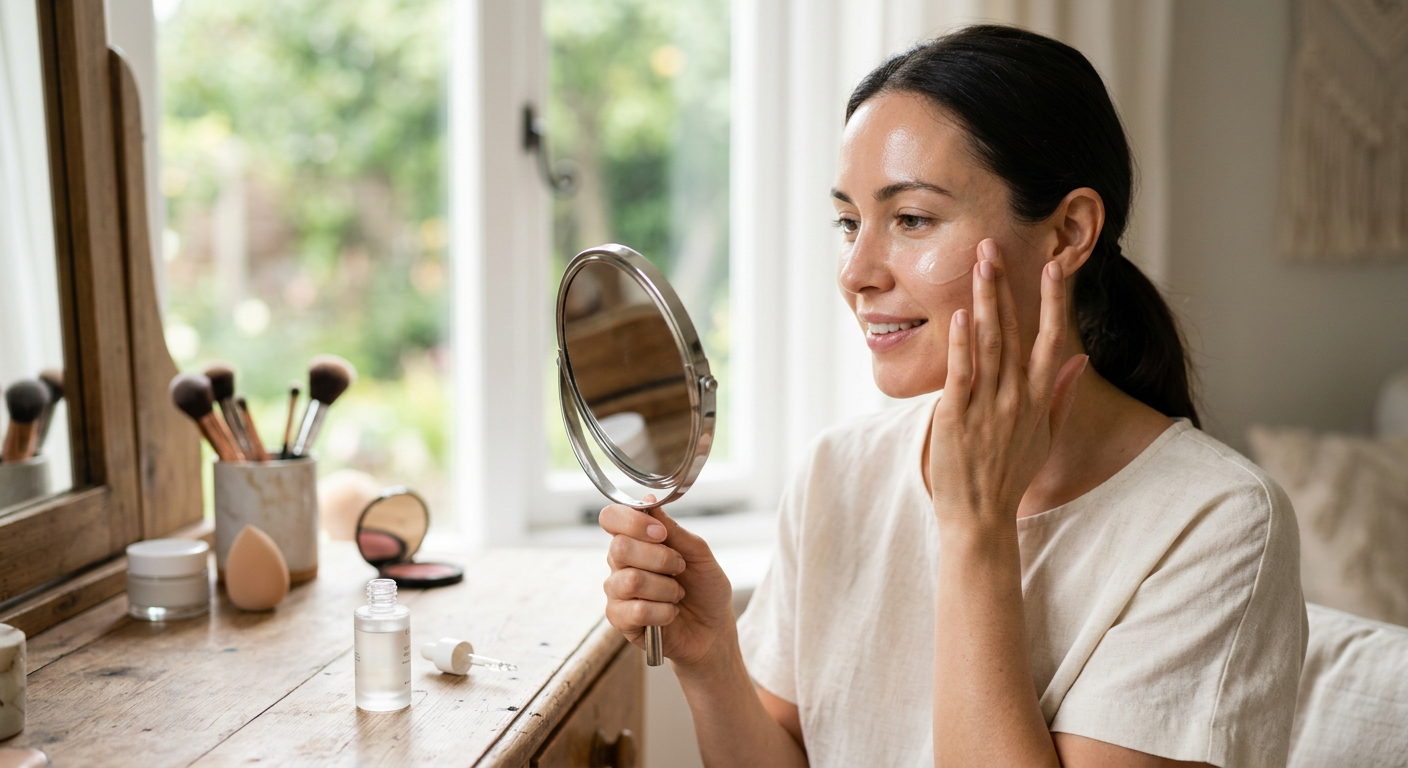
Primer is the bridge between skincare and makeup, and it affects wear time directly. A face primer and an eye primer do the same basic job: create a smooth, grippy surface that holds product in place. The Be Beautiful India community treats primer as a foundational step for keeping makeup put all day, which matches what most makeup artists find in practice.
Match the primer to the problem. Pore-blurring primers smooth texture, hydrating primers fight dryness, and mattifying primers handle oil in the T-zone.
Apply Primer Strategically
Primer doesn’t need to cover your whole face. Put mattifying primer where you get oily and hydrating primer on drier patches. This zone-priming approach keeps each part of your face balanced as the day goes on.
For the eyes, a thin layer of eye primer stops shadow from creasing and keeps liner from smudging by midafternoon.
Layer and Set Your Complexion Correctly
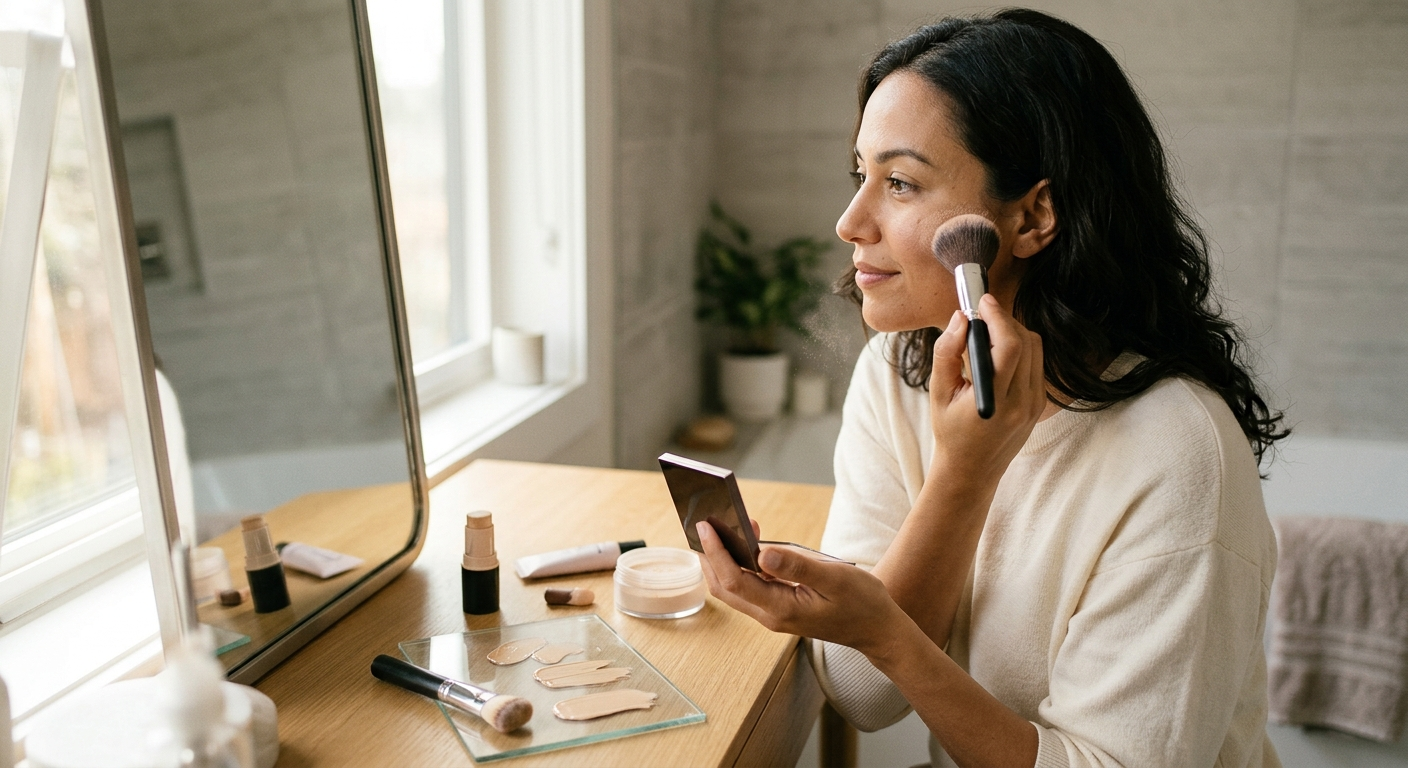
Application matters as much as the product. Macy’s recommends a light hand to keep the complexion looking fresh rather than cakey. Thin, buildable layers last longer and look more natural than one heavy coat.
Build coverage gradually with a damp sponge or brush, pressing product into the skin instead of dragging it. Apply concealer after foundation and set it right away, before it has a chance to settle into fine lines.
The “No Bake” Setting Method
Heavy baking photographs beautifully and looks dry and dense in person. Beauty creator Nina Ubhi demonstrates a “no bake” method, melting powder into the skin rather than packing it on. The target is a soft, diffused finish, not a flat powdered mask.
Dust setting powder only where you need it, then seal everything with a fine mist of setting spray. The Be Beautiful India group says the same: primer plus a light dusting of powder makes makeup last noticeably longer.
Skin Prep vs. Setting: What Each Step Does
| Step | Purpose | Best For |
|---|---|---|
| Moisturizer | Hydrates and balances skin | Preventing dryness and flaking |
| Primer | Creates a grippy, smooth base | Extending wear, blurring texture |
| Foundation (thin layers) | Builds even coverage | Natural, non-cakey finish |
| Setting powder | Absorbs oil, locks product | Oily zones, under-eye creasing |
| Setting spray | Seals the entire look | Final lock-in and a fresh finish |
Master Midday Maintenance
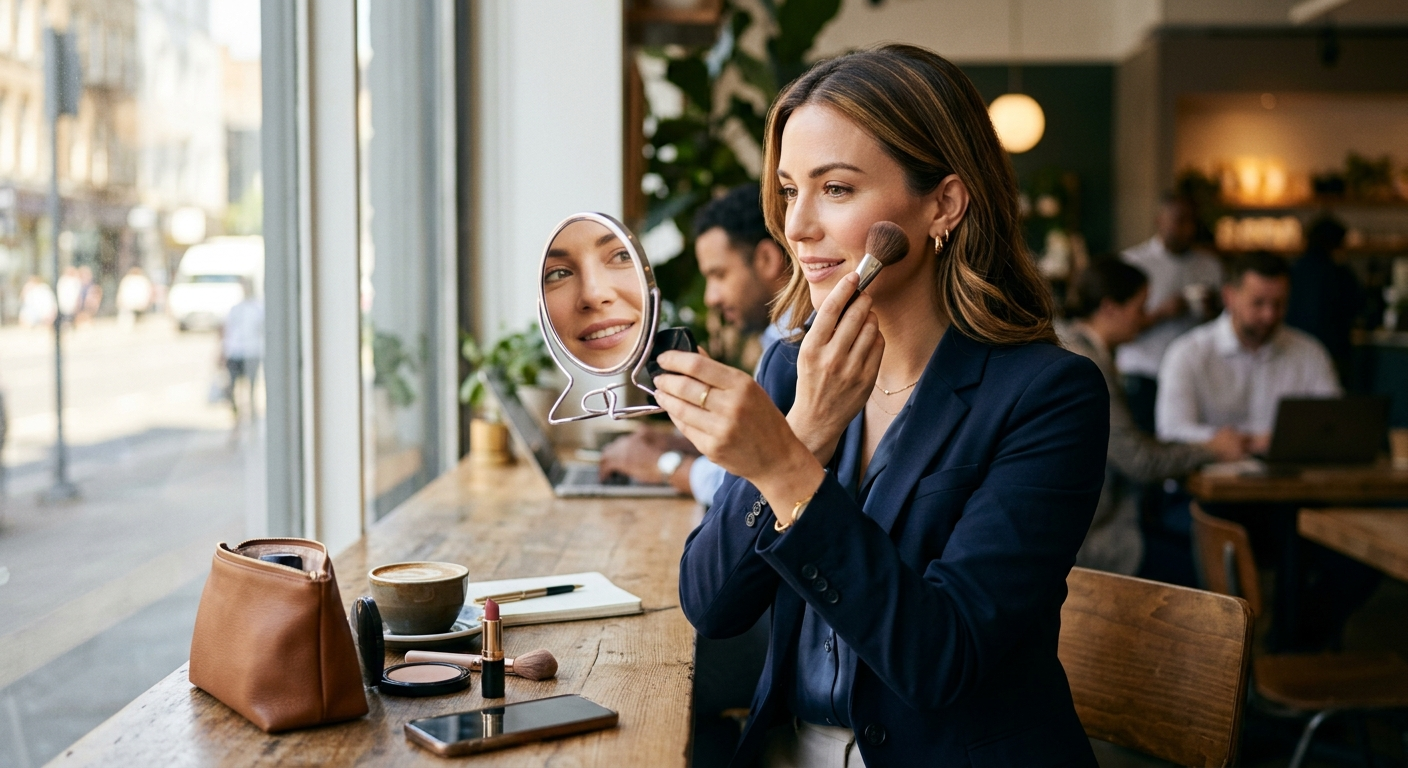
Even flawless application needs a little upkeep. The difference between makeup that looks tired at 4 p.m. and makeup that still looks fresh usually comes down to a few seconds in the afternoon. RMS Beauty suggests blotting only the oily areas with a small amount of setting powder, soaking up the shine without piling on more product.
Keep blotting papers in your bag for shine control that leaves your base alone. Press, don’t wipe. That lifts the oil while the foundation stays put.
Refresh Without Reapplying
Full reapplication is rarely necessary. Blot, dab a little concealer over any spots that have faded, and finish with a quick spritz of setting spray to re-meld everything. That brings the look back in under a minute and skips the cakey buildup you get from layering fresh foundation over old.
For lips and cheeks, a small amount of cream or tint puts back the color and dimension that wear off over the day.
Choose Products That Work With Your Skin
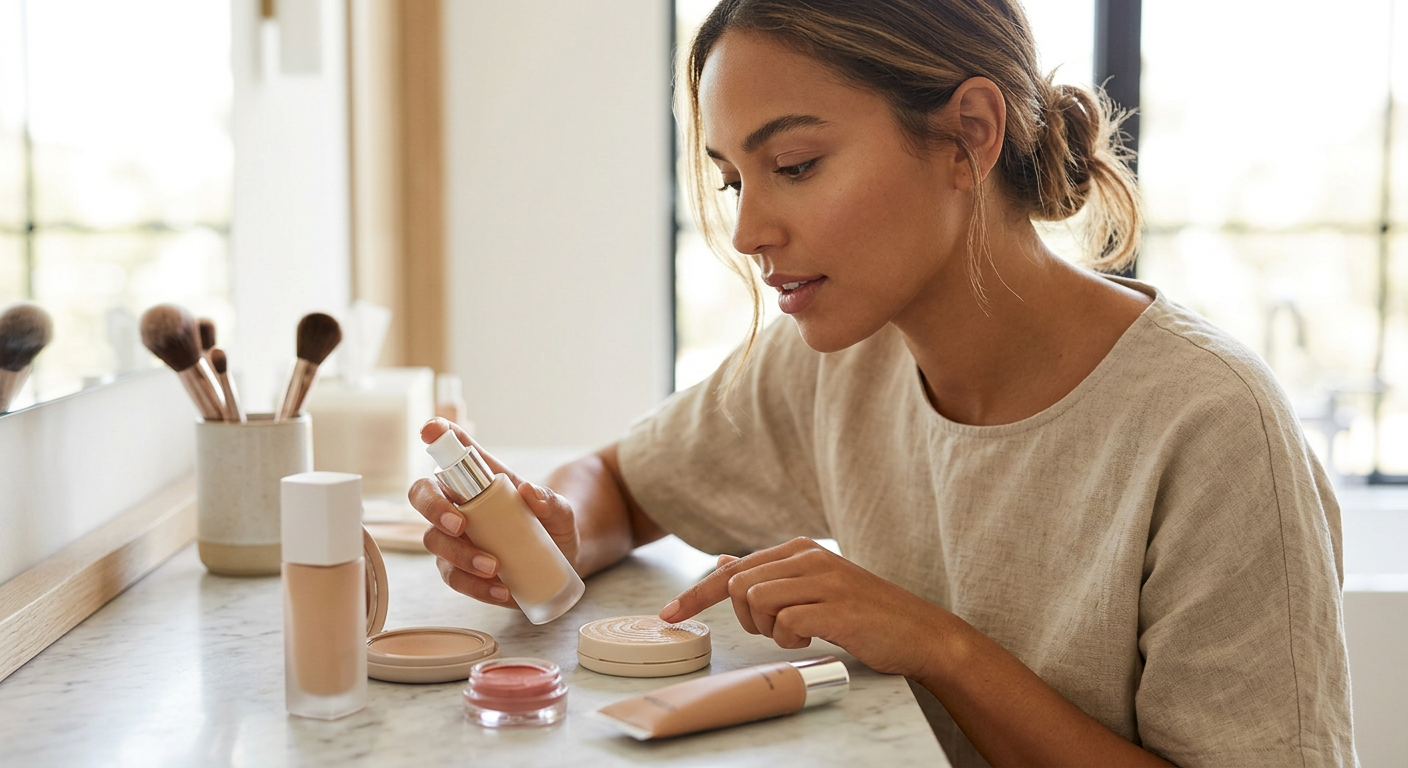
Wear time depends on picking formulas that suit your skin type and the finish you want. The 2026 beauty trend forecast from Laura Mercier points to luminous, breathable skin as the look to beat, built with sheer-to-buildable textures and flexible setting formulas that smooth without flattening.
Light-diffusing powders give a soft-focus finish that photographs well and holds up in person. For a fresh, skin-like result, skip the heavy full-coverage formulas.
Skip What Distracts From a Fresh Look
The Quality Edit advises steering clear of overly matte skin, bright colors, and heavy shimmer or glitter for daily wear, since they tend to overwhelm a balanced look. A restrained palette keeps the focus on healthy skin.
When you’re unsure, build a simple base and add dimension with a little blush and a touch of luminosity instead of more product.
Conclusion: Build Habits, Not Just a Routine
Long-lasting makeup is the product of consistent habits, not one miracle bottle. Prep with hydrated skin, use primer every time, layer the complexion thin, and set strategically rather than heavily. A few seconds of midday upkeep carries the look from morning to night.
Pick one habit from this guide to add this week, whether that’s zone priming or switching to a no-bake setting method. Small changes add up to a finish that lasts. While you’re at it, take a hard look at your current base products and ask whether they’re helping or hurting your wear time.
Frequently Asked Questions
Q: How do I keep my makeup fresh without reapplying foundation?
Blot oily areas with blotting papers or a light dusting of setting powder, then spot-conceal any faded spots and finish with a quick mist of setting spray. This refreshes your look in under a minute without the cakiness that comes from reapplying full coverage.
Q: Does primer really make makeup last longer?
Yes. Primer creates a smooth, grippy surface that helps foundation and concealer adhere, which directly extends wear time. Match your primer to your skin concern, using mattifying formulas on oily zones and hydrating ones on dry areas.
Q: Why does my makeup look cakey by midday?
Cakiness usually comes from applying too much product, baking heavily, or layering fresh foundation over old makeup. Use thin, buildable layers, set lightly only where needed, and rely on blotting and setting spray for touch-ups instead of more foundation.
Q: Is setting spray or setting powder better for long-lasting makeup?
They serve different purposes and work best together. Setting powder absorbs oil and locks product in oily zones, while setting spray seals your entire look and adds a fresh, melded finish as the final step.
Q: How can I stop my makeup from sliding off oily skin?
Start with a balanced, hydrated base rather than over-mattifying, use a mattifying primer in your T-zone, and set oily areas with a light powder. Carry blotting papers for midday shine control that lifts oil without disturbing your foundation.
Q: How long should I wait between skincare and makeup?
Give your moisturizer and any serums two to three minutes to absorb fully before applying primer or foundation. Applying makeup over wet product causes pilling and uneven coverage that breaks down faster.