



A 30-second pause between meetings probably won’t show up on anyone’s vision board. For a growing number of people, though, that pause is doing more for their well-being in 2026 than any week-long retreat or 12-step morning routine ever did. Micro self-care—tiny, repeatable wellness rituals that fit into the cracks of a busy day—is changing how people think about feeling better. Rather than chasing the “new year rebrand” trend that floods social media every January, people are picking small habits they can actually keep. There’s money behind the shift, too. The global self-care market is forecast to hit $24.0 billion by 2030, and the broader wellness industry already sits at roughly $2 trillion, according to Fluid Branding.
This guide covers what micro self-care is, why it works, and the specific rituals you can start today.
What Micro Self-Care Actually Means
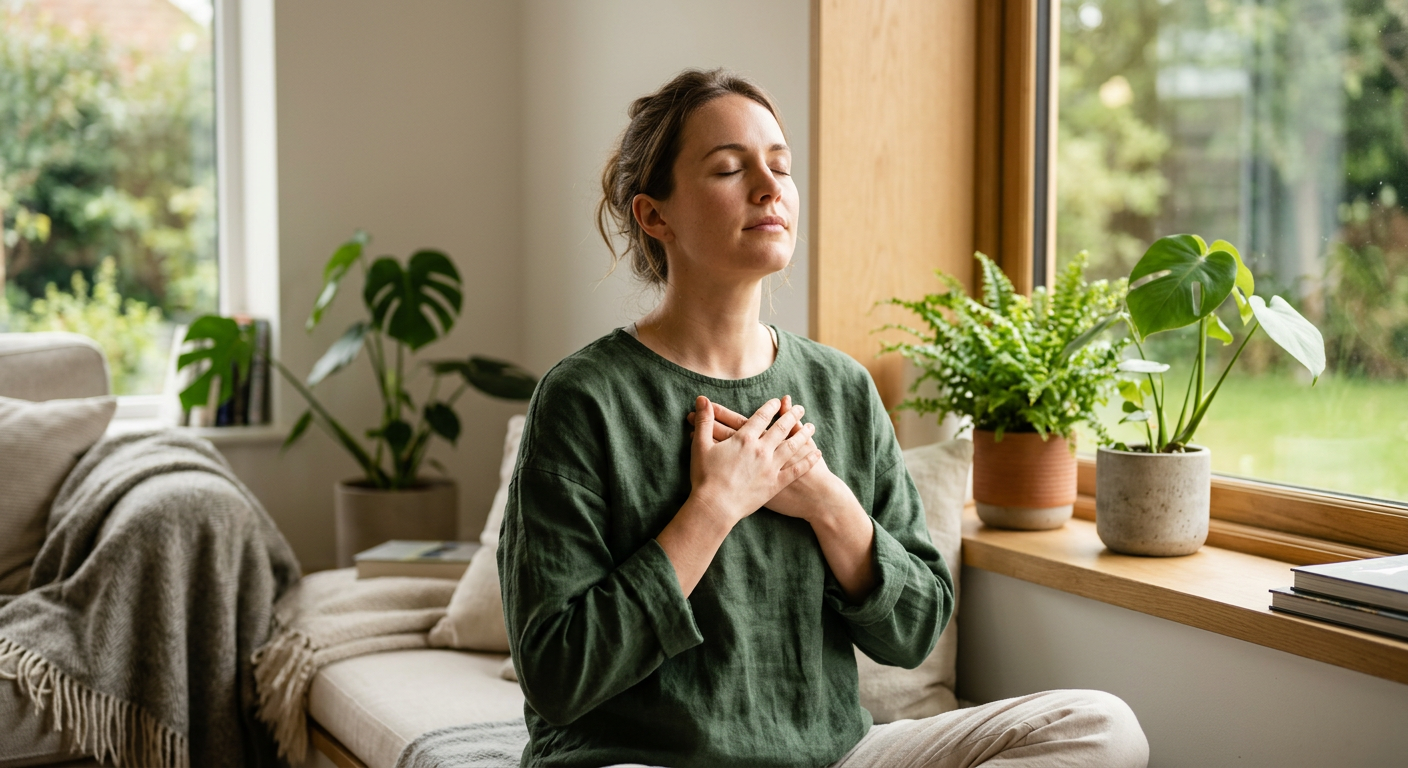
Micro self-care is a set of brief, intentional wellness practices that take anywhere from a few seconds to a few minutes and slot into your existing routine. A two-minute meditation break. A 30-second body scan. One deep breath before you open your inbox. What sets these apart is sustainability. They’re small enough to manage on your worst days, which is exactly when most elaborate routines fall apart.
The approach pushes back against the optimization culture that leaves a lot of people feeling like they’re failing. Wellbeing psychologist Amy Steadman told ELLE UK that her 2026 focus is “all about the micro-habits I can sustain”—not the elaborate rituals she knows she’ll abandon. The best wellness ritual is the one you’ll actually do.
Consistency beats intensity. A five-minute habit performed daily compounds far more effectively than a 90-minute routine you’ve quit by February.
Why Small Rituals Outperform Big Overhauls
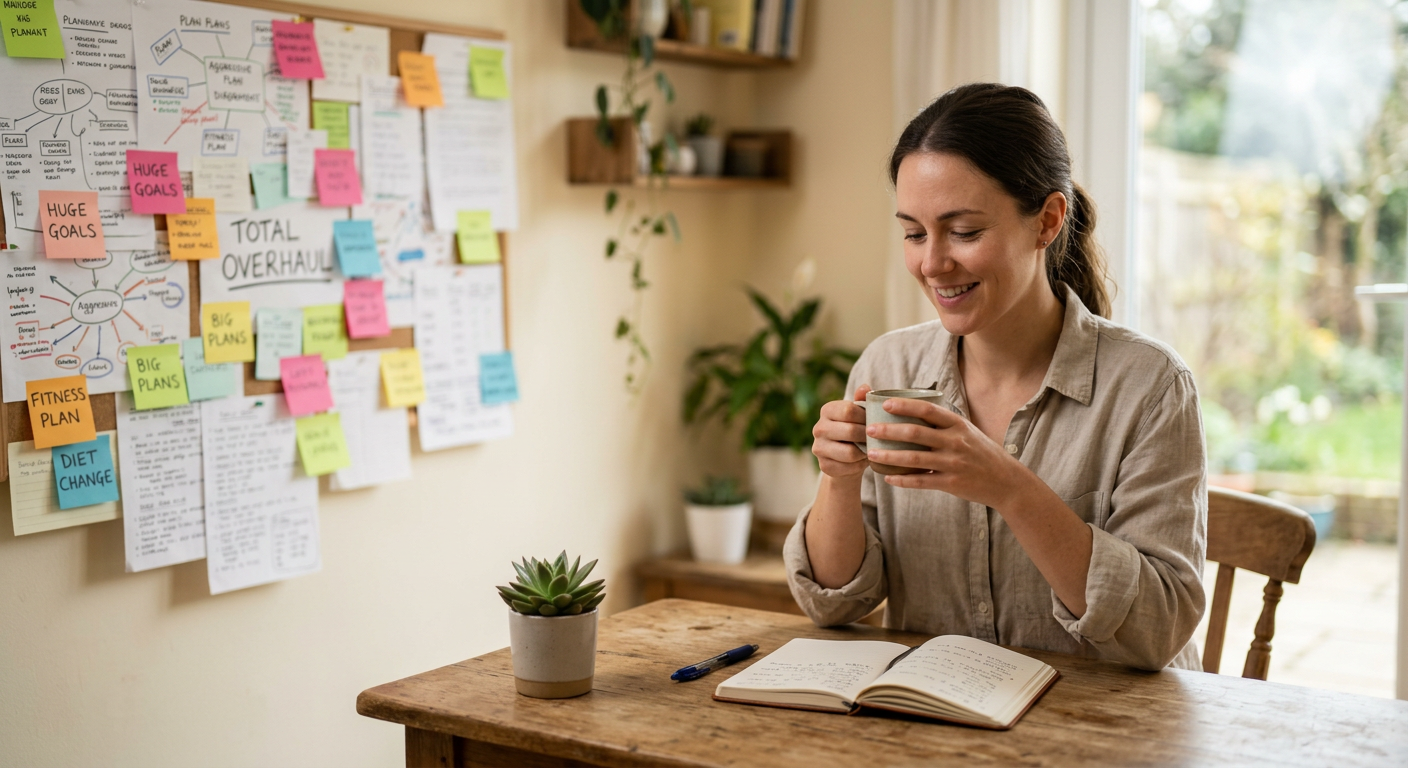
Big resolutions fail for predictable reasons. They demand time, energy, and willpower you may not have on a stressful day. Micro habits get around that by lowering the barrier to entry until failing is almost harder than succeeding.
Gen Z is leading the change. Fluid Branding’s 2026 trend report describes the generation prioritizing wellness through “small, consistent changes that are personalised to fit around their unique routines”—habits that become second nature instead of chores. Slow down, listen to your body, build practices you don’t have to think about.
The Cortisol Connection
A lot of micro rituals target cortisol, the hormone your body releases under stress. Steadman swapped nighttime phone scrolling, a known cortisol trigger before sleep, for five minutes of journaling. Small interventions like that can interrupt the stress cycle without overhauling your life.
The Compounding Effect
A 30-second nature break or a single deliberate breath looks trivial on its own. Repeat it several times a day for a few weeks, though, and you end up with a measurably calmer nervous system and a habit that runs on autopilot.
The Best Micro Self-Care Rituals for 2026
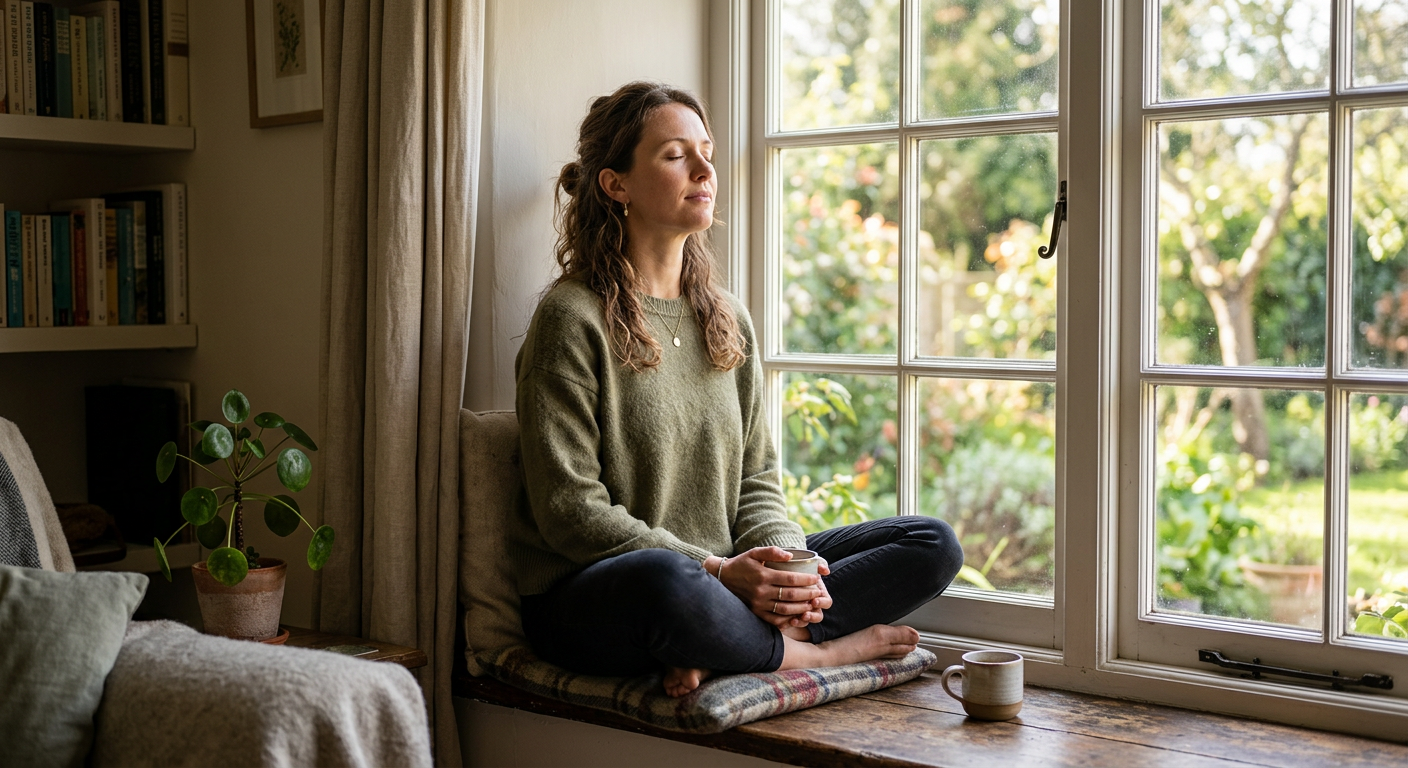
No equipment, no dedicated hour. The most effective micro rituals share three traits: they’re fast, repeatable, and tied to something you already do. The table below collects some high-impact options.
| Ritual | Time Needed | Best Time of Day | Primary Benefit |
|---|---|---|---|
| Somatic pause / body scan | Under 1 min | Anytime | Stress awareness |
| Breathwork (e.g. box breathing) | 1–2 min | During tension | Calms nervous system |
| Micro nature break | 2–5 min | Midday | Mental reset |
| Gratitude or intention note | 1–2 min | Morning | Positive framing |
| Evening journaling | 5 min | Before bed | Lowers cortisol, better sleep |
| Glass of water before coffee | 30 sec | Morning | Hydration, routine anchor |
These draw on practices recommended by MassageLuXe, GrowSelfDaily, and somatic wellness creators. Pick one or two to start. The whole list will overwhelm you, which is the problem we’re trying to avoid.
How to Start Your Day With Intention
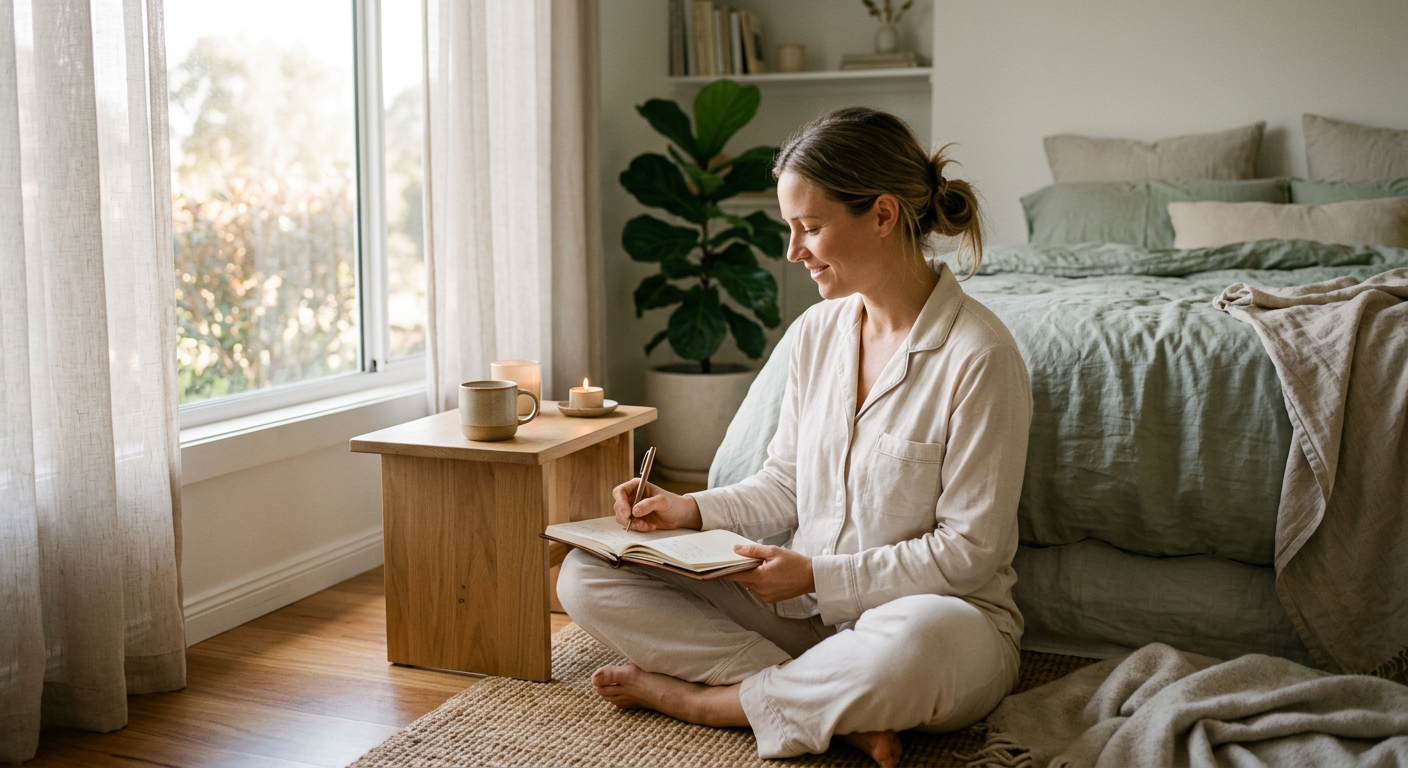
The first hour sets the tone for the rest. A few deliberate actions before you check email or open your phone can change the trajectory of the whole day.
MassageLuXe recommends a simple sequence: a few deep breaths, a short stretch, one written intention or thing you’re grateful for, and a glass of water before coffee. Under five minutes, and you already own everything it requires.
Anchoring is what makes it stick. Tie a new micro habit to a cue that’s already in your day. If you always make coffee, drink your water while it brews. If you always sit down at your desk, take three breaths before you open your laptop. The existing habit does the remembering for you.
Building Digital Boundaries and Sensory Rituals
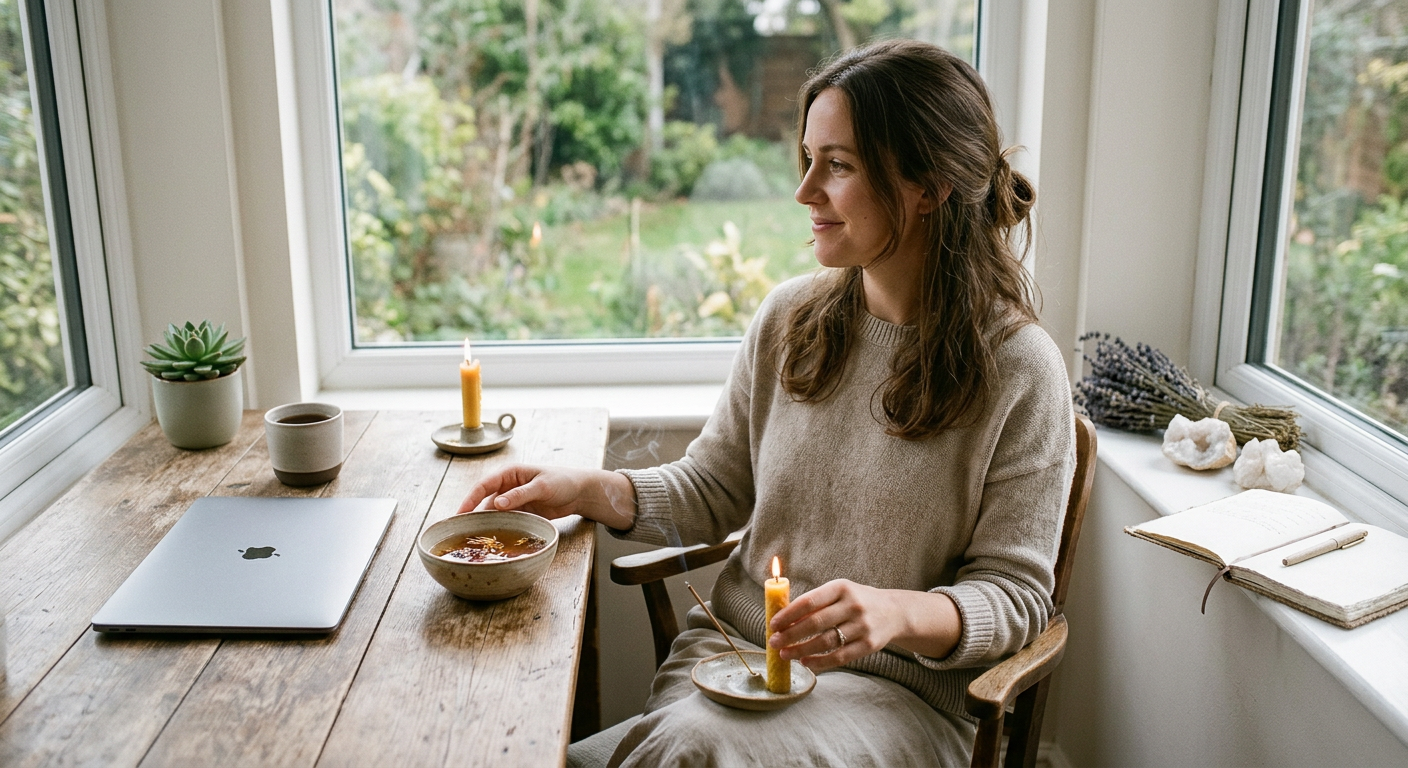
Two of the strongest emerging trends for 2026 are digital boundaries and sensory-based self-care. Renewed Wellness Counseling lists both among its top gentle self-care rituals for 2026, alongside low-pressure mornings, soft goals, and emotional check-ins.
Digital boundaries don’t mean deleting every app. A micro version might be charging your phone outside the bedroom, setting a 20-minute scroll limit, or replacing pre-sleep scrolling with journaling—the exact swap Steadman uses to protect her sleep.
Sensory-Based Micro Rituals
Sensory self-care grounds you in the present through touch, sound, scent, or temperature. Lighting a candle while you work, holding a warm mug with both hands, stepping outside for fresh air—each one engages your senses and pulls you out of mental overdrive. They work because they’re physical and immediate. There’s no discipline or planning involved.
Making Micro Habits Stick All Year

Most resolutions collapse because they run on motivation, and motivation comes and goes. Micro self-care runs on systems, which is why it lasts.
Start with one ritual, not five. Trying to overhaul your entire routine at once just recreates the optimization culture you’re escaping. Pick the single habit that addresses your biggest pain point—poor sleep, midday stress, a frantic morning—and practice it until it runs without thought.
Then trade strict resolutions for soft goals. Instead of “meditate 20 minutes every day,” go with “pause and breathe once when I feel tense.” Soft goals cut the guilt that usually derails progress, so you keep moving even on the imperfect days. Once the first habit is automatic, you can layer in another.
Conclusion: Small Steps, Sustained Change
Micro self-care works because it’s realistic. Instead of chasing elaborate routines that buckle under a busy schedule, you build tiny, sustainable rituals—a breath, a body scan, five minutes of journaling—and let them compound. The numbers point the same direction: wellness is increasingly defined by small, personalized, consistent changes rather than dramatic overhauls.
Pick one ritual from the table above, anchor it to a habit you already have, and stick with it for a week. Start small, stay consistent, and let the results build on their own.
Frequently Asked Questions
Q: What is micro self-care?
Micro self-care is the practice of brief, intentional wellness rituals that take seconds to a few minutes, such as a two-minute meditation or a 30-second body scan. The approach prioritizes sustainability over intensity, making the habits easy to maintain daily.
Q: How long do micro self-care rituals take?
Most take between 30 seconds and five minutes. Examples include a 2-minute meditation break, a 5-minute stretch, or a 30-second breathing exercise, all designed to fit into a busy schedule.
Q: Why are micro habits better than big resolutions?
Micro habits have a low barrier to entry, so you can maintain them even on stressful days when motivation is low. They rely on consistent systems rather than fluctuating willpower, which makes them far more durable over time.
Q: Which micro self-care ritual should I start with?
Choose the one that addresses your biggest pain point—evening journaling for poor sleep, breathwork for midday stress, or an intention note for chaotic mornings. Starting with a single habit prevents overwhelm and improves your chances of sticking with it.
Q: Can micro self-care actually reduce stress?
Yes. Many micro rituals target cortisol, the stress hormone, by interrupting triggers like late-night phone scrolling and replacing them with calming activities such as journaling or breathwork. Repeated consistently, these small interventions support a calmer nervous system.
Q: Is micro self-care a real 2026 wellness trend?
It is one of the most prominent trends, with Gen Z driving demand for small, personalized, consistent habits. The global self-care market is projected to reach $24.0 billion by 2030, reflecting the broader shift toward sustainable, everyday wellness practices.