

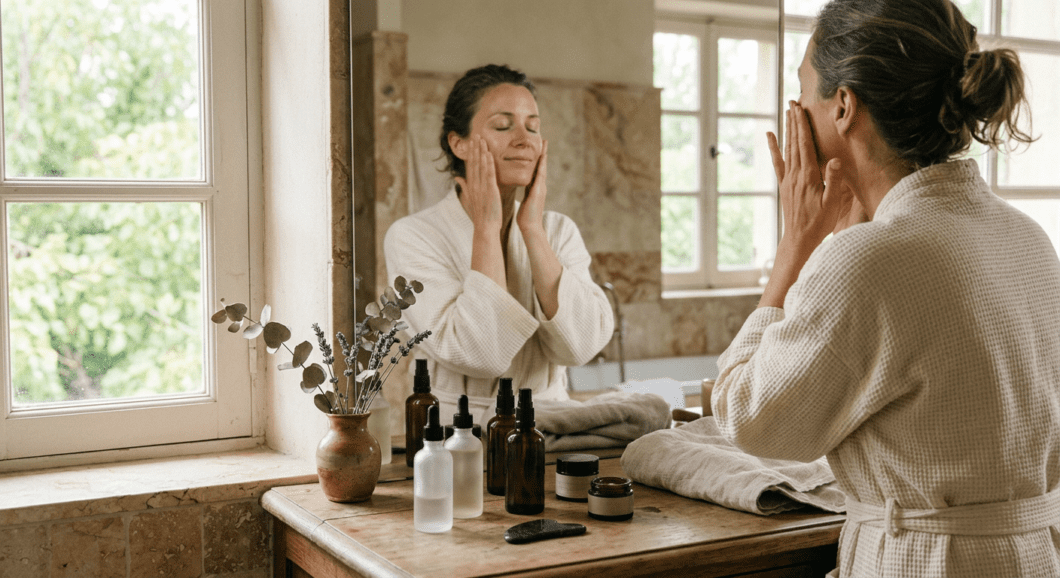
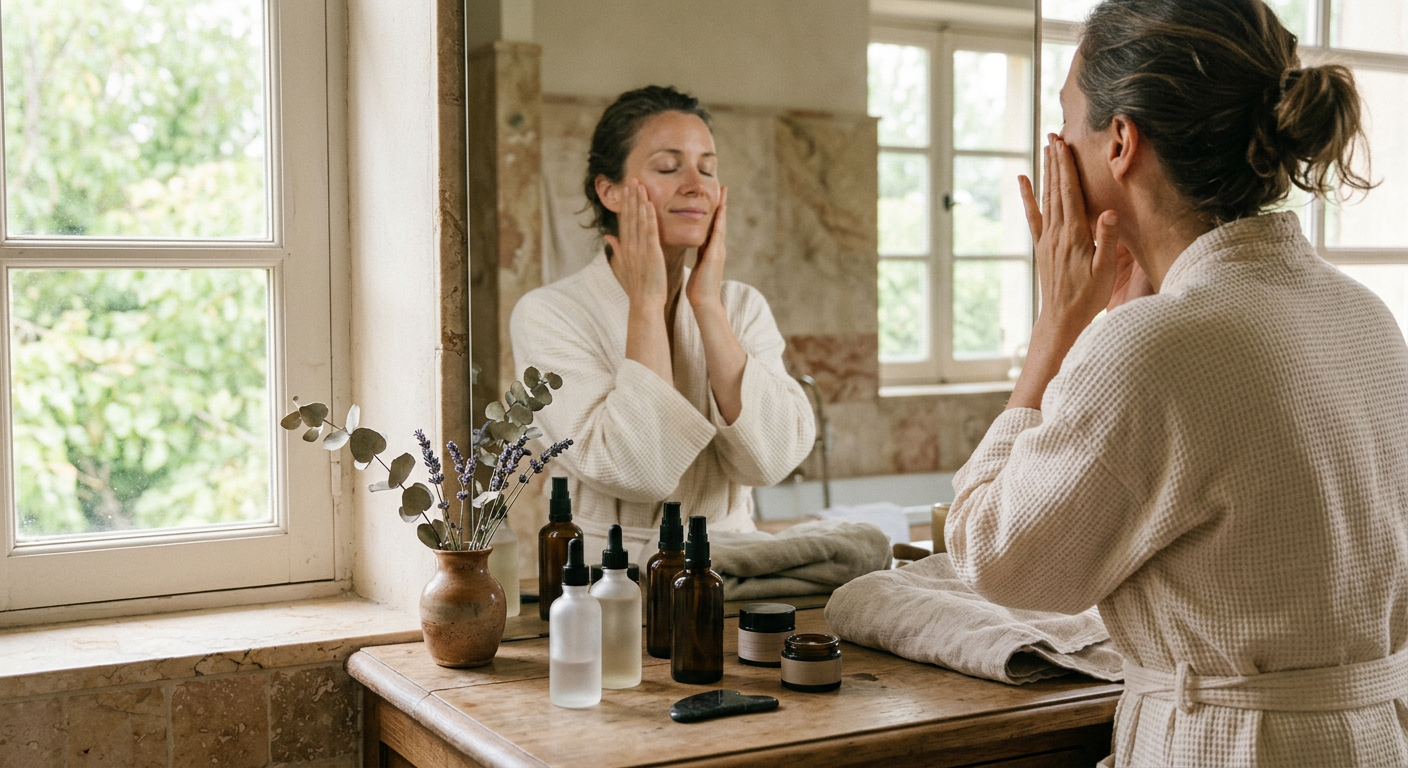
What if the problem with your skincare routine isn’t the products—it’s the mindset? Millions of people spend thousands of dollars on serums, tools, and treatments, then apply them in 90 seconds while scrolling their phones. In 2026, that approach is being replaced by something slower, more deliberate, and arguably more effective. Intentional beauty—the practice of treating your regimen as a meaningful ritual rather than a task to check off—has moved from wellness niche to mainstream movement. What’s driving it now, and what does it mean for the way you care for yourself?
What “Intentional Beauty” Actually Means
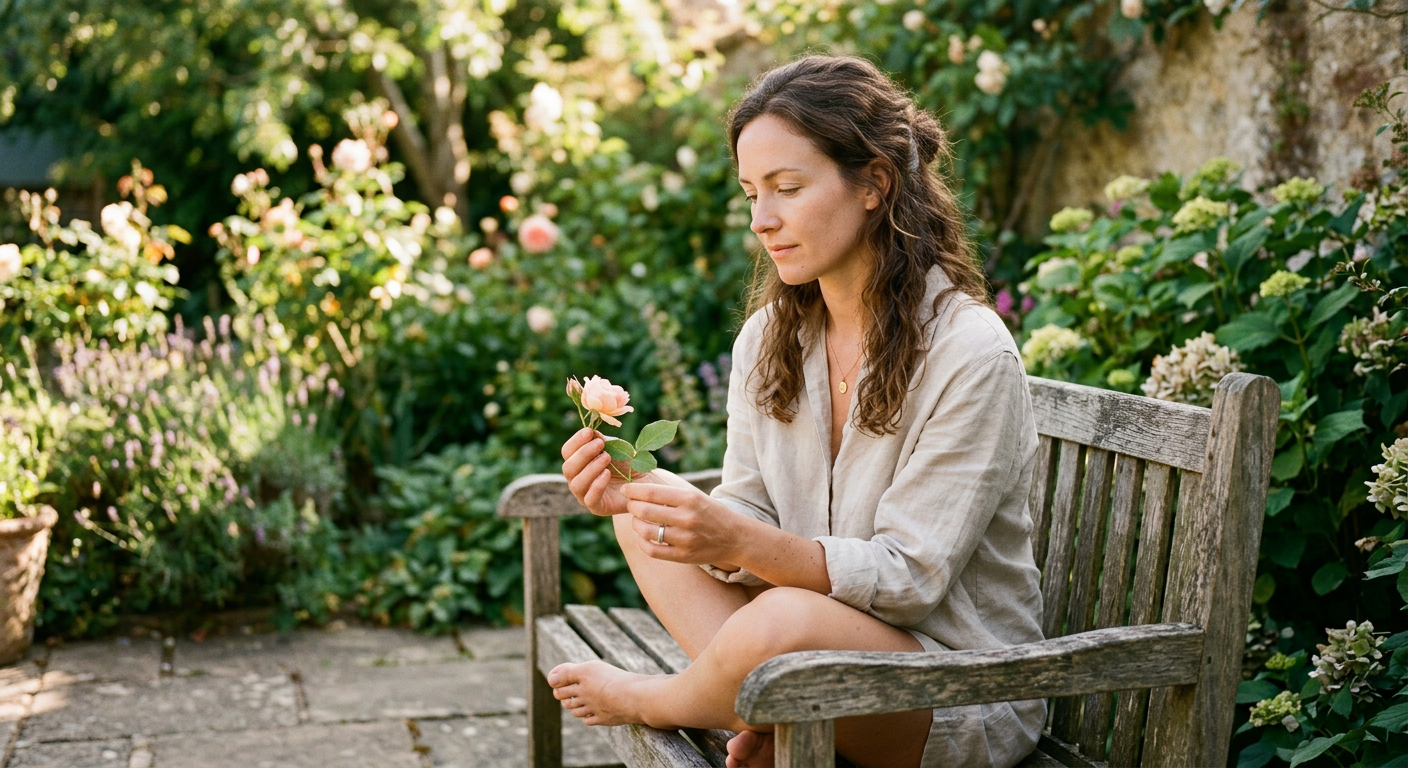
Intentional beauty isn’t about adding more steps or spending more money. It’s about bringing awareness and purpose to the steps you already take. According to Love, Indus, patting a serum into skin is giving way to pressing it in gently while paying attention to breathwork—a small shift that transforms a mechanical act into a grounded moment.
The distinction matters because ritual creates a different relationship with your body. A routine says “I have to do this.” A ritual says “I’m choosing to do this, and it matters.” That psychological reframe changes how you experience the practice—and emerging research suggests it may influence how your skin and nervous system respond.
Camille Styles describes the 2026 shift as “a return to ritual, to products and practices that feel grounded, personal, and genuinely supportive of our well-being.” Less about correcting flaws, more about creating space to feel good in your skin.
The Cultural Forces Driving This Shift
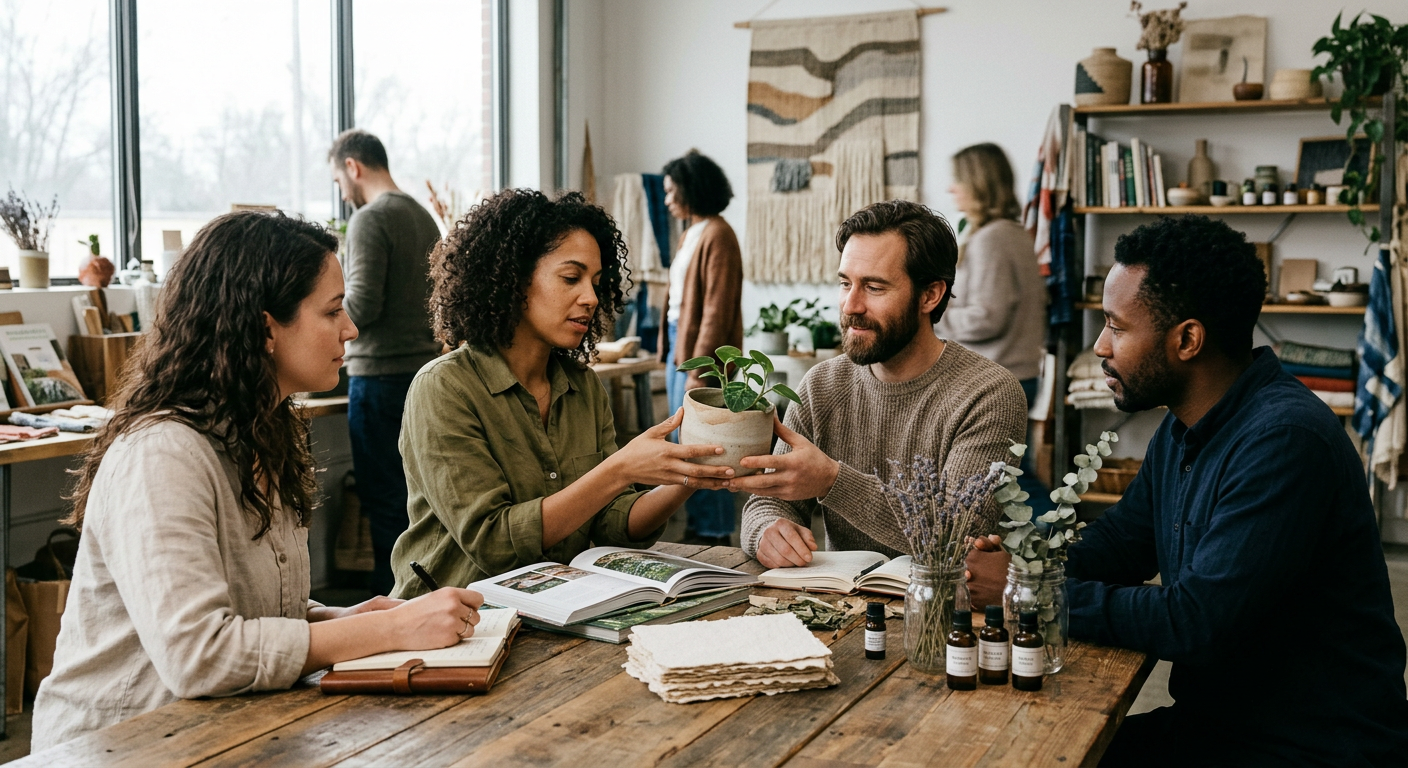
Several converging trends explain why intentional beauty is resonating so strongly right now.
Burnout from overconsumption
The beauty industry spent years rewarding maximalism—10-step routines, ingredient stacking, a constant churn of new launches. Many consumers hit a wall. As Love, Indus notes, 2025 was defined by “products we overconsumed, of ingredients and devices that overpromised and of rituals that lacked meaning and purpose.” The reaction in 2026 is a deliberate pullback toward quality and meaning.
The decline of performative beauty
CivicScience data shows that daily makeup use among Americans has fallen by 20 percentage points since 2019. This isn’t neglect—it’s selectivity. People are wearing makeup less often but more intentionally, choosing moments that feel meaningful rather than applying it out of habit or obligation.
Emotional wellness entering the beauty conversation
Mintel’s 2026 Global Beauty & Personal Care Predictions forecast that “beauty will become a multisensory exercise,” with functional fragrances, immersive textures, and emotional resonance becoming central to product development. Consumers, Mintel reports, now expect beauty products to act as “diagnostic, emotional, and preventative tools”—not just cosmetic ones.
How Intentional Beauty Differs from a Standard Routine
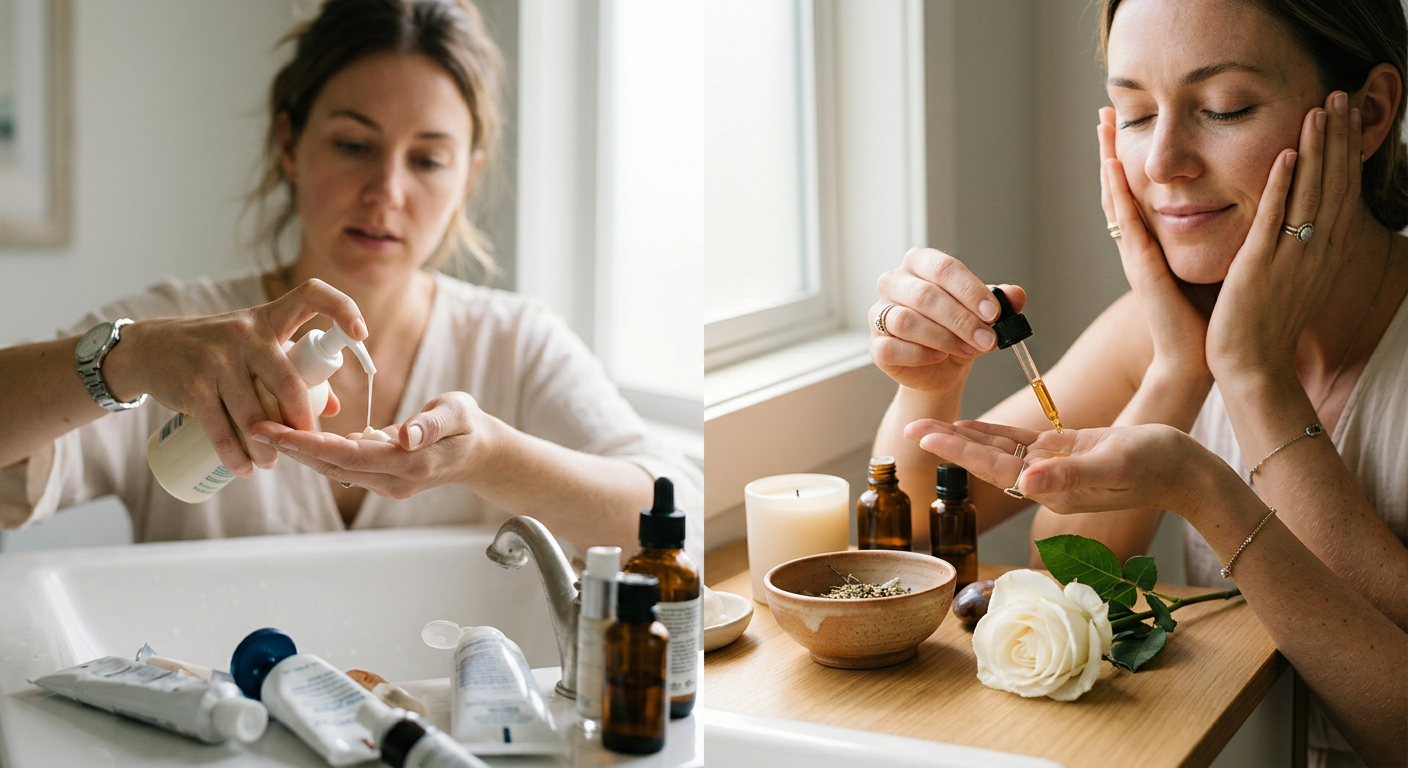
The difference between a routine and a ritual comes down to presence, purpose, and pacing. Here’s a practical breakdown:
The shift doesn’t require overhauling your cabinet. It requires overhauling your attention.
The Role of Fewer, Better Products
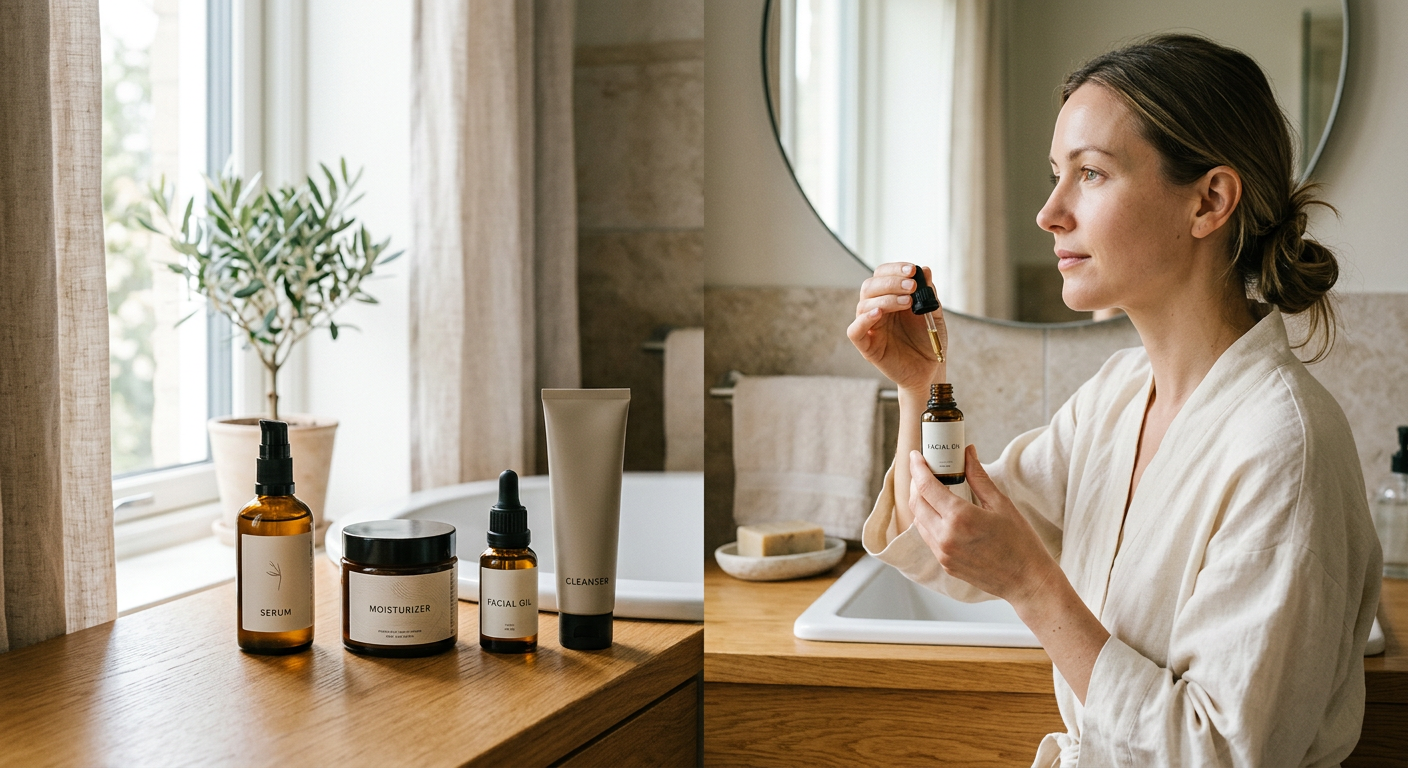
One of the clearest expressions of intentional beauty is the move toward simplified, high-performance routines. As Candy Magazine puts it: “Routines are getting shorter, but more intentional. People want products that do more than one thing and actually work.”
Barrier-first skincare
Camille Styles identifies barrier health as the dominant skincare priority of 2026, noting a shift away from “aggressive actives” toward formulas that support the skin’s natural protective function. This reverses the acid-heavy, retinol-stacked routines that defined the early 2020s.
Longevity science and AI personalization
Net-a-Porter’s skincare trend report highlights longevity science and AI-led routines as two of the biggest forces transforming skincare in 2026. AI tools now analyze skin condition, lifestyle, and hormonal patterns to recommend genuinely personalized regimens—making the “fewer, better” approach more achievable than it’s ever been.
Beauty Rituals and the Confidence Connection
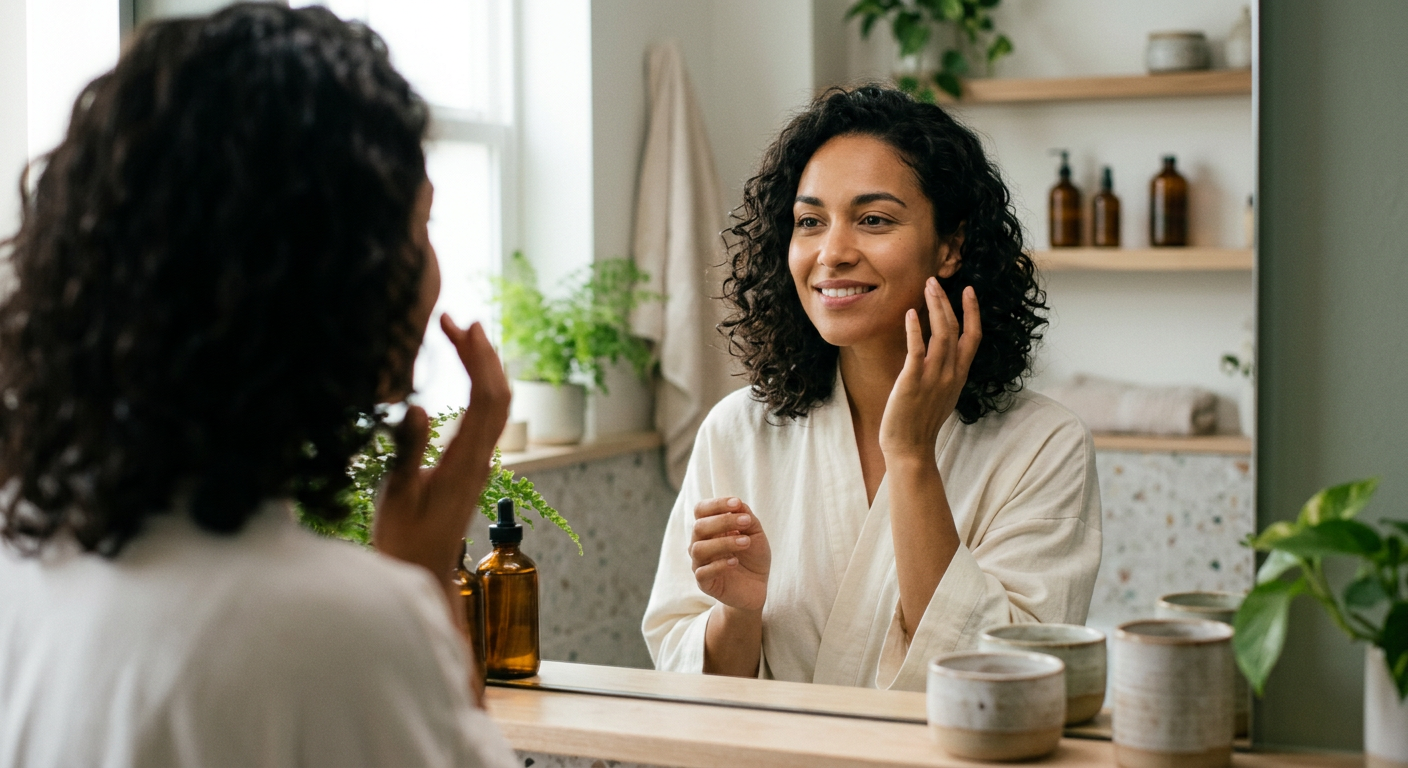
The link between intentional beauty and self-confidence is more than anecdotal. Sasha Lindsey, hairstylist and salon owner, writes at Sherise’s Studios that intentional hair care—”a slower routine that honors both the health of the hair and the woman behind it”—has been the single most transformative practice for her confidence. The key distinction she draws is between the “quick wash and go that happens when life is busy” and a practice that carries deliberate meaning.
Confidence built through ritual is self-generated, not dependent on external validation. When you take time to care for yourself with presence and intention, the act itself communicates self-worth—before anyone else responds to how you look.
Terri Steffes frames it this way: “Beauty routines are often seen as functional, but they can also be deeply restorative. When approached with intention, they offer a rare opportunity to reconnect with yourself in a world that rarely slows down.”
Sustainability and Ethical Alignment as Ritual Values
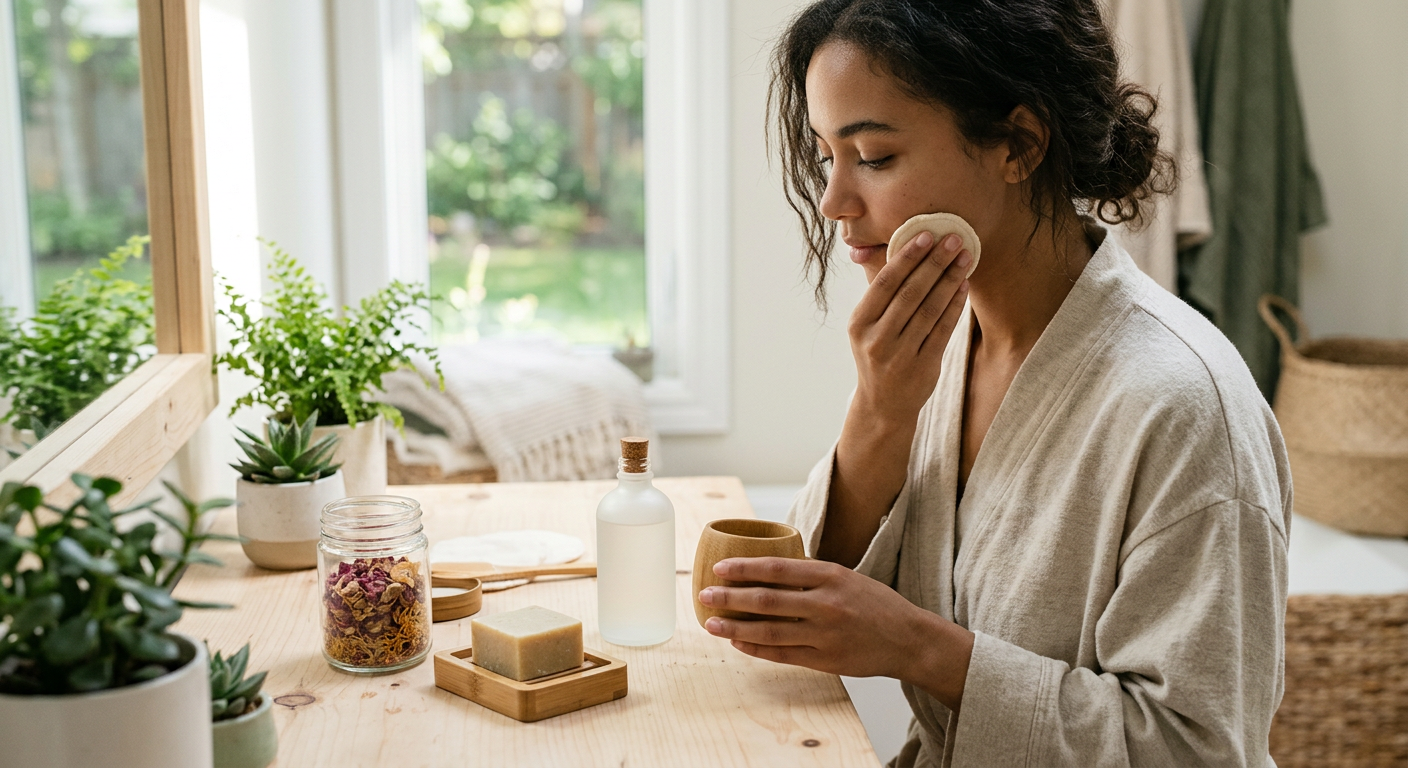
Intentional beauty extends beyond the mirror. Trendalytics identifies clean and eco-friendly products as a top-tier trend for 2026, driven by consumers who care about their skin and the planet simultaneously. Choosing products with ethical sourcing, sustainable packaging, and transparent ingredient lists is itself an act of intention—a values alignment that makes the ritual feel coherent.
Mintel reinforces this, noting that consumers now seek products delivering “not just function, but emotional resonance, ethical alignment, and sensory satisfaction.” A product that conflicts with your values creates friction in the ritual, even if the formula is excellent.
This is why brands that lead with transparency, purpose, and sensory quality are outperforming those that compete on novelty alone. The consumer in 2026 is asking not just “does this work?” but “does this align with who I am?”
How to Build Your Own Intentional Beauty Practice
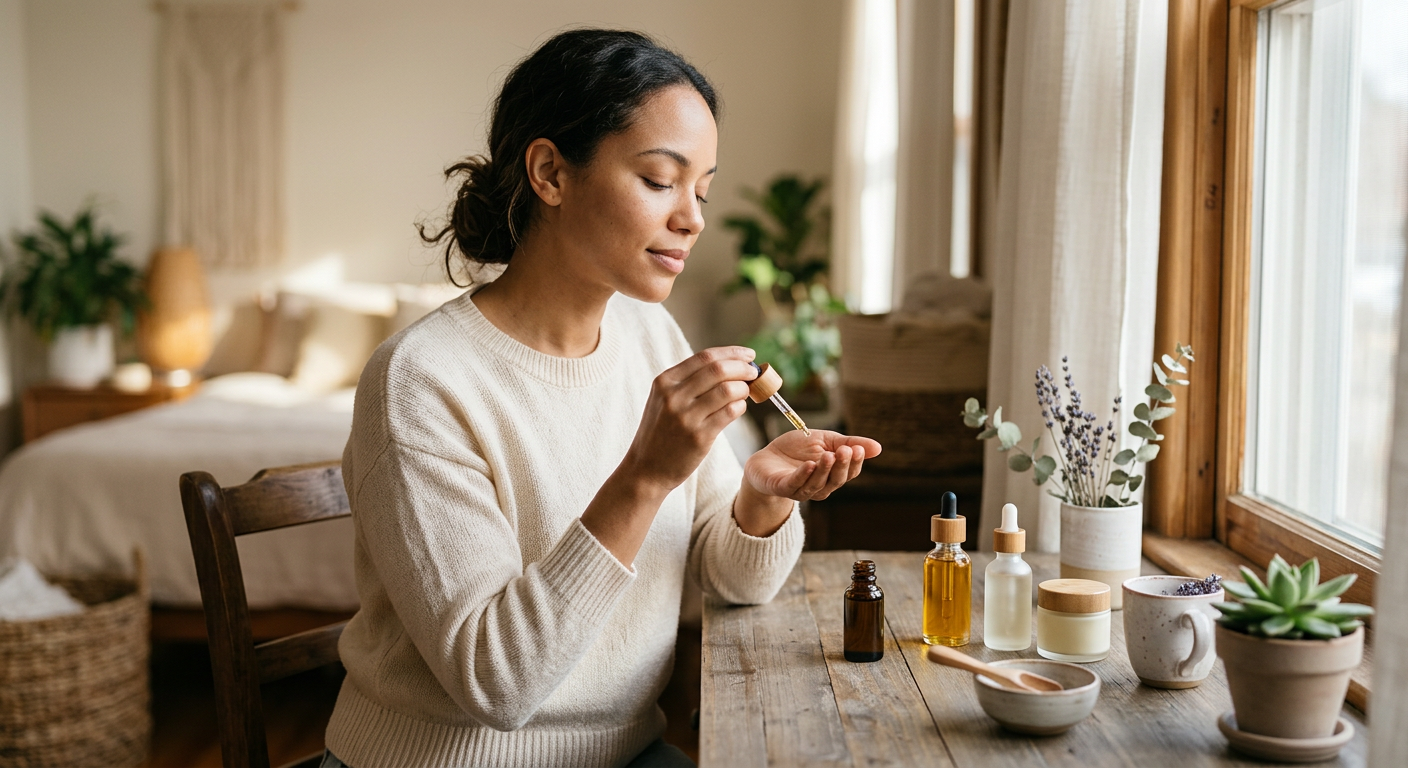
You don’t need to redesign your entire routine overnight. Intentional beauty is built through small, consistent shifts in how you show up for your existing practices.
Start with these practical changes:
- Eliminate multitasking during your routine. Put your phone down. Let the 5 to 10 minutes of skincare or haircare be genuinely yours.
- Engage your senses deliberately. Notice the texture of a moisturizer, the scent of a cleanser, the temperature of the water. Sensory awareness anchors you in the moment.
- Audit your products for alignment. Remove anything you use out of habit rather than purpose. Keep what you reach for with intention.
- Set a pace, not a timer. Rituals aren’t rushed. If your morning routine feels like a sprint, that’s a signal to simplify or start earlier.
- Connect the ritual to a larger intention. Ask yourself: what am I preparing for? What do I want to feel as I move through this day? Let the ritual answer that question.
Conclusion: The Shift Worth Making in 2026
The move from routine to ritual is one of the most accessible investments you can make in your well-being. It costs nothing extra. It requires no new products. It asks only for your attention.
In 2026, the beauty industry is catching up to what many people already sense: that how you care for yourself matters as much as what you use. Fewer products, more presence. Less optimization, more meaning. Shorter routines, deeper intention.
The next time you wash your face or apply your moisturizer, put everything else down and simply be there for it. That’s where the ritual begins—and where the real benefits of intentional beauty start to show.
Frequently Asked Questions
Q: What is intentional beauty?
Intentional beauty is the practice of approaching your skincare, haircare, or makeup routine with deliberate awareness and purpose rather than treating it as a mechanical task. It emphasizes presence, sensory engagement, and alignment between your products and your personal values.
Q: How is intentional beauty different from a self-care routine?
Self-care routines can still be mindless or trend-driven. Intentional beauty specifically requires that each step, product, and practice be chosen with purpose and performed with full attention—transforming a functional habit into a meaningful ritual.
Q: Do I need to buy new products to practice intentional beauty?
No. Intentional beauty is primarily a shift in mindset and pace, not a product overhaul. You can begin with your existing routine by eliminating multitasking, engaging your senses, and removing products you use out of habit rather than genuine purpose.
Q: Why is intentional beauty trending specifically in 2026?
Several factors converged: consumer burnout from overconsumption, a 20-point decline in daily makeup use since 2019, growing interest in emotional wellness, and industry forecasts from organizations like Mintel predicting that beauty will increasingly serve emotional and preventative functions alongside cosmetic ones.
Q: Is intentional beauty connected to clean or sustainable beauty?
Yes, significantly. Choosing products that align with your ethical values—clean ingredients, sustainable packaging, transparent sourcing—is itself an act of intention. Mintel’s 2026 predictions specifically identify “ethical alignment” as a core consumer expectation alongside function and sensory satisfaction.
Q: How long does an intentional beauty ritual need to take?
Duration is less important than presence. A focused, undistracted 5-minute routine qualifies as intentional. The goal is not to add time but to change the quality of attention you bring to whatever time you already spend.