

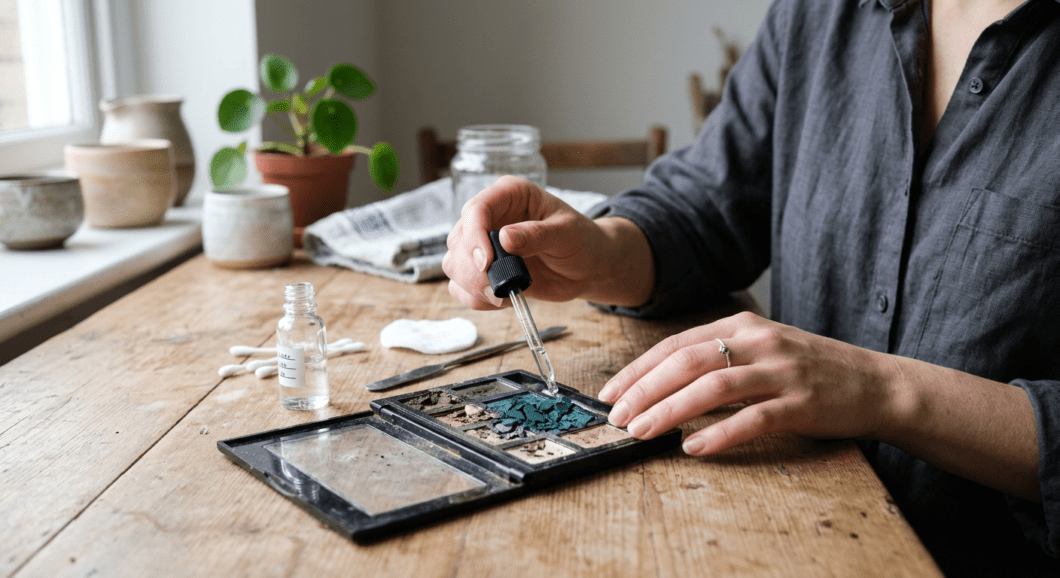
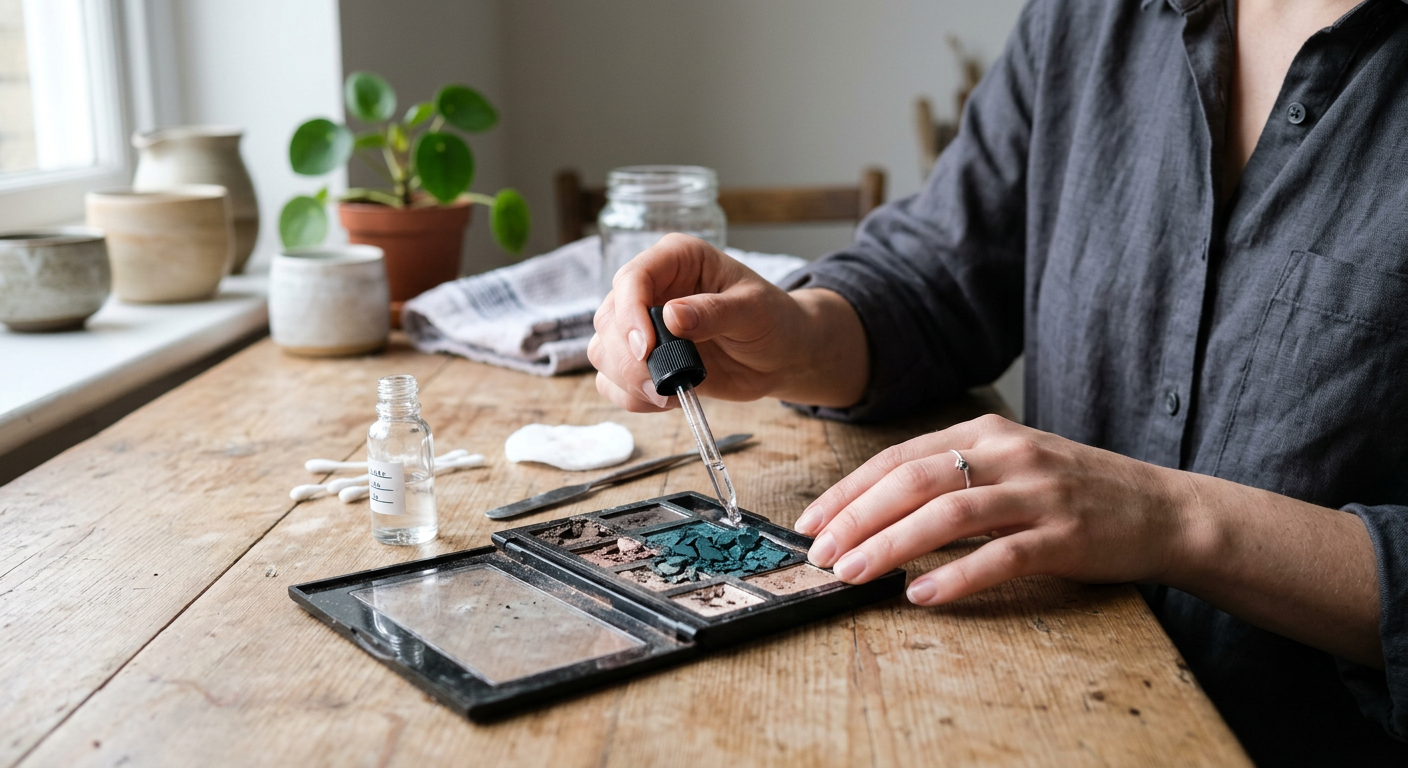
That eyeshadow palette you gave up on after the powder cracked is almost certainly still fine. People throw out makeup long before it actually goes bad, and a growing number of beauty fans have started pushing back against the habit. A few simple revival techniques can add months to your collection, save you a fair amount of money, and keep cosmetics out of the landfill.
The “project pan” movement, which challenges people to use up every last swipe of a product before opening something new, went viral recently for this exact reason (Washington Post). None of it requires special equipment. With a few things you already have at home and the right approach, you can rescue powders, sponges, mascaras, and more.
Why Makeup Goes “Bad” Before It Expires
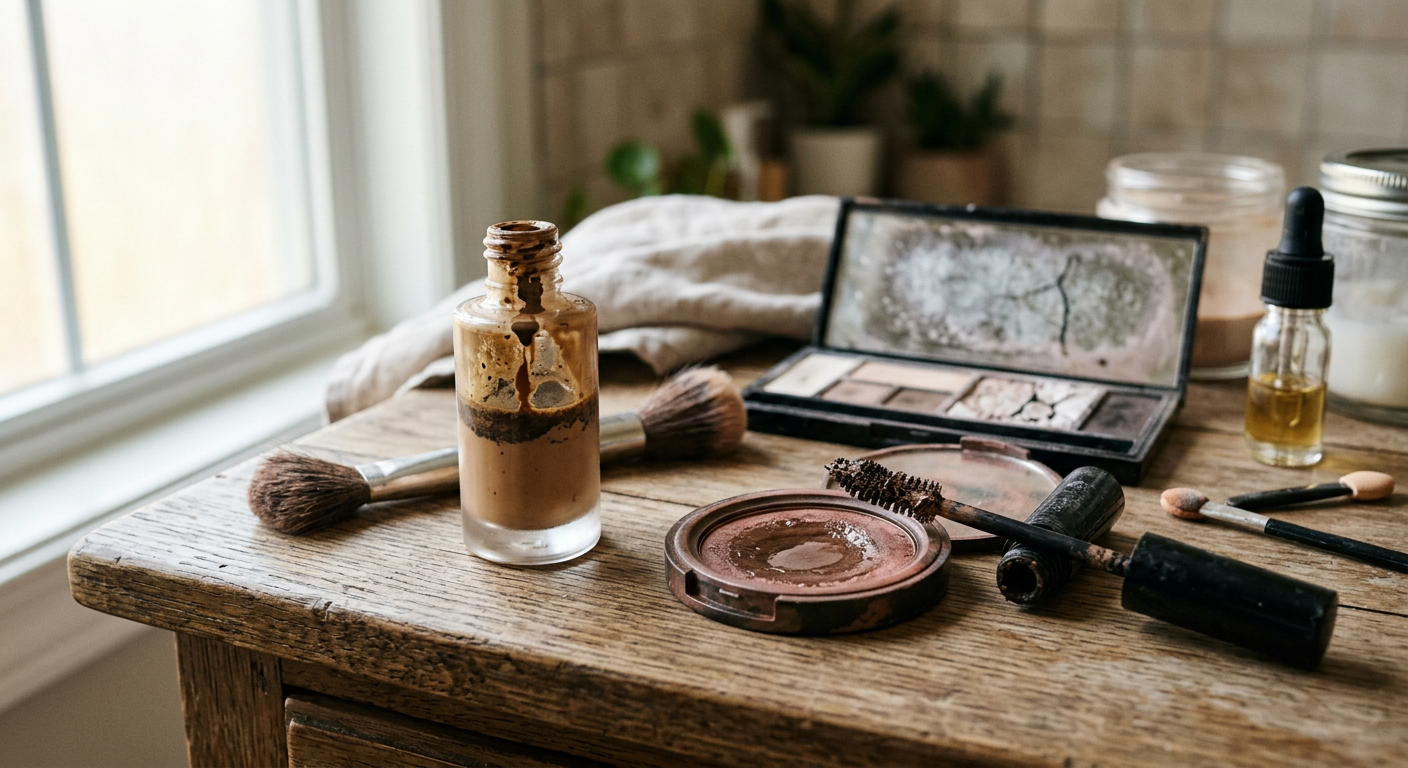
Most makeup doesn’t spoil overnight. It dries out, separates, or builds up a thin surface film that stops pigment from transferring to your skin or brush. These are physical changes, not contamination, which is why so many of them reverse with a little effort.
The main offender is storage. Heat, sunlight, and humidity break formulas down faster and cause them to separate or harden, so keeping products away from those conditions goes a long way toward extending their life (News India Times).
Before you save anything, run a quick safety check. Reviving makeup means restoring usability, not overriding a real expiration.
When to Revive vs. When to Toss
| Sign | Revive It | Toss It |
|---|---|---|
| Surface film on powder | Yes | — |
| Hardened or cracked powder | Yes | — |
| Dried-out mascara | Limited (see below) | If over 3 months old |
| Foul or off smell | — | Yes |
| Change in color | — | Yes |
| Eye product after an eye infection | — | Yes |
| Separated liquid foundation | Yes | If past expiry date |
With eye and lip products, lean toward caution whenever you’re unsure. Those carry the highest contamination risk.
How to Revive Dried-Out and Cracked Powders
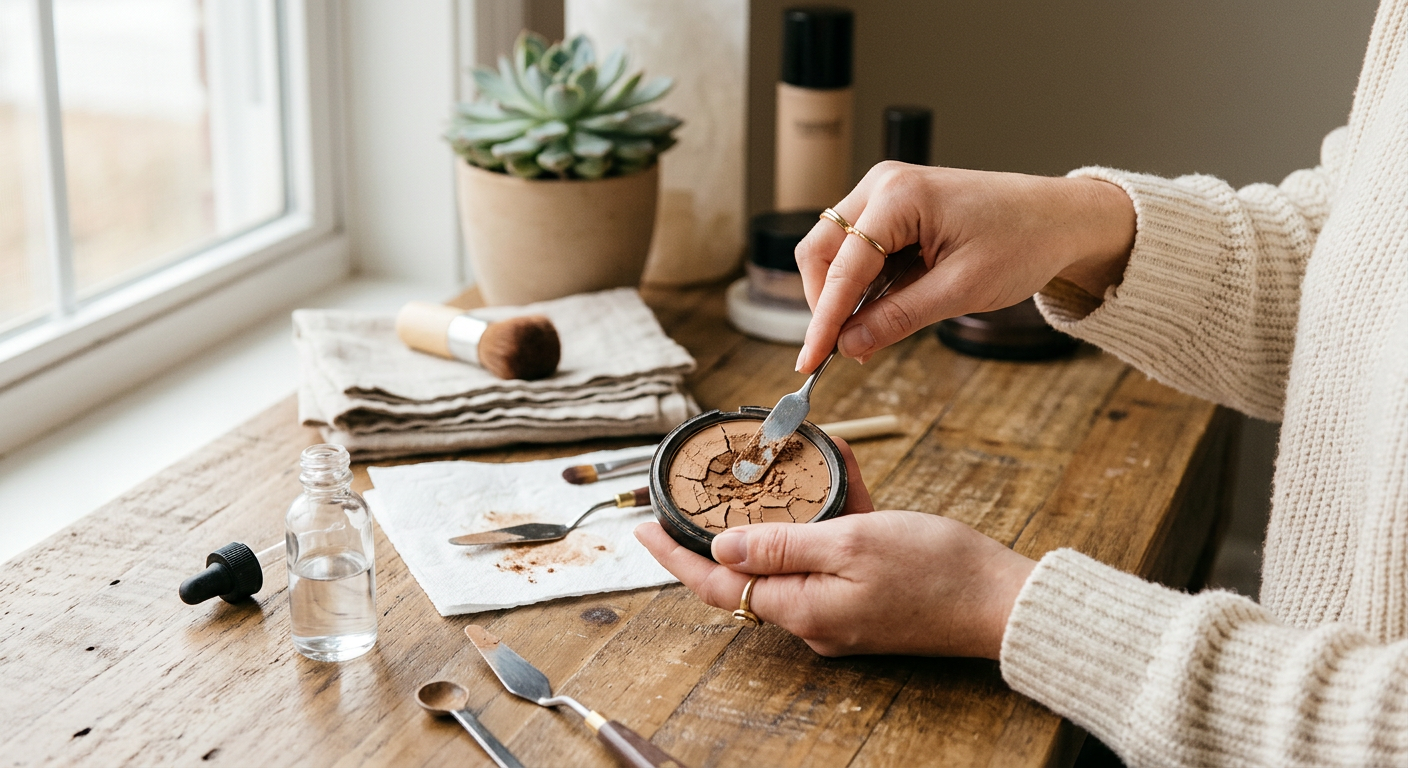
Pressed powders, blushes, and eyeshadows tend to develop a hard, slick film on top, the result of oils transferring off your skin and brushes. That film is usually what makes a product look used up when most of it is still intact underneath.
The fix takes about ten seconds. Scrape away the top layer with a clean spatula or the edge of a brush handle, and you’ll uncover fresh, fully pigmented product below (Rose Gallagher Beauty).
Repairing a Shattered Compact
A dropped, broken powder isn’t a write-off. Crush the pieces into a fine powder right there in the pan, add a few drops of rubbing alcohol until it forms a paste, then press it flat with a clean tissue and a coin. Leave it overnight. The alcohol evaporates completely and the powder sets solid again.
The same method works for blush, bronzer, eyeshadow, and pressed setting powder. Use 70 percent or higher isopropyl alcohol so it dries clean without leaving residue.
How to Revive a Dried-Out Makeup Sponge
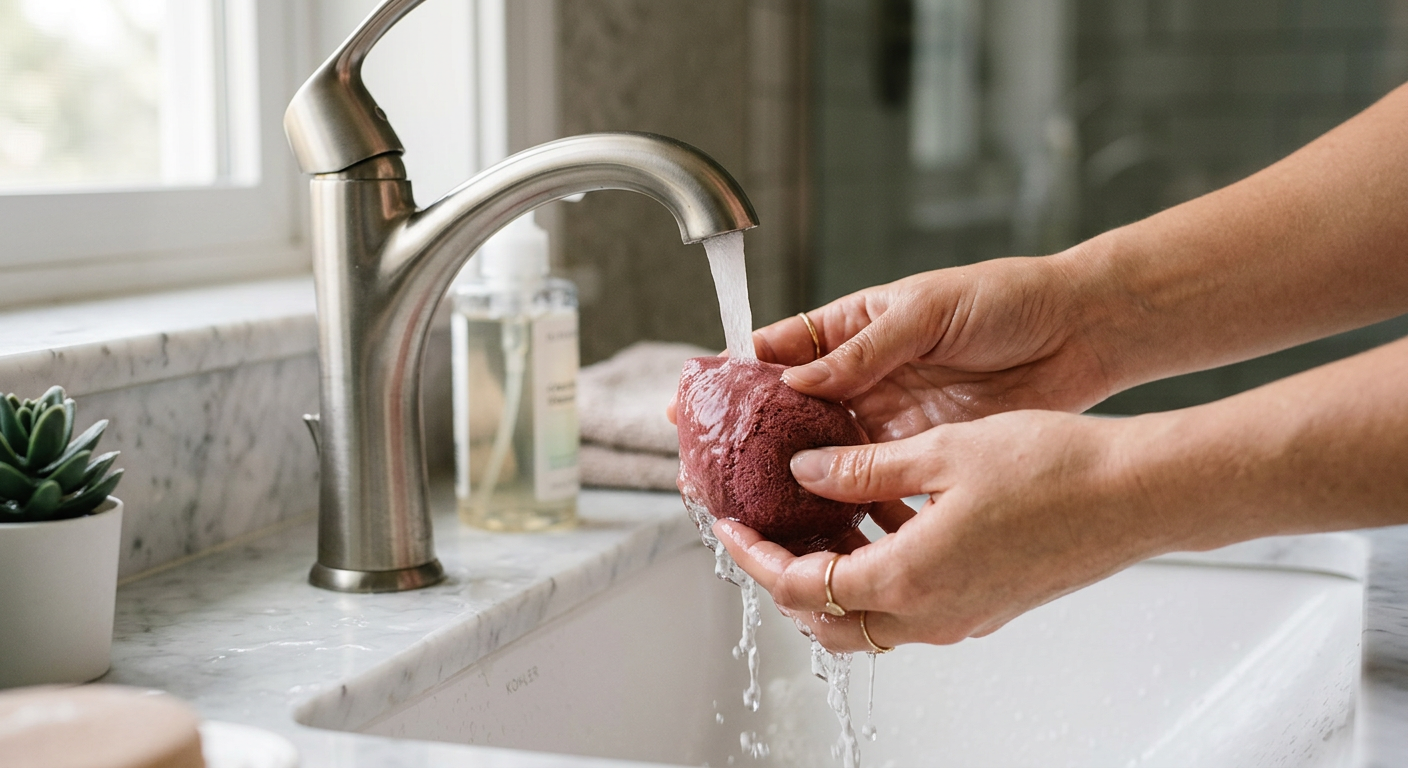
A stiff, dried-out makeup sponge feels like trash, but most can come back. The fibers just need rehydrating and a deep clean to clear out built-up product and oil.
Soak the sponge in warm water with a small amount of gentle soap or baby shampoo, then massage it until the water runs clear. For stubborn buildup, a short soak in warm water with a teaspoon of dish soap loosens stains and softens the material (Alibaba Product Insights).
Once it’s clean, squeeze out the excess water gently. Wringing it can tear the sponge. Then let it air dry somewhere open rather than a closed drawer, which traps moisture and invites bacteria and mildew.
How to Refresh Liquid and Cream Products
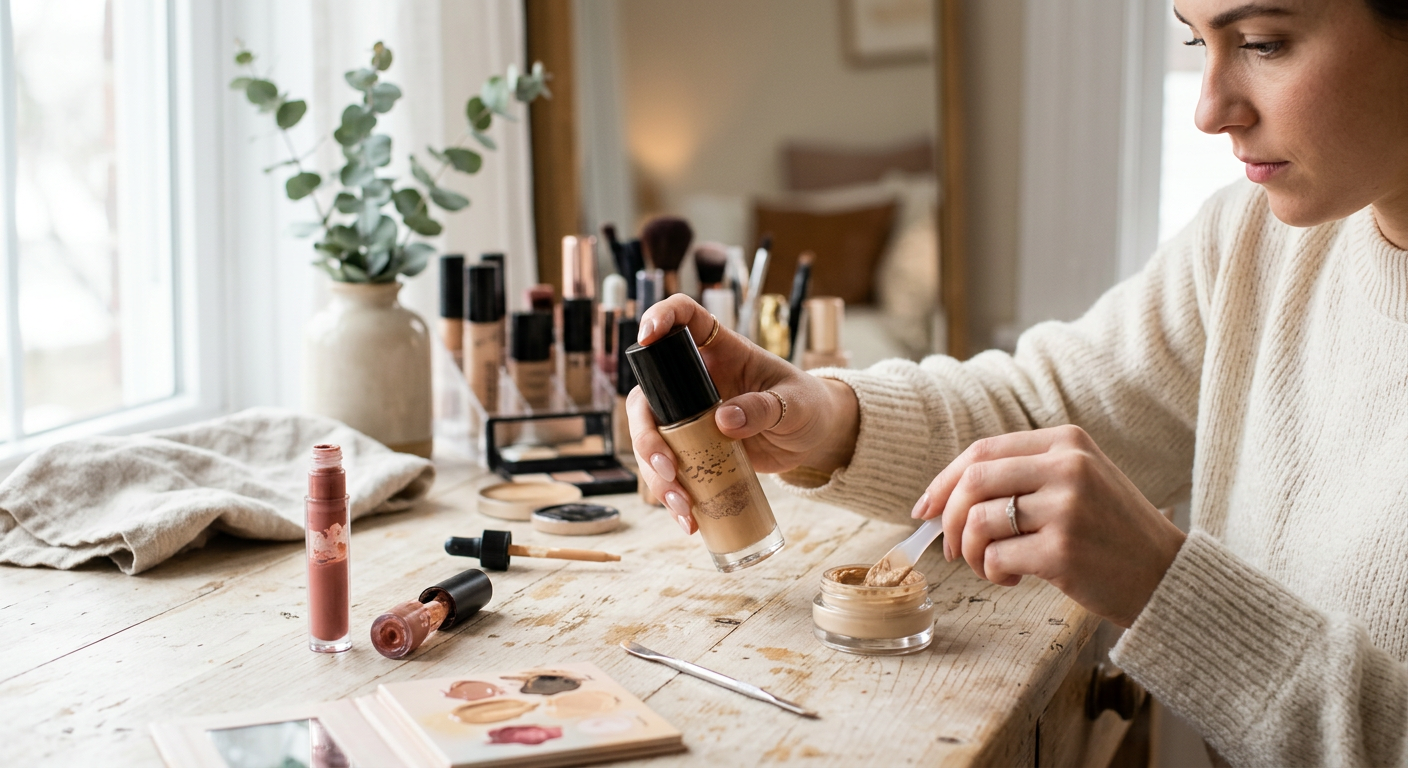
Foundations, concealers, and liquid lipsticks separate or thicken with age. The separation is almost always cosmetic, not a sign the product has gone off.
For separated foundation, tighten the cap and roll the bottle between your palms, or give it a good shake, until the formula recombines. For liquid products that have thickened, a single drop of facial moisturizer or a few drops of saline restores a smoother consistency without ruining the formula.
Reviving a Dried-Out Mascara
Mascara is the tricky one, because of the contamination risk. If your tube is less than three months old, stand it in a cup of warm water for a few minutes to loosen the formula, or add a drop or two of saline solution.
Never add water directly to mascara. It introduces bacteria. And if the product smells off or has passed the three-month mark, replace it instead of reviving it.
Repurpose Makeup That No Longer Works
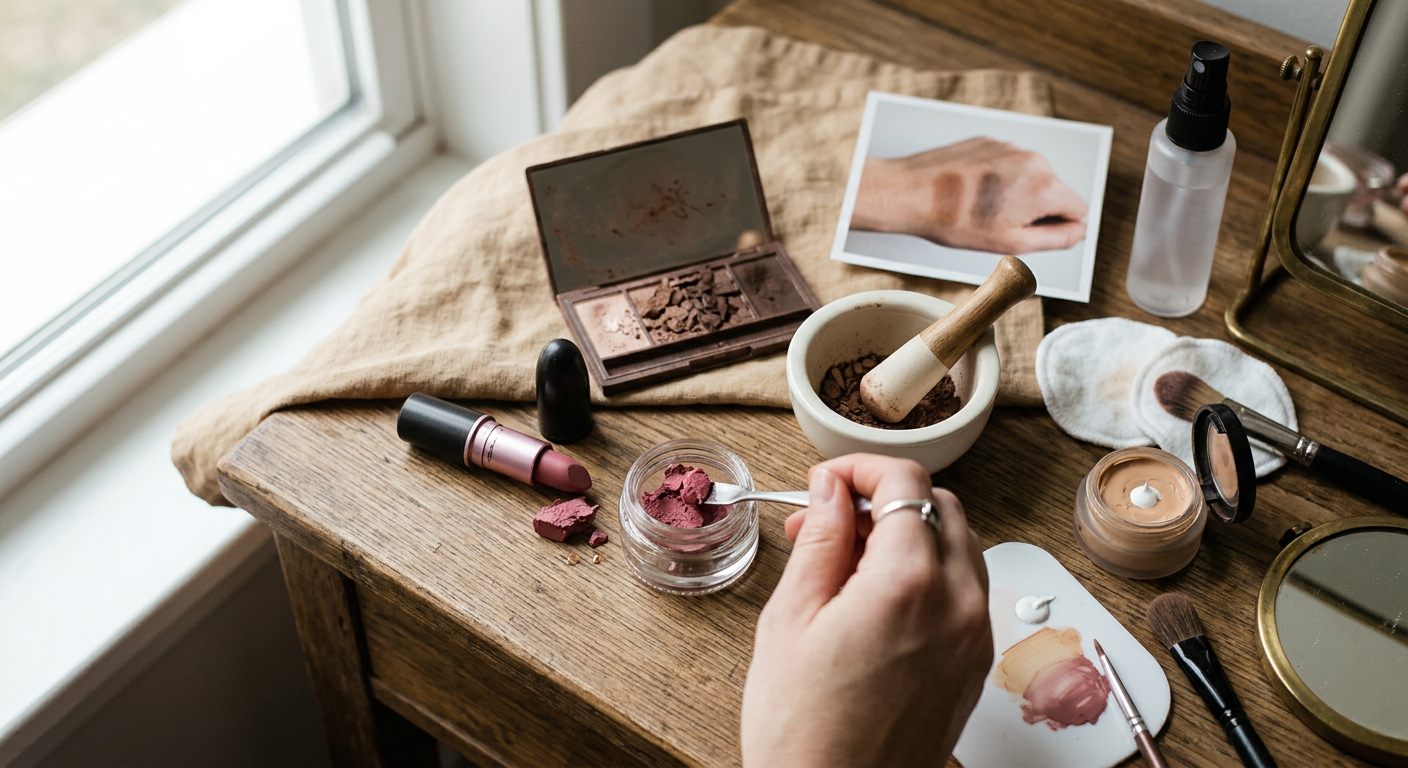
Some products just don’t suit you, which doesn’t make them useless. Repurposing keeps them in rotation and out of the trash.
A few swaps worth trying (The Girl in the Ocean):
- Thick moisturizer that feels heavy on your face works well as a hand and cuticle cream.
- Oily moisturizer is great for dry knees and elbows.
- A foundation that’s too dark becomes a custom bronzer or contour shade.
- Old lipstick can be melted slightly and mixed with balm for a tinted lip treatment.
- Empty, clean jars and compacts make good storage for bobby pins, jewelry, or travel-size products (Facebook beauty community).
The trick is matching a product’s texture and finish to a new job rather than forcing it back into its original one.
Quick Refresh Techniques for Everyday Use
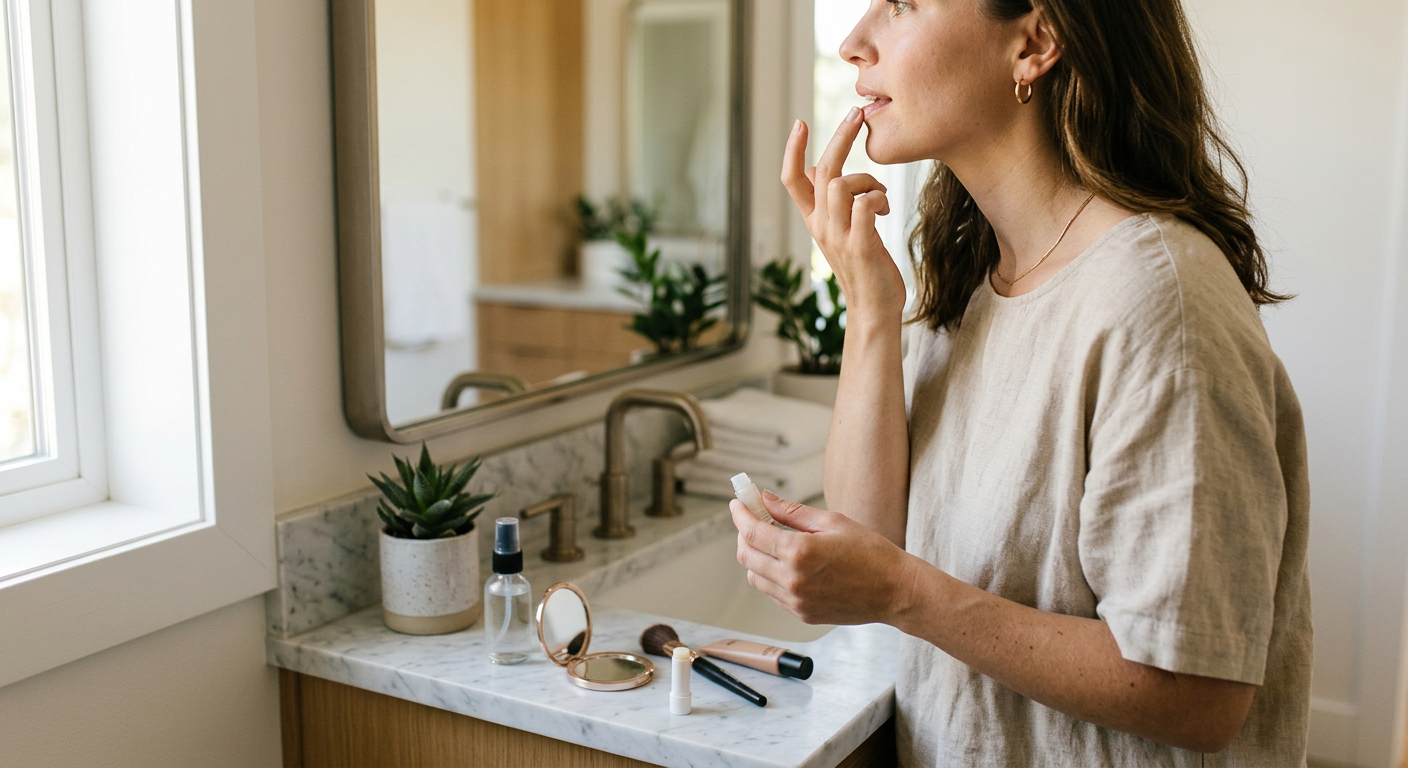
Beyond rescuing products that have failed, a few small habits keep your existing makeup performing longer. Beauty groups tend to circle back to the same low-effort fixes (Be Beautiful India).
A hydrating mist brings back a flat, powdery finish and helps cream products melt into the skin. A setting spray locks a look in place and cuts down on heavy reapplication during the day.
For touch-ups, a little concealer or powder over the spots that fade first keeps your face looking fresh without starting over. Small moves, more mileage out of what you already own.
Conclusion
Reviving old makeup comes down to telling the difference between a product that’s expired and one that just needs a bit of maintenance. Scrape the film off powders, rehydrate your sponges, recombine separated liquids, repurpose the misfits, and you can add months of life to your collection while throwing away far less.
Pick one neglected product this week. Pull out that cracked compact or stiff sponge, run it through the right technique above, and see how much usable product you were about to bin.
Frequently Asked Questions
Q: Can you really fix a broken eyeshadow with rubbing alcohol?
Yes. Crush the powder, add a few drops of 70 percent or higher isopropyl alcohol to form a paste, press it flat, and leave it to dry overnight. The alcohol evaporates completely, and the product sets solid and safe to use.
Q: How do I know when makeup is truly expired and not just dried out?
Use your nose and eyes. A foul smell, a color change, or an odd texture means real spoilage, while a surface film, separation, or hardening are usually reversible. Always err toward caution with eye and lip products.
Q: Is it safe to add water to mascara to revive it?
No. Water introduces bacteria that can cause eye infections. Use a few drops of sterile saline instead, and only if the mascara is less than three months old.
Q: What is the best way to store makeup so it lasts longer?
Keep products away from heat, sunlight, and humidity, all of which speed up separation and drying. A cool, dark drawer or cabinet preserves formulas far longer than a steamy bathroom shelf.
Q: Can I revive a makeup sponge that has hardened completely?
Most come back after a soak in warm water with gentle soap or baby shampoo and a good massage until clean. If the sponge tears, crumbles, or smells of mildew afterward, replace it.
Q: What can I do with makeup colors that do not suit me?
Repurpose them. A too-dark foundation becomes a bronzer or contour, thick moisturizers work as hand cream, and empty containers can hold small items like bobby pins or jewelry.