



For close to a decade, sharp cheekbones and carved-out jawlines ruled beauty feeds. That’s changing. Soft sculpt makeup now turns up on red carpets and runways—a gentler, skin-first way of defining the face that swaps hard lines for subtle shadow and a natural finish. If a full contour routine has ever left you feeling more masked than enhanced, this technique was built for you.
Soft sculpting gives you lifted cheekbones, warmth, and structure while your skin still reads as skin. Below you’ll find what it is, how it differs from traditional contouring, and how to do it with the right products and technique.
What Is Soft Sculpt Makeup?

Soft sculpting is a subtle, skin-first alternative to contouring that plays up your natural bone structure without harsh lines or heavy contrast. Drita Paljevic, head makeup artist at Kevyn Aucoin Beauty, says the technique “relies on blendable formulas to create the illusion of dimension, warmth, and lift—almost like a whisper of contour” (W Magazine).
The shift tracks with a wider move toward natural, wearable beauty. After years of full-glam dominance, people are reaching for techniques that enhance rather than mask. Soft sculpting sits comfortably next to the “butter skin” trend and its smooth, hydrated complexions.
The difference comes down to intent. Full contouring reshapes and transforms. Soft sculpting is after quiet enhancement—definition that looks like your own bone structure catching the light.
Soft Sculpt vs. Contouring: Key Differences

Traditional contouring reshapes the face. Soft sculpting works with what’s already there. “Instead of harsh lines, the goal is to get a seamless blend that melts into the skin; rather than a heavy matte finish, we want a natural, radiant glow,” says Los Angeles-based makeup artist Lisa Chamberlain (W Magazine).
Shade selection separates the two as well. Contouring often uses deep, cool-toned shadows for maximum contrast. Soft sculpting keeps the contrast low and leans warmer, with golden undertones that add glow instead of gray-toned depth.
Quick Comparison Table
| Feature | Traditional Contouring | Soft Sculpt Makeup |
|---|---|---|
| Goal | Reshape and transform | Enhance natural structure |
| Finish | Matte, defined | Radiant, skin-like |
| Lines | Sharp, visible before blending | Diffused, seamless |
| Shade contrast | High, often cool-toned | Low, warm/golden undertones |
| Formula | Powders, heavy creams | Blendable creams, liquids, sticks |
| Best for | Dramatic, full-glam looks | Everyday, natural definition |
This lighter approach isn’t a passing fad. Vogue Arabia calls 2025 sculpting “soft, seamless, and skin-first,” with cream formulas replacing the bold matte lines of the 2016 era (Vogue Arabia).
How to Soft Sculpt Your Face Step by Step
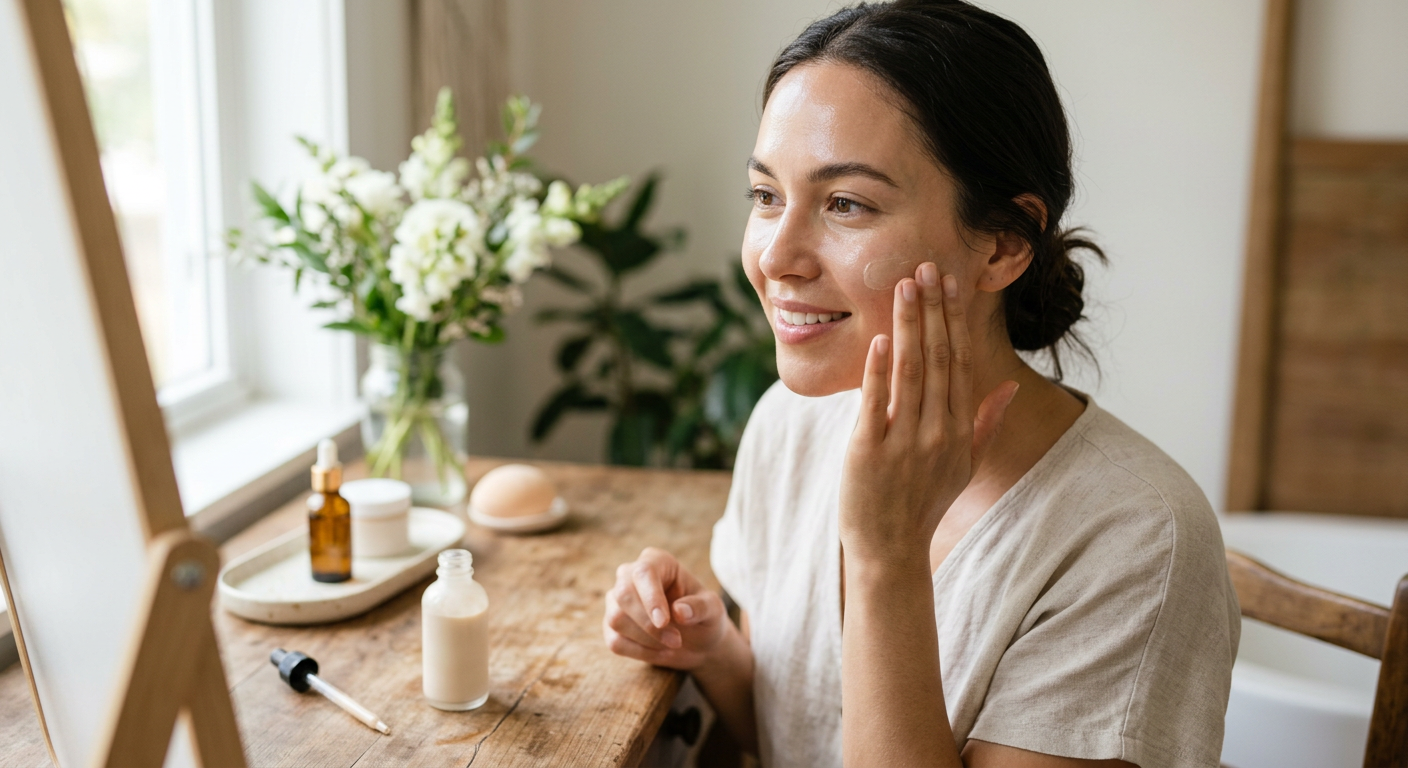
Good soft sculpting starts with good skin. Hydrate, moisturize, and keep the base light—foundation, tinted moisturizer, or skin tint all work. Heavy, full-coverage bases fight the natural finish you’re after.
Follow this sequence for a lifted, seamless result:
- Prep hydrated skin and apply a lightweight base.
- Choose a cream or liquid contour about two shades darker than your skin tone.
- Apply just above the hollows of the cheeks, along the temples, jawline, and sides of the nose.
- Blend upward and outward with a soft brush, sponge, or fingertips. The motion should lift, not drag.
- Add warmth with bronzer to reinforce definition without heaviness.
- Layer blush directly around and above the sculpted area to lift the shape.
- Finish with highlighter on the high points to catch the light.
Why Blending Direction Matters
Paljevic stresses that the blending motion should “lift, not drag” (W Magazine). Dragging product downward creates a heavy, sunken effect, which is the opposite of what you want. Short upward-and-outward strokes carry the shadow along your bone structure.
For cheek placement, smile softly to find the high point of your cheekbone, then apply along the bone. Stay away from the smile line, which can pull the definition down and forward.
The Best Soft Sculpt Products to Try
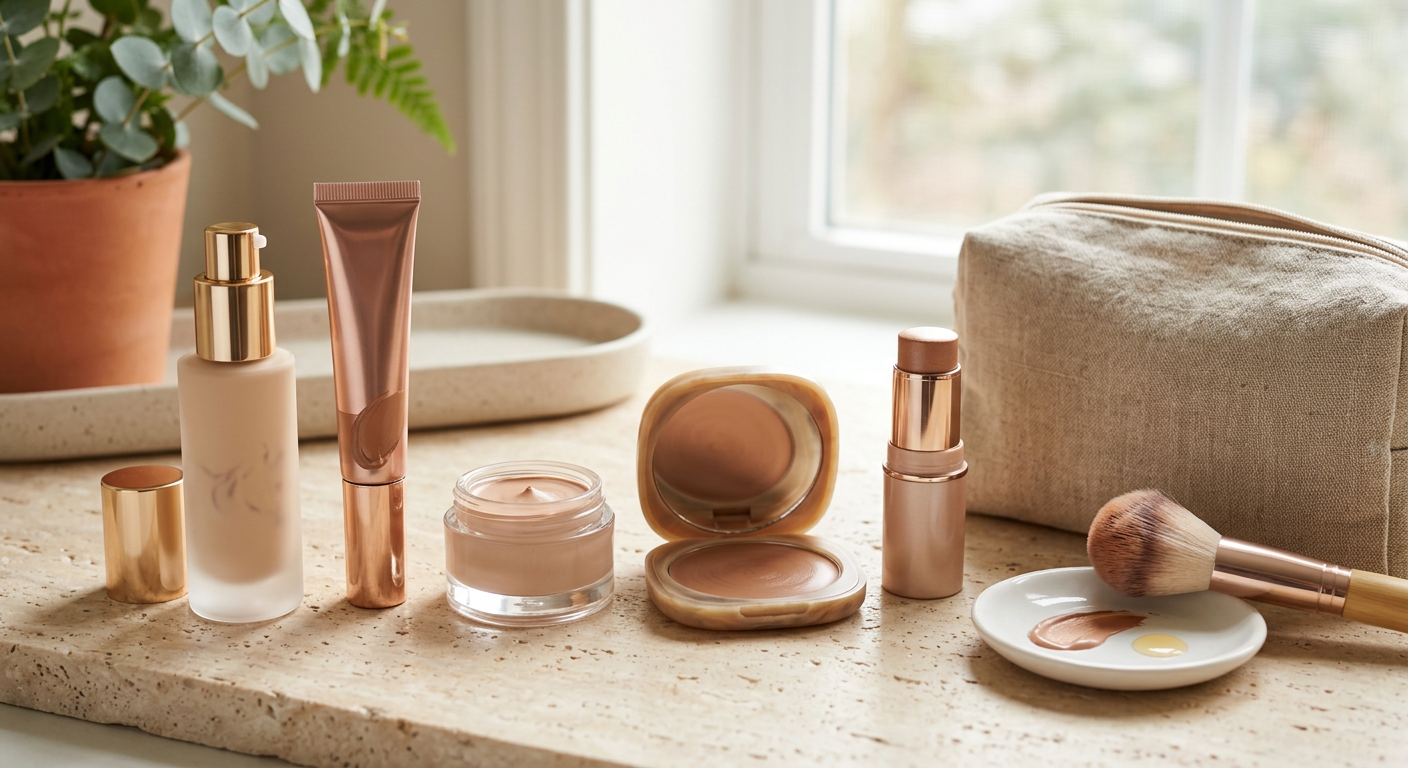
Blendable, hydrating formulas are non-negotiable here. Powders and stiff creams resist the seamless finish this technique demands. These are the products makeup artists reach for most.
Cream and Stick Formulas
- Makeup by Mario SoftSculpt Shaping Stick — Allure’s reviewer noted it “glided onto my skin like butter and felt hydrating and creamy,” blending “anything but muddy or blotchy.” The removable angled buffing brush on the opposite end makes application and cleanup easy (Allure). It comes in seven shades from Fair to Dark Deep.
- Too Faced Chocolate Soleil Melting Bronzing & Sculpting Stick — A Vogue Arabia artist favorite that blends seamlessly and adds warmth without weight.
- Milk Makeup Sculpt Sticks — Compact and travel-friendly, with a quick, clean finish.
Liquid Formulas
- Rare Beauty Soft Pinch Liquid Contour — A highly blendable liquid recommended across multiple pro roundups for its skin-like melt.
- Tarte Sculpt Tape Contour — Artists like it for its wearability and the way it blends into blush and base.
When you’re choosing a formula, go for creamy or liquid textures over thick, opaque products. A thick cream can leave a slightly cakier finish, while lighter liquids melt into the skin more convincingly.
Common Soft Sculpt Mistakes to Avoid
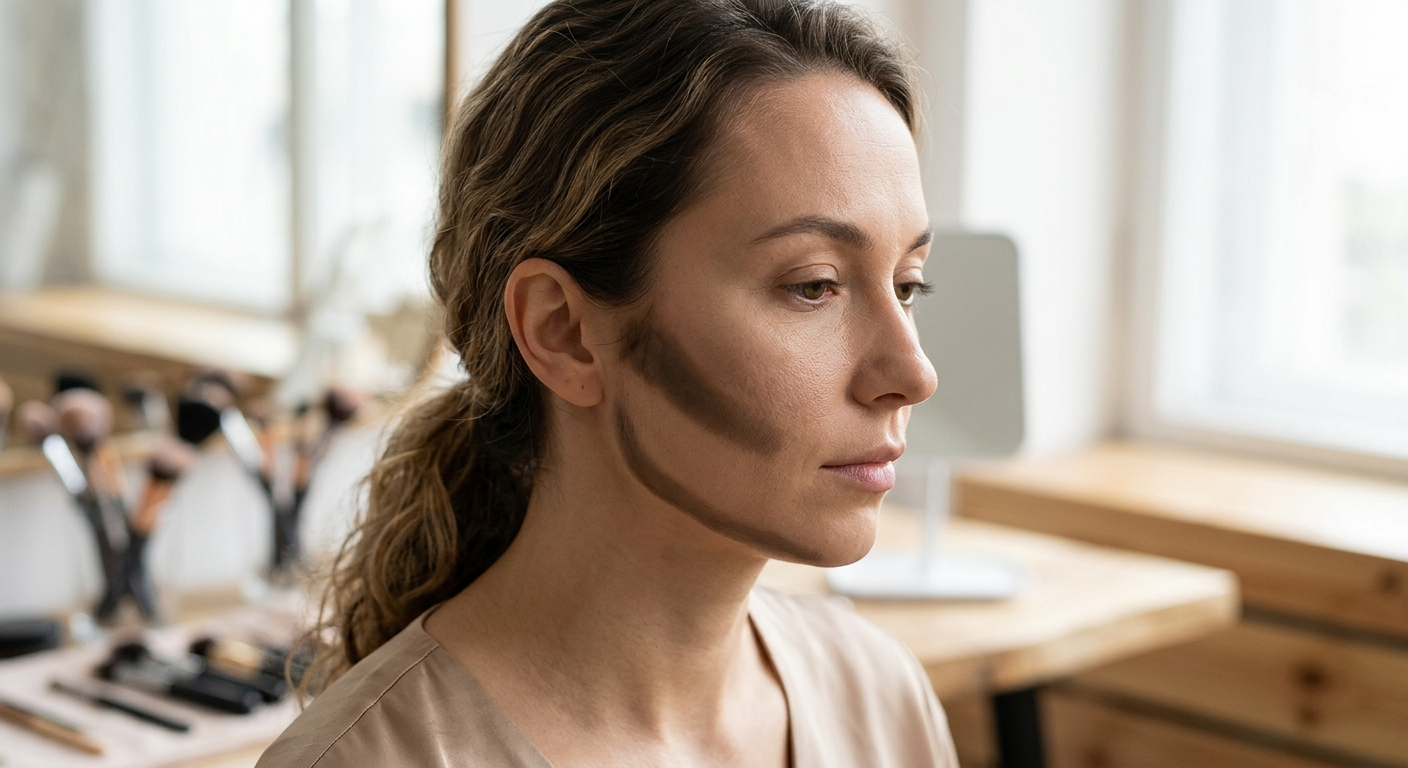
The biggest mistake is picking a shade that’s too deep. Soft sculpting depends on low contrast, so a contour more than two shades darker than your skin can read as a harsh line no matter how well you blend.
Skipping the warmth is another one. Bronzer and blush do a lot of the work here—bronzer defines with warmth, blush softens the shape. Layering blush directly around the sculpted area reinforces the lift, which is why artists on Instagram and TikTok now describe 2026 blush as a “face-lifting tool.”
Forgetting the Highlight
Highlighting matters as much in soft sculpting as it does in traditional contouring. A subtle highlight on the high points of the cheekbones, brow bone, and bridge of the nose creates the push-and-pull that makes the sculpt believable. Without it, even well-placed shadow falls flat.
Last, don’t over-apply. This technique rewards restraint. Build gradually, blend thoroughly, and stop before the definition starts to look drawn on.
Conclusion: Effortless Definition Is the New Standard
Soft sculpt makeup gives you structure, warmth, and lift without the harsh lines and matte heaviness of traditional contouring. The formula is simple: start with hydrated skin, use blendable creams or liquids two shades deeper than your complexion, blend upward and outward, and finish with bronzer, blush, and highlight to reinforce the shape.
It works for every skill level and nearly every occasion, which is why makeup artists have named it the new standard for 2025 and beyond. If contouring has intimidated you, or you’re tired of looking masked, soft sculpting is a forgiving, natural path to definition.
Pick up one blendable cream or liquid formula, practice the lift-not-drag motion, and see how much definition you can get with a light hand instead of a heavy one.
Frequently Asked Questions
Q: What is the difference between soft sculpting and contouring?
Contouring reshapes and transforms the face using high-contrast, often matte shadows. Soft sculpting enhances your natural bone structure with low-contrast, blendable formulas for a radiant, skin-like finish instead of sharp, visible lines.
Q: What products work best for soft sculpting?
Creamy and liquid formulas blend most seamlessly. Popular picks include the Makeup by Mario SoftSculpt Shaping Stick, Rare Beauty Soft Pinch Liquid Contour, and Tarte Sculpt Tape Contour, all praised by makeup artists for their skin-like melt.
Q: How dark should my soft sculpt shade be?
Choose a contour shade about two shades darker than your natural skin tone. Going deeper risks harsh lines and defeats the low-contrast, natural effect that defines soft sculpting.
Q: Can beginners do soft sculpt makeup?
Yes. Soft sculpting is more forgiving than traditional contouring because blendable formulas and low contrast hide mistakes. Focus on lifting the product upward and outward, and build gradually.
Q: Do I still need to highlight when soft sculpting?
Highlighting is essential. A subtle highlight on the cheekbones, brow bone, and nose bridge creates the dimension that makes the sculpt look believable and keeps the shadow from looking flat.
Q: Is soft sculpting good for mature or dry skin?
It suits mature and dry skin well. Cream and liquid formulas hydrate and melt into the skin, avoiding the cakey, settling look that powders can create in fine lines.