



Two-thirds of Americans say they’re overdue for a reset. Talker Research found that 65% of people believe they need a “self-care reset,” yet most can’t find the time to take one. That gap defines the season. Restorative self-care—intentional rest and nervous-system recovery—has become fall’s defining wellness mood, and the timing fits. As the days shorten and routines return, autumn offers a second chance to slow down and rebuild.
Why Fall Became the Season of the Reset

January gets all the attention, but September is closing the gap. Research from Boots found that 44% of Brits consider September the ideal time for a wellness reset, and nearly half (48%) regret not investing in their wellbeing before winter arrives.
The reasons are practical. Post-summer motivation topped the list at 40% of respondents, while 32% said they wanted to shore up their wellbeing before colder months set in. Structure returns in the fall—kids go back to school, routines settle—and that creates the mental room to recommit to healthier habits.
Psychotherapist Sara Bennett told OSF HealthCare that fall is a prime time for a reset. “You have a little more time on your hands,” she said. “You can take time to learn a new skill or hobby.” That slower pace is part of why restorative self-care suits the season.
What “Restorative” Actually Means

Restorative self-care isn’t about adding more to your plate. It’s about recovery—giving your nervous system room to downshift instead of optimizing every waking minute.
Recovery doesn’t require hours. Research cited by Erica Diamond shows that brief restorative breaks of 60 to 90 seconds can recalibrate the nervous system, sharpen focus, and lower cortisol. Small, consistent pauses add up.
The Seven Pillars Framework
One useful way to structure restorative self-care is the Seven Pillars of Self-Care outlined by OSF HealthCare:
- Mental — quieting a racing mind
- Emotional — processing feelings, not suppressing them
- Physical — movement, nutrition, and sleep
- Environmental — your physical space and surroundings
- Spiritual — meaning, reflection, or faith
- Recreational — hobbies and play
- Social — connection and community
Bennett suggests adapting each pillar to your own life and trying to touch as many as you can. Several overlap naturally. A walk with a friend covers physical, recreational, and social at once.
The Science Behind Slowing Down

Rest isn’t indulgence. It’s maintenance. SereneHealth notes that fall self-care supports your immune system when you’re more vulnerable to colds and flu, and it helps counter seasonal affective disorder (SAD), a type of depression triggered by shorter days and less sunlight.
Sleep sits at the center of all this. OSF HealthCare recommends adults aim for 7 to 8 hours per night, pointing out that better sleep improves mood, physical health, and how you handle daily stress.
Hands-on recovery has evidence behind it too. HereSpa cites research published in Frontiers in Psychology showing that standardized massage interventions were linked to increased relaxation and reduced stress. Whether it comes through bodywork, rest, or stillness, intentional recovery produces measurable results.
Small, Sustainable Habits That Actually Stick

Time is the biggest barrier to self-care. SereneHealth points out that even 10 to 15 minutes can make a difference, and Talker Research backs this up: nearly half of people (48%) say they need just 45 minutes or less a day to feel fully recharged.
The real obstacle is often guilt, not logistics. Talker Research found that people want a moment to themselves about six times per day, but 46% feel some degree of guilt about taking it. Treating rest as necessary rather than selfish is the first step.
Keep it simple. Seventy-six percent of respondents in the same survey agreed that simple self-care routines work best.
Restorative Fall Self-Care at a Glance
| Practice | Time Needed | Pillar It Supports |
|---|---|---|
| Micro-break (deep breathing) | 60–90 seconds | Mental, Emotional |
| Daily outdoor walk | 15–30 minutes | Physical, Environmental |
| Decluttering your space | 20–30 minutes | Environmental, Mental |
| Coffee or dinner with a friend | 45–60 minutes | Social, Emotional |
| Cozy evening wind-down | 30–60 minutes | Recreational, Mental |
| Consistent 7–8 hours of sleep | Nightly | Physical, Mental |
Fall-Specific Practices Worth Trying

Autumn lends itself to a few specific resets. Everyday Health recommends walking with a friend who holds you accountable; socializing exercises the brain and lifts mood while you move.
Tidying your space is another seasonal reset. As Everyday Health notes, fall is a good time to pack away summer items, declutter, and organize. A cleaner, less cluttered environment helps relieve anxiety and stress.
Then there’s getting cozy, which is restorative self-care in its purest form. SereneHealth suggests carving out time to relax at home with a blanket, a hot drink, and a good book or movie. Bennett agrees: “Just enjoy the slowness. Being able to quiet your mind is a really great aspect of self care.”
Why This Mood Is Bigger Than a Trend
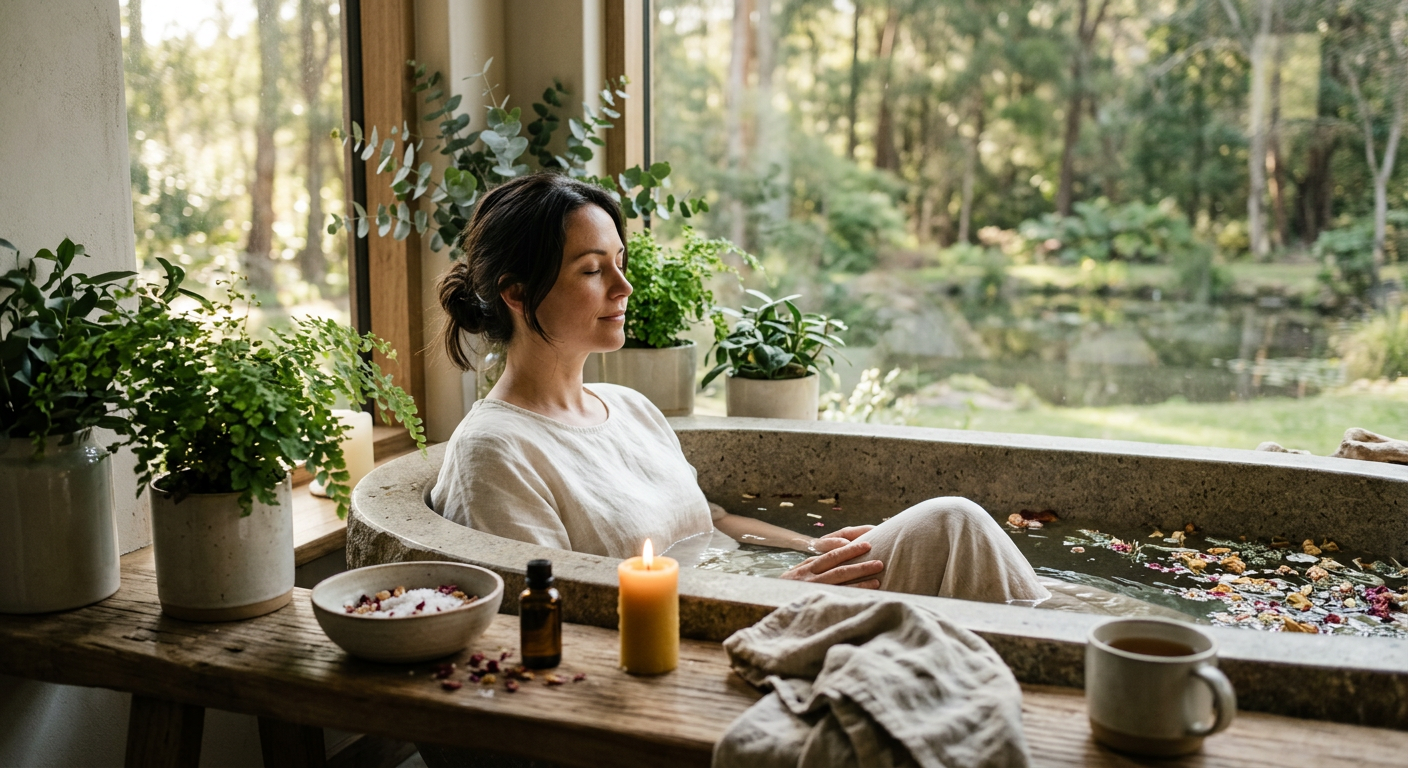
Restorative self-care isn’t a passing fad. It’s changing how people spend on wellness. The industry is now worth $2 trillion, according to Vogue citing McKinsey & Company data, and demand for proactive, recovery-focused care keeps climbing.
The retreat market tells the same story. BookRetreats reports that roughly one-third of U.S. wellness travelers choose restorative spa and relaxation-led getaways, and 37% say mental health is now their main reason for attending a retreat.
Among younger travelers, the pattern is clearer still. BookRetreats found that for Gen Z, therapy sessions and retreats rank as the top two planned wellness spends, ahead of gym memberships, supplements, and spa treatments. This generation is building restorative habits earlier, and that momentum won’t fade when the season does.
Conclusion: Make Fall Your Reset Point
Fall invites restorative self-care in a way few other seasons do. Routines are back, winter is ahead, and autumn lands as the natural moment to prioritize rest before the holiday rush. The research is consistent: most people feel overdue for a reset, and small, simple habits deliver real recovery.
Start modest. A 60-second breathing break, a 15-minute walk, a decluttered corner, or a consistent bedtime can shift how you feel. If you want help building a sustainable routine, consider talking with a mental health professional—the National Institute of Mental Health offers reliable resources to get you started.
Pick one practice from the table above and stick with it this week. That’s how the season’s biggest wellness mood becomes your own.
Frequently Asked Questions
What is restorative self-care?
Restorative self-care is the practice of intentional rest and nervous-system recovery, rather than adding more tasks to your day. It focuses on helping you feel rested and recharged through small, consistent habits like deep breathing, quality sleep, and downtime.
Why is fall a good time for a wellness reset?
The return of routines after summer creates mental space to rebuild healthy habits, and preparing before winter helps prevent seasonal mood dips. Research from Boots found 44% of people consider September an ideal reset moment, rivaling January.
How much time do I need for self-care to be effective?
Even 10 to 15 minutes can make a meaningful difference, according to SereneHealth. Talker Research found nearly half of people (48%) need just 45 minutes or less per day to feel fully recharged.
Can self-care help with seasonal affective disorder (SAD)?
Yes. SereneHealth notes that getting outside daily—even for a short walk—helps combat SAD, a type of depression triggered by shorter days and reduced sunlight in autumn and winter.
What are the Seven Pillars of Self-Care?
The seven pillars are mental, emotional, physical, environmental, spiritual, recreational, and social, as outlined by OSF HealthCare. A single activity, like walking with a friend, can support several pillars at once.
Is restorative self-care just a passing trend?
The evidence suggests otherwise. The wellness industry is worth $2 trillion, and BookRetreats reports that 37% of U.S. wellness travelers now cite mental health as their main reason for attending a retreat, signaling a lasting shift toward recovery-focused care.