


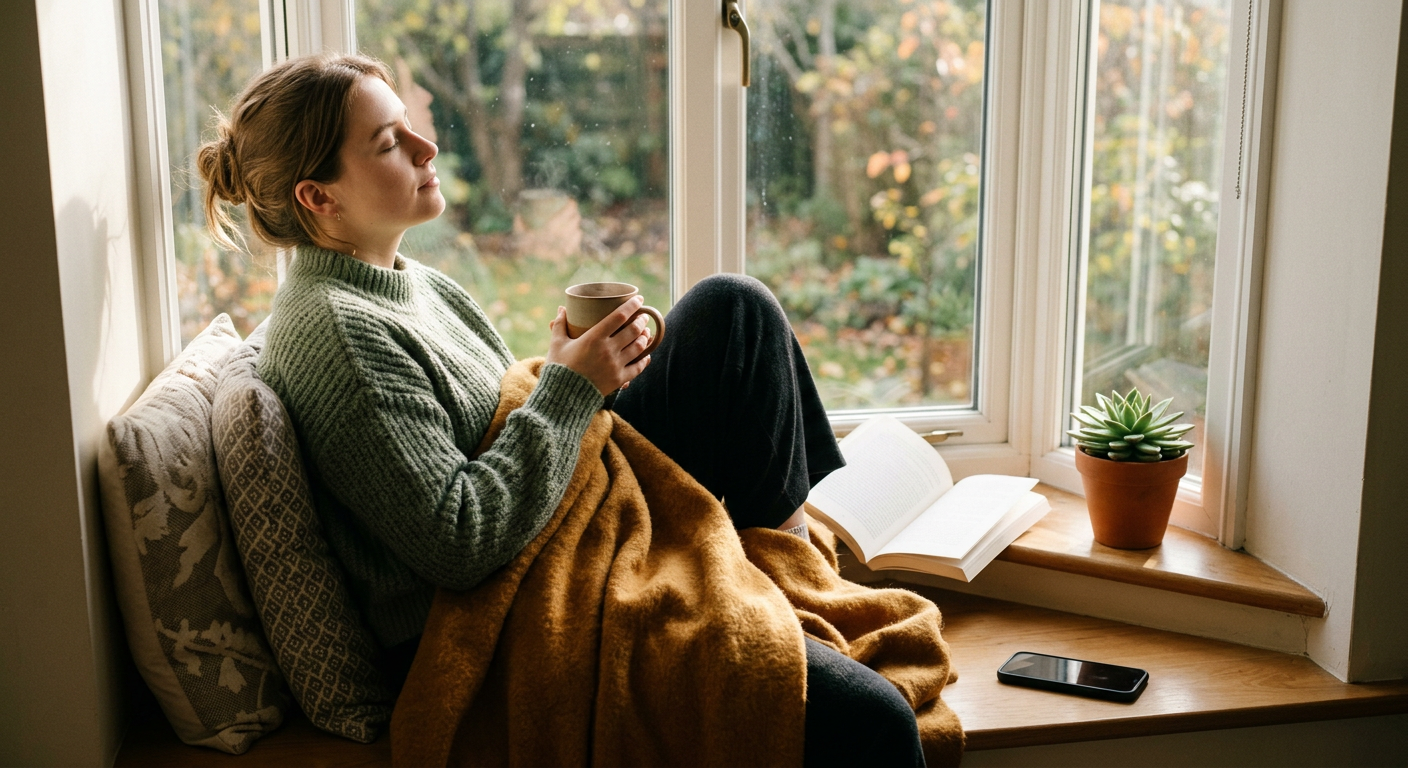
The most talked-about wellness tool of 2025 isn’t an app or a wearable. It’s the decision to turn all of them off. In late January, the Global Wellness Summit published its 2025 trends report ranking the top ten wellness trends of the year, and analog wellness took the number one spot. Screen-free self-care now shapes how millions of people relax, connect, and recharge, and the data points to more growth ahead.
What Is Analog Wellness?
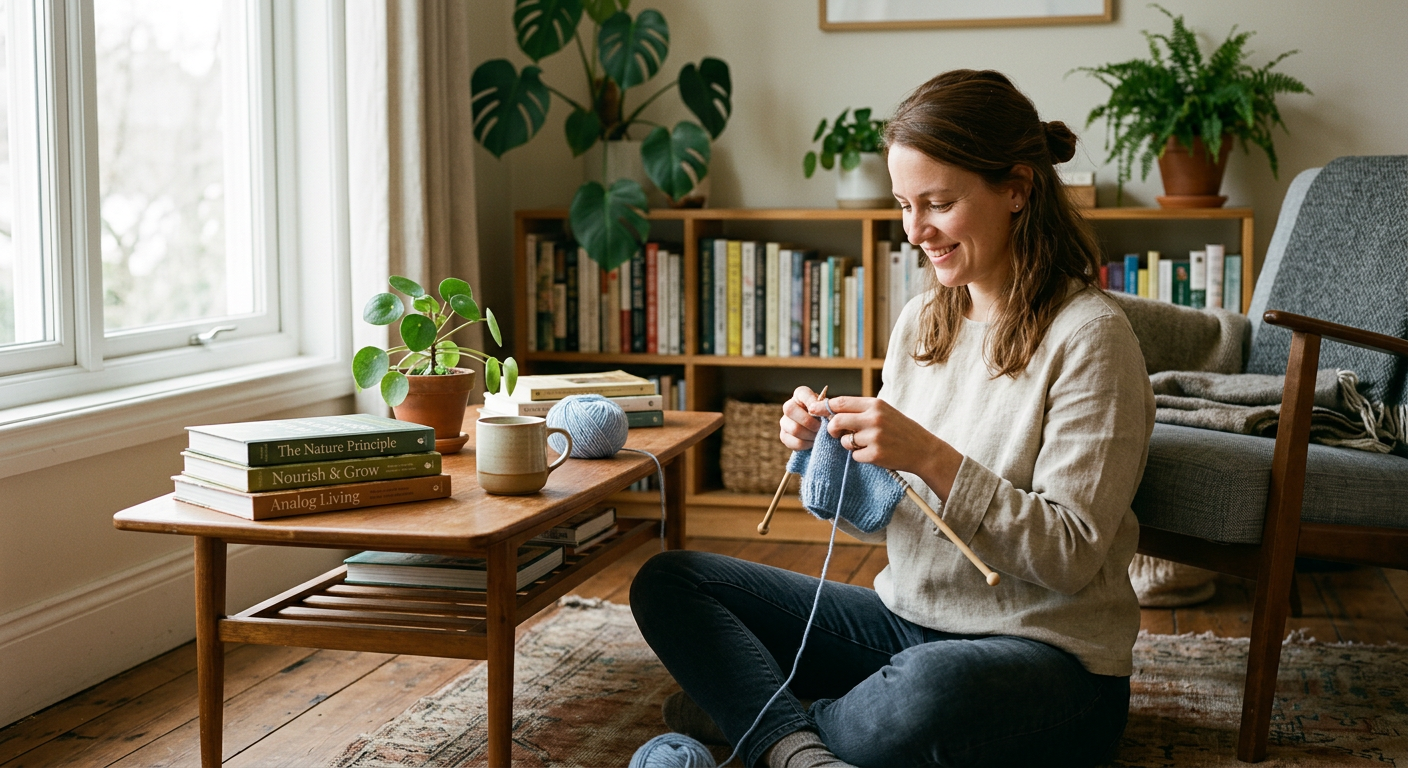
Analog wellness means stepping away from screens in favor of slower, tangible, real-world activities that support mental and emotional health. Instead of tracking every metric through an app, people tune into their own bodies, breathe, and stay present without a device in the loop. It reframes self-care as something you do offline instead of something you optimize online.
The Global Wellness Summit’s trends report describes the trend as twofold. More people are getting serious about logging off: leaving social media, cutting screen time, keeping work at work. At the same time, they’re taking up in-person hobby clubs and analog technologies like film cameras and vinyl records.
Beth McGroarty, VP of research at the Global Wellness Institute, put it well. She predicts 2025 will be the year of a “great logging off” and, “maybe more significantly, a great ‘analog-ing on.'” The point isn’t only to remove screens. It’s to add back the physical, sensory experiences that screens crowded out.
Why Screen-Free Self-Care Is Trending Now
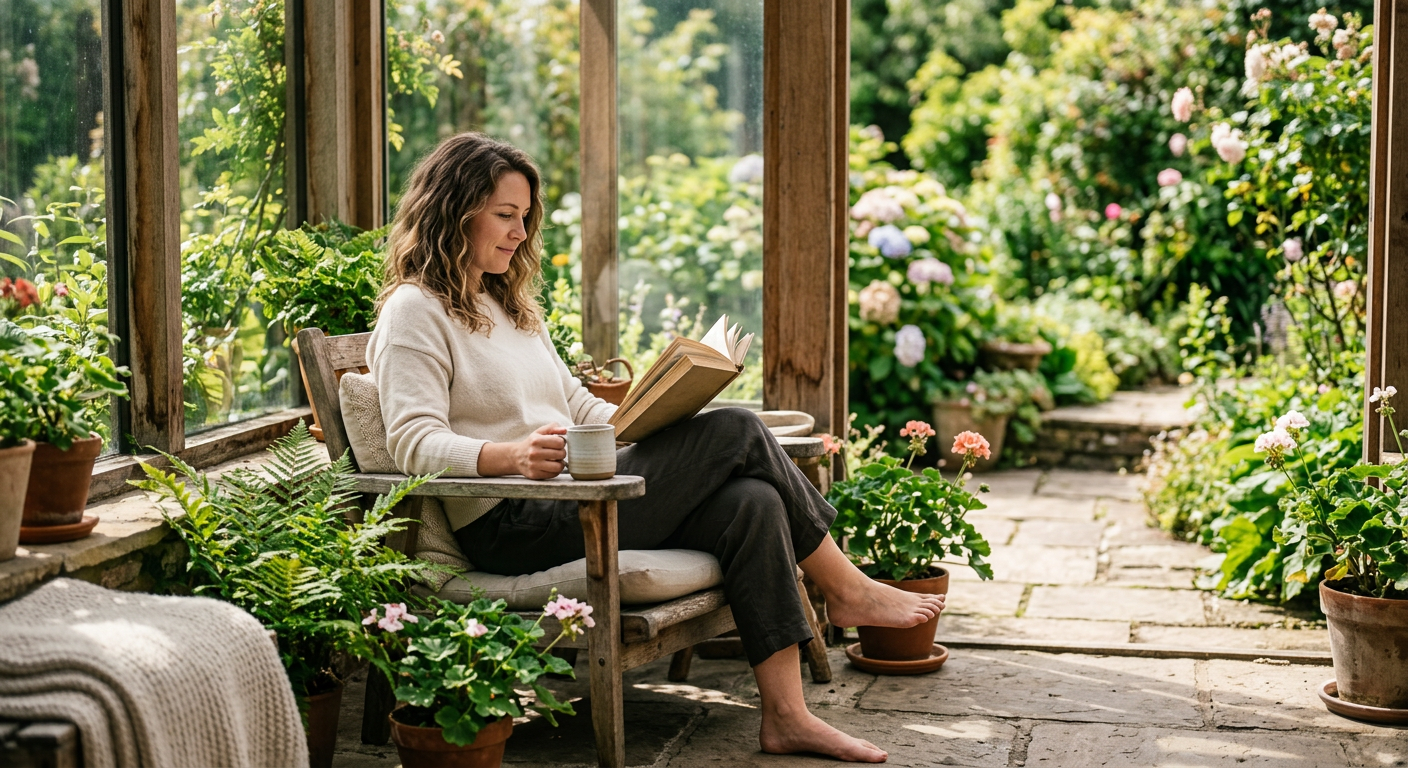
The timing tracks with a broader mood. Late last year, Oxford University Press named “brain rot” its 2024 word of the year, a phrase for the perceived decline in mental sharpness that comes from too much online consumption. Research linking heavy screen use to shorter attention spans and weaker executive functioning has pushed a lot of people to rethink how they use their devices.
Cultural values play a role too, especially among younger generations. Michael Sacks, a professor at Emory University’s Goizueta Business School, told the Atlanta Journal-Constitution that younger people “value authenticity and mental health,” and that “engaging online is increasingly conflicting with both of these values.” Growing distrust of AI-generated content and bots has sharpened that instinct.
Digital Burnout as a Catalyst
This is a lifestyle shift, not the short-term digital detox of a few years ago. Medical Channel Asia frames it as a direct response to digital burnout, the mental exhaustion that builds up from constant notifications, blue light, and an always-on work culture. The core remedy is sensory grounding: engaging your five senses in the physical world to reset a nervous system that’s been overstimulated by digital inputs.
The Data Behind the Analog Boom
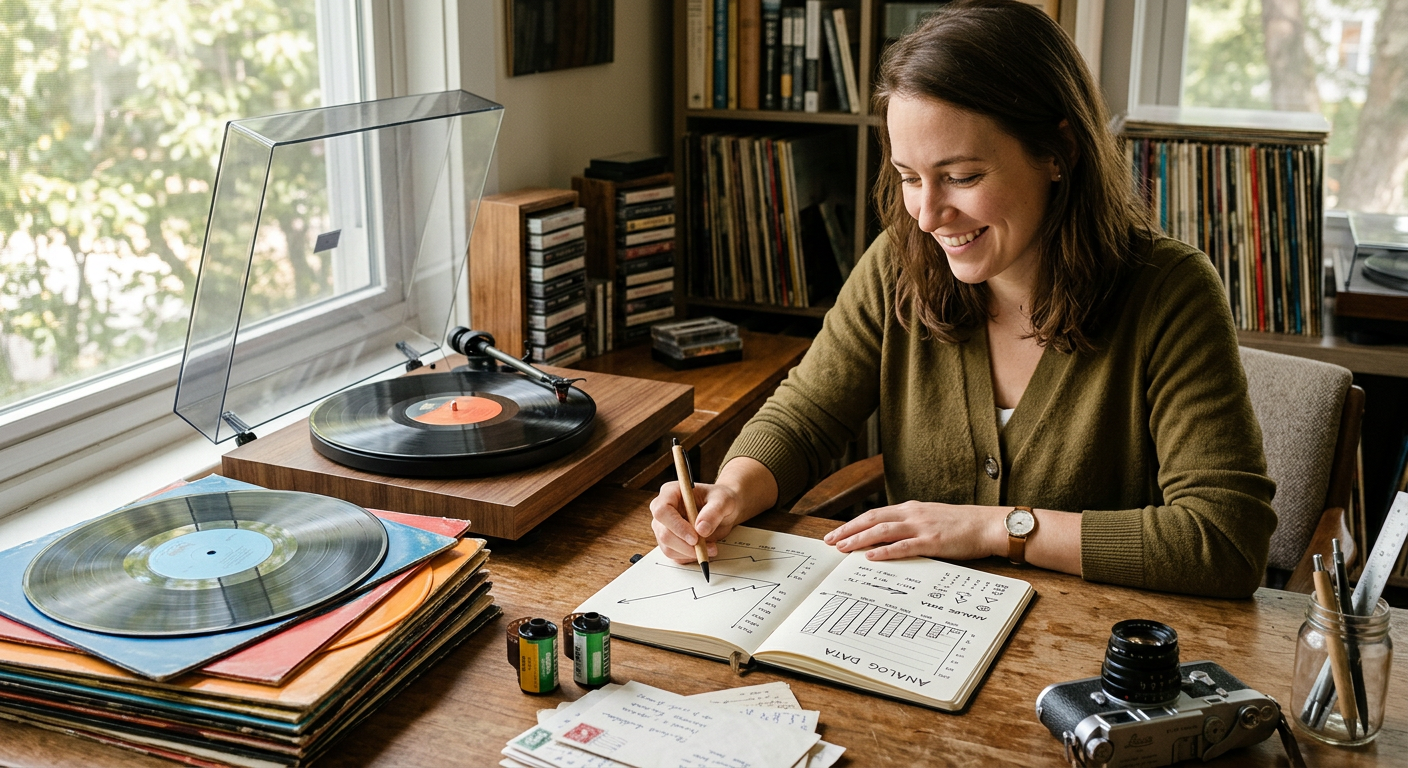
The numbers are hard to argue with. Interest in “going analog” hit an all-time high in December 2025, according to Google Trends data cited by the Atlanta Journal-Constitution. Needlepoint became the most-searched “hobby to try,” and the 35mm film camera emerged as the top trending item tied to the movement.
Retail and search data say the same. A CNN report referenced by Psychology Today found that searches for “analog hobbies” on the arts and crafts retailer Michael’s website rose 136% in six months, and searches for yarn kits jumped 1,200% in 2025. Michael’s chief of merchandising called it a “really big cultural shift.”
Analog Hobbies Are Surging in Popularity
Yelp’s activity data reinforces the pattern. According to The Good Trade, Yelp’s 2024 trend data showed sharp increases in searches for hands-on, in-person classes:
| Activity | Search Increase (Yelp 2024) |
|---|---|
| Chess clubs | 47% |
| Sewing classes | 76% |
| Run clubs | 82% |
| Dance classes | 197% |
| Pasta-making classes | 515% |
| Blacksmithing classes | 516% |
The Benefits of Unplugging

The appeal runs deeper than nostalgia. Cutting back on tech has knock-on effects across your health. Psychotherapist Sarie Taylor, quoted in Forbes, says stepping away from devices can lead to better sleep, more clarity, and more mental capacity for other tasks.
Taylor also ties the trend to human nature. “As humans, a slower and more connected pace is what we crave fundamentally, as our default is presence,” she said. On stress and burnout, she argues prevention beats cure, which casts analog habits as protection you set up in advance rather than damage control after the fact.
The survey data backs this up. Most people who set aside intentional screen-free time say it’s paying off, according to a Talker Research survey cited by the Atlanta Journal-Constitution. Respondents reported feeling more productive, more present, and less like life was happening behind glass. Gen Z leads the way, with 63% intentionally unplugging, the highest rate of any generation.
How to Start Your Own Analog Wellness Practice

You don’t have to throw away your phone to benefit. The aim is a workable balance between screen time and real-life experiences, not total renunciation. Start small and build habits you can keep instead of attempting an all-or-nothing overhaul.
A few screen-free practices worth working into your routine:
- Pick up a tactile hobby. Knitting, sketching, sewing, or shooting film gives your hands and attention something physical to focus on.
- Join an in-person club. Birdwatching, running, chess, or dance groups pair analog activity with real human connection.
- Create device-free zones. Keep phones out of the bedroom and swap your phone alarm for an old-fashioned alarm clock, a rising habit noted by Forbes.
- Practice sensory grounding. Spend time in nature, garden, or engage your senses deliberately to settle an overstimulated nervous system.
- Keep work at work. Protect your boundaries so notifications don’t eat your evenings.
Build an “Analog Bag”
One of the most visible expressions of the trend is the “analog bag,” a canvas tote packed with craft supplies you can carry anywhere. As the Los Angeles Times reports, influencers have popularized it as a portable way to stay entertained and relaxed without reaching for a screen. It’s a cheap, easy place to start: pack yarn, a sketchbook, a paperback, or a film camera, and grab it in the moments you’d normally scroll.
Analog Wellness for Kids and Families

The movement reaches beyond adults. Children spend more time online than any previous generation, and while technology opens up learning, it can also feed anxiety, distraction, and emotional exhaustion. Analog wellness gives families a way to restore balance without treating technology as the enemy.
For kids, the practice centers on simple, screen-free activities that support emotional balance, creativity, and resilience. Future Ready Minds points to examples like journaling, gardening, board games, sketching, or walking in the park. These moments help children process emotions, hold their attention, and build a sense of calm.
The dividing line is presence. Digital wellness often runs through apps or online programs; analog wellness is about being fully present in the physical world. For families, meaningful growth tends to happen when the screens go off and kids have room to explore.
Conclusion
Analog wellness is more than a passing fad. It’s a measurable cultural shift toward screen-free self-care, and the evidence lines up: search interest sits at record highs, hands-on hobby classes are climbing by triple digits, and Gen Z is driving a generational move to unplug on purpose. Experts describe the payoff in concrete terms: better sleep, sharper focus, less burnout, and a stronger sense of presence.
You don’t need a full digital detox to take part. Claim a single device-free hour, pick up a tactile hobby, or pack an analog bag for your next commute. Try one screen-free practice this week, see how it changes your sense of presence, and build from there.
Frequently Asked Questions
Q: What is analog wellness?
Analog wellness is the practice of using slower, screen-free, real-world activities to support your mental and emotional health. It emphasizes sensory grounding and presence over app-based tracking, and the Global Wellness Summit named it the top wellness trend of 2025.
Q: Is analog wellness the same as a digital detox?
Not quite. A digital detox is usually a short-term break from screens, while analog wellness is a sustained shift toward building tangible, offline activities into daily life. Medical Channel Asia describes it as prioritizing physical presence over virtual engagement for the long term.
Q: What are examples of analog hobbies?
Popular options include knitting, needlepoint, sketching, film photography, chess, gardening, and joining in-person clubs for running or birdwatching. Search data shows sharp jumps in interest for many of these, from yarn kits up 1,200% in 2025 to pasta-making classes up 515% on Yelp.
Q: Do I have to give up my phone to practice analog wellness?
No. The goal is balance, not abstinence. You can keep your phone while setting up device-free zones, swapping a phone alarm for an analog clock, and reserving intentional screen-free time. Even small changes deliver benefits like better sleep and greater focus.
Q: Why is analog wellness trending now?
Rising digital burnout, shrinking attention spans, and distrust of AI-generated content have pushed many people to rethink their screen use. Younger generations in particular value authenticity and mental health, which increasingly clash with heavy online engagement.
Q: Can analog wellness help children?
Yes. Screen-free activities like journaling, board games, and outdoor play can help children process emotions, improve focus, and build resilience. Experts recommend a mindful balance between screen time and real-life experiences rather than cutting out technology entirely.