

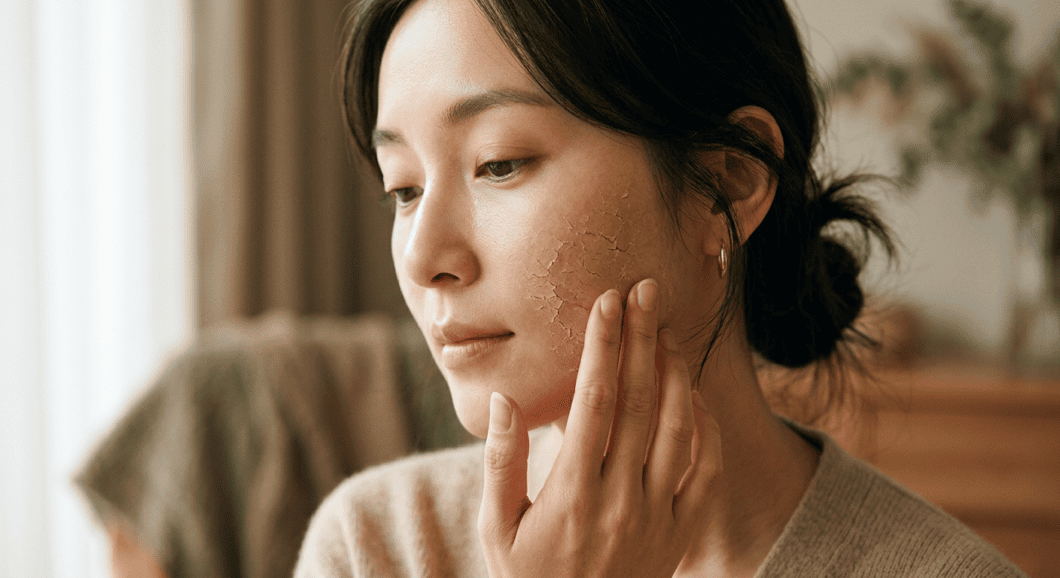
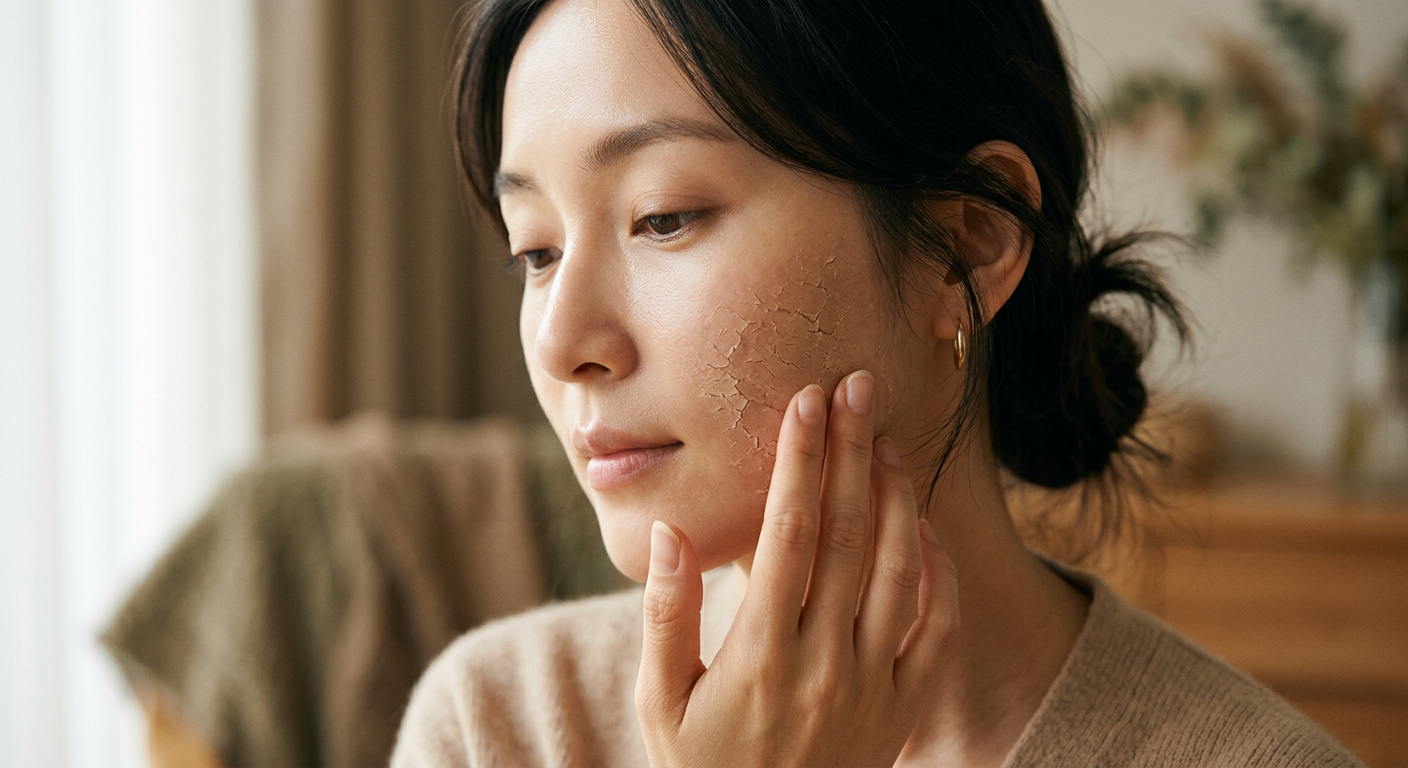
You laid down a smooth base this morning, and by noon your cream foundation has settled into patches, gripped the dry spots around your nose, and slid off your T-zone. It’s one of the most common complaints in everyday makeup, and it rarely has anything to do with your skin being “difficult.”
The cause is almost always something fixable: skipped prep, mismatched product bases, too much product, or the wrong application method. Each has a clear solution. Below are the methods makeup artists rely on to keep cream products even and locked in from morning to night.
What Causes Cream Makeup to Separate
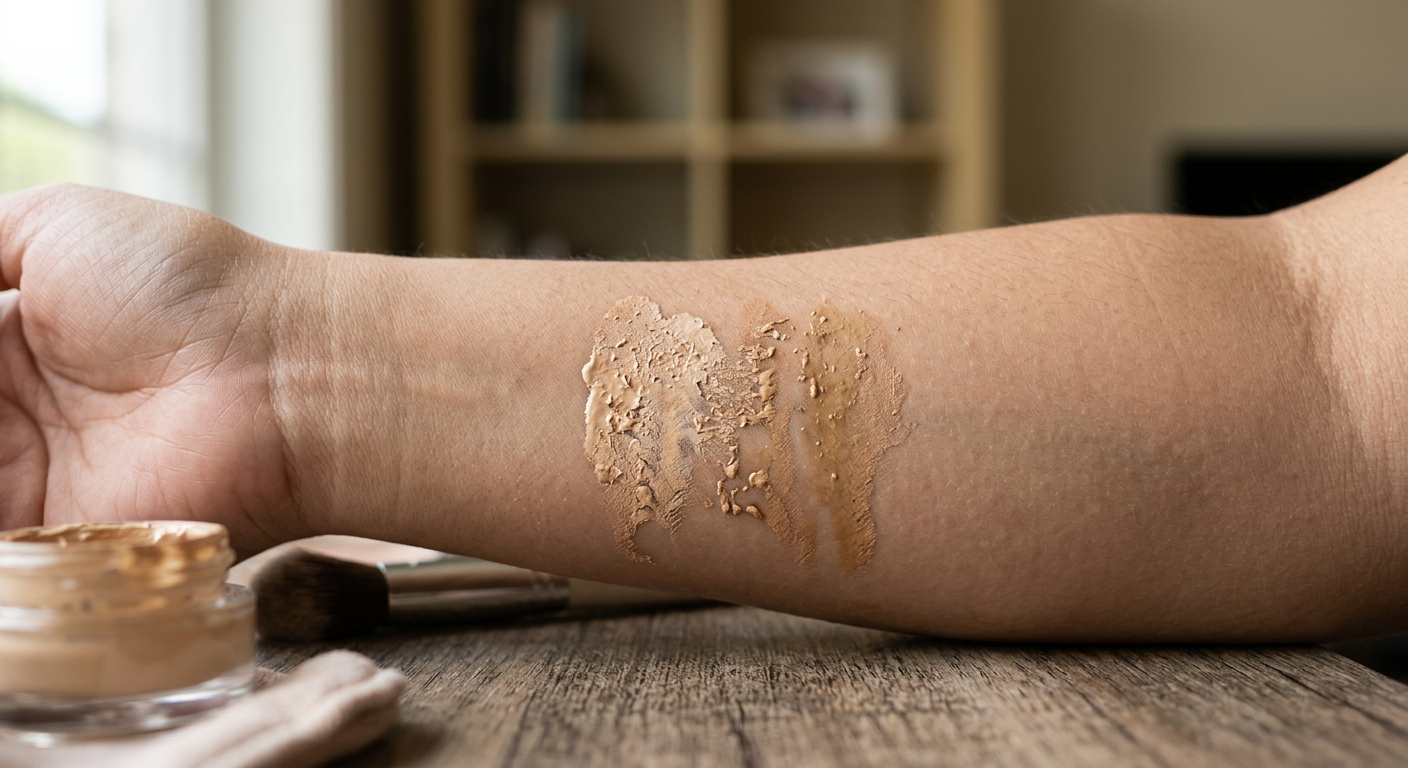
Separation happens when the components of a product break down on the skin and split into visible patches instead of sitting as one even layer. “Makeup separation is when the elements of your makeup products separate, resulting in a patchy or uneven application,” explains makeup artist Elizabeth Seropian in Byrdie’s report.
Several factors contribute, and the fix depends on which one is at work. The usual culprits are dry or dehydrated skin, incompatible product bases, thick application, and skipped setting steps. Dry skin is the biggest offender. “Makeup can cling to the dry patches of your skin in a different way, causing it to look patchy and cakey,” celebrity makeup artist Monika Blunder told NewBeauty.
Once you know which factor is driving the breakdown, the solution is usually simple. Skin prep, product compatibility, and application technique are the three things that decide whether your base survives the day.
Prep Your Skin First for a Smooth Canvas

Prep is the most important step in preventing separation. As makeup artist DiSabatino puts it in Makeup.com, “Skin prep is a number one factor to any makeup application. It’s important that your skin is well-moisturized and properly primed to enhance the adherence of your foundation.”
Start with gentle exfoliation. Dead skin cells create the rough texture that cream products grab onto unevenly. RMS Beauty recommends exfoliating 2-3 times per week to keep the surface smooth. Don’t overdo it. Too much exfoliation compromises your skin barrier and makes patchiness worse.
Hydrate and Let It Absorb
Hydrated skin gives cream makeup an even surface to hold onto. Press a lightweight moisturizer or a few drops of face oil into slightly damp skin to fill in dry patches. Timing matters: RMS Beauty advises letting your moisturizer absorb for 60-90 seconds before you reach for primer or foundation. Applying product over wet skincare is a fast track to sliding, separating makeup.
Match Your Product Bases to Avoid Pilling
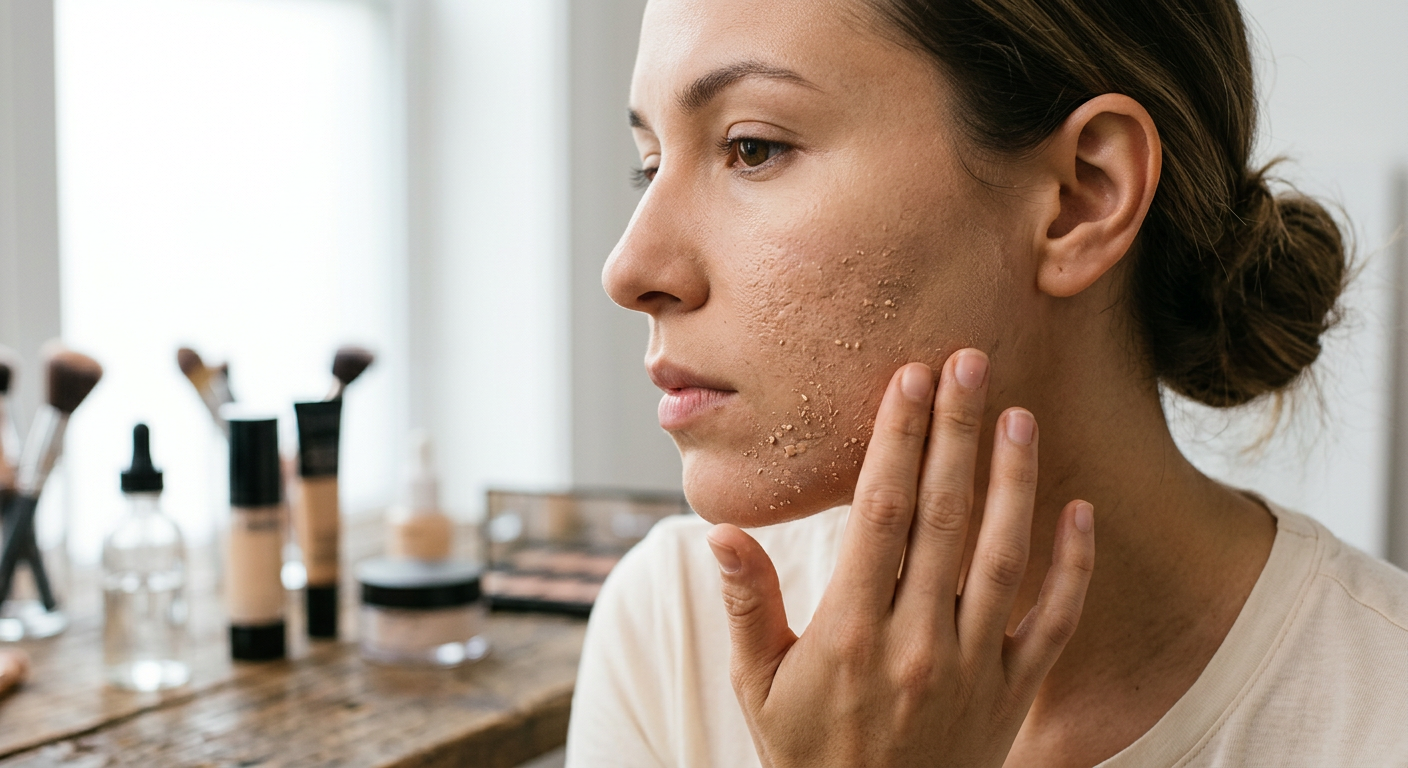
One of the most overlooked reasons cream makeup separates is mixing incompatible formula types. Water-based and silicone-based products don’t blend. When a water-based moisturizer sits under a silicone-based primer or foundation, the layers repel each other over the course of the day and separate visibly, as RMS Beauty explains.
The rule is to pair like with like. L’Oréal Paris recommends matching a water-based foundation with a water-based primer, and a silicone-based foundation with a silicone-based primer. Check the first few ingredients on the label. If “aqua” or “water” sits near the top, it’s water-based. If you see ingredients ending in “-cone” or “-siloxane,” it’s silicone-based.
How to Tell Which Base You Have
| Base Type | Key Ingredients to Look For | Pairs Well With |
|---|---|---|
| Water-based | Aqua, water (listed first) | Other water-based products |
| Silicone-based | Dimethicone, cyclopentasiloxane (-cone, -siloxane) | Other silicone-based products |
| Oil-based | Oils, butters, esters | Oil-based or standalone use |
Pairing a silicone-based primer with a water-based foundation often causes makeup to separate, pill, or slide off, according to The Daily Jagran.
Apply Cream Products in Thin Layers
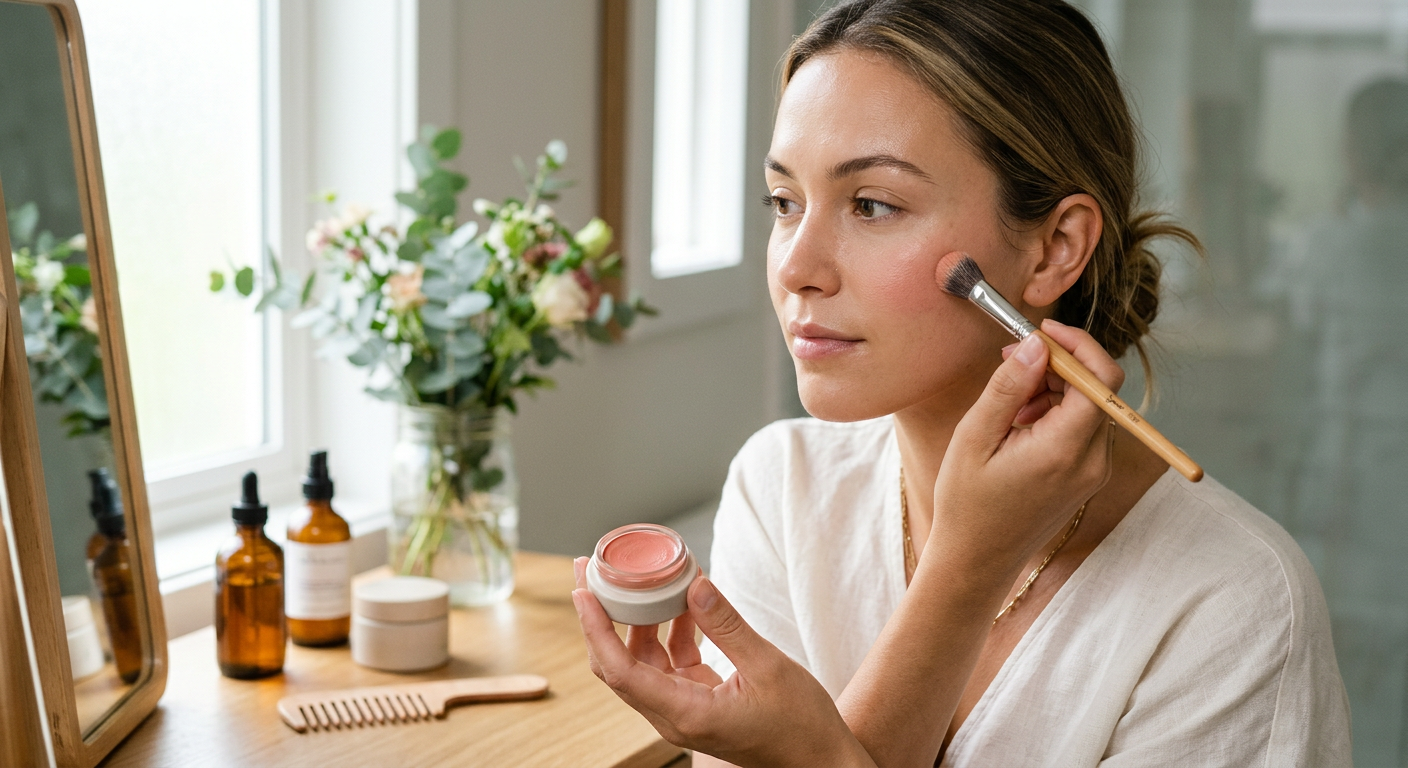
Thick application is one of the top reasons cream makeup separates. A single thin layer, blended quickly, grips the skin better and resists breakdown better than several heavy coats. RMS Beauty confirms that a thin layer applied with a damp sponge or brush sits more evenly and lasts longer.
Start with a small amount and build only where you need extra coverage. L’Oréal Paris makes the same point. If a few areas need more, add a second thin layer or spot-conceal rather than piling product across your whole face.
Technique Matters on Textured Skin
For textured or dry areas, press cream product into the skin instead of dragging it across. Welyke Academy recommends pressing foundation into pores and using stippling motions on textured zones to build coverage gradually. A damp sponge gives even, full coverage for cream foundation, while a brush works best for the powder steps that come later.
Best tools for cream makeup application: – Damp sponge: Presses product in evenly and prevents caking – Stippling brush: Builds coverage on textured areas – Fingers: Warm the product for seamless blending on small areas
Follow the Golden Rule: Creams Before Powders
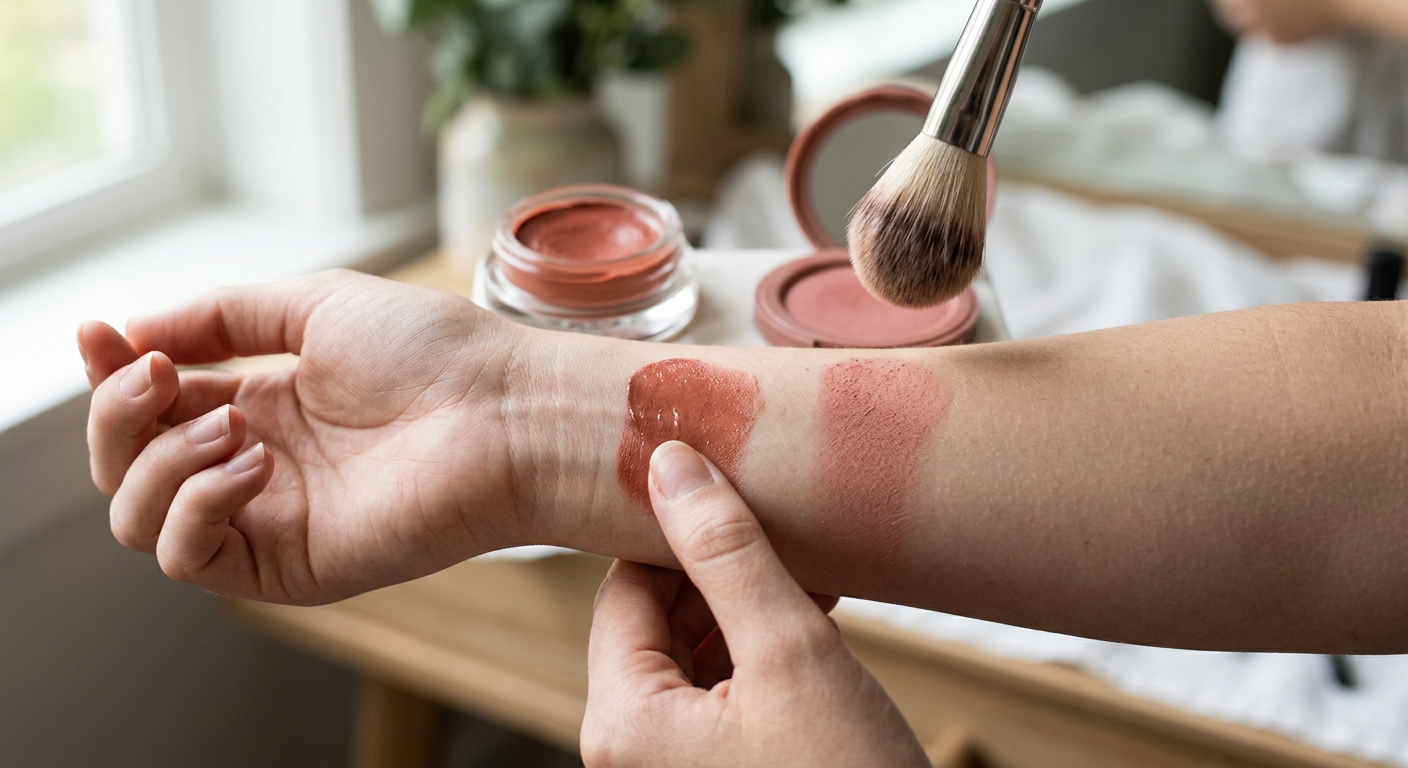
The order you work in directly affects whether your products separate. Makeup artists agree on one rule: apply cream products before powders, unless a product tells you otherwise.
“Incorrect makeup application, like applying liquid-based formulas over powders, can lead to separation,” Sofia Tilbury told Byrdie. “Always apply your powder last and focus on the T-zone to avoid looking dry and flat.” Makeup artist Sabena Collier calls this the “golden rule.”
Apply cream blush, bronzer, or foundation over a powdered surface and the cream will drag, ball up, and settle unevenly. Powder creates a dry barrier that cream can’t grip, which all but guarantees patchiness within a few hours.
Set Your Cream Makeup Strategically
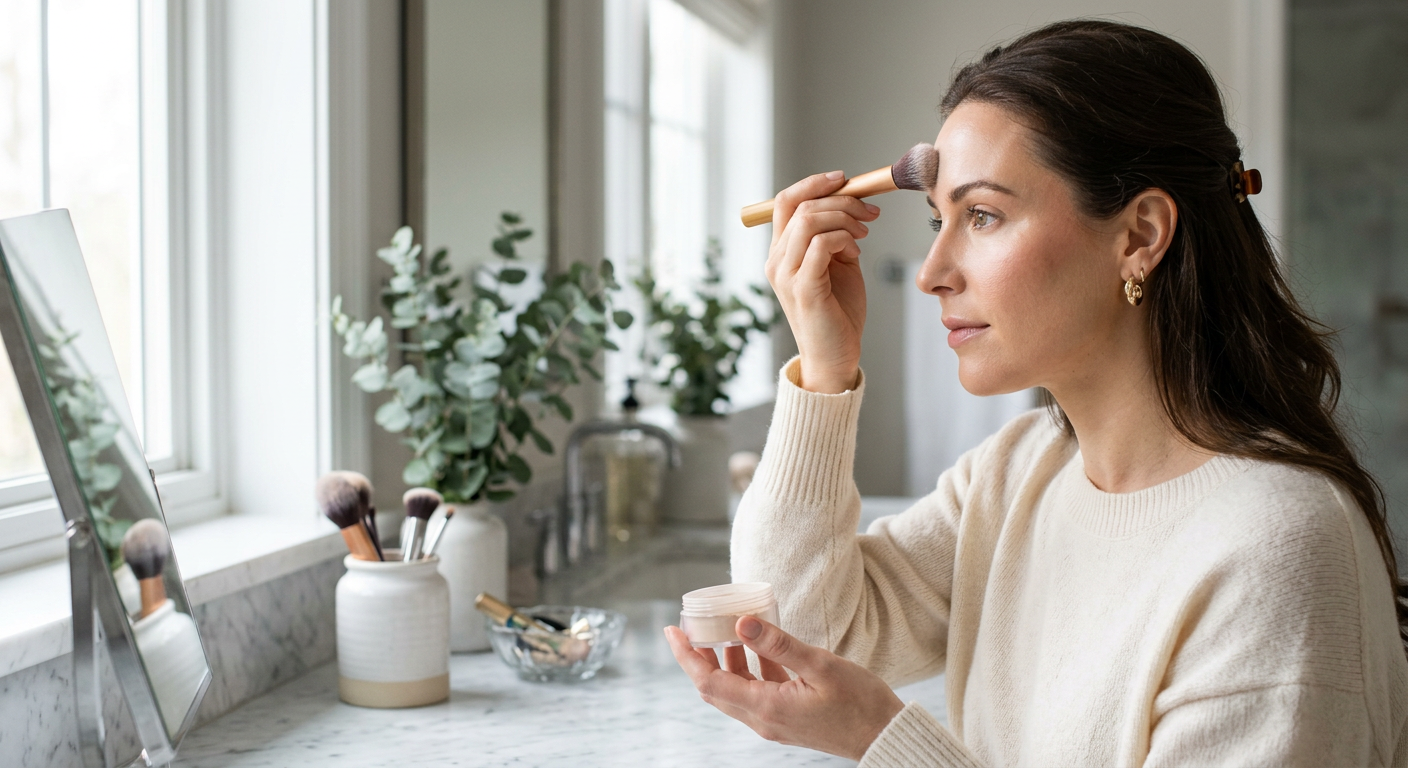
Setting seals your base in place, but where and how you set matters as much as whether you do it at all. Over-powdering, or powdering in the wrong spots, causes caking. RMS Beauty recommends pressing a micro-fine setting powder only where your base is most likely to move: the T-zone, under the eyes, and the chin.
Setting spray does even more of the heavy lifting. “Consider using a lock-in-place setting spray to prevent separation,” Seropian advises in Byrdie. A fine mist over your finished base fuses the layers together so they stay put through wear.
Fixing Separation That Has Already Started
If your cream makeup starts to shine and separate midday, you don’t need to start over. Blot the excess oil with a tissue, then press a small amount of mattifying powder over the affected area, as Lamel Makeup recommends. Finish with a spritz of setting spray to re-blend the surface.
Conclusion
Keeping cream makeup from separating comes down to three things: prep, compatibility, and application. Exfoliate 2-3 times per week, hydrate your skin, and let moisturizer absorb for 60-90 seconds before you apply anything. Match your product bases so water-based and silicone-based formulas never fight each other on your face.
Apply cream products in thin layers, always before powders, and set with a micro-fine powder plus a lock-in-place setting spray. Do this and your base will hold from morning to evening. Work out which single mistake is most likely wrecking your look, fix that one first, and build the rest of your routine from there.
Frequently Asked Questions
Q: Why does my cream makeup separate almost as soon as I apply it?
Immediate separation usually means your skincare hasn’t fully absorbed, or your product bases are incompatible. Let moisturizer sink in for 60-90 seconds and confirm your primer and foundation share the same base, either both water-based or both silicone-based.
Q: Can I use face oil under cream foundation without causing separation?
Yes, as long as the oil absorbs fully before you apply anything on top. RMS Beauty confirms that pressing a few drops into damp skin and waiting 60-90 seconds prevents separation while filling in dry patches.
Q: Should I set cream makeup with powder or setting spray?
Use both. Press a micro-fine powder only on oil-prone areas like the T-zone, then finish with a lock-in-place setting spray to fuse the layers together and extend wear.
Q: How often should I exfoliate to prevent patchy makeup?
Exfoliate gently 2-3 times per week. Over-exfoliating irritates your skin and compromises the barrier, which makes patchiness and separation worse rather than better.
Q: Why does cream blush look patchy over my foundation?
Cream blush turns patchy when it goes over a powdered surface, because powder creates a dry barrier the cream can’t grip. Apply cream blush before any setting powder, following the golden rule of creams before powders.
Q: Does dry skin really cause makeup to separate?
Yes. Dry skin is the biggest culprit behind separation and patchiness. Makeup clings to dry, flaky patches differently than to smooth skin, so consistent hydration and gentle exfoliation are your first line of defense.