



It’s 9 p.m. and the phone is still in hand. Notifications keep pinging, the overhead lights are on full blast, and the body stays wired for daytime long after work ended. That gap between how you feel and how you want to feel is what cozy wellness sets out to close, and it’s part of why the idea has gained traction heading into 2026.
Cozy wellness trades intensity for intention. Instead of squeezing in a late workout or grinding through one more hour of email, you build small, calming habits that tell your brain the day is winding down. Accor’s Limitless reports that 2026 wellness trends lean heavily on micro-breaks, breathwork, and relaxation as daily practice. This guide walks through how to build an evening routine that actually helps you rest.
Why Cozy Wellness Is Taking Over in 2026
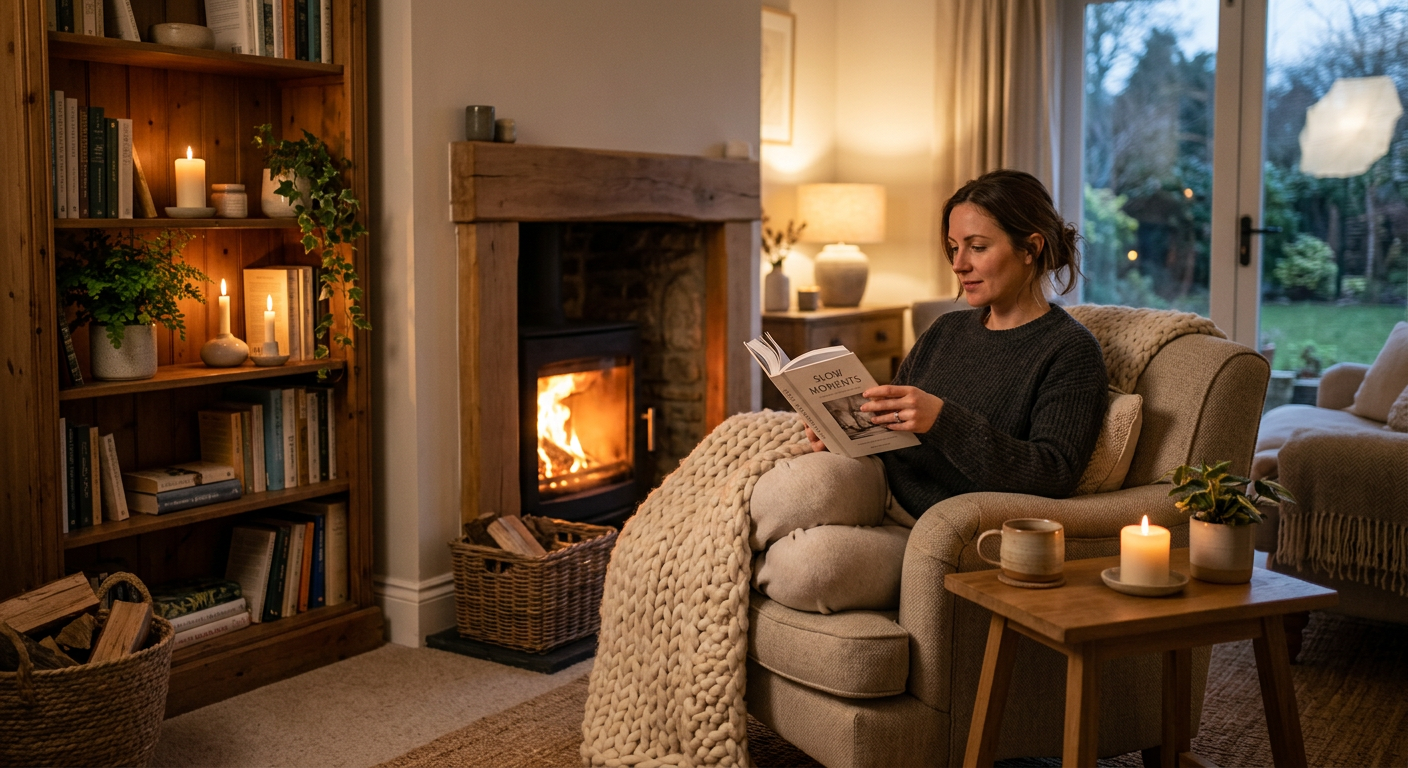
Modern evenings are loud. Screens, artificial light, and irregular schedules all interfere with the body’s natural sleep cycle, as SleepBamboo points out. Cozy wellness is a direct response to that overload, choosing calm over hustle.
The shift shows up in how experts frame the year ahead. Dr. Axe names “slow evenings” and “sleep sanctuaries” among 2026’s leading trends, tying rest to metabolic health, emotional balance, and resilience. Sleep isn’t being treated as a luxury anymore.
Part of the appeal is that almost anyone can do it. No expensive equipment, no need for hours of free time. Small habits done consistently tend to pay off the most, which is why the approach works for people managing early shifts, late study sessions, or a house full of kids.
Set a Consistent Sleep Schedule First

Before you buy candles or brew tea, fix your timing. A consistent sleep schedule anchors everything else, because it trains your circadian rhythm to expect rest at the same hour every night.
Pick a realistic bedtime and wake time, then stick to them within about 30 minutes even on weekends. The body runs on repetition, and predictable timing helps you fall asleep faster and wake up feeling better.
Rebuilding a broken schedule takes patience. Shift in 15-minute increments instead of forcing a two-hour jump. Gradual changes hold; dramatic ones usually fall apart within a few days.
Begin a Tech-Free Wind-Down Hour
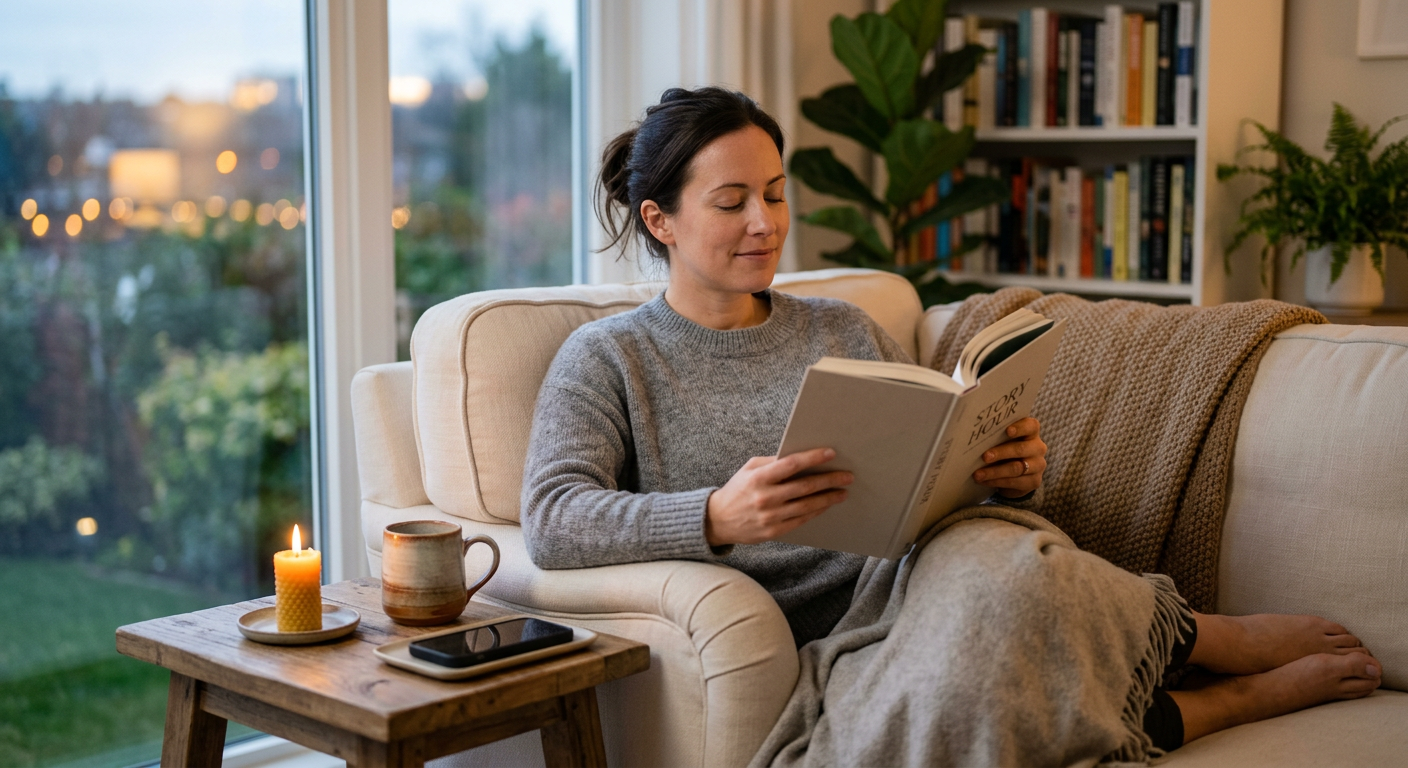
Drawing a clear line between “on” and “off” time helps keep stress in check, according to Everyday Health. A tech-free wind-down hour is the simplest way to draw that line.
Put the screens away 60 minutes before bed. Blue light suppresses melatonin, and the endless stream of news and notifications keeps your brain in problem-solving mode when it should be shutting down. Accor’s Limitless notes that a digital detox directly supports better sleep rituals.
What to Do Instead of Scrolling
Fill the hour with low-stimulation activities:
- Read a physical book or magazine
- Change into soft, comfortable clothes
- Put on quiet music or a calming playlist
- Sip a warm herbal tea like chamomile
- Dim the lights to cut the overhead glare
The goal is to replace stimulation with comfort, not to leave a void that pulls you straight back to your phone.
Add Gentle Movement and Evening Stretches

Movement has a place in an evening ritual, but the intensity matters. Vigorous exercise close to bedtime spikes dopamine and puts you in a state of excitement that fights sleep, as Géopélie warns. Slow movement does the reverse.
Yoga-inspired routines have grown popular in 2026 because they combine physical release with a bit of mindfulness. Gentler styles like hatha, yin, or nidra yoga let you stretch out a day spent mostly in a chair while settling the mind.
Evening Stretches That Calm the Body
These gentle movements release tension before bed:
| Stretch | Targets | Benefit |
|---|---|---|
| Neck rolls | Neck and upper spine | Releases screen-related tension |
| Shoulder stretches | Shoulders and upper back | Eases posture strain |
| Forward folds | Hamstrings and lower back | Signals relaxation |
| Hip openers | Hips and glutes | Loosens sitting stiffness |
| Gentle spinal twists | Spine and core | Relieves back pressure |
Do your stretches with soft lighting and quiet music to reinforce the wind-down.
Practice Mindful Breathing and Reduce Mental Overload
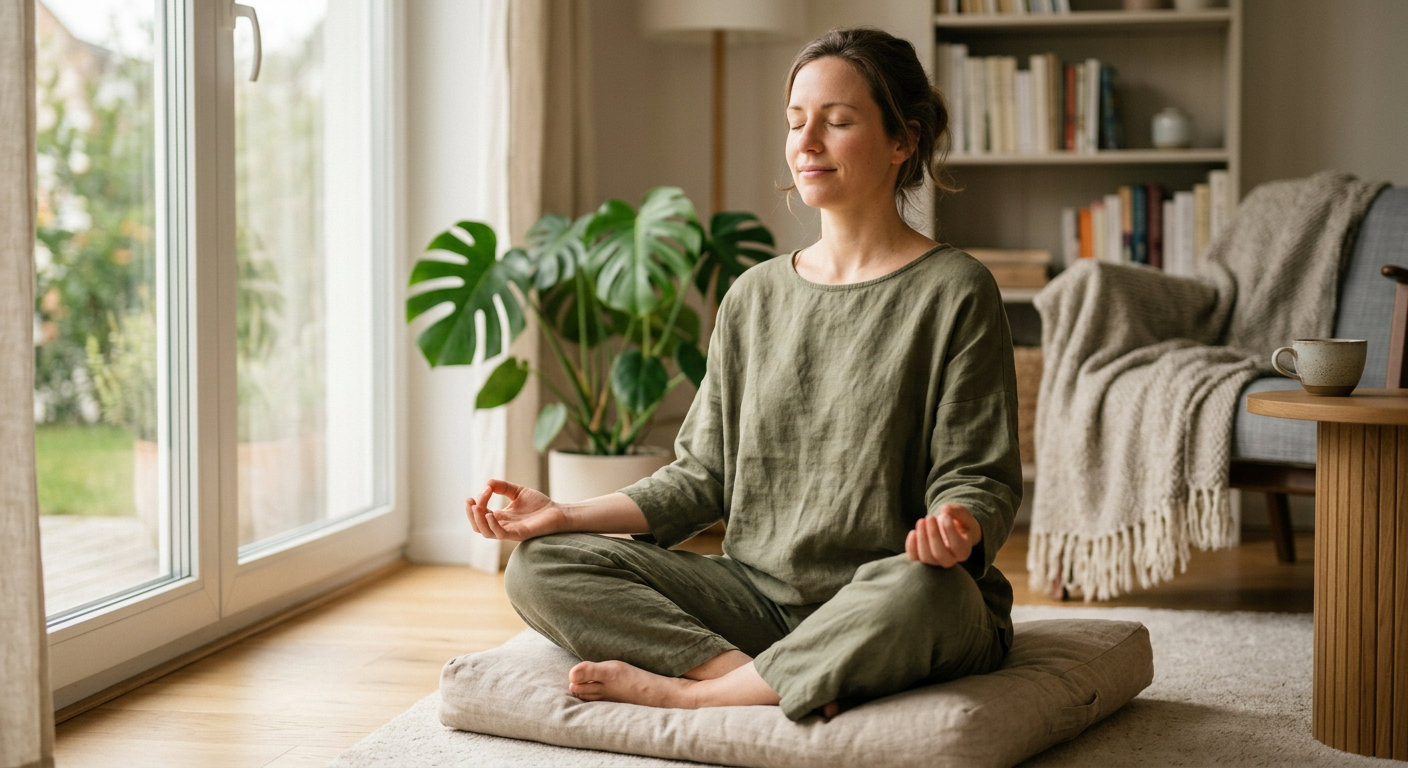
Breathwork is one of the most effective ways to calm an overactive nervous system, and it costs nothing but a few minutes of attention. Rather than long sessions that add to your mental load, Accor’s Limitless recommends micro-breaks that rebalance the nervous system and clear the head.
The basic practice is simple. Breathe in slowly through your nose for four counts, hold briefly, then exhale for six. That longer exhale triggers the parasympathetic response, the body’s signal that it’s safe to rest.
Offload Your Thoughts Before Bed
Mental overload is a big reason people lie awake staring at the ceiling. The Calm blog suggests writing down anything unfinished, small worries, or reminders for the next day to ease that tension and quiet the bedtime chatter.
Keep a journal or notes app by the bed for a five-minute brain dump. Getting tomorrow’s to-do list onto paper stops your mind from rehearsing it in the dark. Sometimes sitting with a cup of tea and a few scribbled notes clears enough clutter to let sleep in.
Build Your Cozy Sleep Sanctuary
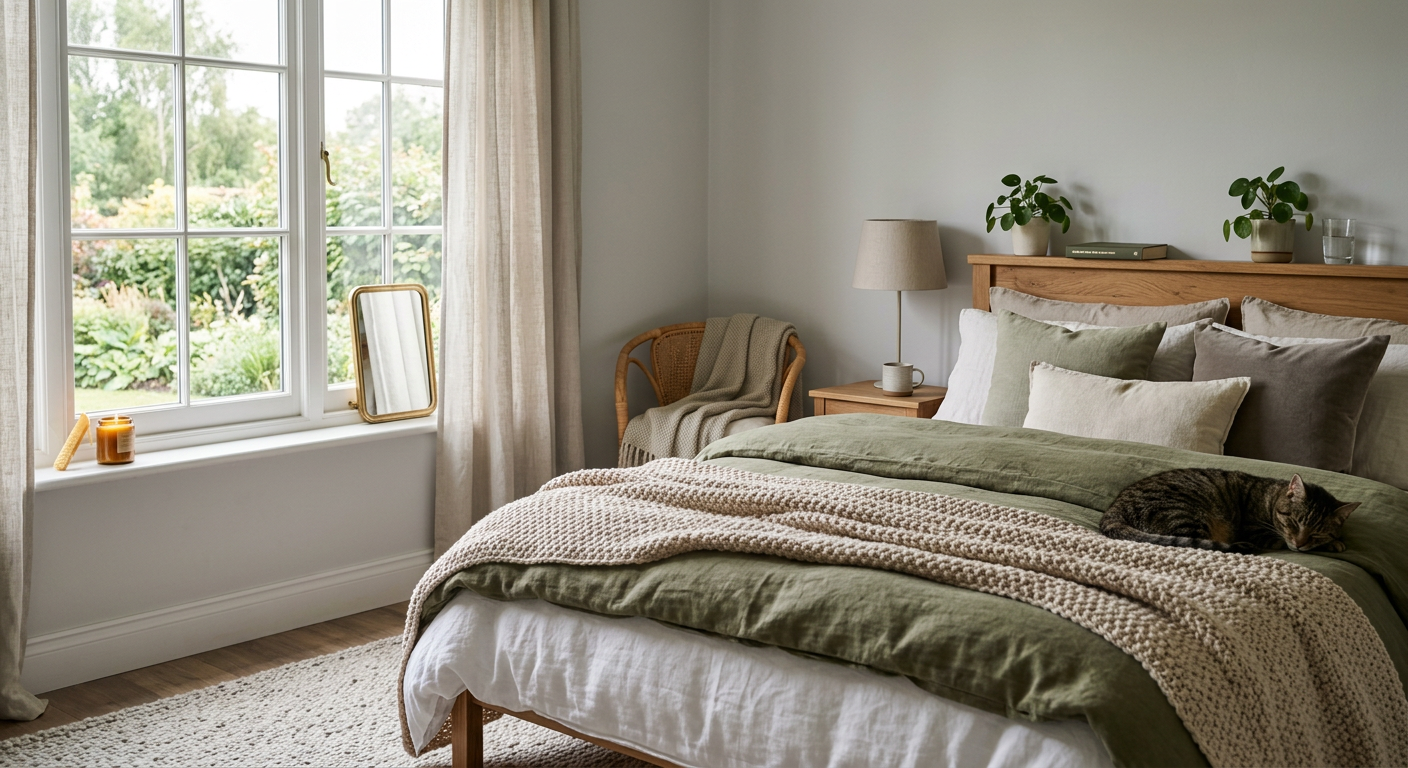
Your surroundings shape how fast you unwind. Healthline recommends building a relaxing sleep ritual around dim lights, soothing music, warm baths, and a cooler bedroom.
The small sensory details make a room feel restful. Trade harsh overhead lighting for warm lamps or candlelight, and drop the temperature with a fan or the thermostat. A magnesium bath or warm shower, another 2026 slow-evening staple, raises then lowers your body temperature in a way that nudges you toward drowsiness.
Extras are optional. A cozy blanket, a soft playlist, or a favorite book can turn an ordinary bedroom into a space your brain links with rest. Consistency makes it work: the more reliably you use these cues, the faster your body starts responding to them.
Conclusion: Start Small and Stay Consistent
Cozy wellness works because it takes pressure off instead of piling it on. You don’t need a flawless routine or expensive gear to sleep better. You need calming habits, done consistently, that tell your nervous system the day is done.
Start with the basics: a steady sleep schedule, a tech-free wind-down hour, some gentle stretching, and a few minutes of breathing. Add a cozy sleep environment, and you’ve got a ritual that supports both body and mind.
Pick one habit from this guide and try it tonight. Add another next week. Within a month, the routine stops feeling like a chore and starts feeling like the best part of your day.
Frequently Asked Questions
Q: How long before bed should I start my evening ritual?
Give yourself about 60 minutes before your target bedtime. That leaves room for a tech-free hour, some gentle stretching, and a bit of breathwork without feeling rushed.
Q: What is cozy wellness?
Cozy wellness is a 2026 trend that puts slow, calming self-care ahead of intense activity. It focuses on comfort, gentle movement, and screen-free rituals to cut stress and improve sleep.
Q: Is stretching before bed actually helpful for sleep?
When it’s gentle, yes. Slow stretches like neck rolls, forward folds, and hip openers release physical tension and signal relaxation. Intense exercise does the opposite, overstimulating you and pushing sleep further off.
Q: What should I do if my mind races at bedtime?
Try a five-minute brain dump in a journal or notes app. Writing down worries and tomorrow’s tasks helps your mind let go of them and cuts down on rumination once you’re in bed.
Q: Do I need special products to build an evening ritual?
No. A consistent schedule, dim lighting, and mindful breathing cost nothing. Extras like a cozy blanket, herbal tea, or calming music just add comfort.
Q: How long until an evening ritual improves my sleep?
Most people notice a difference within a few weeks of sticking with it. If sleep problems continue despite a solid routine, see a healthcare professional.