

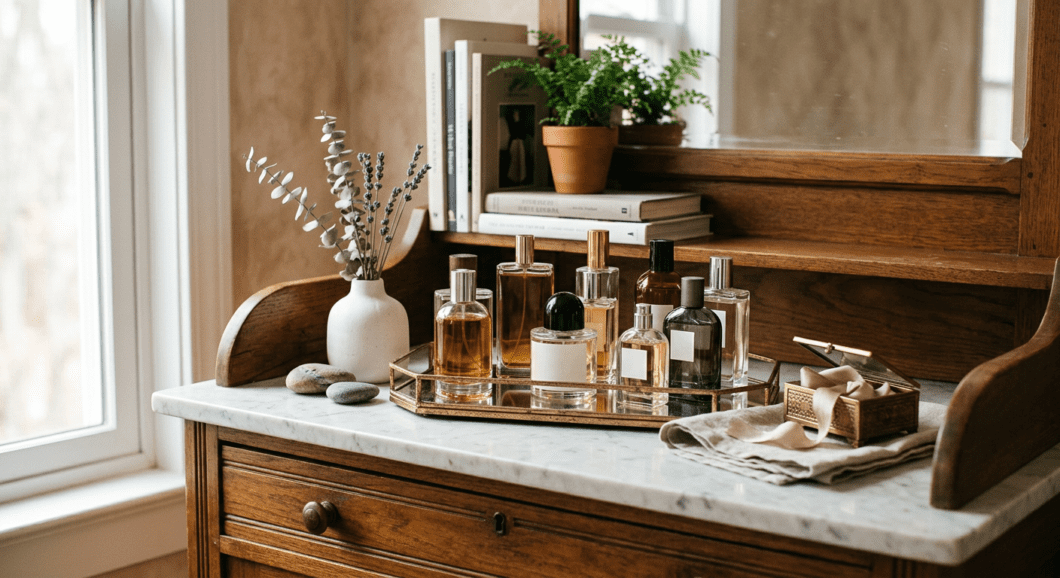
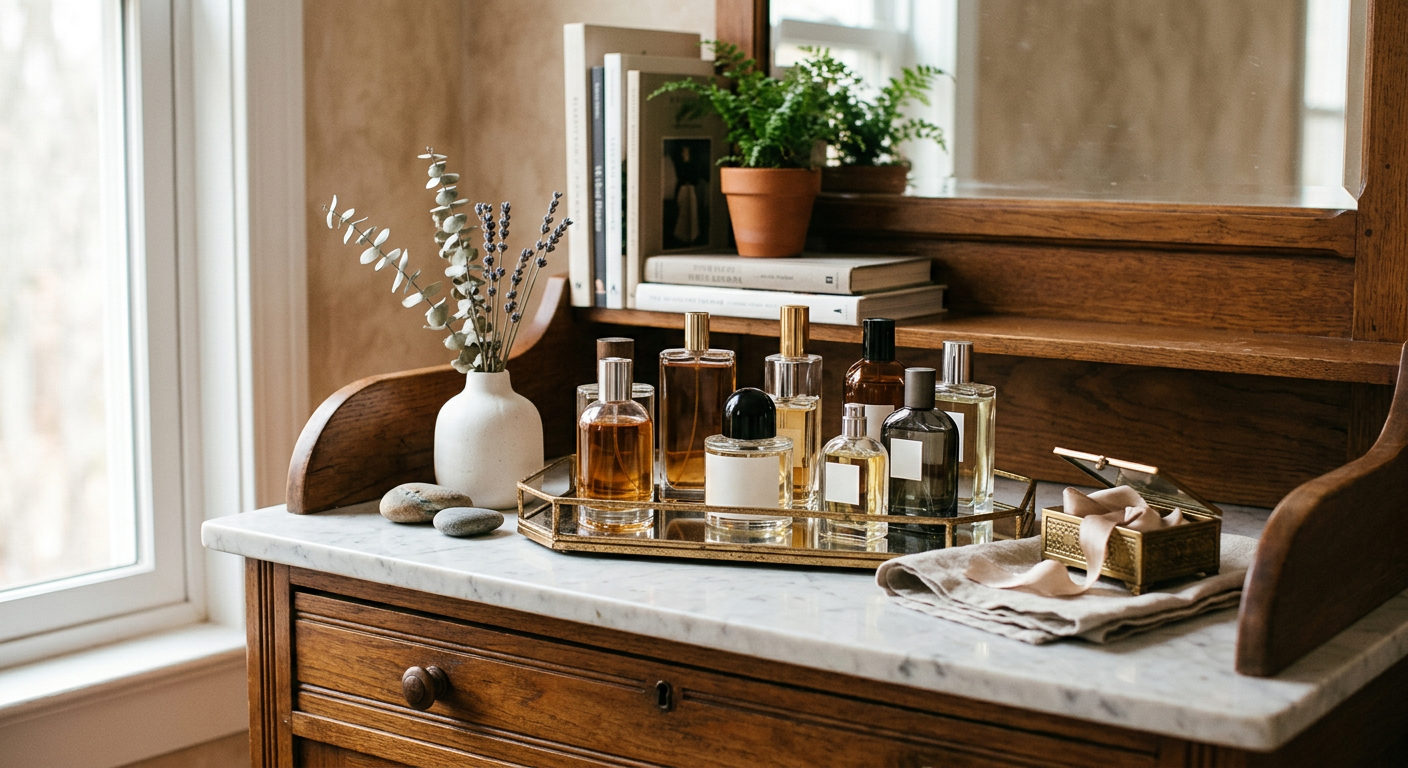
Between 2020 and 2025, a bottle of Chanel No. 5 climbed from €110 to €172, and the luxury fragrance market is on track to hit €57.28 billion in 2026 (Scento). What that price tag hides: marketing and packaging eat up 80 to 90 percent of what you pay at the register. Most of your money buys the bottle, the ad campaign, and the boutique experience, not the liquid inside. So building a fragrance collection that reads as expensive has less to do with your budget and more to do with how you shop.
This guide covers where the value actually sits, how to buy secondhand without getting stung, and how to make affordable scents wear like a curated wardrobe.
What Actually Makes a Fragrance Feel Luxurious
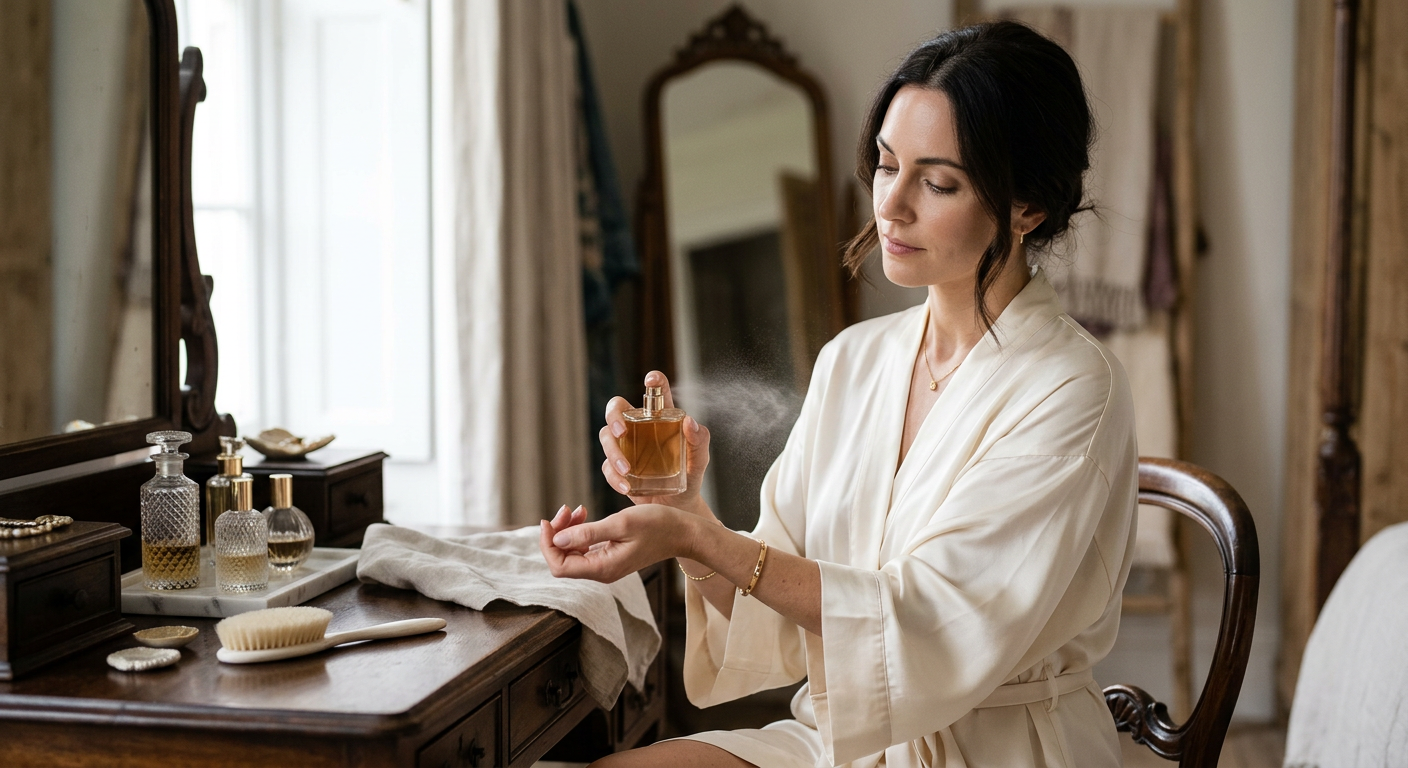
Luxury is a perception, and price is only one ingredient in it. A well-chosen scent applied correctly often reads as more expensive than a designer bottle dumped on without thought.
Concentration matters more than the name on the label. Eau de parfum (EDP) carries 15 to 20 percent fragrance oils; eau de toilette (EDT) holds 5 to 15 percent. The higher the concentration, the longer the wear and the richer the projection, which is exactly what people register as “expensive.”
The Three Pillars of a Luxurious Collection
- Quality over quantity: A handful of scents you reach for beats a shelf of impulse buys.
- Performance: Longevity and projection are what make a fragrance feel premium on skin.
- Presentation: Clean storage and proper application lift even modest bottles.
Build around these three and the collection feels deliberate instead of accidental. That sense of intention is where perceived luxury starts.
Know Your Scent Profile Before You Spend
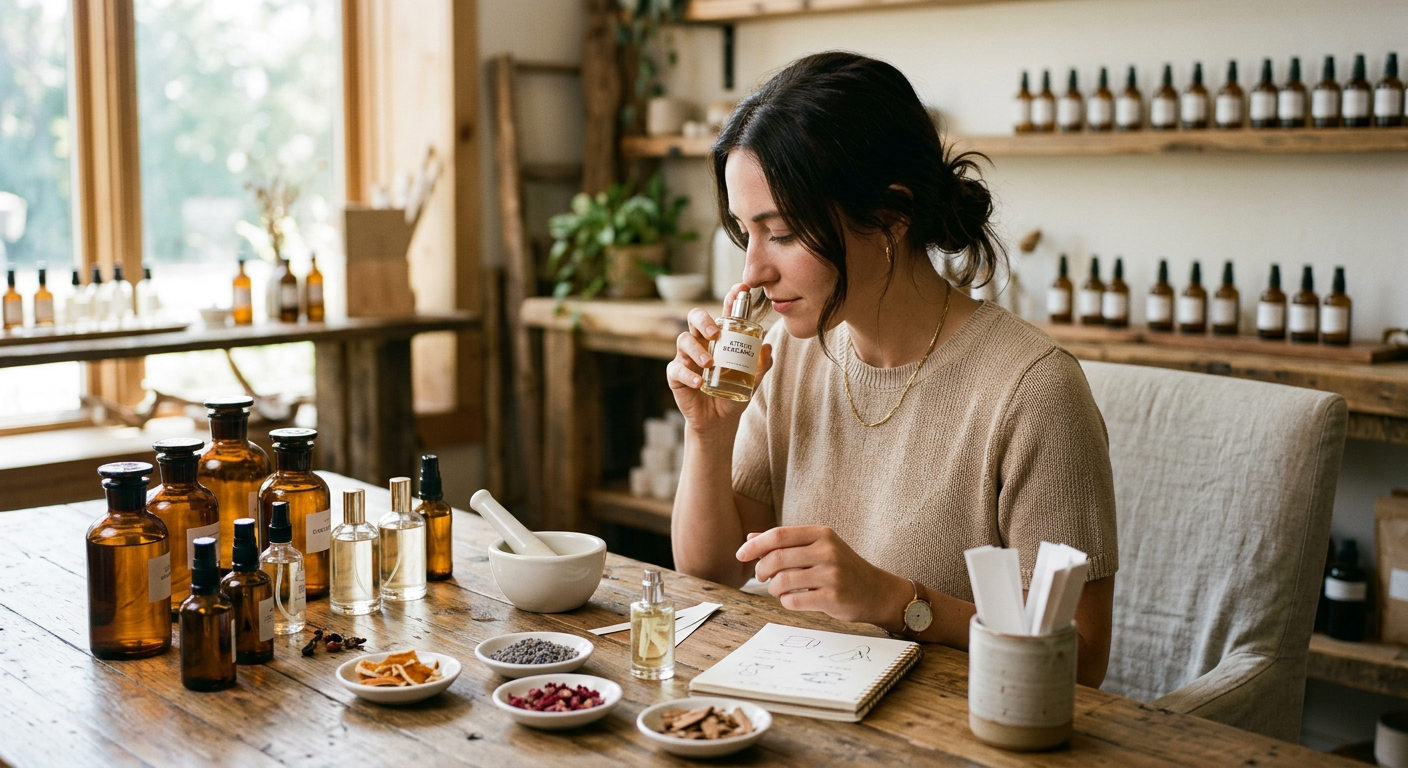
The fastest way to waste money is buying fragrances that don’t suit you. Figure out what you enjoy wearing before you spend anything.
Scents sort into broad families: fresh, floral, woody, oriental (warm and spicy), and gourmand (sweet, edible notes). Knowing your preferences keeps the collection focused and heads off expensive mistakes (Fragrant Villa).
A useful gut check: if a scent makes you feel like you’re wearing someone else’s personality, let it go. A good collection should match your moods, your routines, and the life you’re actually living, not the version of your taste you wish you had.
List the scents you reach for most often, look for patterns in the notes, then build outward from what already works.
Use Decants and Samples to Try Before You Commit
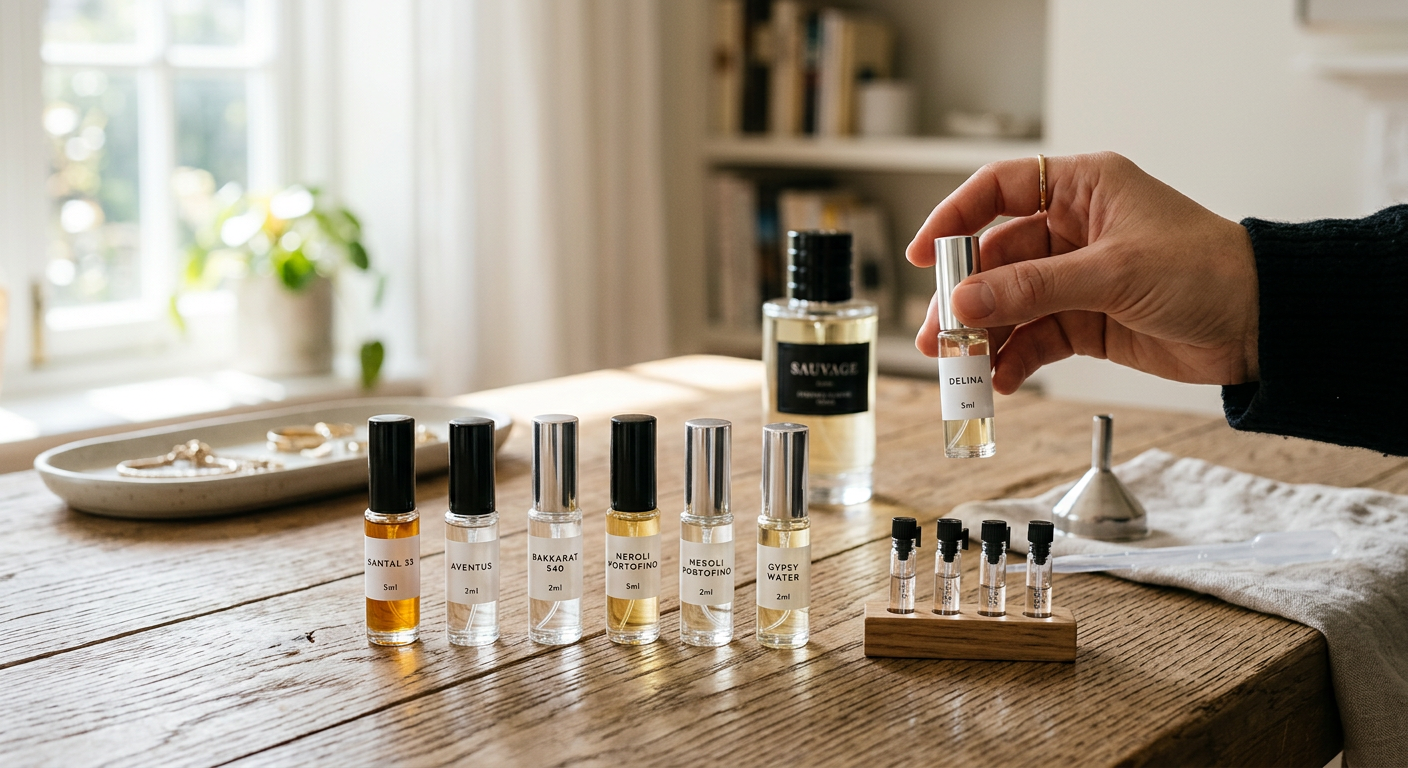
Decants are small portions of a fragrance siphoned from a full bottle into a travel-sized atomizer, usually 2 to 10 milliliters. They let you wear premium scents for a fraction of the full-bottle price.
Samples and discovery sets do the same job. You get several days of wear, a chance to watch how a fragrance develops on your skin, and confirmation that it earns a permanent spot before you commit (Fragrant Villa).
Why Smaller Sizes Are Smarter
A 50ml bottle you only half-finish is worse value than three 10ml decants you use down to the last spray. Smaller sizes also let you build a rotation across seasons and occasions without tying up your budget in a single purchase. Decants are the cheapest honest way to assemble a fragrance wardrobe out of premium juice.
Shop Secondhand and Discount Channels
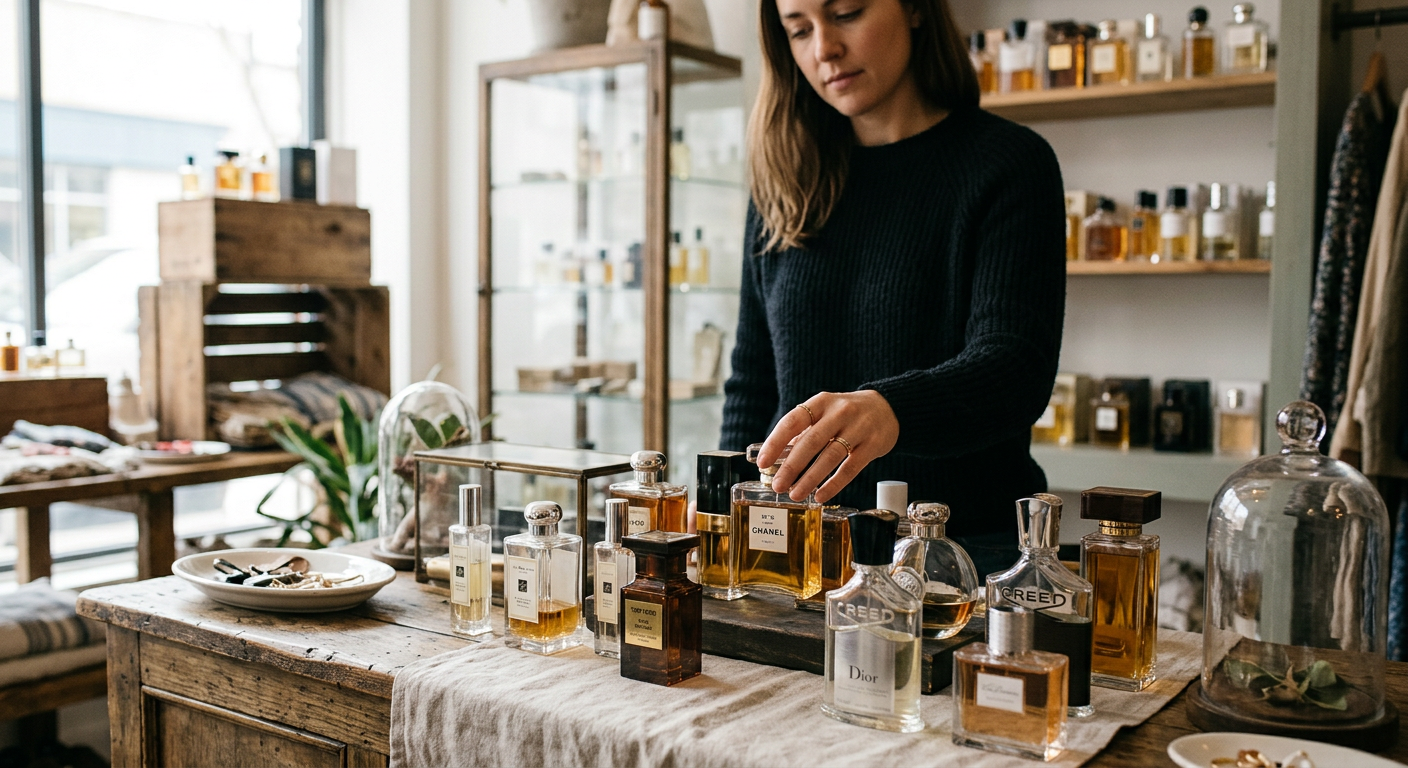
The secondhand market is one of the most overlooked sources of luxury fragrance. People resell scents they were gifted, didn’t bond with, or simply overbought.
One collector picked up three fine fragrances for $40 total by working OfferUp, Craigslist, and Facebook Marketplace, where good listings turn up regularly (Lemon8). Facebook fragrance groups stay especially active, with members swapping and selling well under retail (Oomph London).
Where to Find Discounted Luxury Scents
| Channel | Typical Savings | Best For |
|---|---|---|
| Facebook Marketplace / Groups | 30–60% off retail | Lightly used full bottles |
| Decant retailers | Pay per ml, no full-bottle cost | Trying expensive niche scents |
| Discount fragrance sites | 20–50% off retail | Older or discontinued releases |
| Swaps within communities | Cost of shipping only | Trading scents you no longer wear |
When you buy used, check the fill level, confirm the batch code, and ask for photos of the bottle and atomizer. A near-full authentic bottle at half price is a real win.
Make Affordable Fragrances Perform Like Luxury
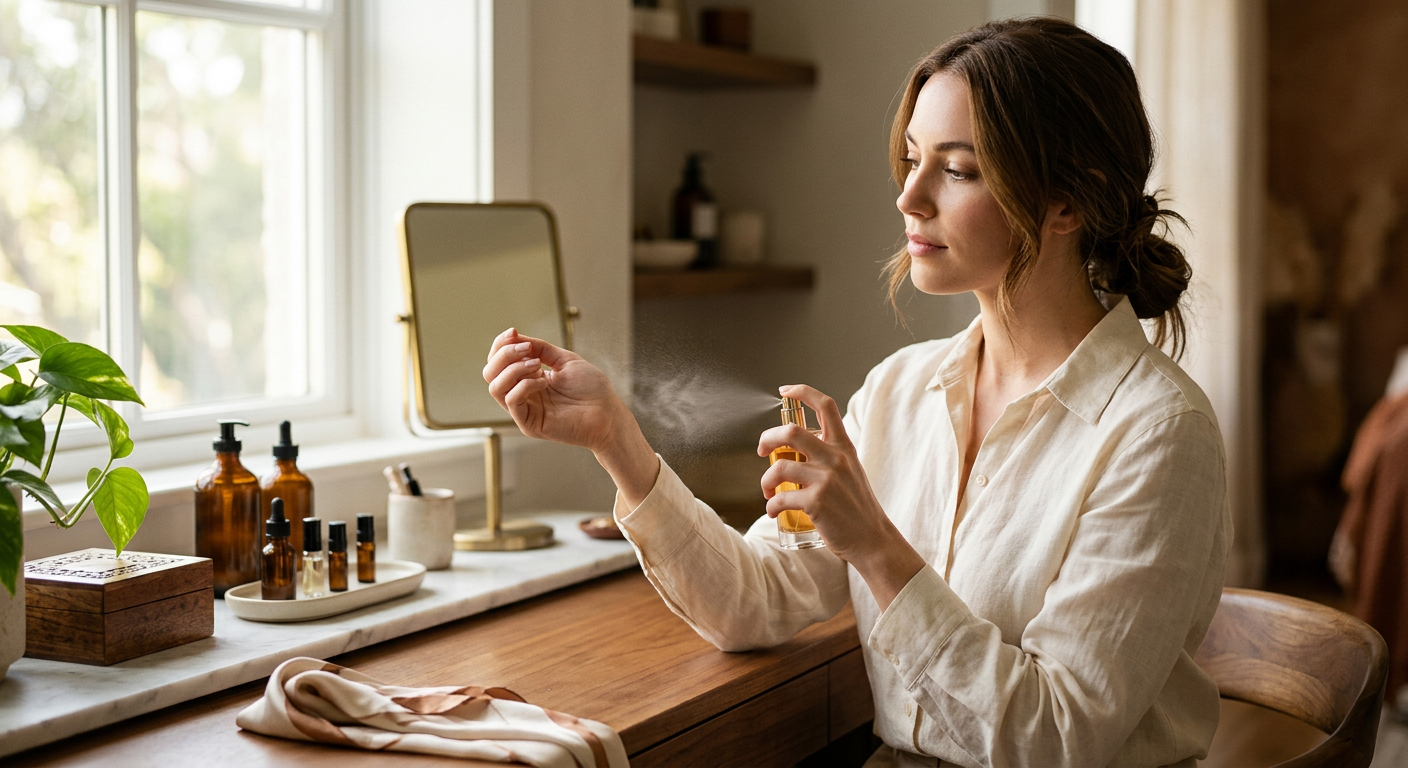
How you apply and store a fragrance changes how expensive it smells. Application technique costs nothing and makes a measurable difference.
Spray pulse points: wrists, neck, behind the ears. Body heat in those spots helps push the scent out across the day (Lemon8). Don’t rub your wrists together. It crushes the top notes and cuts longevity.
Layering to Build Complexity
Layering means wearing two complementary fragrances at once to build a richer, more individual scent. Putting an amber or a floral over a simpler base softens sharp edges and makes the whole thing feel more refined (Trend Perfumes). Done well, two cheap scents combine into something that smells custom.
Storage Protects Your Investment
Heat, light, and humidity break down fragrance oils and shorten shelf life. Keep bottles in a cool, dark spot, away from bathroom steam and direct sun. Good storage keeps even budget scents wearing well for years, which protects what you spent.
Curate and Streamline Over Time

A luxurious collection is curated, not hoarded. As your taste shifts, some bottles stop earning their place on the shelf.
Notice when a collection is sprawling past the point of use, and work out which bottles actually mean something to you (Scentgourmand). Selling or swapping scents you’ve moved on from funds the ones you love. One collector found that selling perfume on eBay paid for the scents she actually wanted (Kind of Fancy).
Treat the collection as a living wardrobe. Rotate by season, keep only what you reach for, and put the proceeds from sales back into better choices. That cycle keeps things intentional and fresh without growing your spending.
Conclusion
A luxurious fragrance collection doesn’t take a luxury budget. With 80 to 90 percent of a perfume’s price going to marketing and packaging, the sharpest buyers focus on the juice, not the box.
Learn your scent profile, lean on decants and samples to test before you buy, work the secondhand market, and store your bottles properly. Then curate as you go, selling what no longer fits to fund what you love.
A starting move for this week: name your three favorite scents, then order decants or scroll a local Facebook fragrance group for the next addition. Buy deliberately, and the collection will smell expensive long before your spending does.
Frequently Asked Questions
Q: Are decants worth buying instead of full bottles?
Yes. Decants let you wear premium fragrances for a fraction of the full-bottle cost and confirm a scent suits you before you commit. They also let you build a varied rotation without sinking your budget into a single purchase.
Q: Is it safe to buy perfume secondhand?
It can be, and it’s economical, if you verify the fill level, check the batch code, and ask for clear photos of the bottle and sprayer. Facebook Marketplace, OfferUp, and dedicated fragrance groups regularly list authentic bottles at 30 to 60 percent below retail.
Q: Why do luxury perfumes cost so much?
Marketing and packaging account for 80 to 90 percent of the retail price, and rare ingredients like oud run €50,000 to €80,000 per liter (Scento). Most of what you pay reflects brand positioning rather than the cost of the fragrance itself.
Q: How can I make a cheap perfume last longer?
Apply to pulse points, don’t rub your wrists together, and store bottles away from heat and light. Layering with a complementary scent and choosing eau de parfum concentrations over eau de toilette both help longevity too.
Q: What is fragrance layering?
Layering is wearing two complementary fragrances at once to create a richer, more individual scent. Putting an amber or floral over a simpler base softens harsh edges and makes the result feel more refined.
Q: How many fragrances should a good collection have?
There’s no fixed number; quality matters more than quantity. A focused set of scents that match your moods and routines feels more luxurious than a large shelf of impulse buys you rarely wear.