

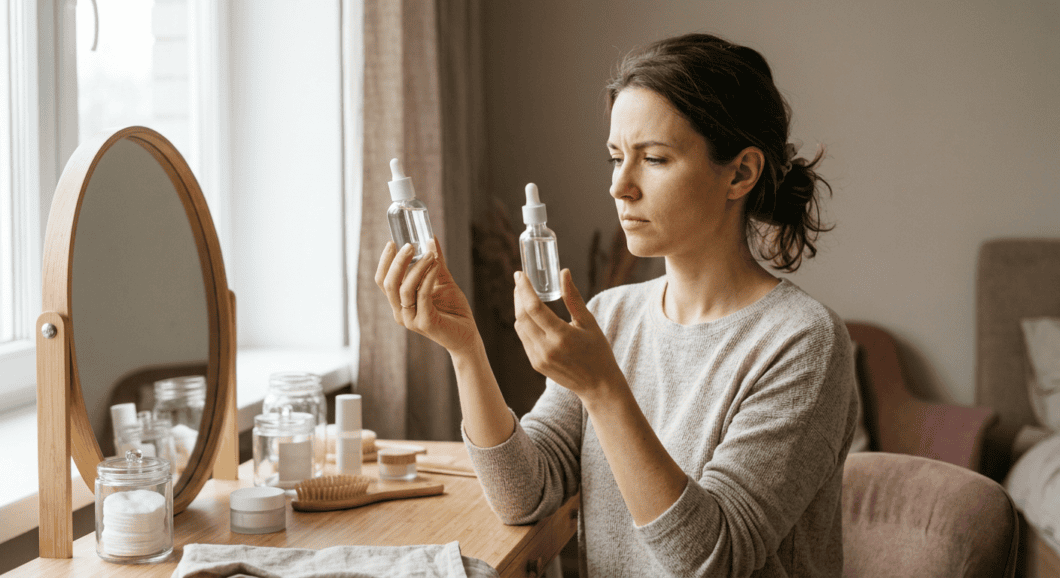
Not long ago, finding a $12 drugstore serum that outperformed a $65 prestige version felt like winning a small lottery. Now shoppers go looking for that outcome on purpose. Beauty dupe culture has matured past its bargain-bin roots, and buyers are no longer reaching for cheaper alternatives only because they have to. They choose dupes deliberately, often when the original sits comfortably within their budget. Circana reports that seven in 10 beauty consumers would intentionally buy a dupe even if they could afford the original. Price still matters. It just stopped being the only thing that does.
The Numbers Behind the Dupe Boom
Dupe buying has crossed from niche behavior into ordinary habit. Circana found that 58% of shoppers bought a dupe in 2026, and 51% of beauty buyers say they have specifically purchased a beauty dupe. A majority of the market now does this, which changes how whole categories compete for the same shelf space.
The generational split runs deeper. Research from Northeastern University shows 71% of Gen Z and 67% of Millennials say they sometimes or always buy dupes, and plenty of them share their finds publicly as a point of pride rather than something to hide. Among makeup consumers aged 18 to 34, a third buy dupes they first saw on social media.
The categories leading the charge are easy to name. Circana puts makeup and skincare at the top, tied at 27%, with hair at 18% and fragrance at 15%. These are products people burn through and rebuy constantly, so dupe habits accumulate instead of fading after a single trial.
Why Price Is No Longer the Whole Story
For years the math was straightforward: dupes saved money. That still holds. But now it shares the table with several other motivations that pull just as hard, sometimes harder.
Circana lays out the mechanics plainly. Dupe brands win because they make products easy to buy online or in a store, and because they lean on influencers and social media to close the perceived quality gap. Convenience and discovery have joined price as primary reasons people buy.
Quality turned into the surprising differentiator. A March 2026 First Insight study of 2,151 consumers found that quality, not price, is the top purchase driver for beauty and skincare among Gen Z, named by 33% of respondents. In food and beverage, price leads. In beauty, it does not.
What Actually Drives a Dupe Purchase Now
- Quality and performance — the product has to work, not just cost less
- Convenience — easy to find and buy online or in-store
- Social discovery — influencer and TikTok validation
- Ingredient transparency — proof of formulation parity
- Value as identity — smart shopping as a point of pride
The Trade-Down Paradox: Affluent Shoppers Buy Dupes Too
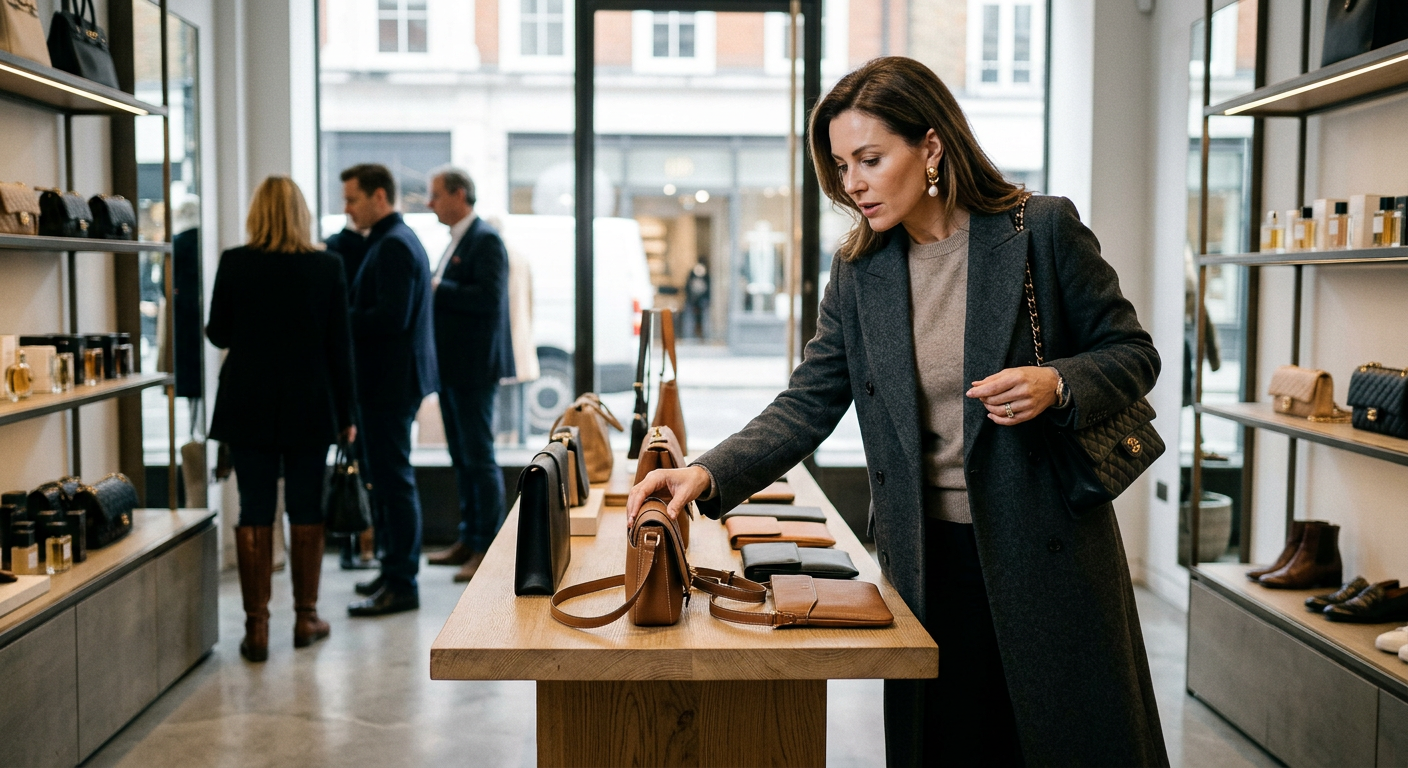
The most counterintuitive part of the story is who is doing the buying. It is not just shoppers watching every dollar.
Circana found that roughly half of consumers in households earning $100,000 or more say they have bought dupe-style products, a 14% jump from two years ago. Standard Insights landed in the same territory in its April 2026 survey of 576 US adults, noting that affluent consumers with household incomes of $75,000 or more are replacing premium products at nearly the same rate as lower-income buyers.
That reframes the threat to premium brands. This is not a recession trade-down that snaps back once wallets loosen up. It looks more like a permanent renegotiation of what prestige pricing is actually worth.
And the choice is deliberate. A First Insight study found 59% of Gen Z actively trades down on household staples like groceries and everyday essentials specifically to free up cash for premium purchases in health, wellness, and beauty. Skincare and beauty came in as the second most common destination for that redirected spending, at 22% of Gen Z. These shoppers are not giving up on quality. They are deciding, category by category, where they are willing to pay for it.
Ingredient Transparency Is the New Battleground
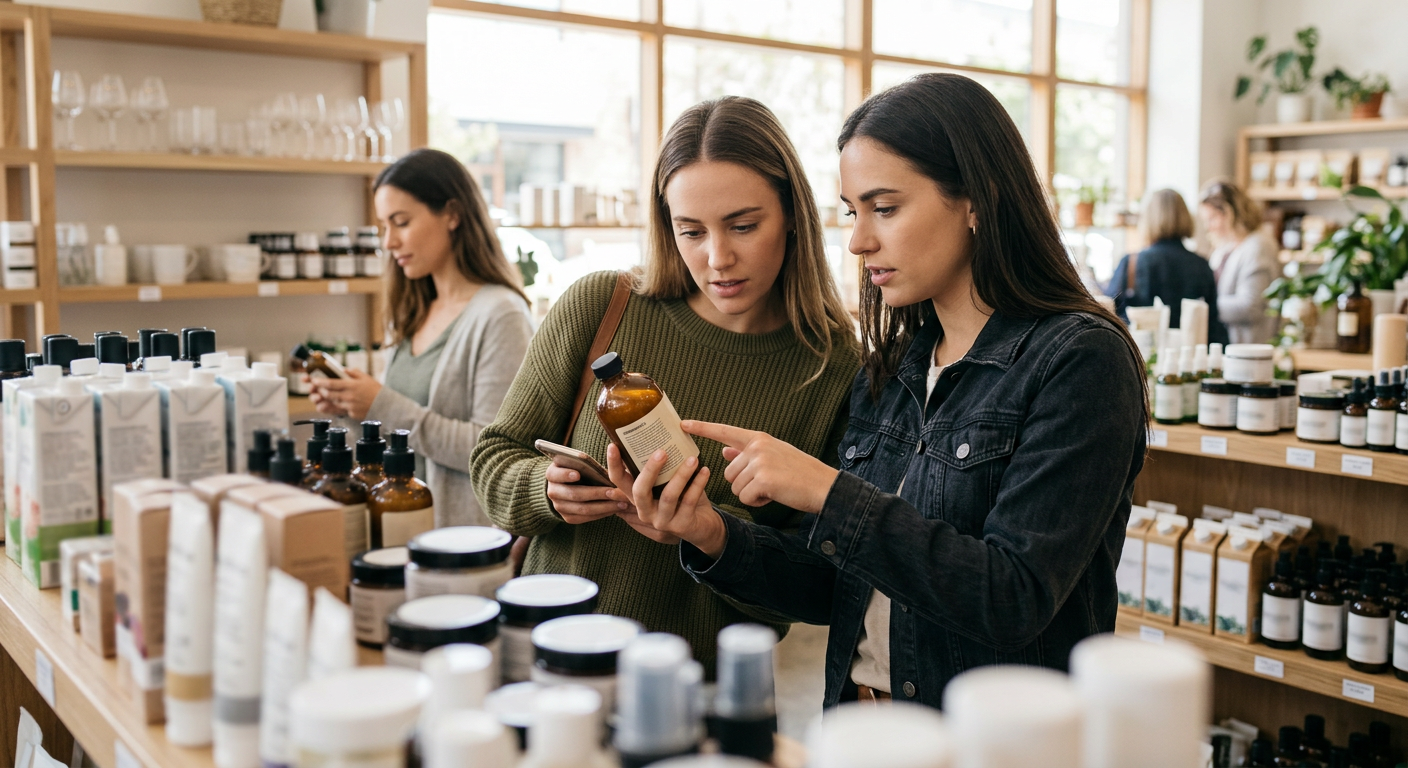
Price built the first wave of dupe culture. Ingredient transparency is building the second. Shoppers now compare formulations line by line instead of taking the brand name on the box at face value.
CultureSight data shows dupe culture is increasingly driven by ingredient transparency and formulation comparison rather than price alone. Comparison-first content is climbing fast. The share of comparison-first scripts in top TikTok signals rose from 34% to 42% over a recent 30-day window, while ingredient transparency content on YouTube grew 28% year over year and drove 3.1 times the engagement of simple hauls.
This is where premium brands feel the squeeze. Standard Insights ran a pointed test: what happens when consumers learn a $12 drugstore product shares 80% of active ingredients with a $65 prestige equivalent? That one question exposes how much of prestige pricing rests on emotion rather than function.
The size of the gap makes the comparison irresistible. A Fresha study found that premium beauty products cost, on average, 347% more than their dupes. Once a creator can pull up two nearly identical ingredient lists side by side, justifying that 347% premium on performance alone becomes very hard.
Which Brands Get Duped Most
The dupe economy has its favorites. Fresha analyzed 97 premium beauty brands to see which ones British consumers most often hunt for dupes of.
| Rank | Brand | Annual UK Dupe Searches |
|---|---|---|
| 1 | Sol de Janeiro | 69,600 |
| 2 | Charlotte Tilbury | 24,000 |
| 3 | Drunk Elephant | 14,160 |
At the product level, Charlotte Tilbury’s Magic Cream topped the list as the single most searched-for product dupe, with 46,800 searches a year. Visibility and viral status are exactly what turn a product into a dupe target, which leaves prestige brands with an awkward problem: the marketing that builds the brand also paints a bullseye on its most famous products.
How Smart Brands Respond
Attacking dupes directly rarely accomplishes much. The more effective approach is engagement paired with tiered pricing. Estée Lauder already runs this model, with La Mer at the premium tier and Clinique catching budget-conscious shoppers who may trade up later. Charlotte Tilbury has chosen to join the conversation instead of fighting it. A flexible pricing architecture beats defensive posturing.
What This Means for Shoppers and Brands
For shoppers, this is good news. Buying a dupe is no longer a compromise anyone needs to apologize for. It has become a research-driven decision, and the tools to make it well — ingredient comparisons, creator reviews, transparent formulation breakdowns — have never been easier to reach.
For brands, Personal Care Insights puts the message bluntly: if a dupe delivers similar performance at a fraction of the price, luxury brands have to demonstrate clear added value beyond what the product basically does. Statista backs this up, finding that 53% of consumers are open to buying dupes while 50% still worry about quality. Both dupe brands and prestige brands are racing to close that gap.
At its core, the dupe conversation is about earned value. The consumer working through this market has not stopped paying for quality. She has raised the bar for when a brand has to prove it.
Key Takeaways

- Price is no longer the primary driver. Quality, convenience, transparency, and social discovery now shape dupe decisions.
- Affluent shoppers buy dupes too, signaling a structural shift rather than a temporary recession behavior.
- Ingredient transparency is the new competitive front, with comparison content outperforming traditional hauls.
- Visibility is a double-edged sword — the most iconic prestige products attract the most dupe searches.
- Brands win by earning value, not by fighting dupes.
Whether you shop the aisle or run the brand, the smart move is the same: figure out what actually earns a premium price. Compare the ingredient lists on your next beauty purchase and decide for yourself where the value really sits.
FAQ
Are beauty dupes the same quality as premium products?
Not always, but the gap is narrowing. Standard Insights found many dupes share up to 80% of active ingredients with prestige equivalents, though Statista reports 50% of consumers still have quality concerns. That makes an ingredient comparison worth doing before you buy.
Why do people who can afford luxury still buy dupes?
Because dupes now signal smart shopping rather than a tight budget. Circana found seven in 10 beauty consumers would intentionally buy a dupe even if they could afford the original, driven by value, accessibility, and social discovery.
Which beauty brands get duped the most?
According to Fresha, Sol de Janeiro leads with 69,600 annual UK dupe searches, followed by Charlotte Tilbury at 24,000 and Drunk Elephant at 14,160. Charlotte Tilbury’s Magic Cream is the single most searched-for product dupe.
How much cheaper are dupes compared to the originals?
Considerably. A Fresha study found that premium beauty products cost, on average, 347% more than their dupe counterparts, which is a big part of why ingredient-parity comparisons land so hard online.
Is dupe culture just a temporary trend caused by inflation?
The data suggests otherwise. Because affluent shoppers earning $100,000 or more are buying dupes at rising rates, Circana and Standard Insights read the shift as a structural change in how consumers value prestige rather than a passing recessionary reaction.
How can I tell if a beauty dupe is worth buying?
Compare active ingredient lists, read creator reviews that focus on performance over hype, and check whether the dupe matches the original on the specific results you care about. The growing wave of ingredient transparency content on TikTok and YouTube makes this easier than ever.