

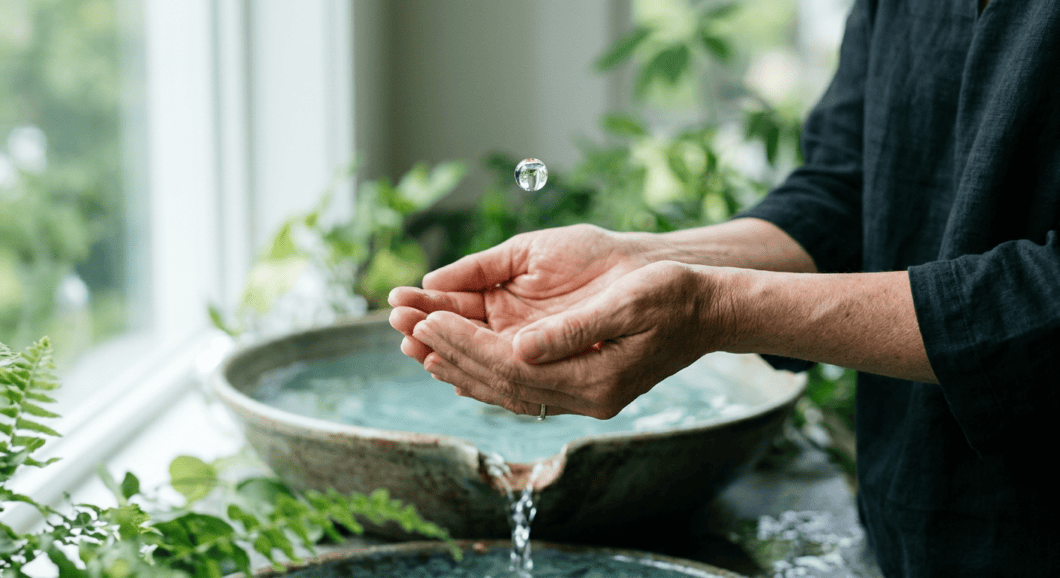
Sit in on a beauty buyer’s meeting these days and water comes up fast, though not as a prized ingredient. It comes up as a liability. Concentrated formulas have moved from something a handful of indie balm makers tinkered with to a full category that big brands now build their roadmaps around. The math explains why. Water makes up 60% to 80% of most skincare and haircare formulas, according to OEM Cosmetic, which means brands are shipping enormous volumes of water in glass and plastic all over the world.
That single fact is reshaping how the industry approaches sustainability. Remove the water and everything downstream changes: packaging, transport, preservatives, and the way a product feels when it hits your skin.
What Concentrated and Waterless Formulas Actually Are
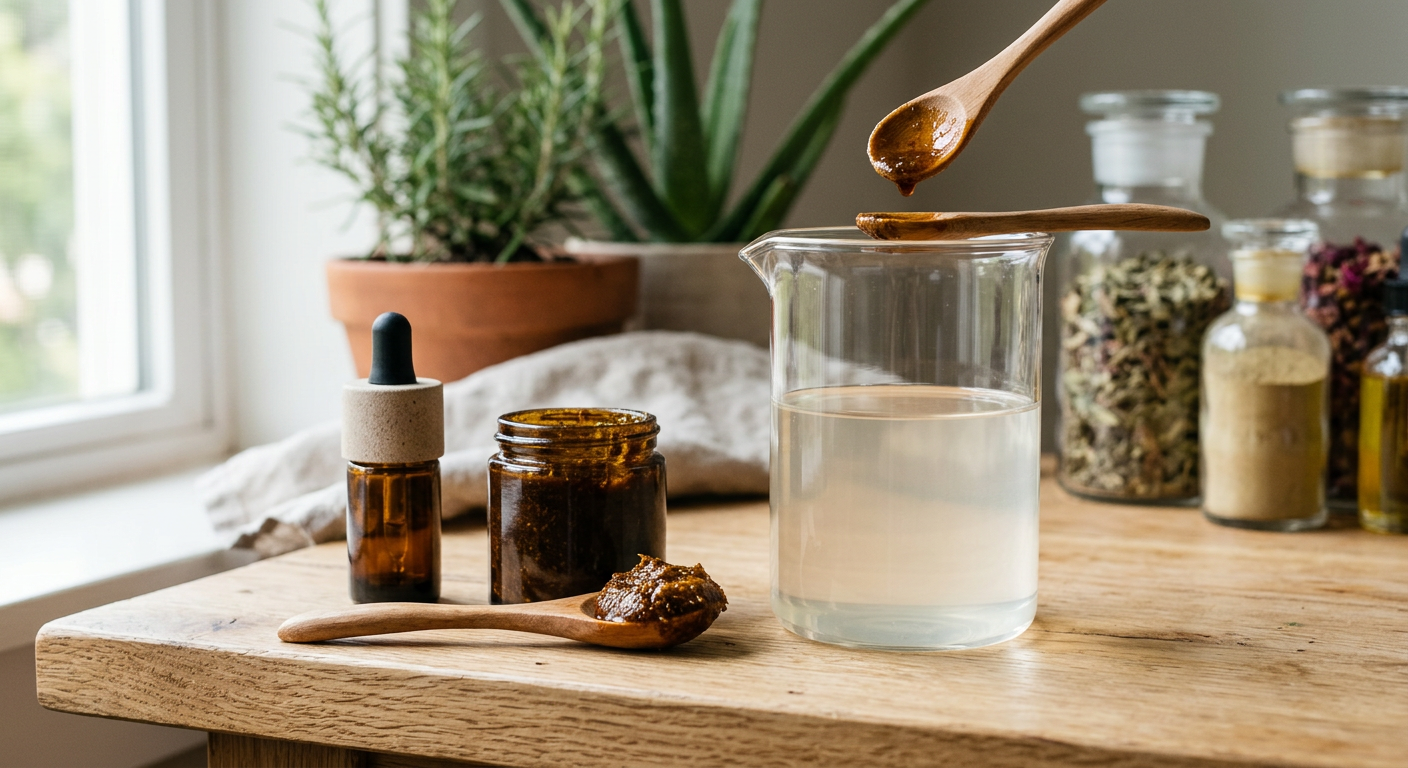
Concentrated formulas strip out most or all of the water and deliver active ingredients at higher potency in a smaller, lighter package. You add the water at home, at the sink, in the shower, or in a reusable dispenser, instead of paying to ship it across an ocean.
The formats vary, but most fall into a few categories, each solving the same problem a little differently.
Common Concentrated Formats
- Solid shampoo and conditioner bars — the largest sub-category, with a 44.5% share of the waterless market in 2025, per ResearchIntelo.
- Powder-to-foam cleansers — amino acid surfactants and enzymes that activate with a splash of water at the sink, according to OEM Cosmetic.
- Anhydrous balms, sticks, and dry oils — carrying actives like bakuchiol, squalane, and lipid-soluble vitamin C at high concentration.
- Concentrated serums and ampoules — designed to be diluted before use.
- Tablet and powder concentrates — dispensed from a reusable container, common in cleaning and personal care.
Efficiency ties them together. A solid shampoo bar that replaces three 250 mL bottles ships in a cardboard sleeve, as OEM Cosmetic notes.
The Environmental Case for Cutting the Water
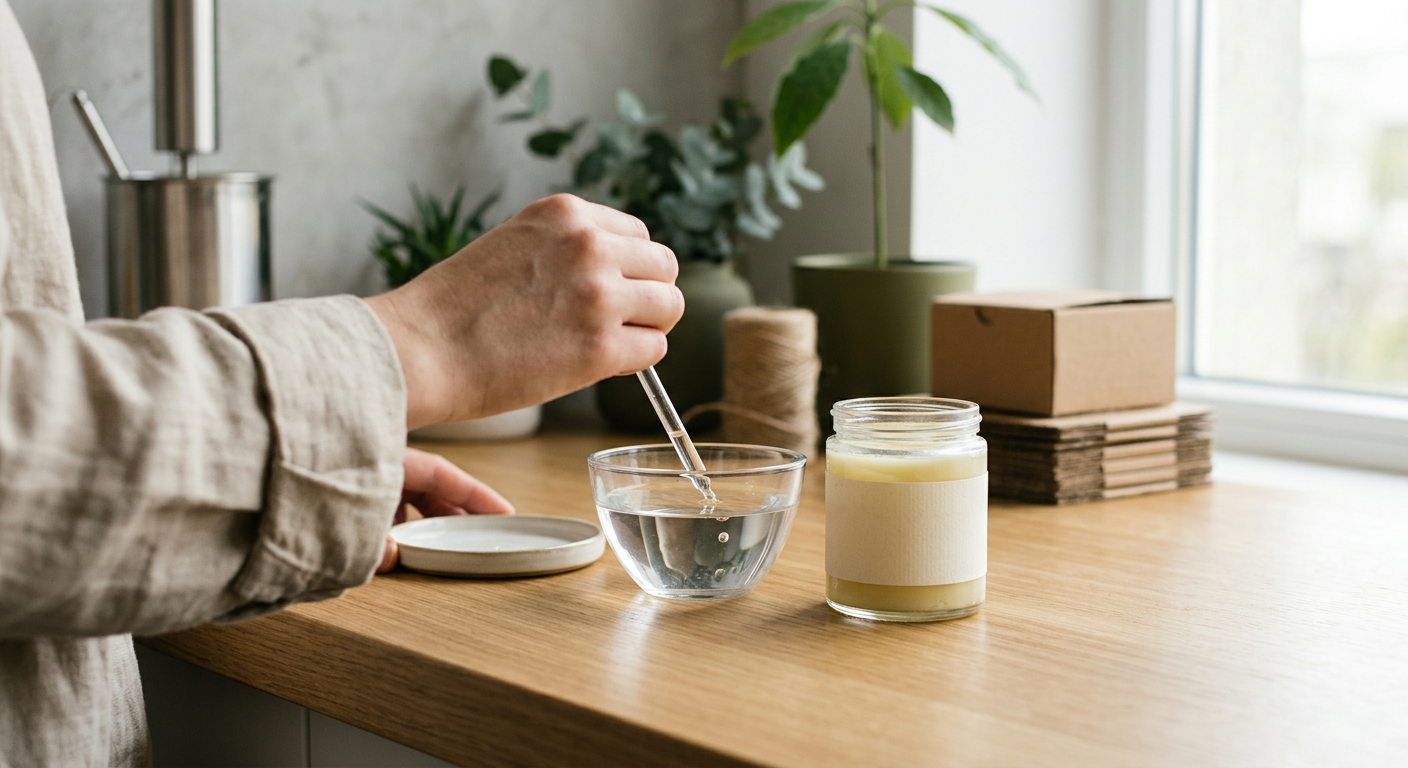
The sustainability argument is direct and measurable. A 100 mL lotion that’s 75% water means a brand ships 75 grams of water in glass or plastic per unit, according to OEM Cosmetic. Multiply that across millions of units and the transport emissions add up fast.
Concentrated formats tackle the problem at the source rather than at the recycling bin. Closed Loop points out that cutting water weight makes transport and storage more efficient, while more uses per package means less packaging overall.
Concentrated formula innovation can cut product weight by up to 80%, per ResearchIntelo. That weight reduction feeds straight into logistics: lighter, smaller packs cut logistics costs by an estimated 20–30% compared with conventional formulations, according to Market Research Reports.
Formulation gets a bonus too. Take out the water and you often take out the need for heavy preservation, since microbial growth needs water activity above roughly 0.6 to become a real concern, OEM Cosmetic reports. Fewer preservatives can mean a shorter, simpler ingredient list.
Concentrated vs. Conventional: A Side-by-Side Look
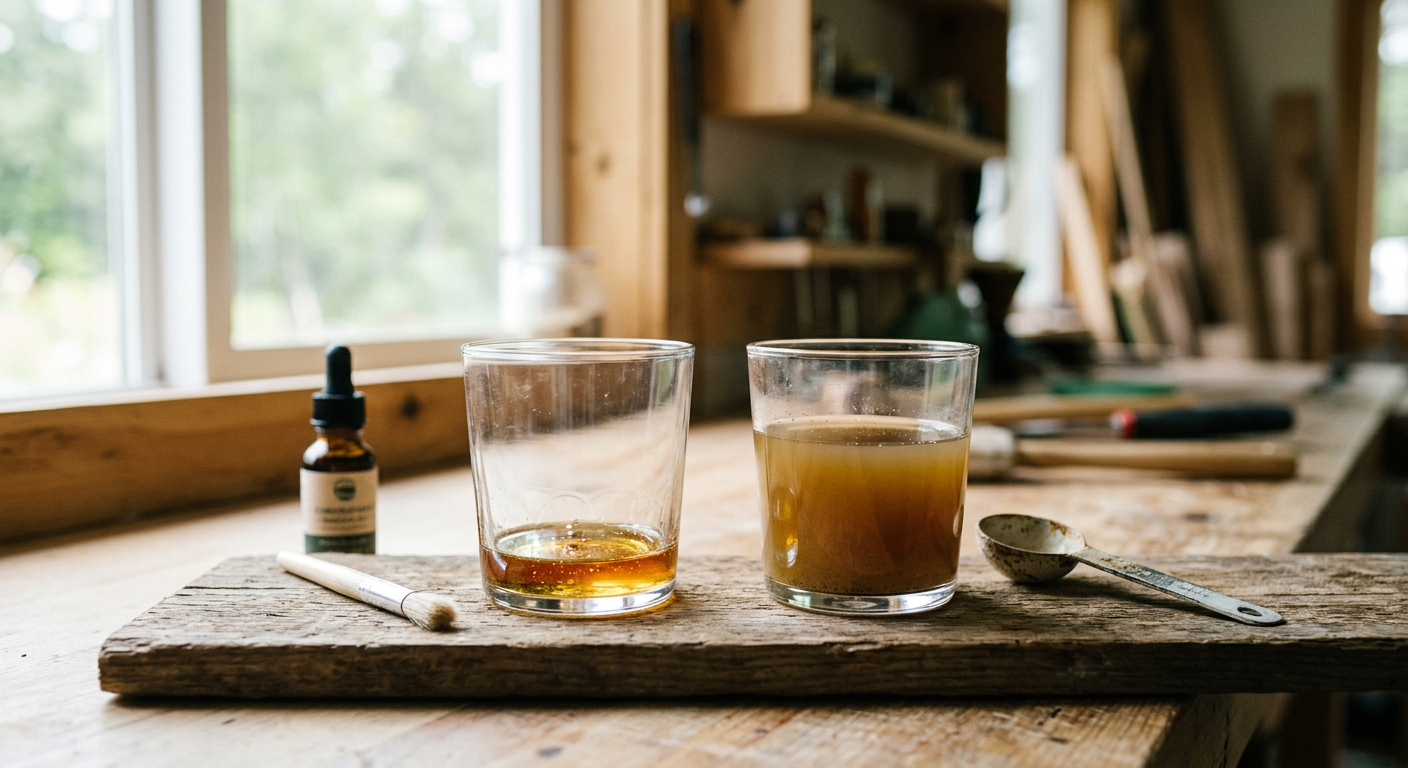
If you’re weighing whether concentrates are worth the switch, a direct comparison makes the differences clearer.
| Factor | Conventional Liquid | Concentrated/Waterless |
|---|---|---|
| Water content | 60–80% of formula | Near zero |
| Product weight | Full weight shipped | Up to 80% lighter |
| Packaging | Bulky bottles | Cardboard, sticks, reusables |
| Logistics cost | Baseline | 20–30% lower |
| Preservatives | Usually required | Minimal or none |
| Uses per package | Fewer | More per unit |
The trade-off is a small behavior change: you add the water yourself. For most people that’s a minor adjustment in exchange for a meaningful drop in waste and shipping emissions.
Why the Market Is Accelerating in 2026
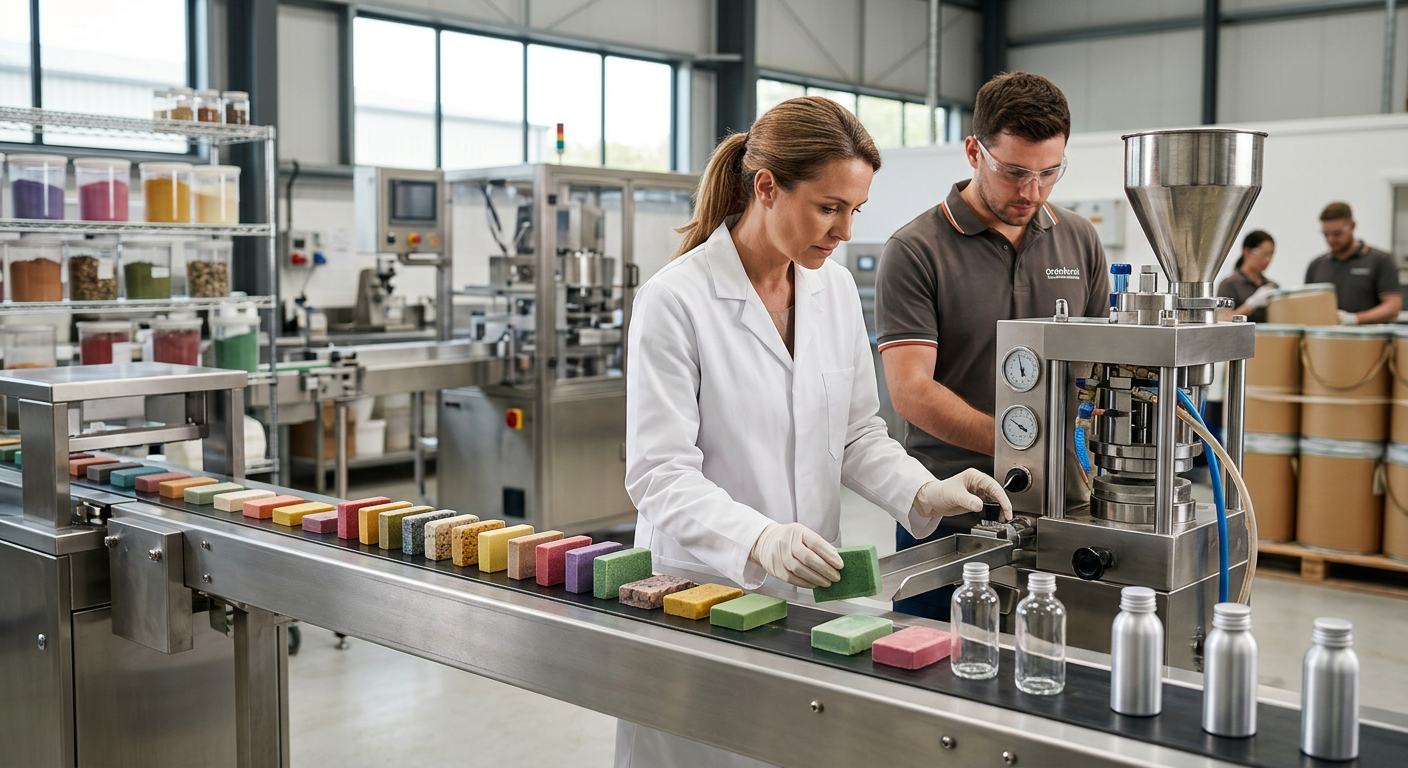
None of this is running on idealism alone. The global plastic-free waterless beauty formulations market was valued at $13.3 billion in 2025 and is projected to reach $24.6 billion by 2034, growing at a 7.0% CAGR, according to ResearchIntelo.
Three forces are pushing that growth: regulation, which is the most immediate pressure, along with consumer demand and better formulation science.
Regulatory Pressure
As of 2026, more than 60 nations have passed legislation restricting single-use plastic packaging, per ResearchIntelo. In the U.S., California’s SB 54 requires companies to cut the sale and distribution of single-use plastic packaging by 25% by 2032, relative to 2023 levels, according to Closed Loop. Concentrates give brands a direct route to those source-reduction targets.
Consumer Values
Shoppers are ready for it. Survey data consistently shows that 60–70% of premium skincare buyers weigh ingredient sustainability when they choose a product, per Market Research Reports. E-commerce penetration for waterless beauty in North America passed 42% of total channel sales in 2025, ResearchIntelo reports, which lets smaller brands reach a national audience without a heavy retail footprint.
The Formulation Craft Has Caught Up

For a long time, performance was the knock on concentrated beauty. A solid shampoo bar five years ago felt like a compromise. That’s no longer true.
The move from “good enough for eco-conscious shoppers” to “actually better, period” is what turns a niche into a default, as OEM Cosmetic puts it. Today’s bars, sticks, and powders compete on sensory feel and stability, not just conscience.
Formulators have worked through the technical hurdles that used to limit these products. To keep lipid-based systems stable, they lean on antioxidants like tocopherol, usually dosed between 0.05% and 0.5% depending on the oil load, along with rosemary extract, according to OEM Cosmetic. The result is a high-performance product that doesn’t ask you to trade results for values.
Innovation hubs are pushing the premium end further. South Korea’s beauty conglomerates are investing heavily in waterless cushion technology and solid serum sticks priced at $25–60 per unit, per ResearchIntelo, while North American haircare solids and balm sticks land in the more accessible $14–35 range.
How to Make the Switch Without Wasting Product
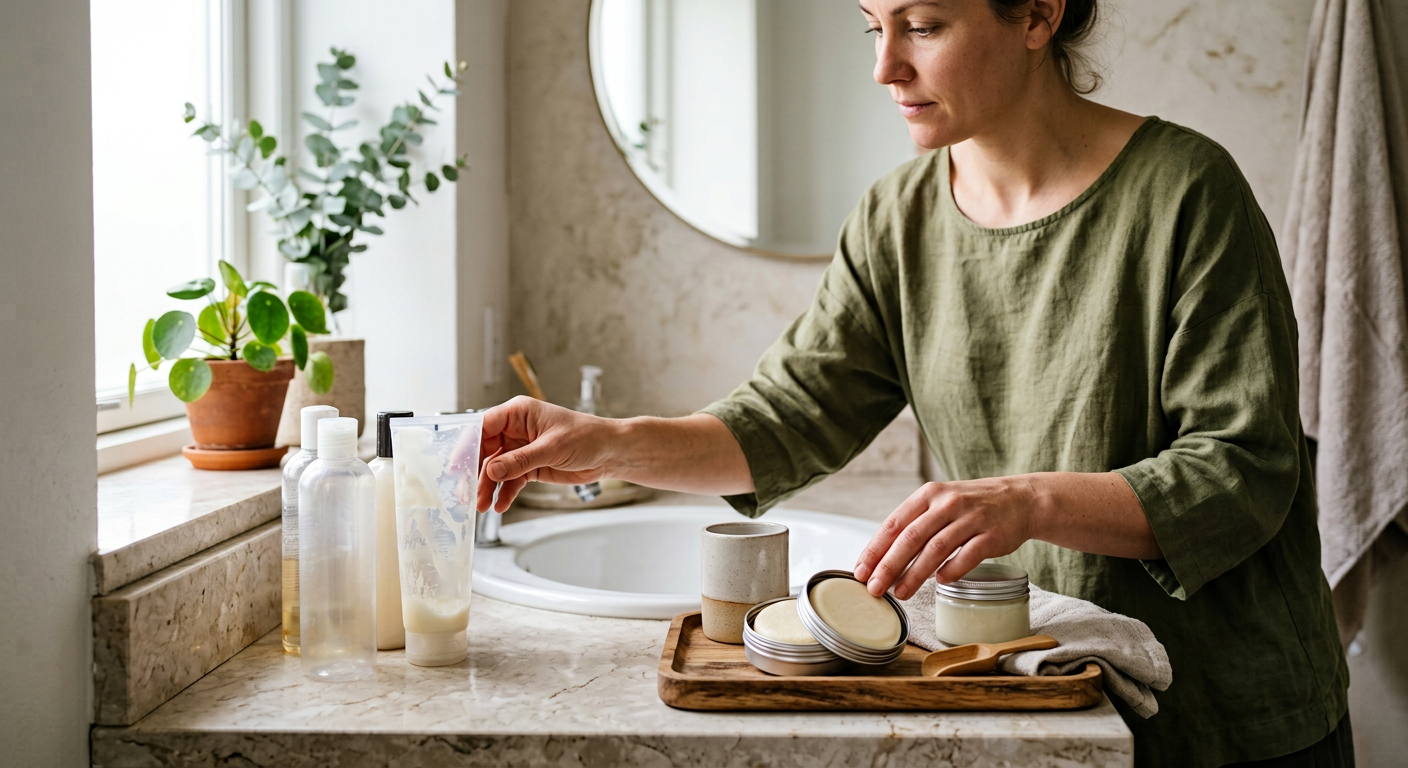
Switching to concentrates works best as a gradual, deliberate change rather than a full bathroom overhaul. The most sustainable option is rarely the flashiest one. It’s the product you’ll actually finish and buy again.
Start by taking stock of what you already own. If two cleansers and three serums do the same job, using them up first beats buying a “greener” replacement, as ProMD advises. The biggest win often comes from using less and buying later.
A Simple Switching Framework
- Finish your current products before replacing them.
- Start with high-turnover categories like shampoo and cleanser, where bars and powders perform reliably.
- Choose formats that suit your routine — bars for the shower, sticks for travel, ampoules for targeted care.
- Read clean beauty claims with a fair but skeptical eye, weighing full lifecycle impact over marketing language, per BodyTalks.
Key Takeaways and Next Steps

Concentrated formulas are one of the clearest ways to cut packaging waste, transport emissions, and preservative load right at the source. The data supports it: an 80% potential weight reduction, 20–30% lower logistics costs, and a market on track to nearly double to $24.6 billion by 2034.
Regulation, consumer demand, and mature formulation science have lined up to make this more than a passing trend. High-performance concentrated formulas have stopped being a luxury and become something shoppers increasingly expect by default.
Start small. Pick one high-turnover product in your routine, switch it to a concentrated or solid format once you’ve finished the original, and judge it on performance. If it holds up, expand from there. Your routine, your storage space, and the planet all come out ahead.
Frequently Asked Questions
What is a concentrated beauty formula?
A concentrated beauty formula removes most or all of the water from a product and delivers active ingredients at higher potency in a smaller, lighter format. You add the water at home through use — rinsing a bar, activating a powder, or diluting a serum.
Are waterless and concentrated products actually more sustainable?
Yes, mainly because they cut water weight and packaging at the source. Concentrated innovation can reduce product weight by up to 80%, lowering logistics costs by an estimated 20–30% versus conventional liquids, according to industry research.
Do concentrated formulas perform as well as regular products?
Modern formulation science has largely closed the performance gap. Advances in stabilizers, amino acid surfactants, and anhydrous delivery mean many concentrated products now match or beat their conventional counterparts on feel and results.
Why do concentrated products often need fewer preservatives?
Microbial growth requires water activity above roughly 0.6 to become a real concern, per OEM Cosmetic. Because anhydrous formulas contain little to no water, they can stay stable with minimal or no added preservatives.
How big is the waterless beauty market?
The global plastic-free waterless beauty formulations market was valued at $13.3 billion in 2025 and is projected to reach $24.6 billion by 2034, at a 7.0% CAGR, according to ResearchIntelo.
Which beauty categories work best as concentrates?
High-turnover categories like shampoo, conditioner, and cleansers translate especially well, with solid bars holding the largest market share. Haircare solids and skincare balm sticks are among the strongest-performing formats.