

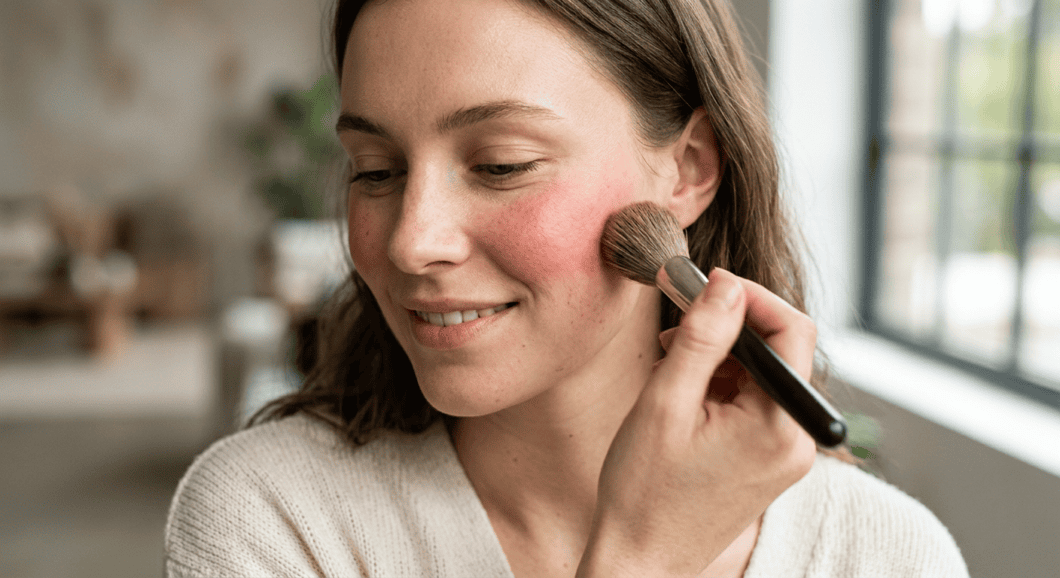
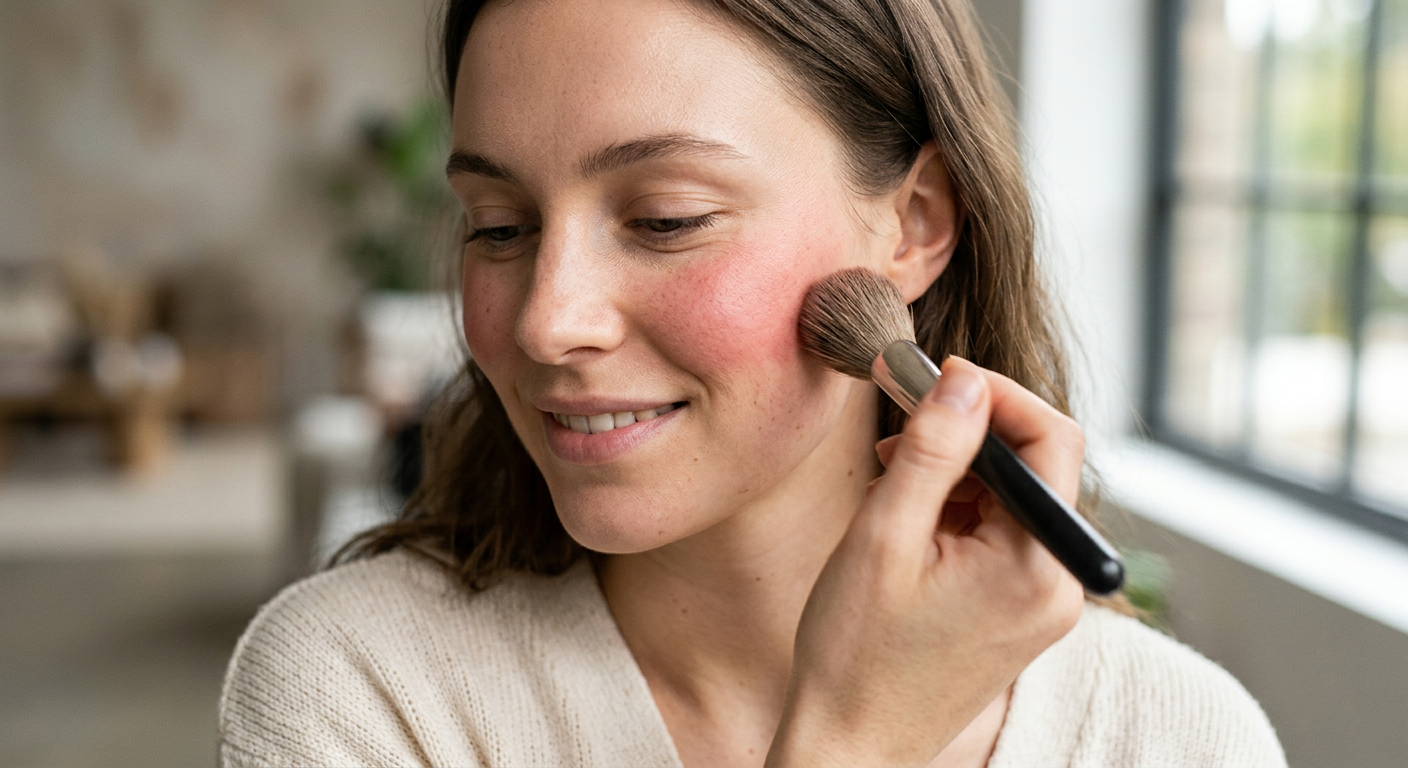
Watch watercolor paint bleed across wet paper and you’ll see pigment pool at the center before it thins to almost nothing at the edges. That’s the effect makeup artists are chasing on cheeks in 2026. Watercolor blush swaps powder and precise placement for sheer, buildable washes of color that look melted into the skin rather than sitting on top of it. Sabrina Carpenter and Hailey Bieber wear it. Makeup artists at NYFW, LFW, Milan, and Paris all point to it as the cheek trend of the year.
If blush has always felt too heavy or too obvious on you, this is the technique worth trying. Below is what you need to wear it well.
What Is Watercolor Blush?
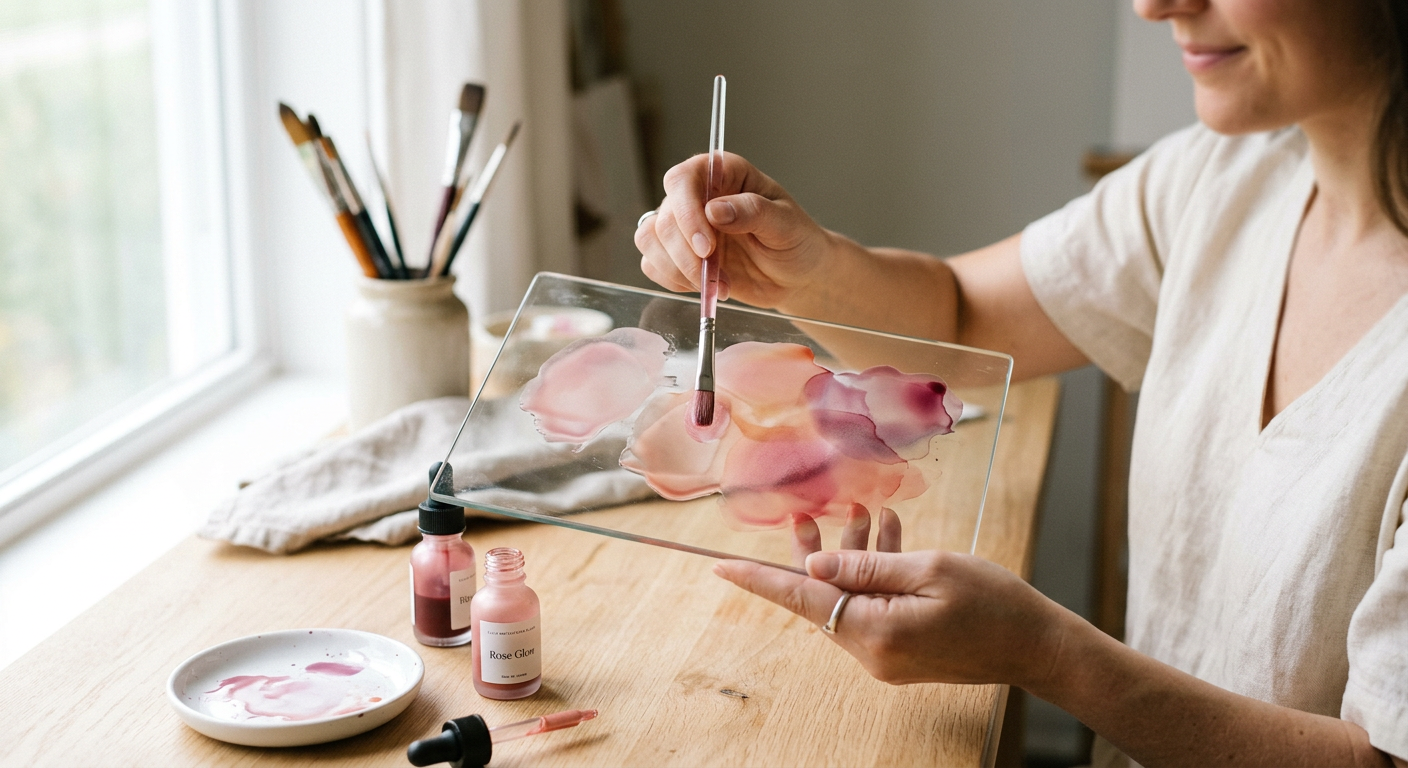
Watercolor blush is a sheer, stained-glass version of blush built from thin, liquid-based layers. Instead of laying down opaque color, it creates a diffused flush that seems to come from under the skin. The name is literal: concentrated pigment at the center of the cheek, gossamer at the edges, exactly like paint on wet paper.
The look sits between two larger 2026 movements. One is the shift away from the ultra-minimal “clean girl” era toward what the Online Makeup Academy calls “bold placement, soft finish, thoughtful restraint.” The other is the return of visible, expressive color that still reads as natural.
Lauren Hogsden, national brow and beauty authority at Benefit Cosmetics UK, describes the result as a “natural flush using soft, ethereal washes of color which melt seamlessly into the skin,” as reported by ELLE.
Why Watercolor Blush Is Trending in 2026
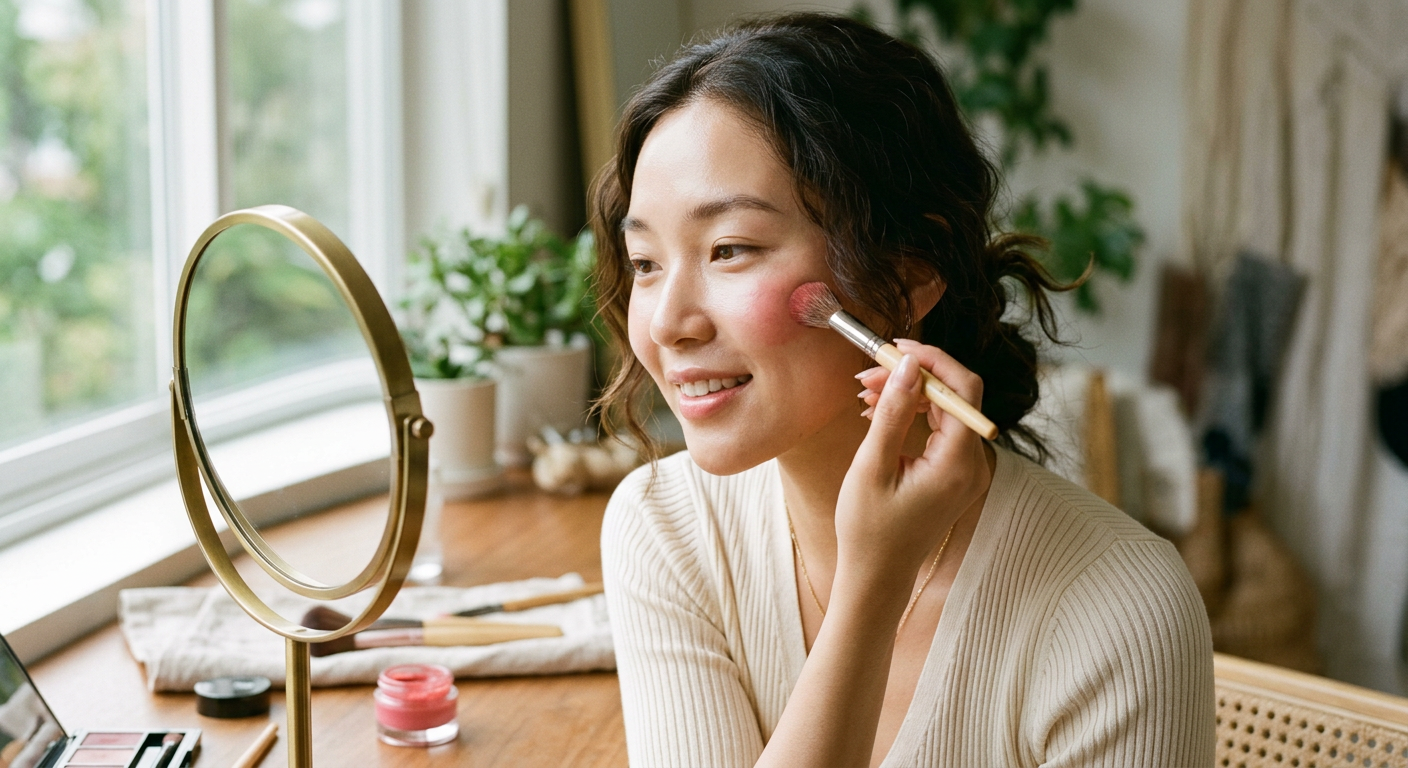
Much of the momentum came from social media, driven by Nina Park’s makeup looks spreading across FYPs. Who What Wear has tracked the renaissance of natural-looking, barely-there blush, and the watercolor flush sits at the front of it.
It also follows where beauty has been heading. “Boy blush” and halo lips leaned into diffusion with very little pigment. Watercolor blush keeps that soft-focus quality but brings the color back up, which is what makes it both wearable and expressive.
The One-Accent Rule
Watercolor blush fits the core styling principle of 2026: one accent, soft everywhere else. You pick one expressive feature, maybe a blurred oxblood lip or a graphic floating liner, and keep breathable skin and feathered edges around it. If the cheeks carry a dreamy wash of color, the rest of the face stays quiet.
For working artists and students, that’s the useful part. These are trends you can put on clients in real life, not just under editorial lighting.
How to Achieve the Watercolor Blush Look
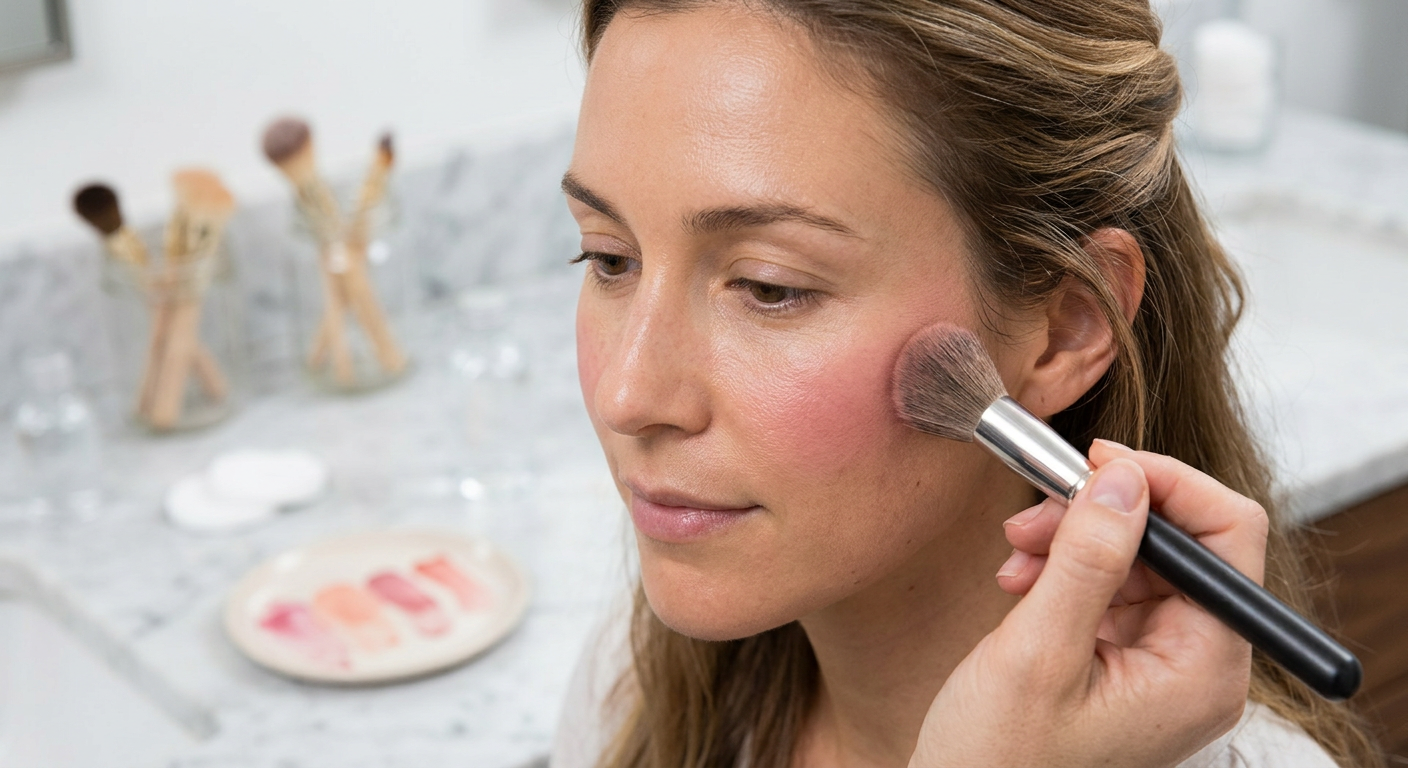
Technique matters more than the product here. You want thin, translucent layers built up until you hit a stained-glass glow, never a solid patch of color.
Work in this order:
- Start with skin, not blush. Prep with a hydrating base or dewy foundation so the pigment has a smooth surface to spread across.
- Apply in thin layers. Dot a small amount of liquid blush onto the apples of the cheeks.
- Tap, don’t drag. Press the color in with your fingertips instead of swiping, which keeps the edges soft.
- Build slowly. Add a second sheer layer only if you want more intensity.
- Stop early. Celebrity makeup artist Omayma Ramzy calls restraint the thing that keeps the finish looking like skin.
Fingertips vs. Brushes
Fingertips win here. The warmth of your hands melts the formula into the skin, and pressing avoids hard lines. A damp sponge works as a backup when you want extra diffusion. Skip dense powder brushes, which fight the liquid texture and break the watercolor effect.
Best Products for the Watercolor Blush Trend
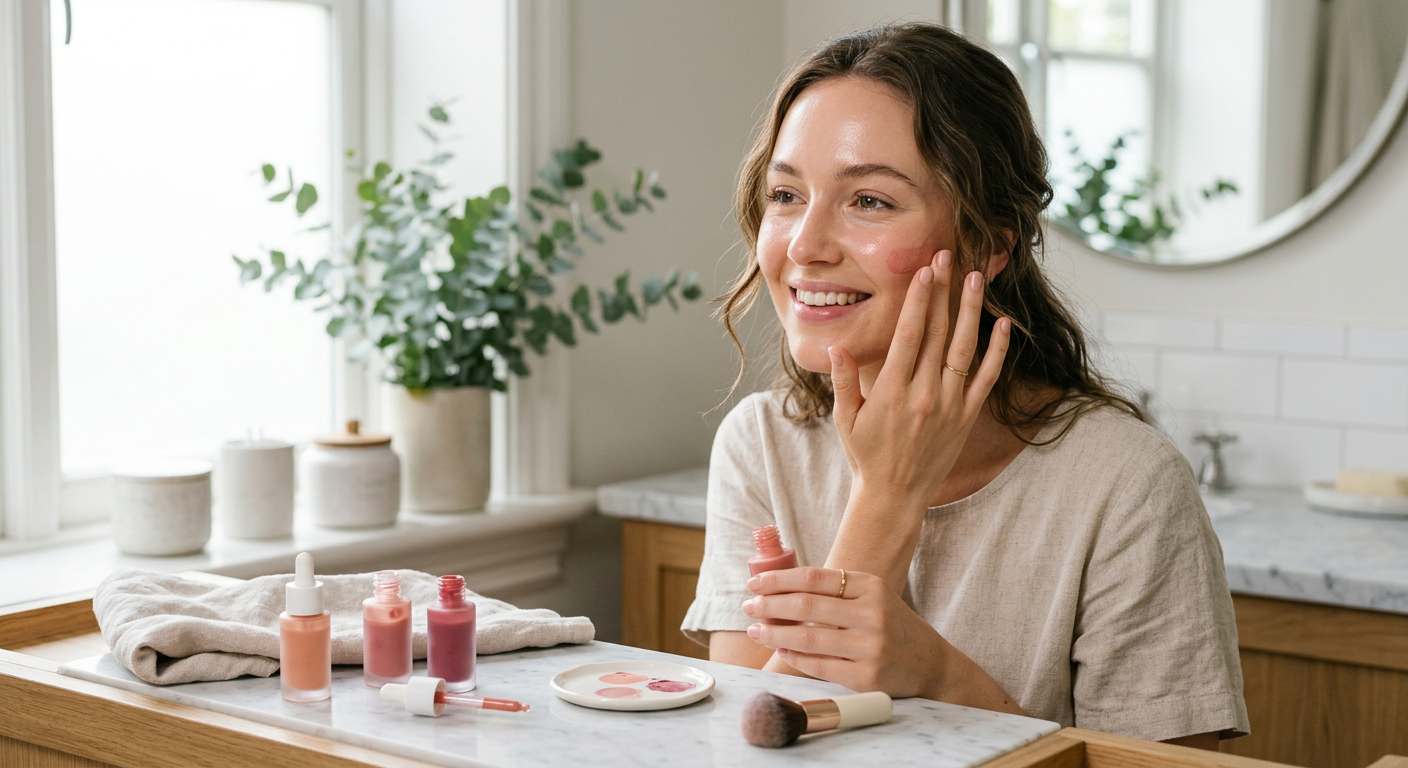
The look depends on lightweight, water-based or liquid formulas that layer without turning cakey. Two products come up again and again among makeup artists.
| Product | Formula Type | Best For |
|---|---|---|
| Rare Beauty Soft Pinch Liquid Blush | Buildable liquid | Highly pigmented, needs a light hand |
| Chanel Les Beiges Water-Fresh Blush | Water-based tint | Sheer, effortless everyday flush |
| General water tints & lightweight liquids | Watery tint | Stained-glass-like glow on any skin tone |
Omayma Ramzy named both the Rare Beauty and Chanel formulas as ones that define the look. The difference between them comes down to pigment: Rare Beauty is intense, so a single dot goes a long way, while the Chanel water-fresh formula stays sheer and forgiving.
Shopping on a budget? Look for any liquid or water-based blush labeled “sheer,” “tint,” or “buildable.” Powder blushes can get close over a dewy base, but liquids diffuse more convincingly.
Who Watercolor Blush Works For
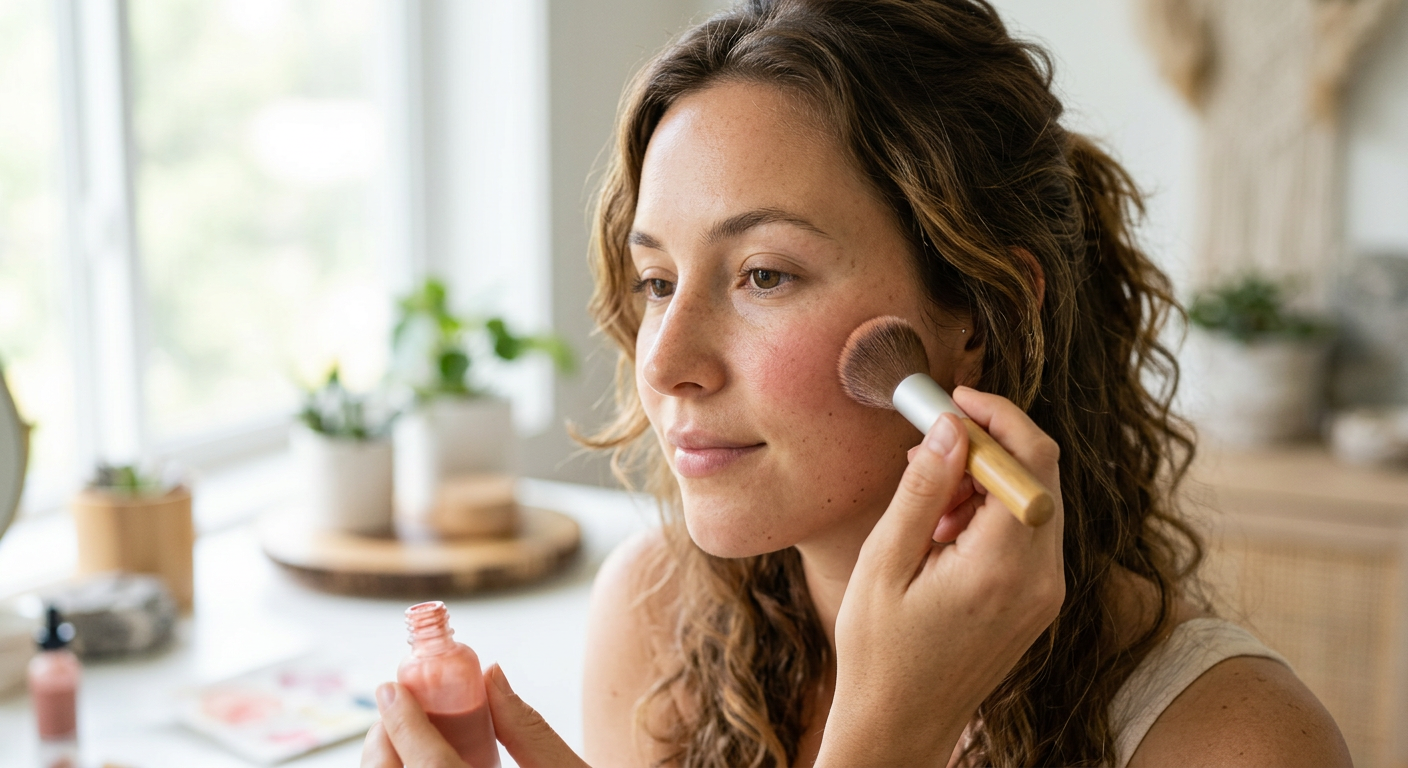
One of the trend’s real strengths is how widely it works. Because you build the color yourself, you set the intensity to match your skin tone, features, and the occasion.
Adjusting for Skin Tone
Sheer layers read differently across skin tones, so choose your shade accordingly. Soft pastel pinks flatter fair to light skin. Berry, brick, and warm terracotta tones tend to glow on medium to deep skin. Because the formula builds, you can layer richer shades without losing the soft-focus finish.
Adjusting for Occasion
For everyday wear, one sheer layer gives you a just-came-in-from-the-cold flush. For events or evening, build a second or third layer for a more saturated stained-glass effect. The edges stay diffused either way, so even the intensified version avoids looking heavy.
Common Mistakes to Avoid
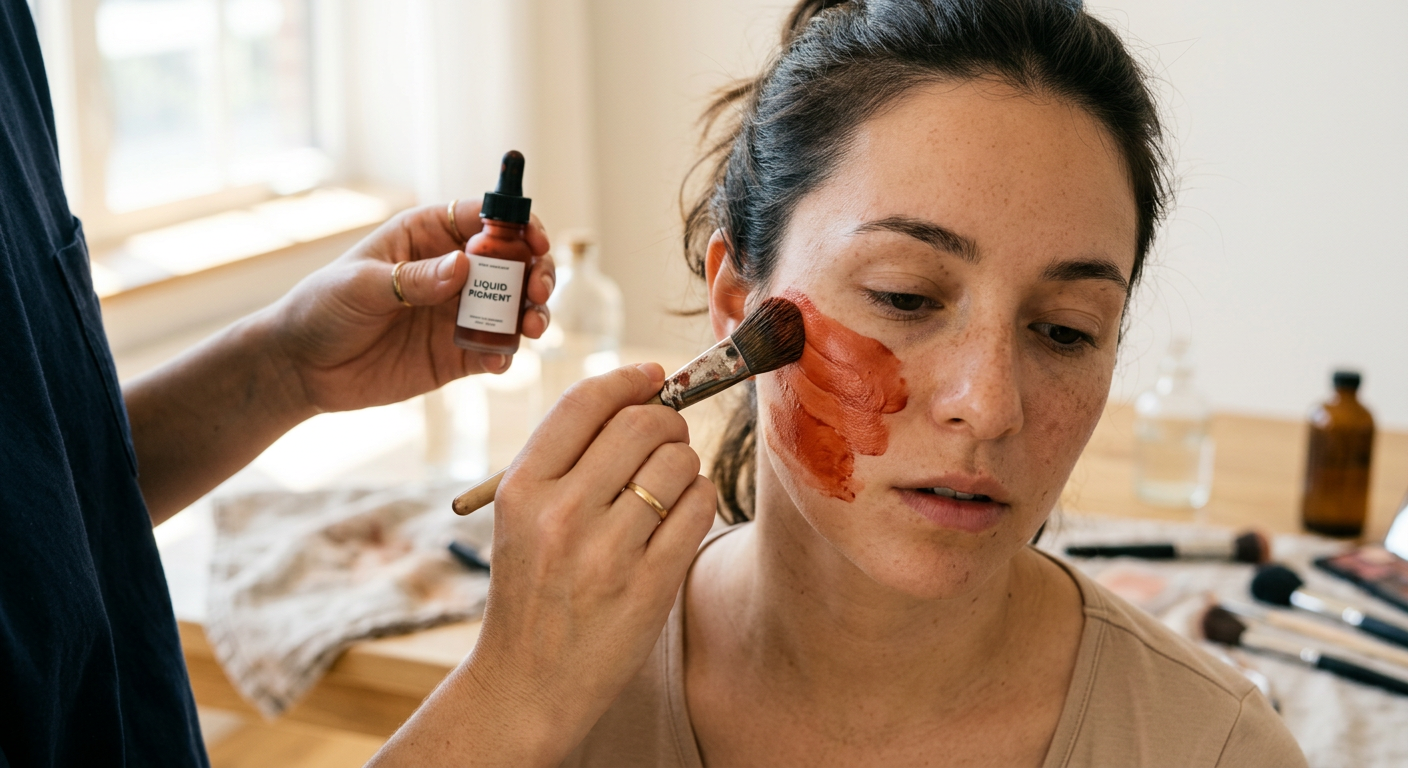
Overapplication is the most common error. Liquid formulas carry more pigment than they look, so one dot too many turns a wash into a stripe. Add less than you think you need, then build.
Dragging is the second mistake. Swiping creates the hard edges that defeat the whole soft-focus idea, so press and tap instead. And don’t set the look with heavy powder, which flattens the dewy, lit-from-within quality that makes watercolor blush work in the first place.
Overdid it? Press a clean, slightly damp sponge over the area to lift and diffuse the excess, rather than piling foundation on top.
Conclusion: Master the Softest Flush of the Year
Watercolor blush is the defining cheek trend of 2026 because it delivers visible color without ever looking heavy. Build it in thin liquid layers, tap it in with your fingertips, and stop early. Pair it with soft skin and one bold accent, and you have a look that carries you from a workday to an evening out.
To start, pick a single buildable liquid blush, practice the tap-and-layer technique on bare cheeks, and adjust the intensity to match your skin tone and the moment. The softest, most flattering flush of the year is only a few dots away.
Frequently Asked Questions
Q: What is watercolor blush?
Watercolor blush is a sheer, liquid-based flush built in thin layers to mimic how watercolor paint diffuses on paper. The result is a soft-focus, skin-like glow that looks melted into the skin rather than applied on top.
Q: What products work best for watercolor blush?
Makeup artists recommend buildable liquid formulas like Rare Beauty Soft Pinch Liquid Blush and Chanel Les Beiges Water-Fresh Blush. Any water-based tint labeled sheer or buildable will help you achieve the stained-glass effect.
Q: How do you apply watercolor blush without it looking patchy?
Apply thin layers and tap the color in with your fingertips instead of dragging or swiping. Build gradually and stop early to keep the edges diffused and even.
Q: Is watercolor blush good for beginners?
Yes. Because you control the intensity by building sheer layers, it is forgiving and hard to overdo when applied slowly. Fingertip application also removes the need for advanced brush techniques.
Q: What shade of watercolor blush should I choose for my skin tone?
Soft pastel pinks tend to flatter fair to light skin, while berry, brick, and terracotta tones glow on medium to deep skin. The buildable formula lets you adjust intensity to suit your complexion.
Q: Can I use powder blush for the watercolor effect?
Liquid and water-based formulas diffuse most convincingly, but you can approximate the look with powder over a dewy base. Avoid setting the finish with heavy powder, which flattens the lit-from-within glow.